Words: Melissa Gronlund
Saudi is swiftly expanding its wellspring of museums, biennials, art districts and fairs, and the intense development of its art scene is one of the major changes in the global art world. The past two years have seen numerous inaugural events, and major museums are still in the works in Riyadh and across the kingdom.
“Ten, even five years ago, it was unthinkable that Saudi would become a destination for international cultural tourists, alongside its global role as a site of pilgrimage,” Antonia Carver, director of Art Jameel, says. “And yet in such a short space of time, we've seen an axis of art – Riyadh-AlUla-Jeddah, plus of course Ithra in the Eastern Province – commandeer bona fide moments in the calendar.”

It helps that the Saudi art arena was already building on a strong base. As early as the 1980s painters gathered in Riyadh’s House of Arts, and in the late 2000s and 2010s a vibrant conceptual art scene formed in Jeddah, showing the work of now famous artists like Ahmed Mater, Abdulnasser Gharem and Manal AlDowayan. But all changed with Vision 2030, launched in 2018, under which art moved front and centre as an investment priority for the leadership. Newly established governmental bodies started setting out an array of programmes: from Riyadh Art’s city-wide festivals to the critically curated international biennials and exhibitions that have taken place in Diriyah and Jeddah.


The artists who first exhibited in venues such as 21, 39 Jeddah Arts, the Athr and Hafez galleries and privately-held events are being given larger-scale opportunities and international visibility.
“Both mature and emerging Saudi Arabian artists featured at our biennials have been able to contribute to artistic discourse on a global stage, including Manal AlDowayan, Lulwah Al-Homoud, Muhannad Shono, Sarah Brahim, Basmah Felemban and many others,” Aya Al-Bakree, CEO of Riyadh’s Diriyah Biennale Foundation, says.
“The reviews of their works remain one of the facts we
are the proudest about. The interest in our biennials has also
been incredibly refreshing – we had 100,000 visitors to our
inaugural Islamic Arts Biennale in the first 15 days alone.”

The Diriyah Biennale Foundation held its first iteration at the end of 2022, with a biennial curated by the Beijing-based Philip Tinari, who contextualised Saudi artists within a wider scope of Chinese, African, European and American artists. In 2023, it opened the Islamic Arts Biennale in Jeddah, held in one of the airport terminals built in 1981 to accommodate Hajj pilgrims. The proposition was unique because contemporary art tends to leave religion at the door. The Islamic Arts Biennale invited artists to reflect on and celebrate the rituals and joys of faith, from the Adhan, or call to prayer, to the intricate coverings for the Kaaba, one of the many historic art objects that were exhibited alongside the contemporary artworks.
Much of the work in Saudi’s contemporary art scene is in building up the surrounding infrastructure of permanent venues – and with allowing a new generation to come to the fore. For Hayy Jameel, which launched in Jeddah in late 2022, the trick was to look at the landscape as it was emerging to think about what role the centre could usefully play.


“Hayy Jameel is currently one of few independent complexes in the kingdom built specifically to nurture this new generation of artists and creative practitioners,” Carver says. “At Art Jameel, we see our role as complementary to that of the large-scale government events.”
She continues that it’s all about filling the gaps (such as launching Hayy Cinema, Saudi's first centre for indie film), expanding the scene durably (through their learning programmes that have something for everyone) and pioneering deeply researched programmes for the arts community.
Jeddah, long the kingdom’s art centre, is itself transforming. The city’s Al Balad (Old Town), a World Heritage Site, is becoming a touristic and cultural district. New museums are being built and updated, from heritage houses to ones exploring the possibilities of interactive technologies, in an outpost of the Japanese digital agency teamLAB.

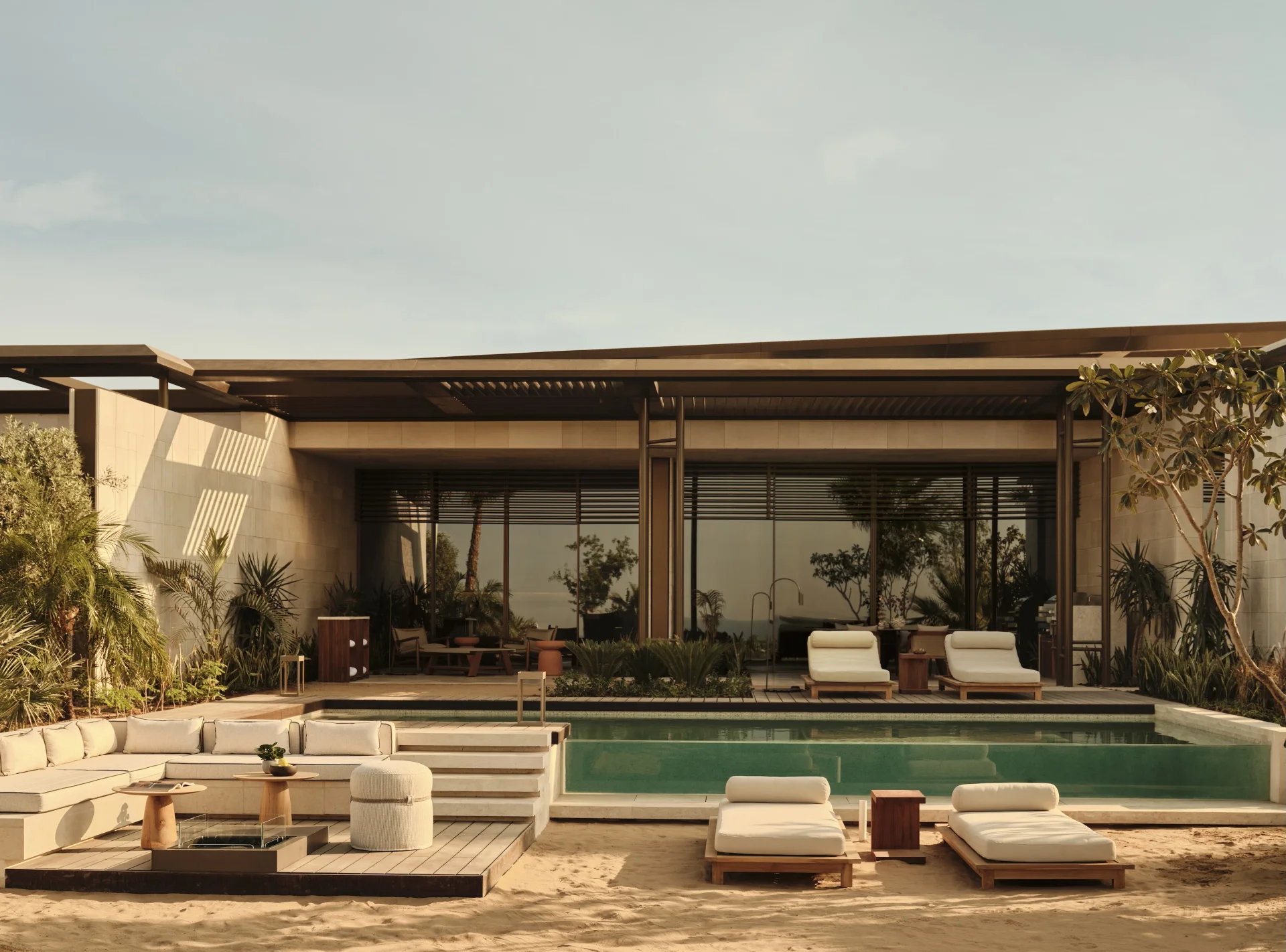
The development of other areas operates at an even larger scale, like AlUla, the 22,561sq km valley that comprises archaeological and heritage sites, luxury hotel offerings and excursions. There’s also an open-air museum called Wadi AlFann, where artists will have the opportunity to make career-defining works in the desert.
Nora Aldabal, the arts and creative planning director at the Royal Commission for AlUla, underlines how these new offerings draw on the site’s history. As it lies in an oasis, different civilisations have crossed through and made their homes in AlUla for millennia. The Nabateans, who famously built the tombs of Petra in Jordan, travelled further down the Arabian Peninsula and built a second complex in AlUla – now known as Hegra and inscribed as a UNESCO World Heritage Site in 2008.
The contemporary offerings of Wadi AlFann and other programmes take place in valleys adjacent to these majestic tombs, near as well to other historic sites. These include petroglyphs from the 4th to 1st century BCE Dadan Kingdom and the mud brick structures of the city’s Old Town, which was lived in from the 12th century until the early 1980s. (This site, with an incredible long span of continuous habitation, will be the focus of Manal AlDowayan’s artwork for Wadi AlFann.)

“AlUla is part of Saudi’s cultural revival as well as
its long cultural past,” Aldabal says.
“Because of the scale of the AlUla project, we have archaeologists who are discovering petroglyphs from thousands of years ago. Additionally, in a valley a mile over, we are commissioning new artworks that will also stand the test of time, in our Wadi AlFann initiative. And unlike art that is exhibited in a city, at AlUla we can really utilise the environment.”
She adds for Desert X AlUla, their exhibition of temporary art works, they display international and Saudi works every other year. And when the first five works of Wadi AlFann launch, visitors will “have permanent works to engage with when they visit the new hotels and hospitality venues we are also building on site.”

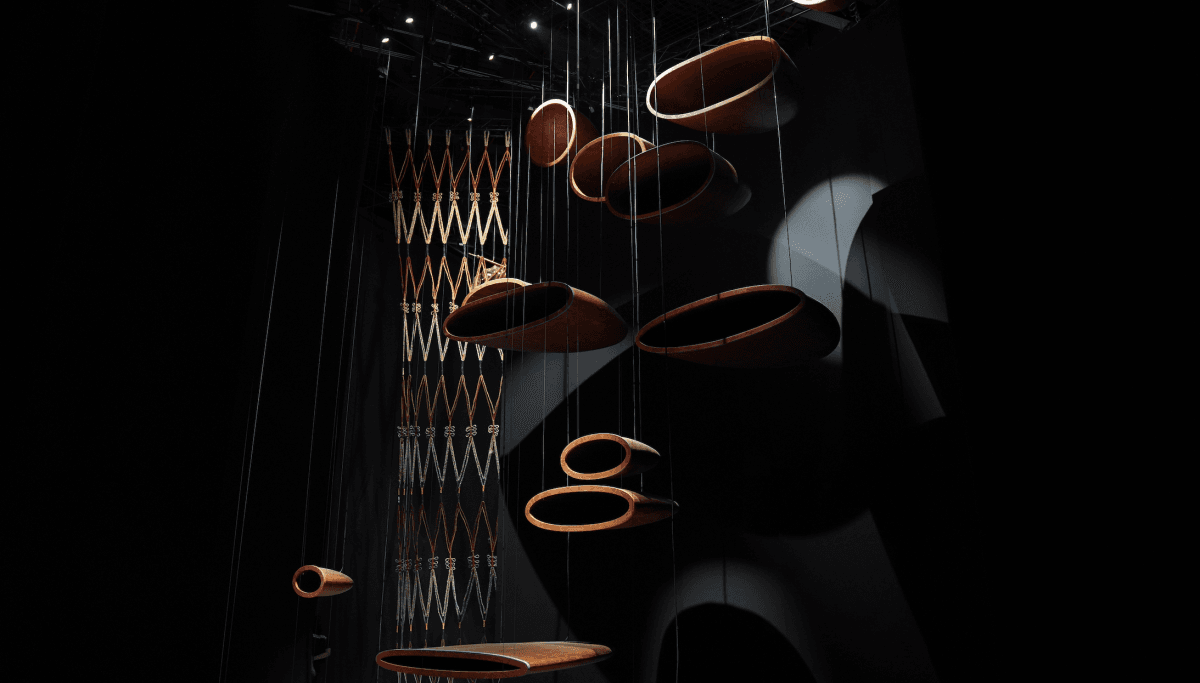
The new investment is already shifting the style of Saudi artwork, pushing it out of galleries and into a desert, oasis and other open-air venues. In line with broader trends in the art world, the ecological crisis has become a key subject. In the Eastern Province, artists like Mohammed Al Faraj and Aziz Jamal are looking at the intensifying heat and growing scarcity of water. In the video installation Desert Keepers (2022), the Riyadh-based artist Ayman Zedani focuses on the desert not as a site of emptiness but one of complex systems and growth. Muhannad Shono burnt palm leaves in an installation in AlUla’s Mabiti Oasis, adding a new sensorial dimension to his work with its earthy smell. Ambition in many artworks is increasing as well, as artists respond to commissions that operate at larger physical scales.
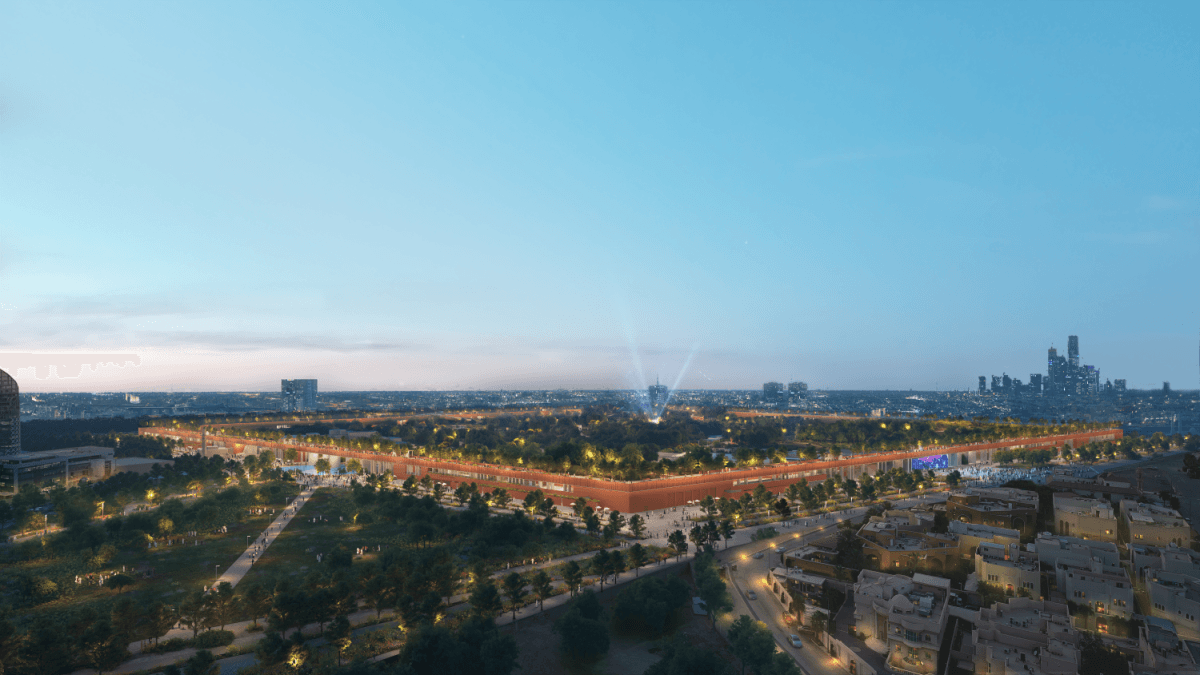
Riyadh has also grown as a more important art centre than it was 10 years ago. In Diriyah, about 20 minutes outside of Riyadh, the Ministry of Culture is developing the new JAX district, formerly a collection of warehouses. The area contains galleries that have been built for the Diriyah International Biennale, as well as enormous studios for artists, with figures such as Mater and Shono moving in.
For many, the next step is to look outwards. Several artists I have spoken to have related their desire to do projects internationally and to be taken as artists on their own terms, rather than viewed through the prism of being a “Saudi” artist. Institutions are beginning to look externally too. Ithra has partnered with various international museums on travelling shows, and the Diriyah Biennale Foundation loaned several works to the Lyon biennial in 2023.
“Our success is also defined by the partnerships we create,” Al-Bakree says. “Our aim is to build on the success of both the biennales ... to put Saudi Arabia on the global cultural map."