

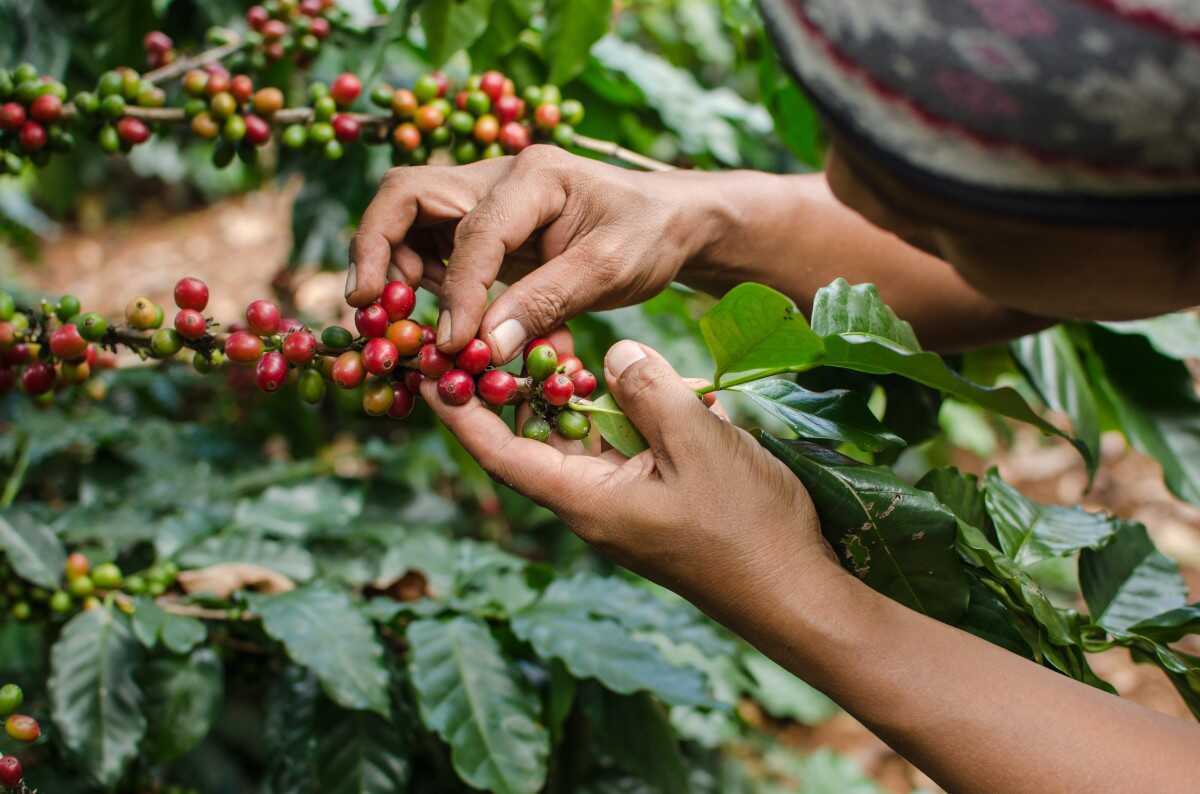
Never mind oil, in Saudi Arabia, coffee is the new black gold. Or green-black gold. Preparing coffee is a tradition that goes back centuries but is now enjoying a boom thanks to government investment in homegrown coffee crops and a seemingly neverending number of third-wave coffee shops opening around the country. There’s even coffee tourism emerging – tours are now available to the farms in the country’s southern provinces to see the beans being harvested.
Coffee culture began on the Arabian Peninsula in the 15th century when coffee houses – known as qahveh khaneh – in Mecca (Makkah) became social hubs, a phenomenon that spread out to the Ottoman Empire and then to Europe. Coffee is always more than just a drink in Saudi culture – it’s an important symbol of hospitality and pouring it is a ceremonial act of generosity.
This guide will explain why coffee is so popular in Saudi Arabia, detail the rules and etiquette, and look at how the coffee tradition in Riyadh is changing and evolving.
Why is coffee culture so important in Riyadh?
The first coffee shops in what is now Saudi Arabia existed in Mecca during the 15th century, with pilgrims returning home with tales of the “Arab wine” they had tasted. Since then, coffee culture has percolated through the region, evolving into a symbol of Saudi hospitality with its own rules and etiquette.
Each region in Saudi Arabia has a different preference for gahwa – traditional Arabic coffee – adding spices such as cardamom and cloves to the blend for a different flavour profile. Riyadh, being the biggest and most cosmopolitan city, is a mixture of all different types – not too light or too dark, with liberal usage of cloves, saffron and cardamom.
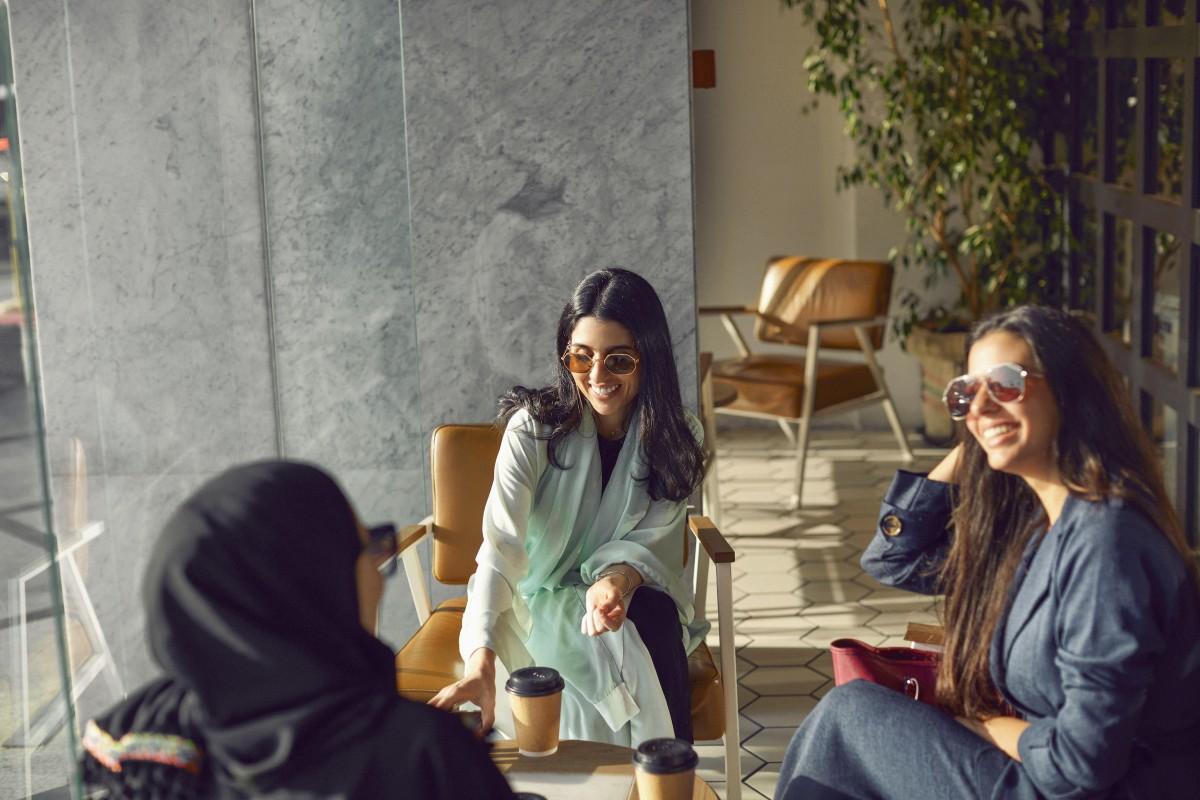
Coffee culture is such a way of life here that Saudi’s khawlani coffee was recently added to UNESCO’s Intangible Cultural Heritage list. But while traditional coffee houses have been places of social discourse since the 15th century, there’s been a recent boom in third-wave coffee shops – those barista-led, espresso-based places serving cold-drip coffee, flat whites and lattes. With alcohol prohibited, these have become important social spaces for younger generations, with some opening late into the night, and a few open 24 hours a day. And with an eye to Instagram, many of these are flaunting creative and eye-catching interiors. If Saudi Arabia is now the coffee capital of the Middle East, then Riyadh is right at its heart.
How do I choose coffee in Riyadh?
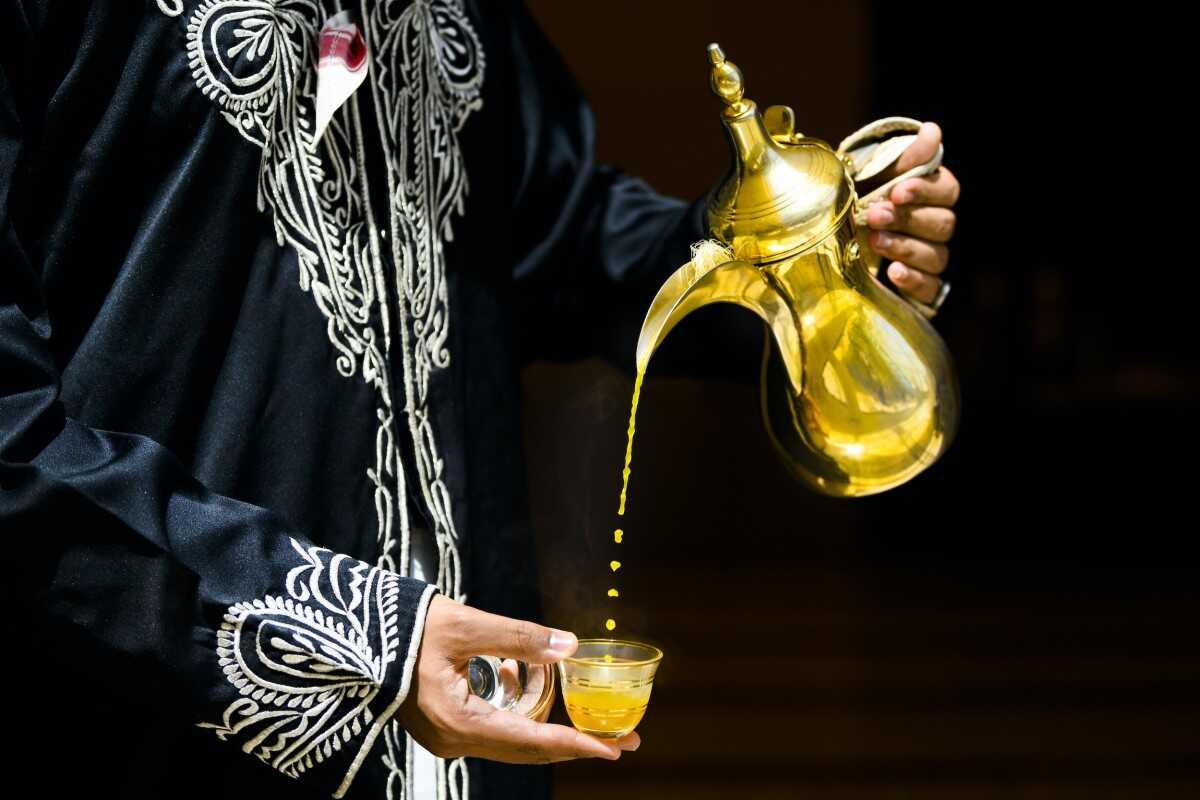
When we’re talking about traditional Arabic coffee – or Saudi coffee as it’s been renamed here – we mean gahwa, which is made using the khawlani coffee beans grown in the country’s verdant southern provinces. This is the coffee that has been sipped here for centuries and served as a warm welcome to guests. Brewing it is a ritual in itself – traditionally, coffee beans are chosen and roasted over a fire before being ground in a pestle and mortar to be brewed with cardamom in a dallah, a traditional gold coffee pot. The hot coffee is then poured into ceramic fenjals – small cups with no handles – to be handed around. Always taken without milk, it is less thick than Turkish coffee, slightly bitter and with a spicy aftertaste from the cardamom, as well as any cloves, cumin or saffron that have been added.
You can find several variations of gahwa, as Saudi Arabia’s regions all have their own take on it. A western version of gahwa, for example, has more cardamom, cloves and saffron, while the sweeter southern blend has ginger, fennel and cinnamon in the mix.
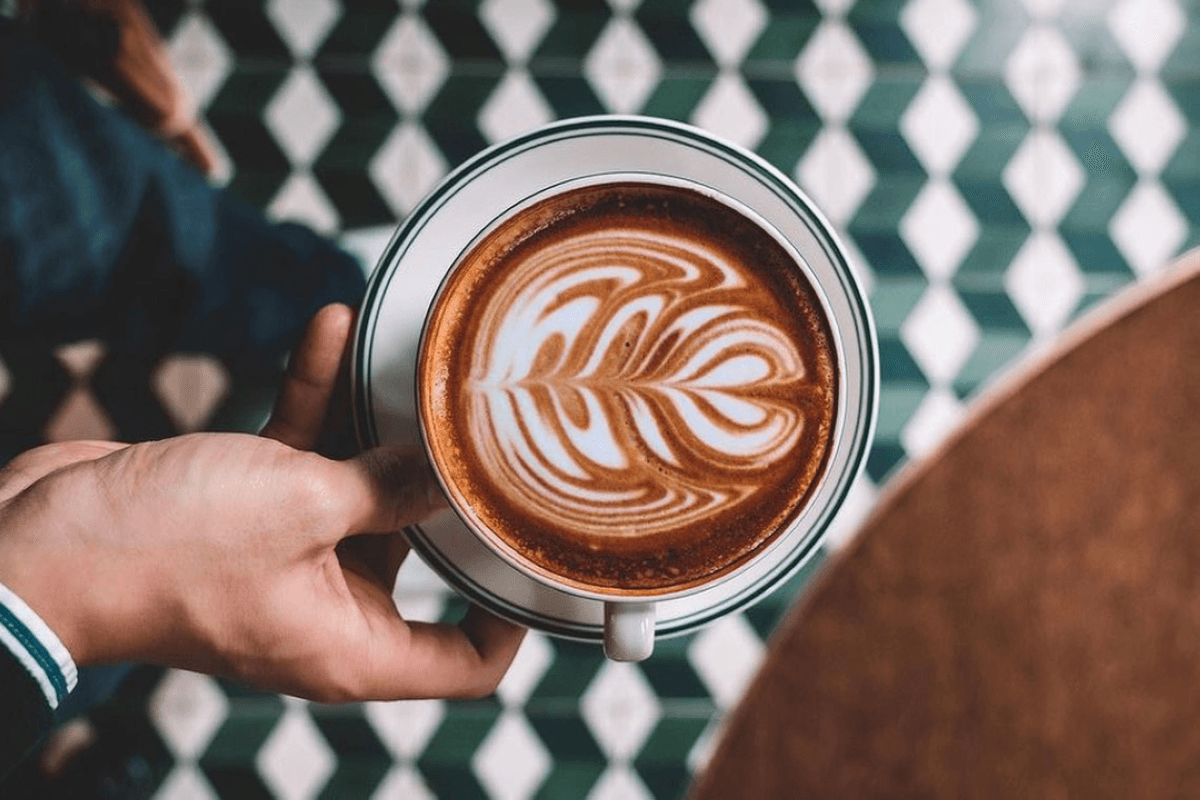
When it comes to third-wave coffees, of course, menus are similar to coffee shops in the US, Australia and Europe, with single-origin and house blends from beans around the world, and speciality coffees including flat whites, V60 pour-overs and espressos. This being Saudi, though, expect to find some local flourishes, such as the camel milk lattes served at Elixir Bunn.

Which coffee shops should I visit in Riyadh?
Well, it all depends on how long you want to spend drinking your coffee. Some coffee shops are so relaxed you could spend a couple of hours there, grazing on the food; others are more grab-and-go affairs for takeaway lattes and flat whites. Some third-wave coffee shops specialise purely in Western-style coffees, such as Half a Million, Camel Step and Brew92, while other cafés have menus that straddle both traditions – Cafe Bateel has a signature Saudi qahwa served with dates, alongside cortados and French press single-origin coffee, as well as a Saudi latte with date syrup and saffron.
In Riyadh, there are a growing number of coffee shops appealing to the Instagram generation, with busy menus and colourful desserts, not to mention a chic design sensibility and remote working spaces. You should head to Tahlia Street to find the biggest concentration of coffee shops. The Sociale Cafe, with its vintage lights, acai bowls and live music, draws in a younger crowd, while the angular Fabrica de Cafe is decorated with ceramics on shelves carved out of the wall, and Moon Shell is a pretty haven for vegans and vegetarians.
Elixir Bunn, which we love as much for its minimalist, Arabian-inspired design as for its cakes, hands out free Saudi gahwa to guests for iftar meals during Ramadan. Andarena Cafe is a relaxed space with Chesterfield sofas and exposed brick walls – ripe for a Saudi remake of Friends – while Wathbah, located in the city’s Al Narjis district, is an elegant combination of bookshop and coffee shop.
As for late-night hangouts, the tropical-themed Palm Coffee Bar is open 24 hours, as is hi Saudi, while Tellus is another popular nocturnal rendezvous for twentysomethings.
Coffee etiquette in Riyadh
While the etiquette in Riyadh’s third-wave coffee shops is the same as the world over, there are special considerations when it comes to Saudi coffee, or gahwa. At social occasions, it’s served in half-full cups, to be held in the right hand, and poured according to age and importance – the eldest guests are served first. The etiquette is that up to three cups can be drunk during ceremonies, though shaking your finjan (cup) indicates that you’ve had enough – no more refills! As Saudi coffee is not served with milk or sugar, it’s common to have a few dates on the side.