


In the rarefied world of international luxury dining, technical mastery and book-led education is merely the entry fee. The true challenge lies in the "culinary translation" — the ability to take a classical foundation and adapt it to a high-velocity, non-native discipline without losing the soul of the dish.
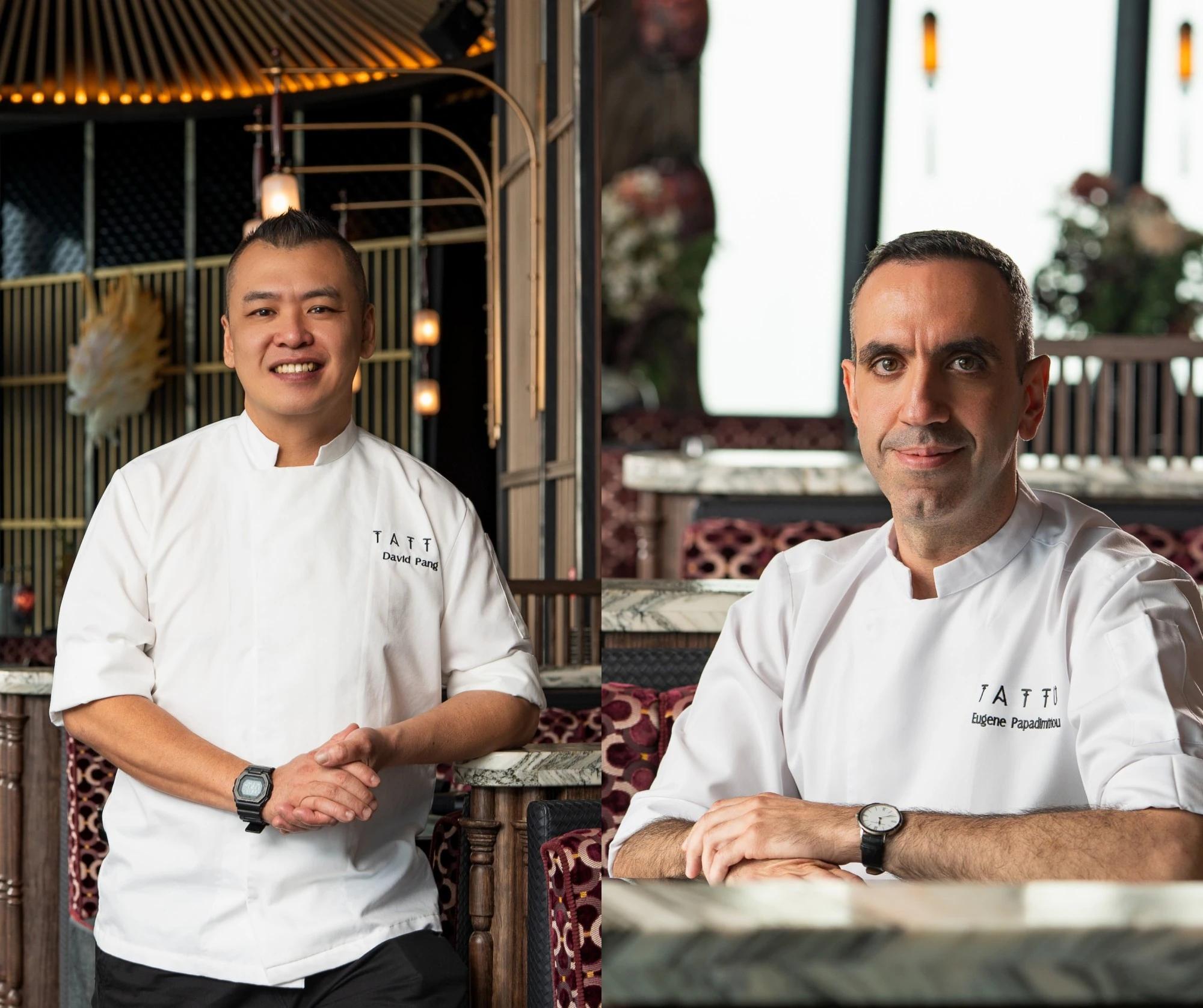
For both Executive Chef Evgenios Papadimitriou and Chef de Cuisine David Pang — the team behind the newly opened TATTU Dubai — cultural humility, tactical leadership and interest in learning are some of the most important traits of a young chef.
Coming with training backgrounds from both Cordon Bleu and MICHELIN starred restaurants, the professional duo share their advice for young chefs interested in achieving a career in international kitchens. They underscore that this career path is defined not just by knife work, but by emotional intelligence, the "controlled energy" of the kitchen brigade, and a respect for the five pillars of Asian flavour.
Here, they share the essential lessons on building a world-class team and developing an authentic voice in an industry that demands constant evolution.
Professional Advice for Young Chefs

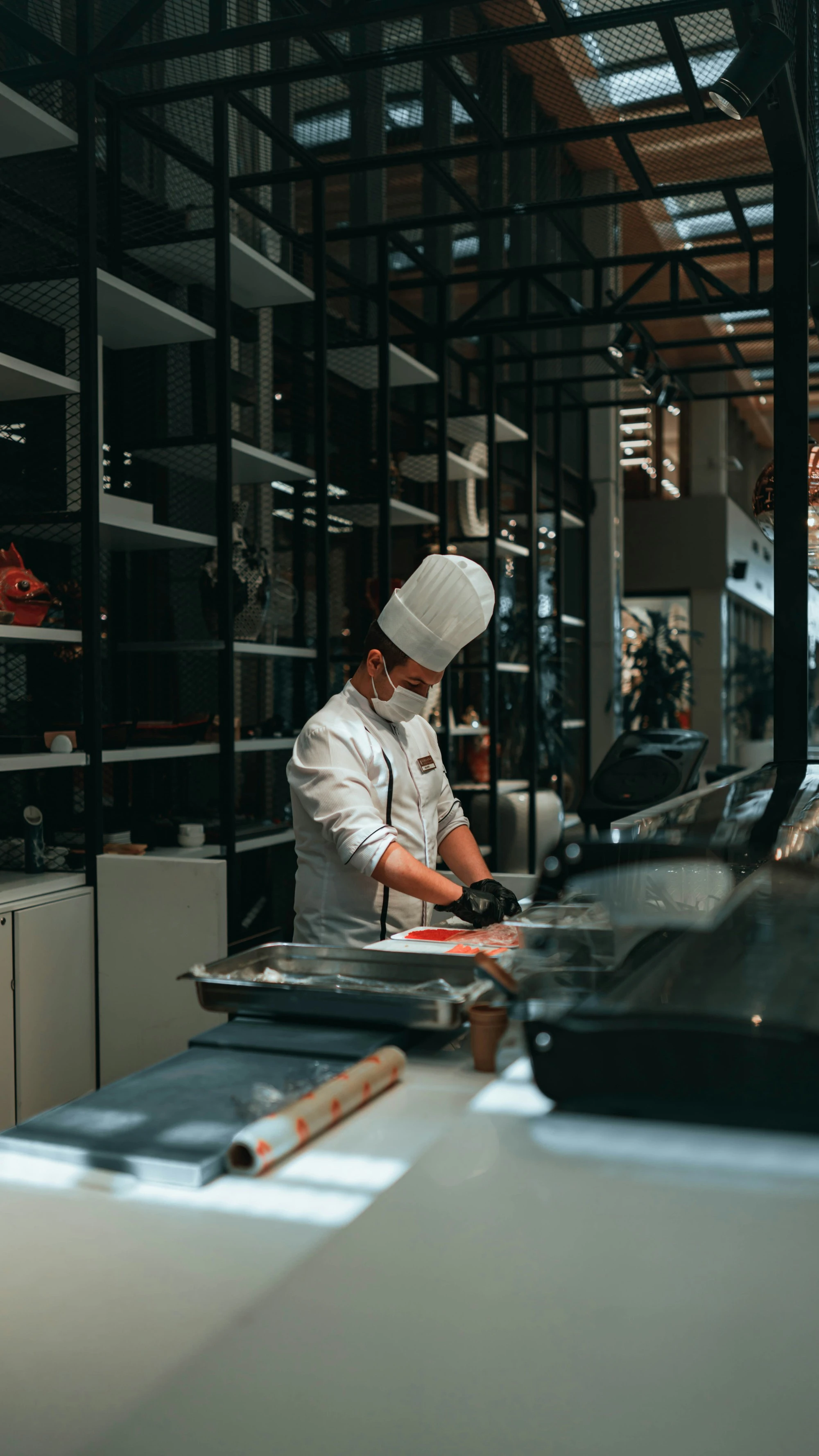
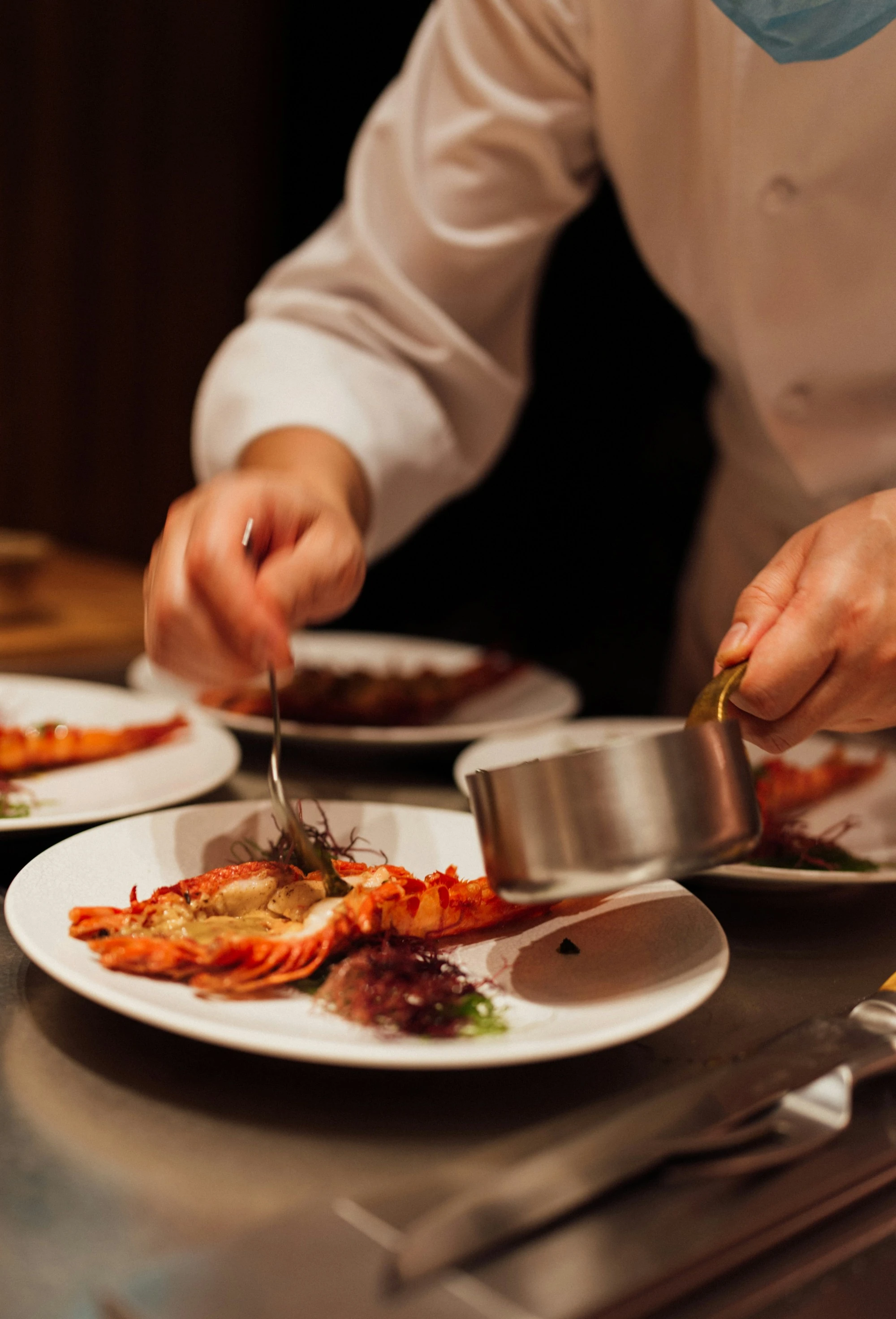
Based on your combined experience launching a flagship restaurant in a new region, what are the top qualities (besides technical skill) you look for when building a cohesive and high-performing culinary team? And what can young chefs do develop in their careers in international luxury dining?
Chef David Pang: The most crucial non-technical advice I would give is to develop strong emotional intelligence and communication skills. In a high-pressure kitchen, talent alone isn’t enough - how you work with your team, handle stress, and resolve conflicts makes a huge difference. Being reliable, humble, and approachable will earn respect and trust, which allows you to learn faster, take on responsibility, and grow quickly in the international luxury hospitality field.
Chef Evgenios Papadimitriou: The most important advice I can give is to stay curious and respect the cuisine you’re learning.
Beyond technical skill, the top quality I look for when building a strong culinary team is personality. Skills can be taught, but attitude, work ethic, and the way someone carries themselves in a kitchen make all the difference. I want people who are positive, curious, respectful, and willing to grow. When you have the right personalities in the room, the team becomes cohesive, motivated, and capable of achieving anything together.
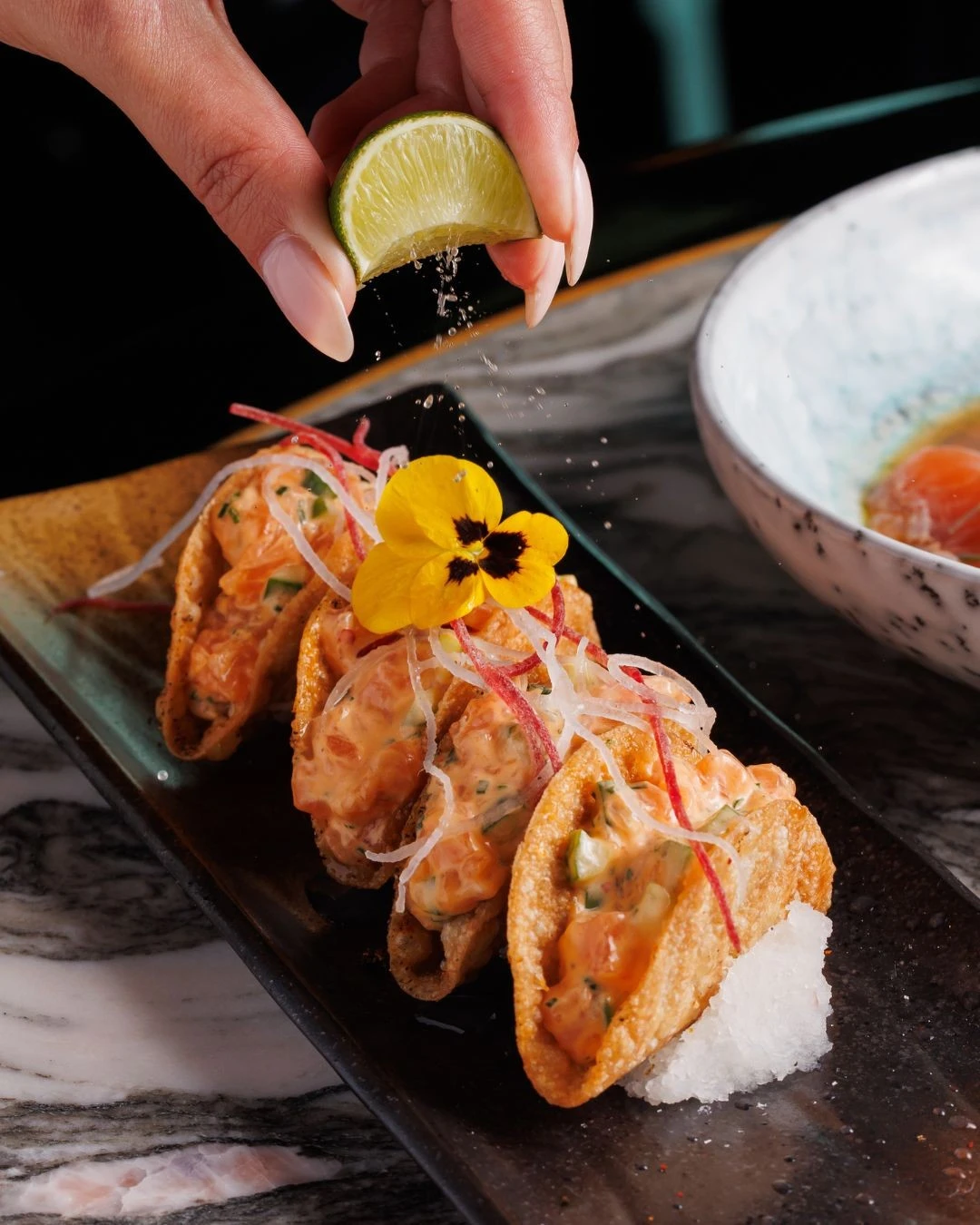
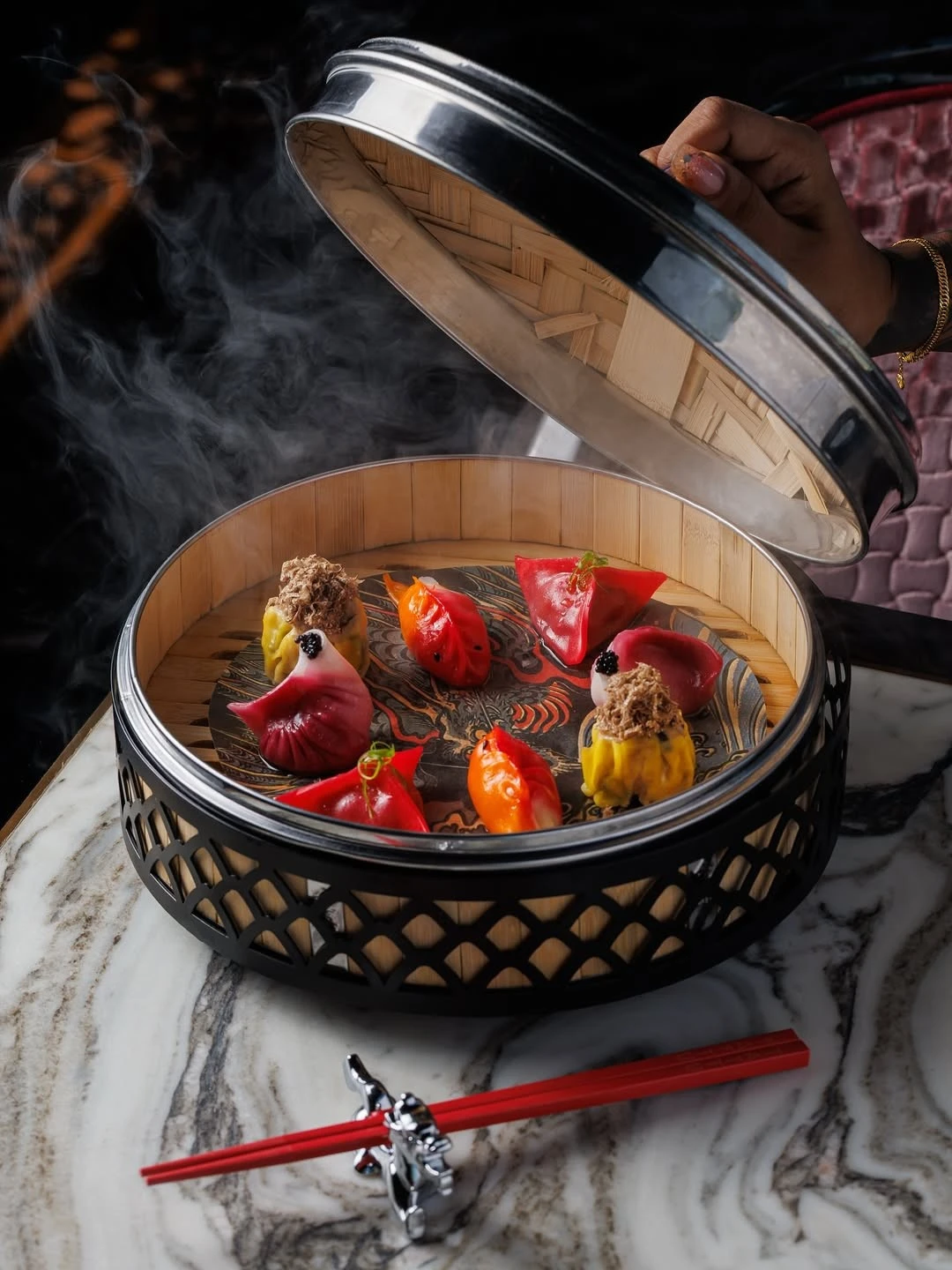
For young chefs just starting their professional journey, Chef Evgenios, what is the single most important piece of advice you can offer on developing a strong culinary identity, especially when navigating a non-native cuisine like modern Asian?
Chef Evgenios Papadimitriou: Your culinary identity will come naturally once you have a solid base. Learn from people who grew up with that cuisine, ask questions, taste constantly, and keep an open mind. If you stay humble and curious, your own voice will develop in a way that is both authentic and creative.
Chef David, you mentioned bringing that Tattu's menu has been designed to bring the "undeniable energy of Asia's bustling streets" into the dining experience. How do you instil that sense of urgency, excitement, and accuracy into a high-pressure, fine-dining kitchen brigade?
Chef David Pang: Clear communication and timing are key. Just like the streets of Asia move at a constant, dynamic pace, I ensure the brigade works in sync, anticipating each other’s moves, so the kitchen hums with controlled energy.
Chef Evgenios Papadimitriou: When you’re working with a non-native cuisine like modern Asian, don’t rush to “create your style” too quickly. First, take the time to understand the foundations, the flavours, the techniques, the culture, and the philosophy behind the food.
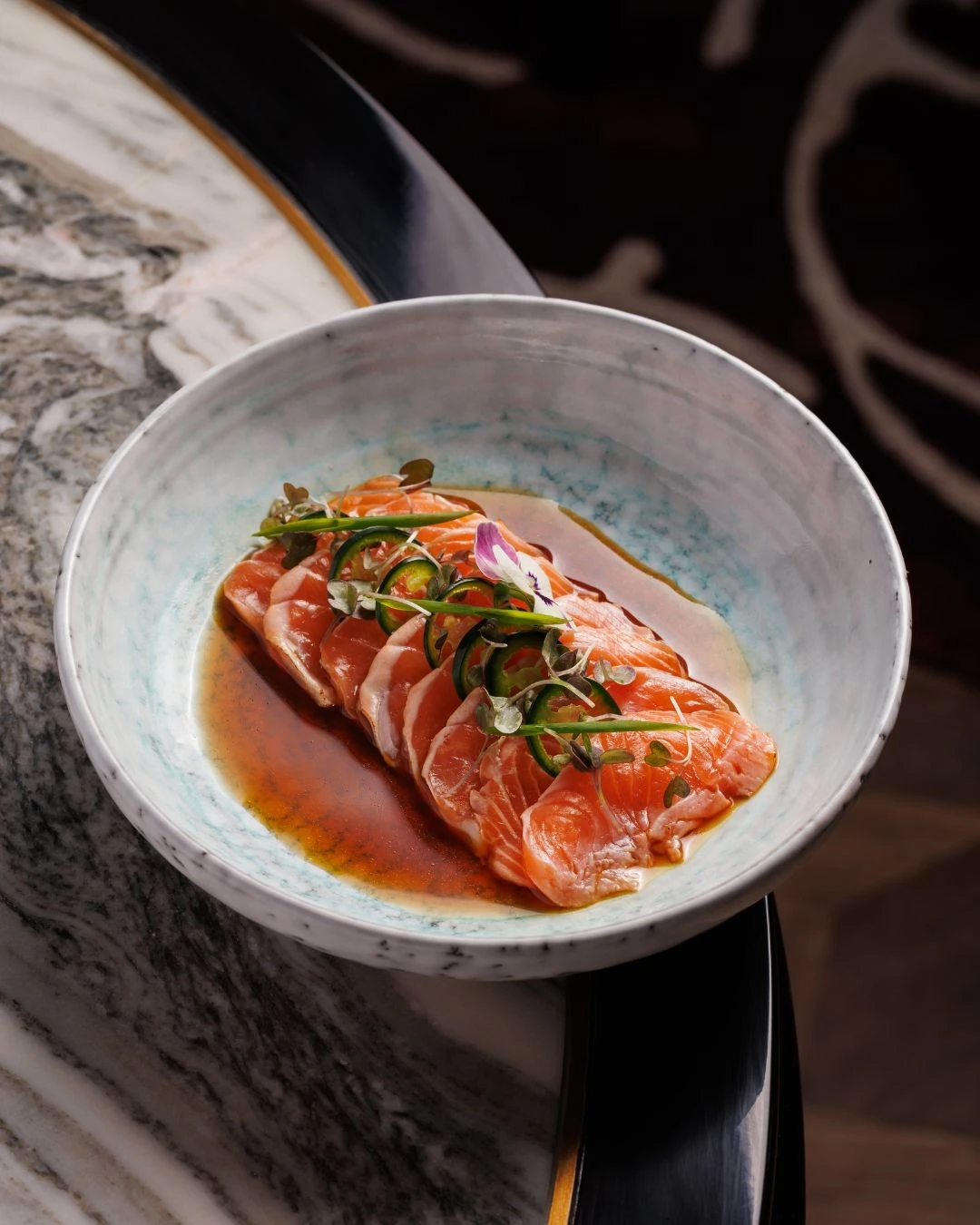
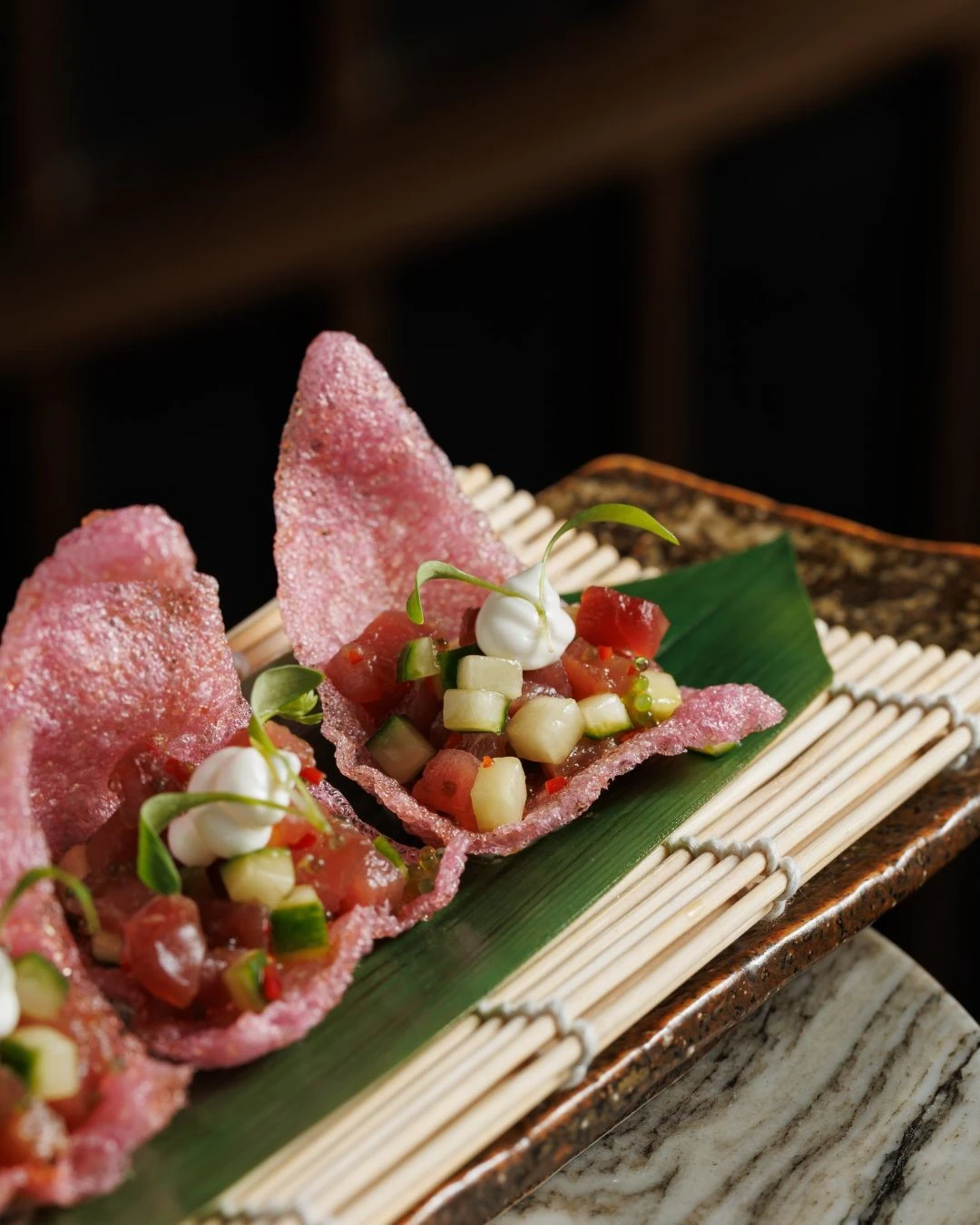
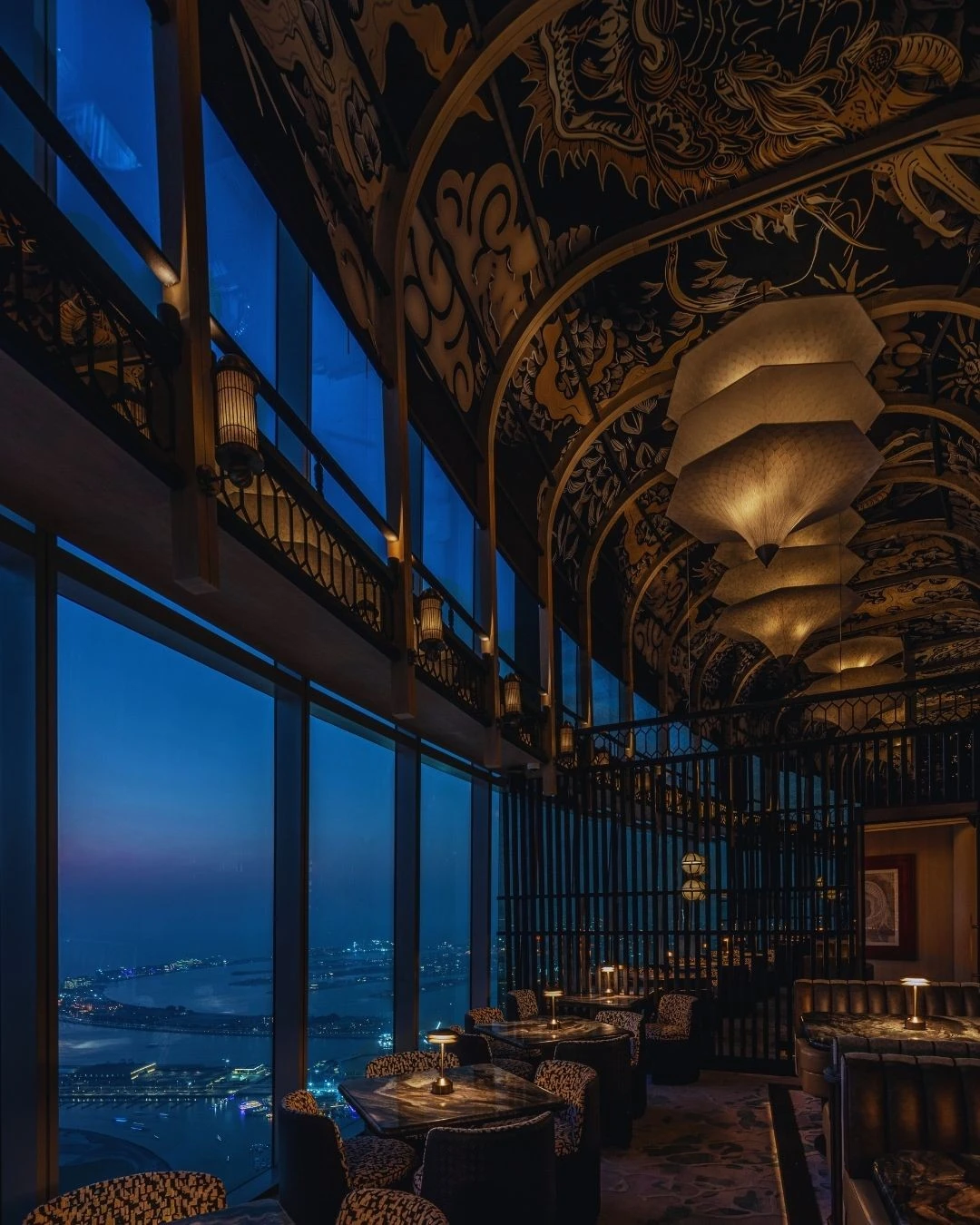
Chef Evgenios, the transition from a European culinary background to leading an Asian-inspired kitchen is significant. What were some of the key classic Asian techniques you had to master, or unlearn from your Western training, when you first began your professional journey?
Chef Evgenios Papadimitriou: Transitioning from a European culinary background into an Asian inspired kitchen was a huge shift almost like changing culinary language. There were several key techniques I needed to learn from scratch, as well as a few habits I had to unlearn from my Western training.
One of the biggest adjustments was understanding balance. In Western cuisine we often build dishes around richness, butter, depth, and layering flavours slowly. Asian cuisine demands a completely different approach: harmony between sweet, sour, salty, spicy, and umami, all of them present, all of them precise. Learning to balance those elements taught me to rethink the entire structure of a dish.
Knife work was another major area. The precision, speed, and consistency required in Asian kitchens are on a different level.
And finally, I had to unlearn the idea that complexity requires time. In Asian cuisine, sometimes the most powerful flavours come from speed, precision, and freshness, not hours of slow cooking.