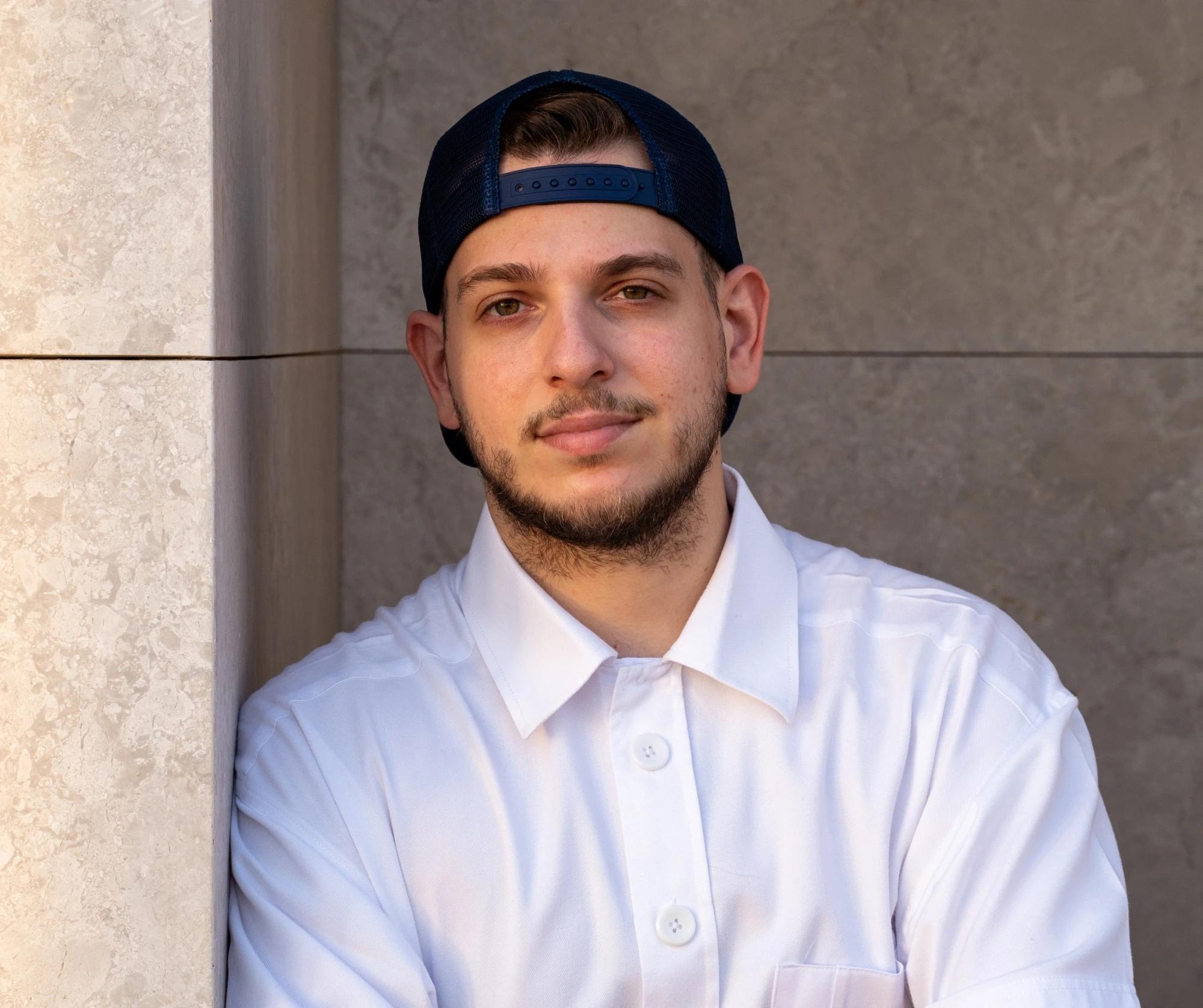

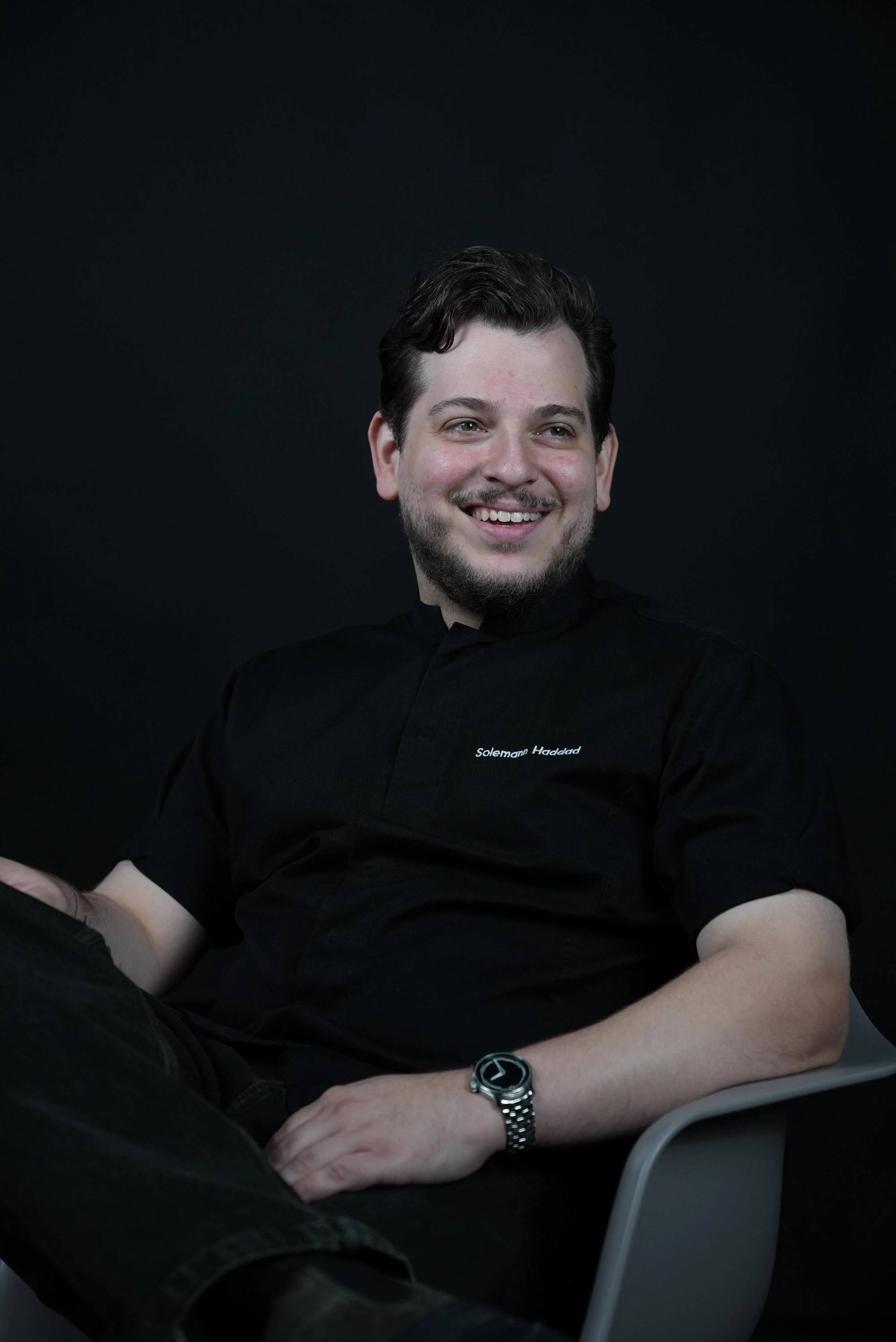
Despite not coming from a family of chefs or having a formal, extensive culinary background, Chef Solemann Haddad's journey into the industry was driven by a strong internal calling, sparked by watching cooking programs while growing up.
His initial, basic culinary training included short stints in London and Tokyo, which provided informative groundwork but primarily served to push him out of his comfort zone as a young professional. This self-taught approach, coupled with a deep, lifelong connection to the city, became the foundation for his professional goal: to elevate Middle Eastern flavours and ingredients onto the international culinary stage.
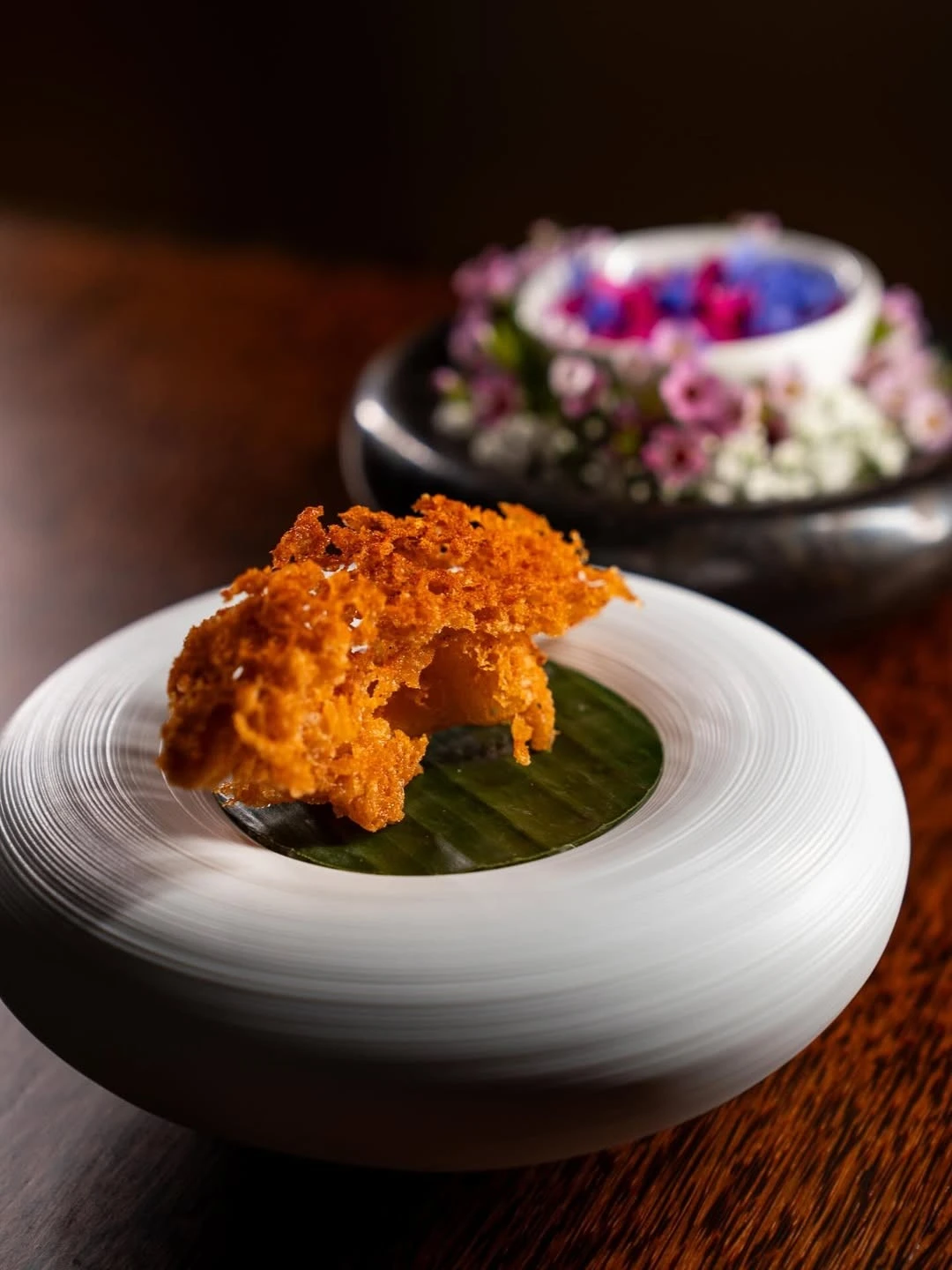
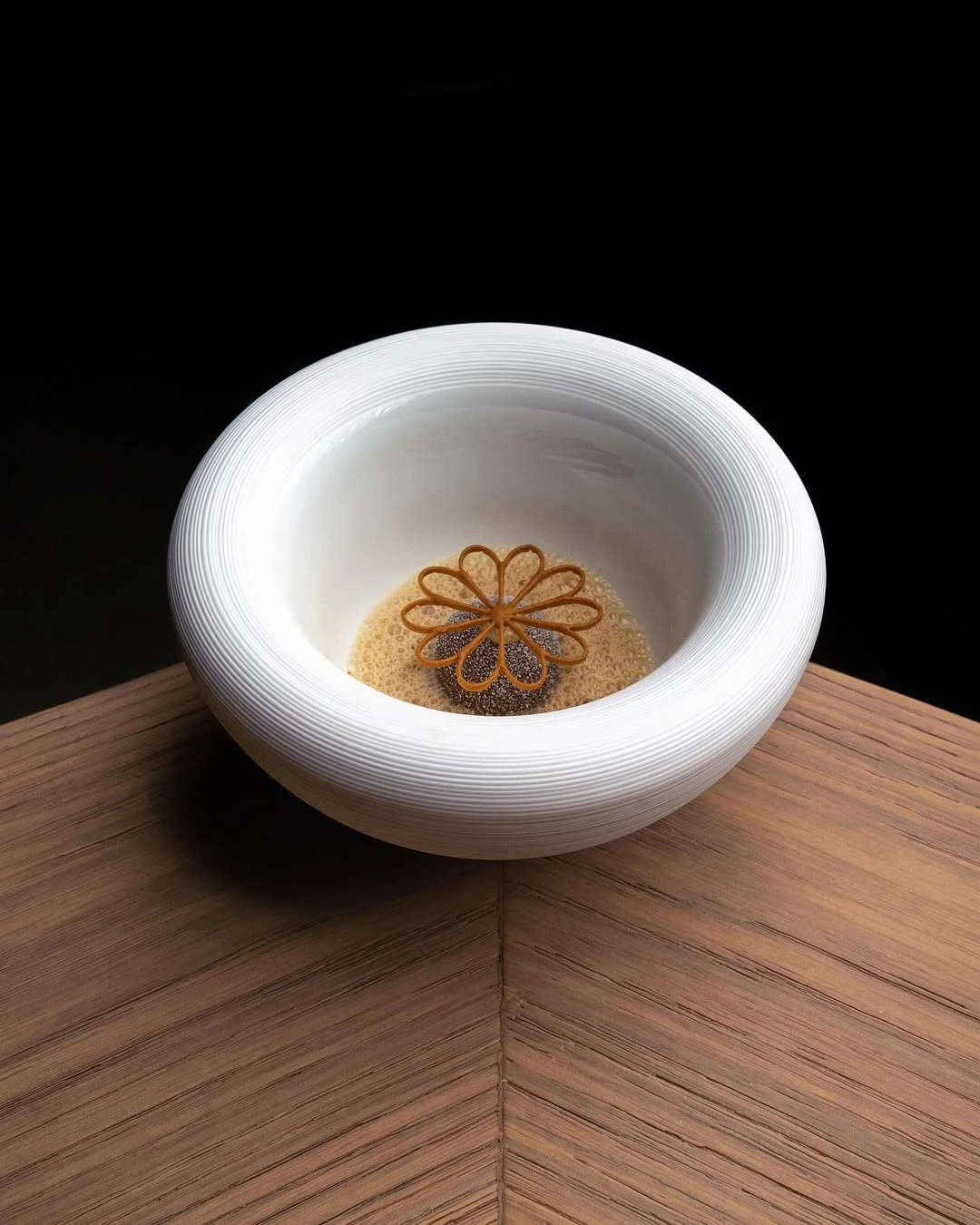
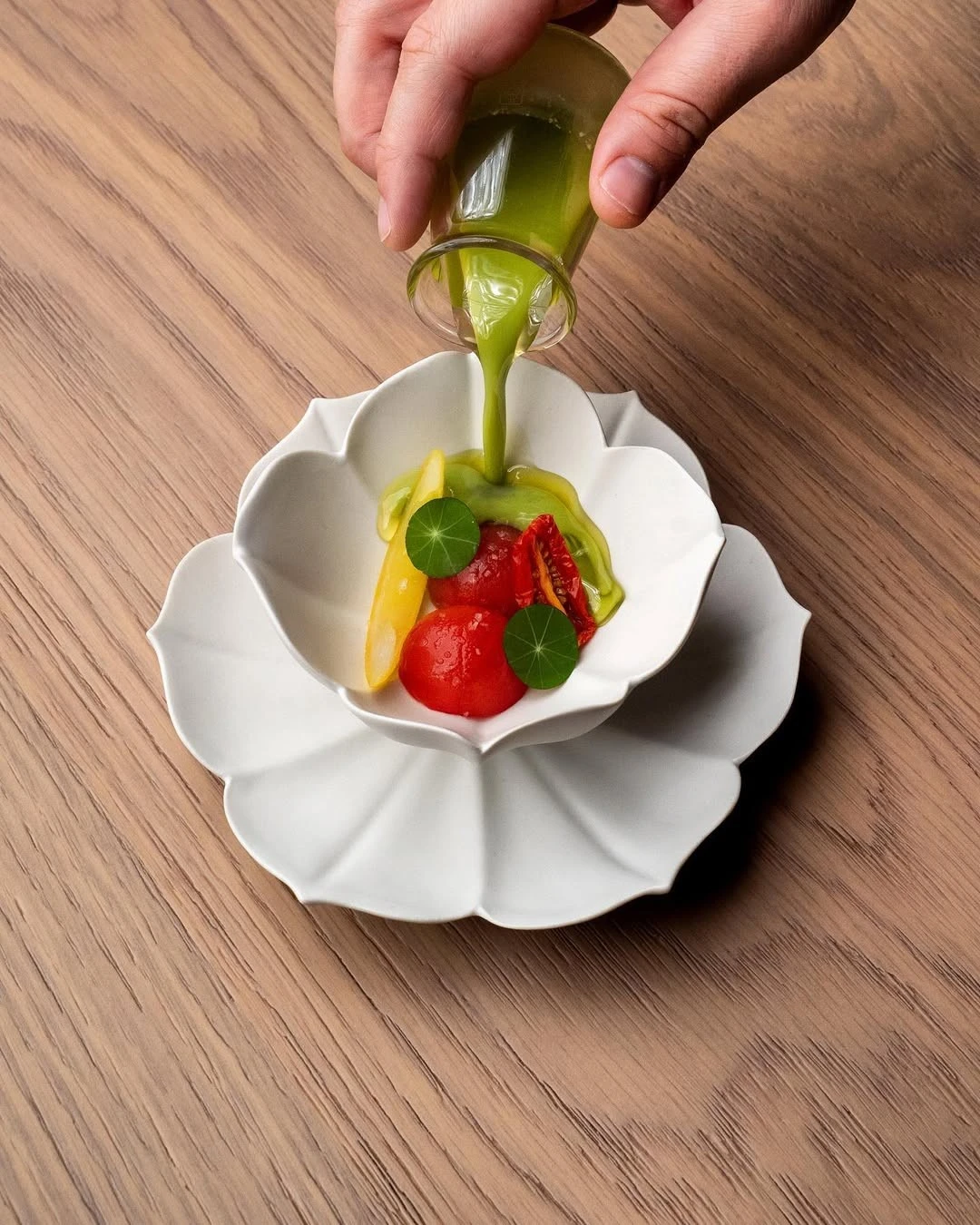
Haddad’s culinary identity is entirely moulded by Dubai, a city he views as the ultimate global food destination and a source of limitless inspiration. His progressive degustation menu at Moonrise is a vibrant reflection of this cosmopolitan history, drawing inspiration from the diverse food landscape of his childhood, from mall food court finds and hole-in-the-wall joints to his mother's kitchen.
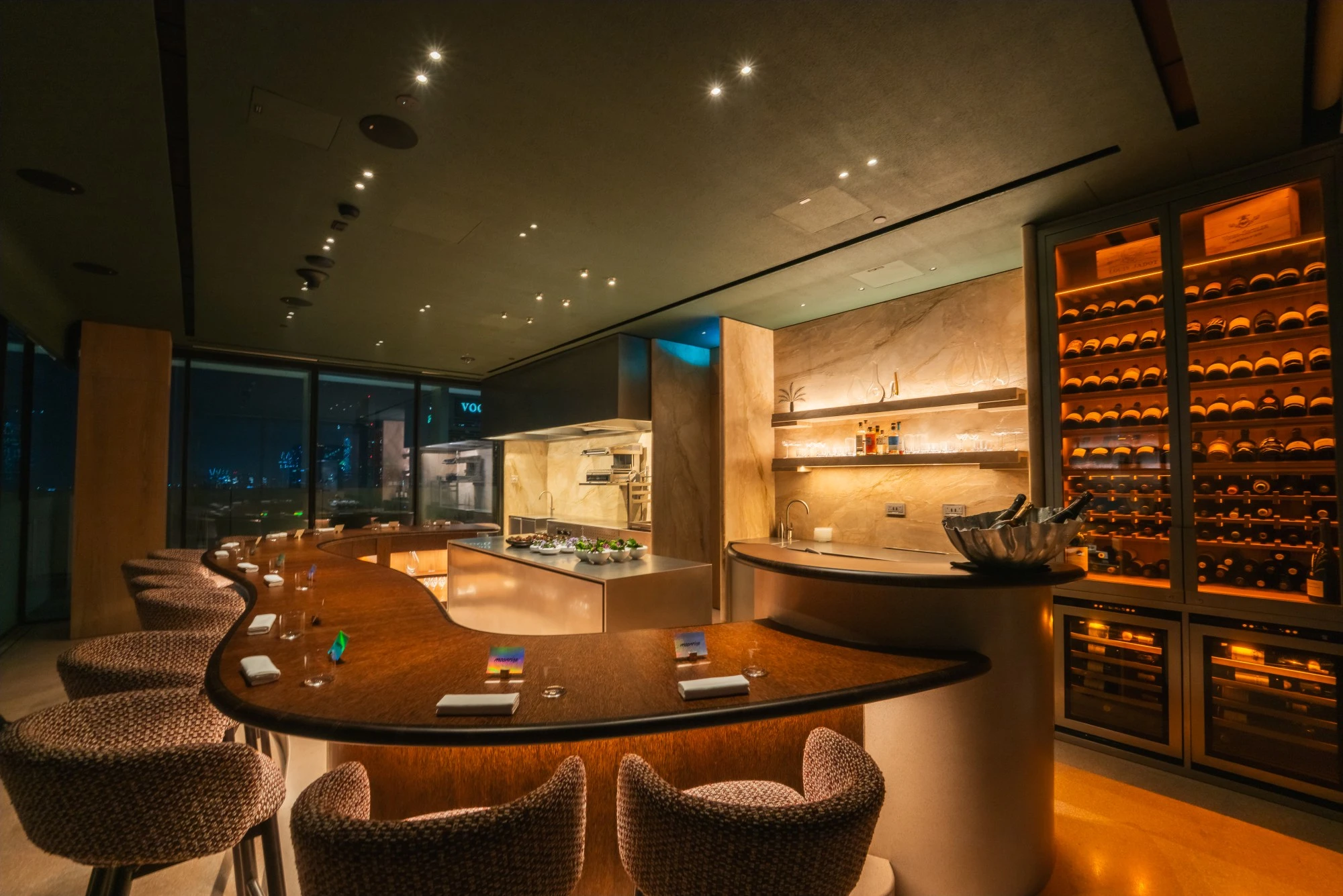
For those not in the know, Moonrise is one of Dubai's most sought-after bookings; the intimate, 12-seat, counter-style restaurant serves an omakase menu, with a menu (and team) dedicated to showcasing the diverse stories and ingredients of the emirates through fresh, dynamic, and inventive flavour combinations.
Experience and Journey
Was there one particular person or moment that inspired you to pursue cheffing professionally?
There was no particular person or moment that I can credit for my decision to become a chef. No one in my family was a chef. I didn't know much about what it takes to be a chef, what the learnings need to be or how to become one. Growing up, I watched BBC Food and The Food Network, but never imagined I’d become a chef. It was purely a calling from within. I tried cooking, I experimented with it, and turns out, I thoroughly enjoyed it.
How did your training in London and Tokyo shape your approach to cooking?
I attended cooking school in London and Tokyo for a few months, where we were taught a very basic cooking programme. Whilst that was informative for anyone venturing into the culinary world, what stood out most for me was my experience as a young 21-year-old, being in a foreign country, which was both daunting but also very thrilling to be pushed out of your comfort zone.
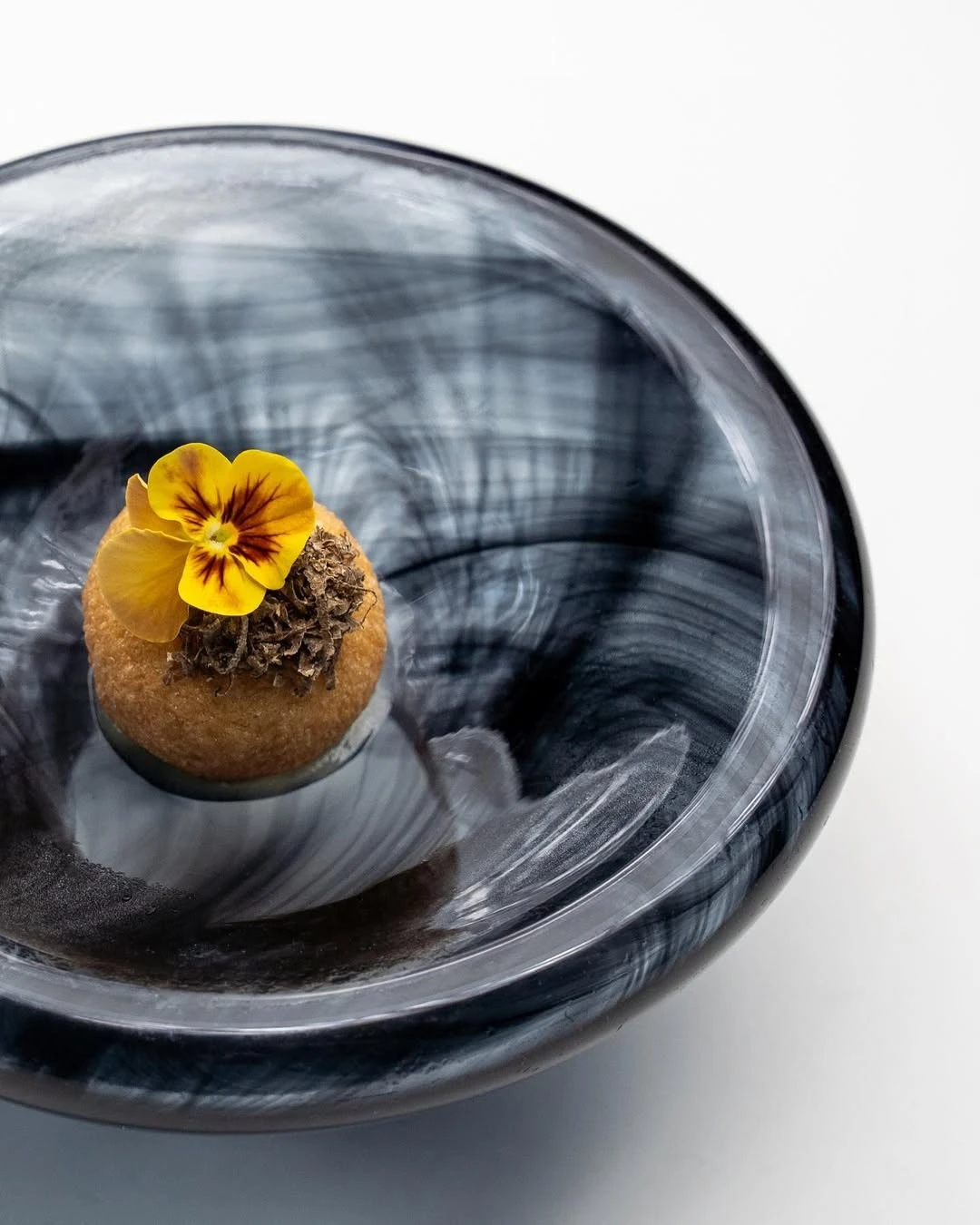
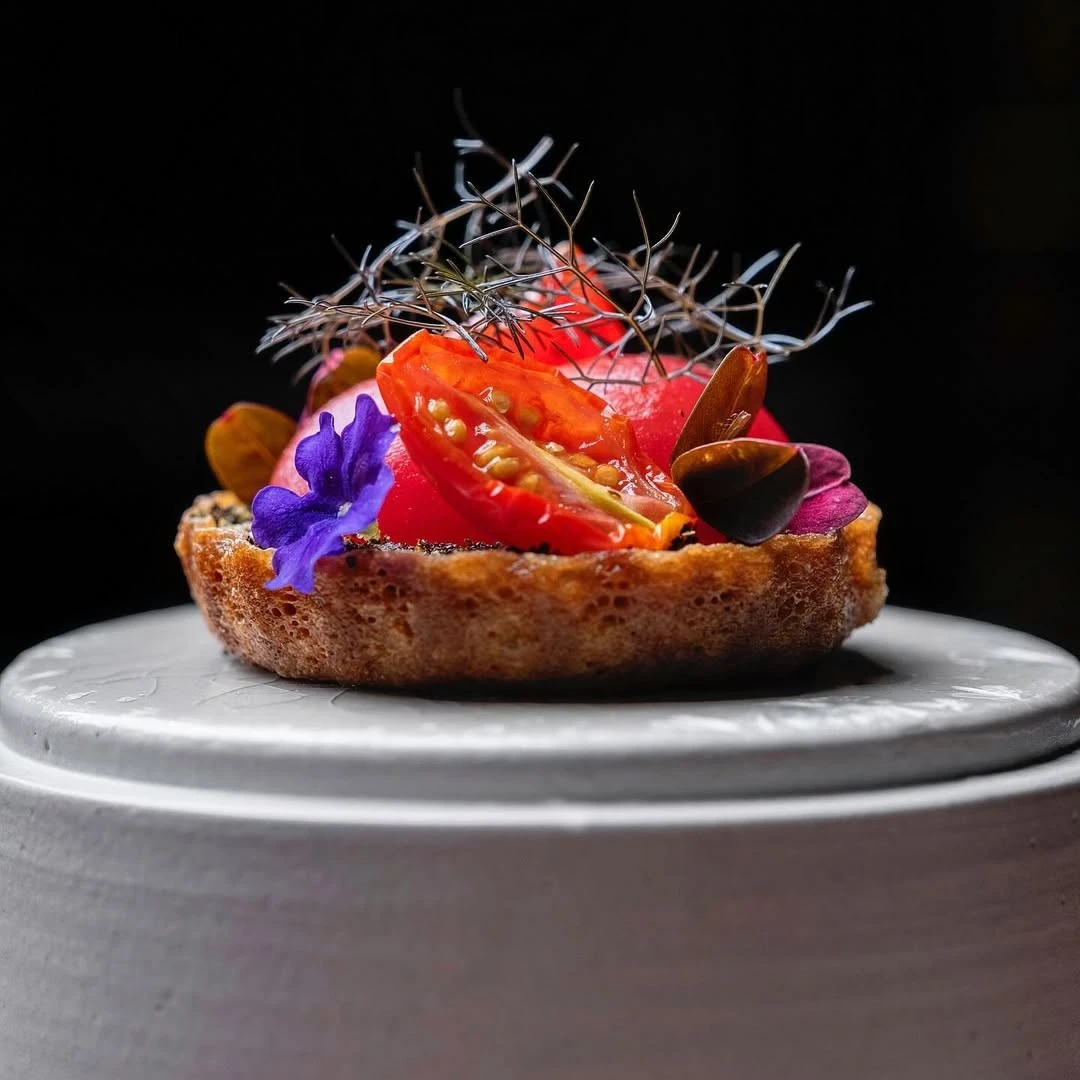
Winning a MICHELIN Star is often the culmination of many years of hard work, honing your craft, learning and dedication. Tell us about the moment you received the Star and what it meant/means to you.
It’s an honour that represents a personal achievement and the culmination of a career-long connection to the city. My goal is to elevate Middle Eastern flavours, and being recognised by a global framework such as MICHELIN or World’s Best adds to that. It is taking my self-taught approach to showcase the diverse stories and ingredients of Dubai on an international stage. Awards signify a win for Arab chefs and for Dubai's evolving culinary scene.
How has growing up in Dubai moulded your culinary vision and identity?
Dubai and I have grown together, side by side. We’ve witnessed each other’s evolution and progress, and the city’s ever-evolving nature is exactly the ethos of our progressive degustation menu, that shines the spotlight on the diversity of ingredients & culinary heritage that the Middle East has to offer. Every dish on the menu is an ode to my childhood; from mall food court finds, to hole-in-the-wall joints and my mother’s or best friend’s mother’s kitchens.
What challenges have you faced in building a restaurant that reflects your personal story?
The biggest challenge was creating something fresh and dynamic without a blueprint to follow. To coin the term ‘Dubai-cuisine’ which is an amalgamation of possibly every ethnicity under the sun, and then do it justice and have it be the north star to all that we do is as rewarding as it is hectic.
Exploring Moonrise
How would you describe the philosophy behind Moonrise’s menu?
Simply put, Dubai-cuisine. It is a flavour bomb of nostalgia for those raised in Dubai, and a crash-course into the cosmopolitan fibre of the city for those new here. There’s also a huge influence from my travels and food experiences there. This new menu is an amalgamation of everything I learned over the last year
How did the redesign of Moonrise enhance the storytelling aspect of the dining experience?
It's very important for us to have a space that is aligned with the cuisine. We have a space that doesn't necessarily have cultural elements, so we added a dose of nature in it. We built a table made entirely of palm tree wood. And with the ceiling being in the colour of palm leaves, the idea is to inject a feeling of inclusion; everyone is welcome in the shade of the palm tree, which is also quite symbolic in various ways to the city.
What role do local ingredients play in shaping the menu at Moonrise?
We try to source locally and support homegrown brands as best as possible, it is very important to us, especially as a Dubai-kid myself.
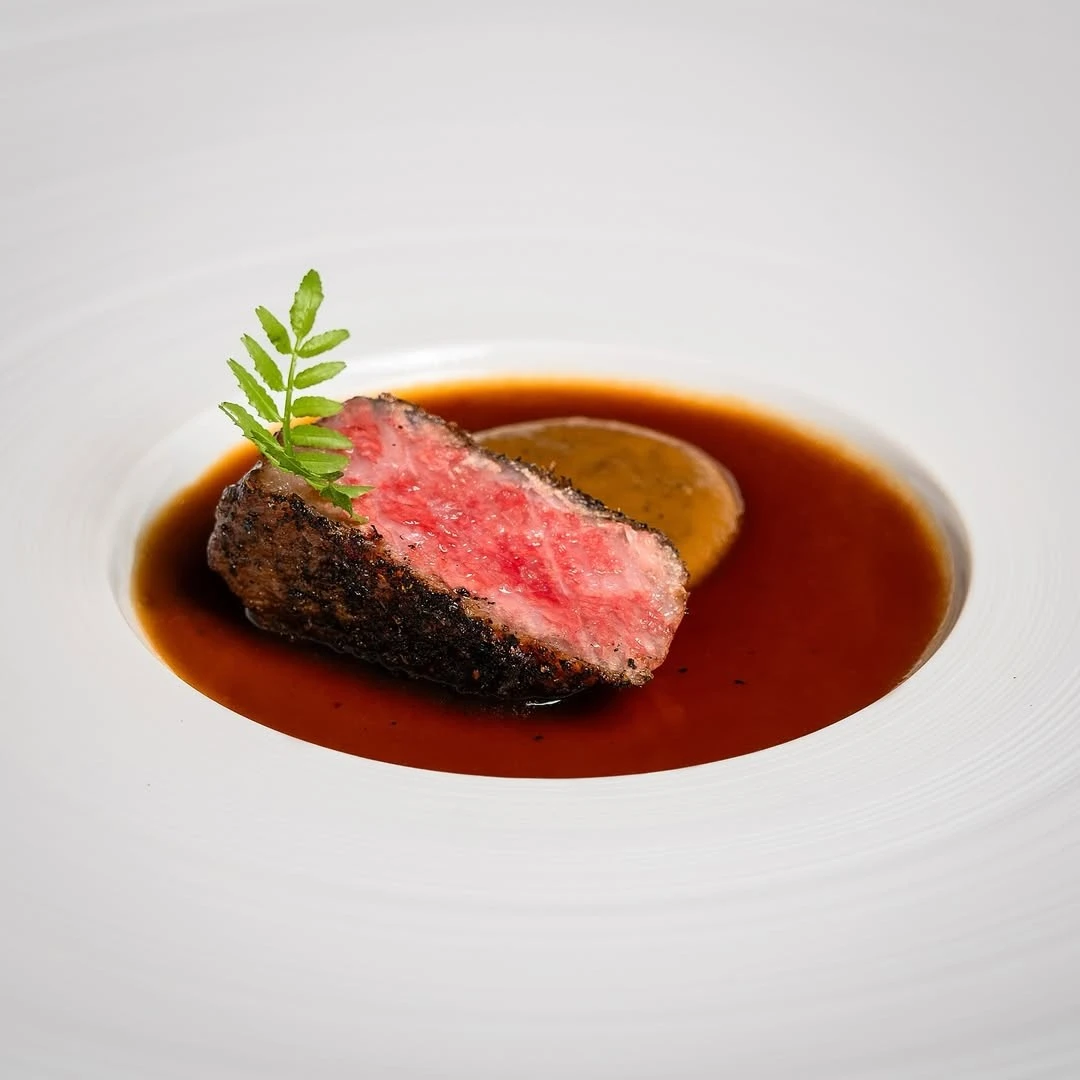
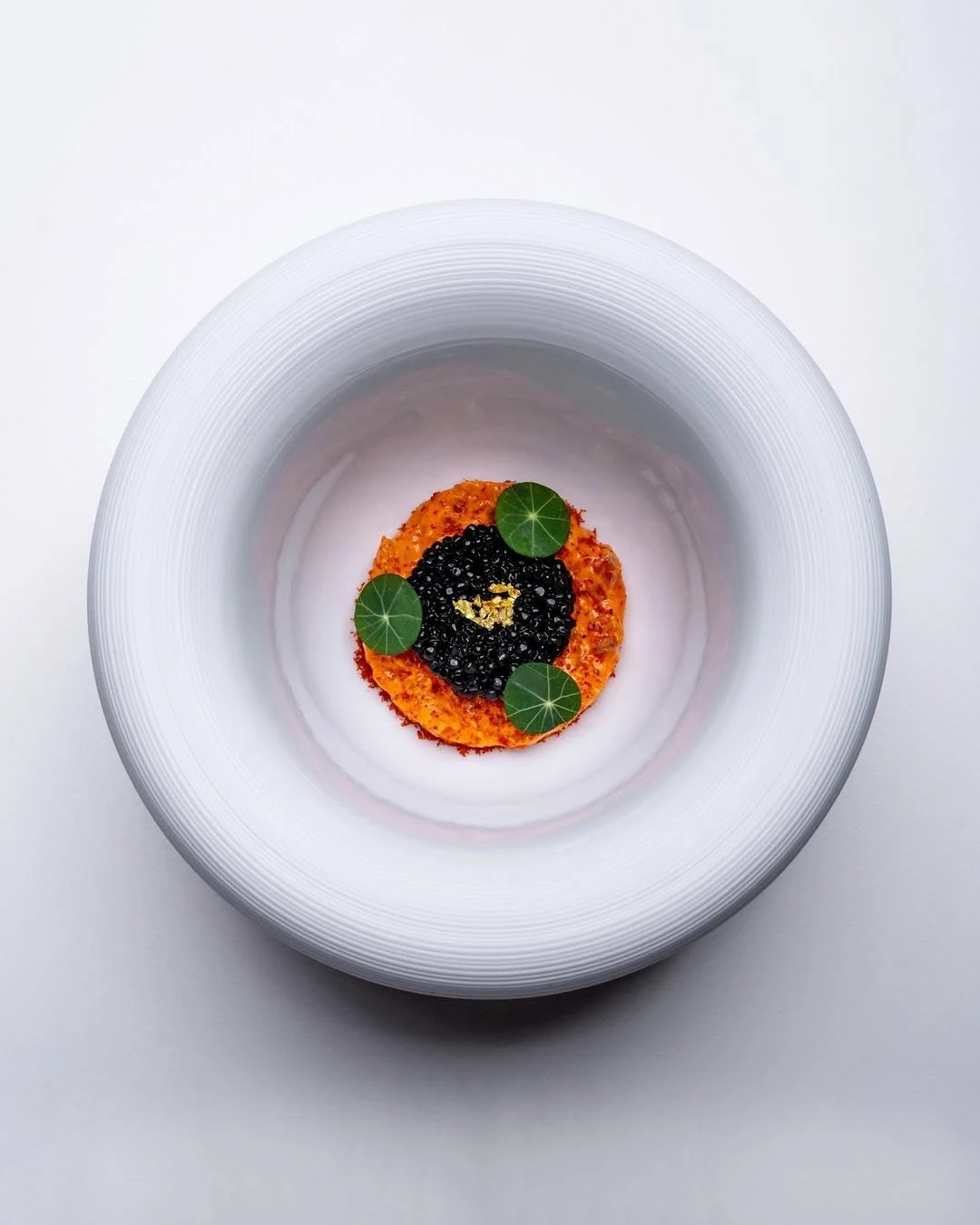
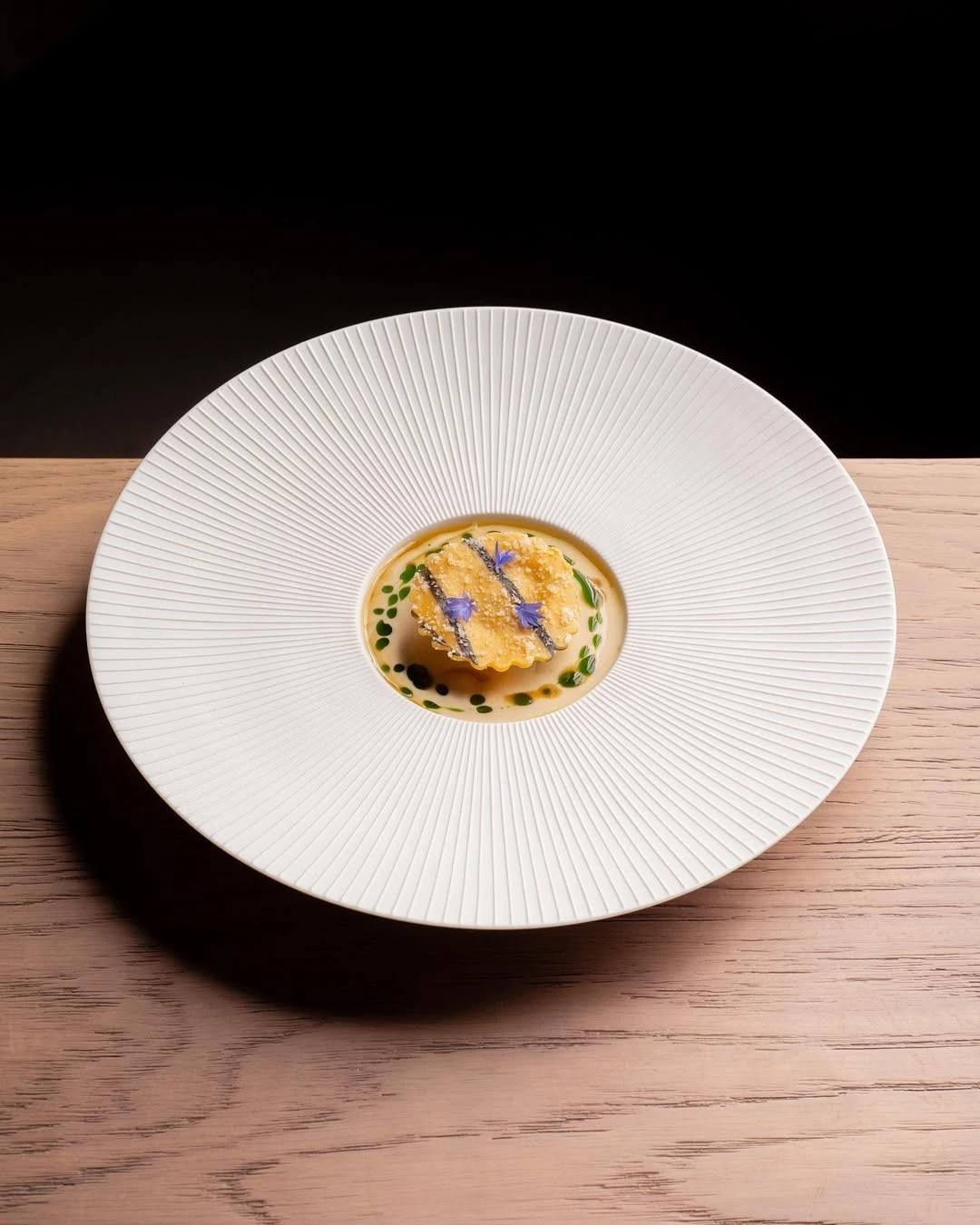
Is there one dish on your menu that you have a soft spot for and would recommend everyone tries?
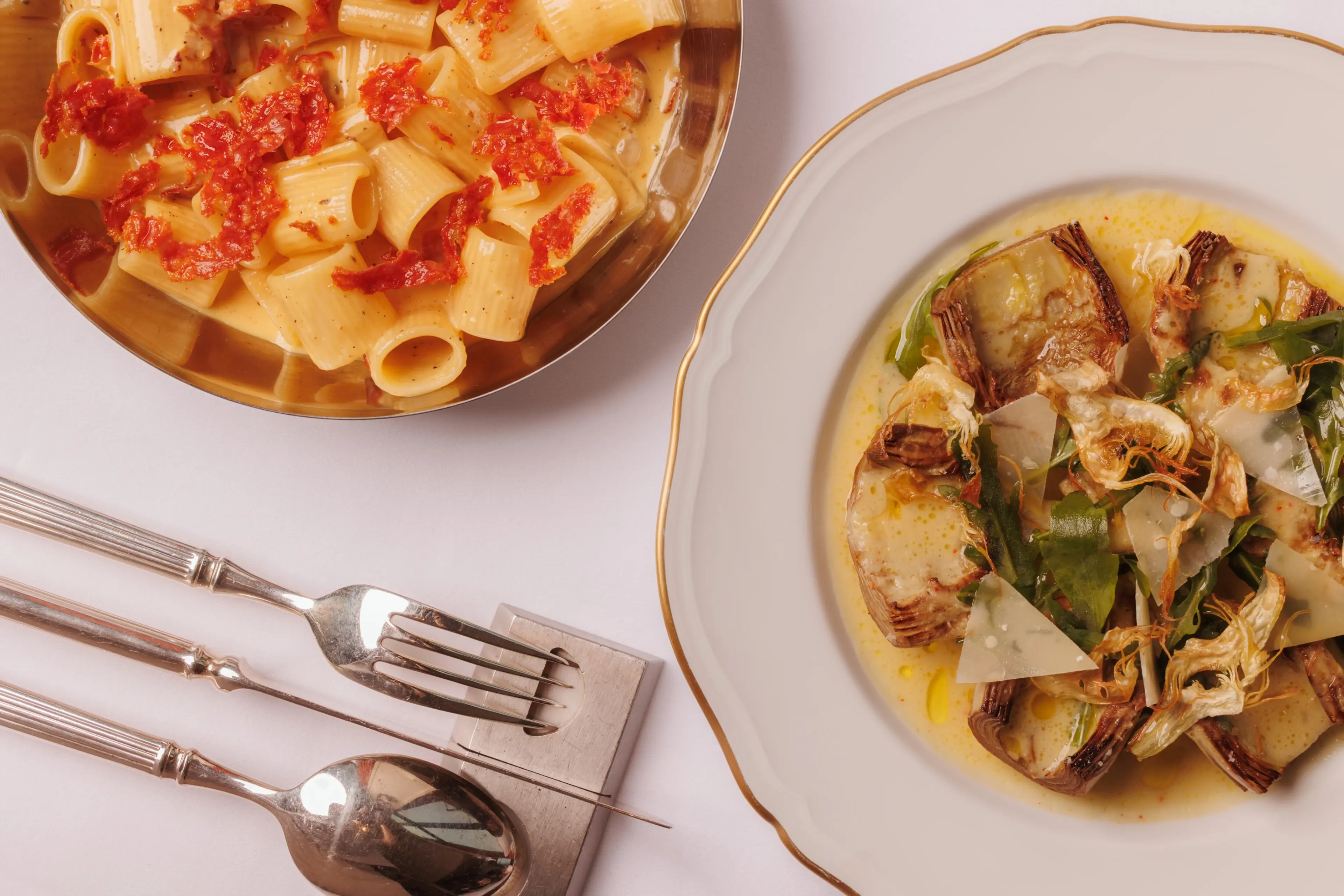
It would be our Alfredo pasta dish; I love that dish and it always takes me back to the GCC yesteryears. It’s super flavourful and packs a punch, made for the global palette.
How do you maintain creative momentum while staying true to the restaurant’s roots?
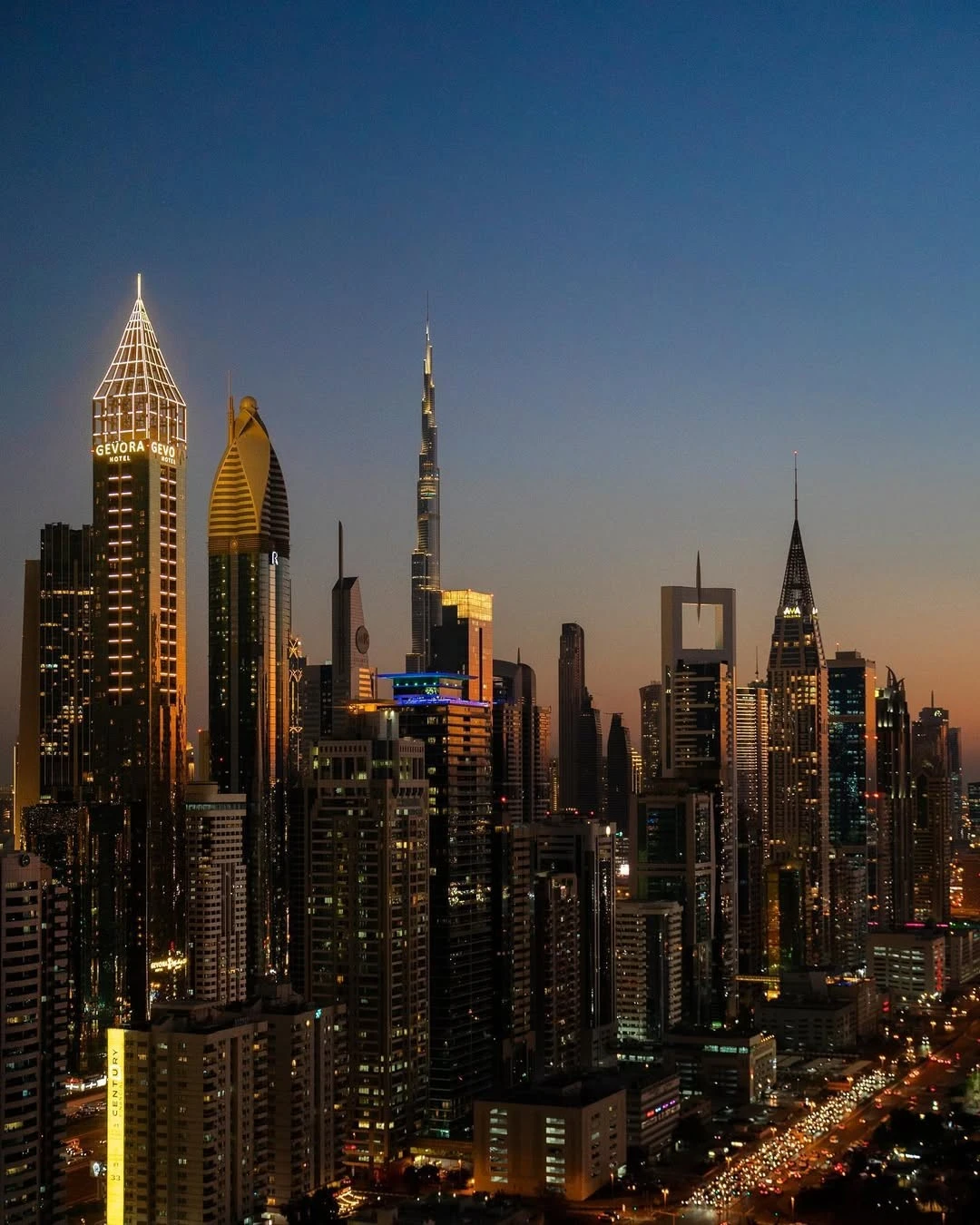
Dubai is global with no cap on how creative one can be; it’s a city for everyone that can mean anything to different people. The city is what you make it and that is the beauty of Dubai, which allows our creativity to be limitless.
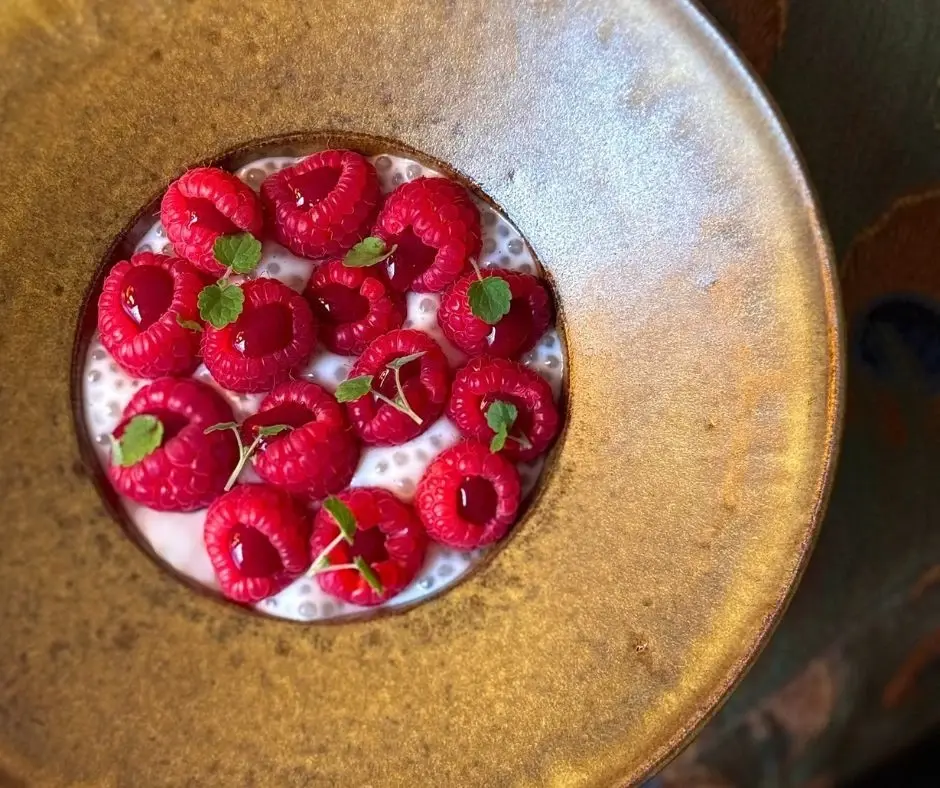
Your flavour combinations are creative and awe-inspiring; how do you match the same 'wow-factor' in plating? I'm sure a lot of thought and creativity goes into this process.
We try to do a good job with plating to do the dish and flavours justice.
Food, Travel, and Global Inspiration
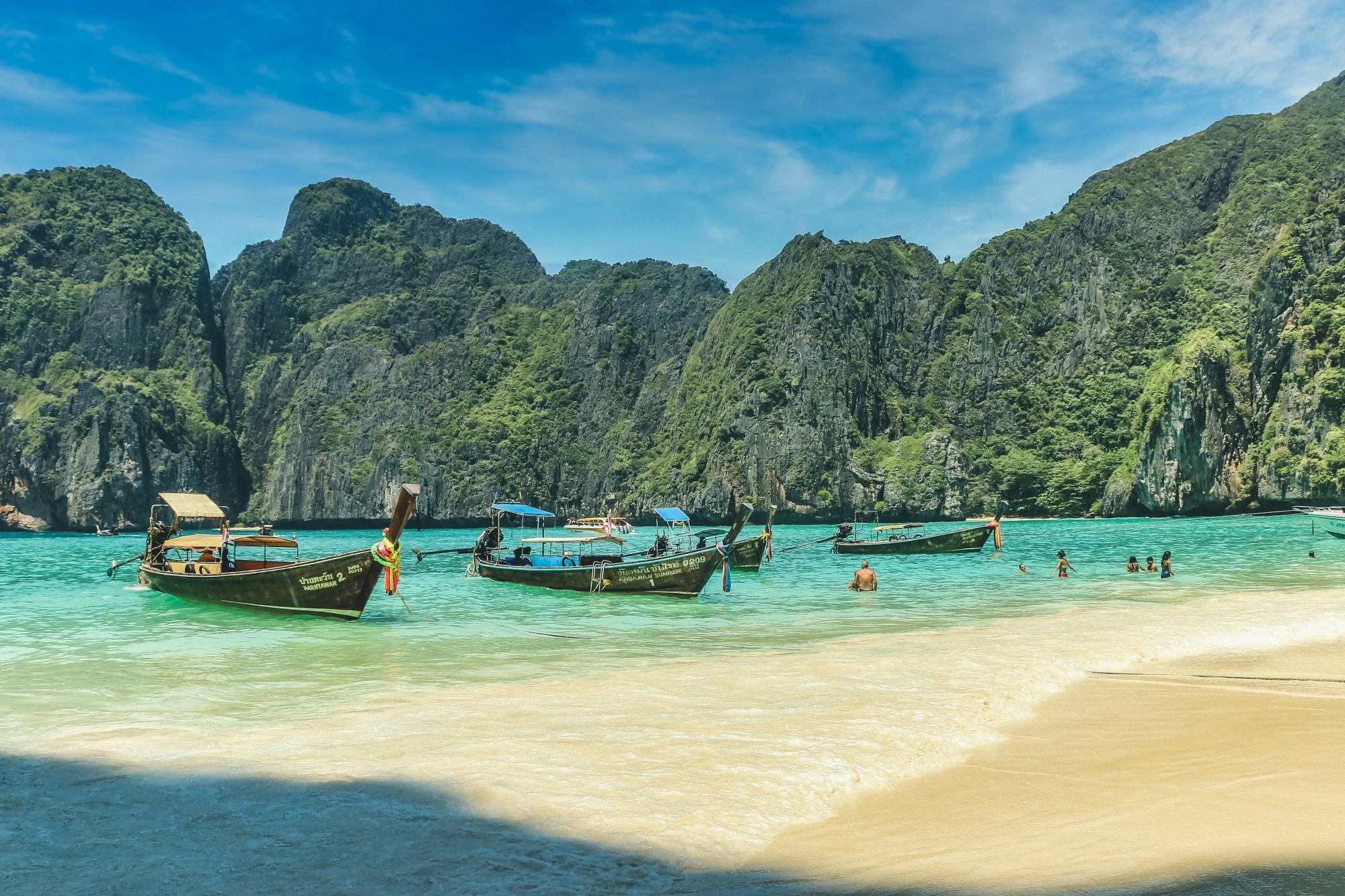
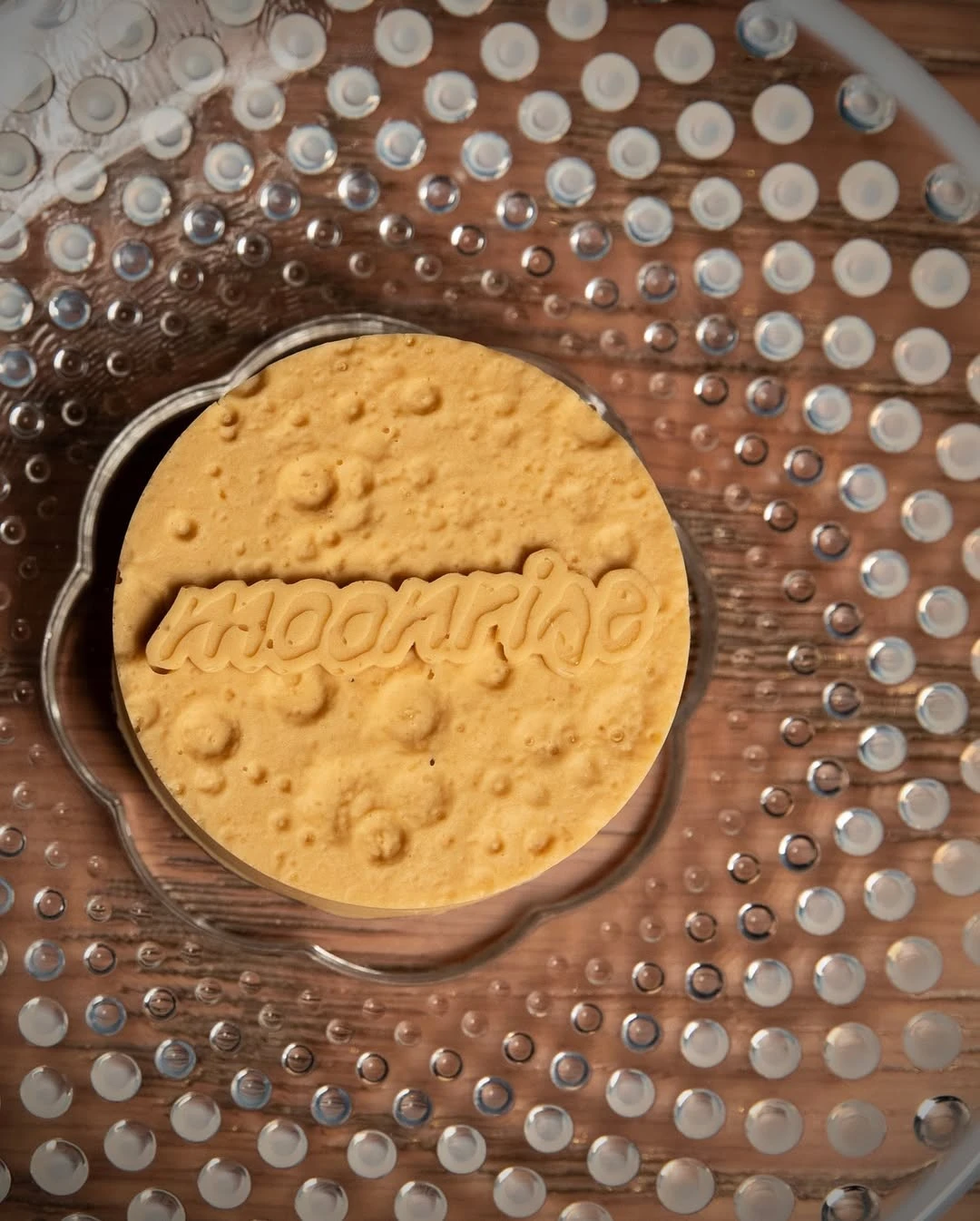
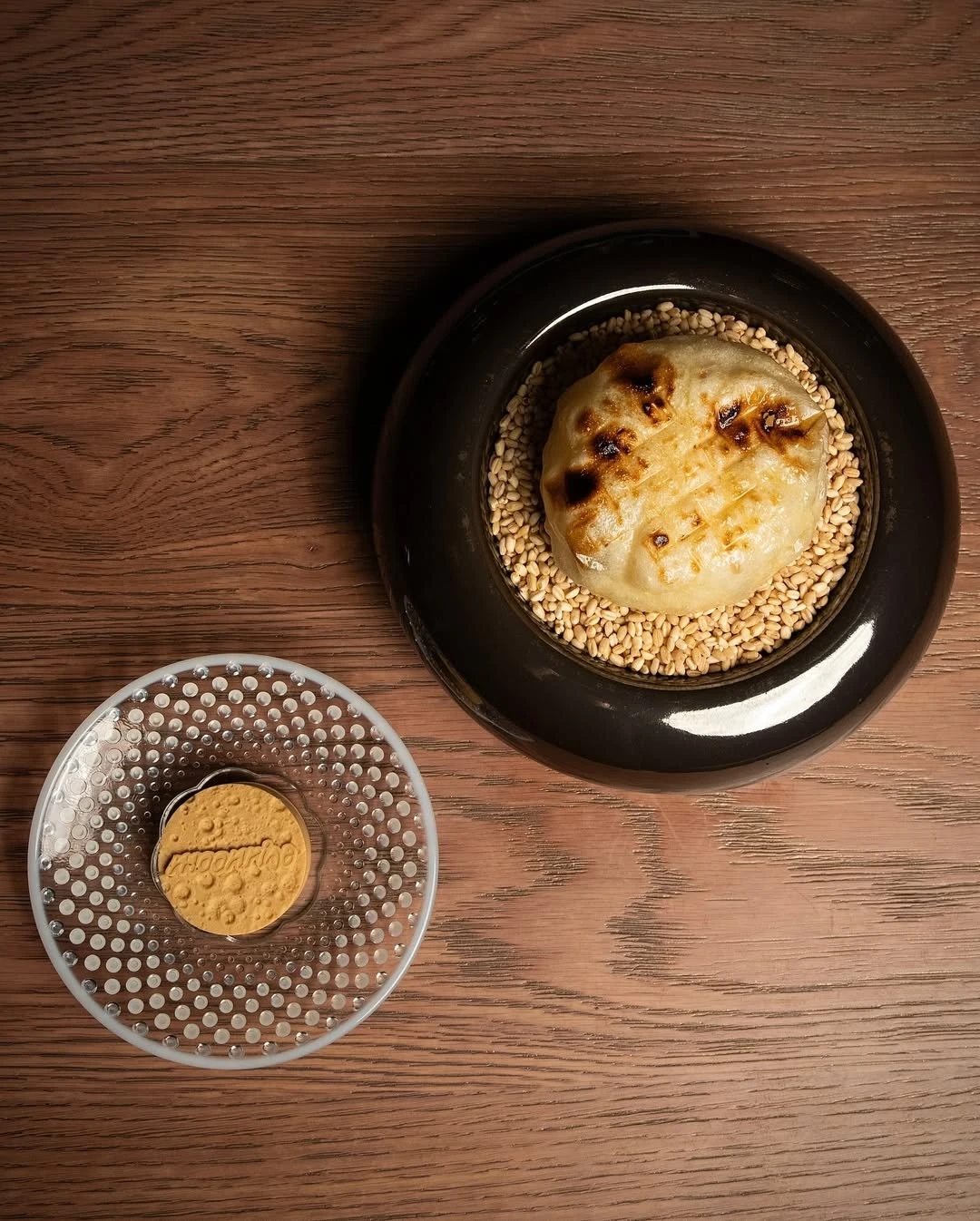
Which experience or international food destination has had the biggest impact on your cooking?
The only and biggest influence on my cooking is Dubai. Dubai is as “international food destination” as it gets. People from all walks of life and all parts of the world come here for shared experiences- so the city and its people are my biggest sources of inspiration.
What’s one dish you’ve discovered while traveling that you wish more people knew about?
Nam Jim from Thailand. In fact, we make our own version at the restaurant with an Arabic nam jim sauce.
Recommendations and Insights
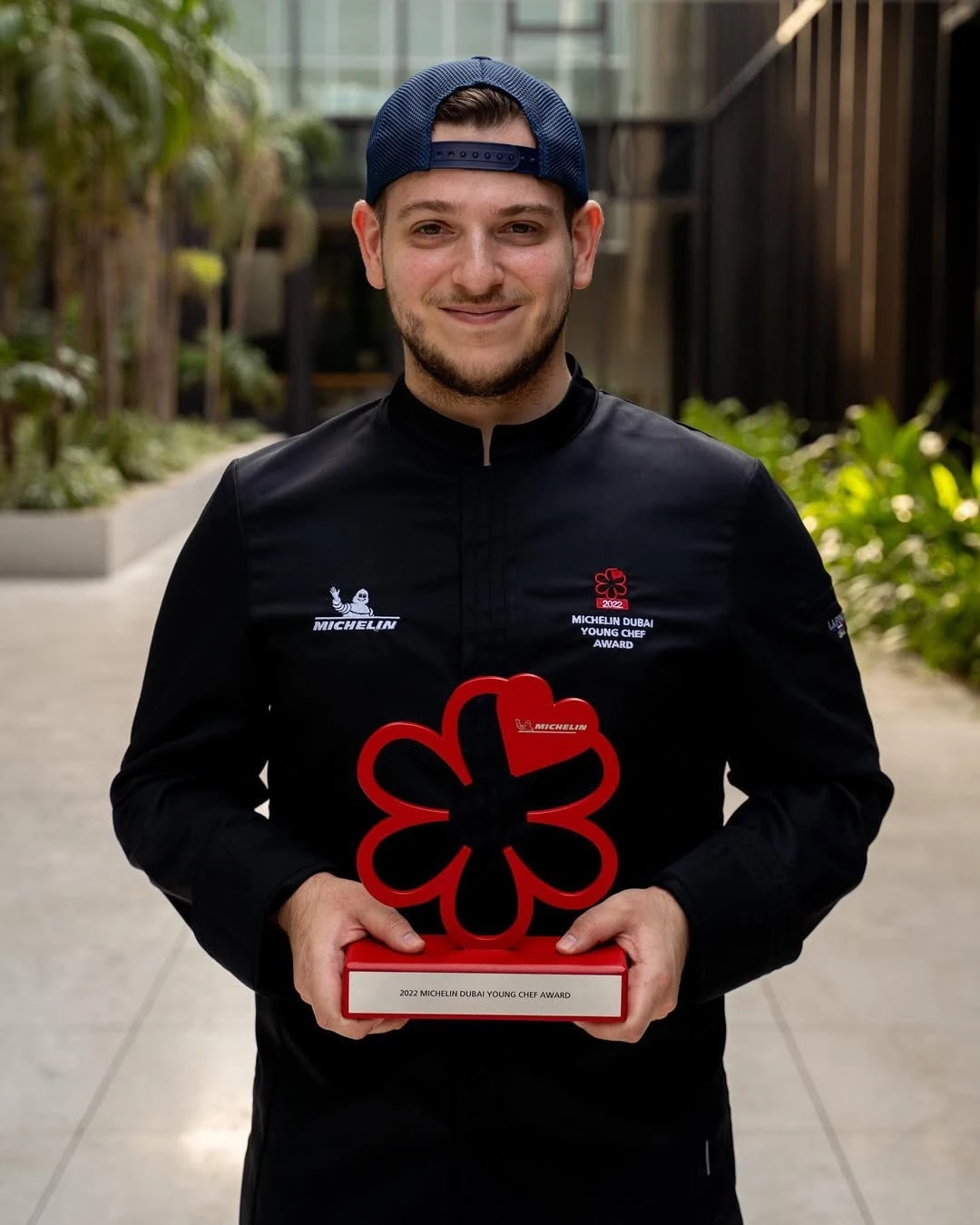
As the winner of the MICHELIN Young Chef Award, do you have any advice for young chefs hoping to make their mark on the industry in Dubai or internationally?
My advice for young chefs is that this isn’t an industry for everyone — and honestly, I wouldn’t recommend getting into it unless it’s something you truly want to do.If you’re certain this is what you want, then be ready for an extremely hard road. But as long as you believe in yourself, push yourself, and stay disciplined, you’ll find your way.
You can’t come into this just because it sounds cool or because you want to open a restaurant one day. You need to have a clear vision — something that drives you — otherwise, it’s going to be very tough to make it. But when you truly love it, it becomes incredibly rewarding — not just in what you create, but in the connections you build and the support you receive, both from the people around you and from peers and mentors within the industry.
What’s one ingredient you think is underused in modern fine dining?
Salt and punchy seasoning in general.
What is your go-to meal after a long day?
Shawerma from Al Farooj. The Sujuk Shawerma there is the best I have ever eaten.
For someone visiting Dubai for the first time, what three food experiences should they not miss?
Moonrise, Iranian kebab, South Indian shawarmas, Pakistani biryani, and Emirati and Saudi cuisine, basically casual-dining restaurants.
Moonrise, Eden House, Al Satwa, Dubai
Tasting menu starting from Dhs995 per person
Make a reservation for Moonrise here
@moonrise.xyz
@solemann.xyz