



How do we find true happiness?
Is it by focusing on the present moment, establishing lasting relationships and avoiding pain? Or is there a process to understanding happiness that most people don’t yet realise? Enter Professor Paul Dolan: the behavioural scientist who has dedicated his life to researching what happiness really feels like – and attempts to share how we can redesign our environments to nudge our attention and intention towards the positive.
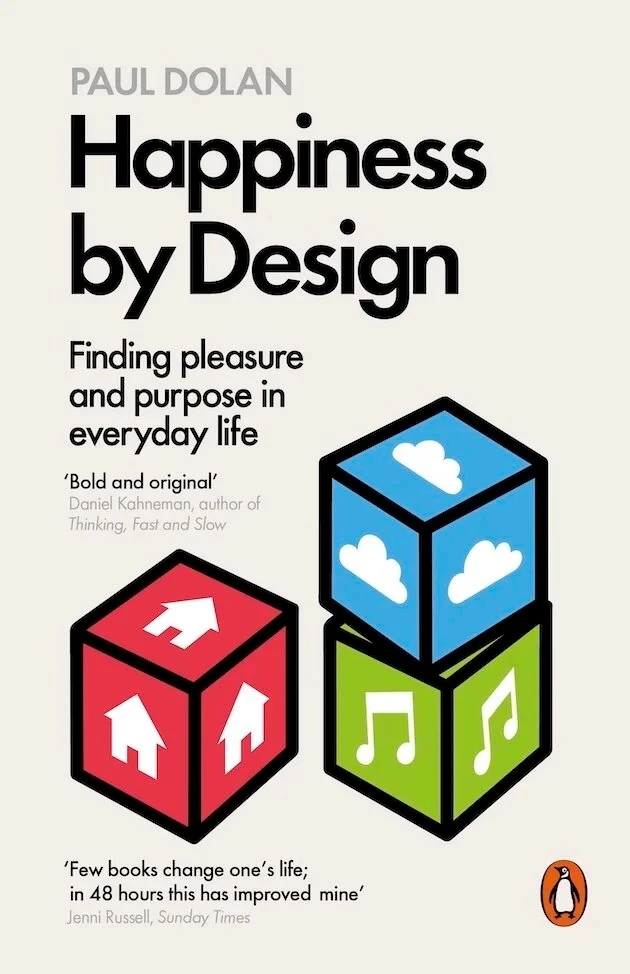
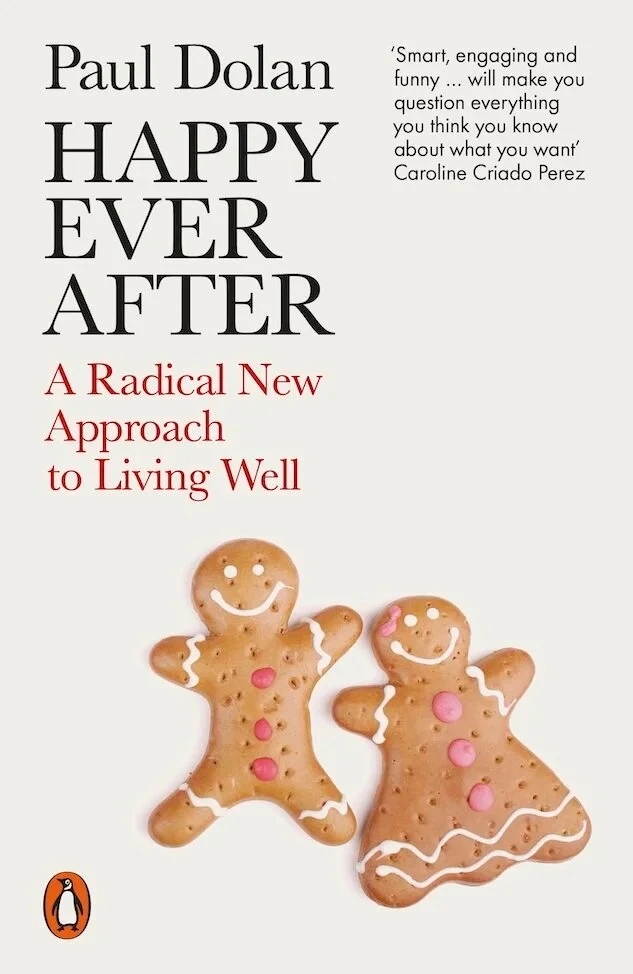
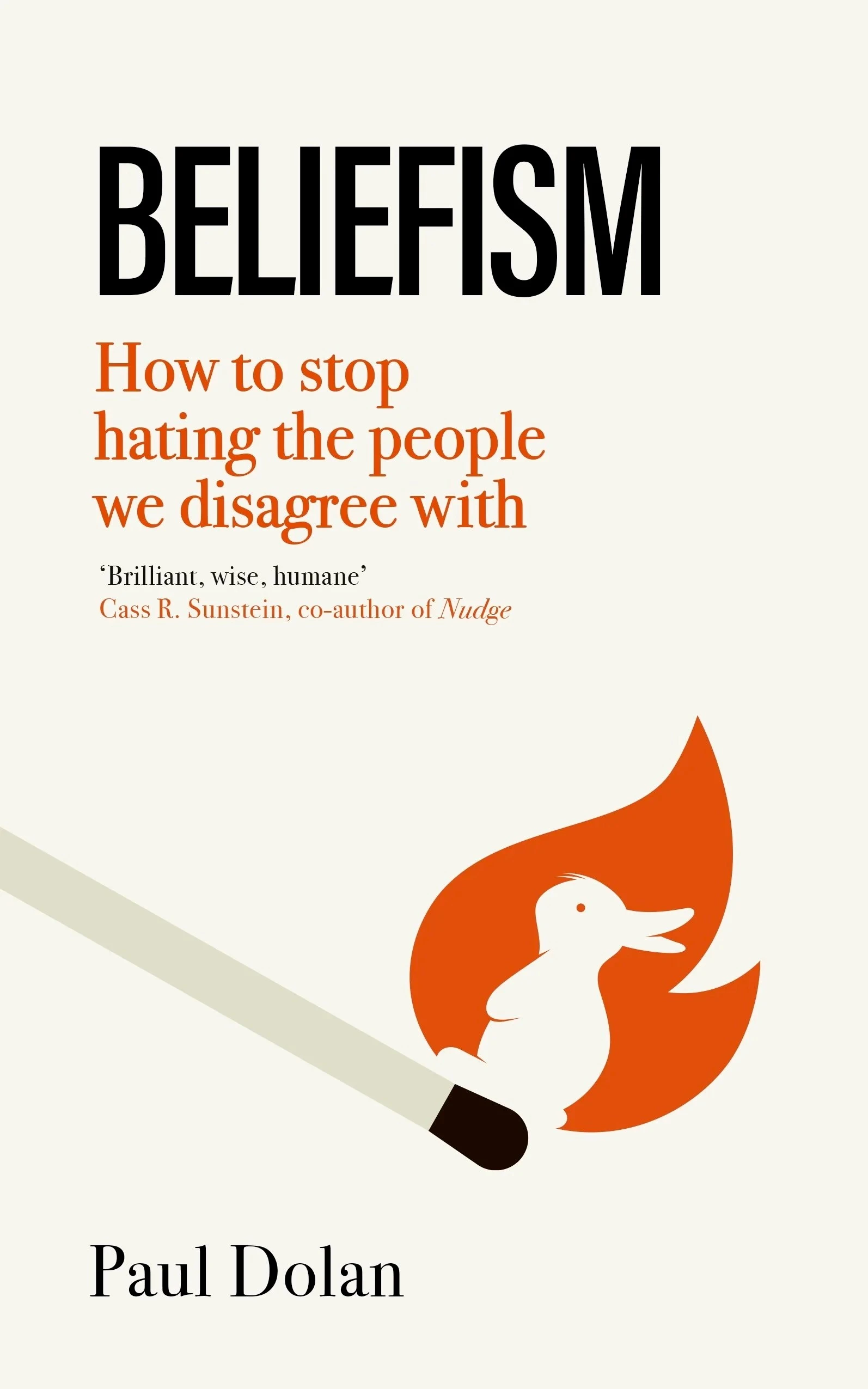
Following two best-selling books, ‘Happiness by Design’ and ‘Happy Ever After,’ Paul’s latest title ‘Beliefism’ explores the importance of connecting with those different to ourselves, and not hating the people we disagree with on sight.
Ahead of his upcoming appearance at the Emirates Airline Festival of Literature in Dubai, I had the opportunity to discuss all things ‘happiness’ with one of the world’s leading experts…
1. How would you describe what you do to a complete newbie, and how did you get into this field?
I am an academic, which means that I conduct research – in my case into human behaviour and happiness. This involves experiments in the lab and in the real world to look at what people do, and surveys and new technologies to find out how they feel. I work at a university, where I teach students about my research findings.
2. Having researched human behaviour your whole life, what’s one behavioural insight that shocked you?
It’s hard to remember being surprised once you know something. But ever since my days as a health economist, I continue to be surprised just how afraid of dying people are, especially when it’s about the only thing that’s guaranteed to happen to us all.
3. How do you define happiness? Do you see any problems in how we measure this?
I define happiness in terms of experiences of pleasure and purpose over time. These adjectives are used as shorthand for all the good and bad “hedonic” feelings we have (joy, contentment, stress, anger etc.) and all the good and bad “eudemonic” feelings we have (meaning, worthwhile, pointless, futile).
4. Do you believe pleasure, purpose or luck is most important for a fulfilling life?
Pleasure and purpose are the consequences of a fulfilling life, and luck is one of the most important determinants of a fulfilling life. We tend to downplay how important luck is, but success of whatever kind is predicated on it. And a truly successful life is one where a person has the optimal amount of pleasure and purpose for them.
5. Your research suggests that traditional markers of success like marriage and promotions don’t always correlate with happiness. Are there any huge misconceptions about achieving happiness?
There are very powerful stories about what success looks like, such as wealth and status. It is true that poverty and a lack of status make people miserable, but this does not mean that ever more money and status makes us ever happier. We need to work out where the “sweet spot” is. As for marriage, unsurprisingly, it’s good for some people and not others.
6. What is the primary cause of conflict and tension for humans?
That’s put me on the spot. If I had to pick one thing, it’s our propensity for moral dualism, to see the world and people in terms of good or evil, right or wrong – and “us” or “them”.
7. In such a busy world, where so many are dealing with the day-to-day stresses of jobs and kids and life admin, what are three coping mechanisms you would recommend?
I think this is an easier question to answer. There are some obvious but overlooked things that we can all do to relieve daily stresses. Listen to music, spend time with people we like being with and spend some time noticing trees or plants. In this way, we can connect with ourselves, with each other and with nature. A few minutes more each day is enough for large effects.
8. What do you want readers to take away from your latest book, ‘Beliefism’?
First, I hope they enjoy the experience of reading it. Second, I would like them to think about where their own belief-ism might get in the way of effective decision-making in their personal and professional lives. Whether they want to do anything about that is up to them…
Paul Dolan will be speaking at the Emirates LitFest on January 23, 2026 from 7pm - 8pm, discussing 'The Science of Love and Happiness'
And again on January 24, 2026, from 12pm - 1pm, exploring the point of 'How to Stop Hating the People We Disagree With'
Tickets from Dhs50 per person, Buy your tickets here
Emirates LitFest, Festival City, Dubai from January 21 27, 2026
@profpauldolan @emirateslitfest