




Downtown Abu Dhabi may not be the first place you think of when planning a hike, but the emirate’s growth onto the islands of Yas and Saddiyat and its location in the south of the UAE mean that desert wilderness and stretches of unspoilt coastline are not as far away as you’d think.
If you have a car, the best of the hikes are either south into the desert towards the Liwa Oasis or east towards Al Ain and Jebel Hafeet, or west along the coast towards Sir Bani Yas nature reserve and the Saudi border. Unlike in the north of the UAE, the land is mostly low-lying around Abu Dhabi, so you will not find many peaks to scale, just rolling dunes and a lot of camels.
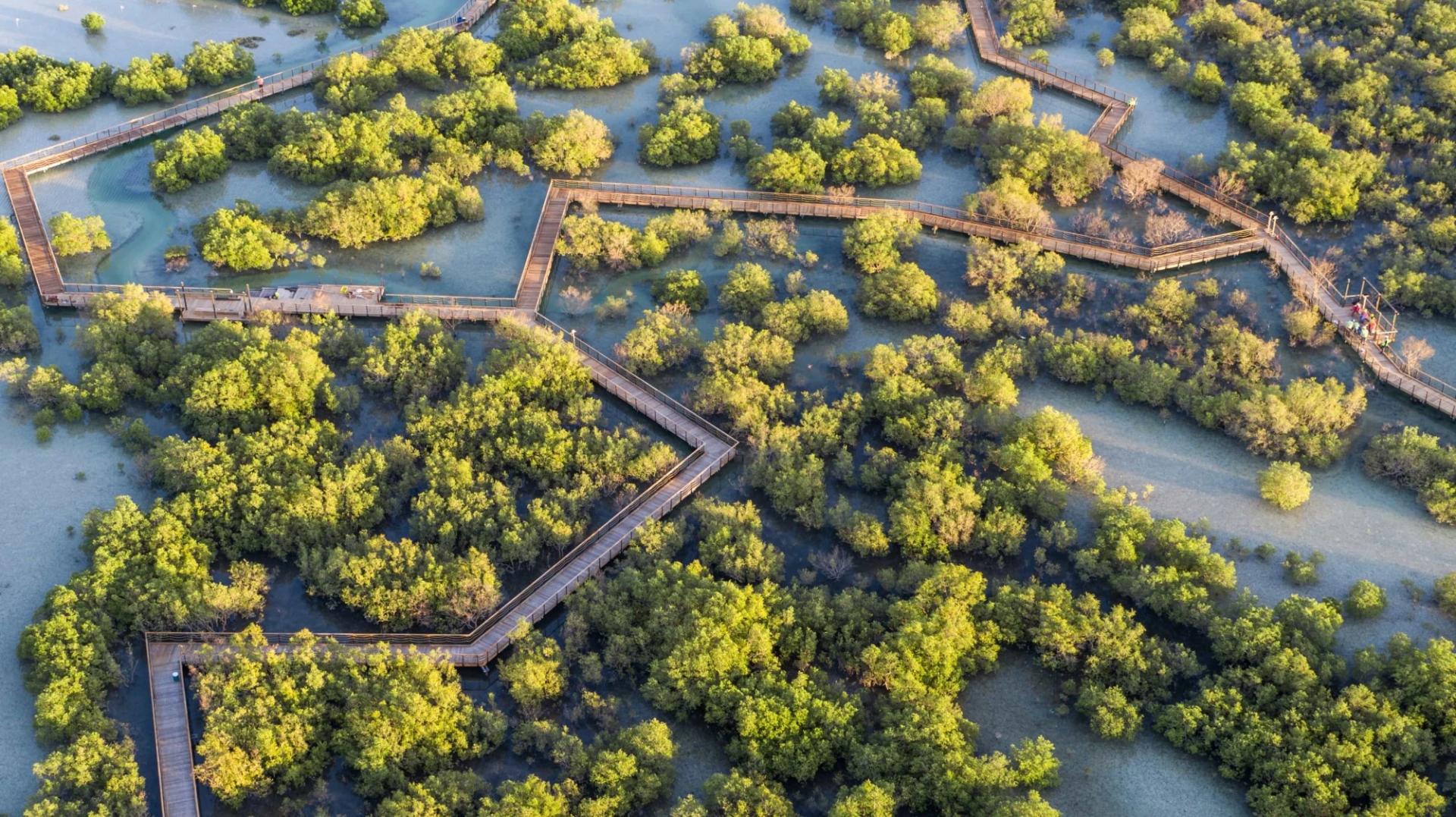
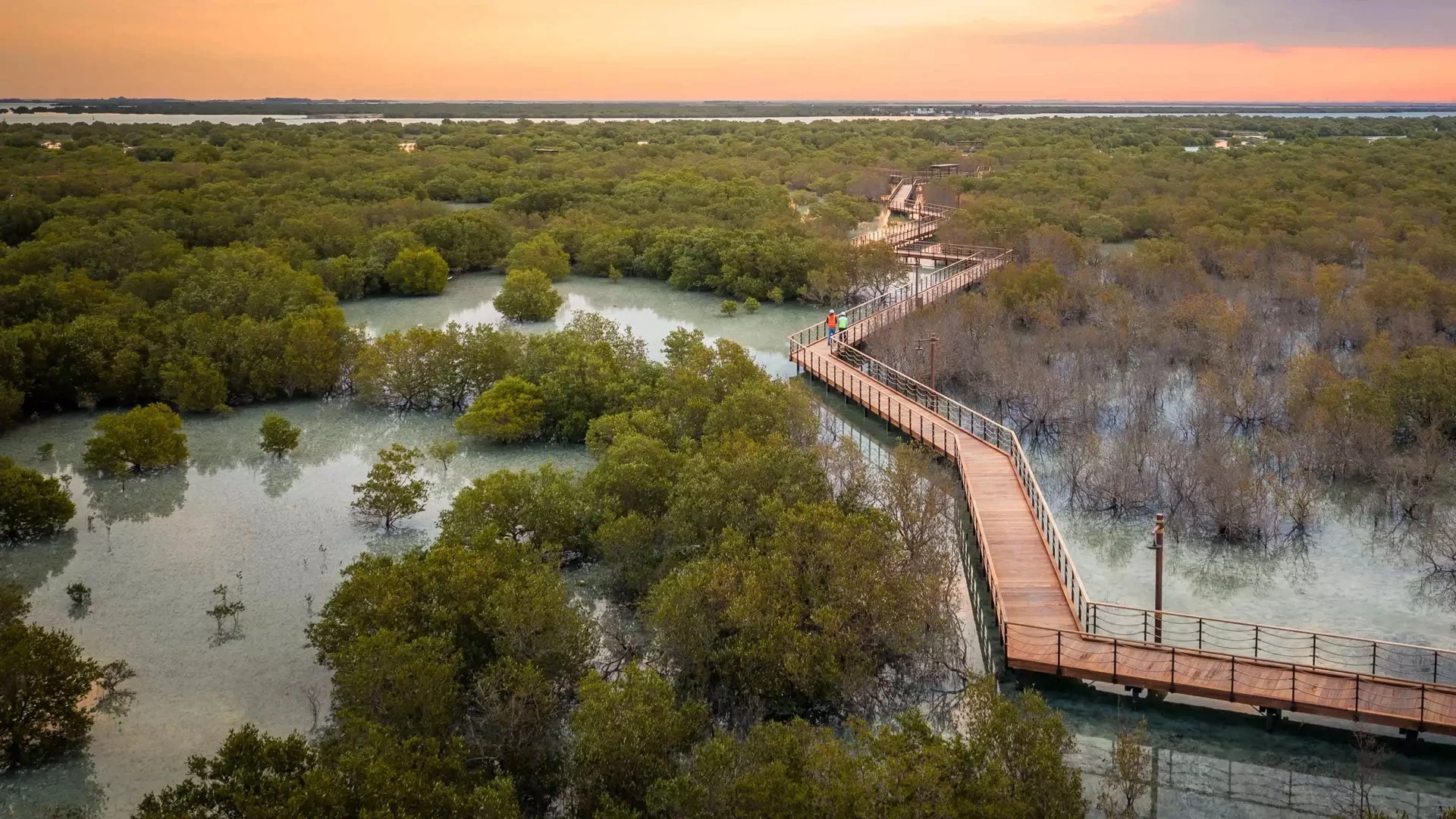
If you don’t want to go that far, there are a couple of routes inside Abu Dhabi proper that might scratch your hiking itch – the corniche is a lovely place to stroll on a cool evening, while the recently opened Jubail Mangrove Boardwalk is a rare gem in the city, full of interesting fauna and wildlife and best visited when the water is in at high tide.
1. Jubail Mangrove Boardwalk
Detail: 2 km round trip/ under 1 hr/ easy
Opened in 2024, Jubail’s raised boardwalk winds through the coastal mangroves, offering a chance to spot herons, crabs and small fish. Signs display several loops of varying lengths, all of which are dotted with shaded rest areas, viewing platforms and photo spots. The park is free, although you may want to splash out for a dragon boat trip or a kayak to see the mangroves and wildlife from the water. Make sure you visit at high tide.

2. Jebel Hafeet Summit Trail
Details: 9 km base trail/ under 2.5 hrs/ moderate
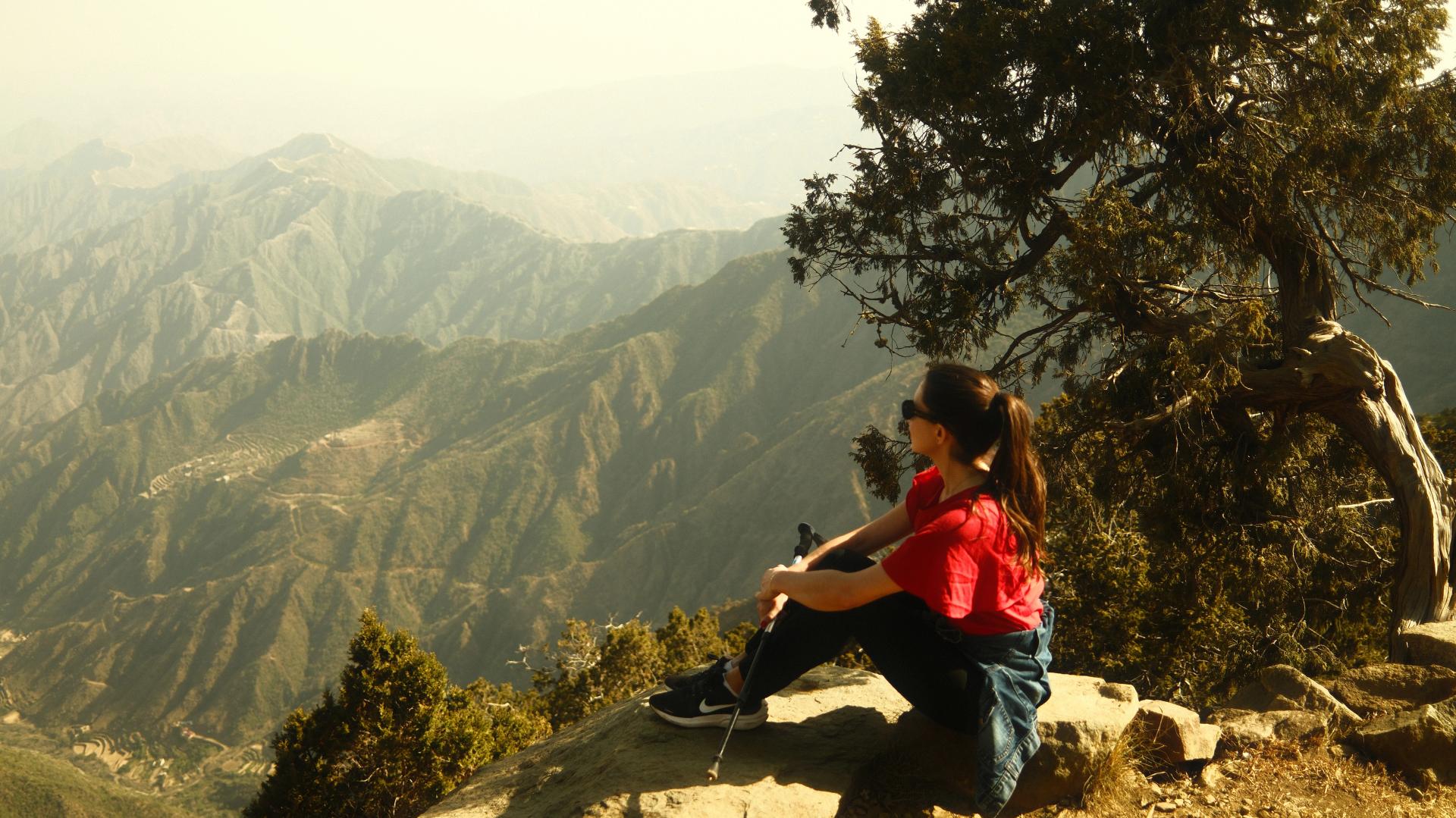
Abu Dhabi’s only actual mountain is located in Al Ain, part of the Abu Dhabi emirate but a destination in its own right. Many locals prefer to drive their 4X4s at full speed up the winding road to the summit, but visitors may prefer to take the 8.4km trail to the top, which can be covered in three to four hours. For those not looking to bag the summit, there is also a similar length hike around the base of the mountain.
It goes without saying that this is not a hike that you should attempt in the summer months, when temperatures can exceed 40°C. Even during the milder spring and winter, you’ll need good shoes and stamina.
3. Al Wathba Fossil Dunes Reserve
Details: 3 km loop/ 1–1.5 hrs/ easy
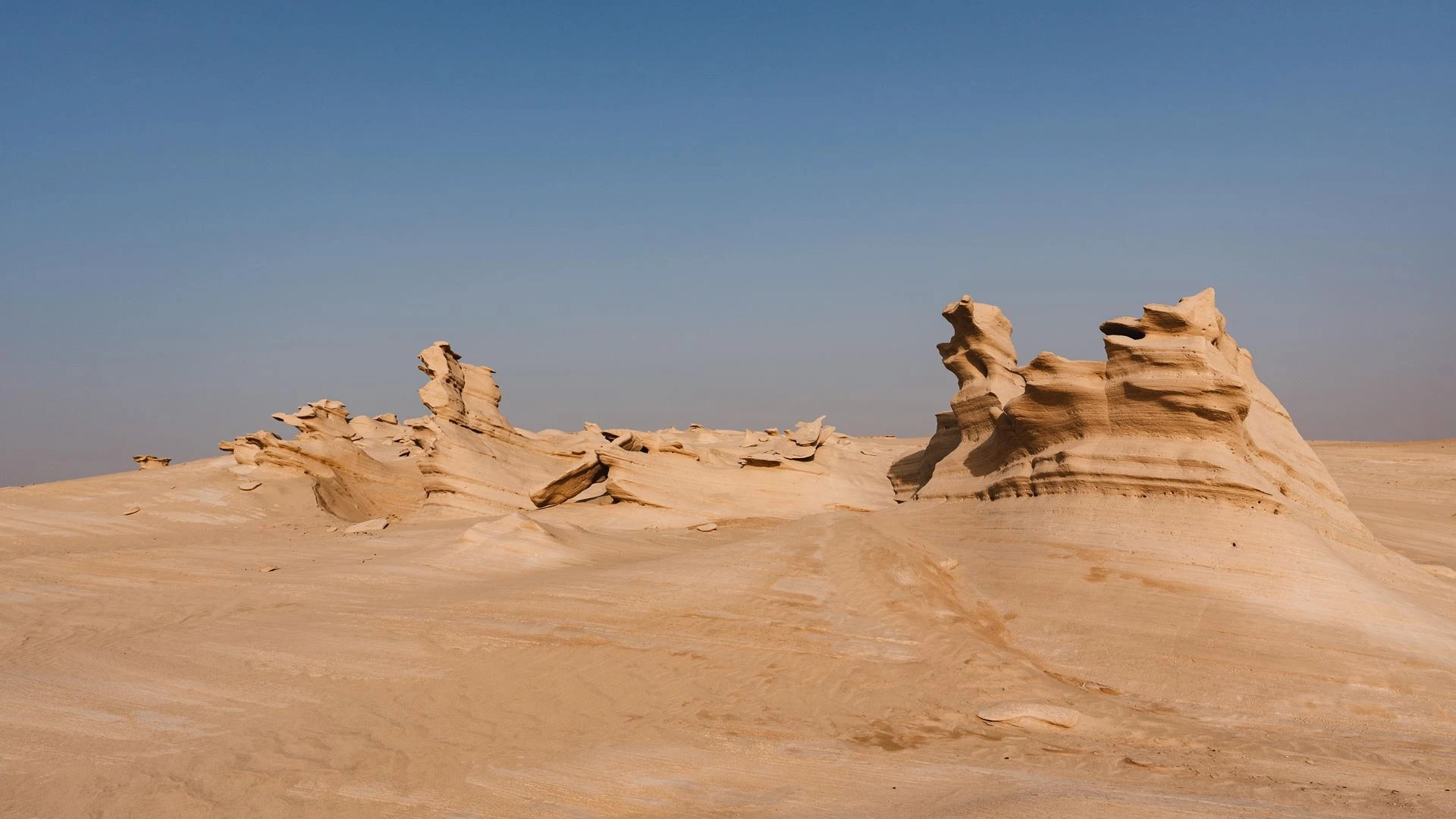
Just 45km to the east of Abu Dhabi is the Al Wathba Fossil Dunes Protected Area, which is made up of more than 1,700 fossil dunes – rock formations that geologists say could be over four millions years old – spread over seven square kilometres. The reserve is well laid out for hikers, with well-marked 3km routes in each direction, and regular shaded rest areas.
Visitors can also enjoy music and light shows in the park’s amphitheatre, which can hold 200 visitors, and purchase food and drinks from food trucks dotted around the park. There is also a visitors centre and nearby is the Al Wathba Wetland Reserve, home to flamingos and other wildlife.

4. Corniche Walk & Cycle Path
Details: 8 km one-way/ 2–3 hrs/ easy
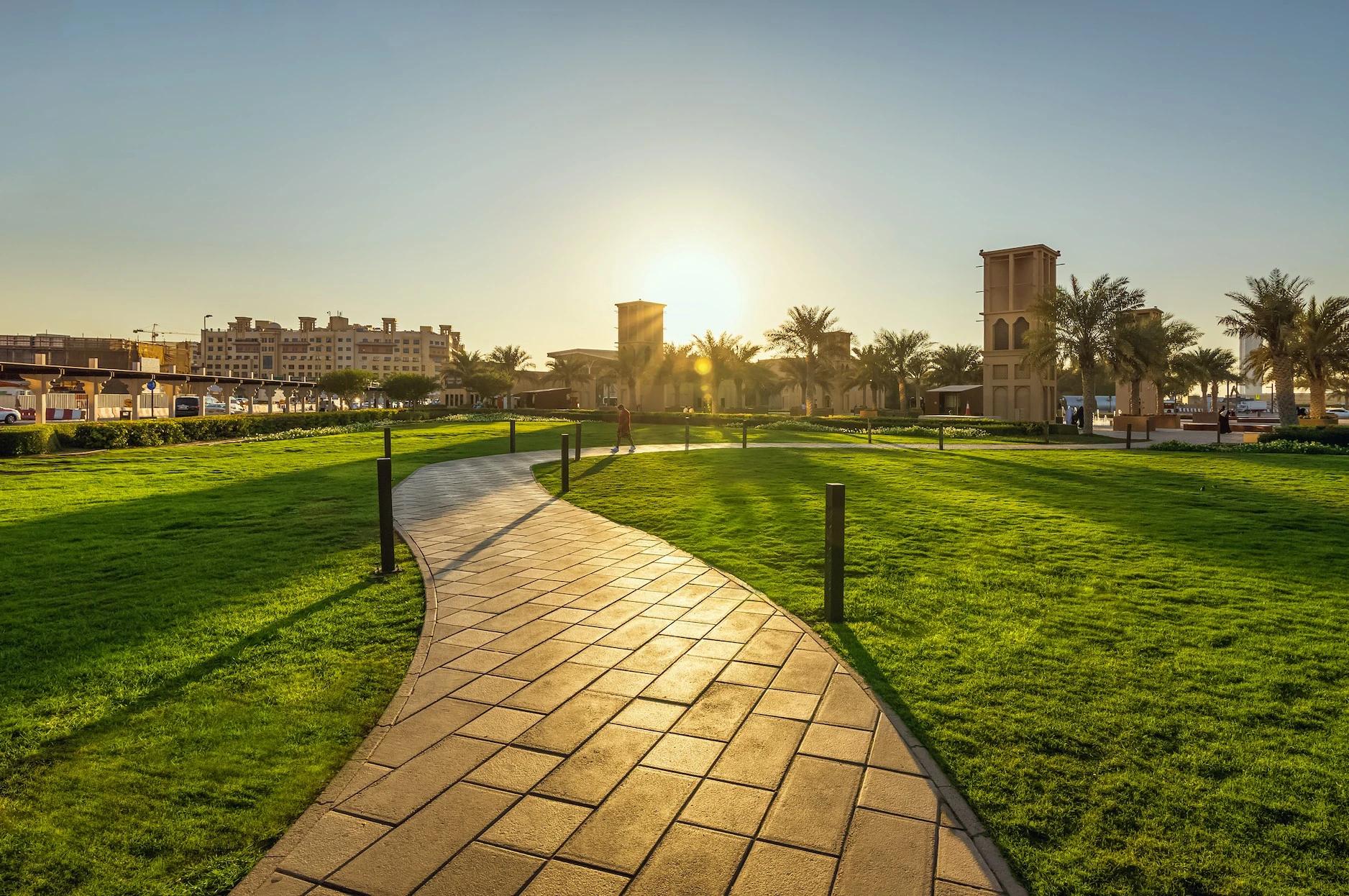
If you feel the need to stretch your legs without even leaving the city, then Abu Dhabi’s Corniche is a total of 8km long and makes for a very scenic stroll on a cool evening or morning. The best route begins at the Founder’s Memorial up to the Heritage Village and then to Marina Mall, a good place to grab something to eat and cool off if it’s a warm day. The family beach is a good place for a swim, and Qasr Al Hosn is a good stop to take in a bit of Abu Dhabi history.
5. Hudayriyat Island
Details: 3km/ 30 minutes to one hour/ easy
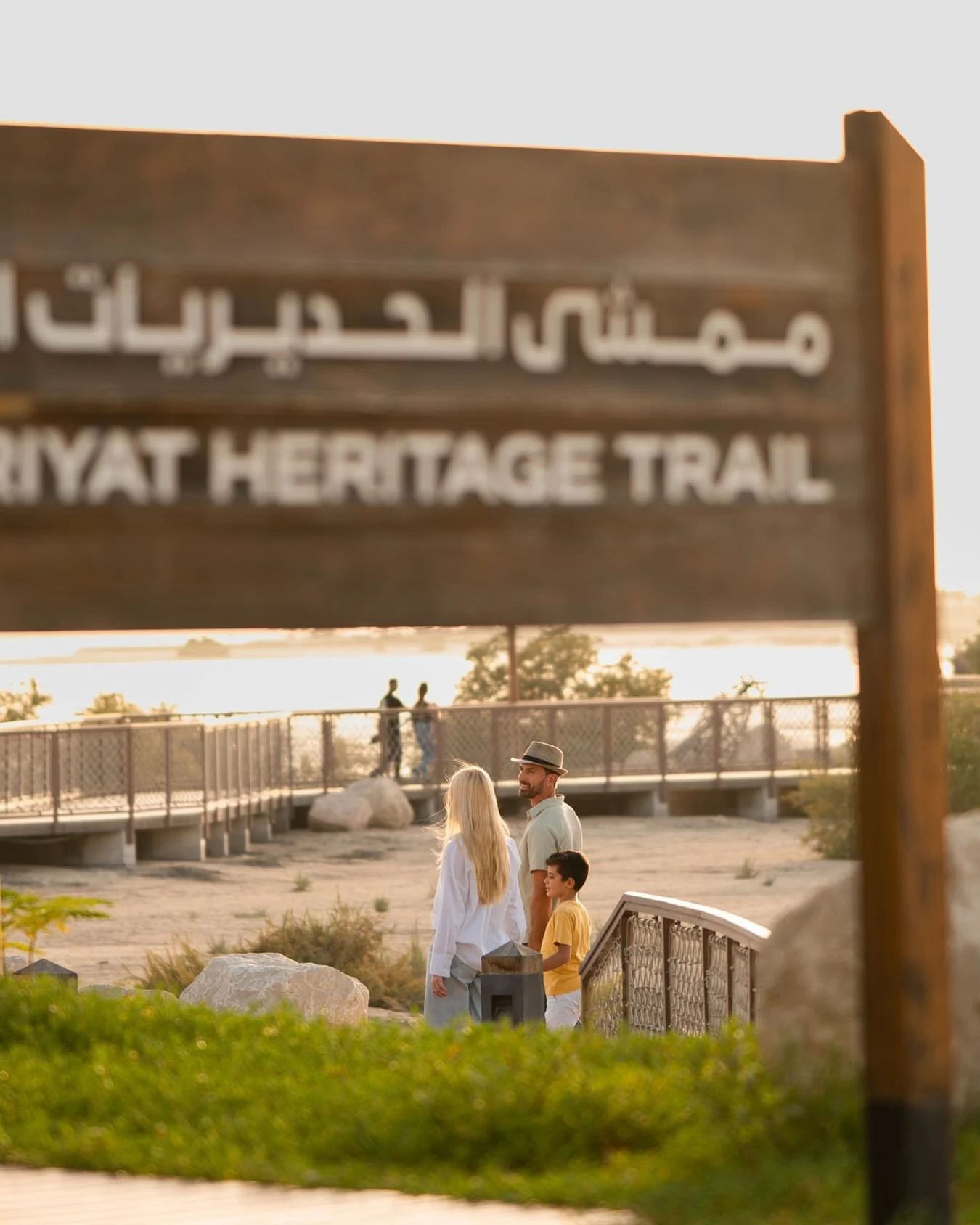
This heritage trail is a relatively new walking route on Hudayriyat Island that takes in a number of sites that were of critical importance to the emirate when it was a pearl diving hub decades before the discovery of oil. The trail is well marked and made up mostly of boardwalks, meaning that it is very doable for travellers with strollers or wheelchairs. Hudayriyat was set aside as a nature reserve due to the discovery of important archaeological remains. The area is emerging as an eco-tourism hub, and signage along the route educates visitors about the various creatures – on land and in the sea – that call this area home.

6. Sir Bani Yas Island Nature Trails
Details: 4/5km/ 1 to 1.5 hours/ easy
Half of Sir Bani Yas Island makes up the region’s largest wildlife reserve and is home to giraffes, gazelles, Arabian oryx, hyenas and cheetahs. A large part of the site is home to the luxury Anantara Sir Bani Yas Island Resort, and walks and other activities can be arranged through the hotel on the island, which is only reachable by boat. As well as dried-up wadis and salt-rock hills, visitors will see huge numbers of birds and mangroves. The hotel also offers a hike to a 600CE monastery – the oldest in the UAE – that was recently discovered on the island.