The Dakar Rally has evolved beyond a mere test of stamina to become a mirror of the sweeping transformations within Saudi motorsports. With each passing edition, the significant role of women — both in the driver’s seat and behind the scenes — stands as a testament to an ecosystem that prioritises professional readiness and expertise.
Now in its seventh year in the Kingdom, the Dakar Rally has transitioned from an international event hosted on local soil into a homegrown sporting infrastructure. This shift has opened the doors for extensive Saudi involvement in global motorsports, offering women the opportunity to fully immerse themselves in a world-class arena — moving past symbolic representation toward true, active competition.
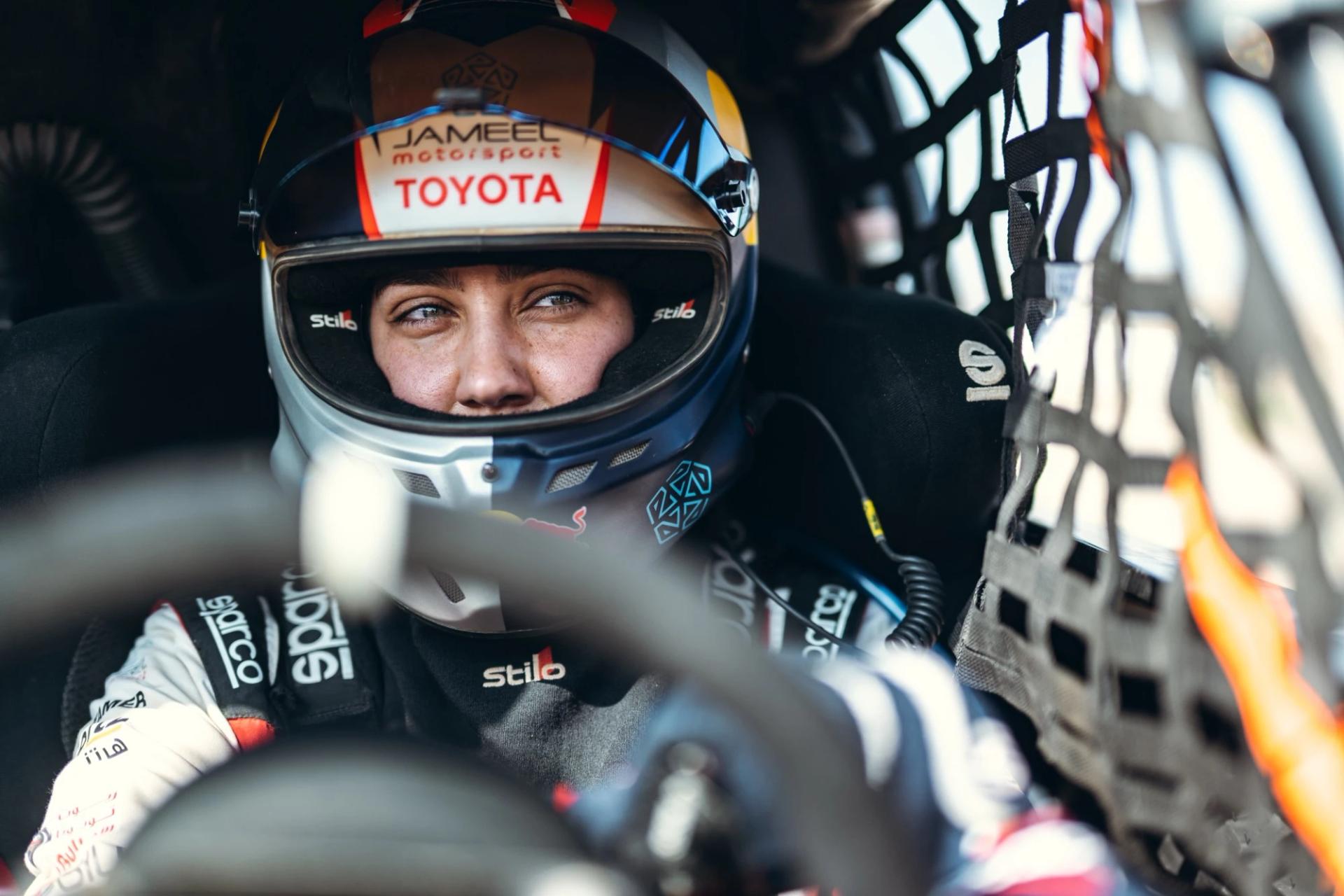
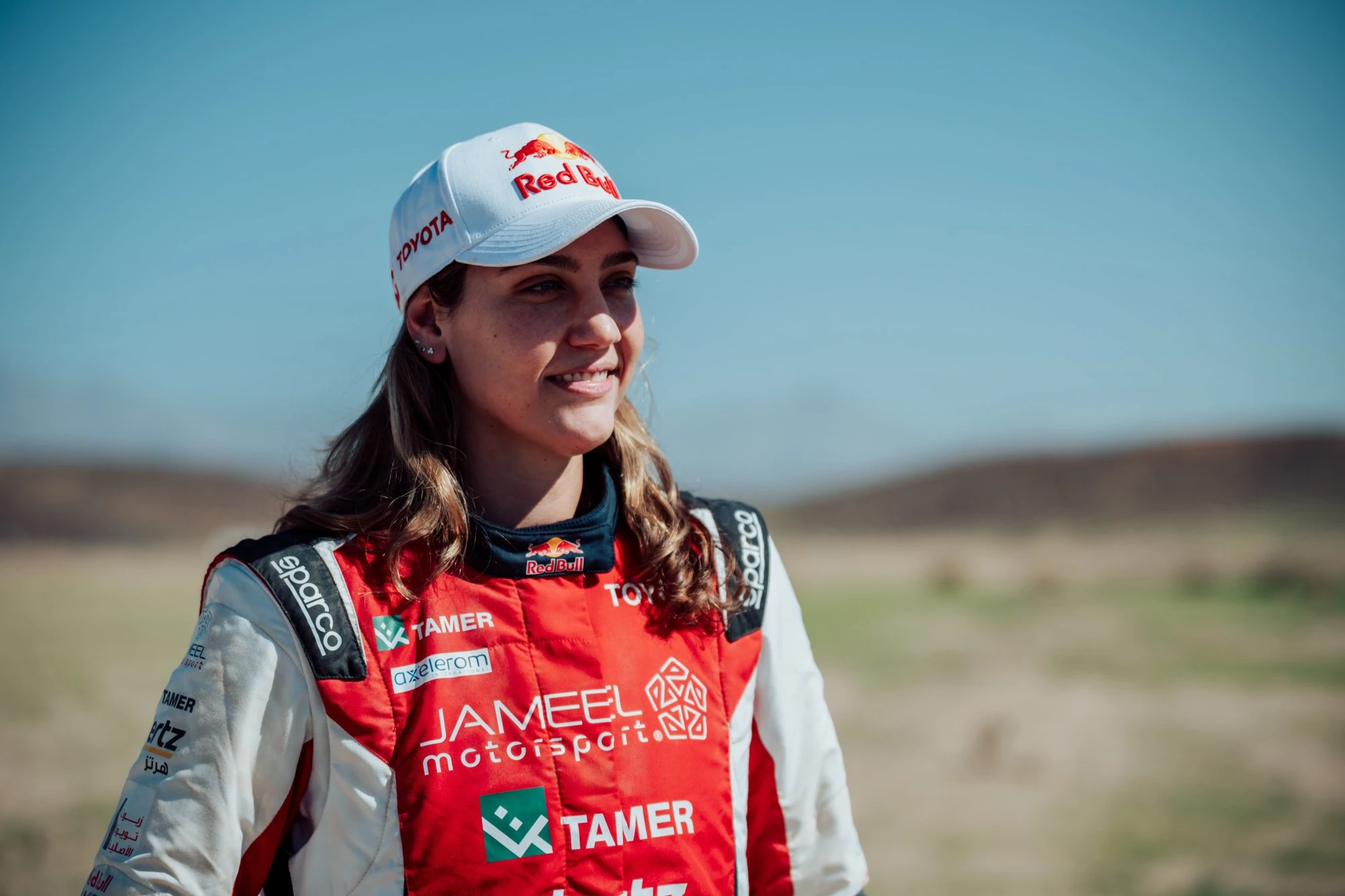
In the competitive arena, several Saudi names have distinguished themselves through proven results. Among them is Dania Akeel, one of the most experienced Saudi women in Rally-Raid. A year ago, she secured a stage victory in the T3 Challenger category at the Dakar Rally and has since continued to assert her presence on the global stage, winning the Abu Dhabi Desert Challenge and finishing last season third in the overall world rankings. For Akeel, competing in Dakar — specifically on home soil—is a personal and professional challenge that demands rapid decision-making, high adaptability, and the skill to navigate constantly shifting terrain.
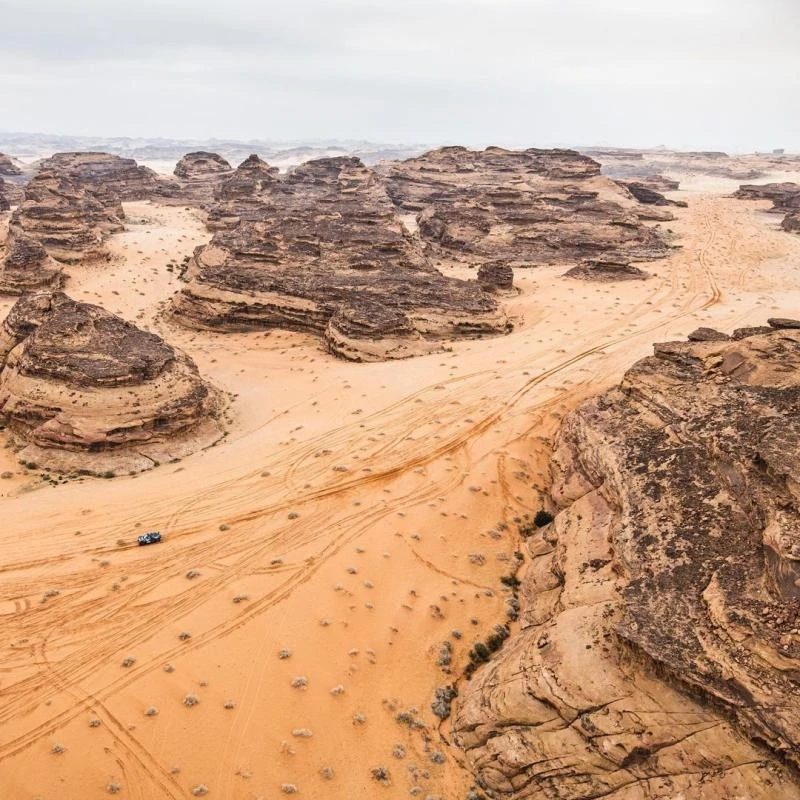
Akeel explains that Dakar forces drivers to face the consequences of their decisions immediately. She describes the experience as gruelling, yet emphasises that it is a conscious choice driven by passion and the thrill of the challenge. She adds that the Kingdom’s diverse landscape, ranging from rocky paths to open sands, requires racers to constantly recalibrate their style, making adaptability a fundamental factor in the race.
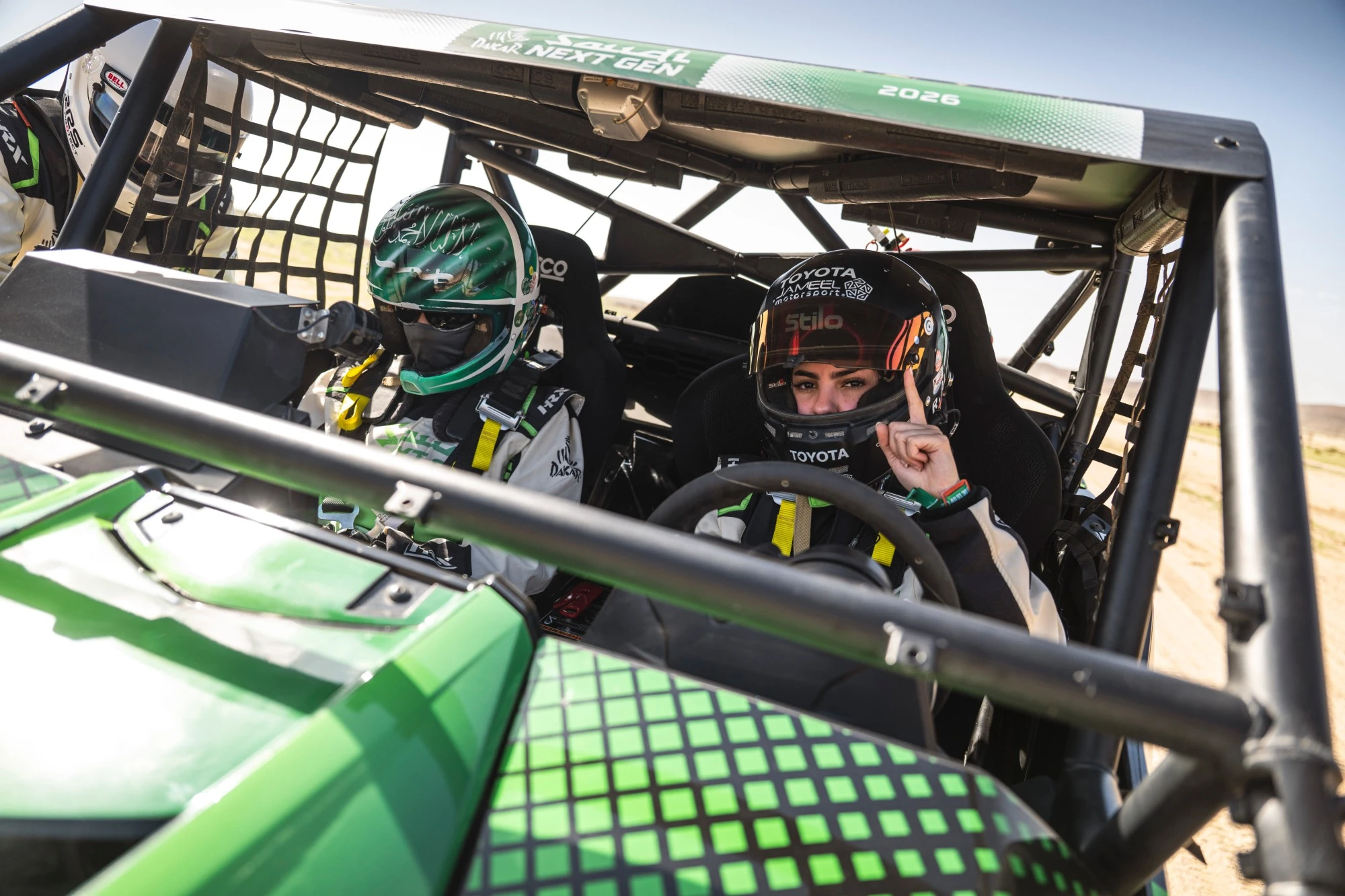
Alongside these veteran names, a new generation of Saudi women is emerging through clearly defined developmental pathways. In the 2026 edition of Dakar, 25-year-old Reem Al Aboud from Jeddah is competing alongside her 23-year-old navigator, Shorouq Al-Omari, from Riyadh. Al Aboud began her motorsport journey in karting in 2018, before making history as the first Saudi woman to drive a Formula E car and later transitioning to GT racing. Her participation in Dakar comes as part of the Saudi Next Gen program, which aims to groom future talent for this race through comprehensive training in driving, navigation, mechanical understanding, and physical endurance.
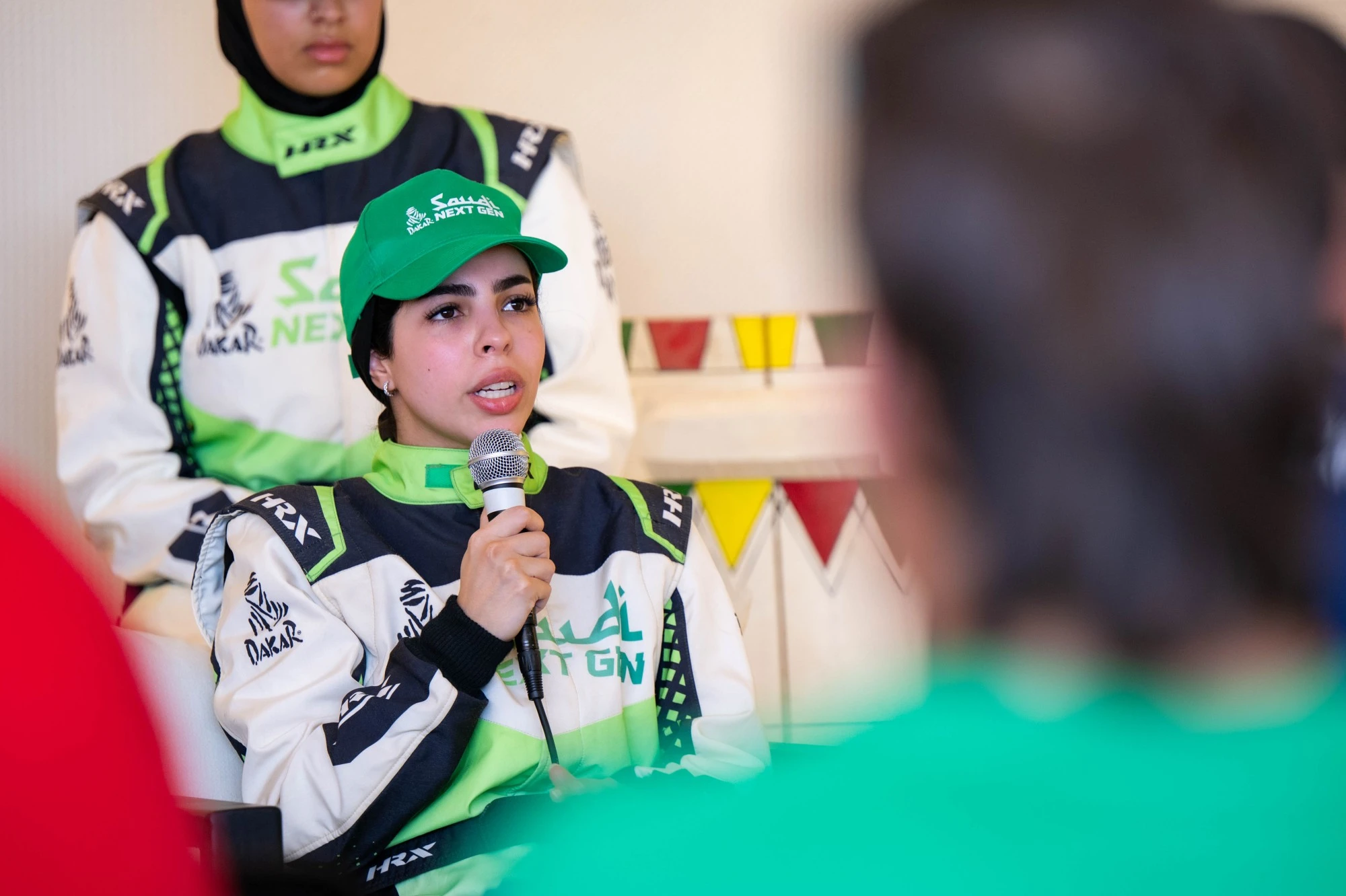
Al Aboud believes that the presence of Saudi pioneers who preceded her in the Dakar Rally has fundamentally shifted perceptions regarding the accessibility of this level of competition. She emphasises that the experience serves as an opportunity to encourage motorsport enthusiasts to explore available pathways, obtain the necessary licenses, and build a legitimate professional career in the field.
The presence of Saudi women in Dakar extends well beyond the track itself. Alongside the competitors, the event’s organisational framework is seeing an increasing number of women in operational and administrative roles. Mays Dabbour, Director of Hospitality and Protocol at the Saudi Motorsport Company, notes a clear growth in the number of women within the company, highlighting their involvement across various sectors including operations, leadership, and decision-making. She explains that barriers to entry have lowered, thanks to clearer career paths and stronger institutional support.
This integrated participation — spanning active competition, developmental programs, and executive roles — reflects the growing maturity of the Kingdom’s motorsport ecosystem. The female presence in Dakar is not merely symbolic; it is the direct result of training, confidence, and sustained opportunity.
As the Kingdom continues to host the Dakar Rally, this integration is being further cemented, making the participation of Saudi women a natural component of the race’s framework. In Dakar, progress is measured kilometre by kilometre; with that same steady rhythm, this presence is taking shape: practical, professional, and built on merit, within one of the world's most challenging automotive adventures.
Dakar Rally 2026, from January 3 - 17, 2026
dakar.com
@dakarrally