
First-time visitors might think of Doha and think of futuristic tall towers, high profile sporting events and luxury hotels, but the Qatari capital has been shaped by trade, migration and industry that spans centuries. Examples of that rich cultural heritage can be found throughout the city. That is, if you know where to look – these are some of the top historical sites in Doha.
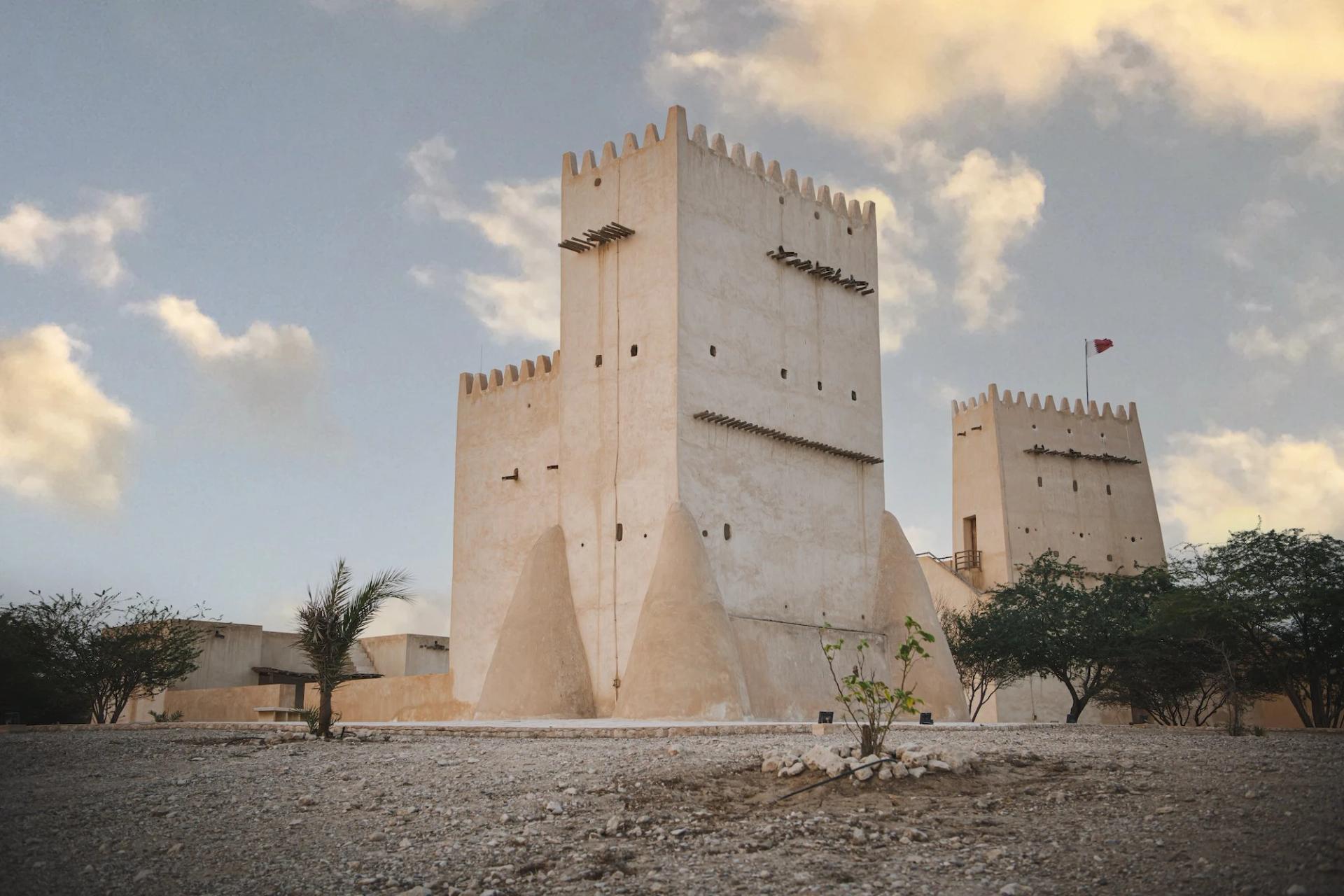
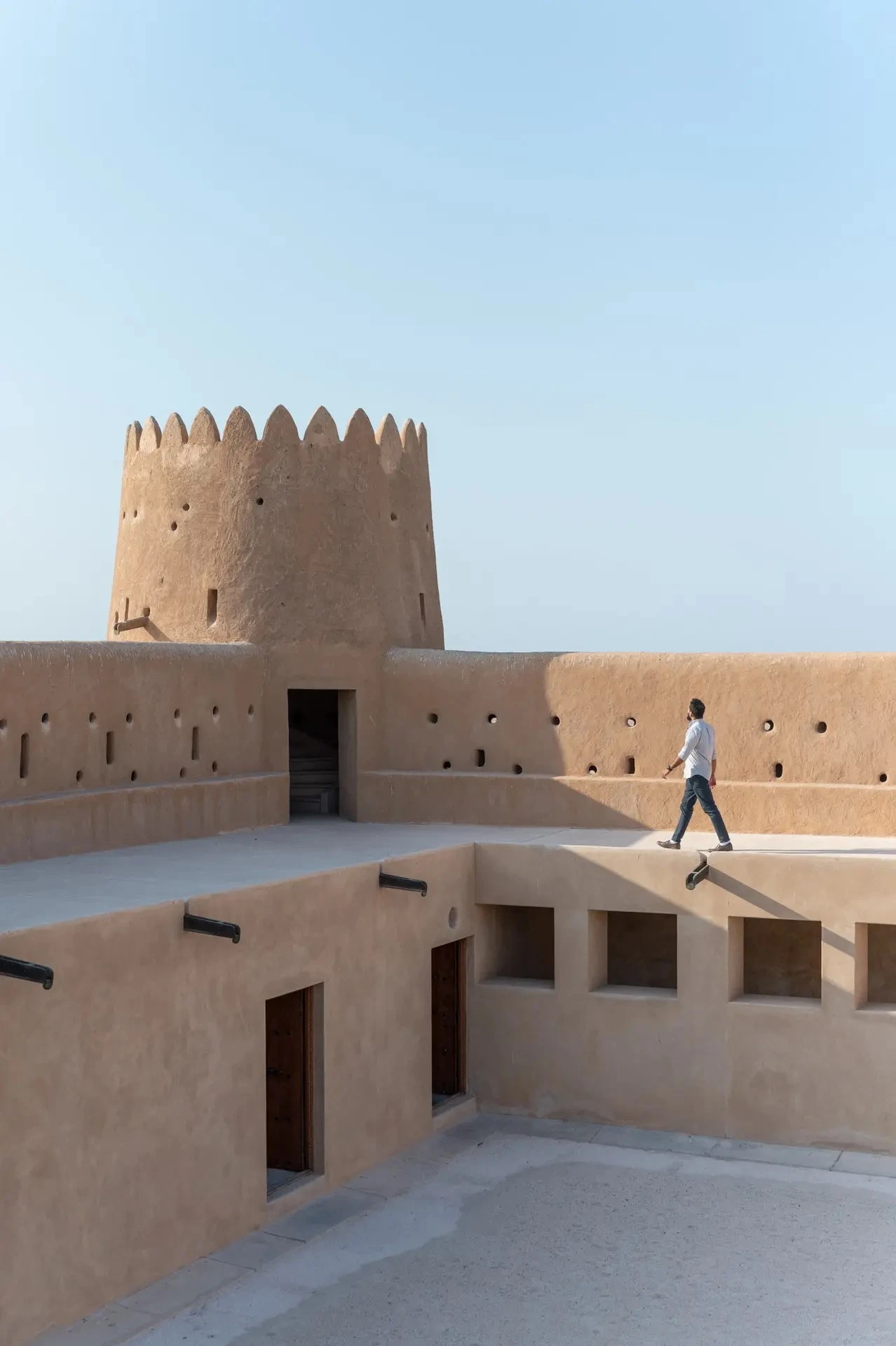
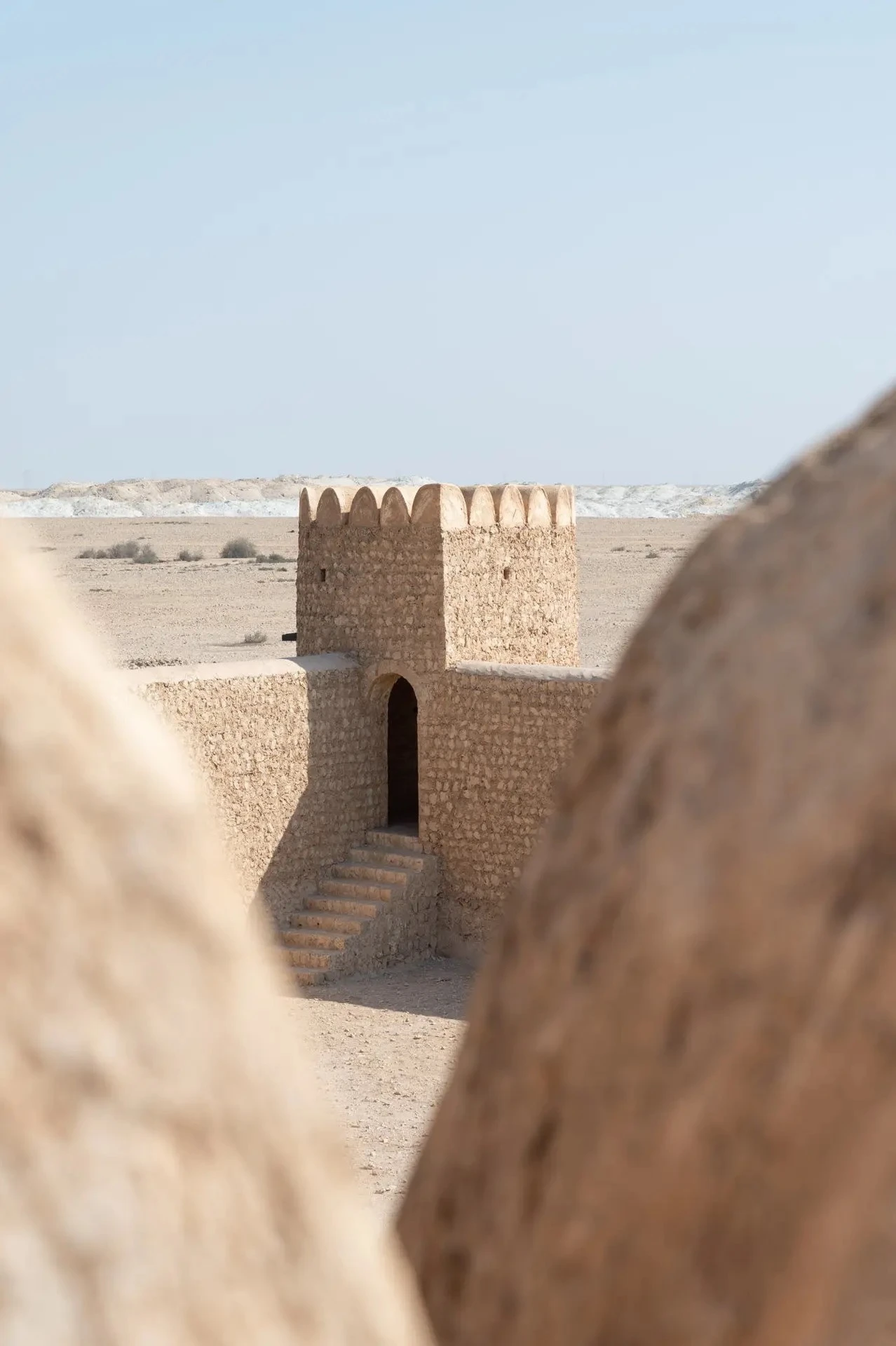
Barzan Towers
Barzan means high-place in Arabic and it is thought that these two 19th-century towers were constructed to observe the approach to Doha as well as the coastline, where pearl fishermen would have once plied their then-lucrative trade in the balmy waters of the Arabian Gulf.
The towers may also have been used to observe the phases of the moon, integral to the Islamic lunar calendar, especially when calculating the beginning and end of the month of Ramadan. They are also known as the Umm Salal Mohammed Fort and Mosque.
Nowadays, the towers have been well restored (and are air conditioned, making for a delightful respite in the warmer months) and can be visited on weekdays (Sunday to Thursday, 8.30am to 12.30pm, Fridays, 3 to 6pm). You’ll need to take a taxi (20 minutes from downtown) to reach them.
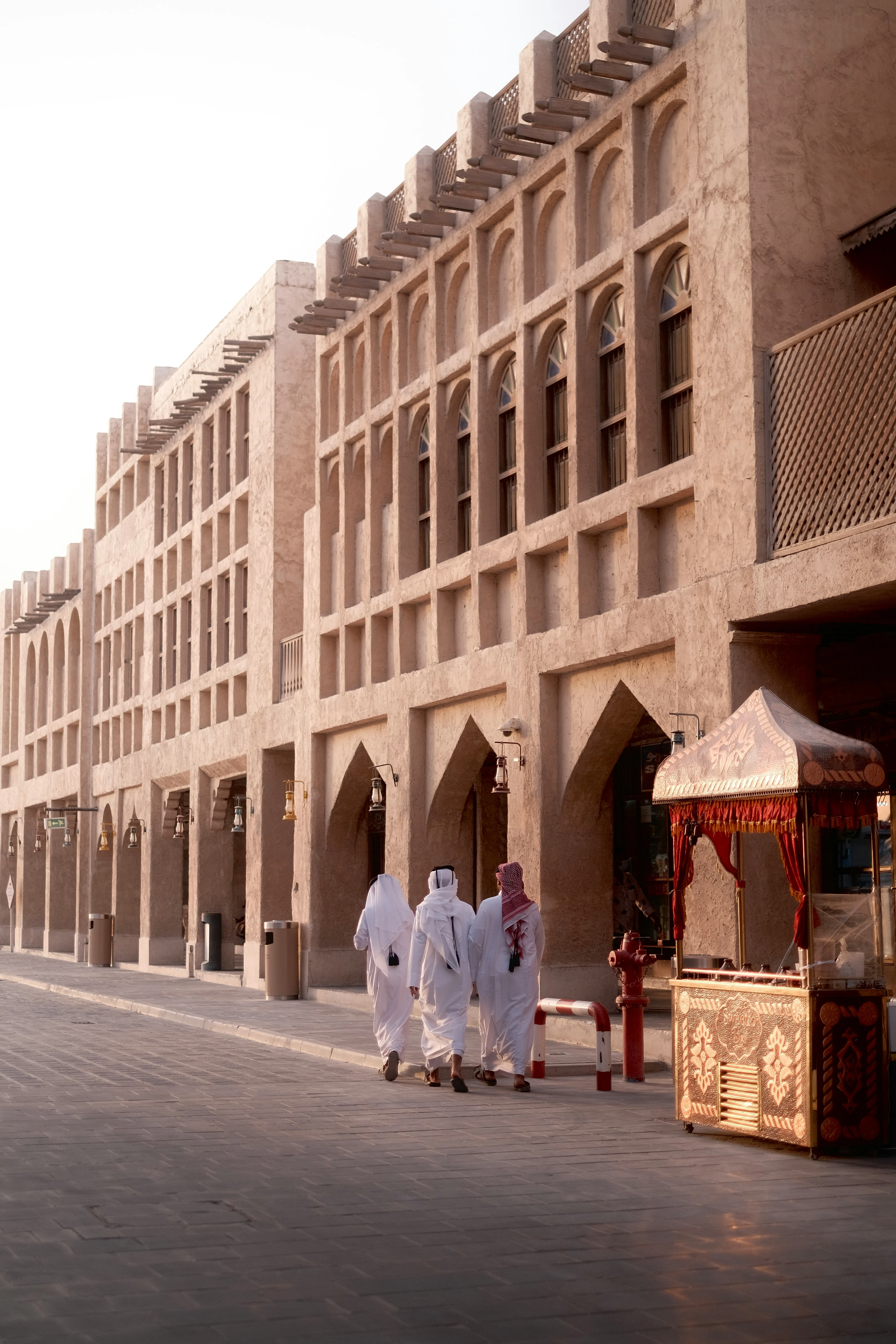
Souq Waqif
Narrow your eyes as you wander the streets of Souq Waqif and you may be able to imagine what this bustling souq was like before the traditional Bedouin market was redeveloped in the early 2000s. Regardless of its modern sheen, the market is a great place to explore, taking in the spice and gold stalls as well as the falcon souq, where locals go to purchase the hunting birds – and where tourists can get a snap with one of the hooded falcons on their arm.
Many of the stalls at Souq Waqif are operated by older Qataris, many of which are happy to share their stories of Doha before the glitzy modern age. Be sure not to miss the Art Center, where local and international artists display their work and events are often held.
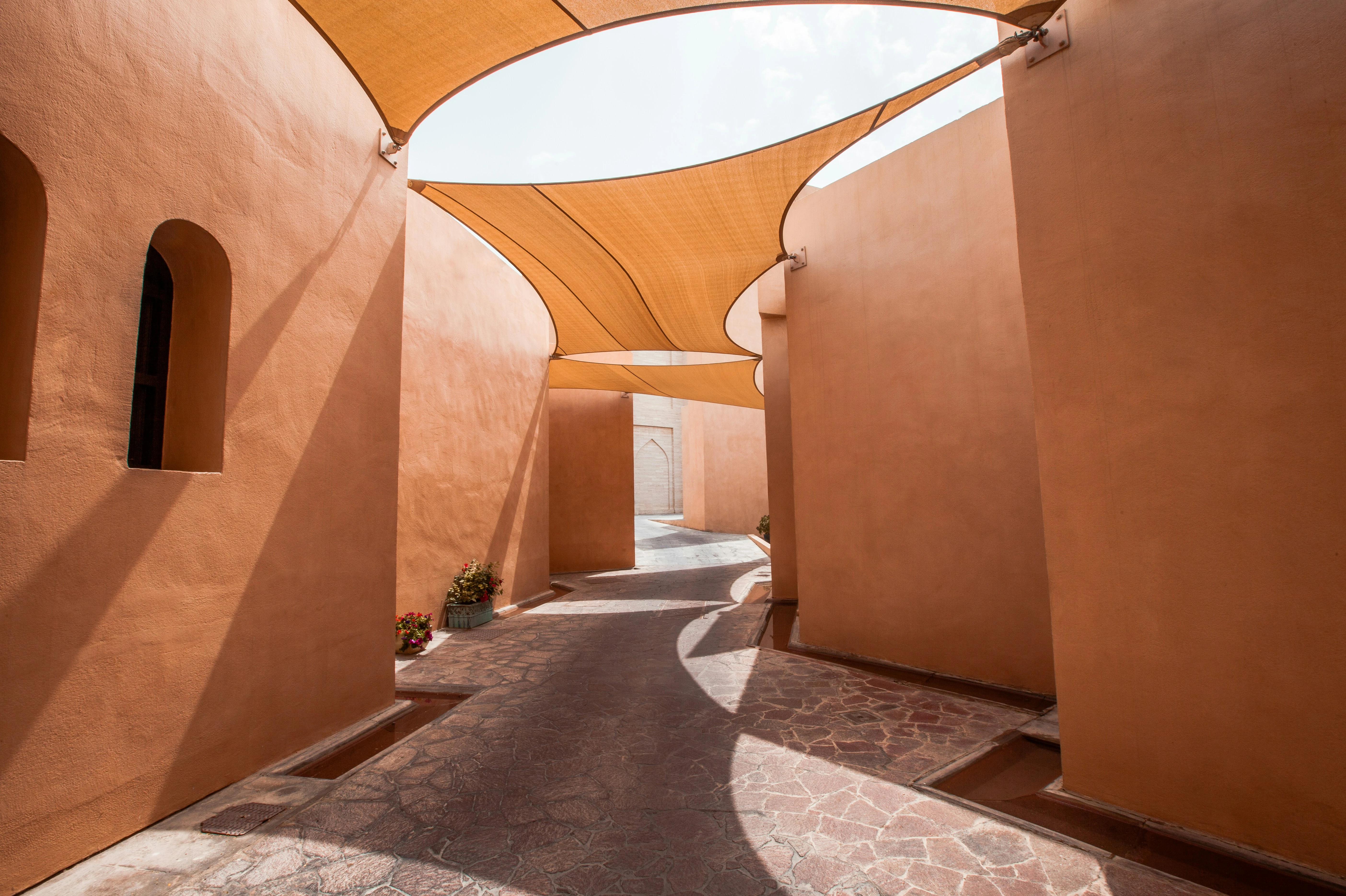
Katara Cultural Village
It may be of modern construction, but Katara was designed to reflect classical Islamic architecture and provide a hub for Qatari art and culture, and it regularly hosts workshops, festivals and events, including in its 5000-seat amphitheatre. Notable sites include Katara’s distinctive pigeon towers and the beautifully tiled Katara Mosque, inspired by the Blue Mosque in Istanbul. Bring your swimsuit as Katara Beach is nearby and a good spot for a dip.
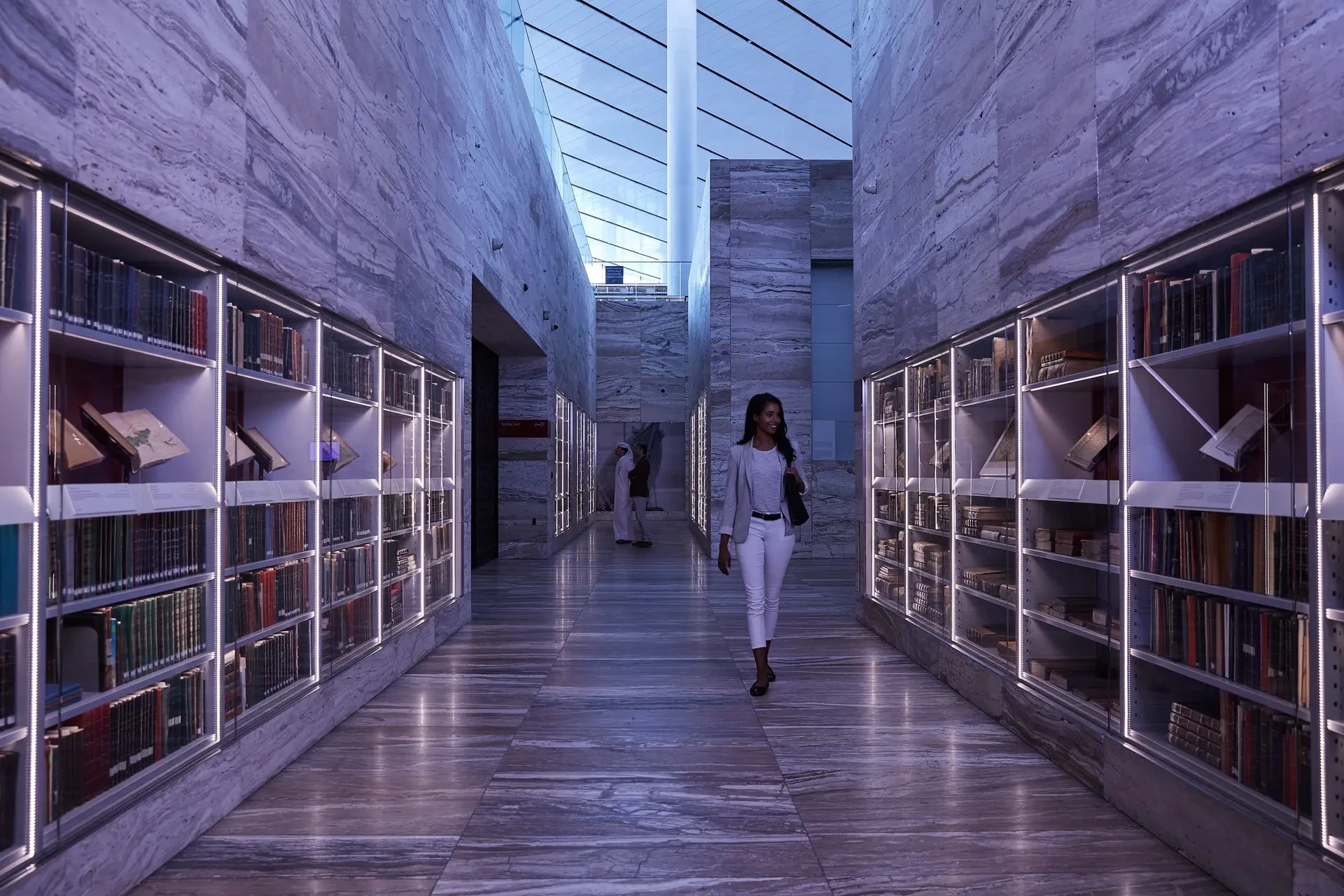
Qatar National Library (Heritage Library)
Tucked inside the sleek glass architecture of the thoroughly modern Qatar National Library is Doha’s Heritage Library, which contains more than 50,000 rare books, maps, and manuscripts, some of which date back to the 15th century and document everything from Islamic scholarship to early Gulf exploration. Located in Education City, the facility is open to the public and offers a quiet, immersive way to trace the intellectual and historical roots of the region.
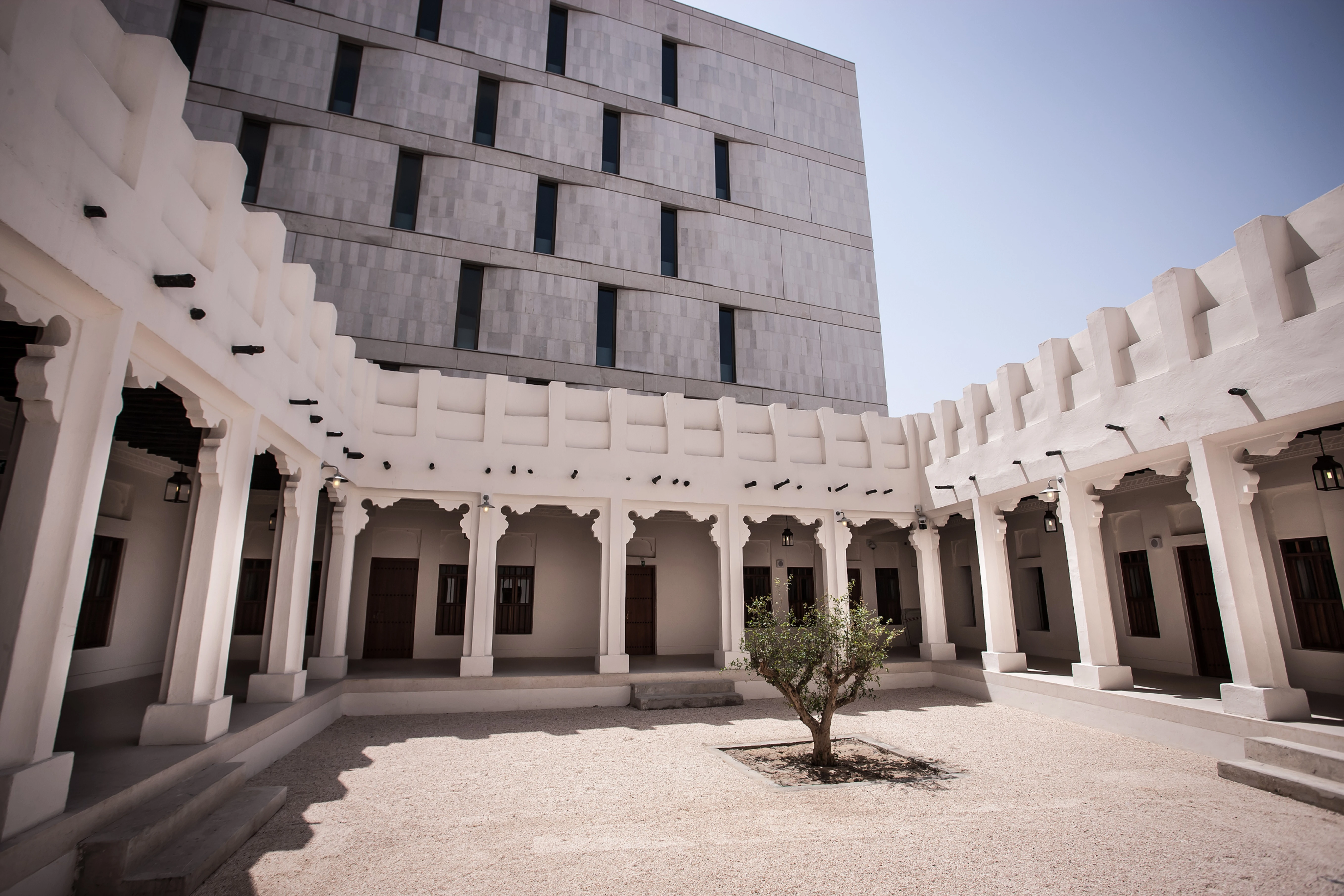
Msheireb Museums
These four restored heritage houses are in the heart of the very modern Msheireb district, and chart Qatar’s transformation from a pearl-diving community to a modern state. Each focuses on a different theme, including the history of enslavement in the Gulf, family life, and urban development. Msheireb is eminently walkable and beautifully designed, and can be visited in the same day as nearby Souq Waqif and Doha Corniche.
Al Koot Fort (Doha Fort)
An old military fortress that sits right next to Souq Waqif, this whitewashed structure was originally built in the 1920s to protect the market and later used as a police station. Nowadays the fort hosts a museum, although recent visitors report that it has been closed for some years. For now, travellers are best advised to enjoy the fort from the outside, where there are benches, a small park, and a fountain.
Al Wakrah Heritage Village
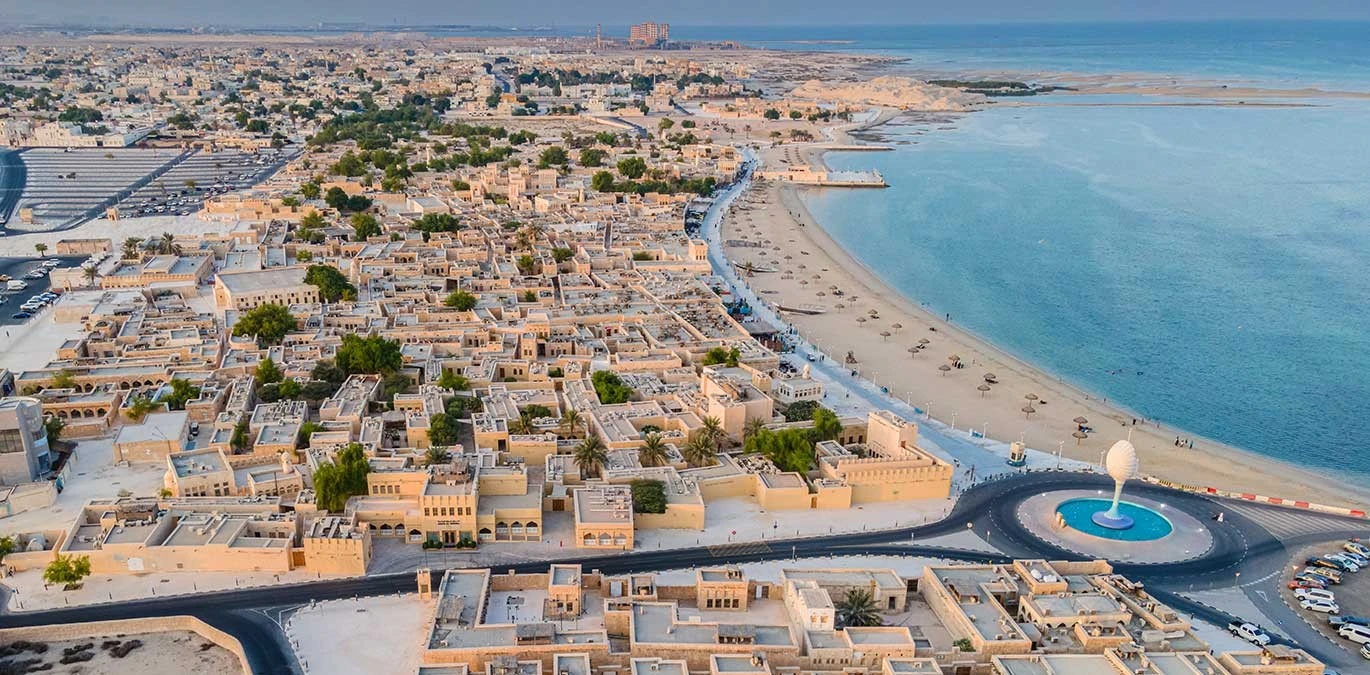
Located some 19 kilometres south of Doha, Al Wakrah Heritage Village is a recreation of a traditional coastal town, with alleys and coral-stone buildings built right up against the 1,237m Al Wakrah Beach and with a coastal promenade that is popular with walkers and families. As well as traditional shops and restaurants, the village is also home to 415 restored traditional houses.
The souq itself is a great place to pick up souvenirs, from traditional Arab ‘dallah’ coffee pots to miniature dhows and brass-studded wooden chests. There is a small hotel – the Souq Al Wakra Hotel Qatar – which is built in former heritage houses and is only a 15 minute drive from the airport.
National Museum of Qatar
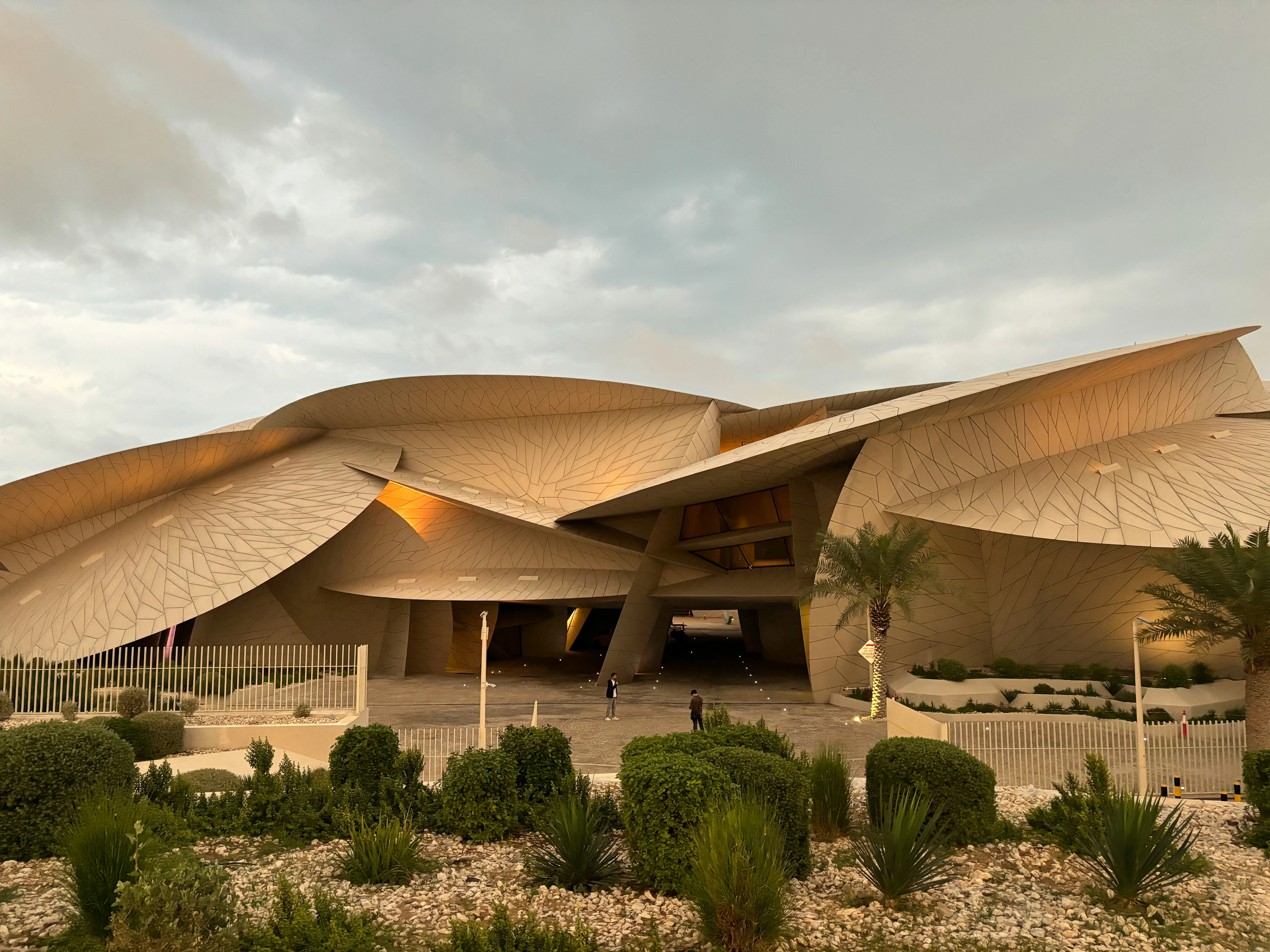
Maybe it is cheating to include Jean Nouvel’s 2019 National Museum of Qatar in a list of historical sites, but the structure itself was built around the former palace of Sheikh Abdullah bin Jassim Al Thani, and was the seat of government for Qatar for 25 years. Indeed, the central courtyard remains and still hosts Bedouin markets on weekends.
The building also includes a reconstruction of Al Zubarah, the pearl-fishing hub to the north of Doha, which is useful for visitors that don’t have time to make the trek to the actual site. Zubarah was a bustling port when Doha was just a glint in Sheikh Thani’s eye, and the exhibit provides an invaluable window into what life was like in the country prior to the oil boom.