



First time visitors to the United Arab Emirates may think of super-tall towers, malls and deck chairs on pristine white sand beaches. But the country’s recent history can often overshadow the centuries – millennia, even – that came long before the foundation of the UAE, the discovery of oil wealth, and the subsequent development boom that catapulted the emirates into the international consciousness. In the cities, ancient forts and historic houses bump up against vast glass and steel office towers, while prehistoric sites are dotted throughout the country. Most of the emirates have museums dedicated to their pre-oil past, often in the very buildings that were used to administer them by generations of sheikhs, before the country’s foundation in 1971.
Unlike in some other areas of the Middle East, these sites are accessible and often very well restored, open to tourists and with multi-lingual information and guides. To miss them would be to miss out on a fascinating slice of history of the UAE, and the wider region.
1. Al Fahidi Historical Neighbourhood: Dubai’s window to the past
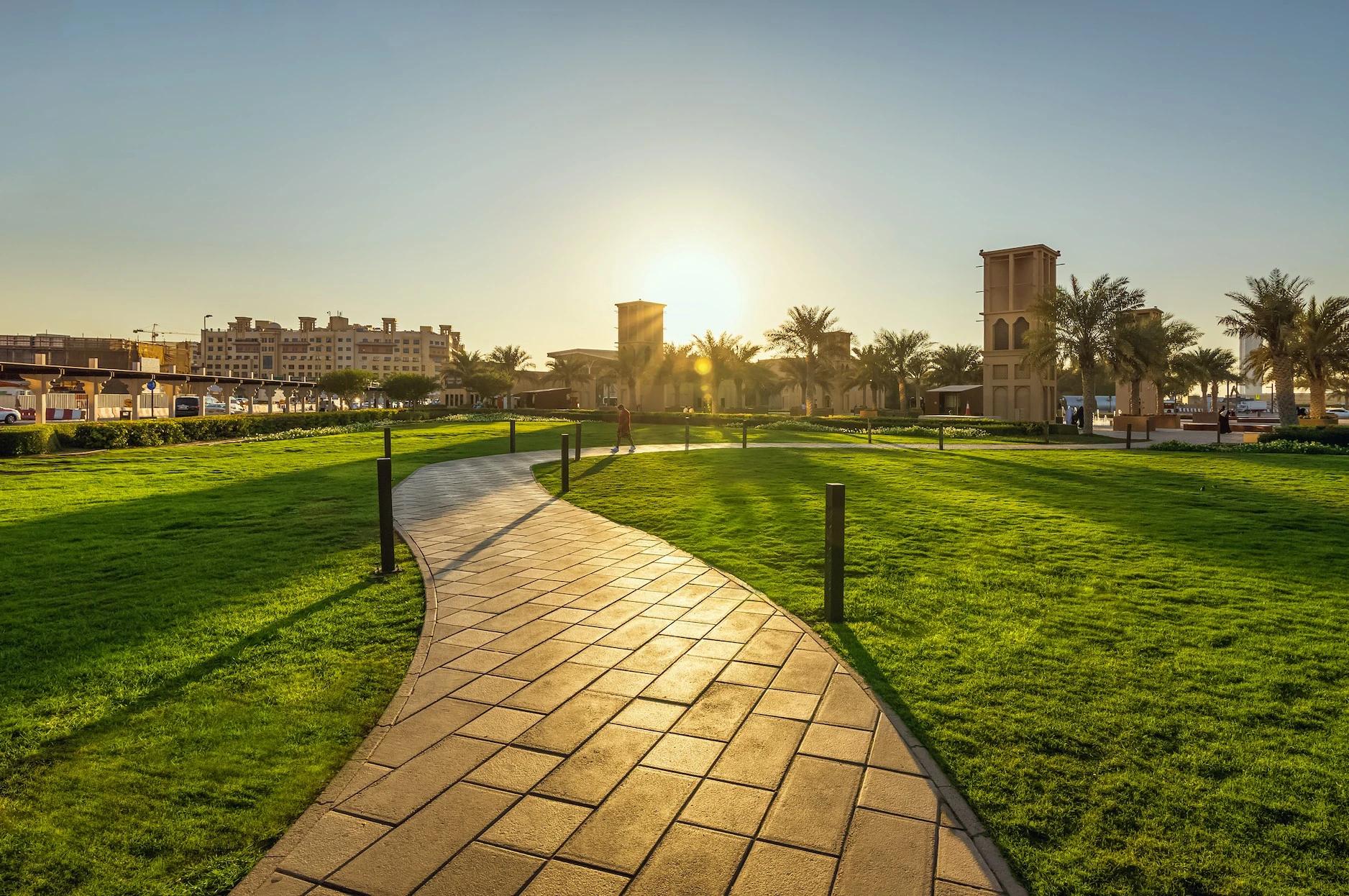
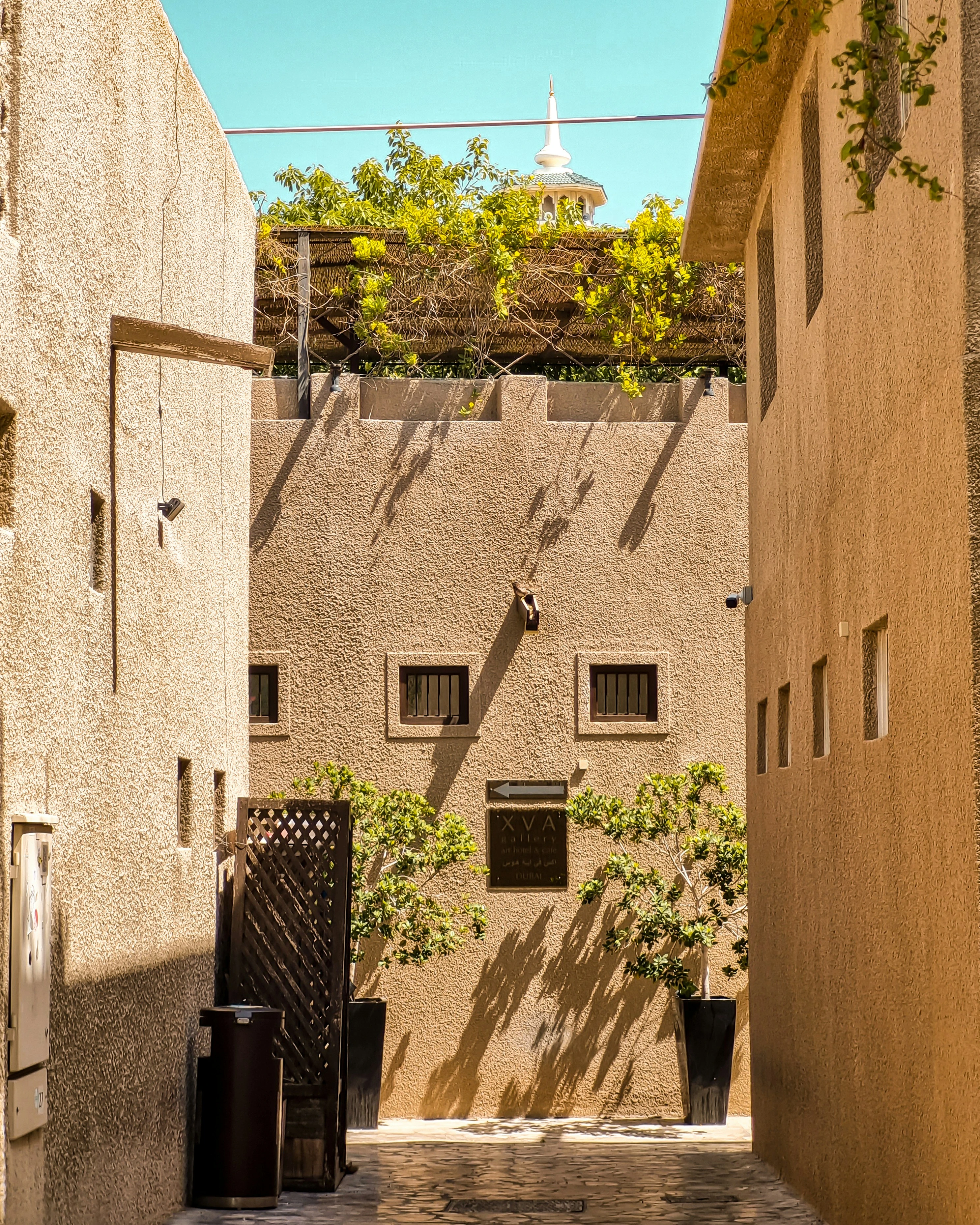
Located close to Dubai Creek, where wooden dhows still ferry tourists and locals back and forth for a few dirhams, the Al Fahidi Historical Neighbourhood is a maze of allies and pathways through restored buildings – with the traditional wind towers of sandstone and wood – that represent the architecture of old Dubai (and cooled its residents before air conditioning).
There are over 50 houses to explore, but the best place to start is the Sheikh Mohammed Centre for Cultural Understanding, which outlines the history and layout of the district. The Coins Museum contains 470 rare coins from the British Empire, India and other colonies, while the Symposium House and the Events House stage regular cultural events and local craft demonstrations.
Also worth a visit is Dar Al Khatt, the calligraphy museum, and the Arabian Tea House, which serves drinks and traditional snacks. Al Fahidi Fort, outside the Dubai Museum, was built in 1787 and was used as a base for the rulers of Dubai for generations. Both the fort and the museum are closed for renovations currently but details about a grand reopening are expected soon.
2. Qasr Al Hosn: the birthplace of Abu Dhabi
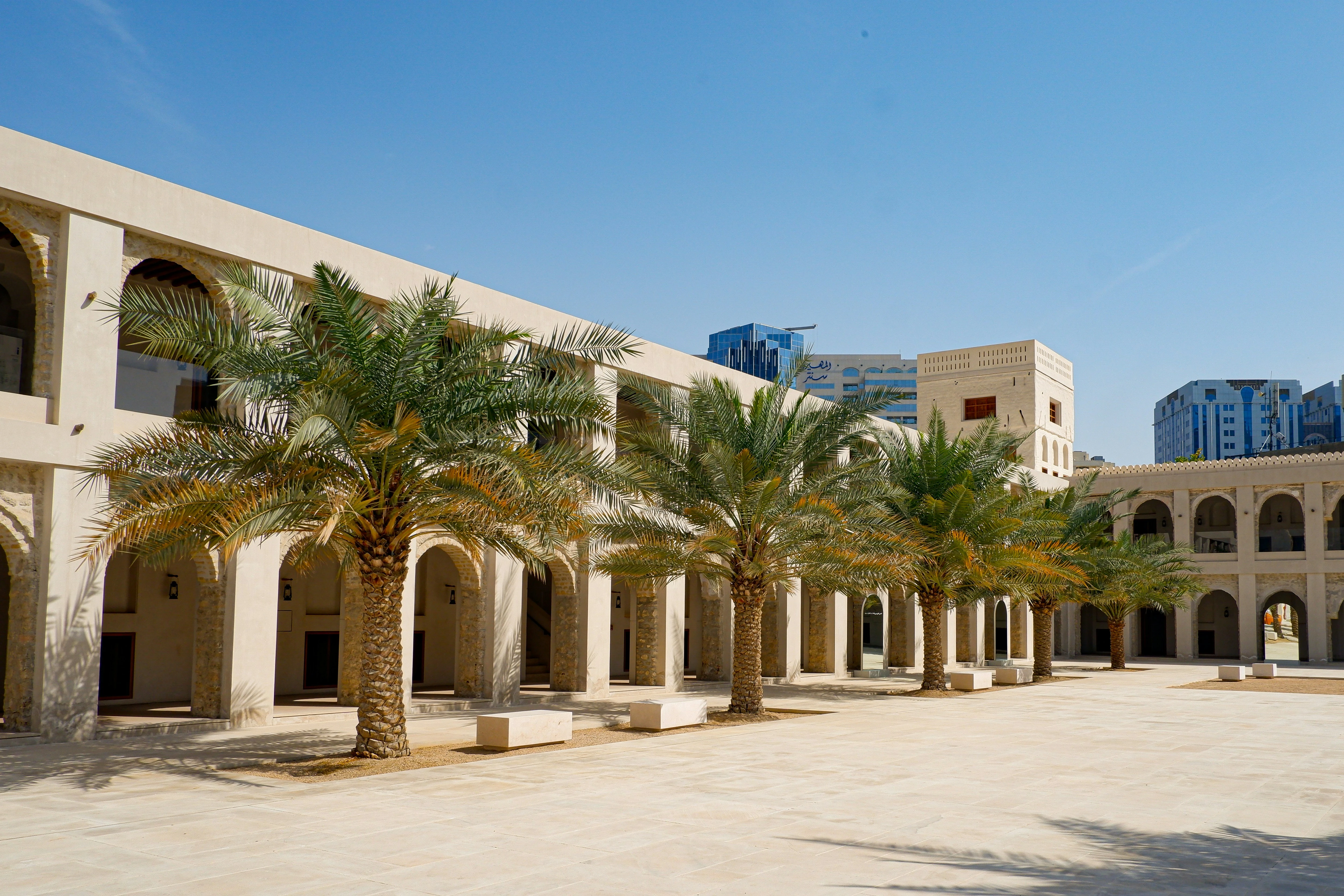
The oldest stone building in Abu Dhabi, Qasr Al Hosn was built in 1761 to guard the only fresh-water well in Abu Dhabi and became the home of the ruling sheikhs of the emirate by the end of the eighteenth century. It was the seat of government until 1966.
In recent years, the so-called ‘White Fort’ has been meticulously restored and converted into a museum, with displays of weaponry, artefacts and archival material discovered in Abu Dhabi and the wider region. The House of Artisans, which is contained within the building, offers training courses and workshops into traditional UAE crafts, including Al Sadu weaving.
Nearby is the more modern Cultural Foundation art gallery and the Abu Dhabi Children’s Library, which is a good stop for visitors with young children, with immersive spaces based on the design of a giant pop up book and with nods to the traditional geography of the UAE.
3. Al Ain Oasis: a UNESCO-listed green retreat
An excellent day trip from either Dubai or Abu Dhabi, Al Ain is known as the UAE’s ‘Garden City’ and – as an oasis – was the home of some of the earliest settlers in the region.
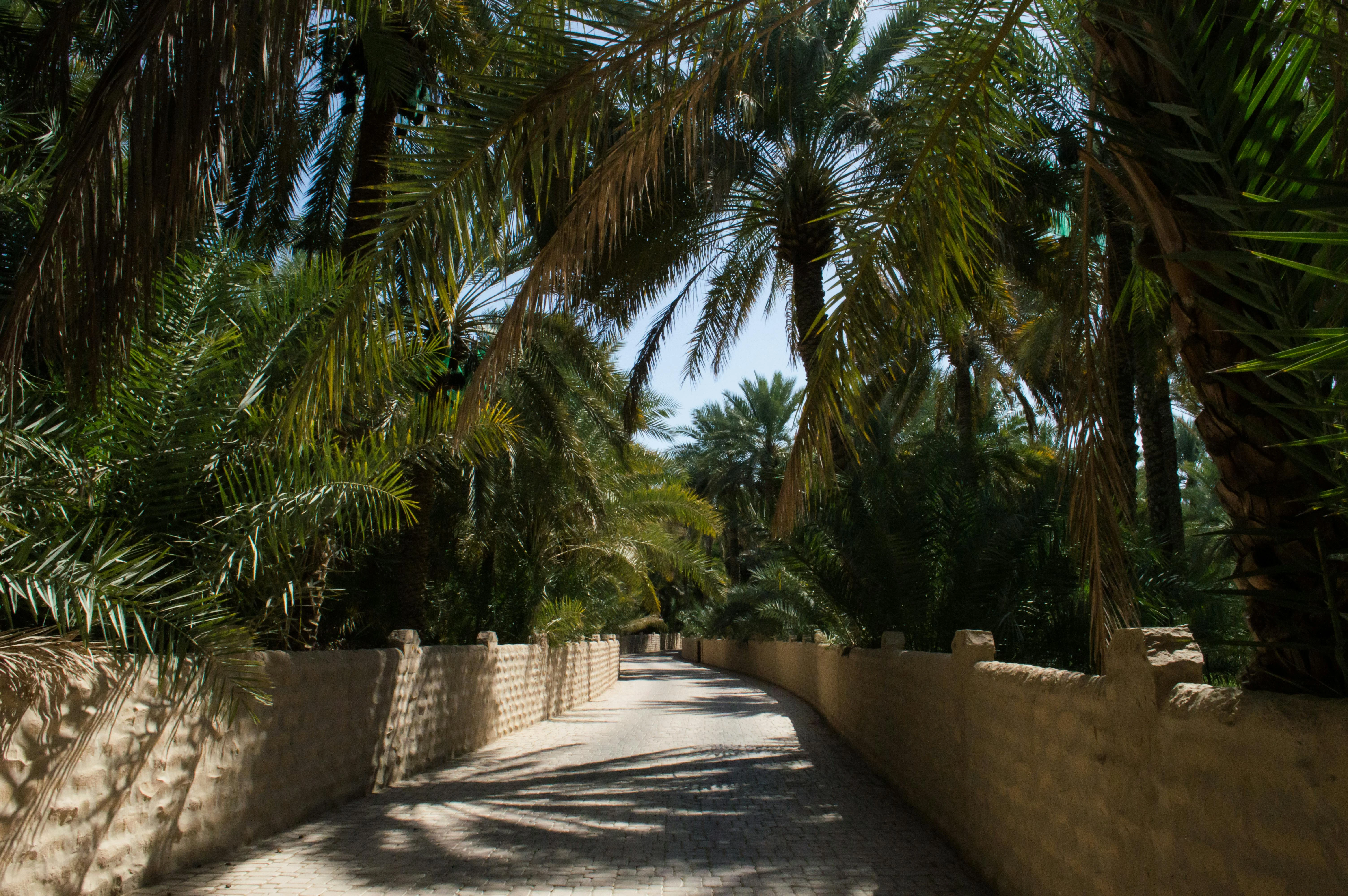
Walking through the peaceful date palm groves and along shaded paths, visitors can see examples of the ancient falaj irrigation system. The oasis itself spans 1,200 hectares and includes a whopping 147,000 date palm trees and is recognised as a UNESCO Cultural Site.
If you want to beat the heat, don’t miss the Al Ain Museum, which is the oldest in the country and tracks the development of the area from the Stone Age to the present day, with some of the exhibits – like flint arrowheads – dating back to the sixth millennium BCE. Though the museum is currently closed for refurbishment, it’s expected to reopen soon. Al Ain is best visited in the morning or evening, when you can rent a bike or walk more comfortably.
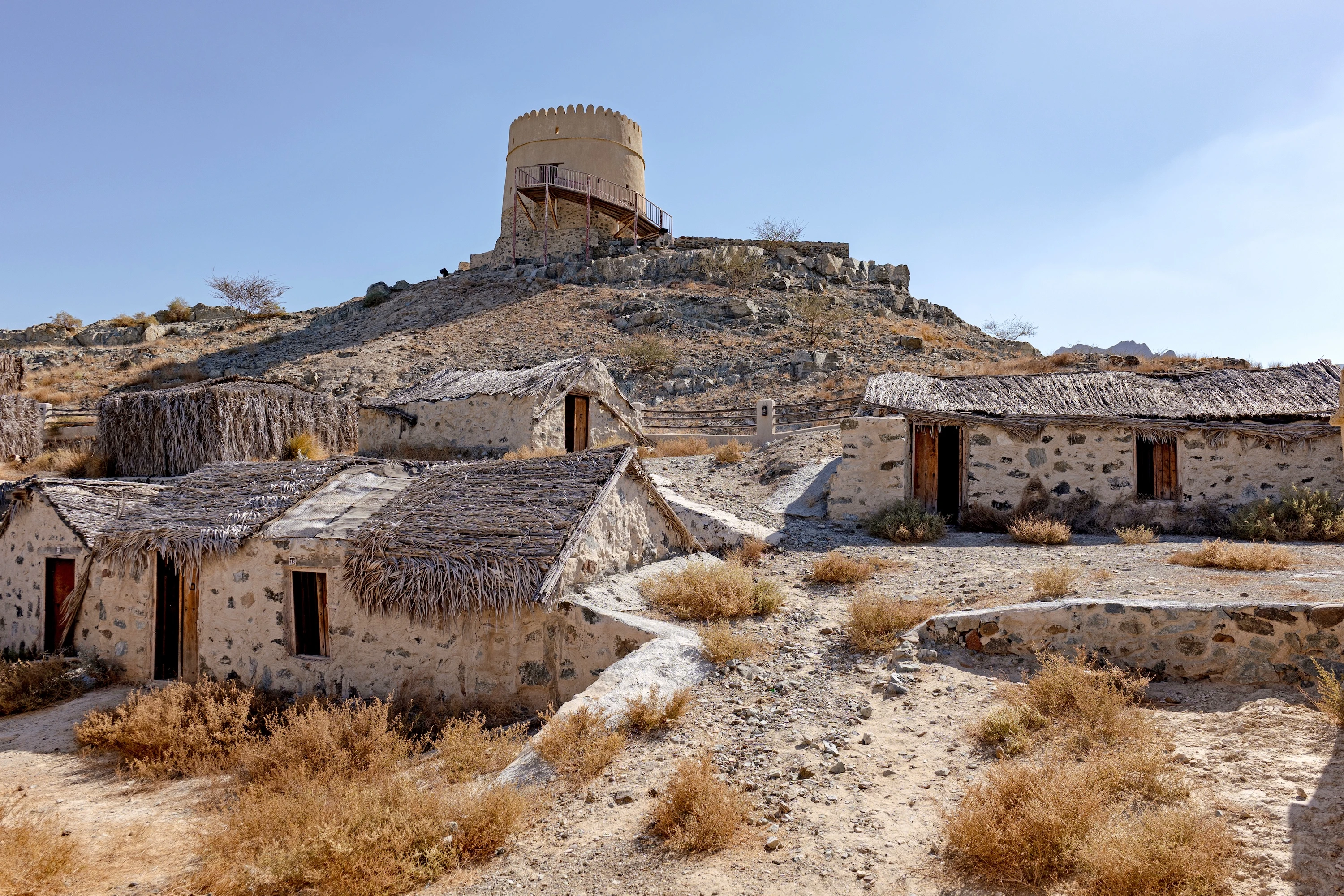
4. Hatta Heritage Village: mountain culture preserved
Deep in the Hajar mountains, Hatta Heritage Village is a collection of restored fortifications, houses and traditional watchtowers gathered around a 19th-century fort built to protect the village from invaders. Visitors can clamber to the top of the towers for great views of the surrounding area, and visit the Hatta Heritage Museum to see exhibits of traditional Emirati clothing and jewelry, as well as photographs and historical documents.
Like Al Ain, Hatta is a good place to see the falaj water system that was used to irrigate the area, and there are also camping facilities. Thrill-seekers will want to visit Hatta dam for kayaking and mountain hikes – try to visit on a weekday to avoid the crowds.
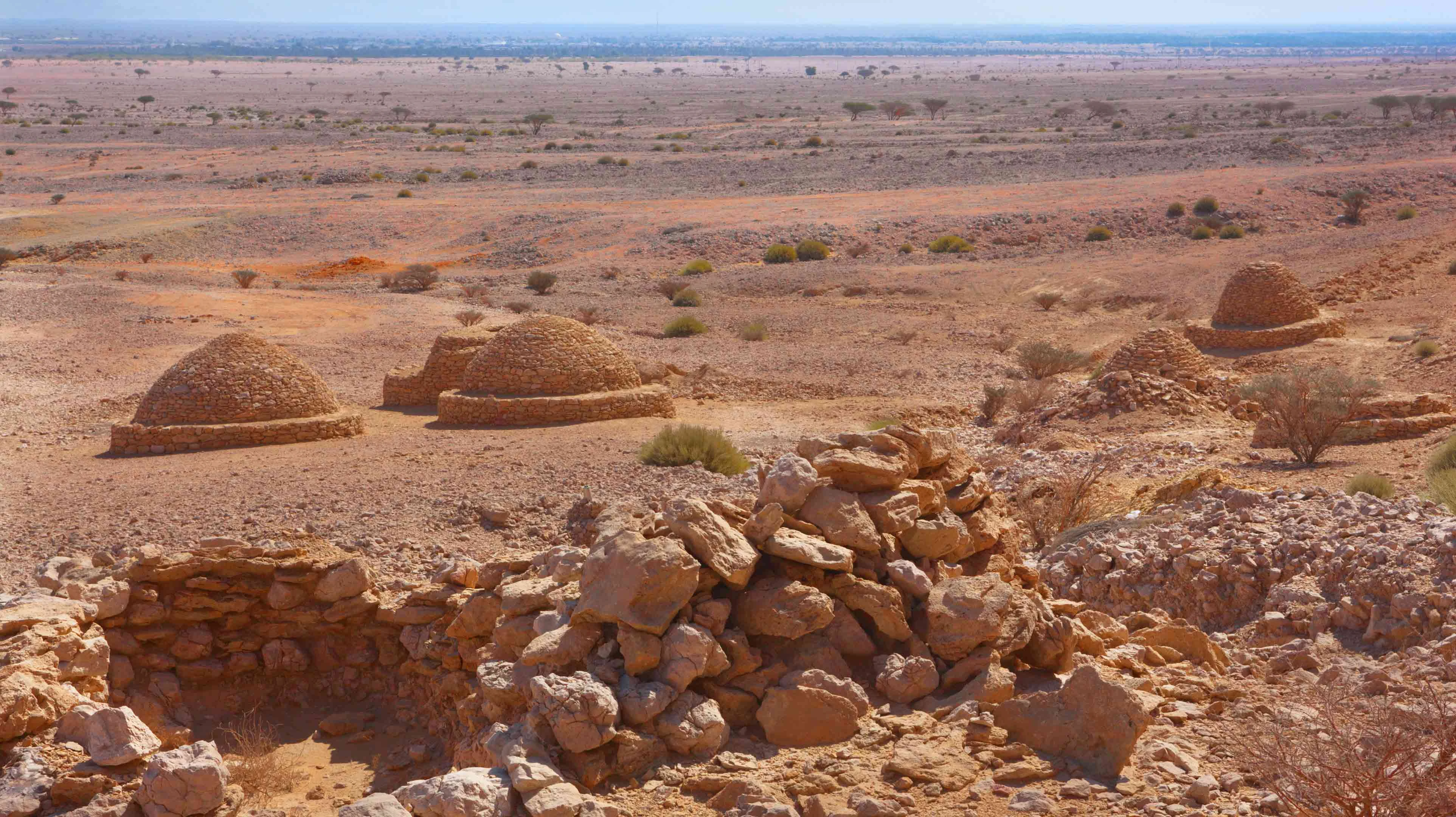
5. Jebel Hafeet Tombs: the UAE’s Bronze Age mystery
One of the UAE’s most remarkable historic sites are the thousands of dome-shaped tombs, some of which dating back 5,000 years, in the foothills of Jebel Hafeet. Excavated in 1959, archaeologists found copper artefacts and ceramics in the tombs, which showed that this was an important site in the maritime trade in the Arabian Gulf even in prehistory.
The Jebel Hafeet Desert Park offers guided hikes to the tombs, as well as camping and glamping options. For day trippers, it is well worth driving to the top of Jebel Hafeet to catch the sunrise before heading back to Dubai or Abu Dhabi.
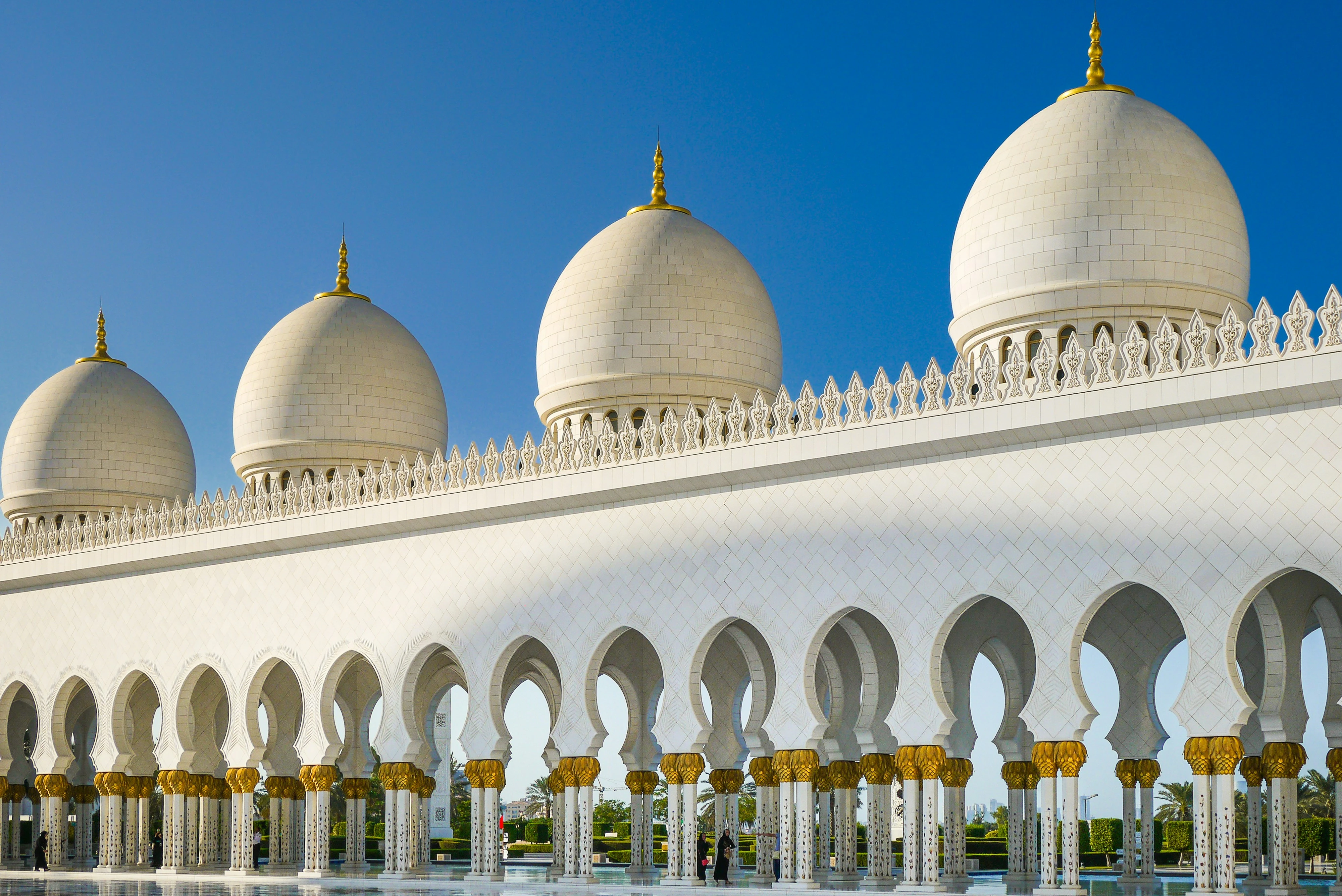
6. Sheikh Zayed Grand Mosque: a modern spiritual masterpiece
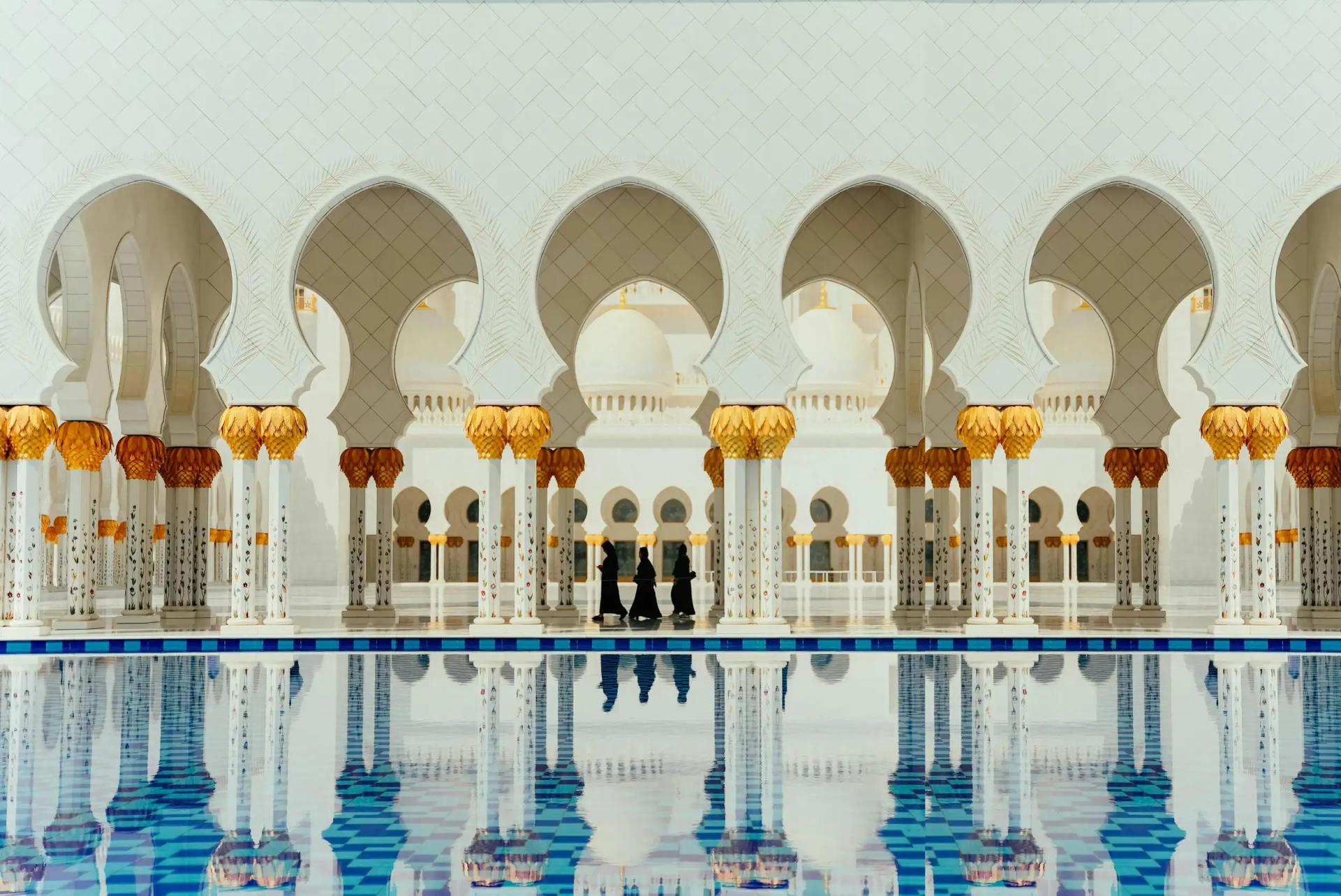
In the UAE, even recent history is monumental. Built to honour the founder of the UAE, Sheikh Zayed, the Sheikh Zayed Grand Mosque opened in 2007 but is inspired by centuries of Islamic design. With 82 domes, 1,000 columns, the world’s largest hand-knotted carpet, and the capacity for 41,000 worshippers, the mosque is an essential stop in any UAE itinerary.
Listen out for the call to prayer, which is performed not by one muezzin, but three: their voices are recorded, layered and harmonised and then projected through one of the world’s best (of course) sound systems. Entry to the mosque is free and it is open from 9am until 10pm daily. Women are provided with head scarfs, which must be worn in the mosque grounds.
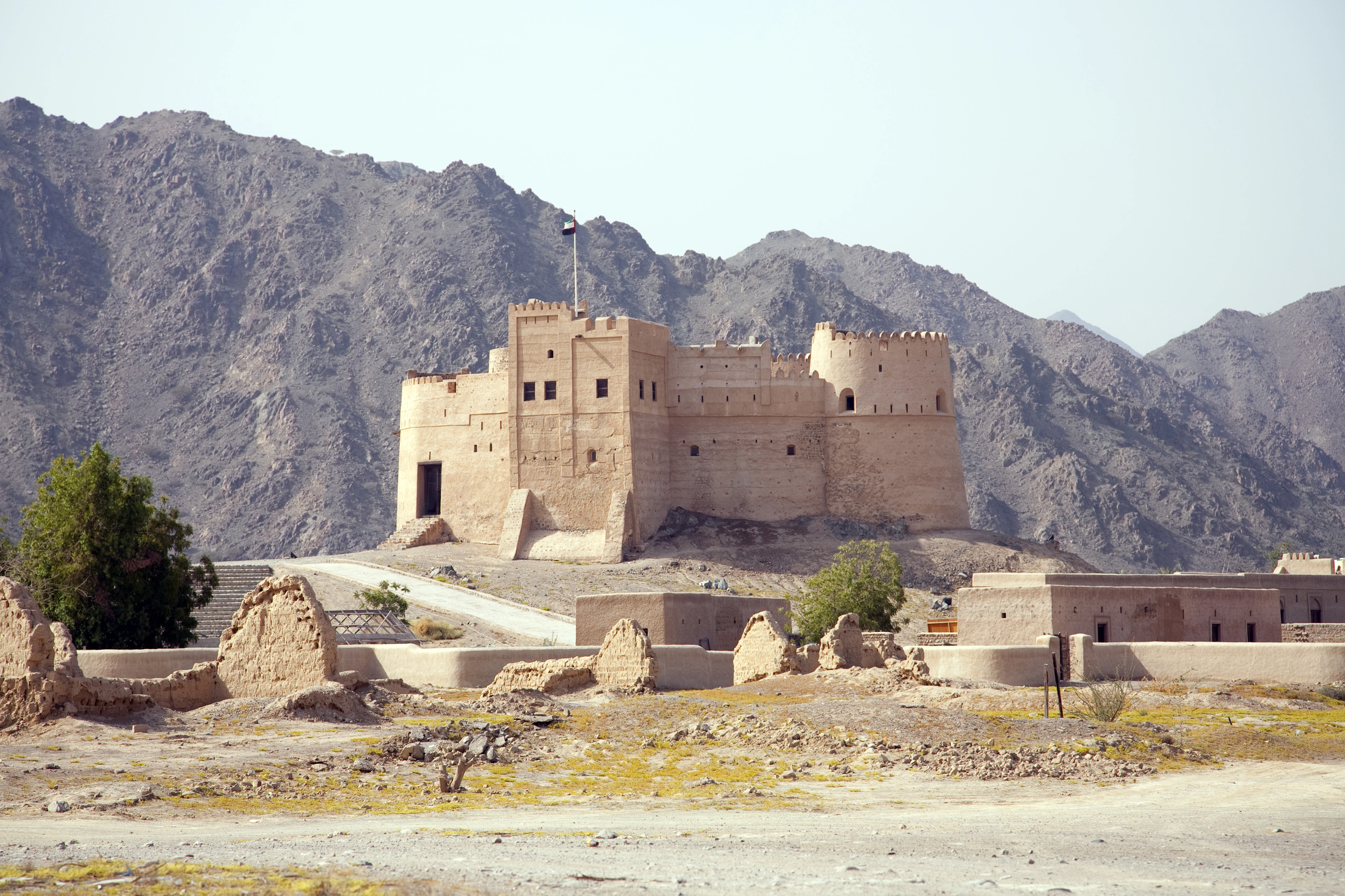
7. Fujairah Fort: the oldest fort in the UAE
Fujairah Fort is one of the oldest and most significant historical landmarks in the United Arab Emirates. Built in the late 16th century, it served as both a defensive stronghold and the home of the ruling family. Atop a small hill in the heart of Fujairah city, the fort is surrounded by lush date palms and offers sweeping views of the surrounding area. Built mainly from mudbrick, gravel and plaster, the fort blends naturally into its environment, and includes three round towers, a square tower, and thick, high walls designed to protect against invaders.
It endured heavy damage in the early 20th century under British bombardment, but has been carefully restored in recent years. It forms part of the Fujairah Heritage Village, where visitors can explore traditional houses, exhibits on local crafts, and historic artefacts. Entry is free, and it is open from 8am to 5pm.
8. Sharjah’s Heart of Sharjah: a cultural revival project
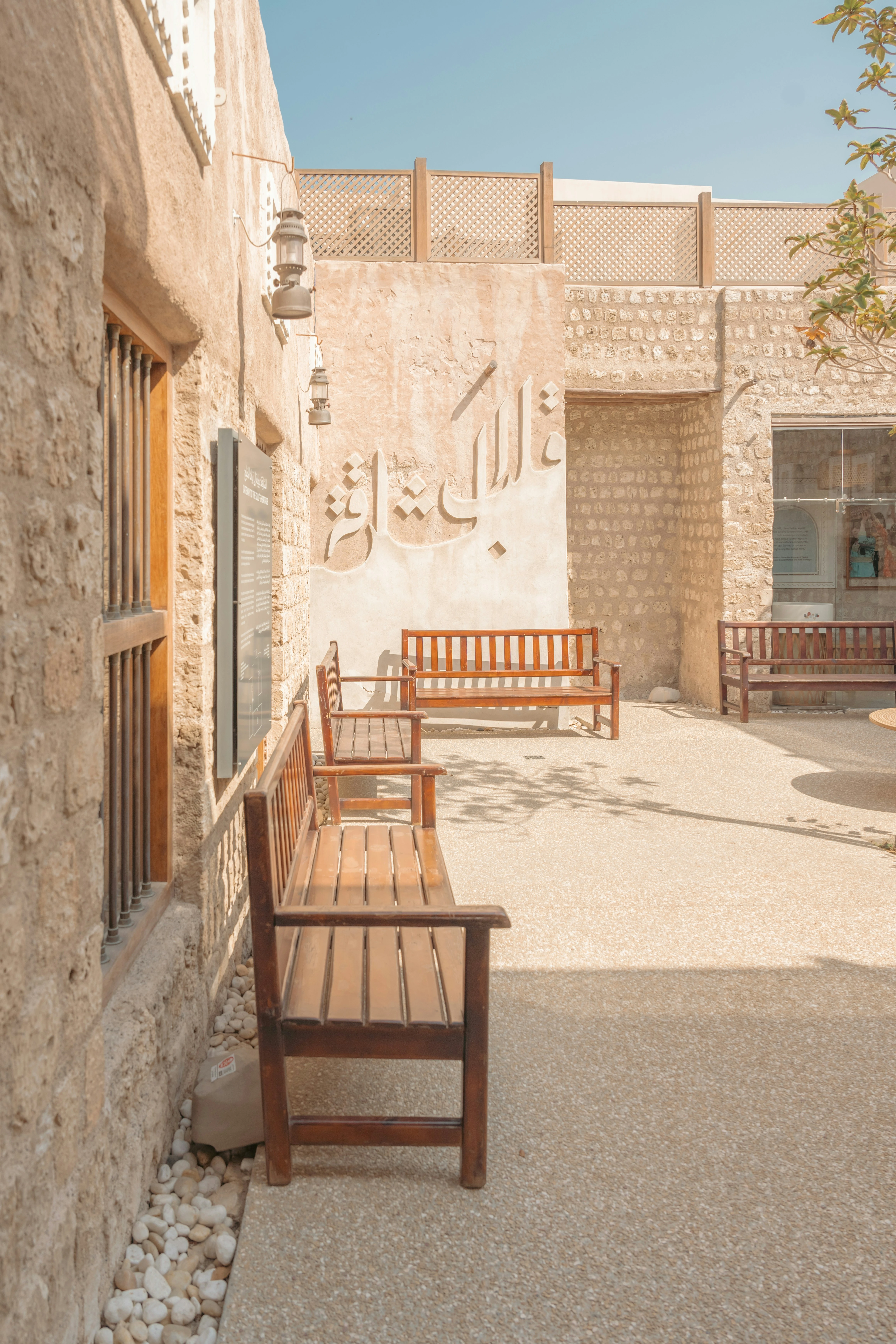
The Heart of Sharjah is the UAE’s largest historical restoration project and, like Dubai’s Al Bastakiya, offers visitors a glimpse into traditional Emirati life before the oil boom. Located in the center of Sharjah, it aims to revive the atmosphere of the 1950s, with winding alleyways, coral-stone houses, bustling souks and beautifully restored courtyards.
As well as being a good place to wander, the project includes museums, art galleries, boutique hotels and cultural centres, with highlights including the Sharjah Heritage Museum, Souk Al Arsah (one of the oldest markets in the region), and Al Hisn Fort. Traditional cafés and shops sell crafts, jewellery and textiles.
It is free to explore, though some museums and exhibitions may charge a small fee. Most sites are open from 8am to 8pm, but Fridays usually have reduced hours.