
In a monumental step for international cultural cooperation, the heritage sites of AlUla in northwestern Saudi Arabia and Pompeii in southern Italy have united in a partnership set to transform the experience of heritage tourism.
This newly formed collaboration, formalised under the Saudi-Italian Cultural Cooperation Framework, brings together two of the world’s most remarkable open-air heritage destinations to share knowledge, enhance conservation, and inspire travellers through cultural exchange.
The goal of this partnership is to move beyond passive sightseeing and offer visitors a deeper, more immersive connection to history, a sentiment echoed by Dr. Gabriel Zuchtriegel, General Director of the Archaeological Park of Pompeii, who stated: “Pompeii and AlUla share a belief that heritage can be a bridge between cultures.”
Uniting Complementary Stories of the Past
The partnership gains its strength from the complementary nature of the two UNESCO sites, each presenting a distinct, powerful narrative of ancient civilisation. Dr. Abdulrahman Al-Suhaibani, Vice President of Culture at the Royal Commission for AlUla (RCU), noted: “By combining these perspectives, we are building new methods of conservation and site interpretation that can elevate the visitor experience for years to come.”
Pompeii: A Moment Frozen in Time
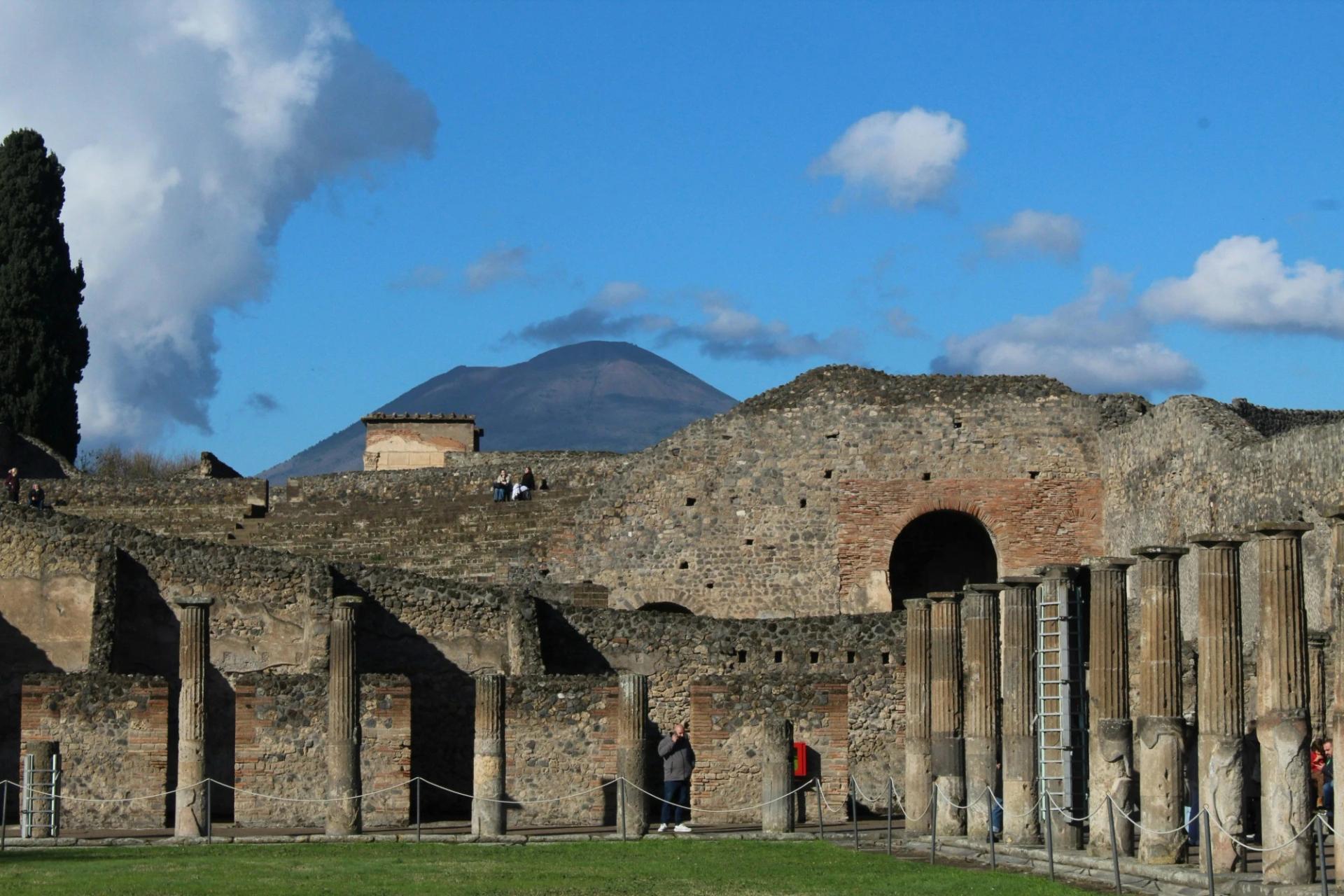
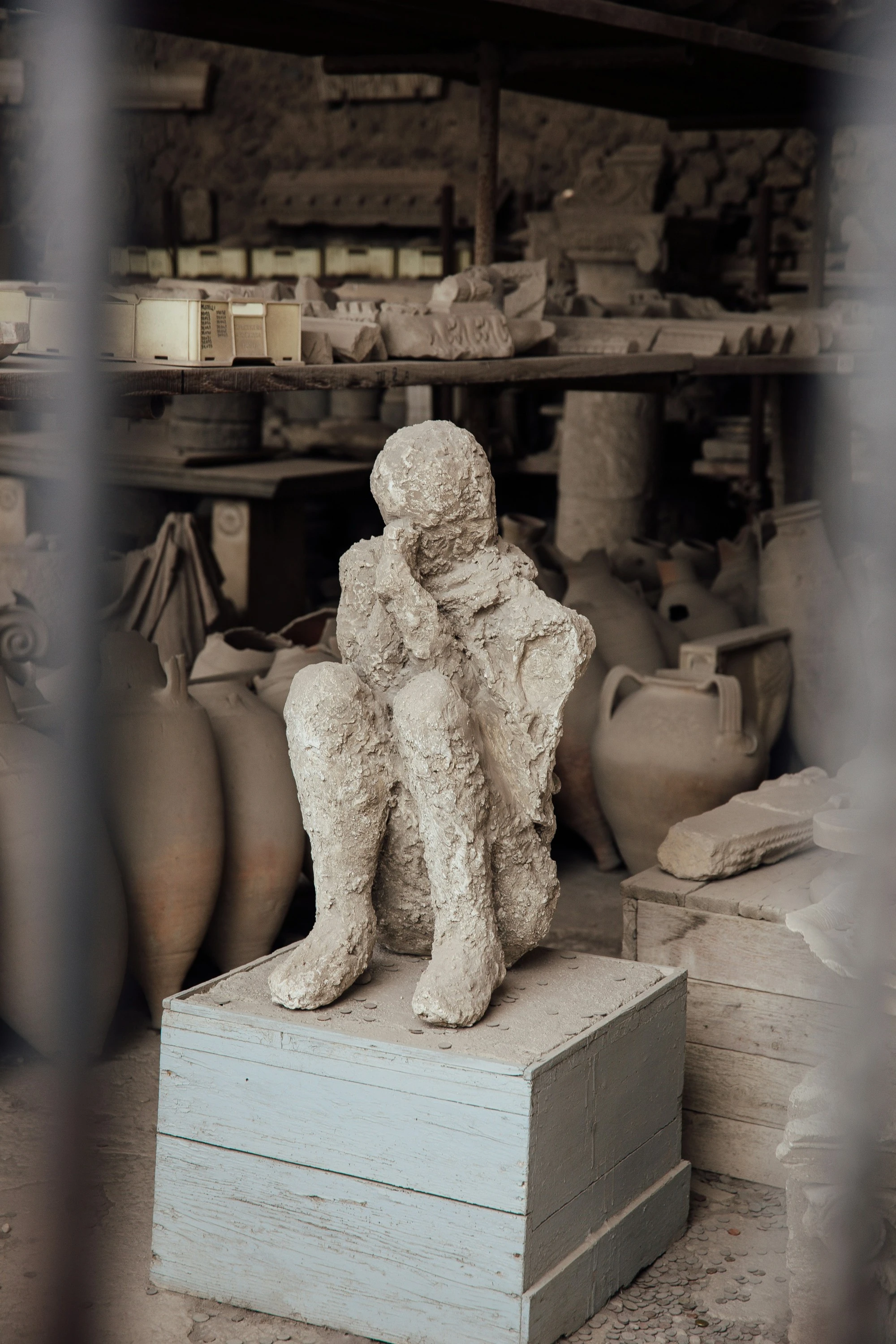
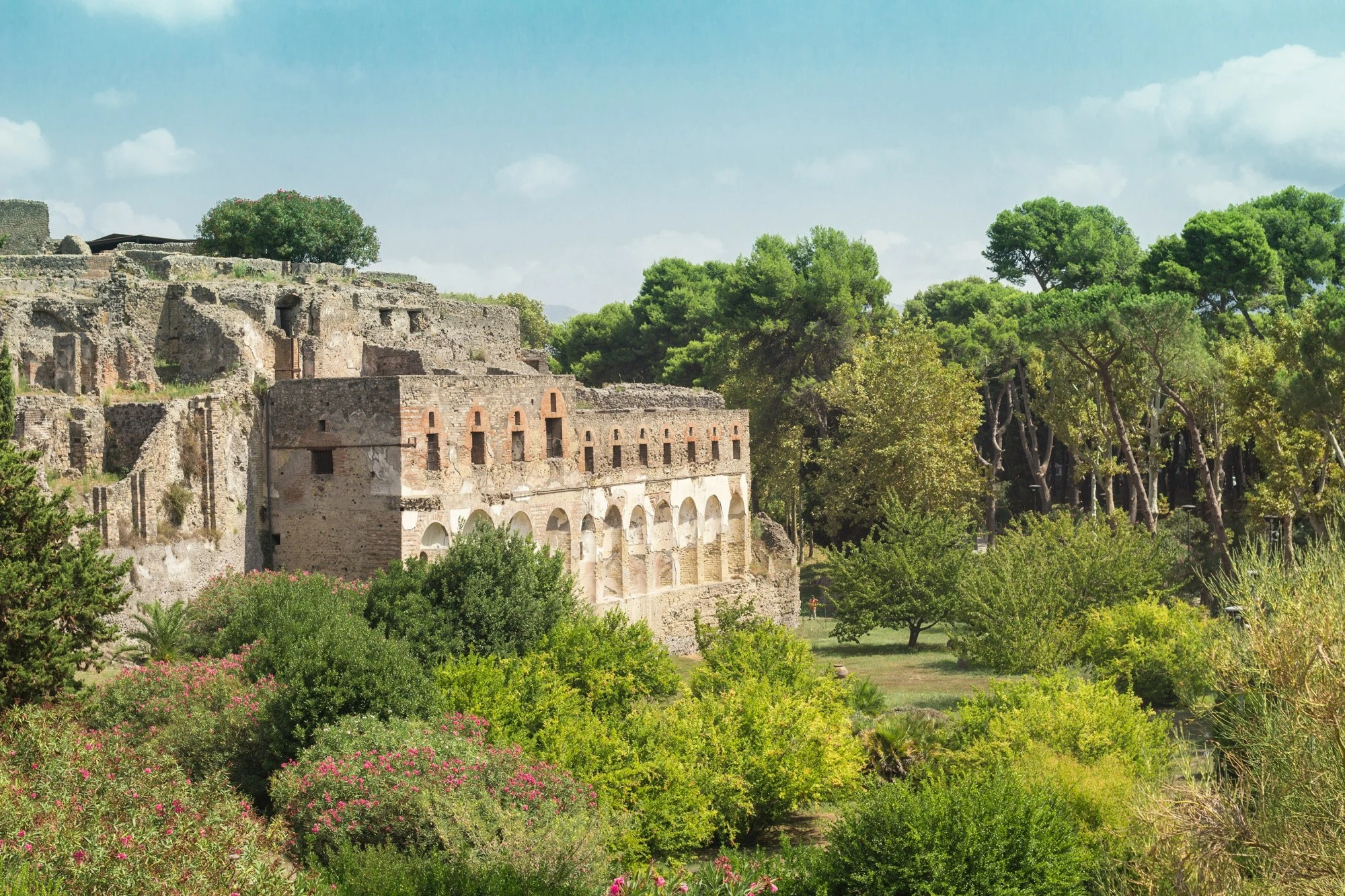
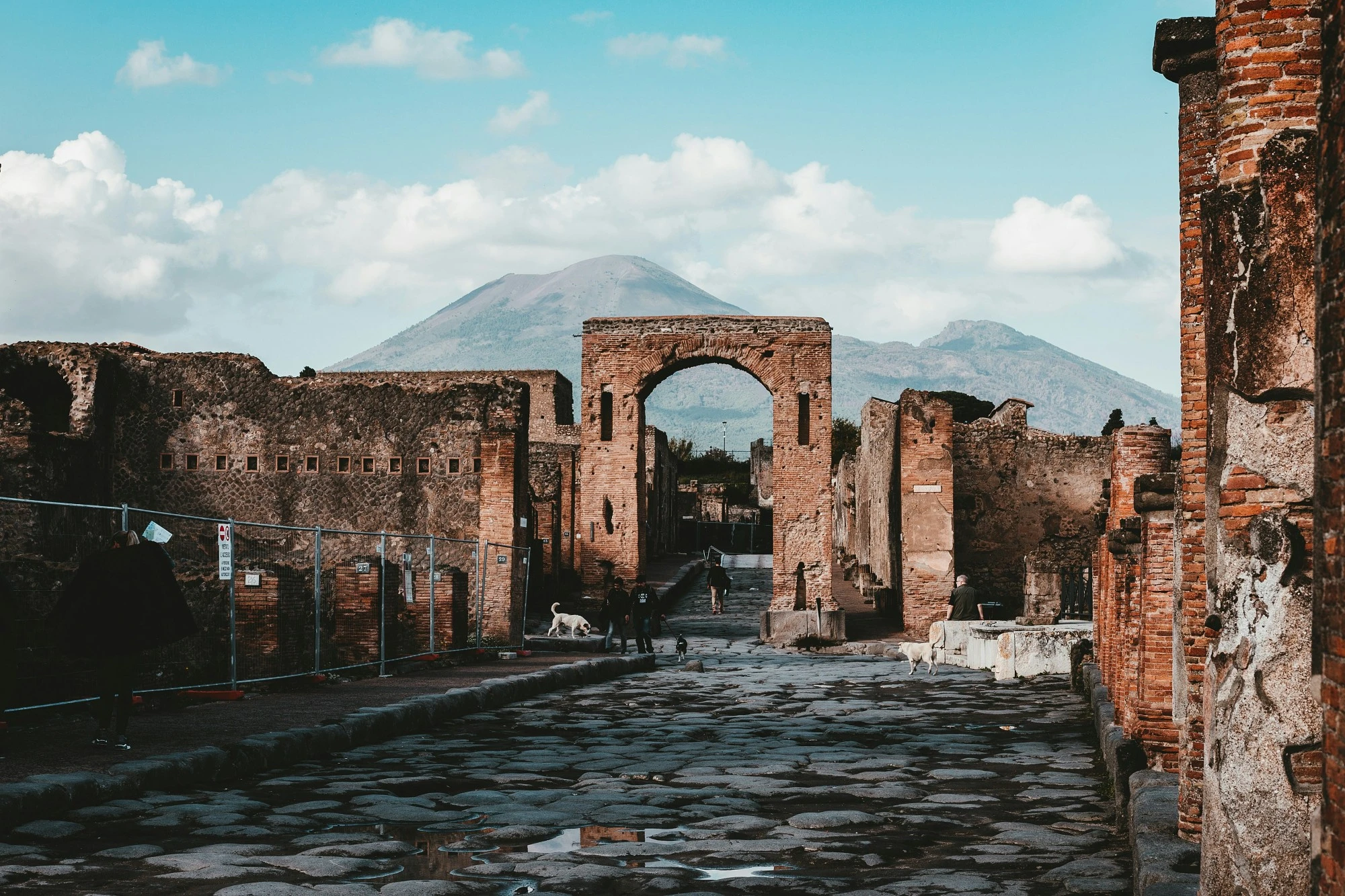
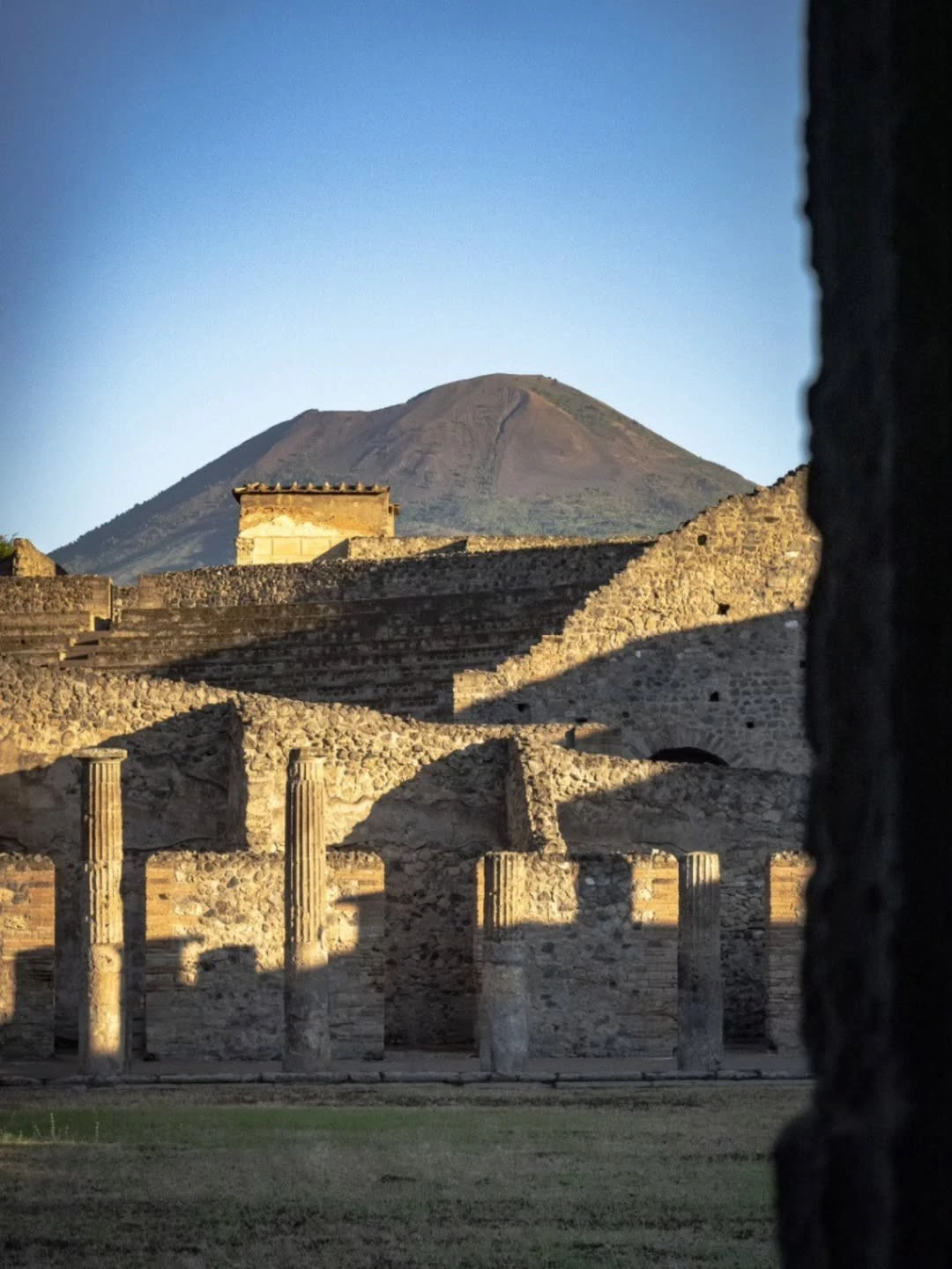
- Represents a moment of ancient Roman urban life abruptly halted and perfectly preserved by the catastrophic eruption of Mount Vesuvius in 79 AD. Its strength lies in urban archaeology, offering an unparalleled glimpse into daily Roman life.
AlUla: A Story of Resilience and Continuity
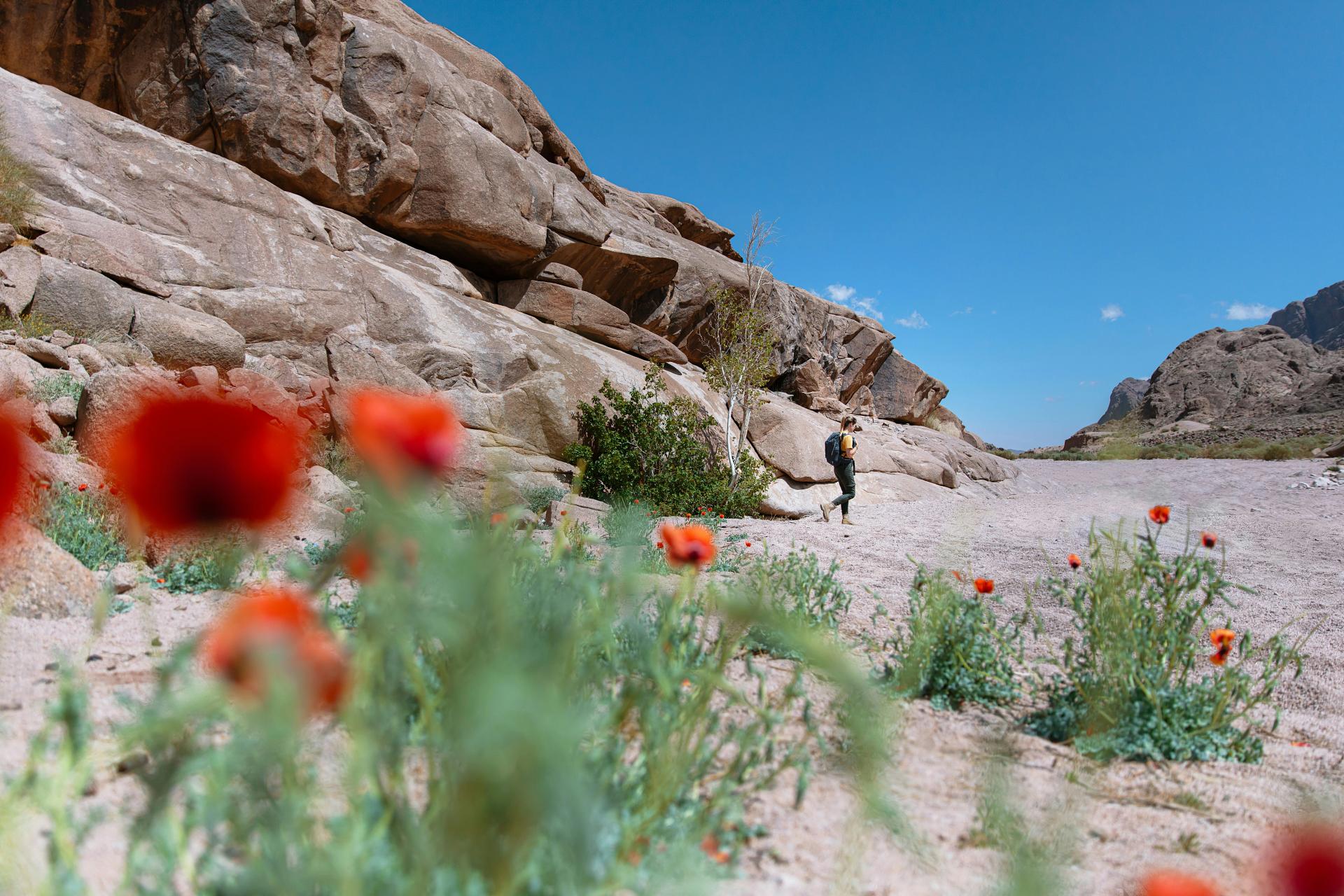
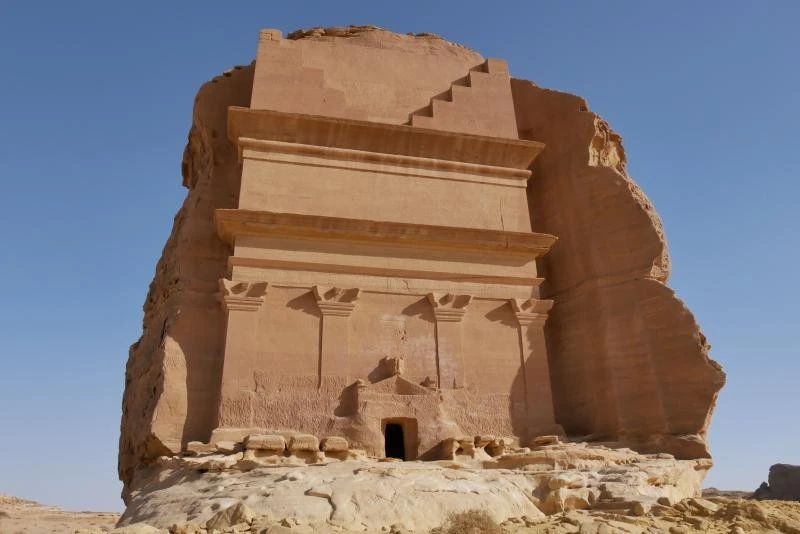
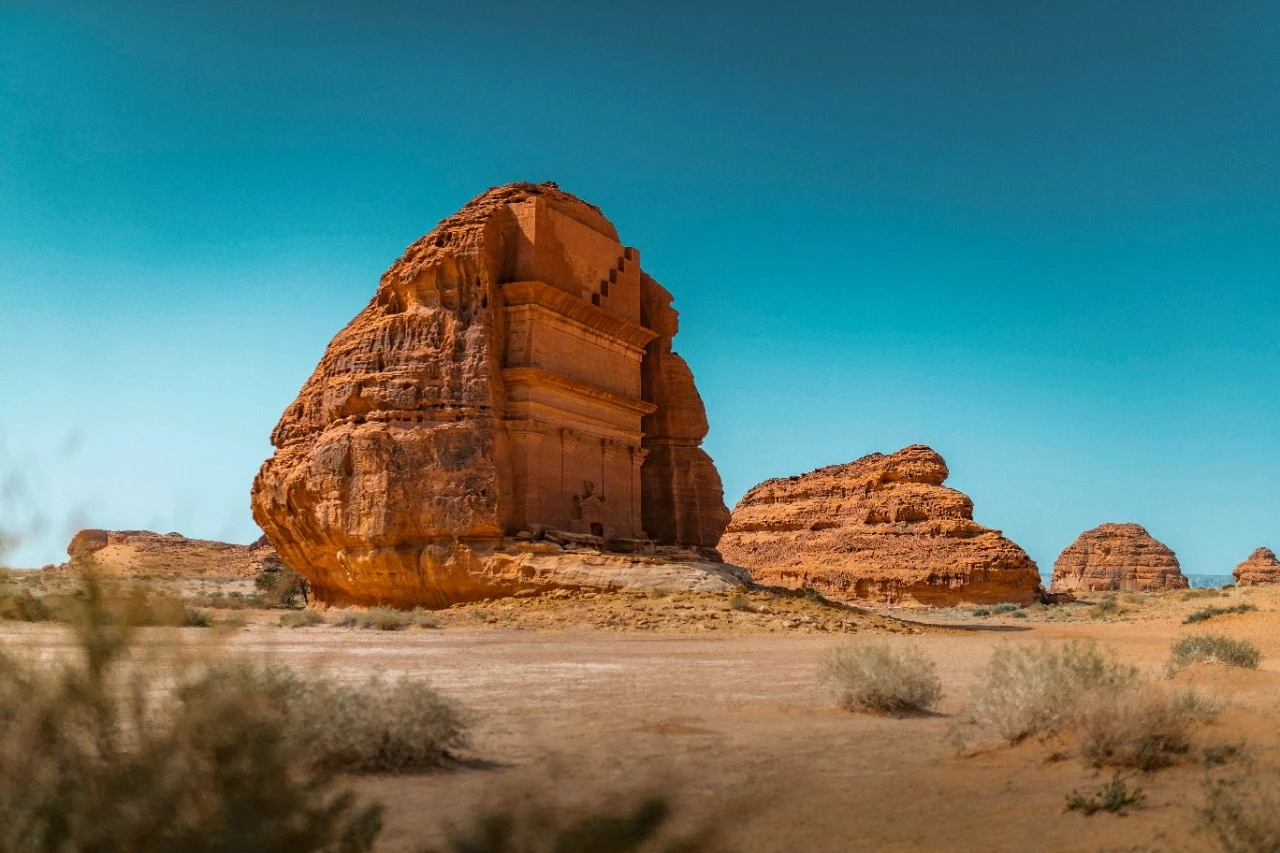
- Tells a narrative of resilience and continuity within a breathtaking natural setting of desert canyons and lush oases. Its signature site, Hegra (the first UNESCO site in Saudi Arabia), is home to monumental tombs carved by the Nabataeans over 2,000 years ago. Its focus is on landscape archaeology, where heritage, environment, and living culture remain intertwined.
Enhancing Visitor Experience and Sustainability
The joint initiative aims to revolutionise how ancient sites are managed and experienced by modern travellers. Key areas of collaboration include:
- Immersive Storytelling: Experts are exchanging insights on using digital technologies and enhanced interpretive methods to make the past more tangible and meaningful. Phillip Jones, Chief Tourism Officer at RCU, explained that the goal is to ensure that visitors "connect with the stories, craftsmanship, and cultures that shaped our world."
- Advanced Conservation: By combining the extensive conservation strategies of both sites, the partnership seeks to develop new methods to safeguard authenticity while meeting the demands of modern tourism.
- Sustainable Heritage Management: Future projects include the Pompeii G.R.E.E.N. Conference on Sustainable Heritage Management, underscoring a shared commitment to responsible tourism that integrates culture with landscape, agriculture, and community development.
This partnership, which had its first major milestone with a visit from the Pompeii delegation to AlUla, symbolises a significant new chapter in Saudi-Italian cultural cooperation. For tourists visiting each of these historic destinations, it promises more engaging, educational, and ethically responsible explorations, whether walking the sunbaked streets of Pompeii or discovering the monumental rock-carved facades of Hegra.