From May 10 to November 23, the Saudi Ministry of Culture is bringing a rich program of exhibitions, performances and panels to the 2025 Venice Architecture Biennale. Housed in the two-story Abbazia complex in central Venice, the initiative aims to showcase the Kingdom’s evolving creative identity while inviting international audiences to engage with its deep cultural roots.
On the ground floor of the Abbazia, the exhibition Rooted Transience will take center stage. As an official collateral event of the Biennale, it features the winning entry of the 2025 AlMusalla Prize, offering visitors a snapshot of contemporary Saudi architectural thinking. Upstairs, a fully equipped conference hall will host talks and panels in collaboration with Italian cultural institutions and other global partners.
The ministry’s line-up is multidisciplinary—highlighting everything from traditional crafts and culinary arts to fashion, visual arts, and design. Workshops and talks will explore topics such as heritage preservation and artistic innovation, while a curated retail space will sell artisanal products, Saudi dates, and traditional coffee.
It’s all part of a wider effort by the Saudi Ministry of Culture to deepen global understanding of the Kingdom’s creative industries and position Saudi talent on the world stage.
Meanwhile, over at the Arsenale, a more intimate narrative unfolds. Architects Sara Alissa and Nojoud Alsudairi, co-founders of Riyadh-based practice Syn Architects, are representing Saudi Arabia at the national pavilion with The Um Slaim School: An Architecture of Connection, a project that doubles as both an exhibition and a pedagogical experiment. Designed as a living archive of vernacular Najdi architecture, the pavilion reflects the duo’s fascination with reinterpreting the past to meet contemporary needs.
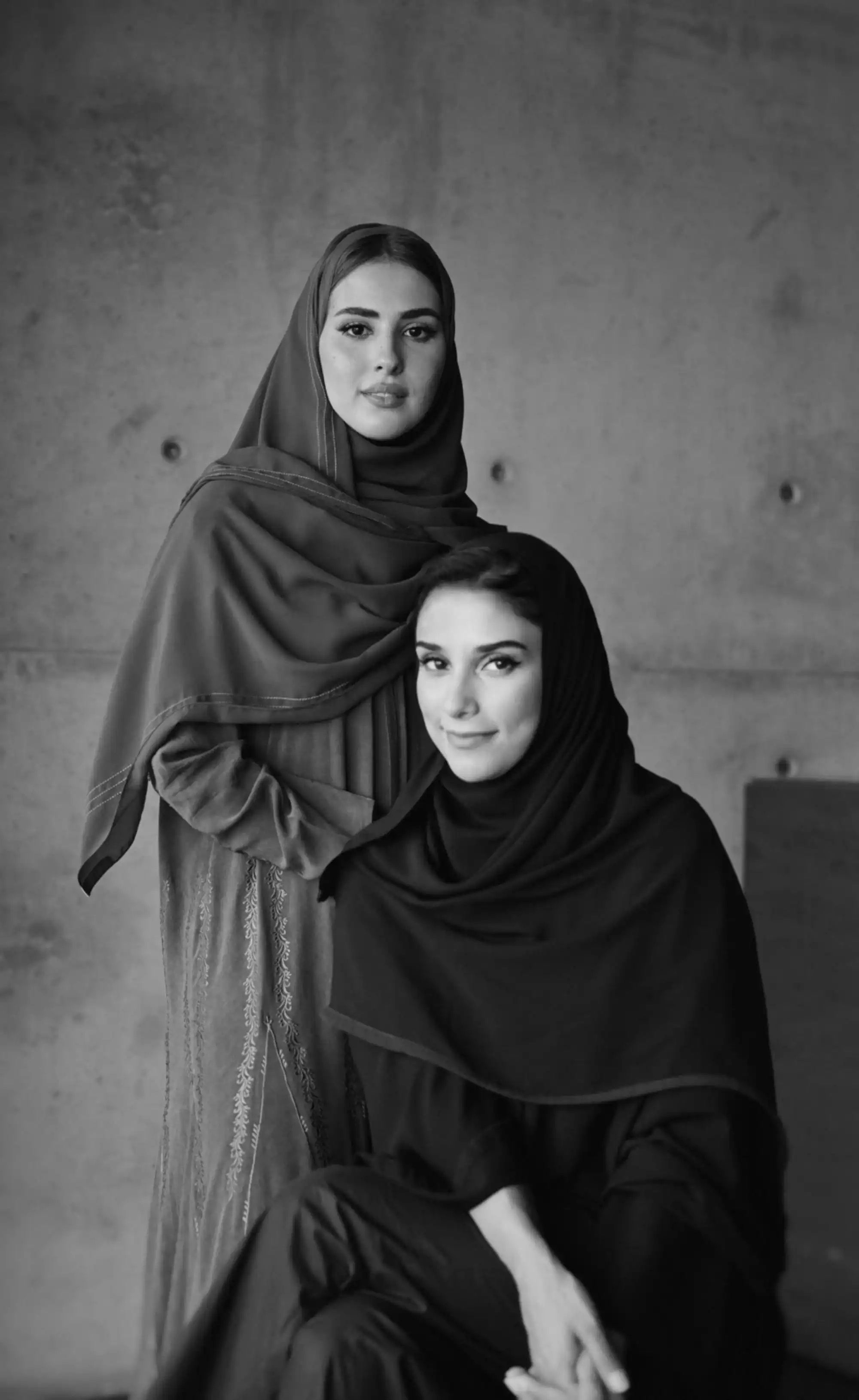
The exhibit builds on their work with the Um Slaim Collective and the Saudi Architectural Archive, two initiatives they launched to document the country’s modernist heritage and explore the tensions between rapid urban expansion and architectural identity. Through research, installations, and community-focused workshops, they advocate for preserving Saudi’s built environment by keeping it functional—not fossilized.
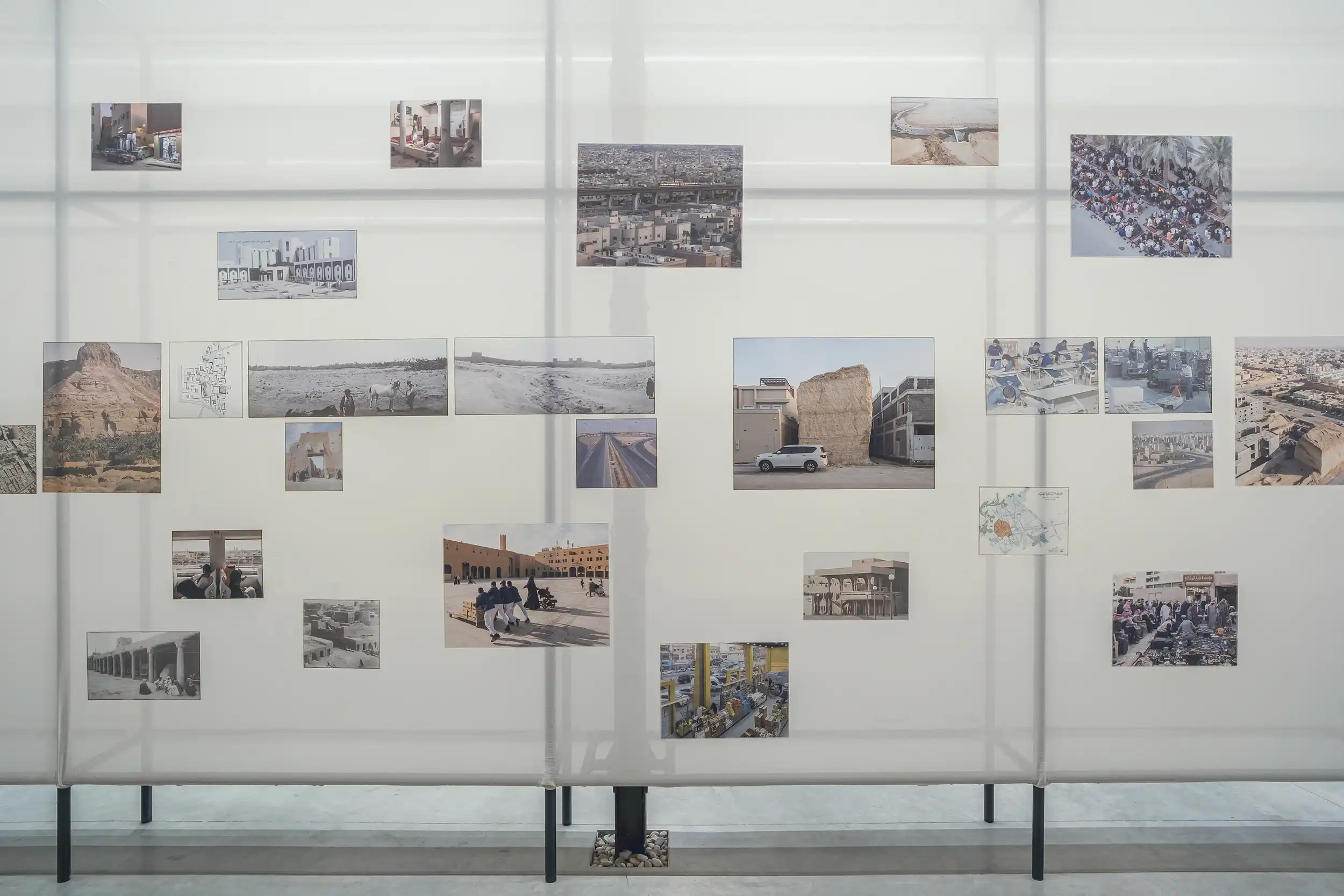
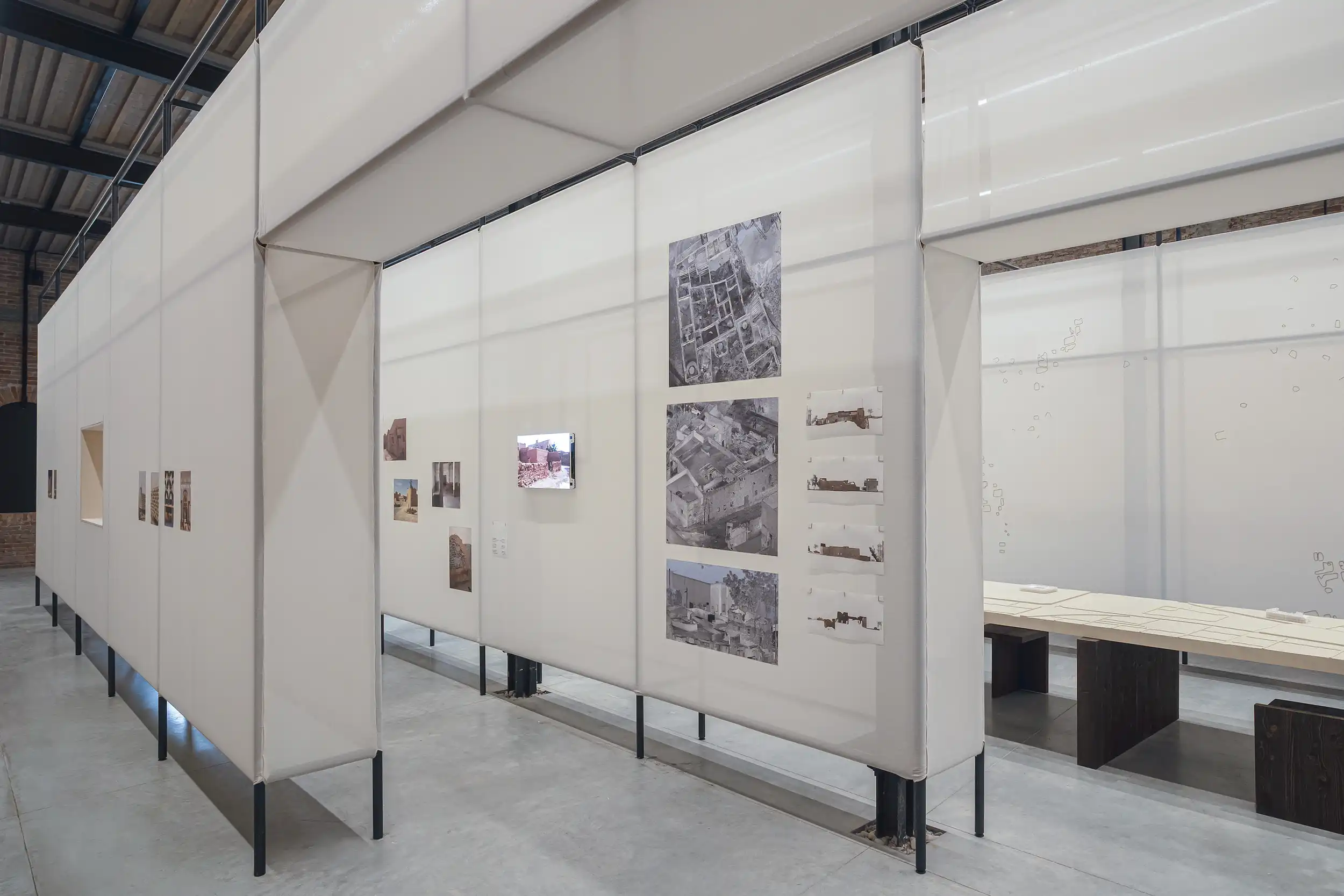
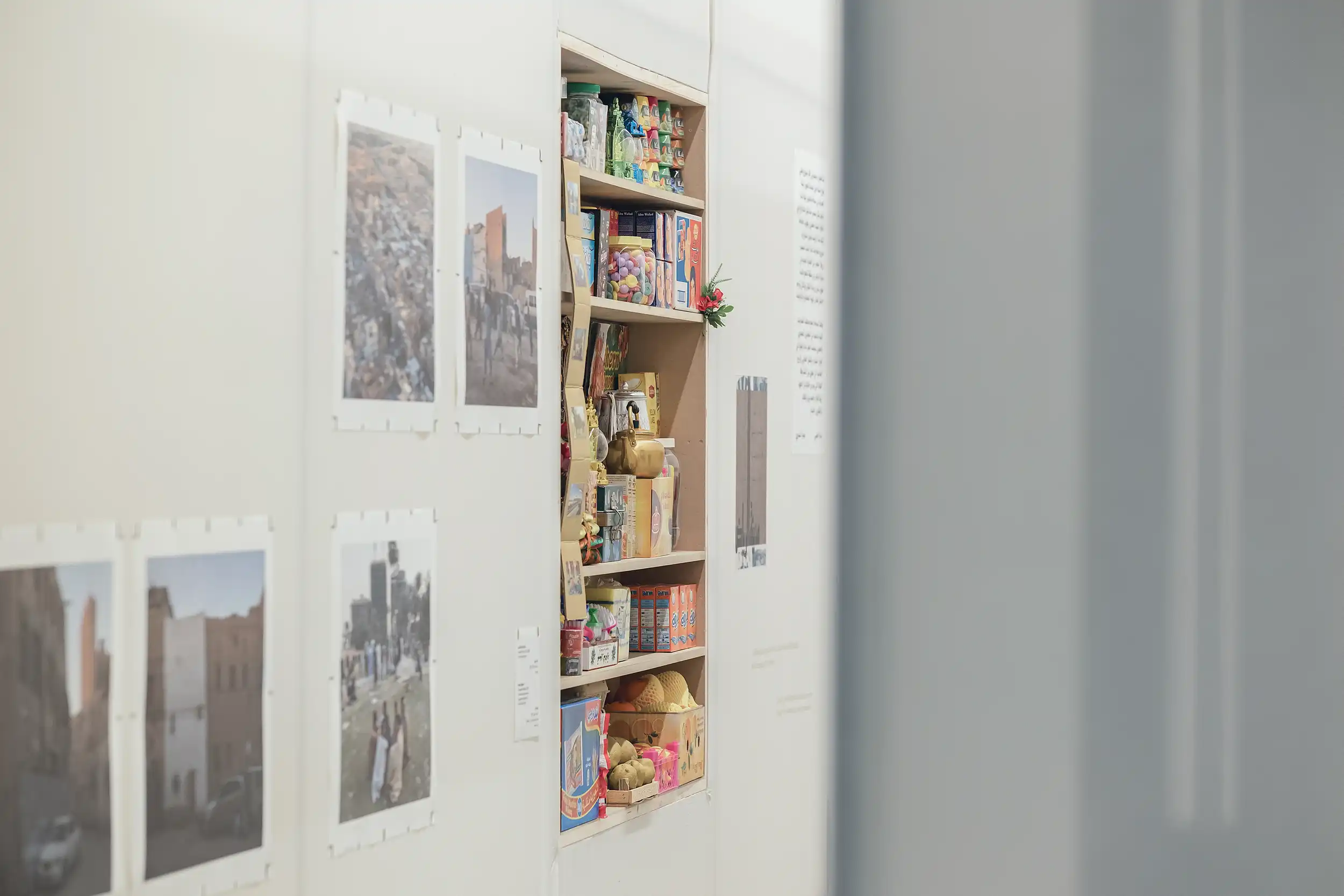
Alissa and Alsudairi explain: "The Um Slaim Collective began as a response to a question we kept returning to in our practice: how can architecture become a means of collective memory and future-making? The Collective formed organically around a shared desire to archive, reimagine and rethink dominant narratives of urban expansion, as well as the systems and spaces in which we learn."
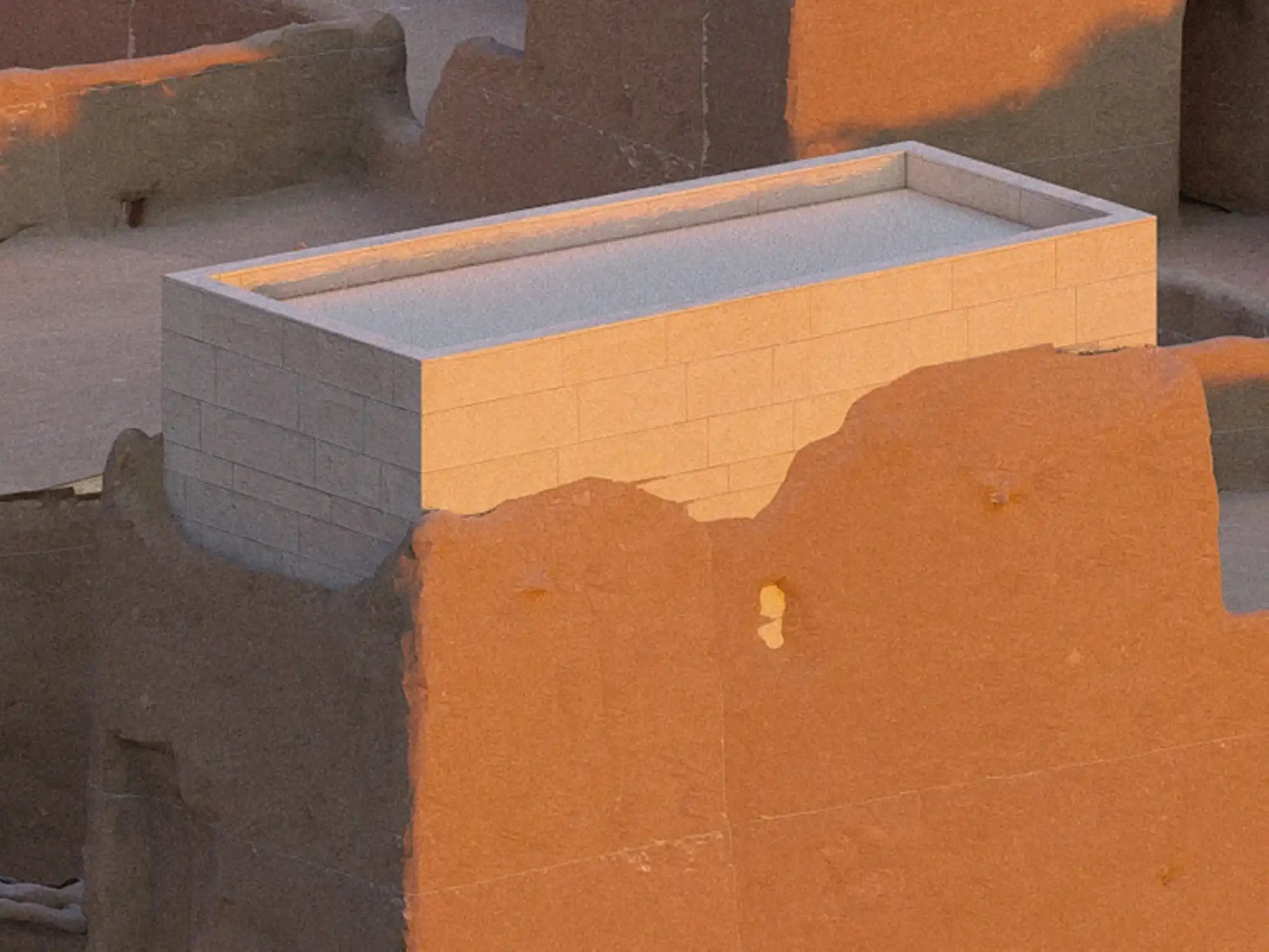
Their approach blends ecological sensitivity with material awareness. A recent renovation of the Shamalat Cultural Center in Diriyah—a mudbrick building turned cultural hub—illustrates their ethos. It preserves the original structure while adding Riyadh stone-clad extensions to support new uses such as artist residencies and gallery spaces.
Now a seven-person studio, Syn Architects adapts its size to fit each project, from temporary installations at Desert X AlUla to grassroots research efforts in central Riyadh. Their work is shaped by collaboration, local narratives, and hands-on experimentation.
"Over time, what began as a research and storytelling initiative evolved into a pedagogical model, a platform for experimentation and a learning space," the co-founders add. "The Pavilion is a natural extension of this evolution—it brings together years of study, site engagement, and collaboration into a built form that invites participation and reflection.”
For Alissa and Alsudairi, presenting at Venice is an opportunity to reframe how Saudi architecture is understood. It’s also a statement about what modern Saudi identity can look like: deeply local, inherently adaptive, and boldly imaginative.