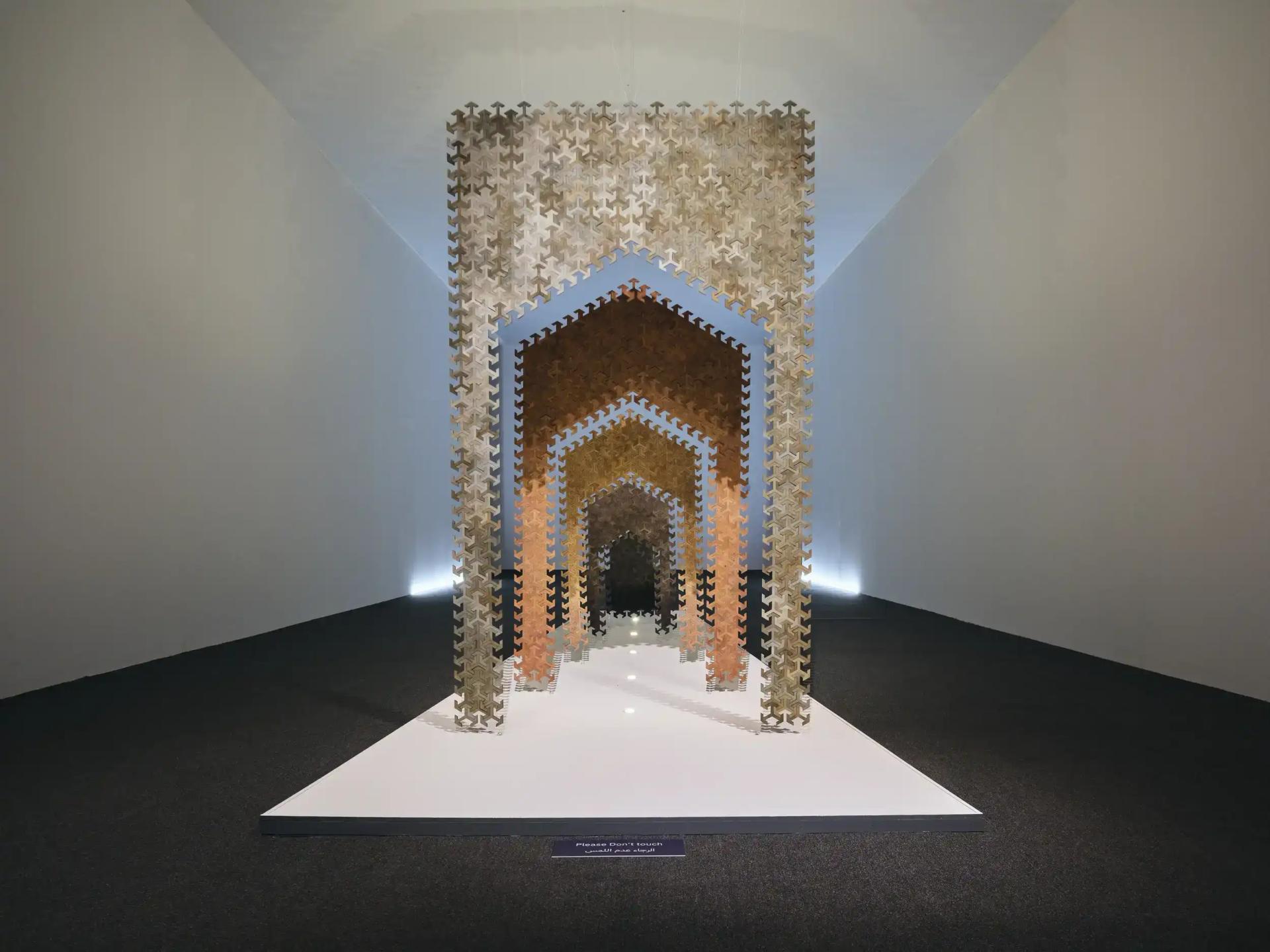
How do we challenge conventional perceptions of the desert, beyond its sand and dunes? And how do we reimagine the palm tree, moving beyond its simple botanical form? These are some of the questions answered by the "Art of the Kingdom" exhibition, currently hosted at the Saudi Contemporary Art Museum (SAMoCA) in the capital's JAX District.
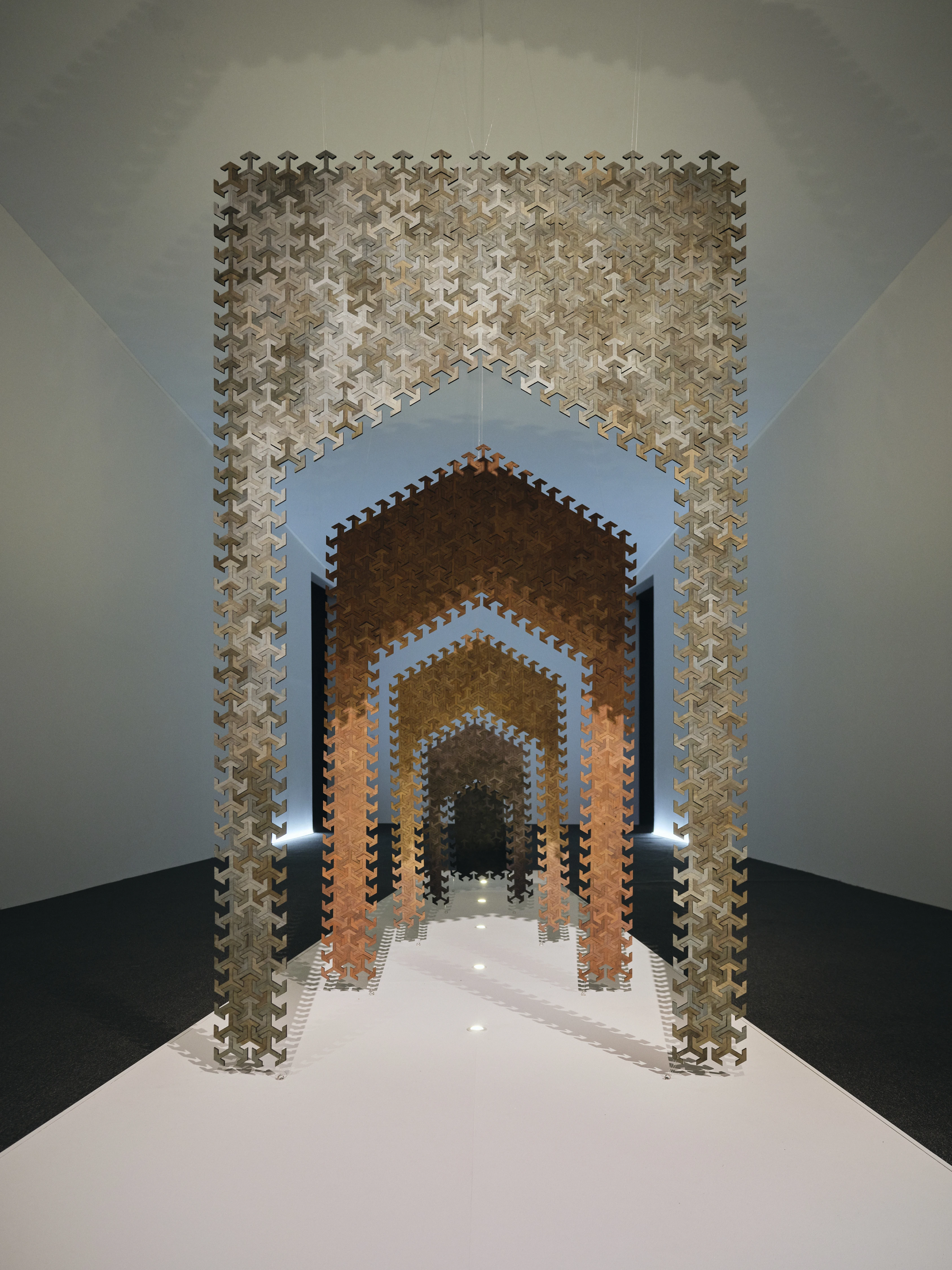
Carefully curated by Argentinian art critic and art historian Diana Wechsler, the Art of the Kingdom exhibition seeks to offer unconventional interpretations of our surroundings and to provide a fresh perspective on the mundane, breaking away from the stereotypical images often presented by globally used search engines. The exhibition has travelled the world to convey these new concepts, from Brazil in 2024 to Saudi Arabia this year, and afterwards it will move on to the National Museum in China.
The aim of the Kingdom of Art Exhibition is to present new narratives about society and memory, whilst addressing the fundamental question of: can contemporary art express culture?
Humanity, palm trees, and the essence of existence
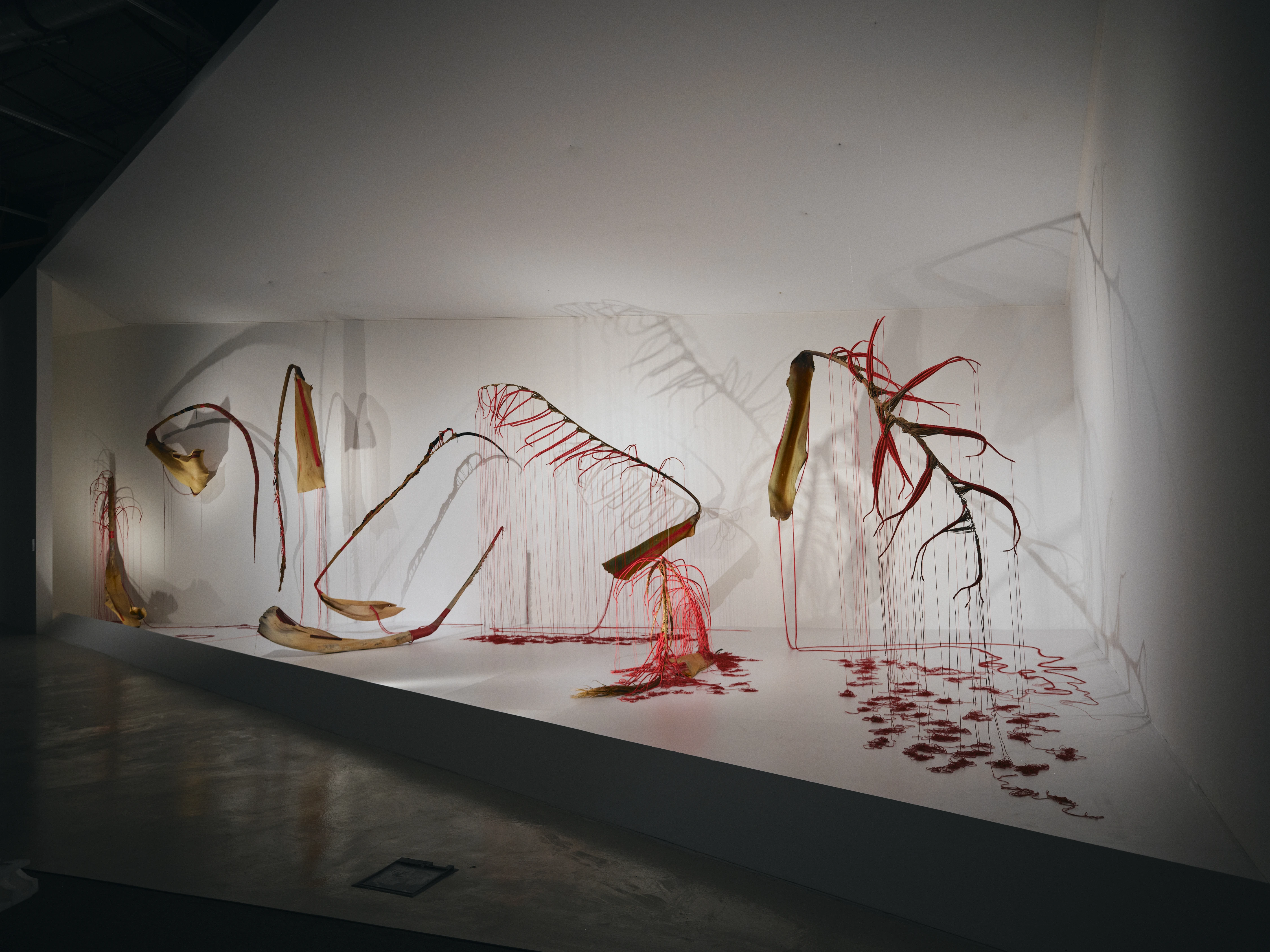
Saudi artist Lina Qazzaz presented an innovative artistic work using palm trees, shedding light on the transformations of palm trees while focusing on the dilemma of existence.
Unlike the ordinary human perception of palm trees, Lina Qazzaz offers a different perspective, seeing them as a series of lines that she meticulously traced. Since ancient civilisations, palm trees have symbolised victory, proliferation, and production, forming strong connections with humans who have relied on them in various conditions, contributing to the spread of human civilisation. According to Lina Qazzaz, "For me, the palm tree represents humanity, human nature, and human resilience."
Lina developed her innovative narrative about palm trees through numerous Quranic references, exploring the anatomical structure of the tree down to the cellular level, highlighting the connection between palm trees and humanity. In her artistic work and expression, she specifically uses the colour red, symbolising energy and strength, corresponding to a specific type of palm called the Red Lipstick Palm.
Refuge and protection
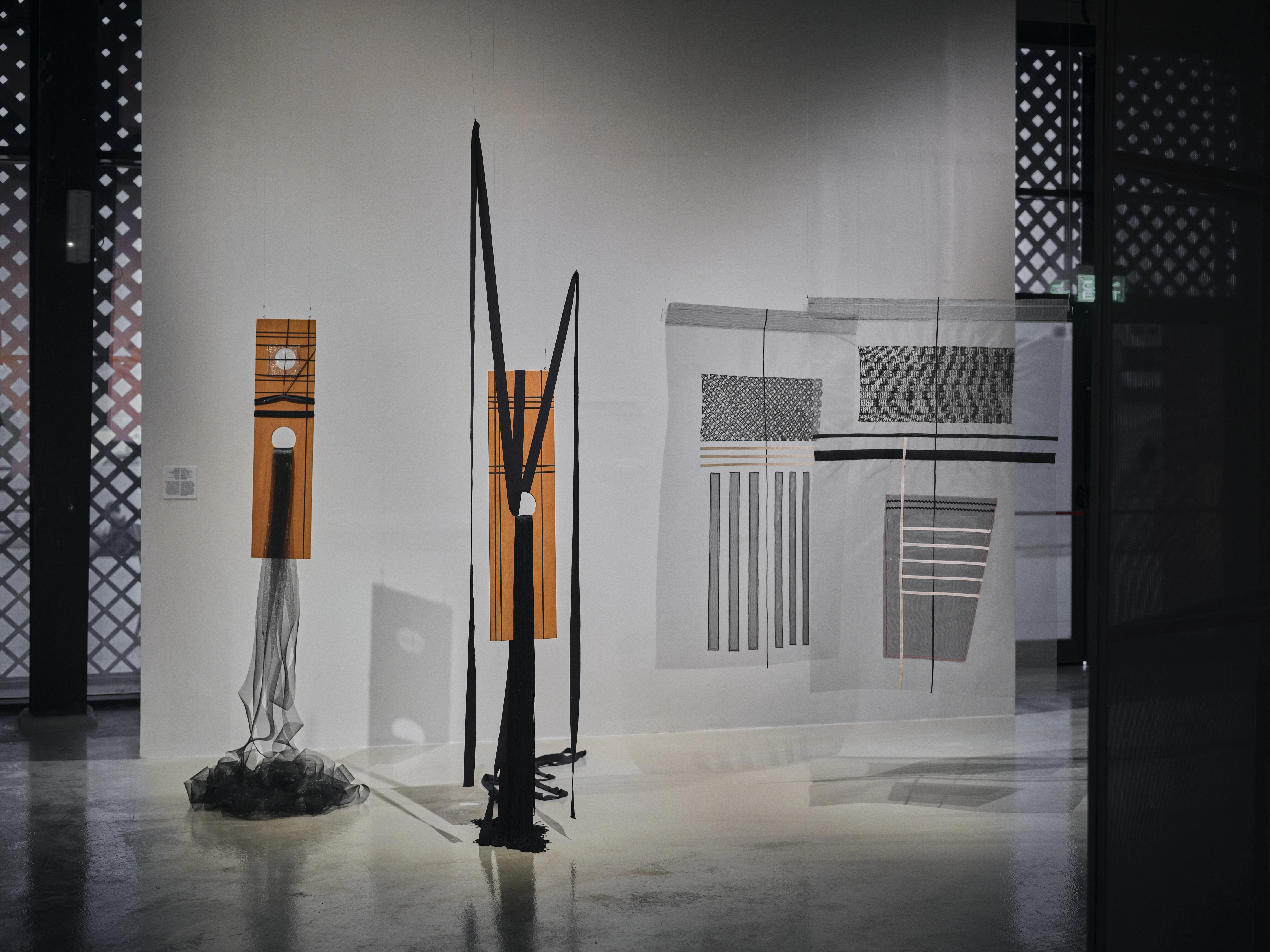
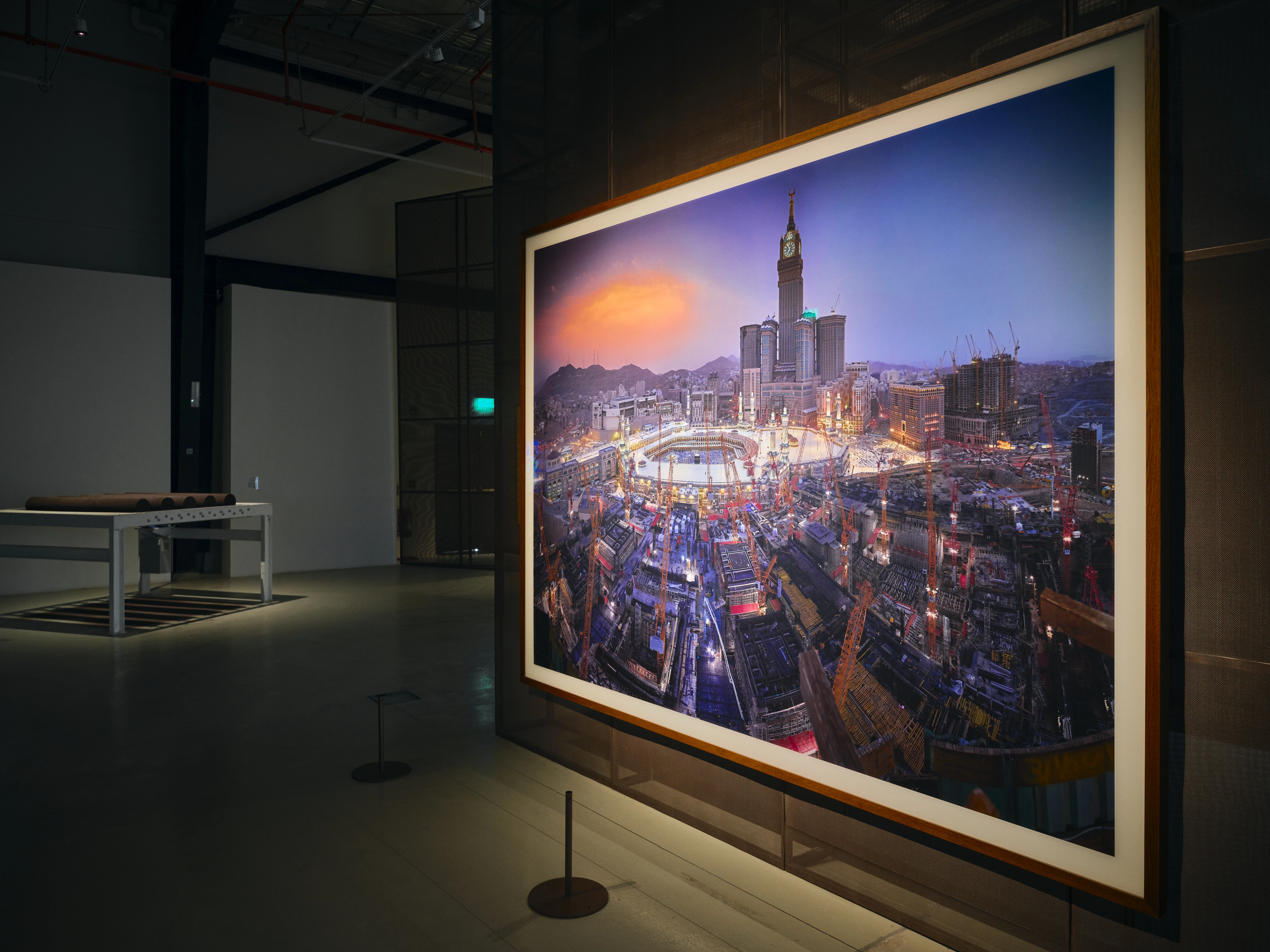
Search engines are unlikely to provide narratives based on personal philosophy and profound studies of the essence of things. Alongside Lina Qazzaz, artist Muath Al-Oufi presented another unique narrative based on his personal vision of things, creating an innovative artwork using his talent in photography.
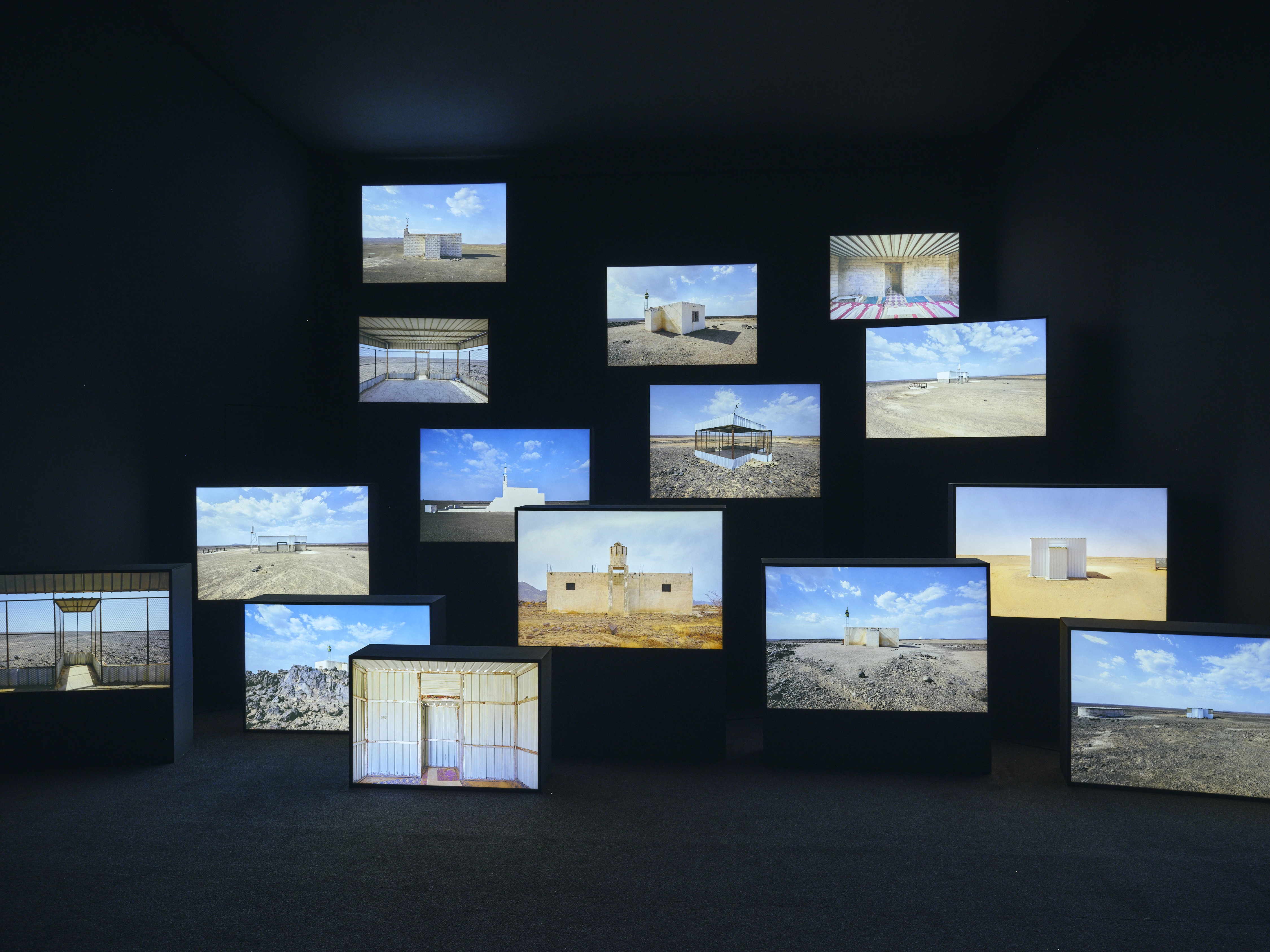
If you were to ask a group about the concept of refuge, it is likely to elicit a range of personal interpretations and diverse responses, each touching on, if not pivoting on the underlying theme of protection. However, Muath Al-Oufi depicted his interpretation of refuge through his artwork "The Final Sanctuary," portraying simple mosques built along the roads leading to Medina. He interprets these roadside mosques as sanctuaries, offering respite to desert travellers before they reach their final destination.
Just a few years ago, drones were still not commonly used for aerial photography, making Muath Al-Oufi's aerial photography using a camera from a glider, simply exceptional. In another innovative artistic project titled "Ahl Bangia," Muath Al-Oufi reveals vast rocky landscapes in the Kingdom dating back nine thousand years. He describes his project as the first to capture images of Desert Kites, undertaken with the Royal French Airlines pilot in the Sinai and northern Jordan regions. This opportunity led him to collaborate with the Heritage Aerial Documentation team between 2015 and 2016, during which time he flew a glider over the Khaybar region in Saudi Arabia to capture aerial photos. Driven by his growing passion, Al-Oufi began documenting stone structures across the Kingdom, capturing their beauty through aerial photography.
Integrating art with technology
The Art of the Kingdom Exhibition distinguishes itself through its innovative approach and its commitment to presenting contemporary artworks with profound meaning.
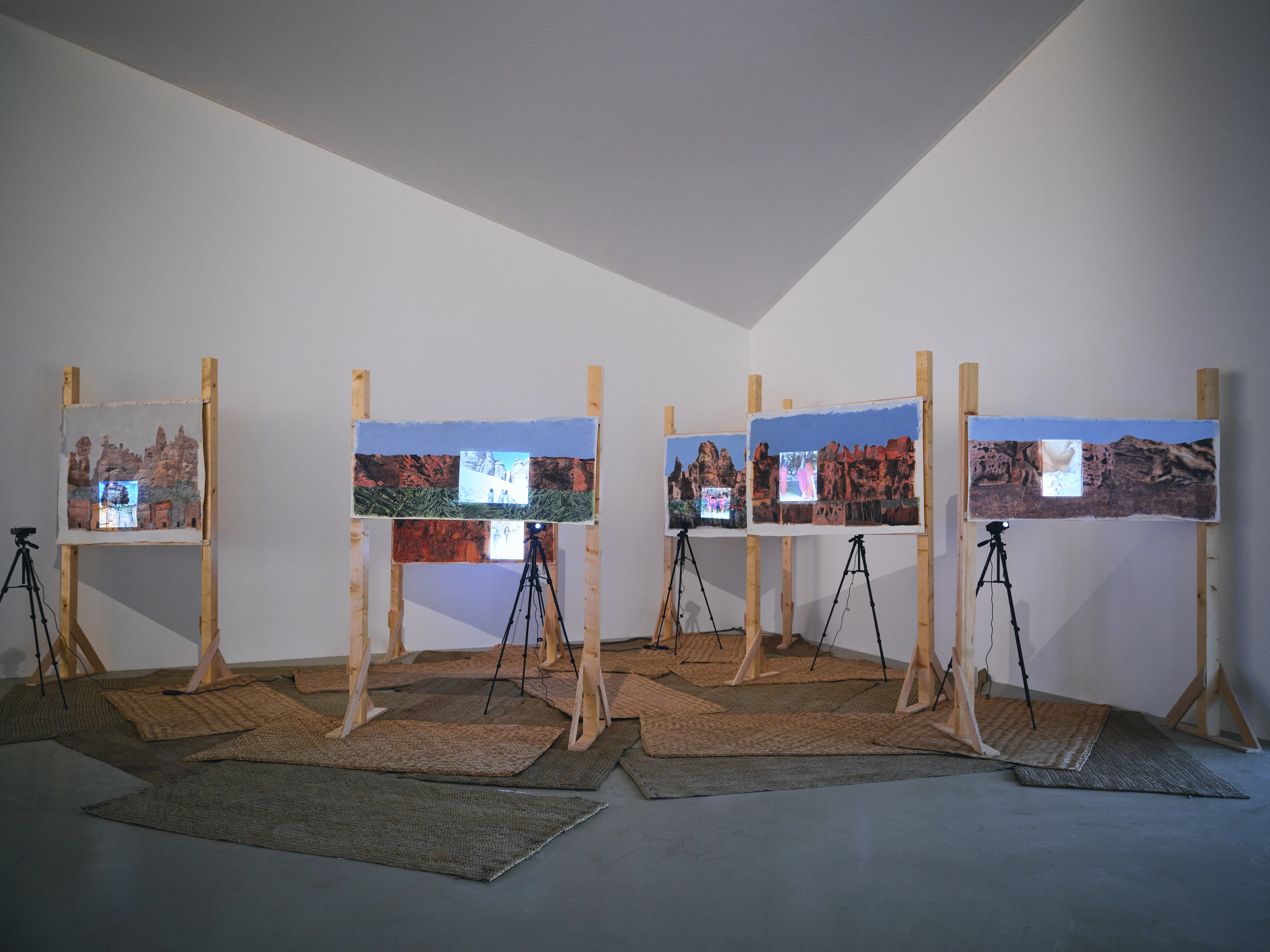
Perhaps this is truly exemplified by the artistic project presented by Dania Al-Saleh, who utilised both traditional and technological details in her project "Hennat." She used transferred images, watercolours, acrylic paint, watercolour paper, and cotton canvas, alongside seven display devices to showcase seven video clips.
Innovation at the Art of the Kingdom Exhibition did not stop at Dania Al-Saleh. To illuminate the role of women in ancient civilisations up to the Nabataean era, Al-Saleh innovatively blends transferred images, watercolour and acrylic paints, and cotton canvas with seven video clips displayed on multiple devices. Through this fusion of artistic elements, she ingeniously illuminated the role of women from ancient civilisations through the Nabataean era.
Fourteen other Saudi artists, alongside Lina Qazzaz, Muath Al-Oufi, and Dania Al-Saleh, contributed pioneering contemporary artworks to convey compelling messages that illustrate the art's ability to offer new narratives not typically found on search engines like Google.
Art of the Kingdom Exhibition, from February 24 to May 24, 2025
Open Monday to Thursday, from 10am - 10pm, and Friday and Saturday from 4pm - 10pm
Saudi Arabian Museum of Contemporary Art (SAMoCA), JAX District, Riyadh
Tickets are available via WeBook app, starting from SAR25 - purchase here
Sponsored Content