

Madinah has officially been re-accredited as a “healthy city” by the World Health Organization (WHO), reaffirming its place as one of the Middle East’s leading urban centres for health and wellbeing. Scoring an impressive 80 points across WHO’s comprehensive evaluation, the city is now recognised as the second-largest “healthy city” in the region, just behind Jeddah.
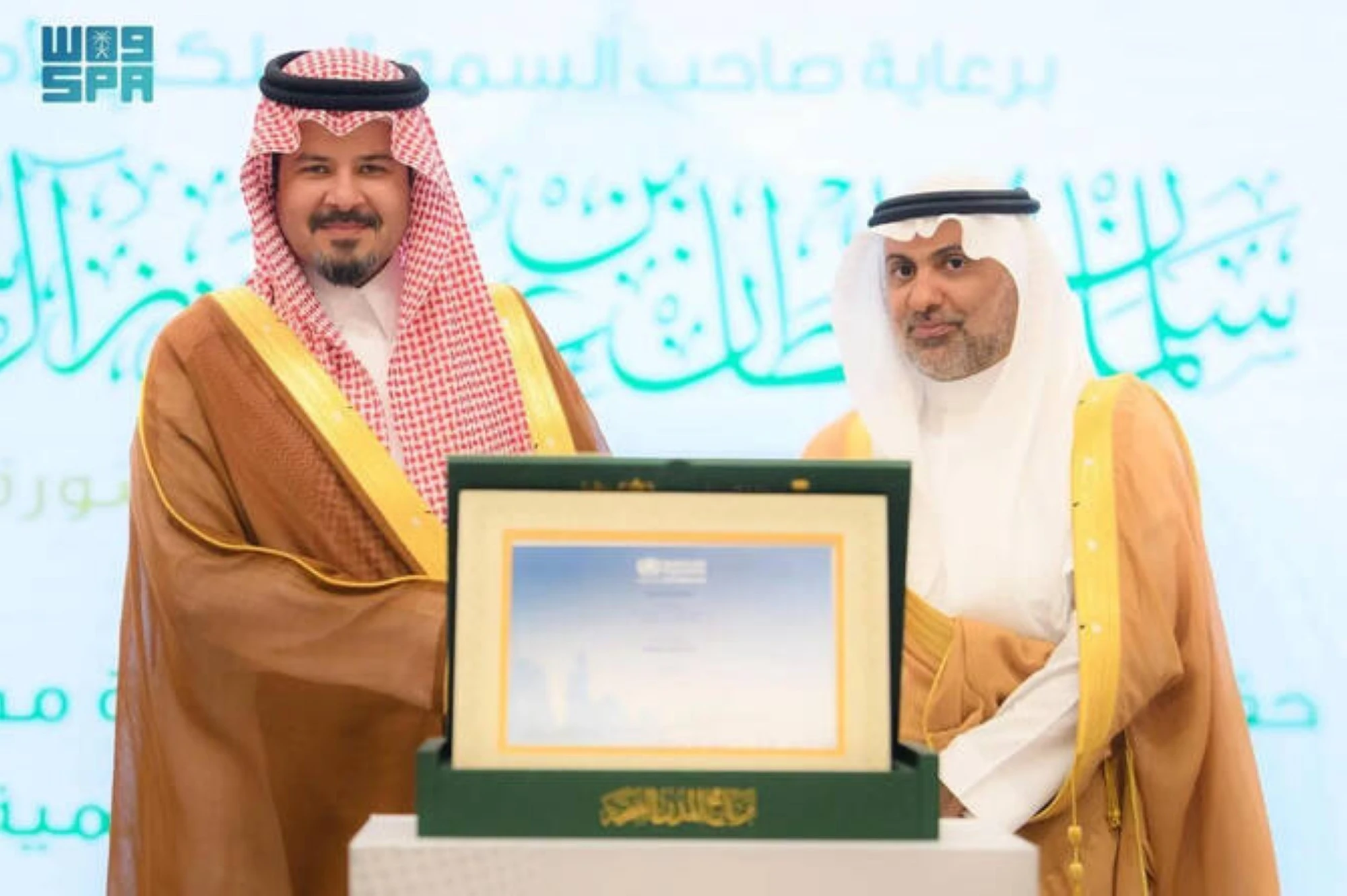
The accreditation was awarded during an official ceremony in Madinah, where Prince Salman bin Sultan, governor of the Madinah region, accepted the certificate from Saudi Arabia’s Minister of Health, Fahad AlJalajel. The honour reflects the city’s commitment to improving quality of life for residents through well-planned infrastructure, accessible healthcare, and public health initiatives.
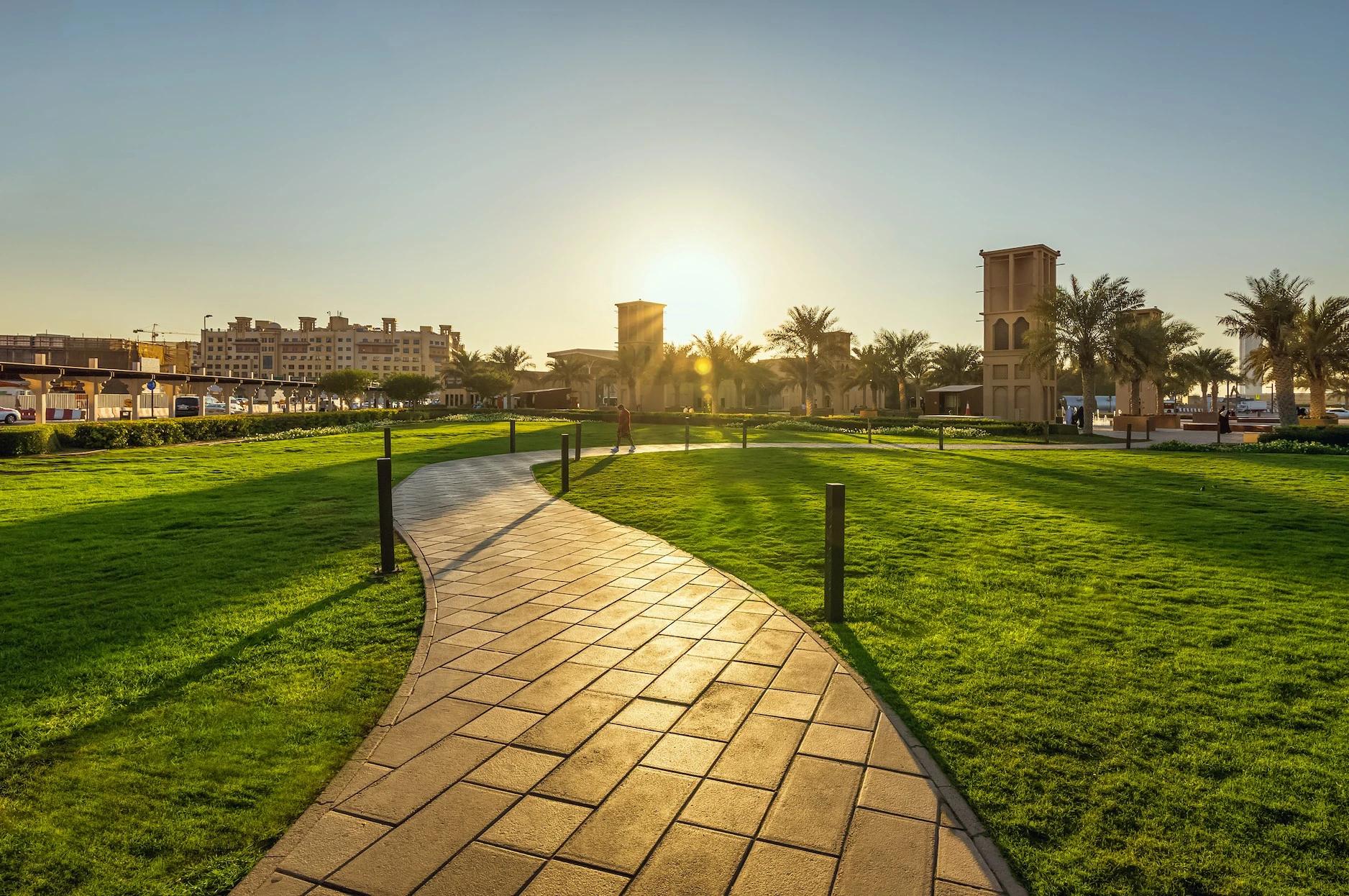
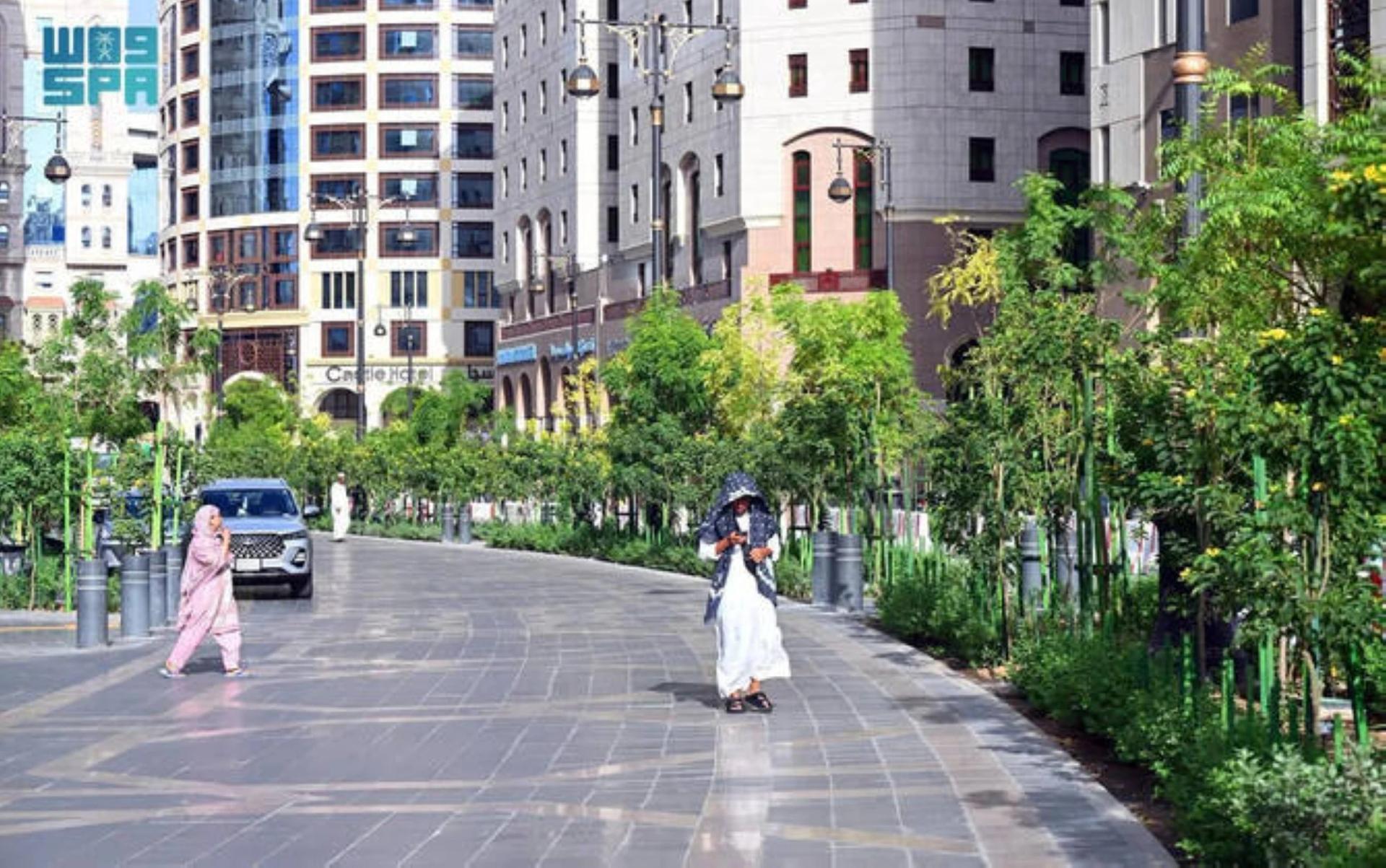
To meet WHO’s healthy city standards, municipalities must fulfil more than 80 distinct criteria, spanning everything from urban planning and green spaces to the promotion of preventive care and health education. In Madinah, this includes extensive pedestrian areas, public parks, health-focused school programmes, and widespread access to primary care centres. The city’s ongoing transformation is a key pillar of the Kingdom’s Vision 2030, which aims to create more liveable, sustainable, and vibrant communities across Saudi Arabia.
Speaking at the event, Prince Salman emphasised the importance of the milestone, calling it a testament to the leadership’s efforts to enhance the wellbeing of citizens through investment in urban development and healthcare infrastructure. He noted that Madinah is positioning itself as a regional model for sustainable urban living and public health.
The WHO’s Healthy Cities Programme, which launched in the 1980s, recognises cities worldwide that actively integrate health considerations into municipal decision-making. The Kingdom has embraced this framework with growing momentum—in addition to Madinah and Jeddah, 14 other Saudi cities currently hold healthy city accreditation. These include Tabuk, Taif, Ad-Diriyah, Unaizah, Jalajel, Al-Mandaq, Al-Jumum, Riyadh Al-Khubra, and Sharurah.
The recognition reinforces Saudi Arabia’s broader commitment to wellbeing as a key tenet of its national transformation agenda. For Madinah—a city steeped in history and spiritual significance—it also marks a future-focused leap toward becoming one of the region’s most livable urban destinations.