

It is easy to forget amongst the world-record-breaking supertall towers and glitzy malls that people have lived in and around Dubai for thousands of years, and that before the emirate was famous for its glam, it was a regional trading hub that was dependent on pearl-fishing.
Unlike elsewhere in the region, many of Dubai’s most historic buildings and entire districts have been meticulously restored, and there has been a concerted effort on the part of its government to pay homage to what the emirate was prior to the oil and investment boom.
The Shindagha and Al Fahidi districts near Dubai Creek – as well as the creek itself – are fascinating places to wander, leaving a firm impression of the ebb and flow of the city in a different age. Meanwhile, in the nearby mountains of Hatta (still in the emirate of Dubai, but not in the city itself) you can visit a restored highland village. These are some of the best historical sites in Dubai.
1. Al Fahidi Historical Neighbourhood
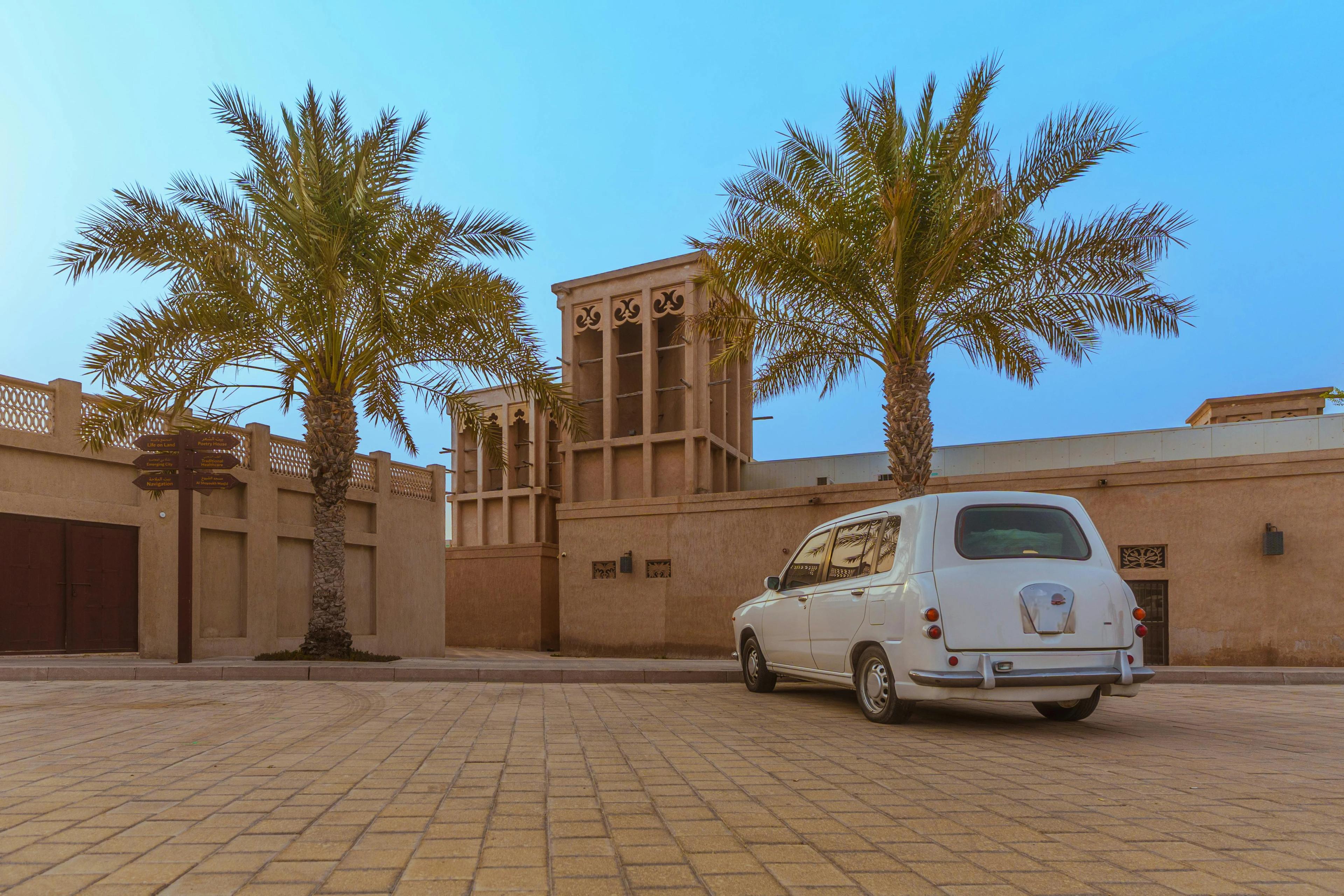
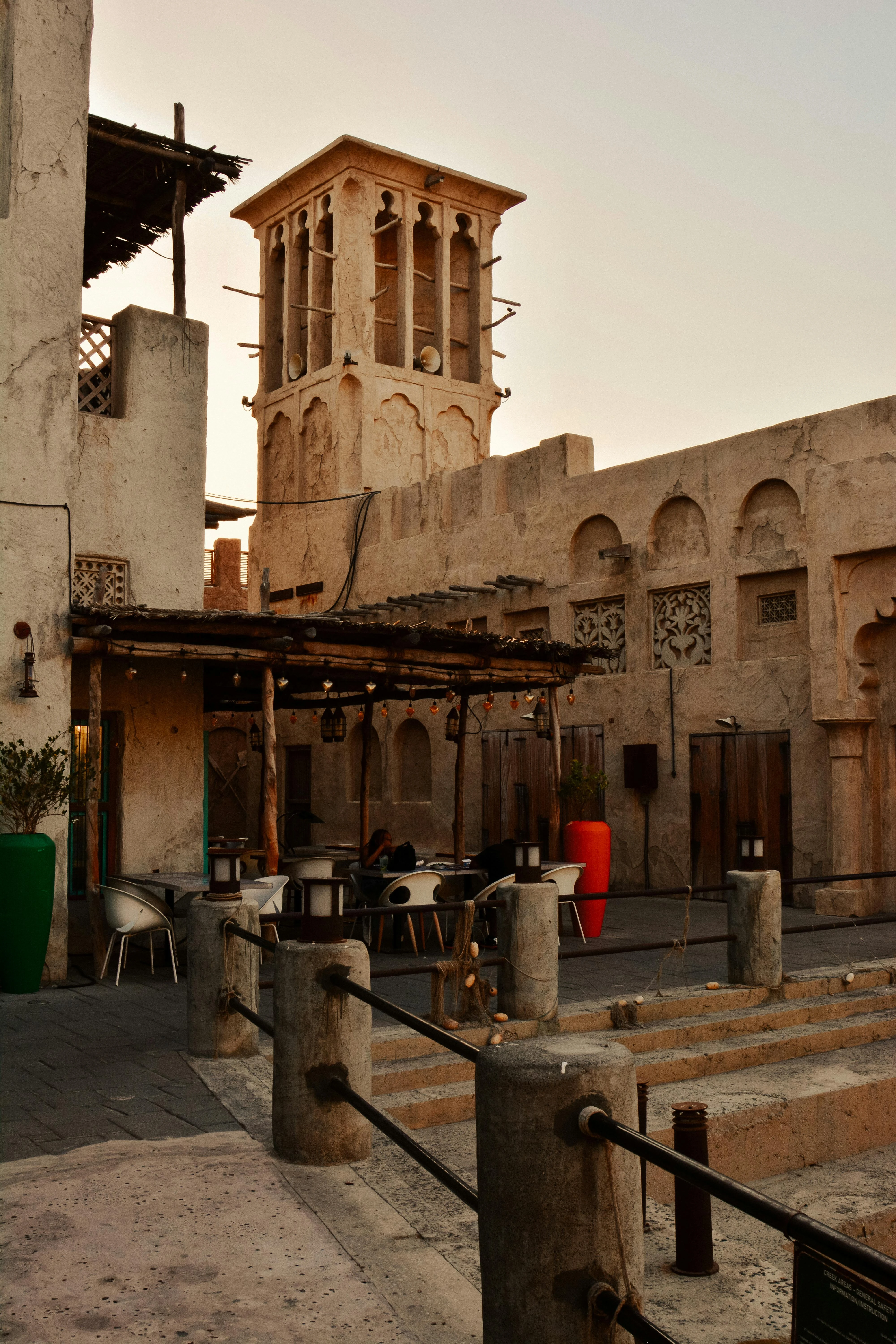
Near Dubai Creek, the Al Fahidi Historical Neighbourhood is one of the best-preserved parts of the old city, with narrow alleys and restored wind tower houses that show how Dubai looked before the oil boom. Constructed with sandstone, gypsum and teak, the buildings were designed to stay cool in the Gulf heat before the advent of air conditioning.
Of the more than 50 restored homes, the best place to start is the Sheikh Mohammed Centre for Cultural Understanding, which offers tours and traditional Emirati food. You can also visit the Coins Museum, which holds rare currency from the British Empire, and Dar Al Khatt, a museum of Arabic calligraphy.
The neighbourhood also has several cultural venues, including the Symposium and Events House and the Arabian Tea House, which serves local snacks in a traditional courtyard. Al Fahidi Fort, located nearby, dates to 1787 and is the oldest building in Dubai. As of 2025, it is closed for renovation, along with the Dubai Museum.
2. Jumeirah Mosque
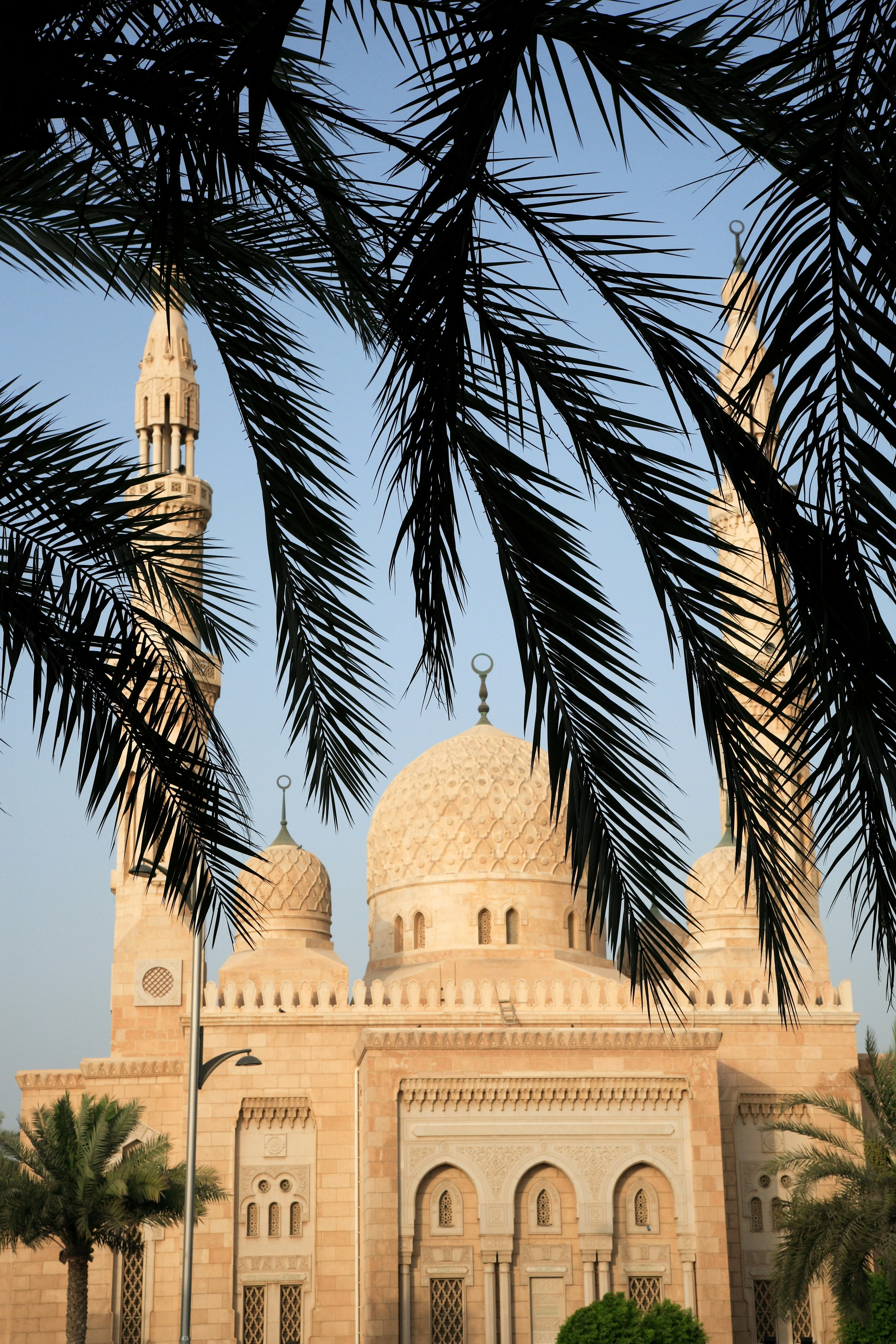
One of the few mosques in the UAE that is open to non-Musllims, Jumeirah Mosque was built in 1979 but in the traditional Fatimid style constructed from white stone and with twin minarets and intricate geometric decoration.
Daily tours are offered by the Open Doors, Open Minds programme, which include a talk on Islamic customs and a chance to ask questions about Emirati life. The mosque is open every day except Friday. Visitors should arrive by 9.30am for the 10am tour.
3. Dubai Creek
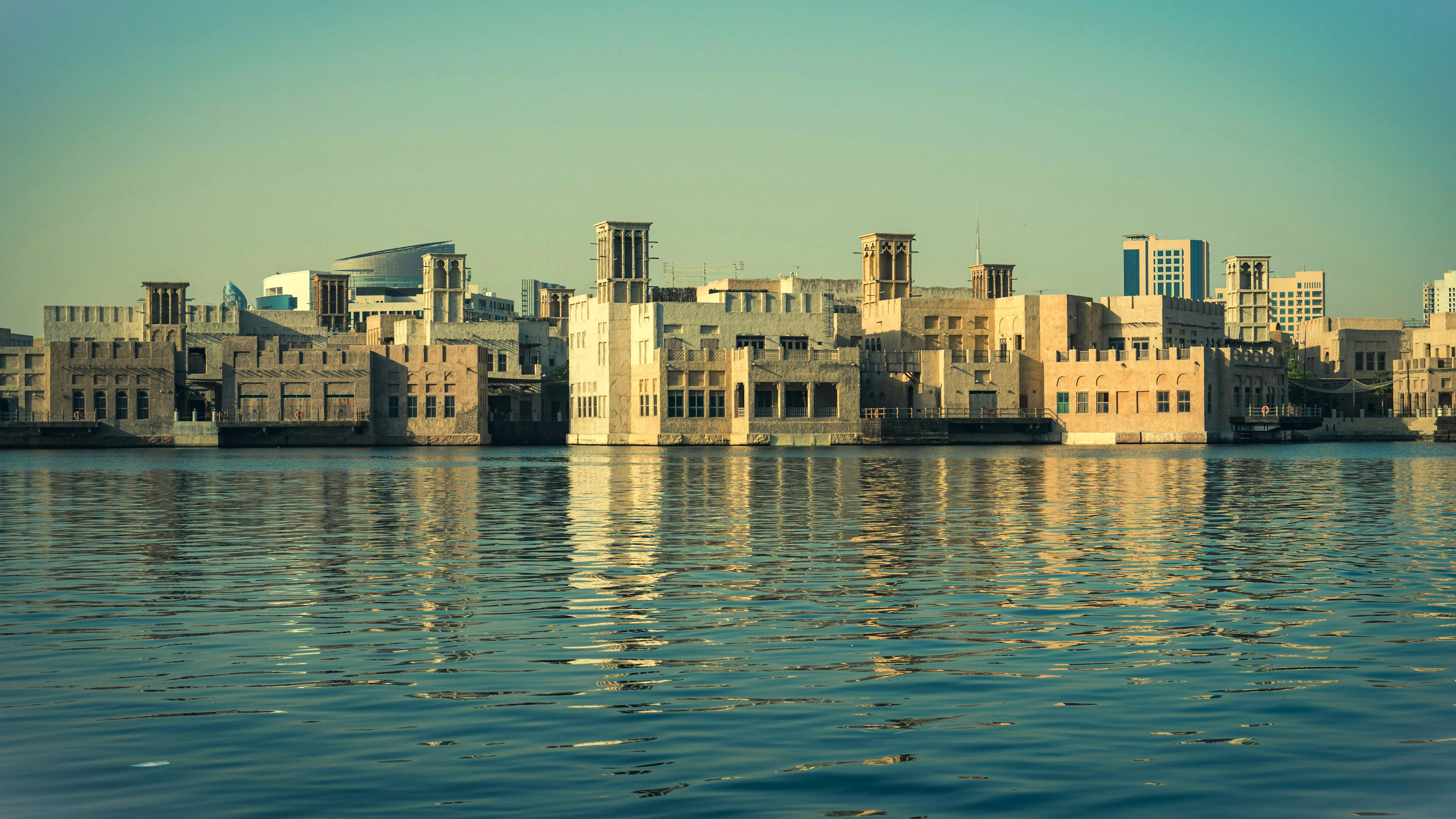
A tidal inlet that once served as the main entry point into the city, Dubai Creek supported pearl diving, fishing and trade with Iran, India and East Africa. Today, wooden dhows still carry cargo from the docks, and abras (small water taxis) cross the water for just AED 1.
A walk along either side of the creek offers views of historic districts, mosques and souks. On the Deira side, the Spice Souk and Gold Souk remain active trading hubs. On the Bur Dubai side, visitors can explore the Textile Souk, Al Fahidi, and several small museums.
4. Saeed Al Maktoum House
This historic house was once the home of Sheikh Saeed Al Maktoum, who ruled Dubai from 1912 to 1958. Built in 1896, it is located in the Shindagha Heritage District and overlooks Dubai Creek.
The building features traditional Emirati design, including wind towers, inner courtyards and carved wooden doors. Inside are photographs, maps and documents showing the development of Dubai in the early 20th century.
5. Al Shindagha Heritage District
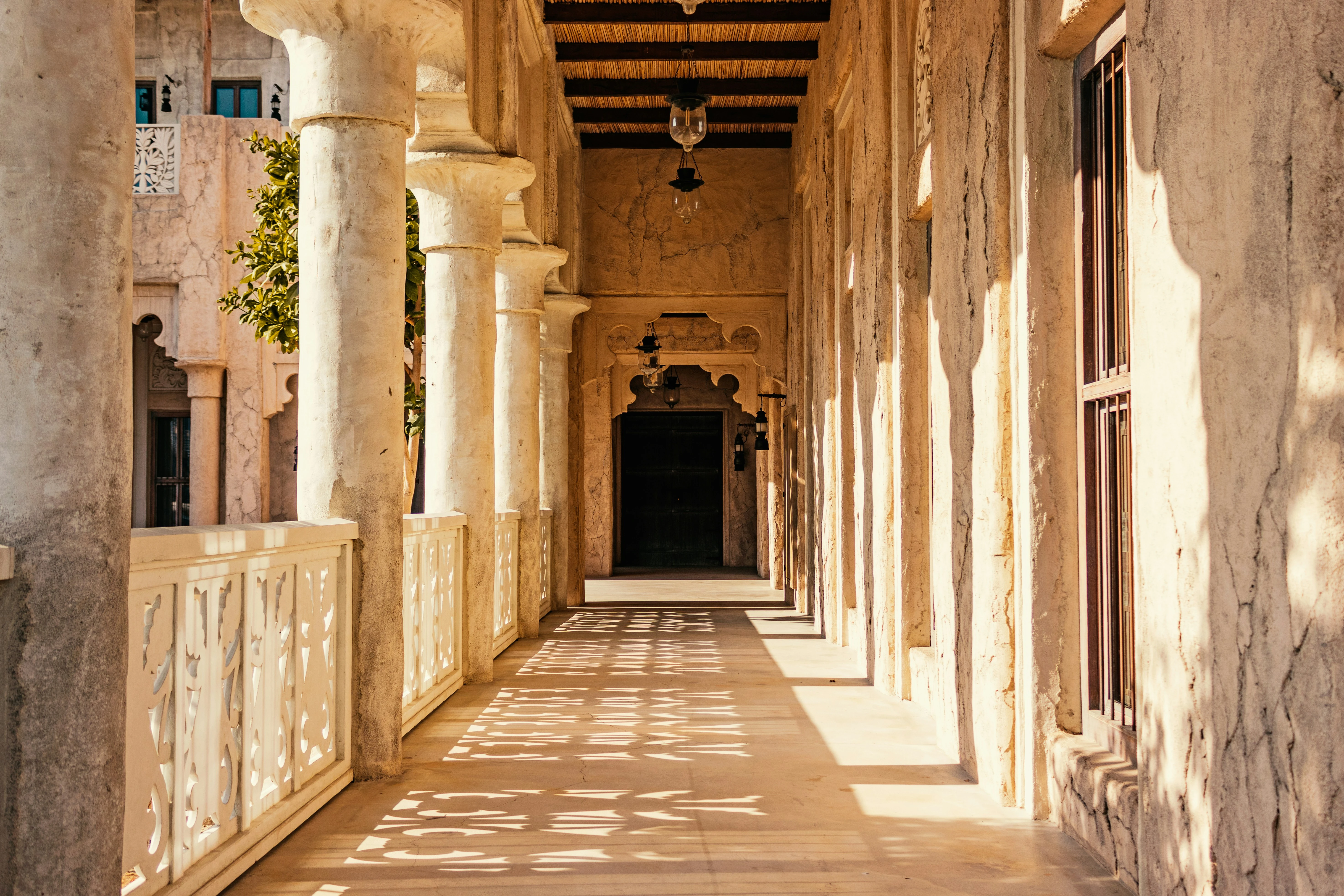
The Shindagha district is still being developed as a cultural centre, with several restored buildings now housing museums dedicated to perfume, poetry and traditional crafts.
One notable highlight is Perfume House, which shows the role scent played in trade and social life. Other venues host temporary exhibitions, workshops and cultural events. The district is near Al Ghubaiba Metro Station and can be explored on foot.
Another highlight is the Saruq Al-Hadid Archaeology Museum, which features tools, jewellery and pottery from the Saruq Al-Hadid site, discovered in 2002 in the Rub' al Khali desert. It is believed to have been an Iron Age settlement focused on metalworking and trade, active more than 3,000 years ago.
6. Hatta Heritage Village
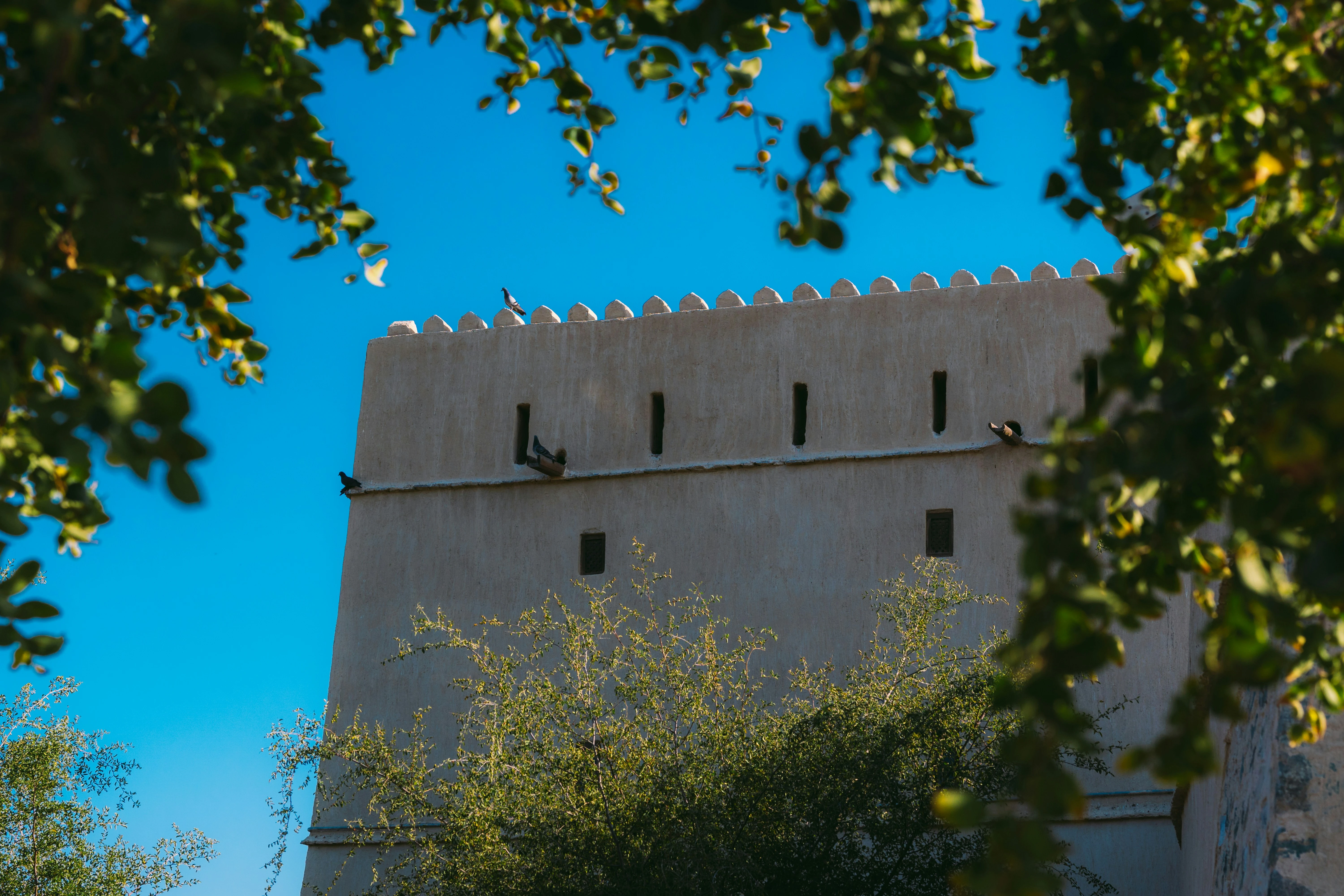
Located in the Hajar Mountains about 130km from central Dubai, Hatta is part of the Emirate of Dubai but geographically separate. The village has been restored with traditional mud-brick buildings and defensive towers and offers a view into rural life in the region before modern development.
The site includes more than 30 structures, including homes, a mosque and a fort. Nearby, visitors can explore Hatta Dam, mountain trails and modern glamping resorts. The village is open year-round but is best visited between October and April. Admission is free.
7. Etihad Museum
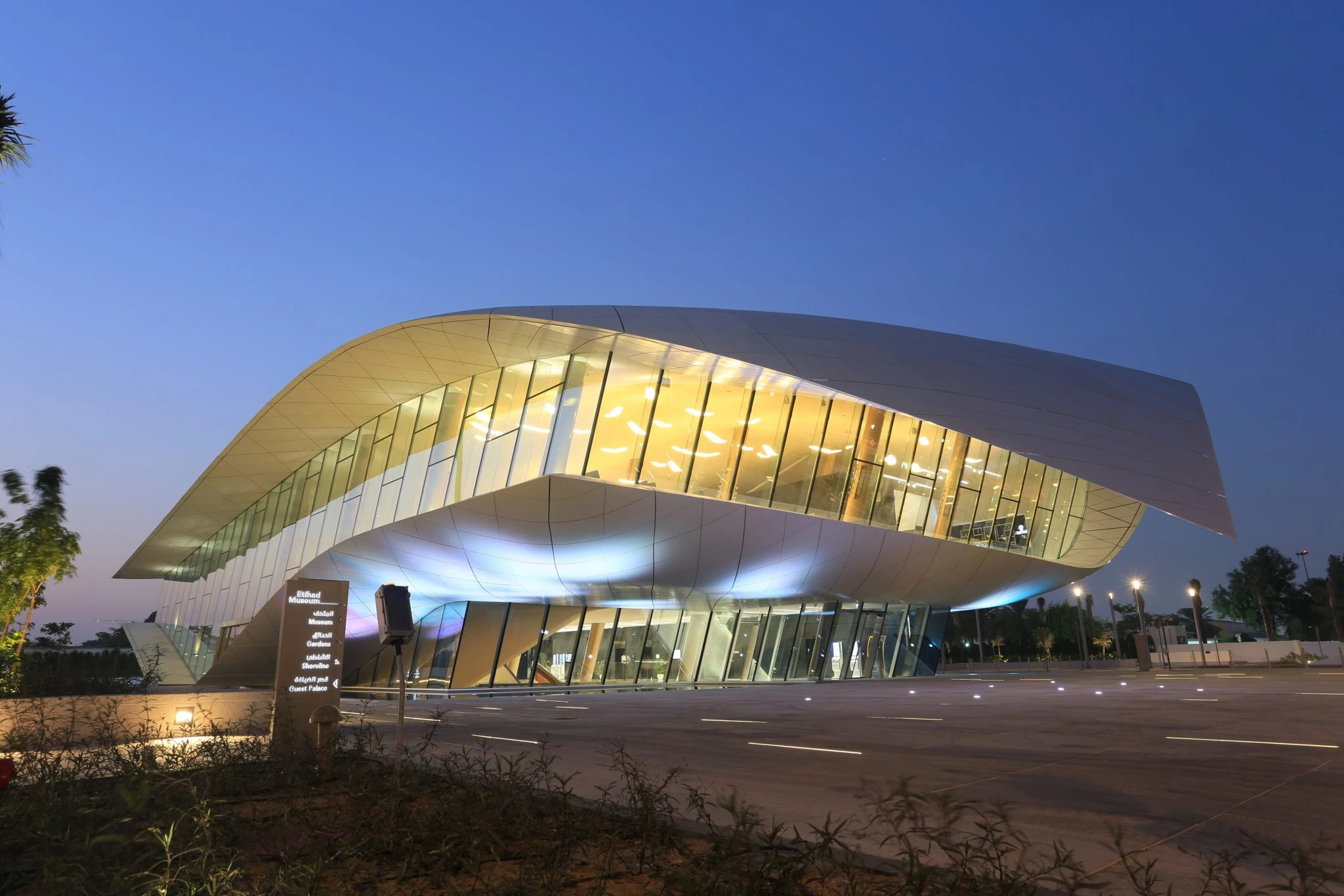
Built on the site of the original Union House, where the documents of unification were signed in 1971, the Etihad Museum documents the formation of the United Arab Emirates. It includes digital installations, original photographs and personal belongings from the founding rulers.
The building’s design represents a manuscript, with seven pillars symbolising the seven emirates. The museum focuses on the political process that led to unification, making it essential for understanding the UAE as a modern state.