


Riyadh's ambitious metro project is nearing completion.
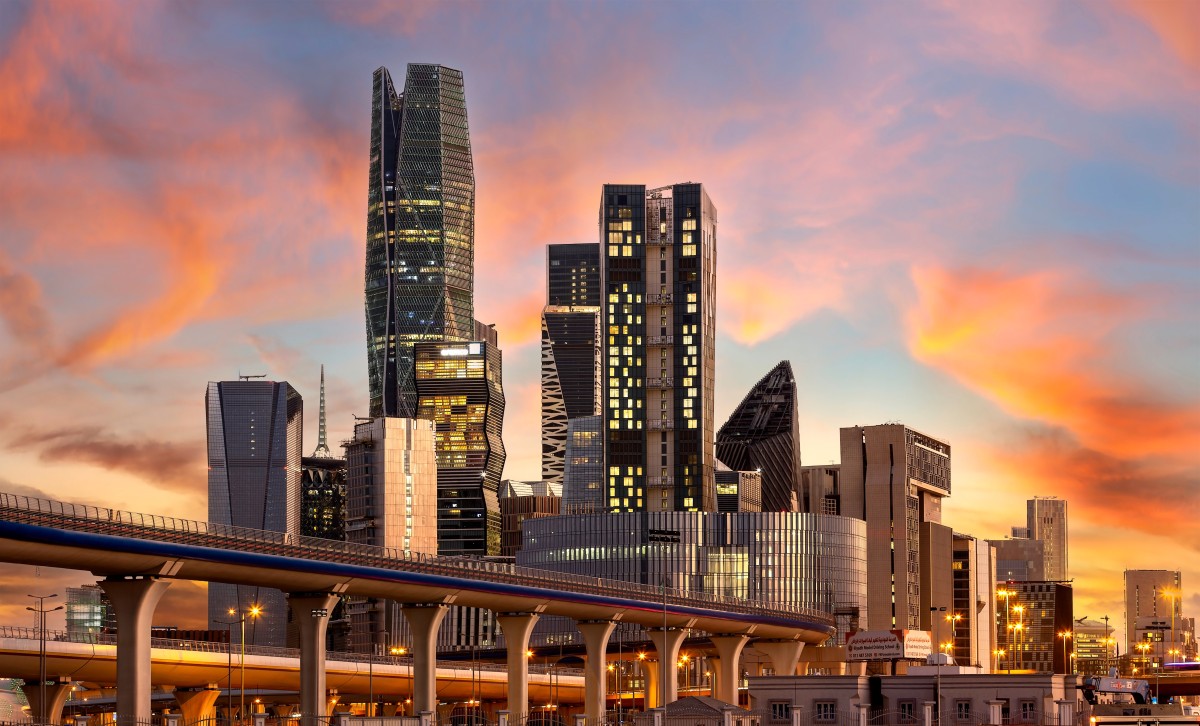
Transforming the capital city's transportation landscape, the Riyadh Metro will provide a sustainable, affordable and efficient mode of transport for both residents and visitors.
As the Riyadh Metro approaches its operational phase, the capital city eagerly anticipates the positive impact this new public transportation option will have on urban mobility, sustainability, and the overall development of Riyadh.
Everything We Know About Riyadh Metro
This week, Saudi Minister of Transport and Logistics Services, Saleh Al-Jasser, confirmed that the Riyadh Metro will commence operations later this year. This announcement aligned with the promises of the Royal Commission for Riyadh City (RCRC) earlier in 2024.
The Riyadh Metro project has been a massive undertaking, and it is not only a pivotal part of the King Abdulaziz Project for Riyadh Public Transport, but has been recognised as the world's largest metro project to be undertaken and constructed in the same continuous phase.
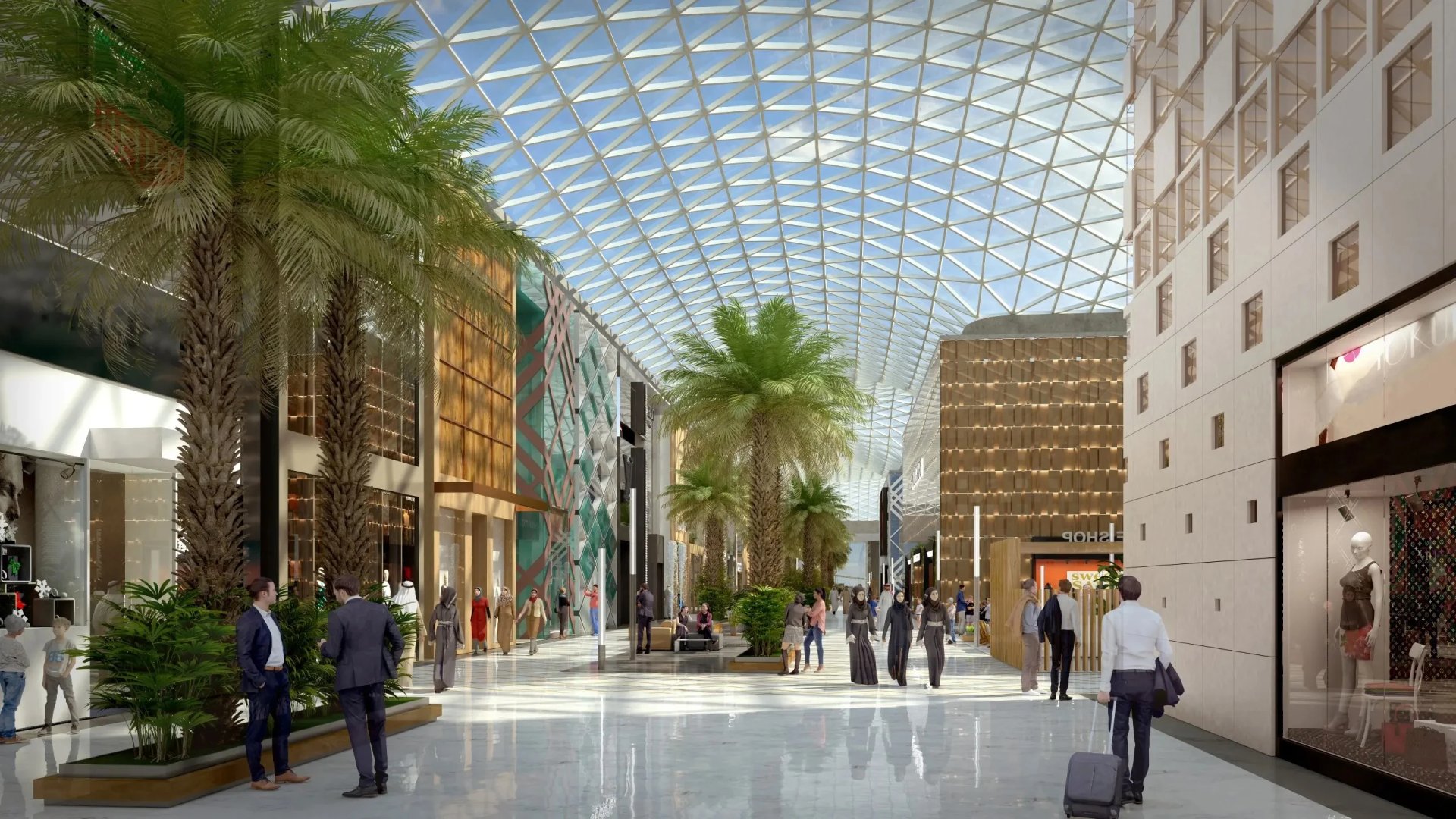
Expected to consist of six lines spanning a total length of 176 kilometres, the Riyadh Metro will service 84 stations throughout the city. And four main stations will service the city, and have underground parking options alongside some shops and cafes: STC Station, King Abdullah Financial District (KAFD) Metro Station, Qasr Al-Hukm District Station and the Western Metro Station.
Once fully operational, the Riyadh Metro is expected to carry hundreds of thousands of passengers daily, and will undoubtedly lead to a significantly easing traffic congestion and road traffic in the city, and by reducing the number of vehicles on the roads this will in turn improve the air quality of the city for residents.
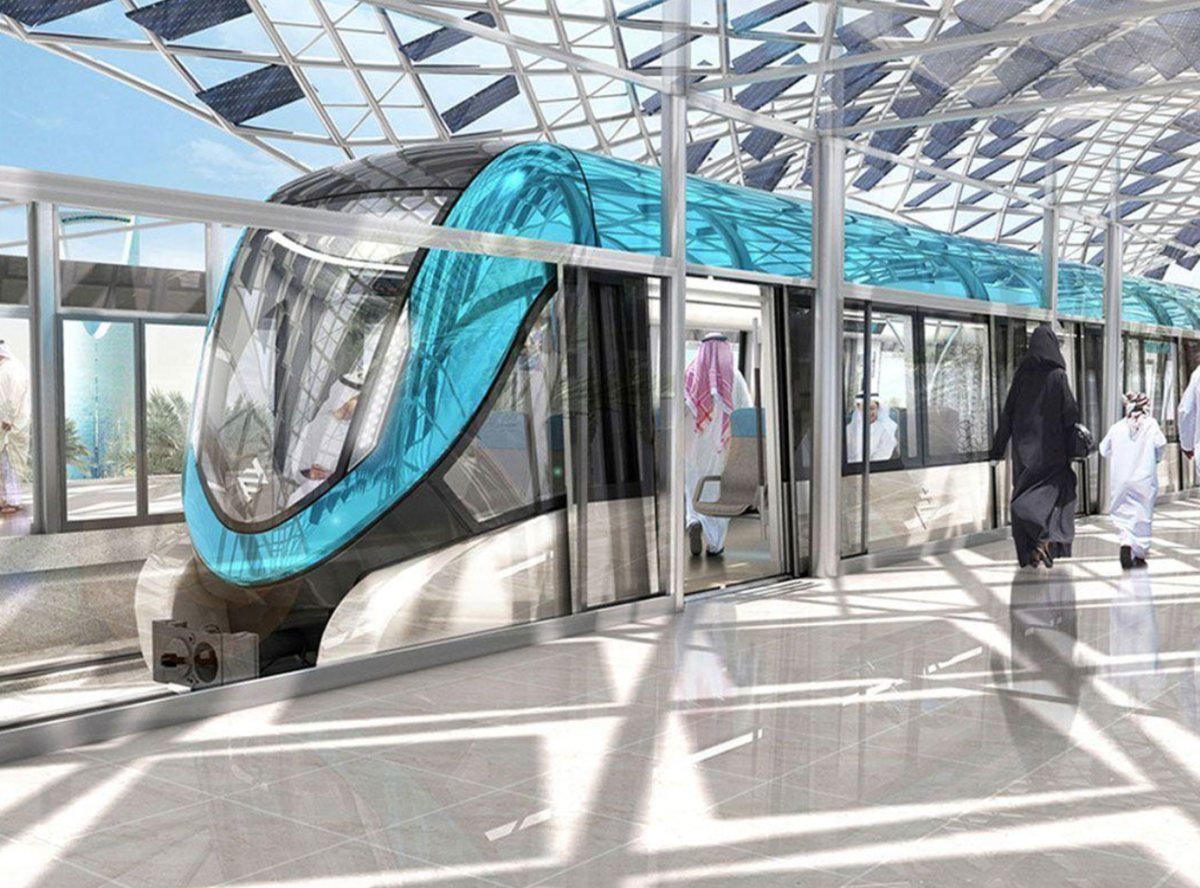
Siemens Mobility has played a pivotal role in the development of Riyadh's state-of-the-art metro system. As a leading provider of rail solutions, Siemens has contributed its expertise and technology to ensure the success of this ambitious project including the signaling systems, track-laying equipment and the technology used in the metro cabins.
Riyadh Metro and Modern Design
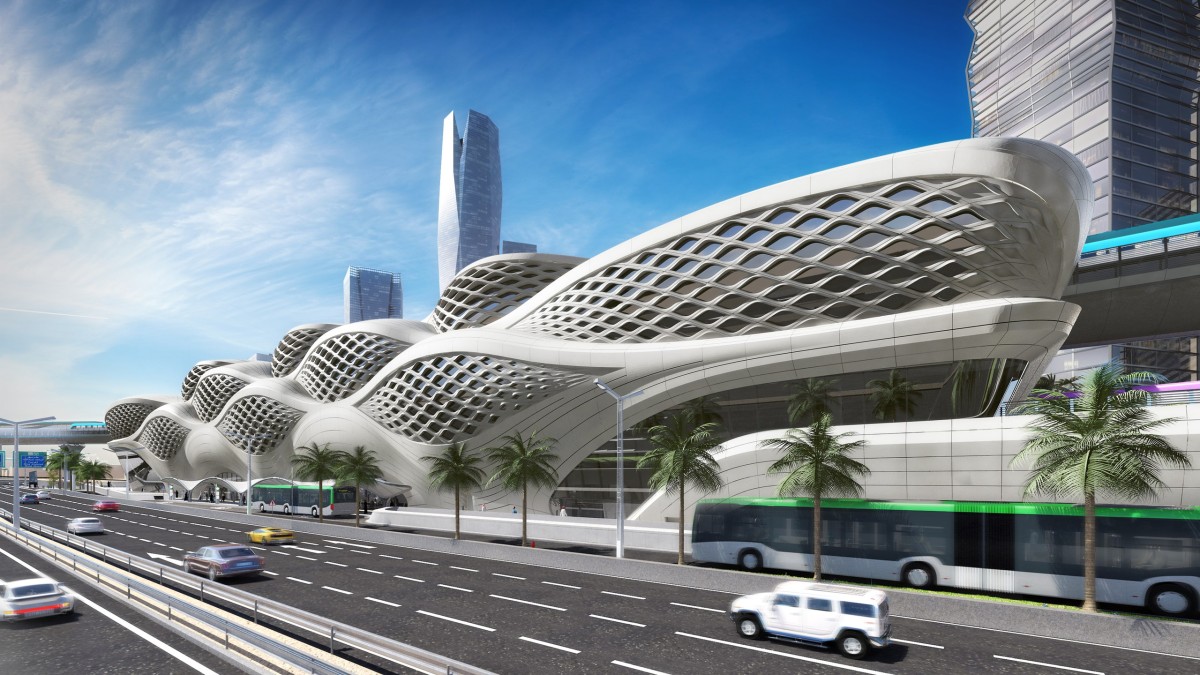
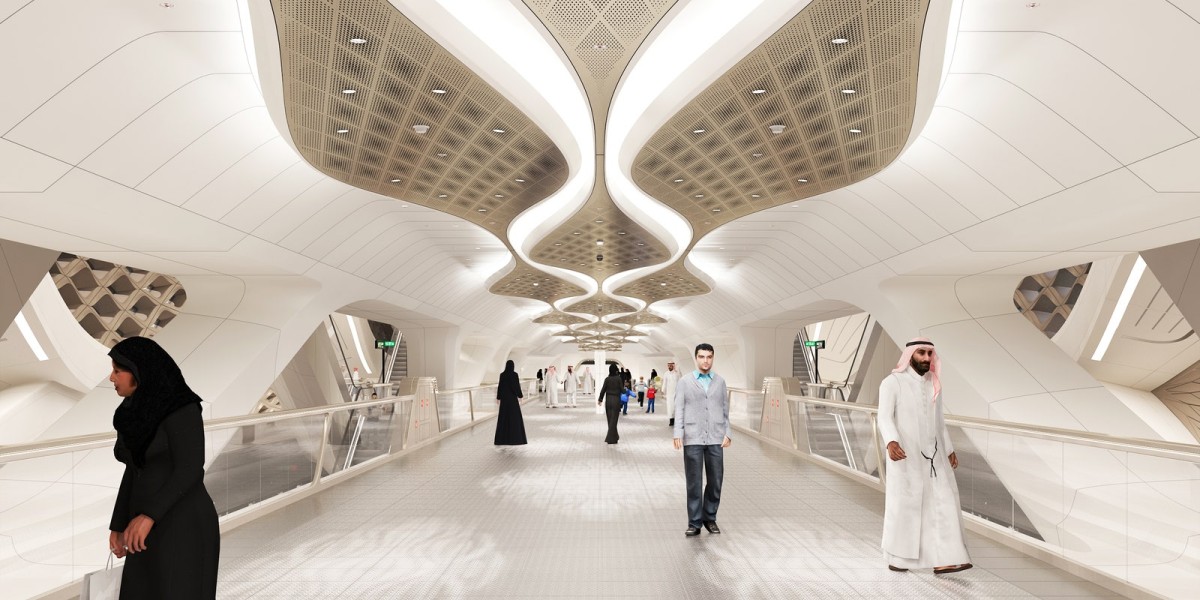
Embracing the future, the Riyadh Metro will be a symbol of the city's modernity and progress - in action and in design.
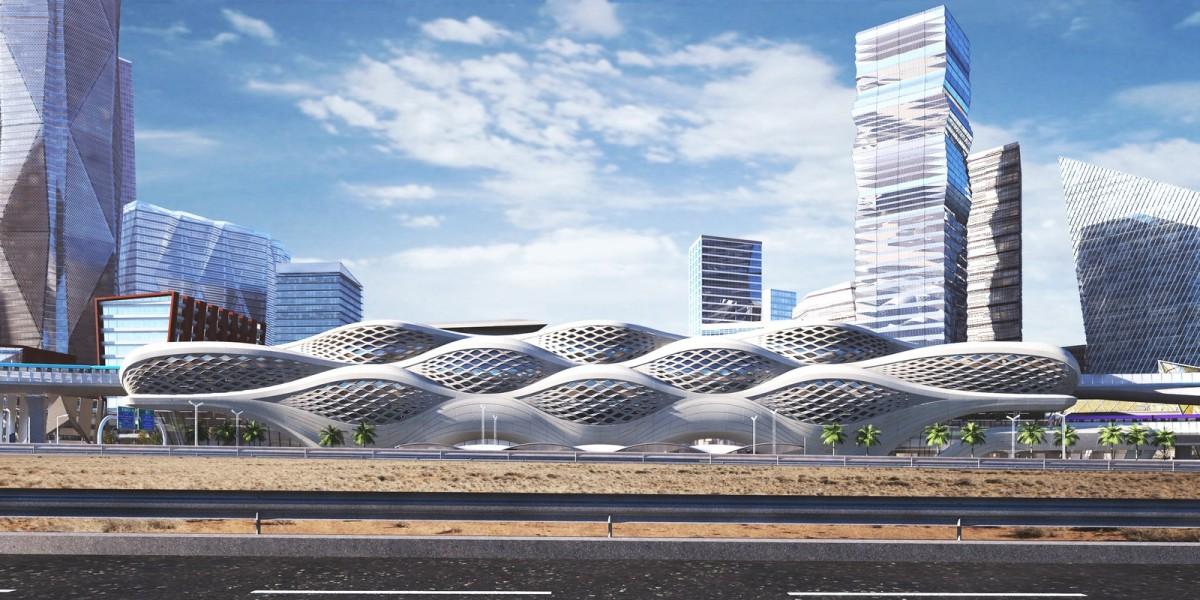
Designed by the world renowned architectural firm, Zaha Hadid, Riyadh's King Abdullah Financial District (KAFD) Metro Station innovative design showcases the city's move towards the future. With its fluid curves, mesh-like pattern and dynamic design, the KAFD Metro Station is set to be a striking departure from traditional metro stations, and an iconic addition to the city's ever expanding, modern horizon.
The firm behind the design, Zaha Hadid have aimed to create a station that design incorporates elements of the local culture and landscape (the waves of the desert dunes) to create a unique and visually captivating space - inside and out. The station's interior will pivot on its use of light, and aims to offer a visually pleasing aesthetic to the every day journey.
Riyadh Metro and Vision 2030
With its sleek, modern design and advanced technology, the Riyadh Metro is set to redefine urban mobility and transportation options in Saudi Arabia. This is particularly important as the nation moves closer to Vision 2030 and also as the capital city continues to grow and develop, the metro system will allow both residents and visitors to travel around the city with relative ease, whilst also creating new jobs in stations and providing residents with a sustainable form of affordable transportation.
Riyadh Metro to be operational by end of 2024
@zahahadidarchitects @rcrcsa
rcrc.gov.sa