The centre of Medina (known locally as Madinah) was once home to sprawling old-world souqs, but a number of developments have pushed markets to the outskirts of the city in favour of more modern malls and hotels. There are still treasure-trove souqs to be found, however, along with bargains from stalls selling everything from traditional abayas and oud to gold, jewellery and spices.
Although some of the more popular markets may be crowded at certain times of the day, they’re at their most atmospheric when bustling with shoppers and buzzing with life. You’ll also find plenty of bargains in markets that look less than postcard-pretty, but are filled to the brim with trinkets for those willing to explore. These are some of the best souqs to be found in Medina.
1. Quba market
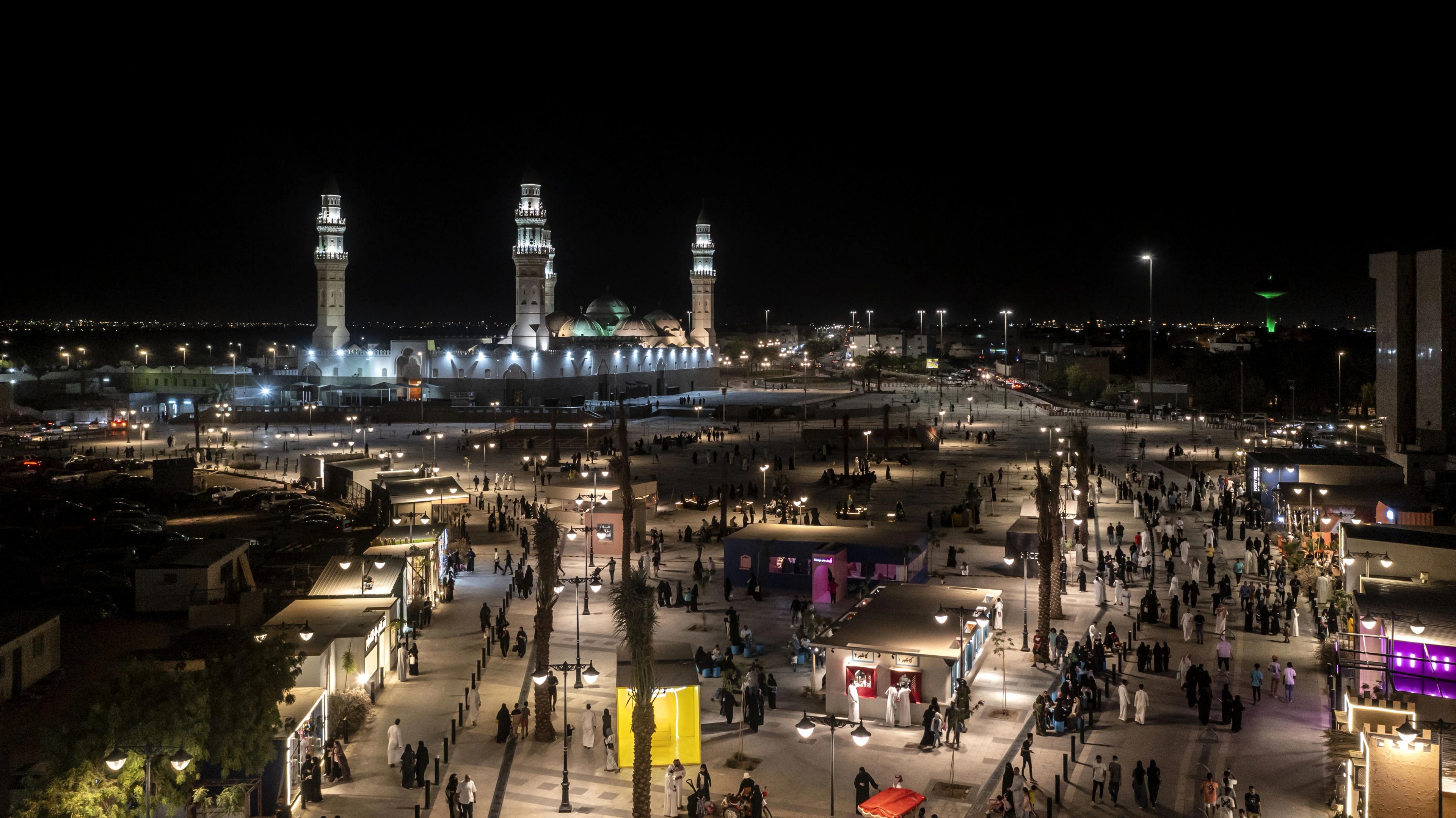
Find a mixture of fixed stores and pop-up kiosks at this local market a short walk (5-10 mins) from the Prophet's Mosque. Alongside trinkets and the usual touristy souvenirs, the market sells everything from abayas and traditional copperwork handcrafts to trainers and household goods – all at bargain prices. As such, it can get busy, particularly given its position in Quba Square and on the Quba Walking Trail.
Grab a bite from one of the food stalls to fuel up while shopping, and take a stroll along the entire walkway from Quba Mosque to the Prophet's Mosque, taking in a little history as you do (the 3km walk is the route the Prophet Muhammad took to Quba Mosque).
2. Suwaiqah souq
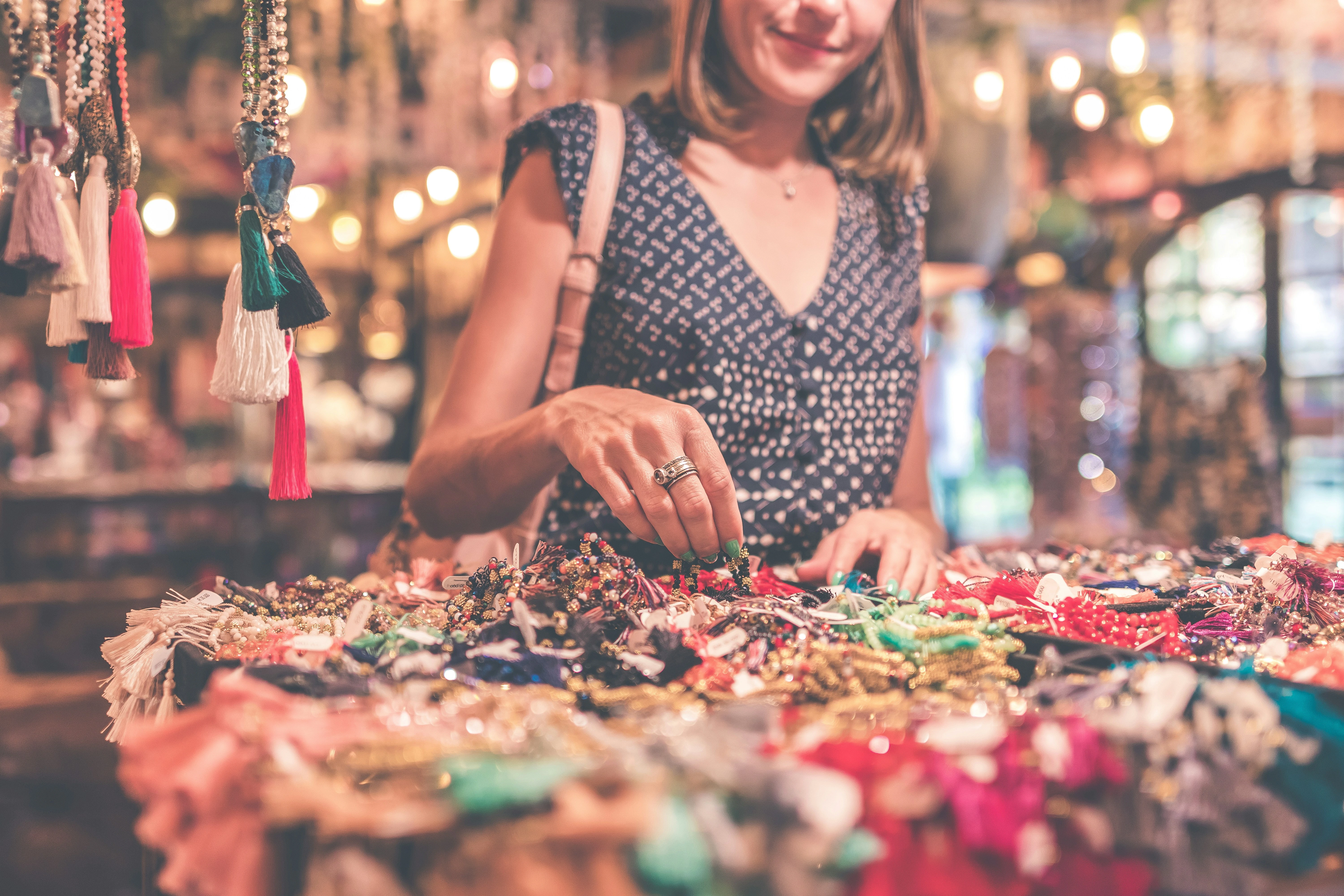
One of the most significant souqs in Medina, thanks in large part to its proximity to the Prophet’s Mosque, Suwaiqah souq (also known as Al-Qomashah Market) is believed to be more than 430 years old. A huge fire in the souk more than 40 years ago damaged much of the infrastructure, but its recent rebuild has injected new life into the area, along with huge investment in female entrepreneurs.
Now, you’ll find a market that blends the traditional and modern, where you can find artisanal textile products often crafted by local women, including woven rugs, alongside gold and pottery.
3. Souq Al Tumor
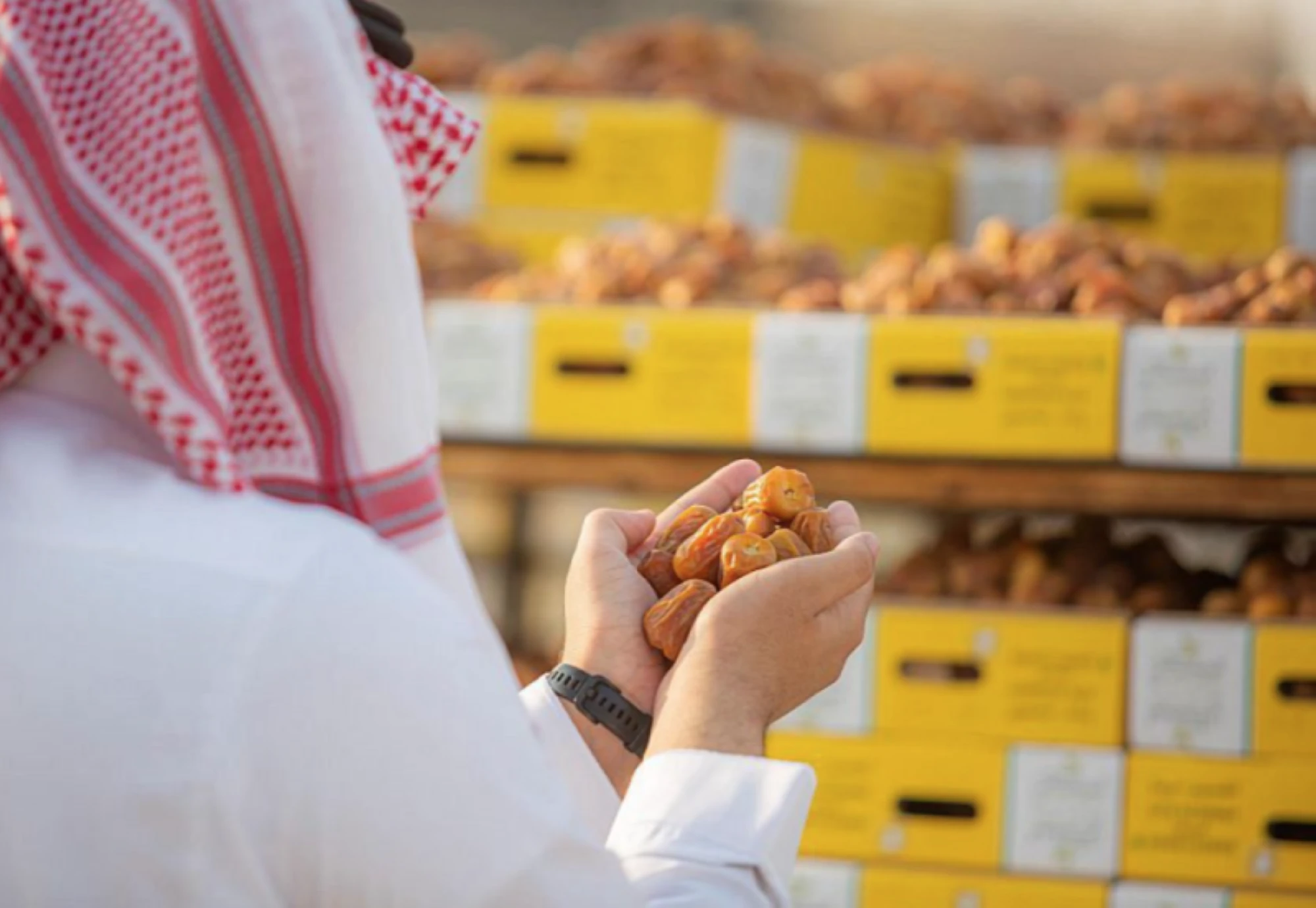
Also known as the central date market, Souq Al Tumor is one of the better known places to procure the sweet snack, and there are numerous different varieties of dates on display. Traders here are used to tourists and locals asking for samples before they make a purchase, so don’t be afraid to ask. If you plan to haggle, do so respectfully – polite offers are fine, but aggressive or overly direct bartering is off the table – and remember, a final price is just that. Walking around the date market also gives visitors a little taste of Saudi culture, as vendors sell the region’s favourite welcome food.
4. Bilal Mosque Market
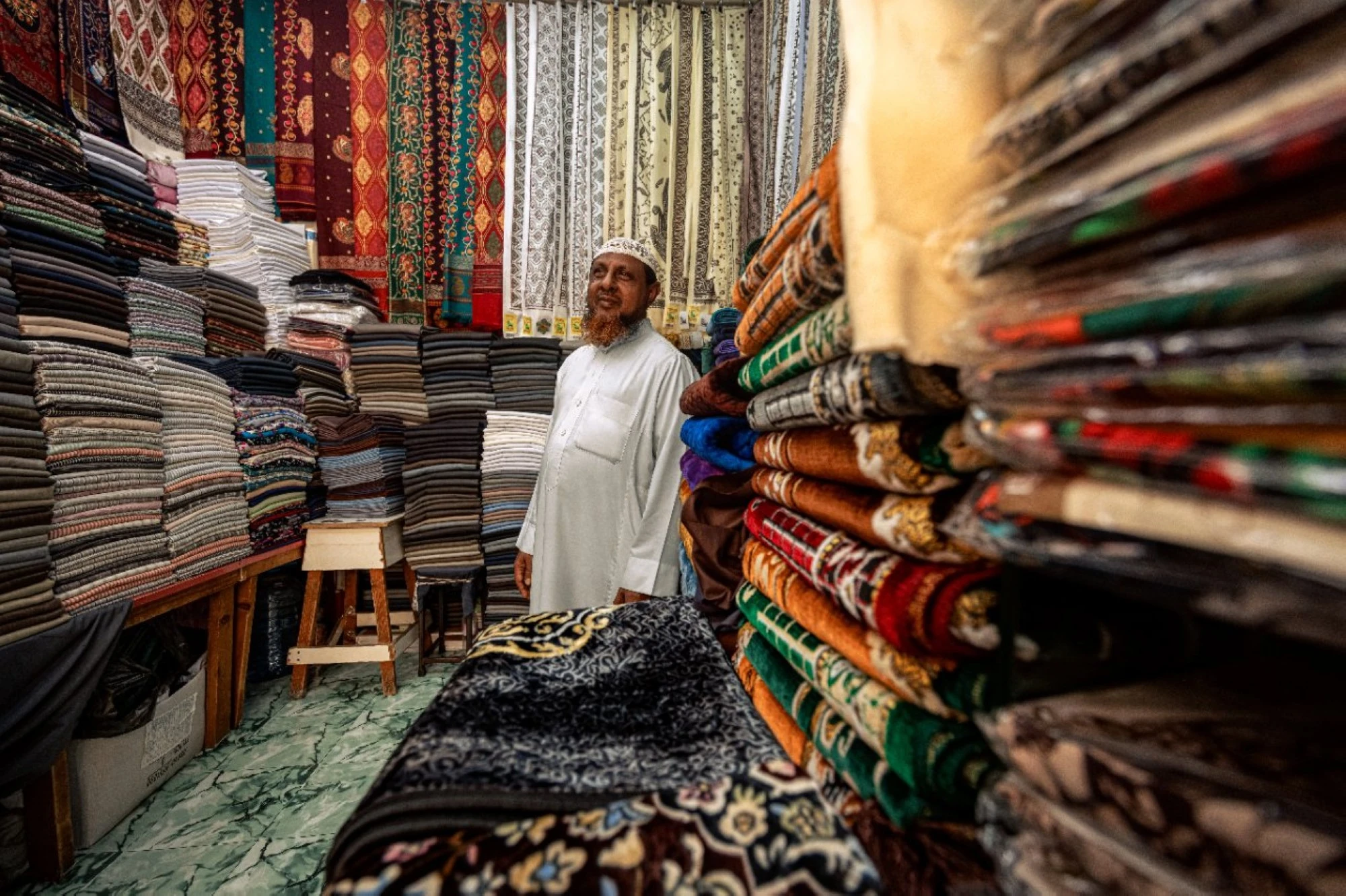
Located close to Bilal Mosque, stalls here are set up for the tourist trade, with numerous languages spoken by market traders and endless souvenirs, handicrafts and traditional goods on offer. As well as the usual clothing and textiles, there’s also a section of the market where gold and jewellery shops can be found en masse.
The market swells during Hajj and around Ramadan, when visitors to the city tour the market for souvenirs and bargains, but don’t be put off visiting during busy times – there’s a lively jostle and plenty of goods to go around.
5. Souq Al Gharbiah
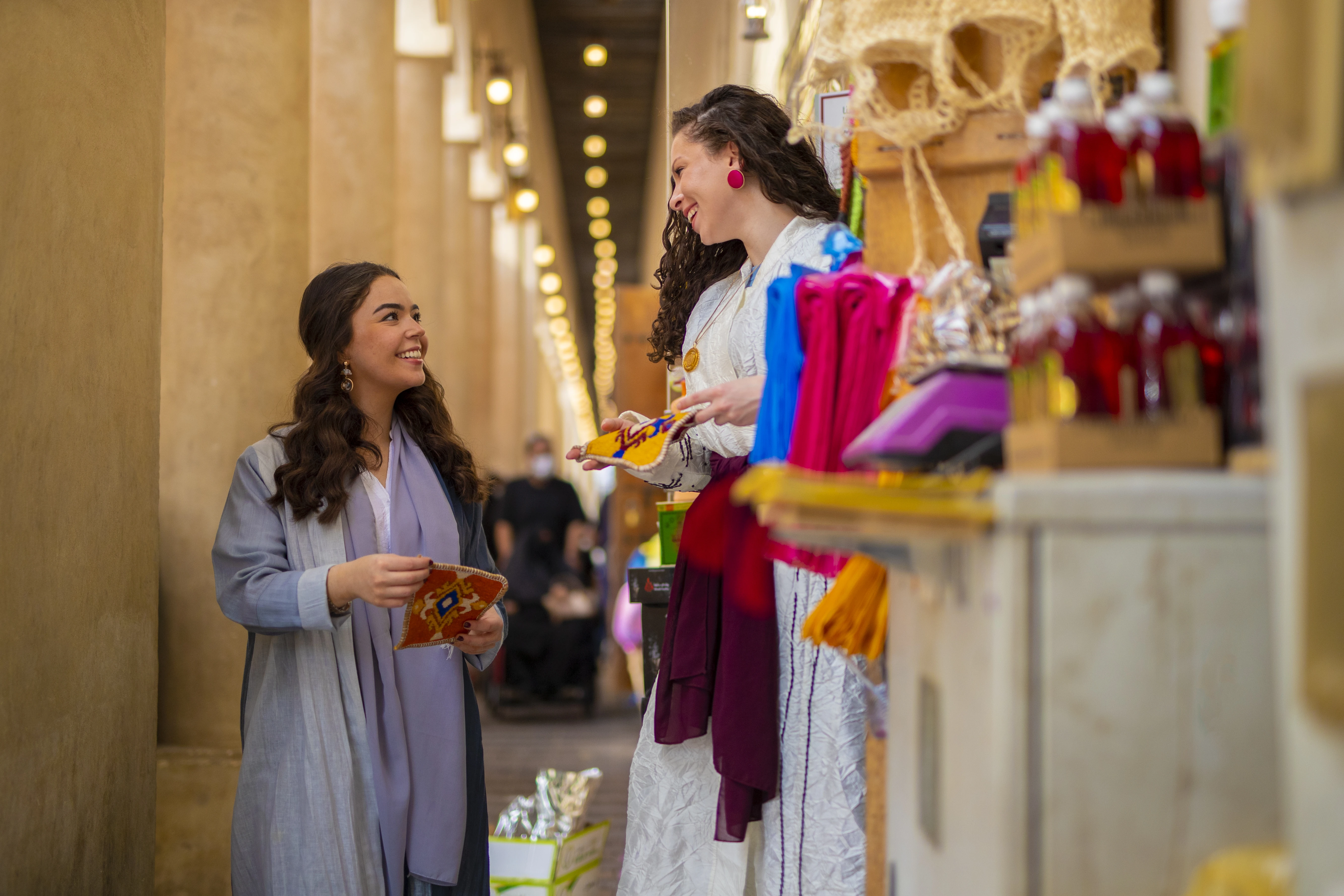
A shopping mall with the busy feel of a bustling market, Souq Al Gharbiah is a great place to break up a day’s sightseeing (although there are so many different shops and stalls to browse, you might find you spend more of the day here than you mean to). From beautiful Arabian jewellery designs to crafts, clothing and souvenirs, there’s plenty to haggle for here (and you’re likely to hear a fair bit of bartering and salesmanship as you wind your way through the market). Take a break from the shopping to sample some of the delicious food on offer here, where local dishes rule supreme (save room for the sweets).
6. Madina Central Market
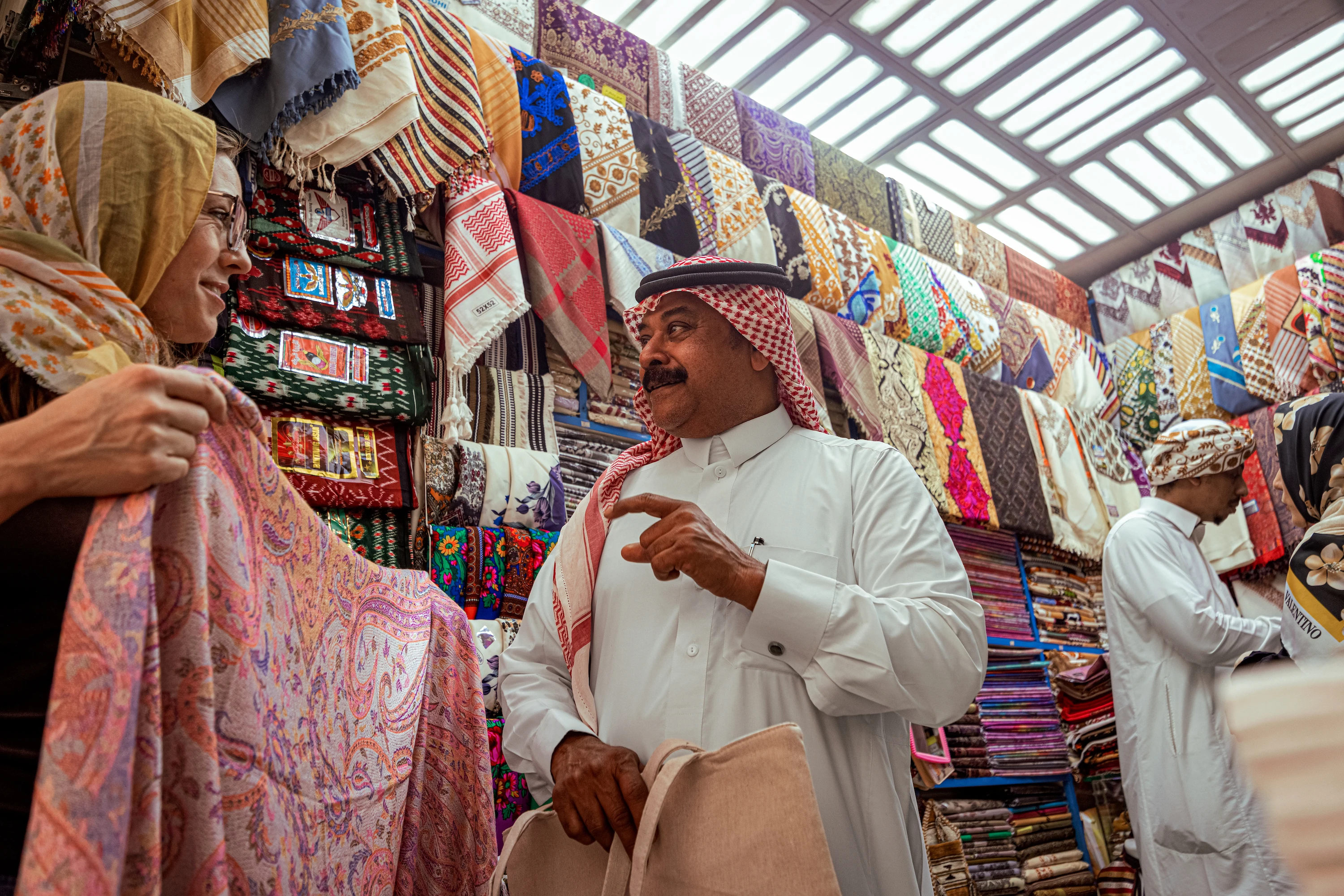
A market in name, if not in the traditional sense. You won’t find any winding oud-filled lanes here, rather a gargantuan enterprise with more than 1,000 different food outlets (mainly fruits and vegetables but you’ll also spot seafood, meat and some household items on display). Much of what’s on offer is wholesale, and customers buy in bulk, but there are some smaller items for sale and it’s worth a look for the sheer volume of goods on offer. There’s also an extensive date market, where rows and rows of different types of date can be found. Harvesting season ends in August, after which the market is full to the brim.