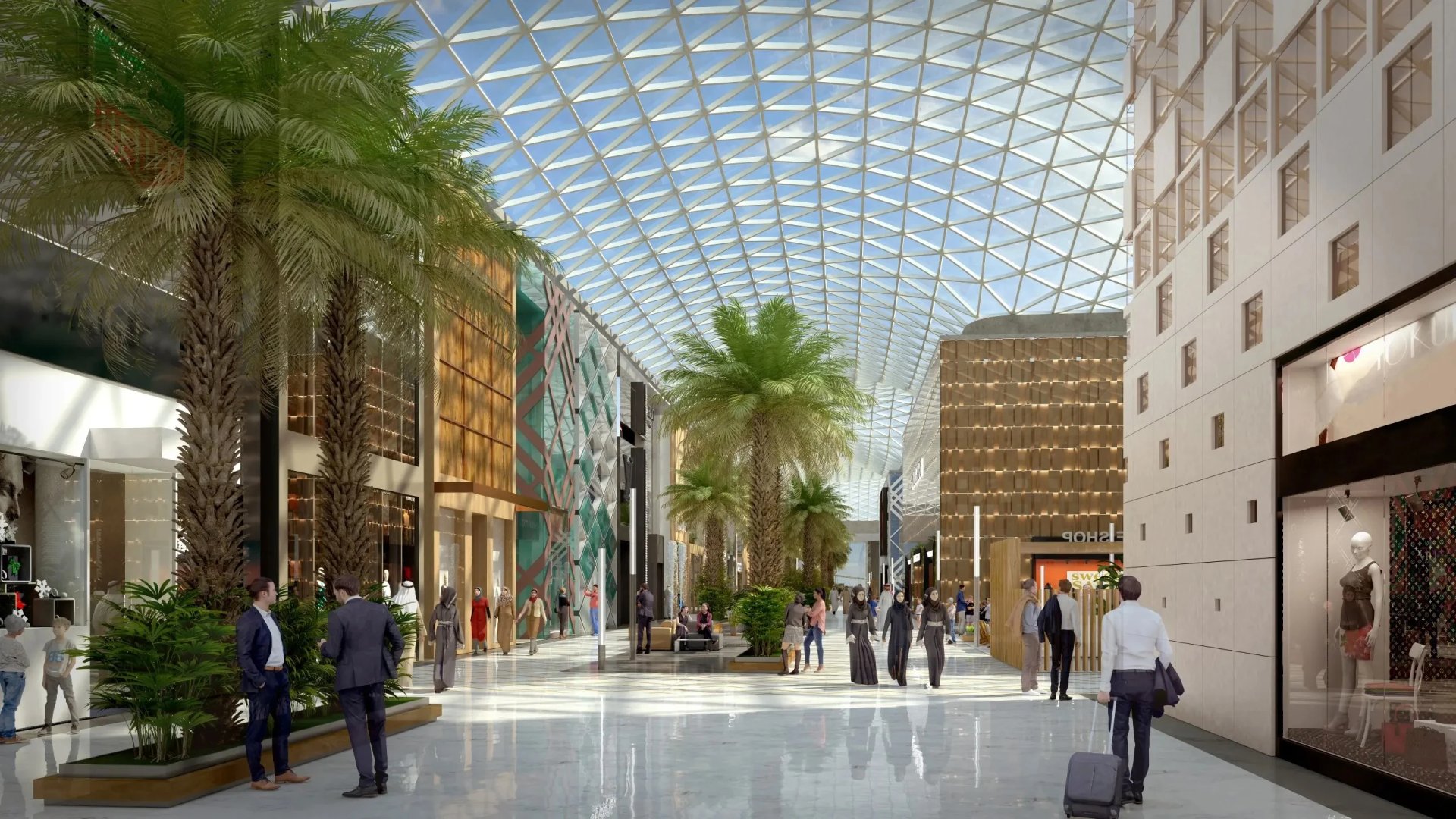


Dubai offers two distinct retail universes. The first is the serene, air-conditioned perfection of the mall, a global benchmark for commerce. The second, found beyond the automatic doors, is the chaotic, human and altogether more compelling world of markets in Dubai. In the historic souks of Old Dubai, trade is a sensory negotiation – a conversation played out over the glint of gold, the scent of frankincense and the good-natured insistence of a vendor's call.
In the city's modern weekend gatherings, it is a showcase of local artisanship and organic produce. To truly understand the commercial soul of this city, one must step away from the polished marble and into the vibrant throng. This is your guide to the markets in Dubai.
1. The Gold Souk
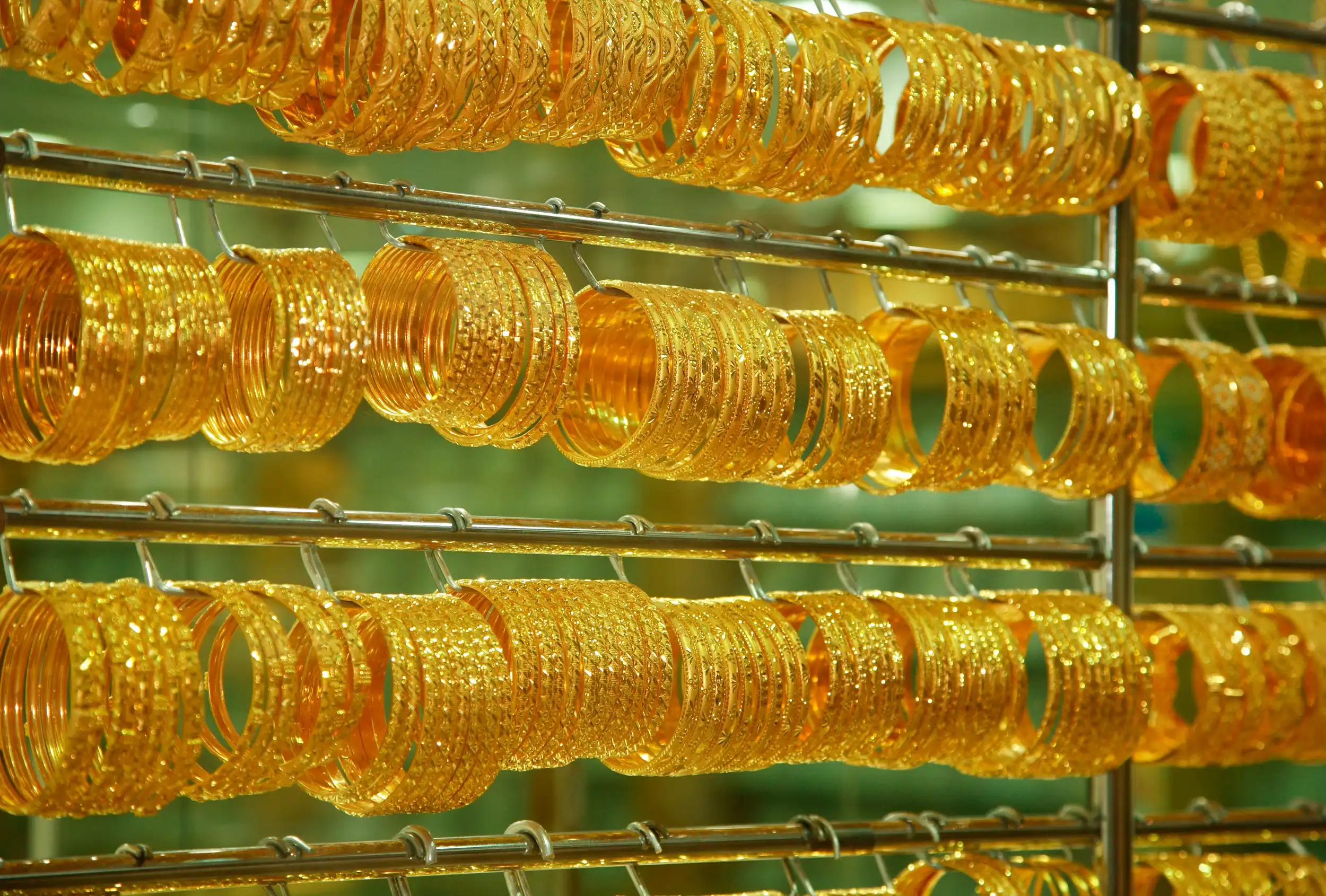
In the heart of Old Dubai's Deira district, under traditional wooden-roofed walkways, gold is the universal language. This is not a street of shops but a dazzling covered district, where hundreds of windows are hung so densely with 18 and 22-carat gold that the entire souk seems to glow. The sheer weight and artistry on display established Dubai as a global trading hub, and even for the casual browser, the spectacle is undeniable.
For prospective buyers, understanding the etiquette is key: the price of gold is fixed to its international daily rate, but the craftsmanship – the ‘making charge’ – is where your polite negotiation begins. The souk is open seven days a week, typically from 10am to 10pm, but a visit in the early evening offers a more comfortable experience and the gold's best lustre.
2. The Spice and Perfume Souks
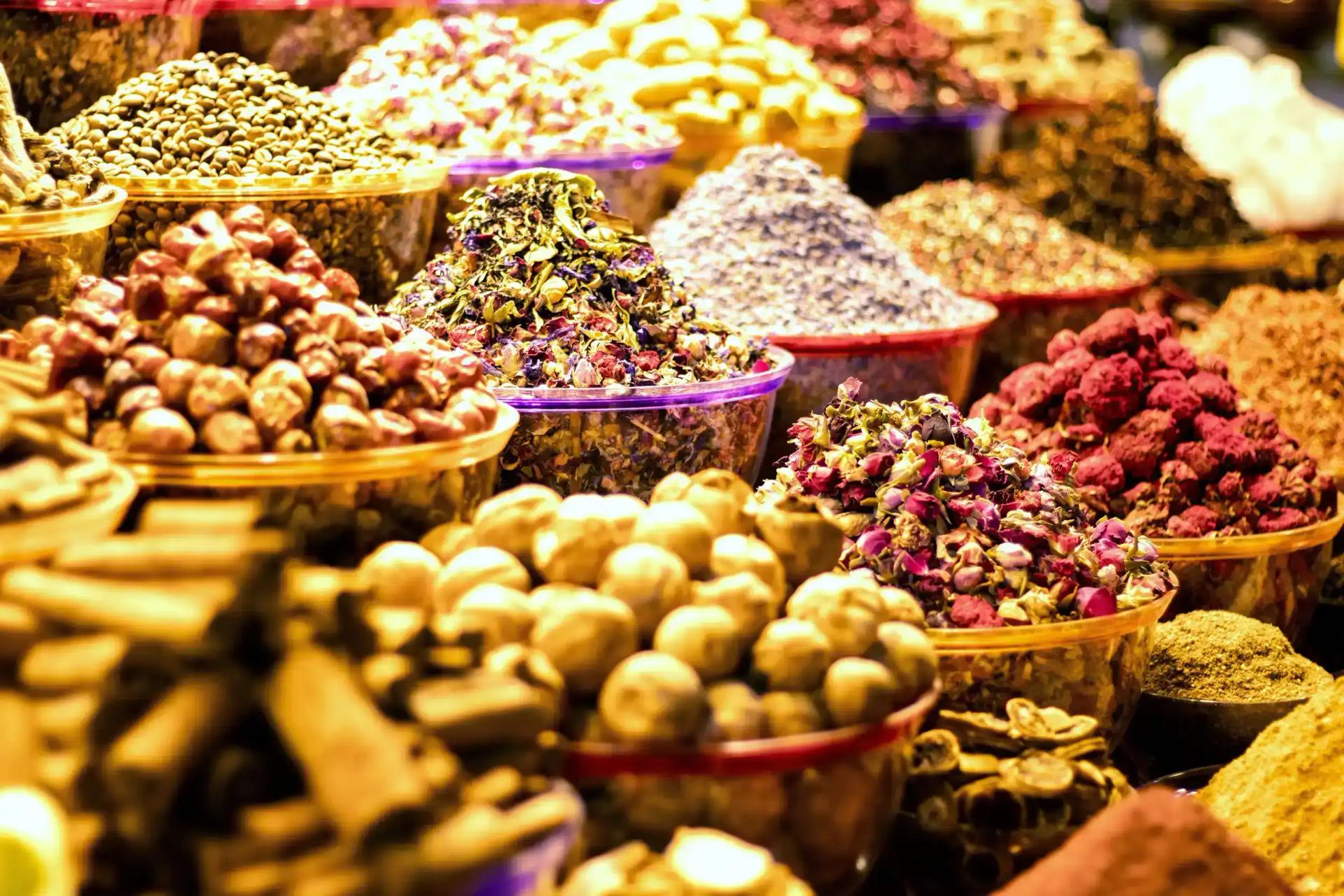
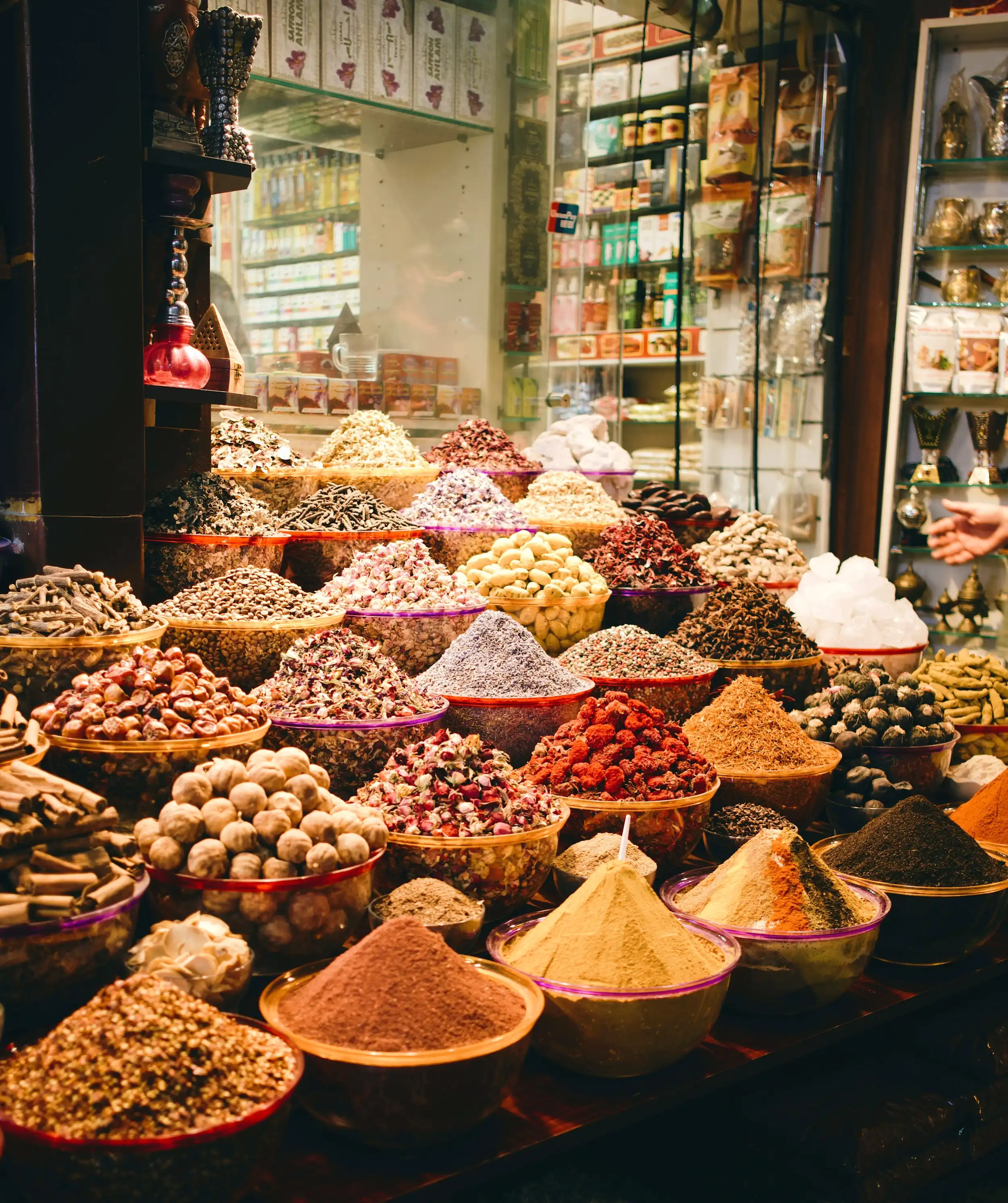
A short walk from the Gold Souk, the experience shifts from sight to the heady world of scent. In the narrow, shaded lanes of the Dubai Spice Souk, the air itself becomes a commodity, rich with the earthy aroma of overflowing sacks of turmeric, cumin and sumac, the sweetness of cinnamon bark and vanilla pods, and the sharp tang of dried lemons.
Vendors will invite you to touch and smell, offering saffron threads and frankincense resin for your consideration. Nearby, the Perfume Souk offers a deep dive into Arabian fragrance, from the raw, smoky intensity of oud chips to the delicate, alcohol-free attar oils sold in ornate glass vials. For a truly unique memento, many vendors will blend a personal fragrance for you on the spot.
3. The Textile Souk (Grand Souk Dubai)
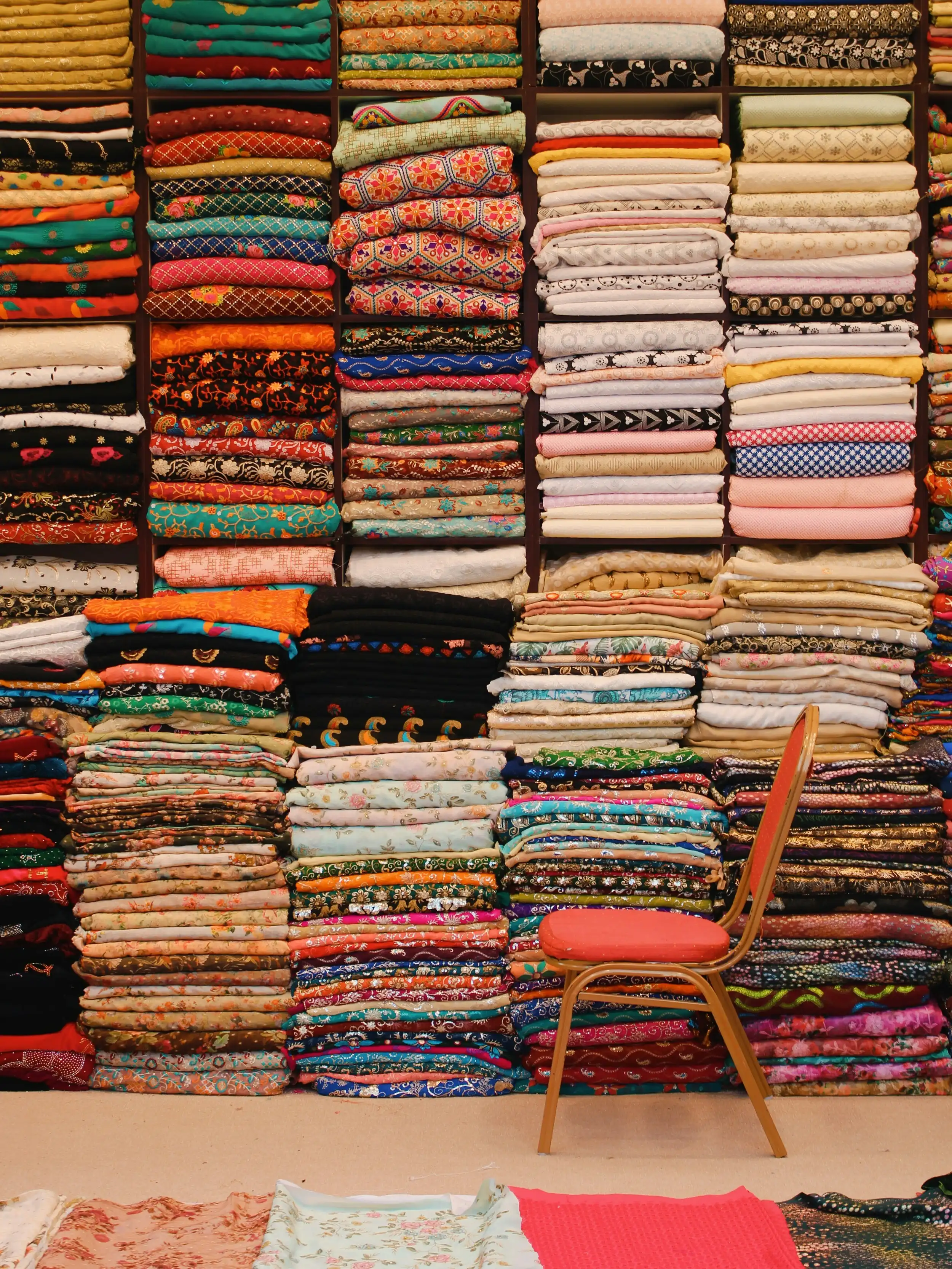
An essential one-dirham abra ride across Dubai Creek from Deira leads to Bur Dubai’s Grand Souk, more popularly known as the Textile Souk. Beneath a beautifully restored arcade, shops are stacked floor-to-ceiling with an immense variety of fabrics: fine silks, lightweight cottons and bolts of richly embroidered textiles used for saris and kanduras. A key part of the souk's ecosystem is the legion of skilled local tailors; for a remarkable souvenir, they can turn your chosen fabric into a custom piece of clothing, often within 24 hours.
4. Naif Souk
For a less touristic and more direct commercial experience, Deira's Naif Souk is an essential stop. Once the site of a bustling camel market, it has since been transformed into a modern, two-story air-conditioned complex containing over 100 shops. This is the heart of bargain-hunting in the city, directly addressing the search for cheap shopping markets in Dubai with its near-wholesale prices.
It is particularly known for its vast selection of affordable abayas, jalabiyas, textiles and modest fashion, though you can also find electronics and souvenirs. The atmosphere is energetic and no-frills; while negotiation is still welcome, the starting prices are among the most competitive in the city.
5. Souk Madinat Jumeirah
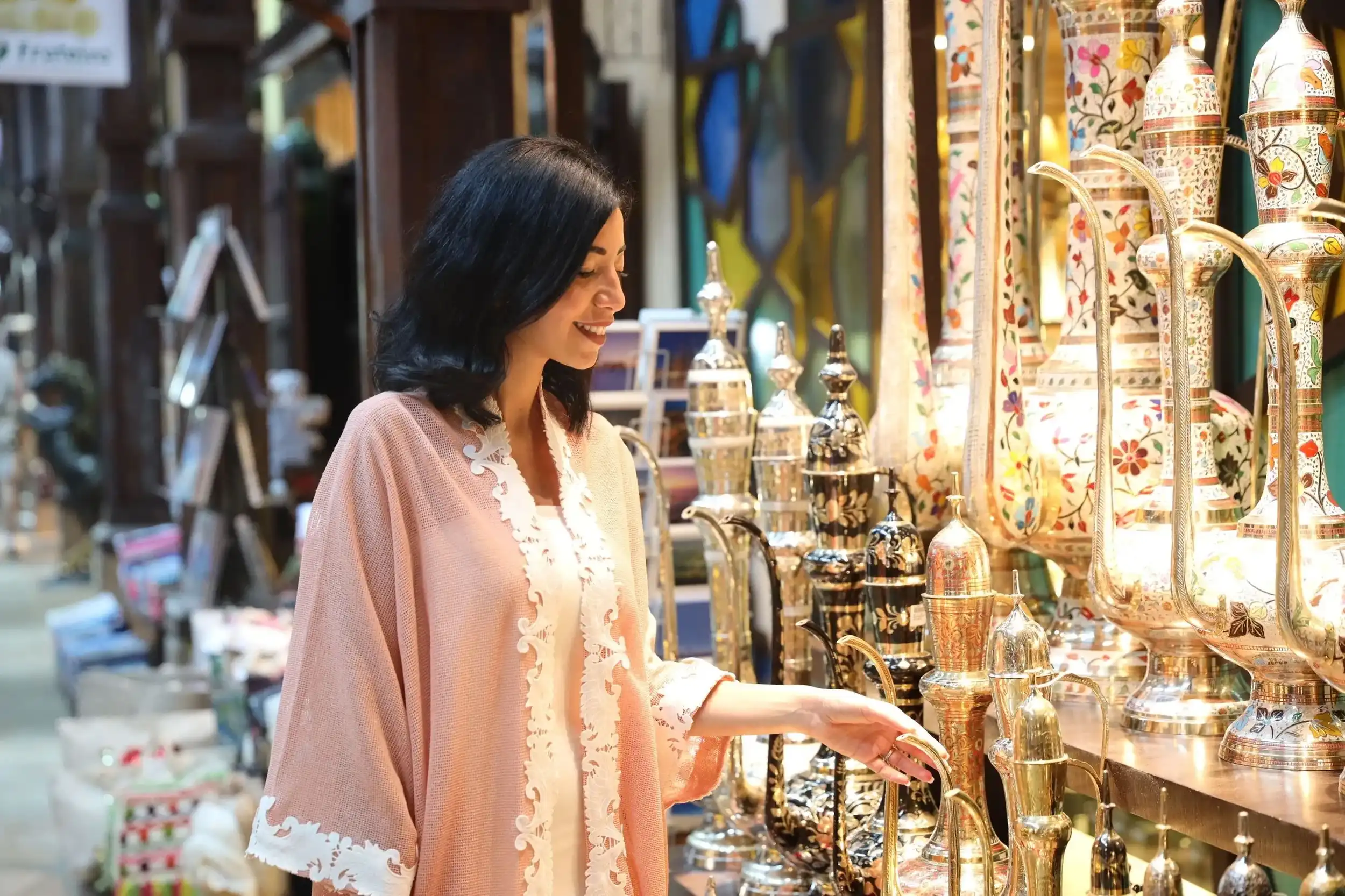
This is the idea of a traditional souk translated into a modern, luxury vernacular. Purpose-built within the sprawling Madinat Jumeirah resort, this air-conditioned marketplace offers a highly curated and sanitised version of a traditional marketplace. Its lantern-lit alleyways and architectural wind towers are lined with high-end boutiques, art galleries, and craft shops, all set along serene waterways with impressive views of the Burj Al Arab.
A popular activity is taking a traditional abra tour along these canals for a different perspective. Here, the boisterous haggling of Old Dubai is replaced by fixed prices, and the focus is on discovering premium, artisanal goods in a tranquil environment, often followed by a meal at one of the adjacent world-class restaurants.
6. The Waterfront Market
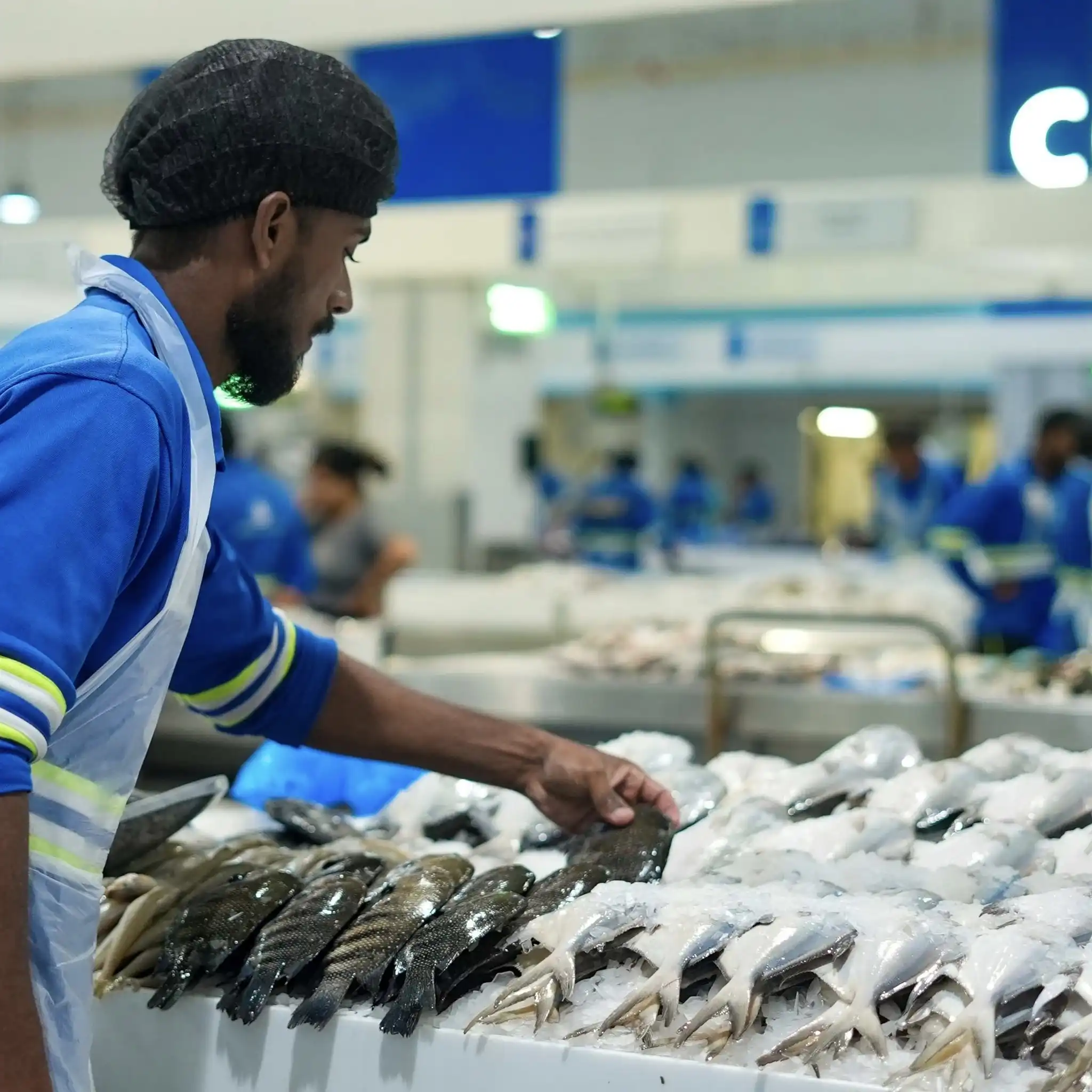
On the Deira Corniche, the vast and impressively organised Waterfront Market is the modern successor to Dubai's old, chaotic fish market. It is a gleaming, air-conditioned hub where the main hall presents a spectacular display of commerce, with vendors showcasing an incredible variety of seafood from the Arabian Gulf – from local favourites like hammour and kingfish to luxurious lobster and crab.
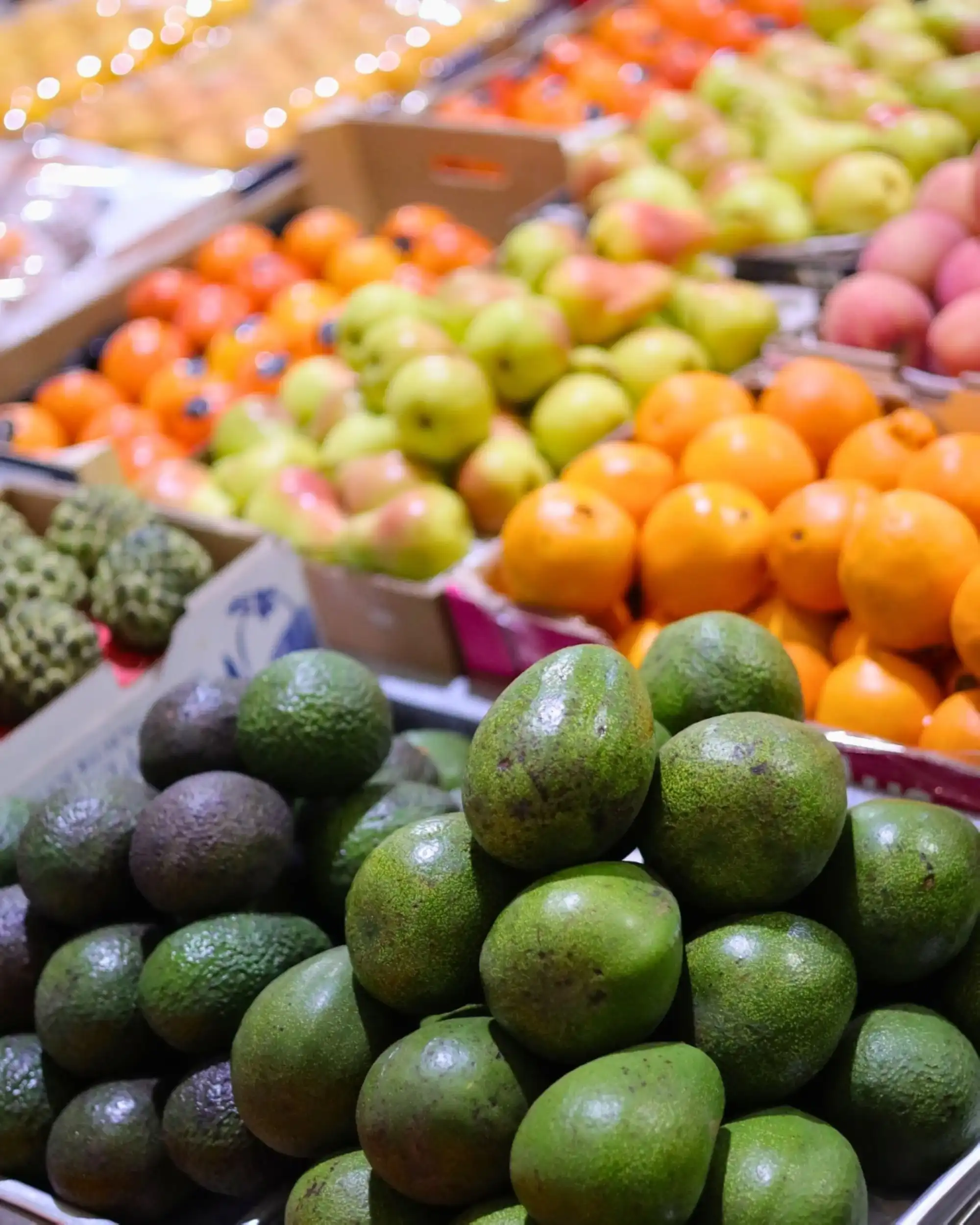
Beyond the fish, extensive halls for fresh meat, poultry, vibrant produce, honey and dates make it a cornerstone of daily life for residents and chefs. A key feature is the ‘buy-and-cook’ experience; purchase a fish and take it to one of the promenade restaurants to have it grilled or fried to your specifications for an unforgettably fresh meal. Best of all, the market is open 24 hours a day, seven days a week.
7. The Ripe Market
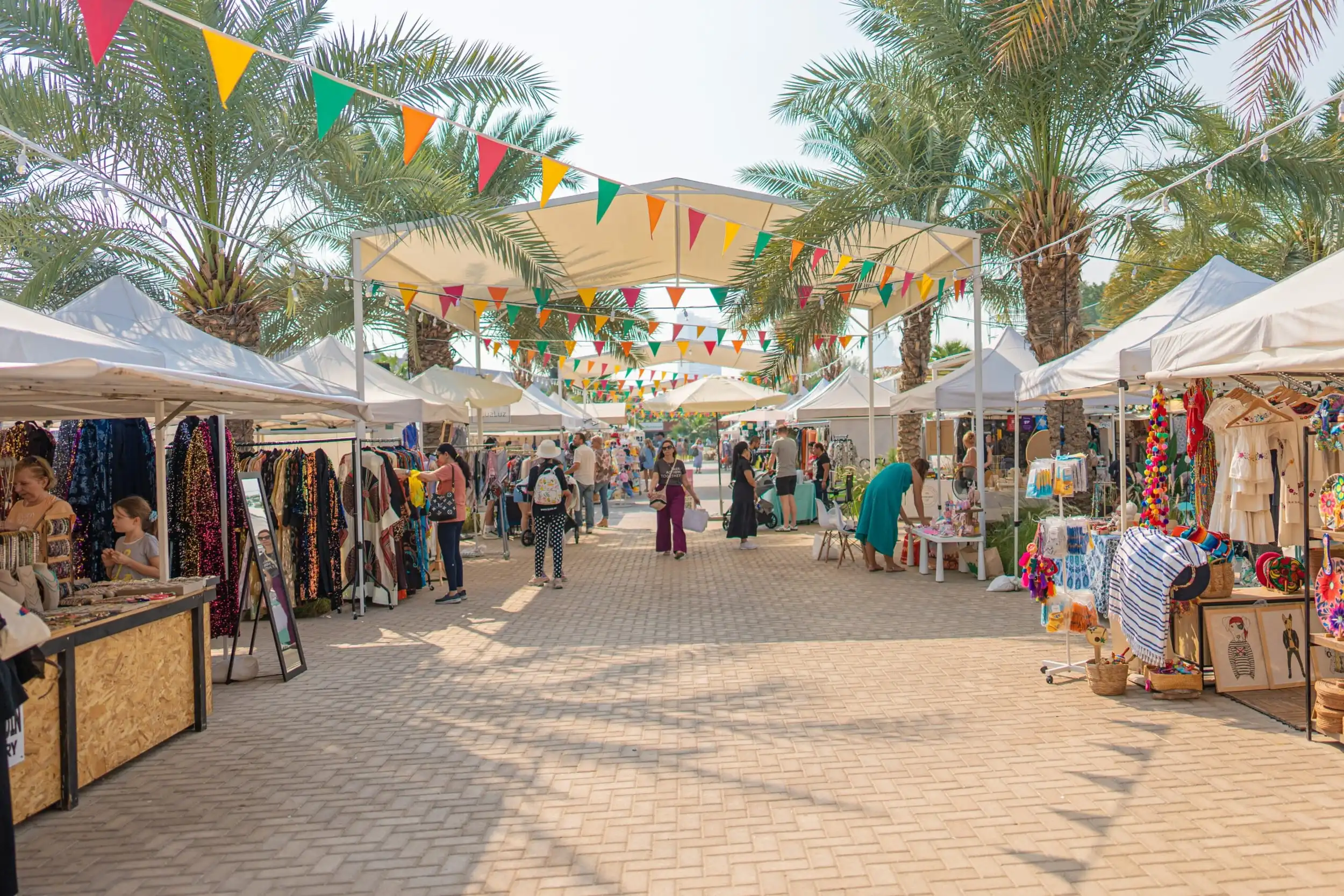
A fixture of Dubai’s community life, the Ripe Market is a social weekend gathering as much as it is a place to shop. Its location is seasonal: during the cooler winter months (roughly October to May), it is a bustling open-air affair under the trees of Academy Park, complete with live music and family activities. In the summer, it cleverly moves indoors to a spacious, air-conditioned venue like the Dubai Festival City Mall.
Regardless of the season, the focus is always on supporting local and small businesses, from organic vegetable farmers to artisan bakers, jewellery makers and craftspeople. The atmosphere is relaxed and friendly, offering a clear view into the city’s vibrant entrepreneurial spirit.
8. Dubai Flea Market
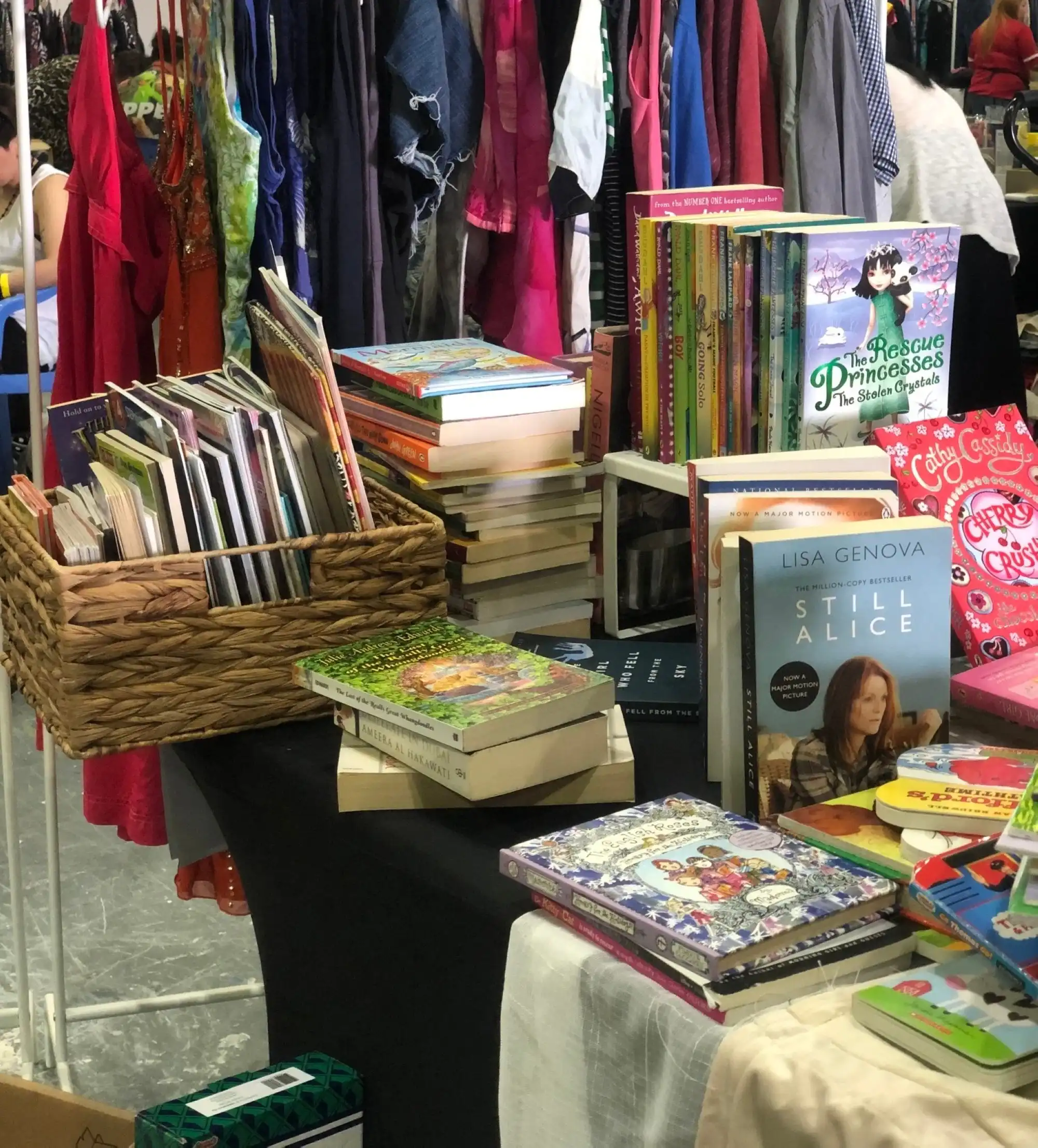
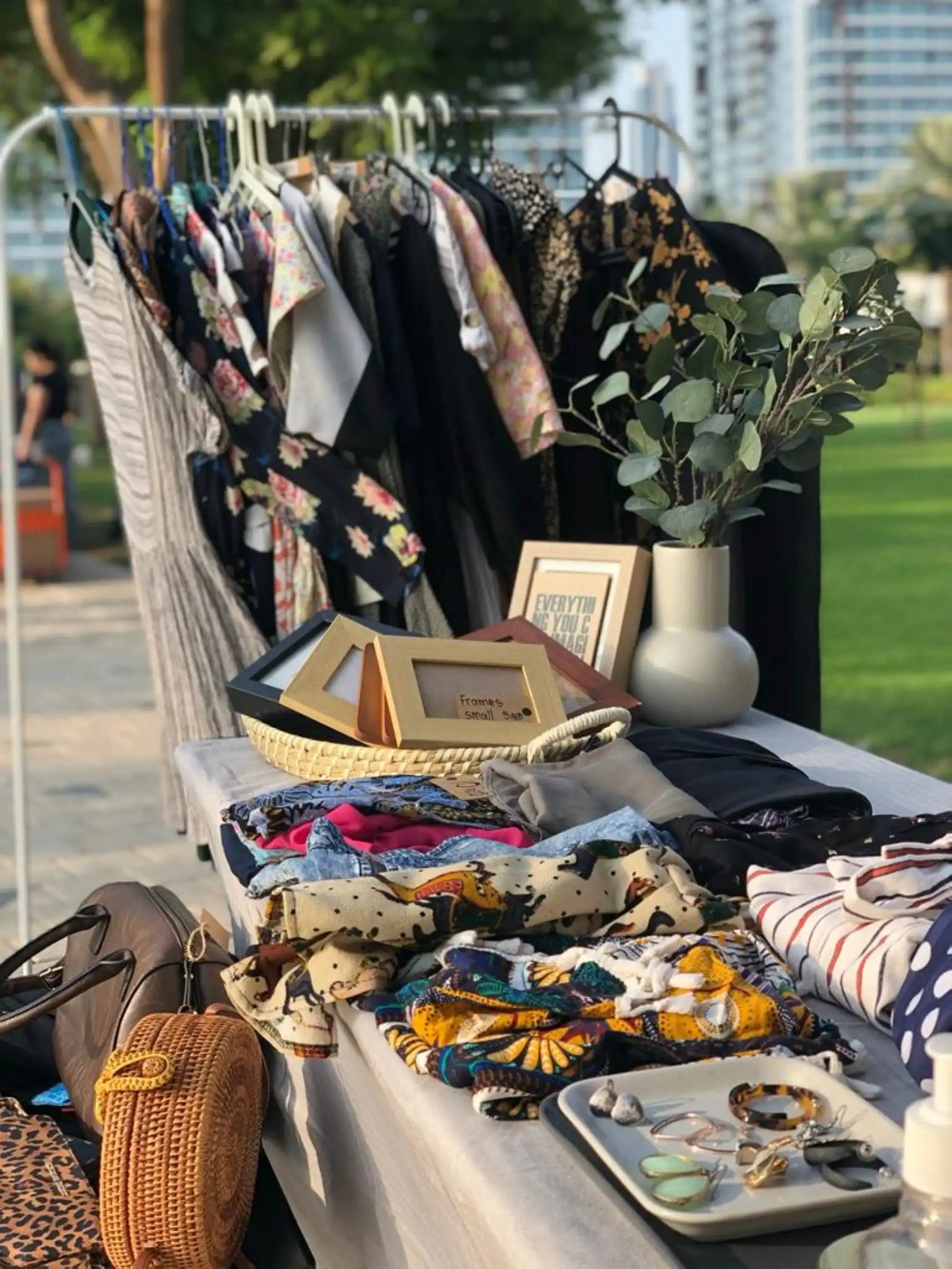
A nomadic event for dedicated bargain-seekers, the Dubai Flea Market pops up on various weekends throughout the year in city parks like Zabeel Park and Al Barsha Pond Park. This is a practical, peer-to-peer marketplace where residents sell second-hand goods, ranging from furniture and household items to vintage clothing, books and toys. Success requires patience and a willingness to sift through the offerings, but the potential for discovery is immense.
The etiquette is key: go early for the best selection, bring cash as most sellers don't accept cards, and expect to negotiate politely. A small park entrance fee is usually required. As the schedule and specific location change each month, checking their official website before you go is absolutely essential.
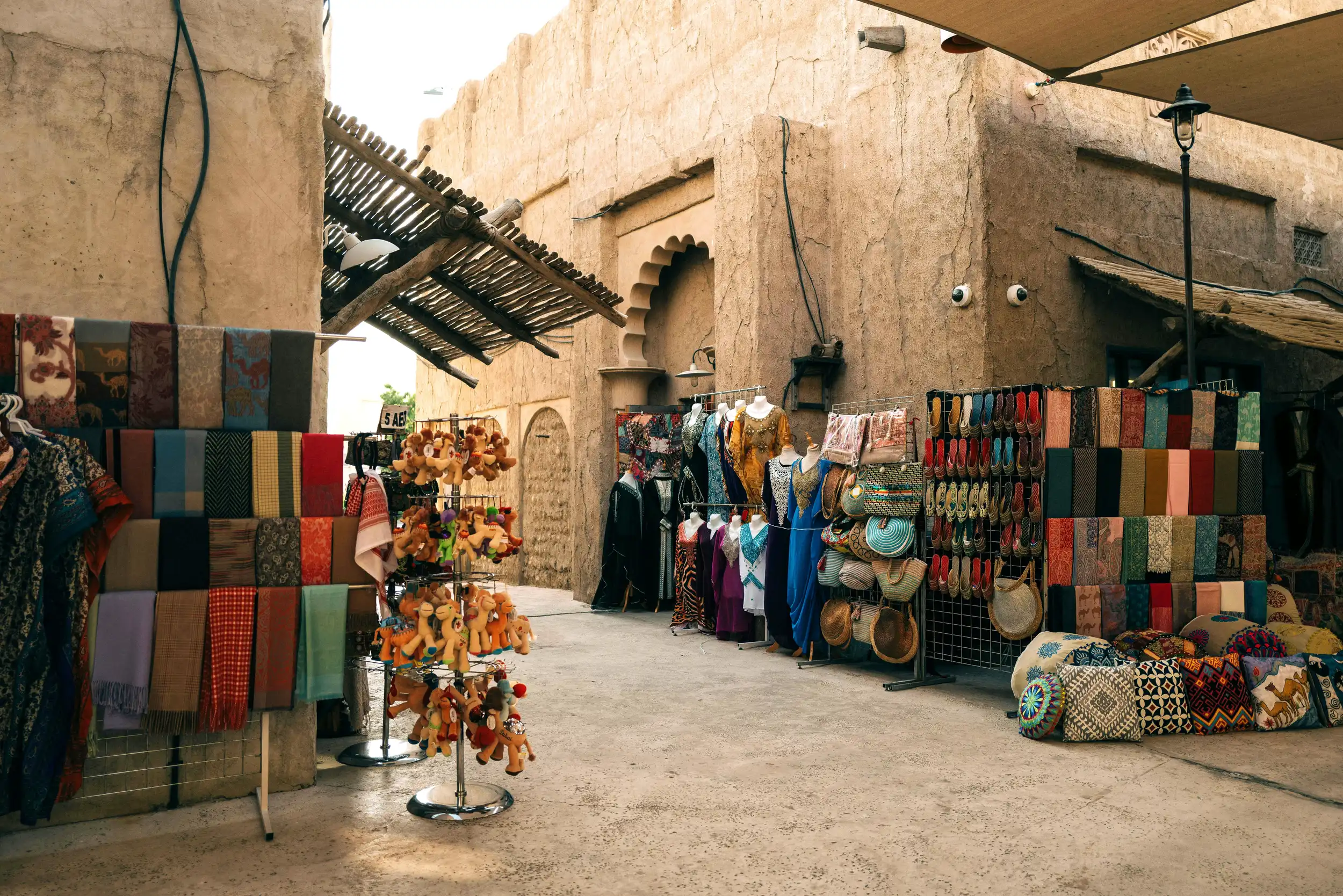
9. Seasonal & Pop-Up Markets
Some of Dubai’s most engaging markets are, by nature, temporary. It is always wise to check local listings for seasonal events, especially during the cooler months from October to May. In previous years, pop-ups like the Covent Garden Market have appeared at destinations like The Beach, JBR, bringing with them street performers and unique retail concepts.
The city truly comes alive in December with festive Christmas markets. The annual event at Madinat Jumeirah remains a major highlight, transforming its waterways into a winter wonderland with faux snow, seasonal food and artisan gifts. For a grander scale, the Winter City at Expo City Dubai offers another spectacular festive experience. These events, typically running from mid-December, are ephemeral but offer a timely snapshot of the city's dynamic market culture.