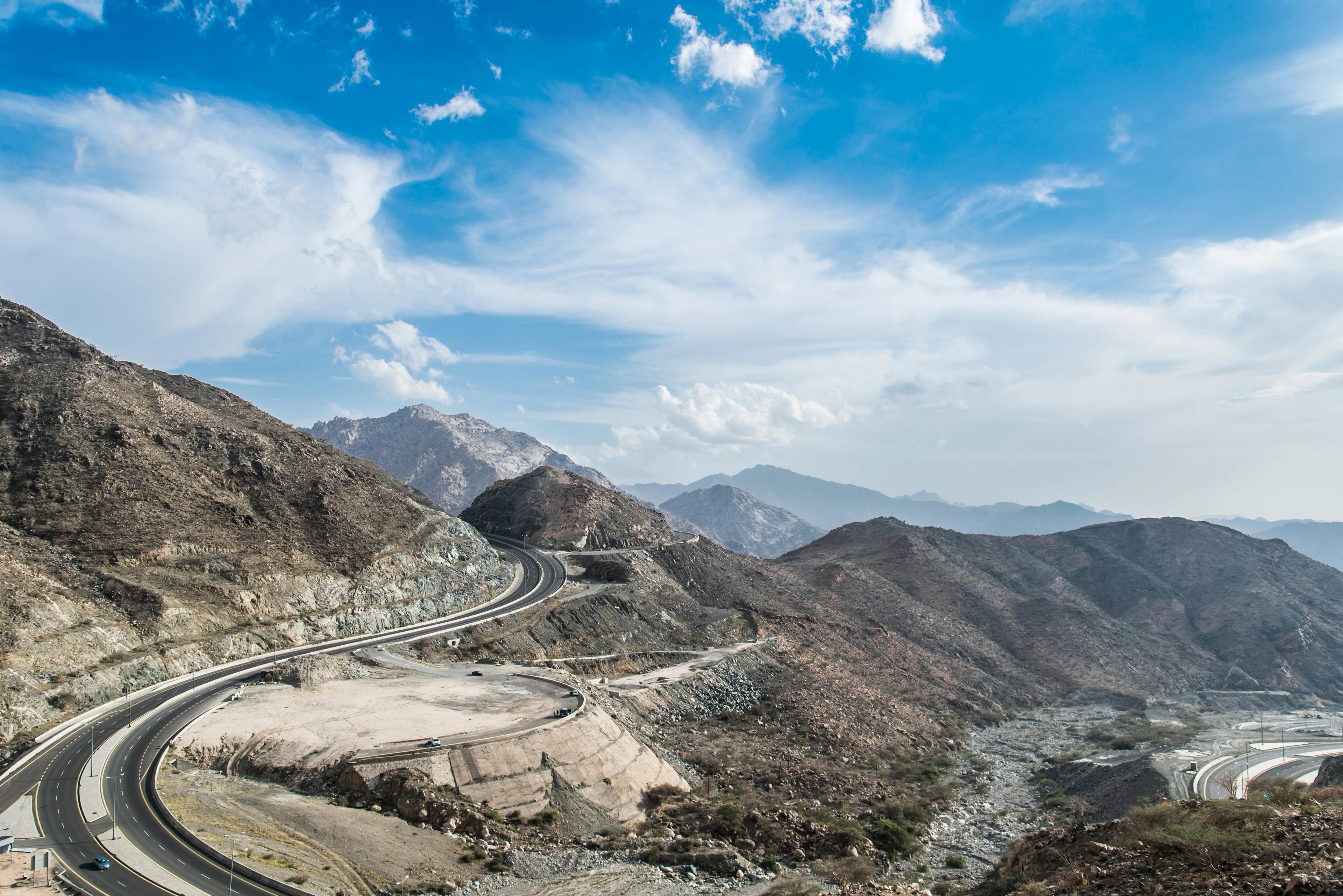



As you follow the winding road 45 kilometres west of Abha, deep into the emerald green of Aseer’s mountains, the air cools and the clouds drift so low they almost brush your window. The route draws you into Rijal Almaa, a village that feels both timeless and newly alive, once a vital corridor for traders and pilgrims moving between Yemen, the Levant, Makkah, and Madinah.
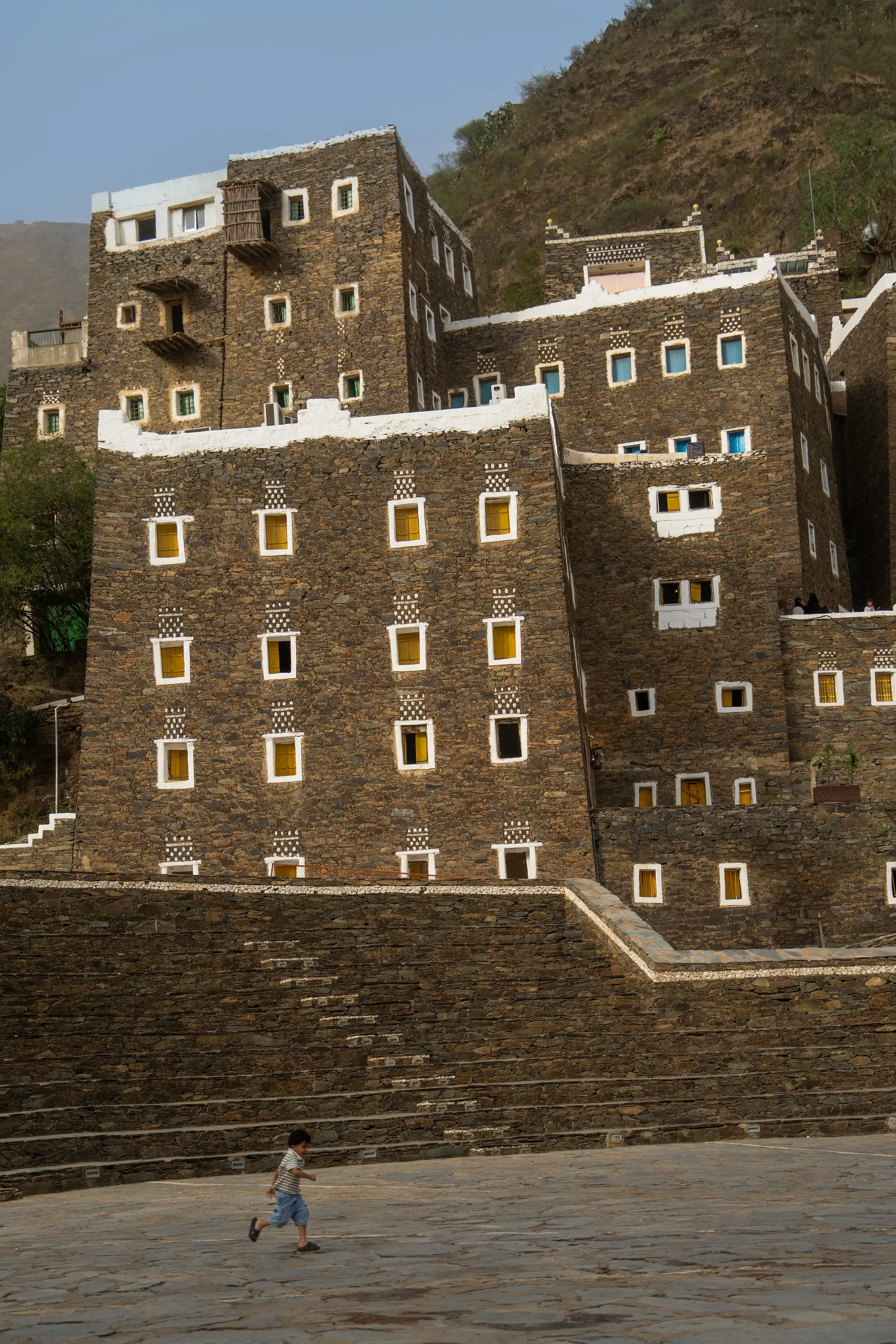
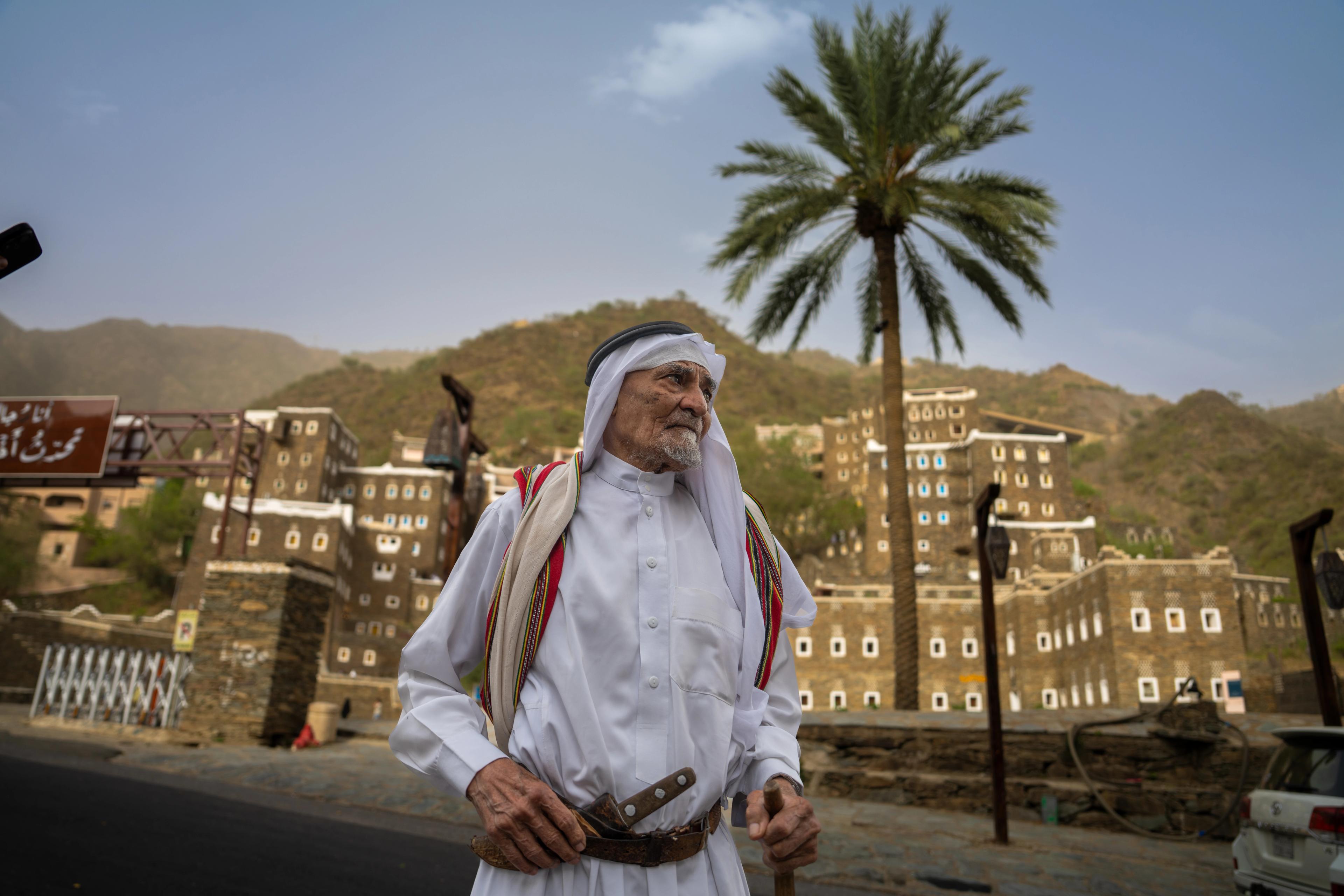
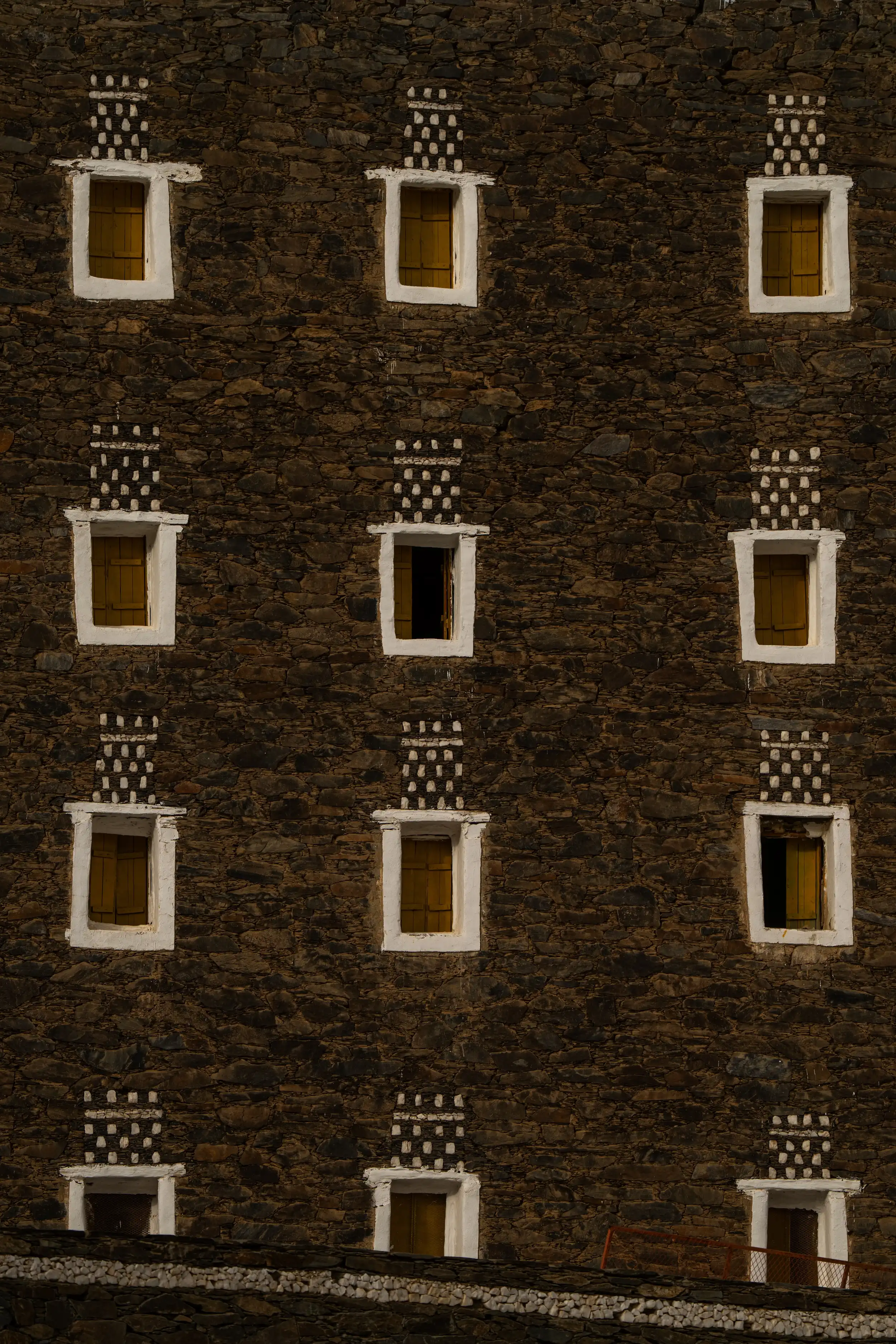
When you arrive, the first light spills over a riot of colour: stone towers in brown reds, edged in white quartz that catches the sun and throws it back across the valley. Here, each house stands like a silent sentinel, once a resting place for those on their journeys north.
A door swings open, carved solid wood that resembles a sculptural work rather than a simple threshold. Inside, intricate, hand-painted Aseeri art floods every wall, each pattern a conversation with the past.
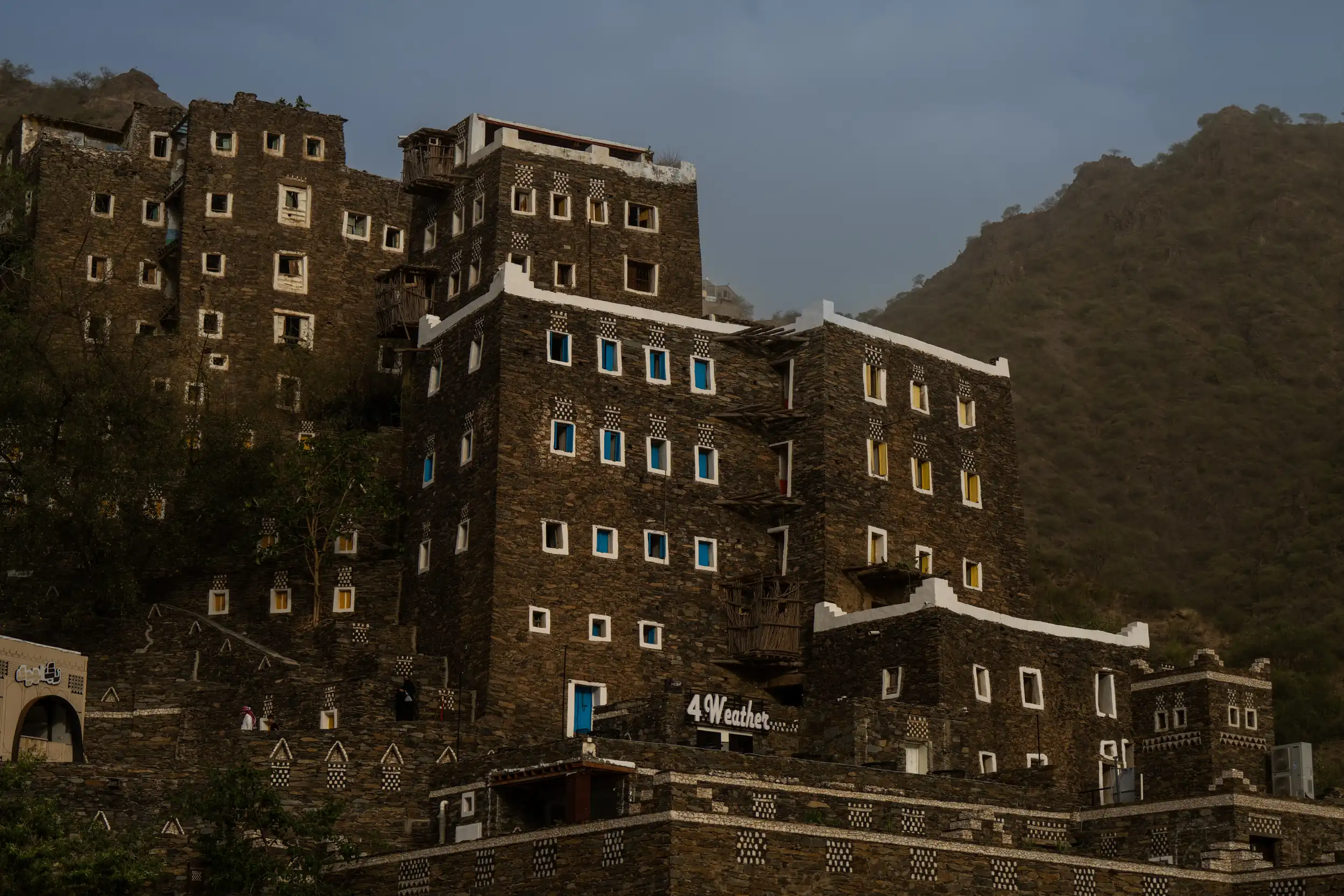
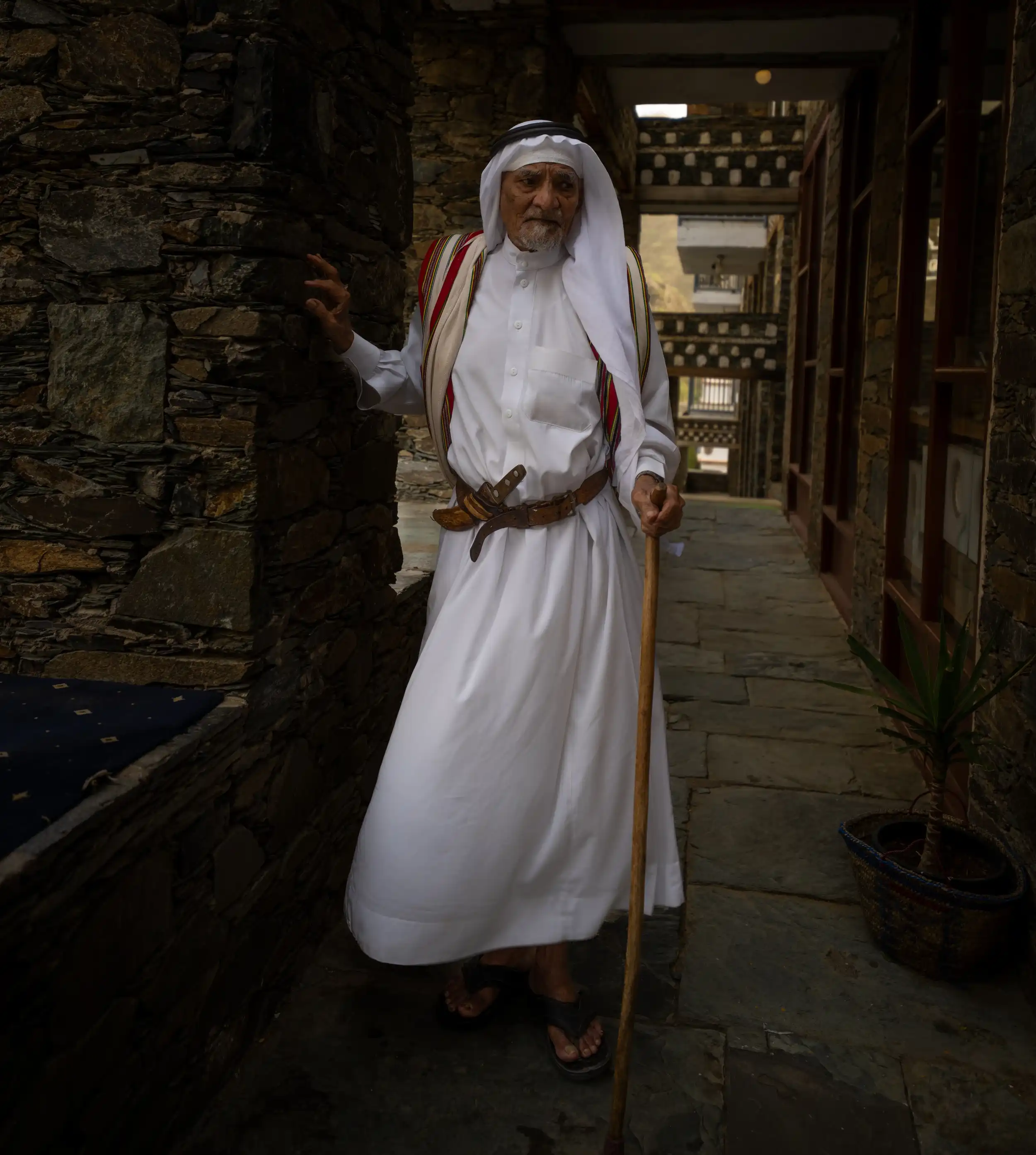
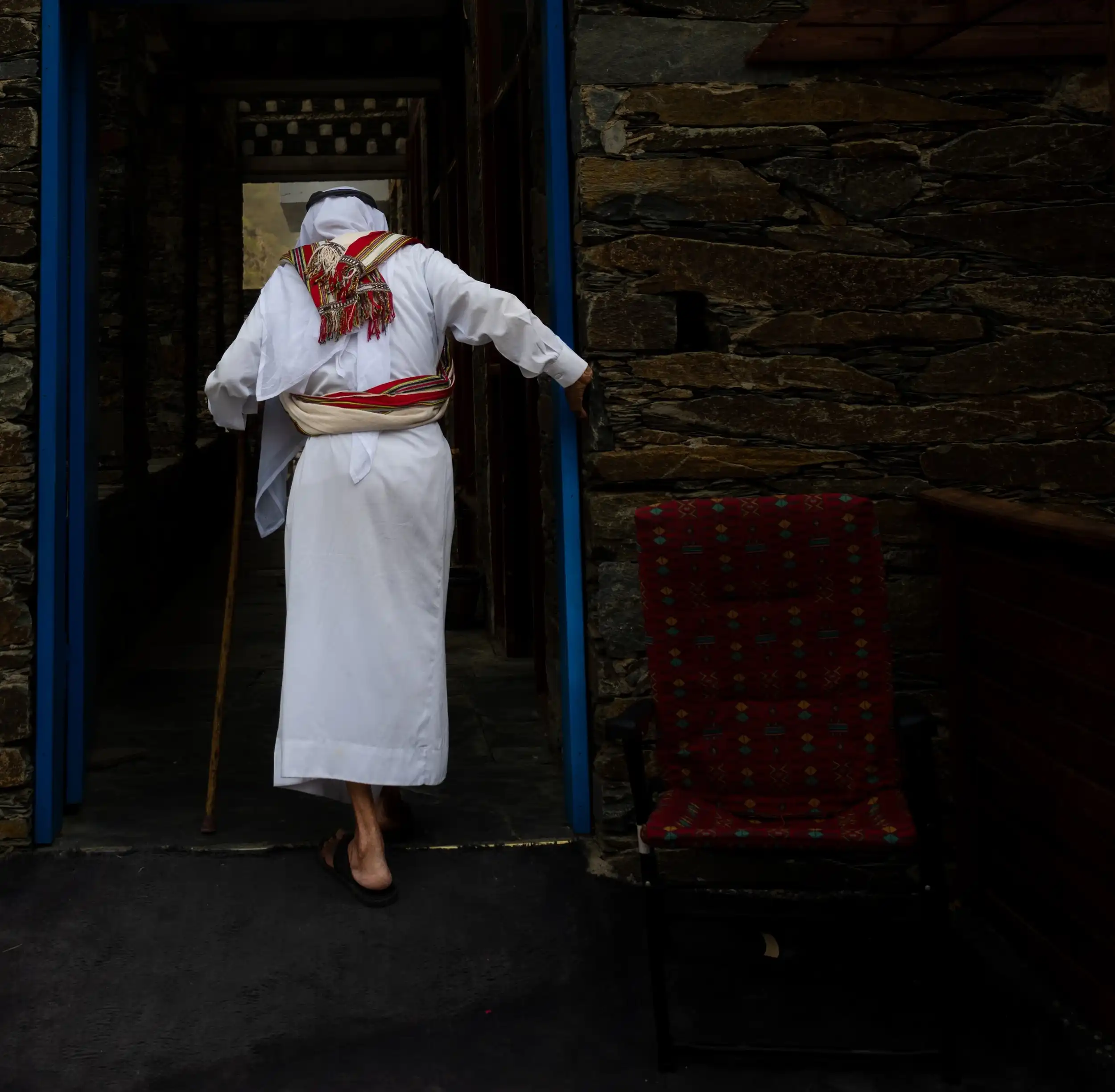
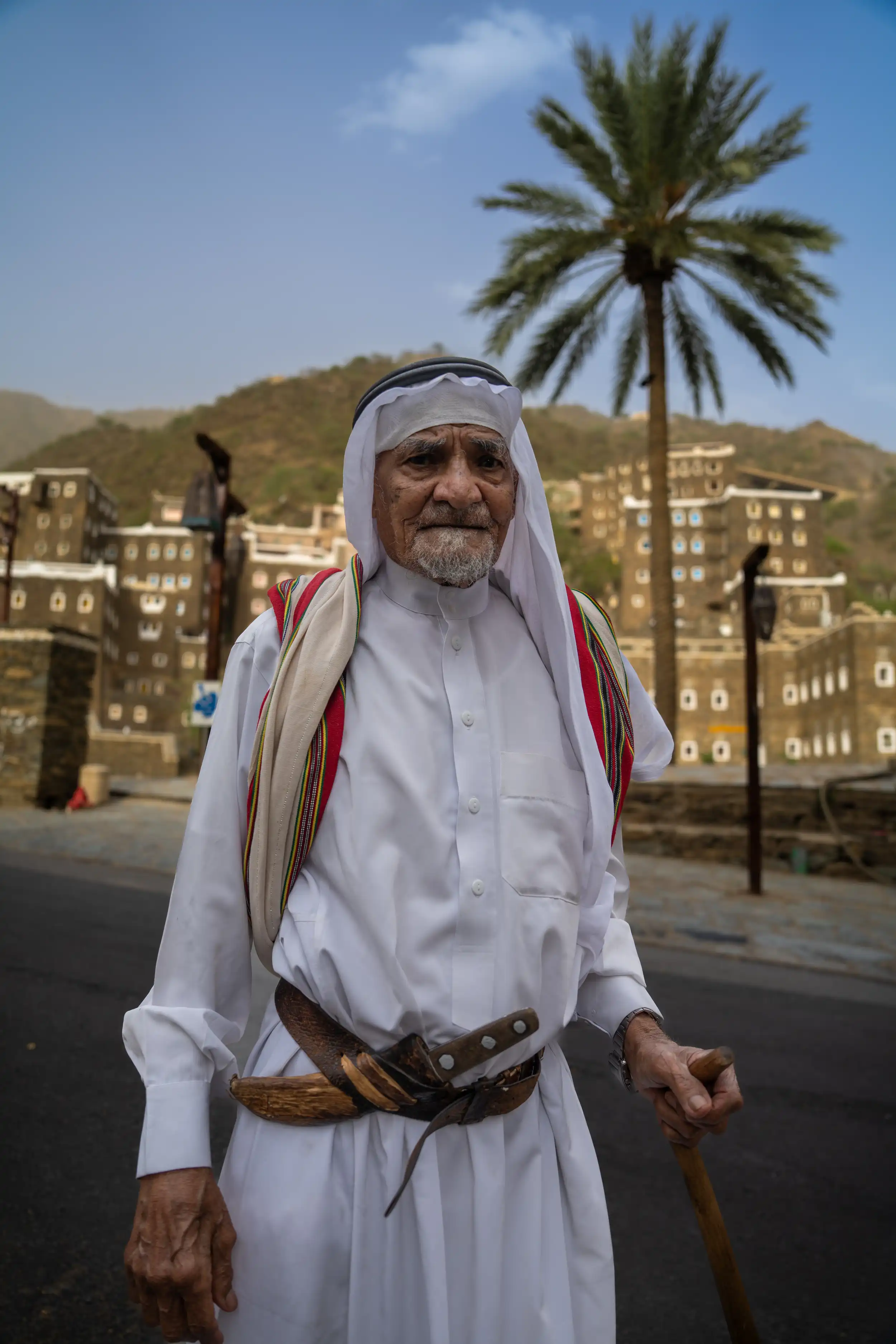
Walk through the streets and the beauty of Rijal Almaa deepens. People in local attire drift through narrow lanes lined with wildflowers. A resident pauses to share a taste of honey so delicate it feels like morning light on your tongue. In another doorway, laughter echoes up the hillside. Down the road is the museum, founded in 1985 and born from local hands and hearts. It holds stories in manuscripts and worn silver, each object a piece of lived memory.
The village, tucked between misty peaks, feels safe in a way that makes you want to stay longer than planned; protective yet open, welcoming to solo wanderers and families alike. Here, the rhythm of life is measured in long shadows and the scent of coffee drifting through the air.
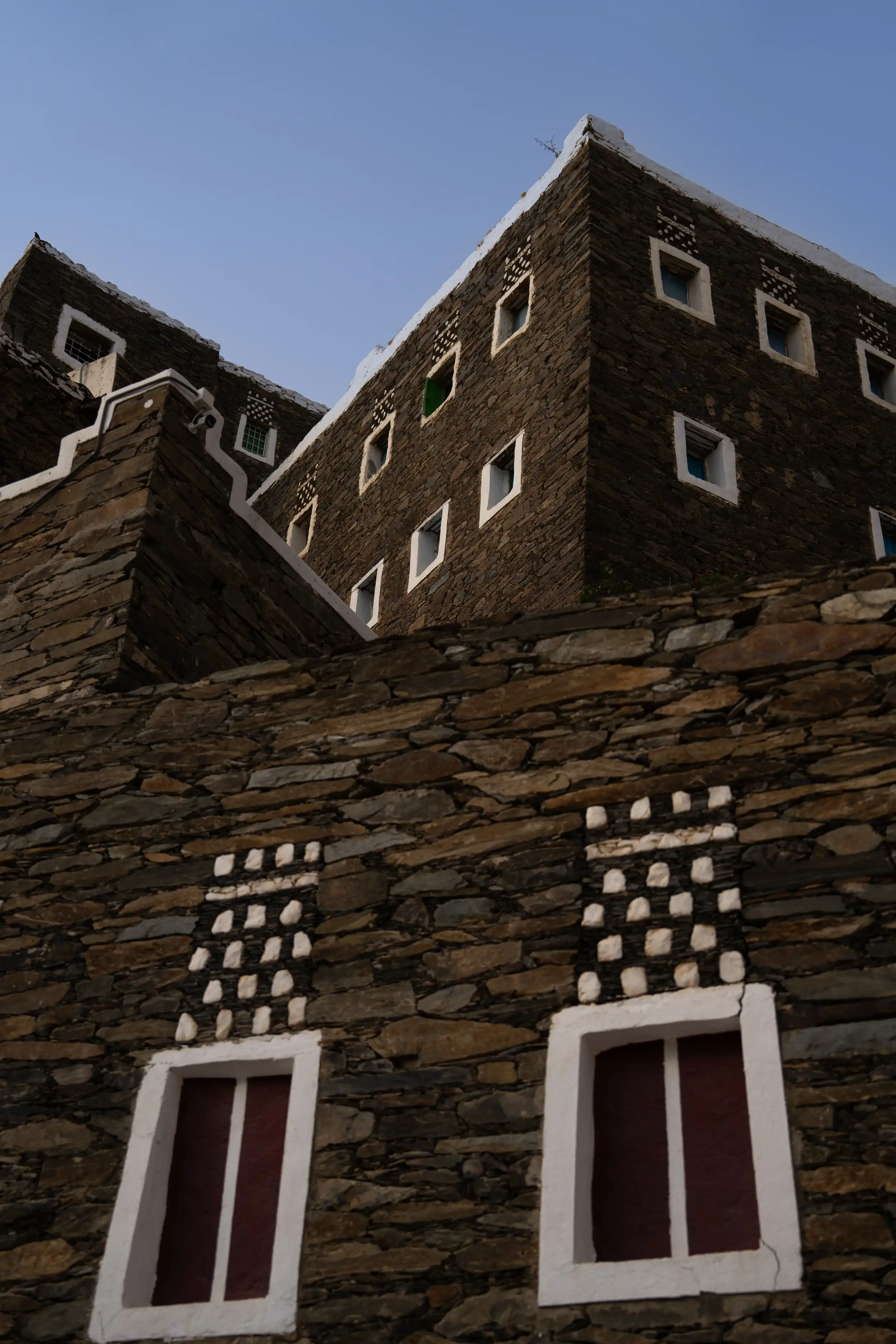
Photographer: @osama_jabarti
Drone Operator: Muteb Almalki
Producer: @itskokopuff
Location Manager: @raaydsh
Camera Assistant: @faisa.51