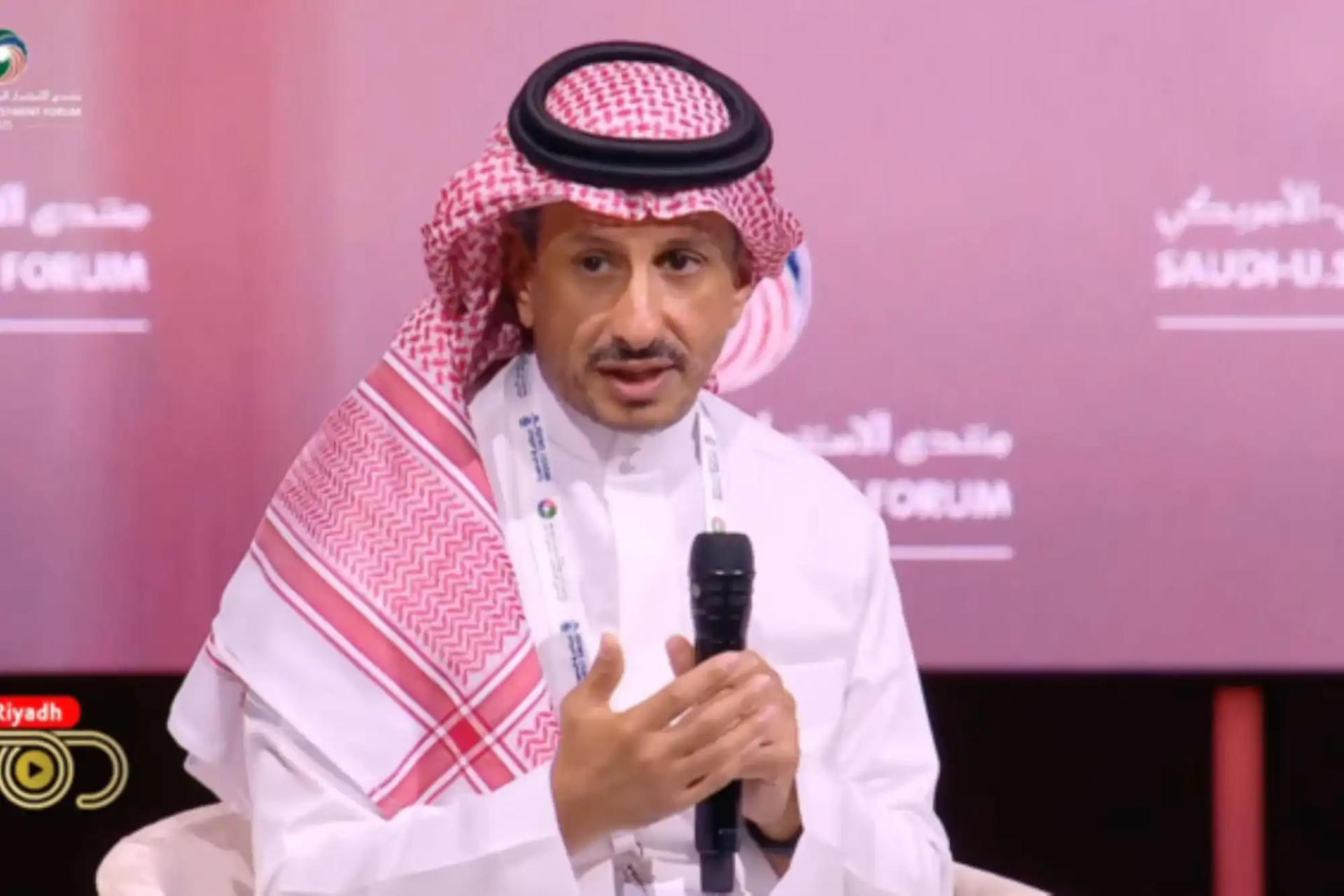
Speaking at the Saudi–US Investment Forum 2025 in Riyadh, Tourism Minister Ahmed Al-Khateeb said the Kingdom is making steady progress toward its Vision 2030 goal of transforming tourism into one of the country’s main economic drivers.
Back in 2016, Vision 2030 laid out a roadmap to diversify Saudi Arabia’s economy and reduce its dependence on oil. Since then, the tourism sector has taken center stage in the country’s transformation, and the numbers tell the story. Tourist arrivals jumped from 50 million in 2019 to 115 million in 2024, outpacing the country’s original 100 million target. That includes 30 million international visitors, placing Saudi Arabia among the top 10 most-visited destinations worldwide last year.
For Al-Khateeb, the message is clear: “By 2030, the tourism sector will be, next to oil, the highest contributor to our economy.”
Over the past few years, the country has taken steps to reshape its narrative. Oil, which used to account for up to 90 percent of GDP, now sits closer to 55 percent. Meanwhile, electronic visas for travelers from 65 countries have opened the Kingdom’s doors to a wider audience.
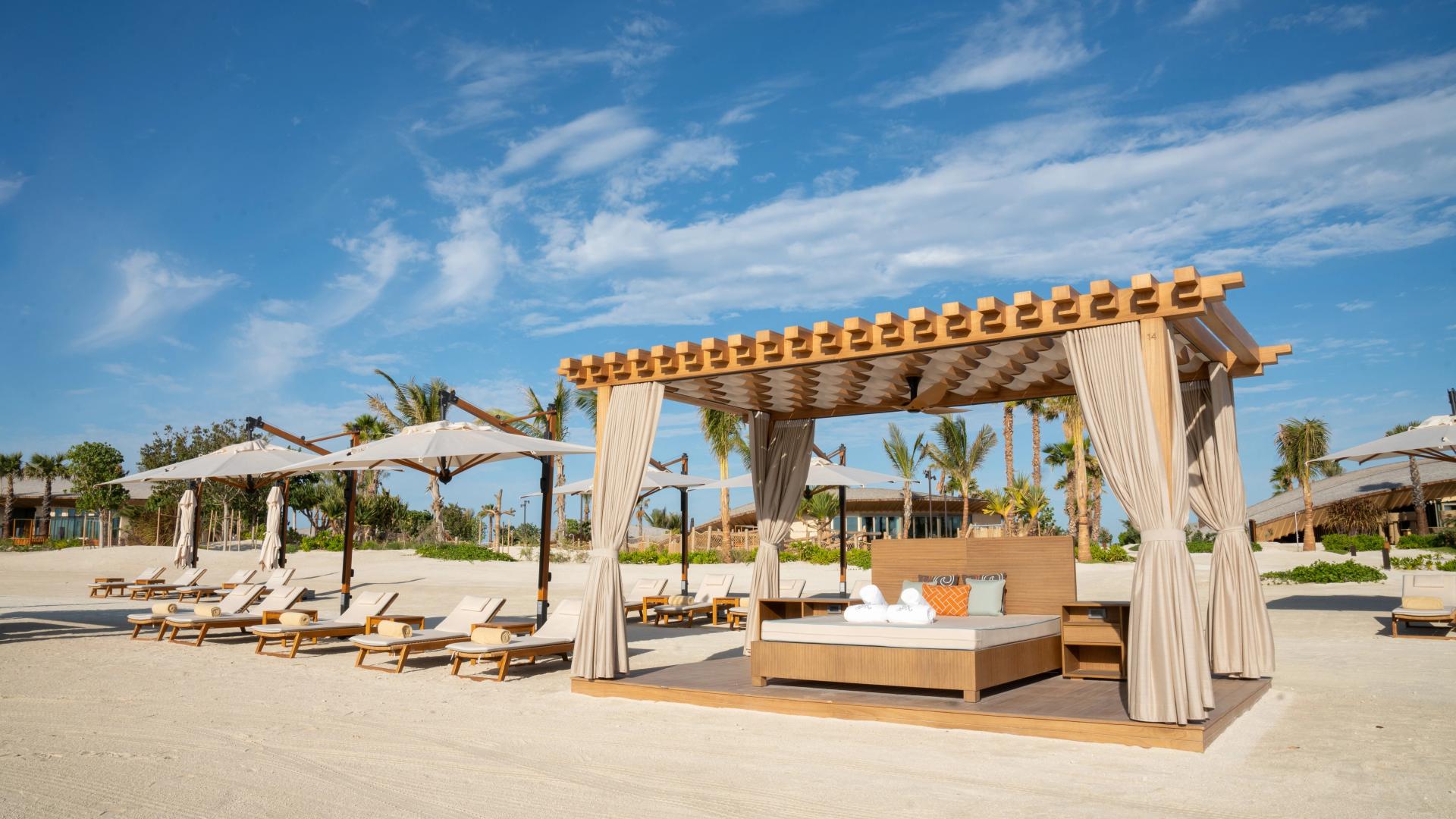
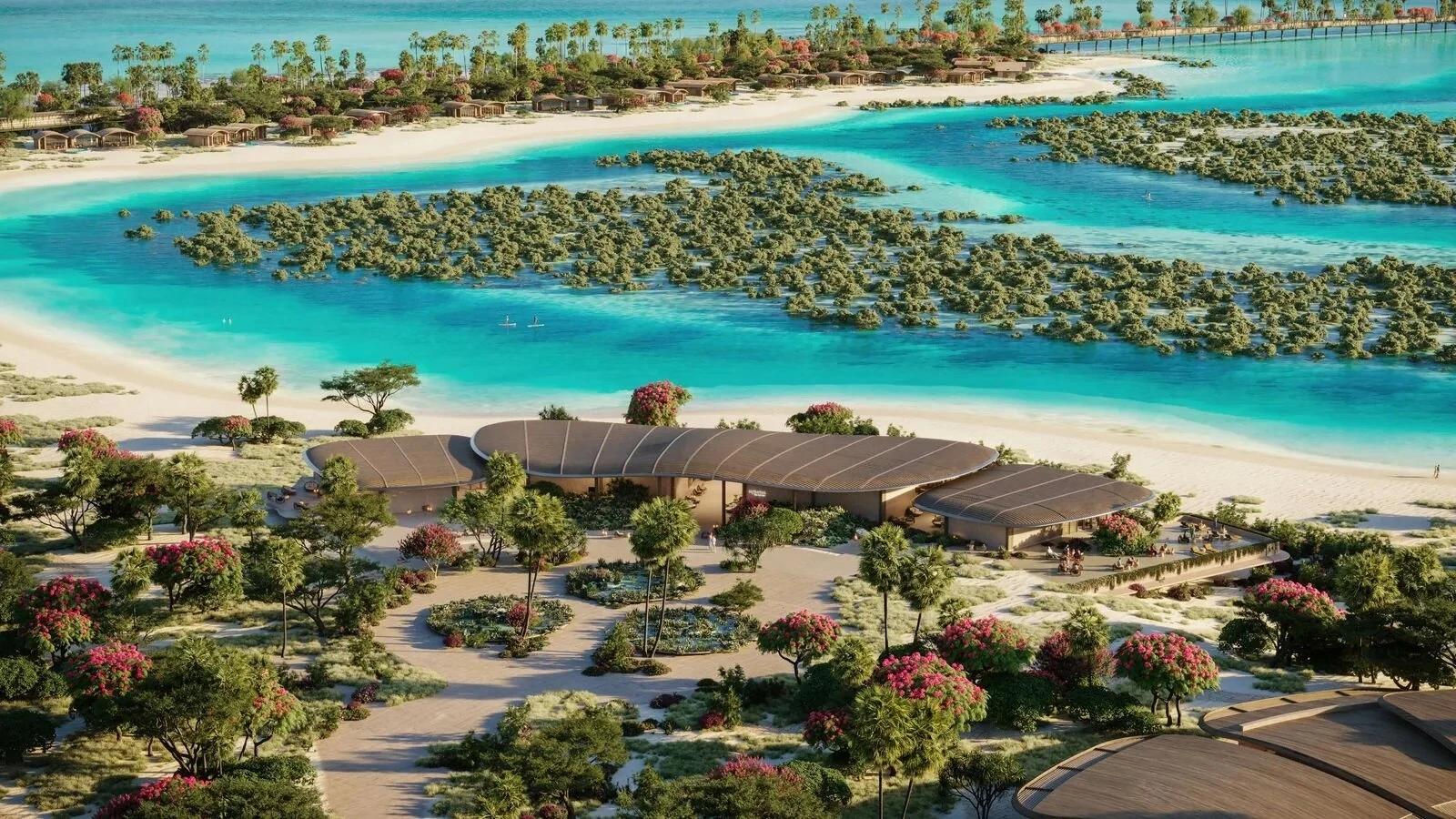
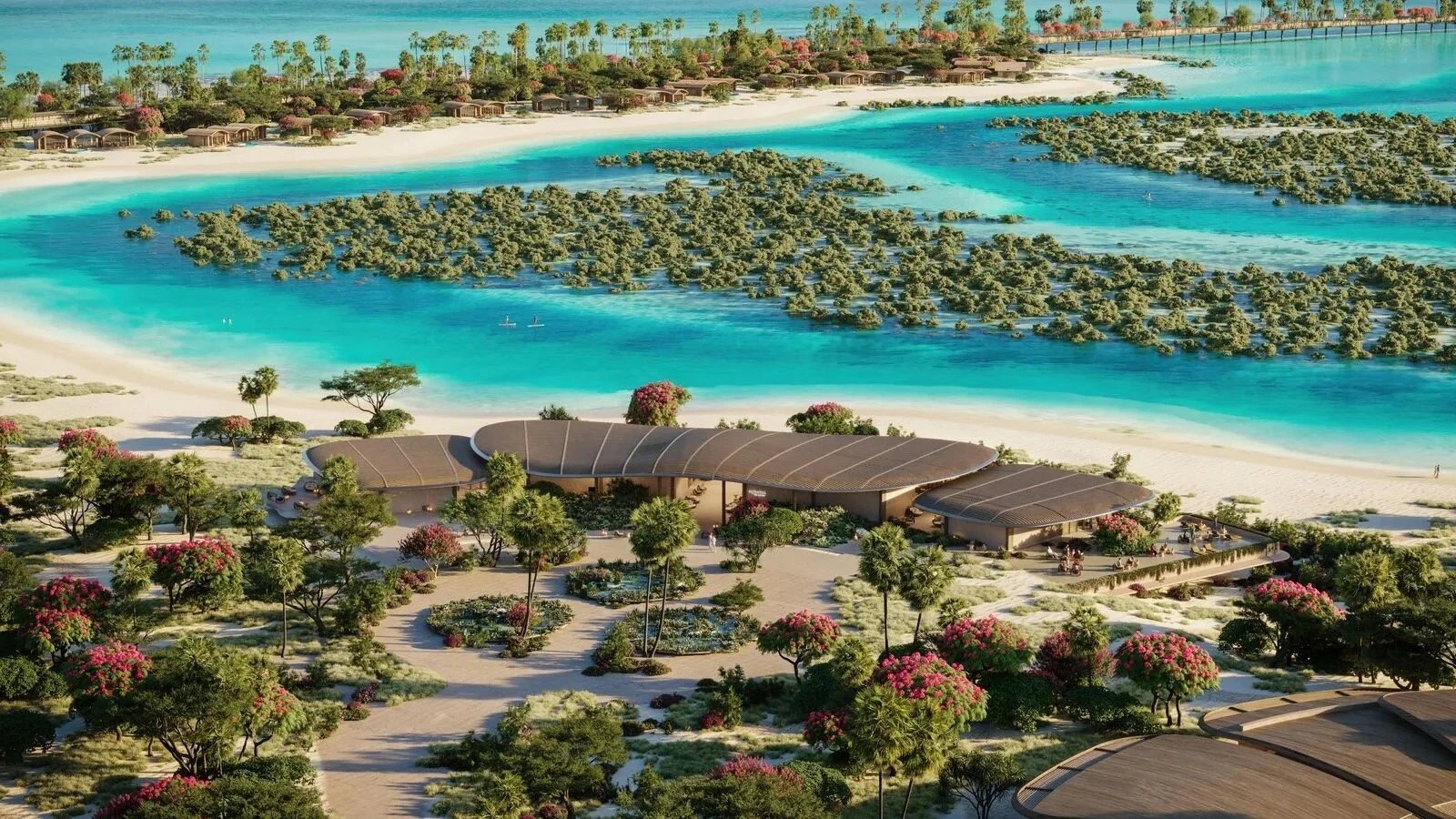
And the attractions are more diverse than many might expect. From the misty peaks of Asir to the ancient tombs of AlUla, and from the fast-developing Red Sea coast to the spiritual landmarks of Makkah and Madinah, Saudi Arabia is showcasing a range of landscapes and experiences. Riyadh, the capital, is emerging as a cultural and commercial hub in its own right.
Al-Khateeb also highlighted the role of youth in shaping the sector’s future. In under a decade, the tourism workforce has grown from 2 percent to 7 percent of the population. The ministry has set its sights on welcoming 50 million international tourists a year by 2030, aiming to double the sector’s GDP contribution from 5 percent to 10 percent.
Part of that plan involves learning from established tourism leaders. “We are working closely with our friends and partners in the US,” Al-Khateeb said. “We are sending young Saudis to get the best education in the US and the best vocational training in tourism.”
He described the new Saudi tourism landscape as one built to accommodate everyone—whether travelers are visiting for leisure, business, religious purposes, or entertainment. It’s a shift in perception that the Kingdom is eager to make stick.
“Saudi Arabia was seen as just oil and sand,” he said. “Now, we’re showing the world what else we have to offer.”