
Every year, TIME magazine highlights the most remarkable destinations around the world, and for 2025, two standout stays in Saudi Arabia have earned a coveted spot on the list. These properties showcase the country’s evolving hospitality landscape, from a hyper-luxury island escape in the Red Sea to intimate boutique stays in the historic heart of Jeddah.
Beit Jokhdar, Beit Al Rayess, and Beit Kedwan
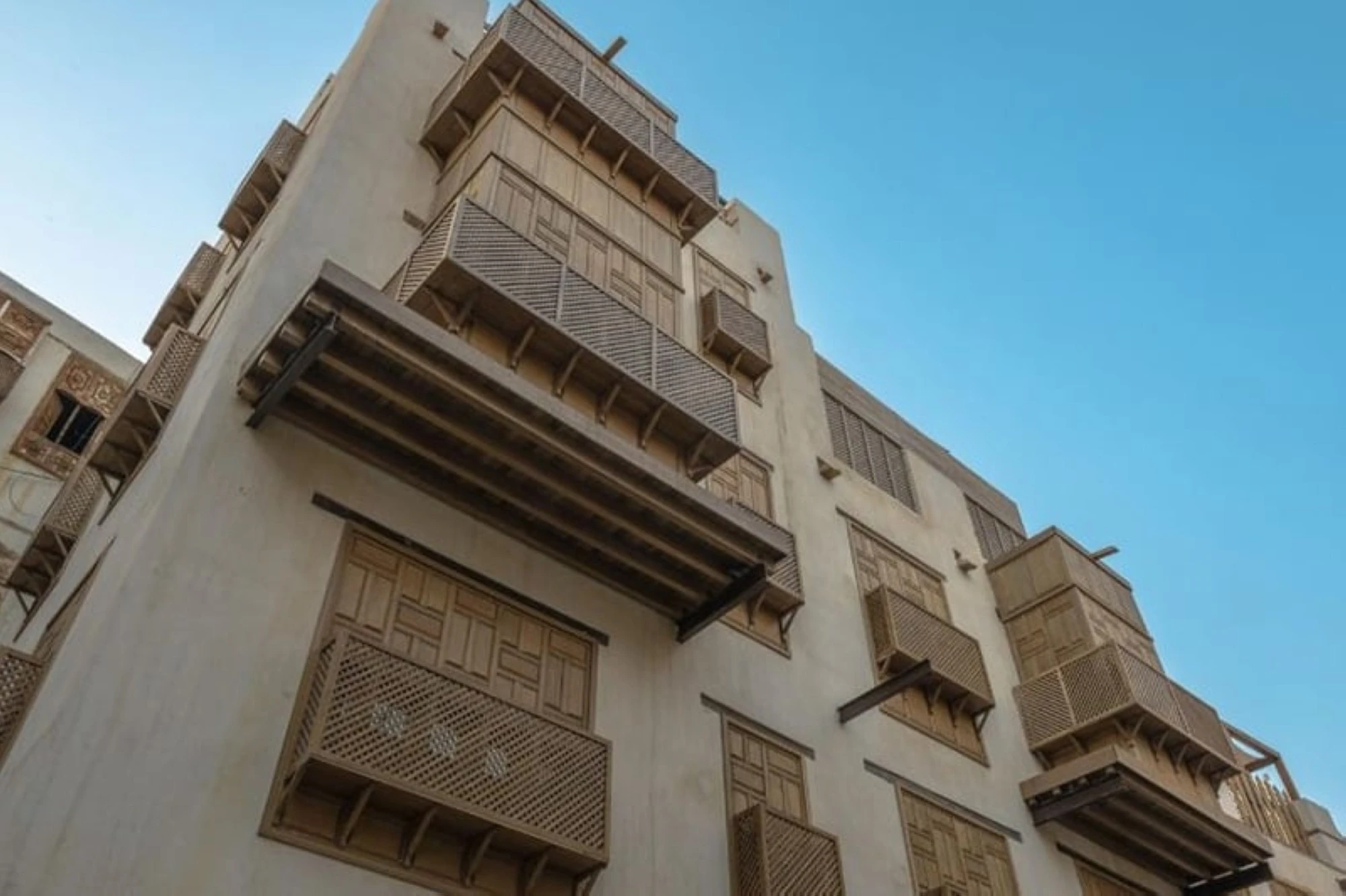
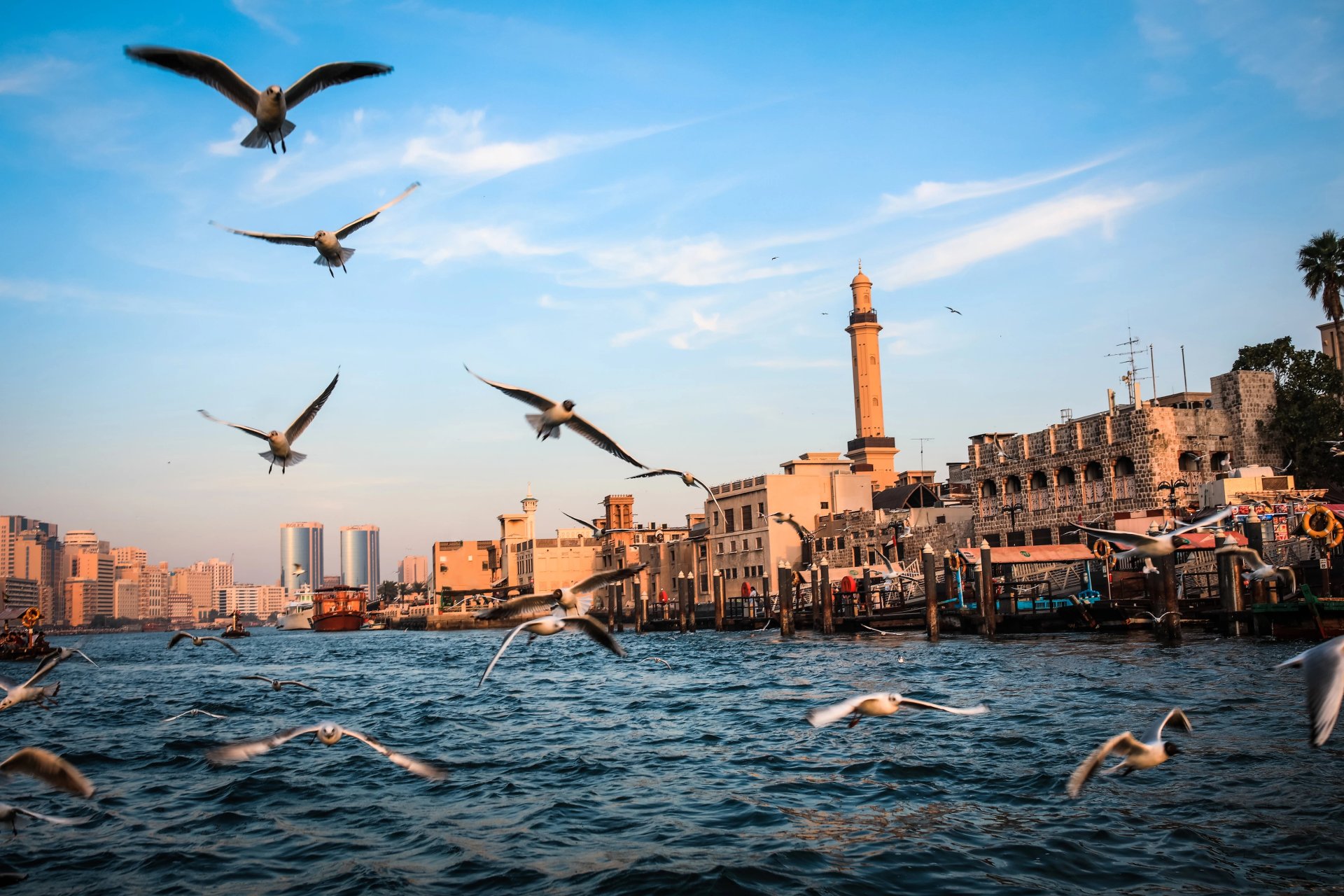
For centuries, the Al Balad district in the Red Sea city of Jeddah was a crossroads for global pilgrims who descended on Saudi Arabia en route to Mecca, just 50 miles away. In recent decades, however, the once-prosperous neighborhood had fallen into neglect before UNESCO flagged its importance by anointing it a World Heritage Site in 2014. Al Balad’s crumbling structures, made from coral and limestone with wooden-latticed rawashin balconies jutting out at improbable angles, are now the setting for a flurry of revitalization efforts, including restaurants, artist studios, and a trio of 19th-century houses freshly converted into atmospheric boutique hotels.
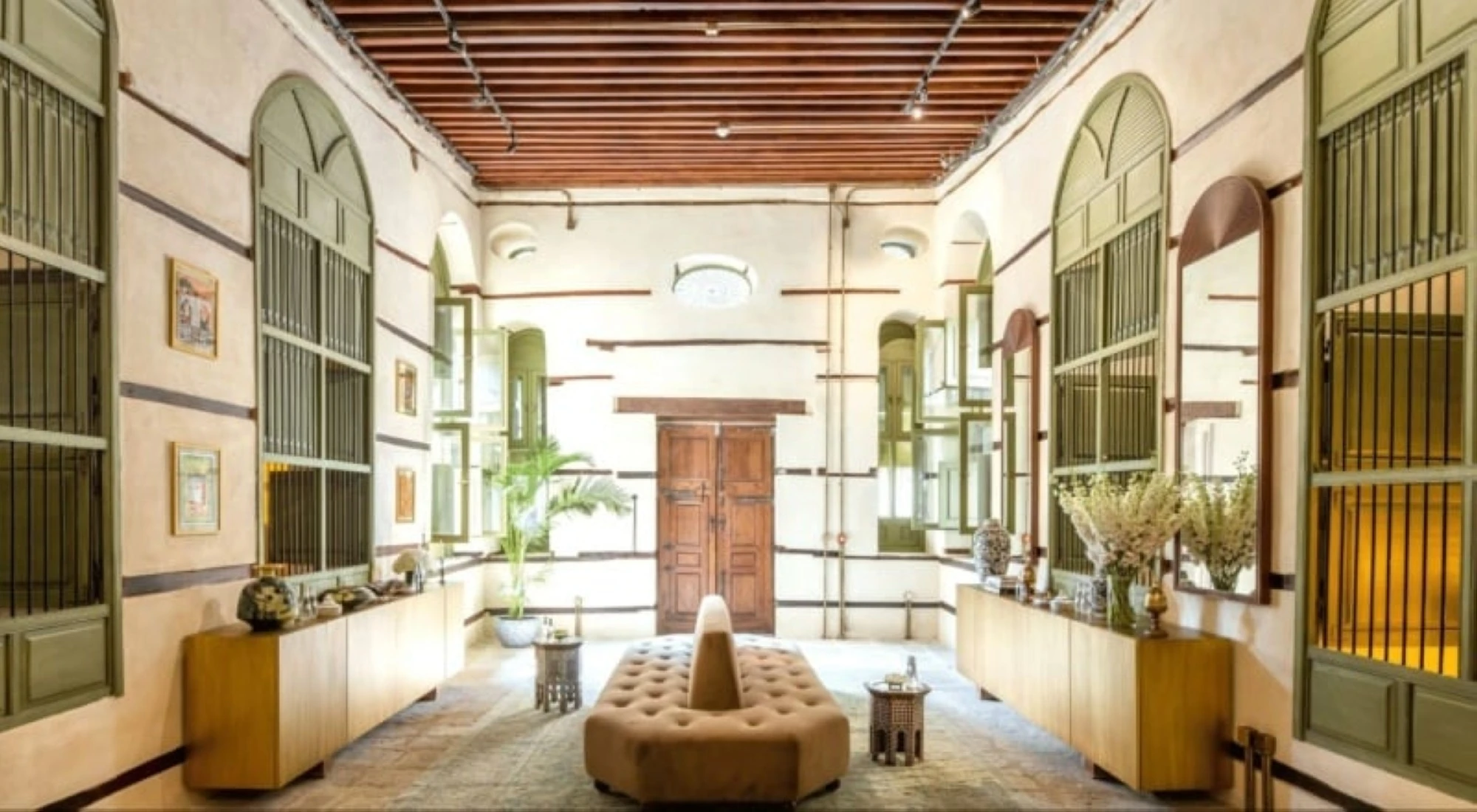
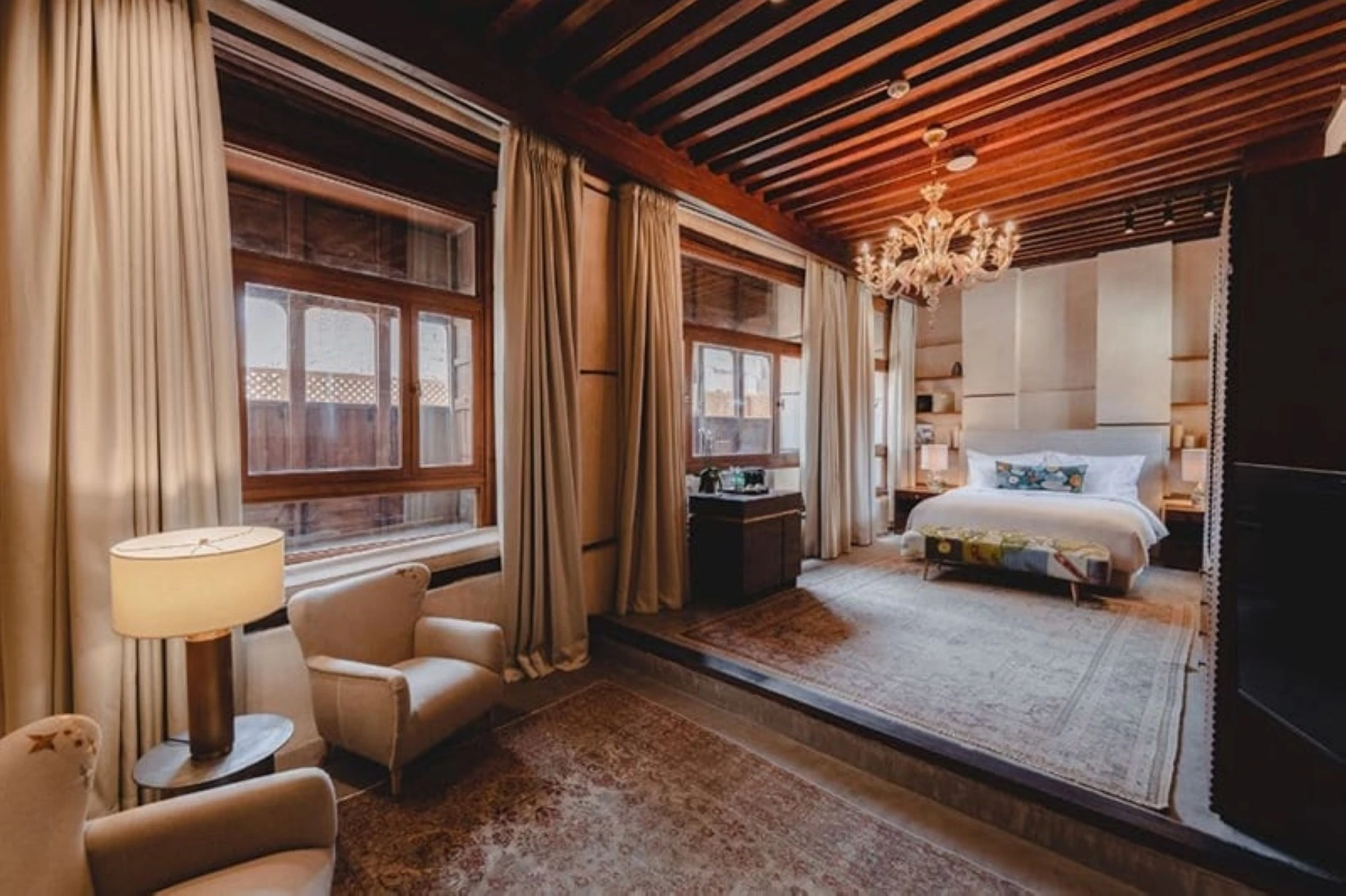
There are 17 rooms across Beit Jokhdar, Beit Al Rayess, and Beit Kedwan, each with thoughtfully preserved Hijazi vernacular charm brought to life with help from local artisans and historians. Wood-beamed ceilings, gypsum-carved details, stained-glass panels, bone-inlaid tables and chairs, hand-painted antiques, and plush carpets recall a bygone era, while contemporary art and sleek, marble-clad bathrooms are very much of the present. While most of the Kingdom’s recent hotel boom is associated with gravity-defying architecture and headline-making superlatives led by hospitality heavyweights, this intimate retreat gives visitors an evocative window to the country’s rich past.
Shebara Resort
The Red Sea development is home to a growing number of high-profile projects, among which the Shebara Resort stands out with its futuristic design. But then, the future is something architect Shaun Killa, founder of the Dubai-based firm Killa Design, contemplates often: he was the mastermind behind Dubai’s landmark Museum of the Future.
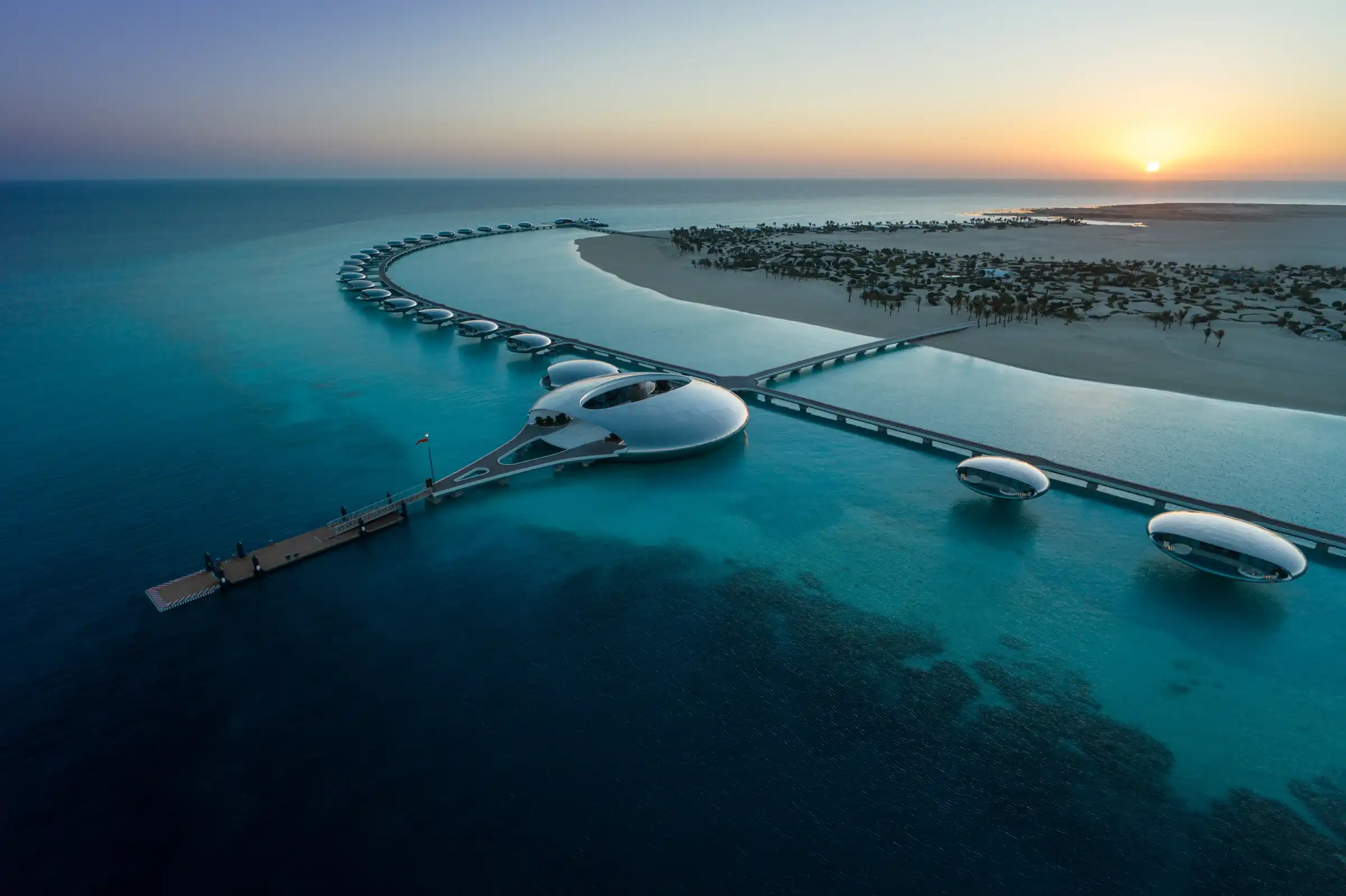
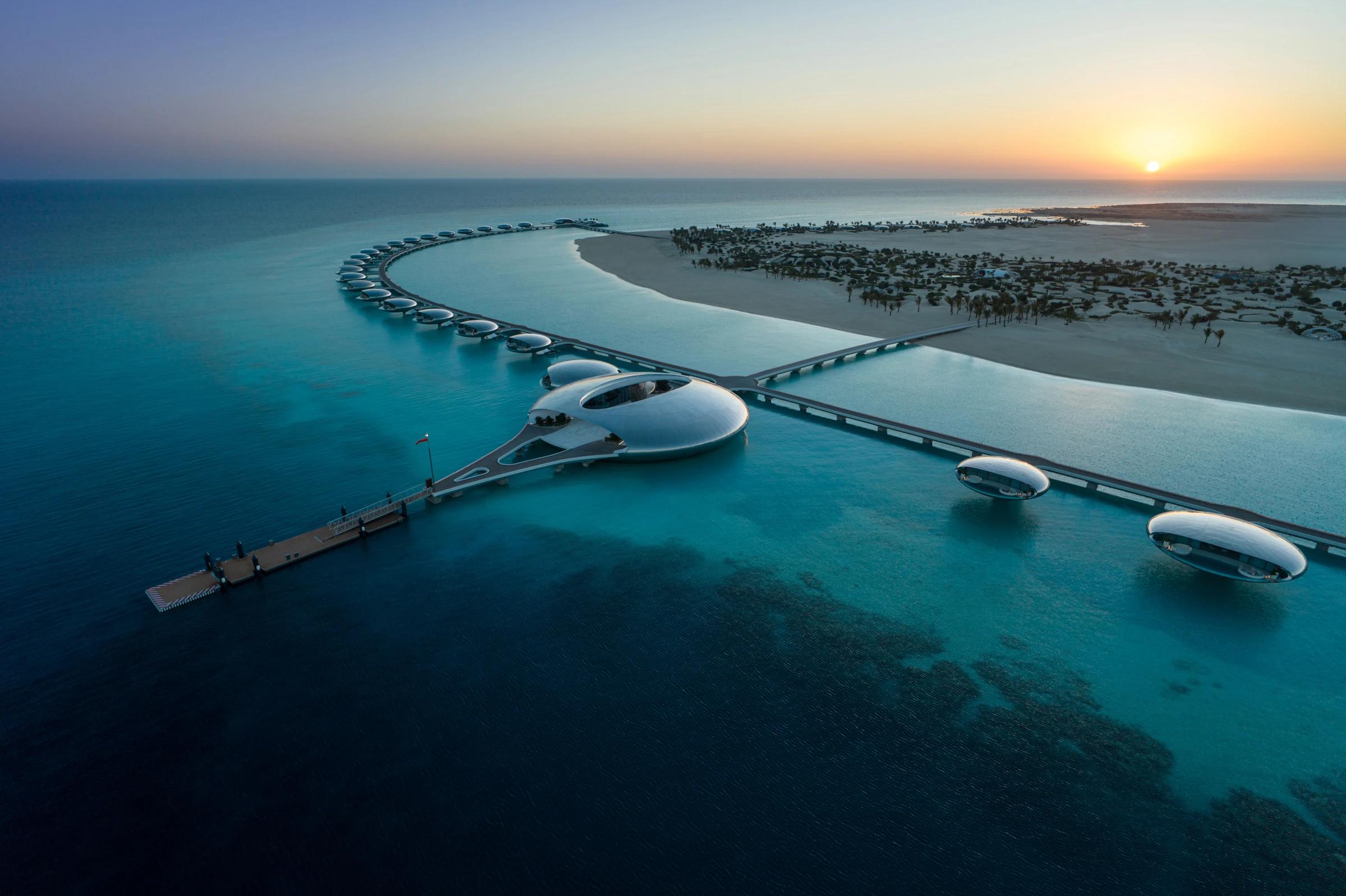
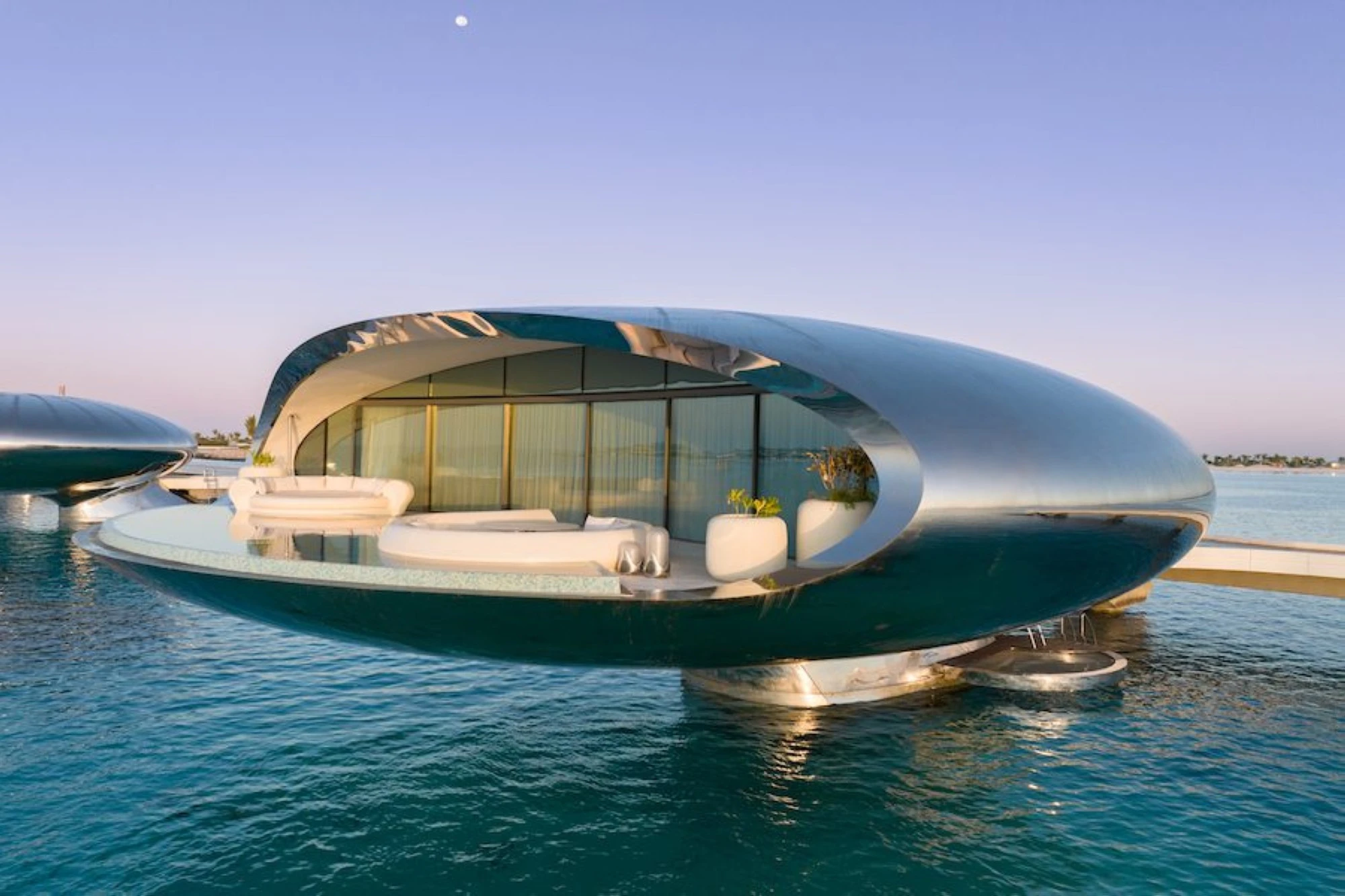
At Shebara Resort, overwater villas clad in polished stainless steel with sinuous mirrored silhouettes resemble a string of pearls skimming above the waves. “We wanted to reflect the sky and the lagoon and the coral below—whether it’s sunrise or a cloudy day or an orange sky, they’re constantly changing,” Killa told TIME Magazine. “They blend into nature although they’re highly futuristic.”
Despite its futuristic facade, Shebara is an eco-sensitive escape: all 73 villas were constructed in Sharjah, UAE, and shipped over so as not to disrupt the delicate ecosystem of mangroves and coral reefs with building activity. The island is entirely powered by a solar park, with more than 1 million square feet of solar panels that guests are invited to bike through. “We want people to get excited about the fact they are on an island that's 100% powered from the sun,” Killa said.
His latest project, Dubai’s long-awaited Jumeirah Marsa Al Arab, sees him coming full circle: he first arrived in Dubai more than 25 years ago to work on Jumeirah’s iconic, sail-inspired Burj Al Arab. The new 386-room hotel, with a façade modeled after a yacht, joins that and the wave-shaped Jumeirah Beach Hotel to complete the hospitality brand’s trio of maritime properties.