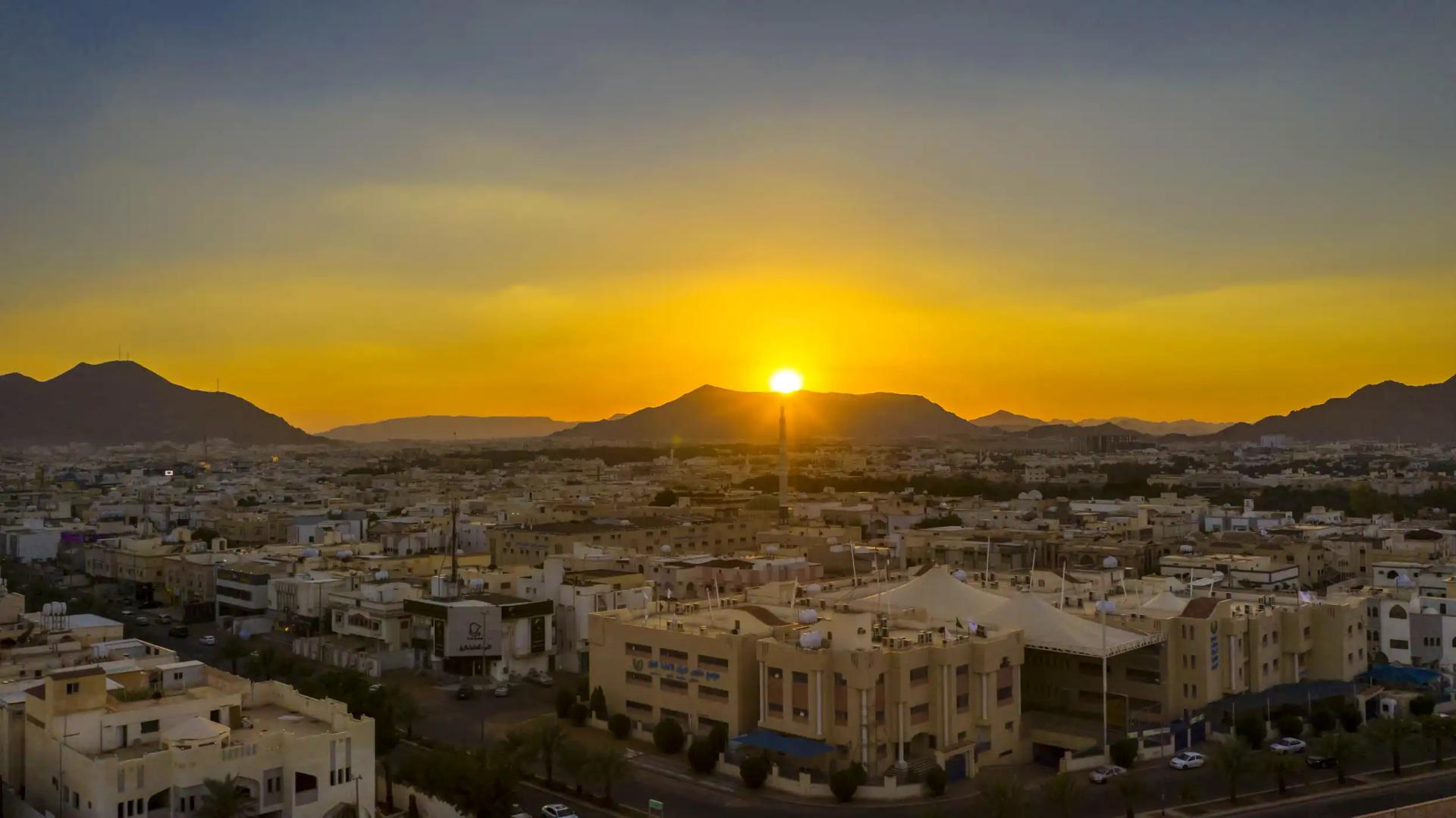

Steeped in history and spirituality, and renowned as the second holiest place in Islam after Makkah, the city of Medina (Madinah), in the Hejaz region of western Saudi Arabia has experienced a notable surge in tourism over the last few years.
Both Muslims and non-Muslims can visit Saudi’s second holiest city and uncover its impressive historical sites and captivating natural landscape – much of which dates to over 1,500 years ago.
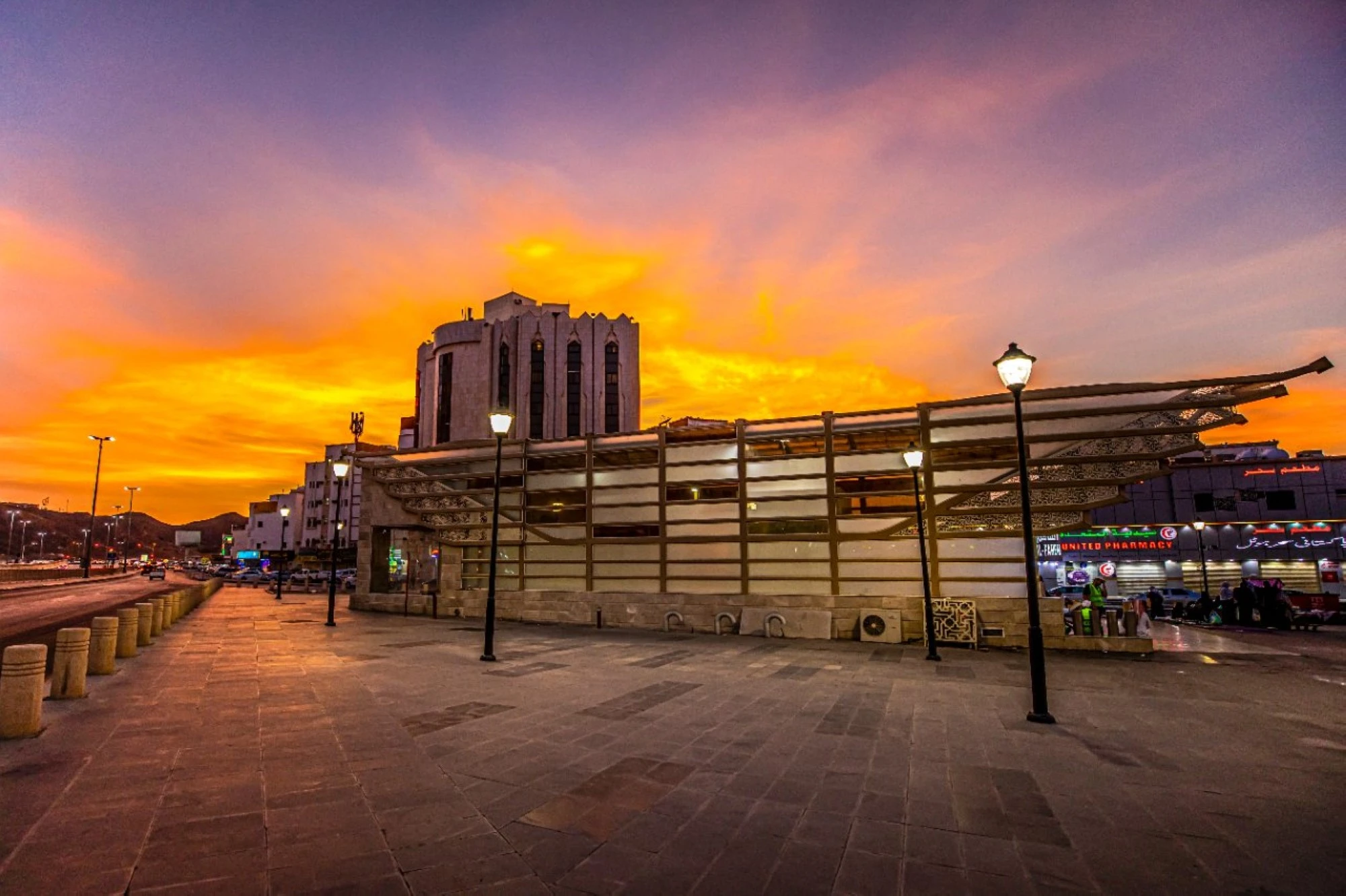
When should I go to Madinah?
The best time to visit Medina is between the months of October and May during the winter season when the weather is cooler than the summer months – a time when temperatures can rise above 40°C. Medina has a hot desert climate, influenced by its altitude which is 2,050 feet above sea level. Winters are generally colder than in Mecca, located 400 kilometers to the south. January is usually the coldest month on average.
Spring is also a lovely period to visit – visitors can comfortably visit historical and religious sites and also venture out to the surrounding landscape such as Mount Uhud and other hilltops belonging to the Hejaz Mountain range.
It is generally recommended to avoid visiting Medina during the hotter summer months. Ramadan is also a particularly challenging time for non-Muslims to visit the city given that many businesses may have timings reflective of Ramadan fasting and prayer times. Logistics can be difficult as eating and drinking in public during the hours of daylight is forbidden and strictly enforced.
While hotels may make exceptions for non-Muslim guests, all restaurants will be shut during the day until fasts are broken. At the same time, it can also be an incredibly fascinating time from a cultural and religious standpoint to observe rituals and celebrations in Saudi’s second holiest city. For Muslim visitors, Ramadan can be a wonderful time to visit Medina and experience prayer, celebration and contemplation in the city that the Prophet considered to be his sanctuary following his migration from Mecca.
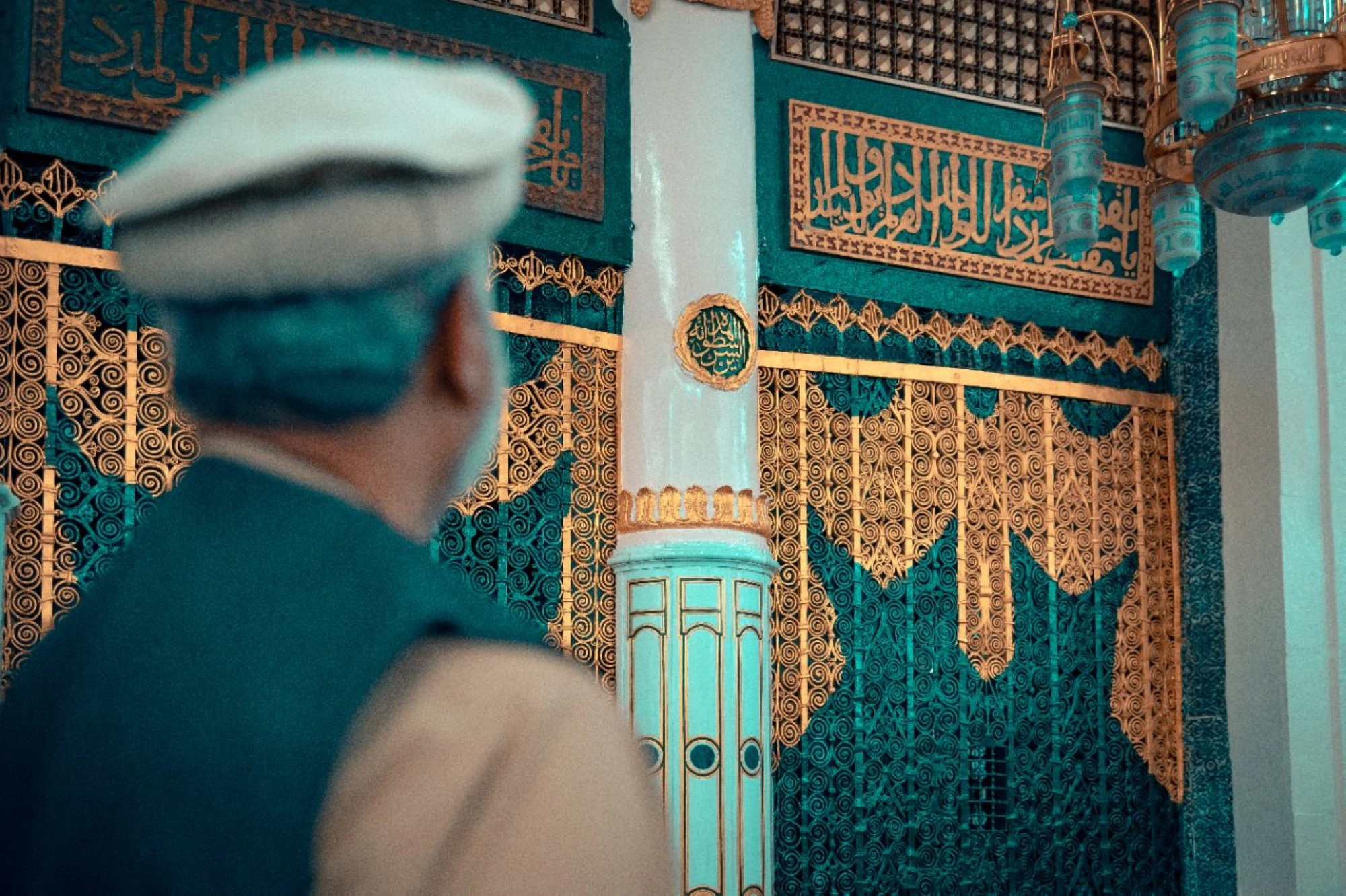
Where should I stay in Madinah?
The city of Medina has accommodation options to suit everyone’s needs. The majority of five-star hotels are situated around the Prophet’s Mosque (Al Masjid an Nabawi) in the heart of the city. This major religious site has become the focal point of Medina as it has grown exponentially over the years. Other neighborhoods to try include Al Harra Al-Sharqiah or if you prefer something away from the bustle of the central part of the city, try hotels near Qiblatain Mosque or even farther away near Mount Uhud where one can be closer to nature and one of the Prophet’s favorite mountains.
Families travelling with children will find accommodations near the Prophet’s Mosque a great fit as you have everything on your doorstep and won’t have to travel long distances. While more upscale restaurants are located near this central location, a variety of cuisines from around the world, notably South Asian, Arabian and Middle Eastern can be found at various locations throughout the city.
Is it easy to get to and around Medina?
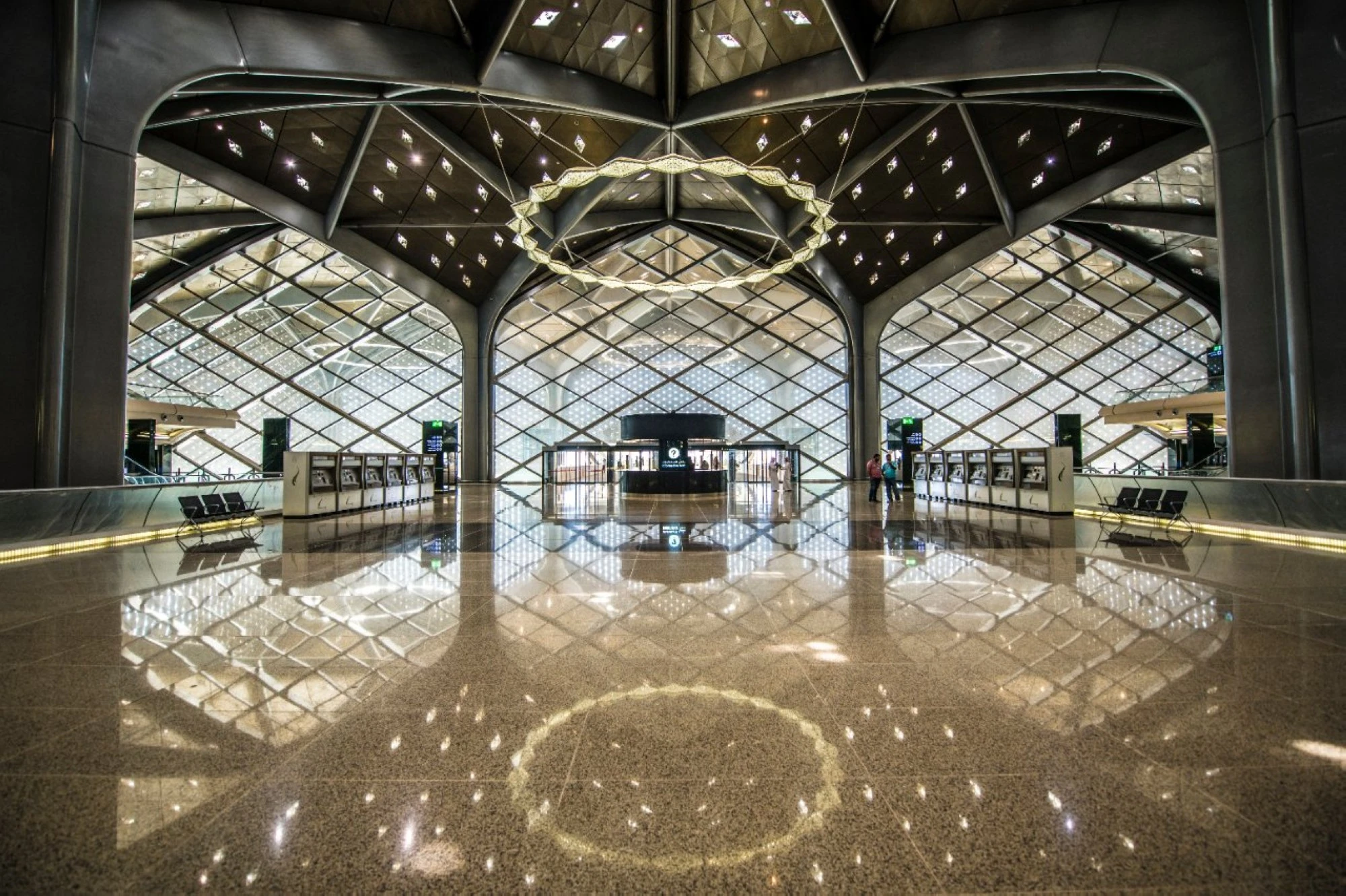
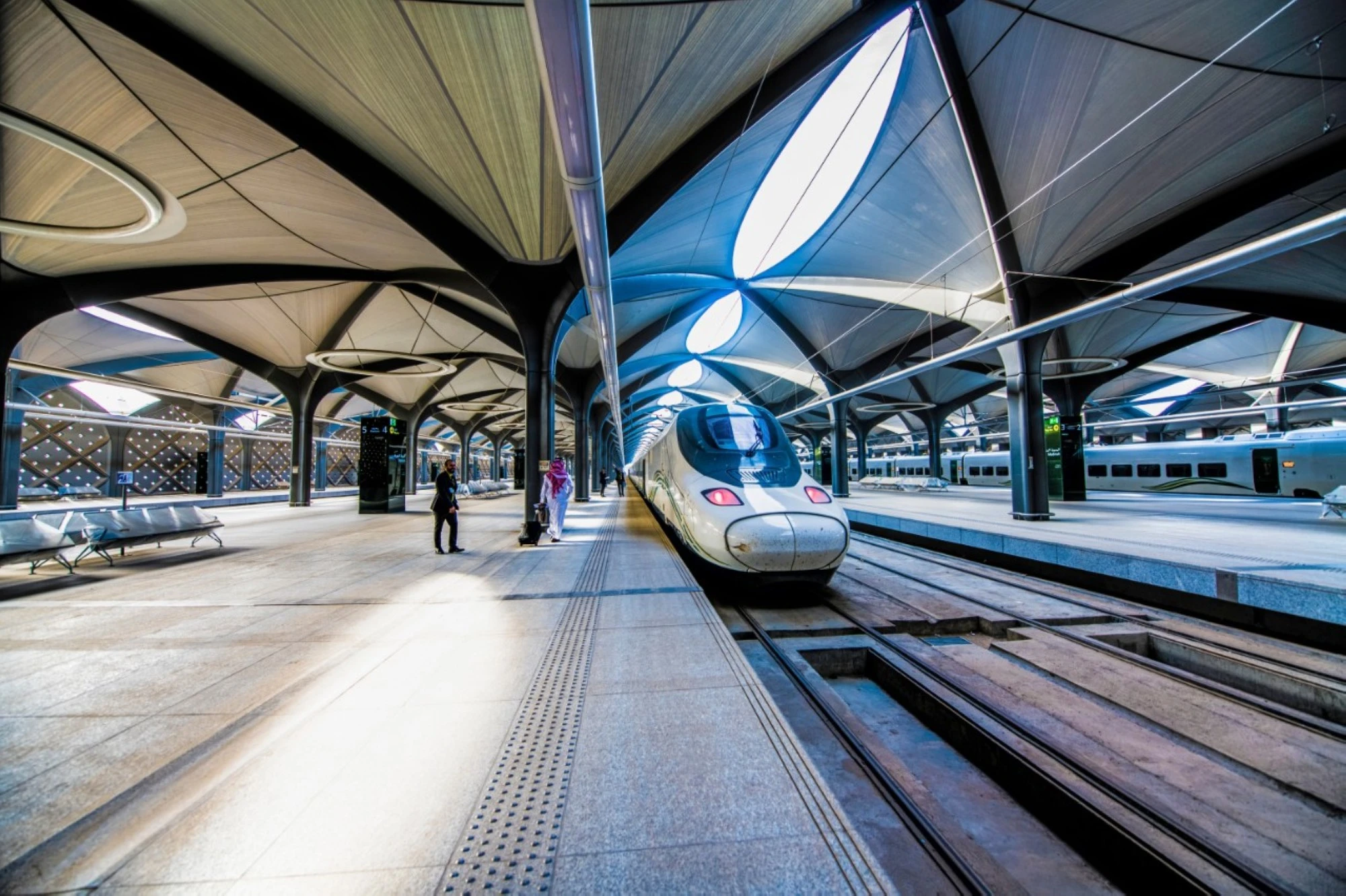
Getting around Medina is very easy. The city is one of the most important locations for pilgrims and consequently there are excellent connections from around the Kingdom but also within Medina. Travellers coming from Jeddah can take the Haramain high-speed train and arrive in Medina in just two hours. Those arriving from Riyadh can take a one-hour flight or arrive by bus, which takes over 12 hours. Travellers arriving from other parts of the Kingdom can use Northwest Bus, particularly from AlUla, which has two arrivals per day. You can also rent a car, which is not very expensive in Saudi Arabia. Upon arrival in Medina, it is easiest to get around using rideshare apps like Uber or Careem.
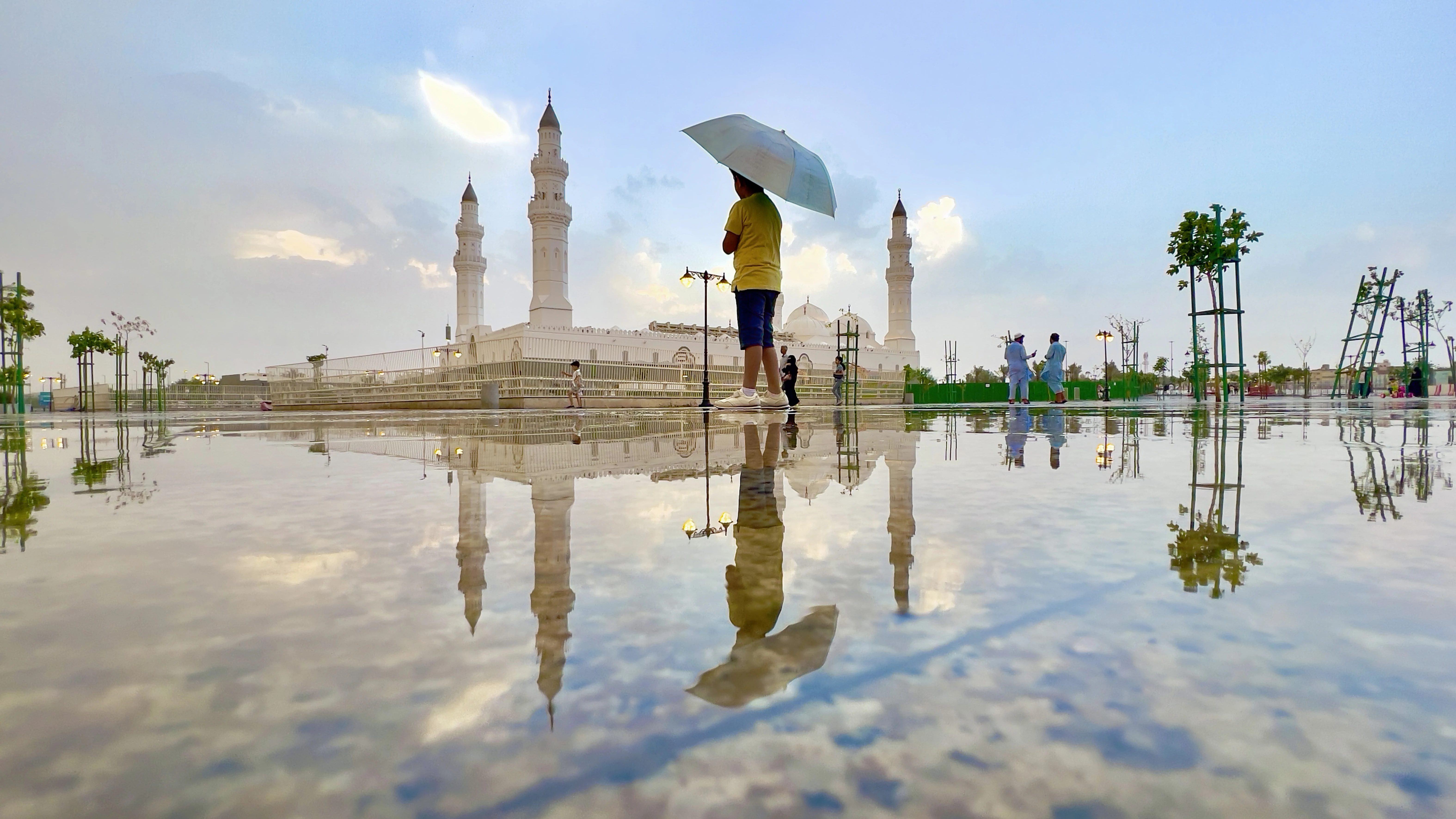
In the centre of town, travellers can embark on the Quba Mosque walking track located at Quba Square in Saudi Arabia. It starts from Al Masjid an Nabawi and connects to Quba Mosque.
Top things to do in Medina
Medina is the fourth most populated city in Saudi Arabia and is the second holiest city for Muslims. There are a plethora of holy sites and historical and cultural monuments to visit in Medina from Islamic sites and landmarks of the former Ottoman Empire’s rule in Saudi Arabia to the mountains of the Hejaz range packed with hiking opportunities.
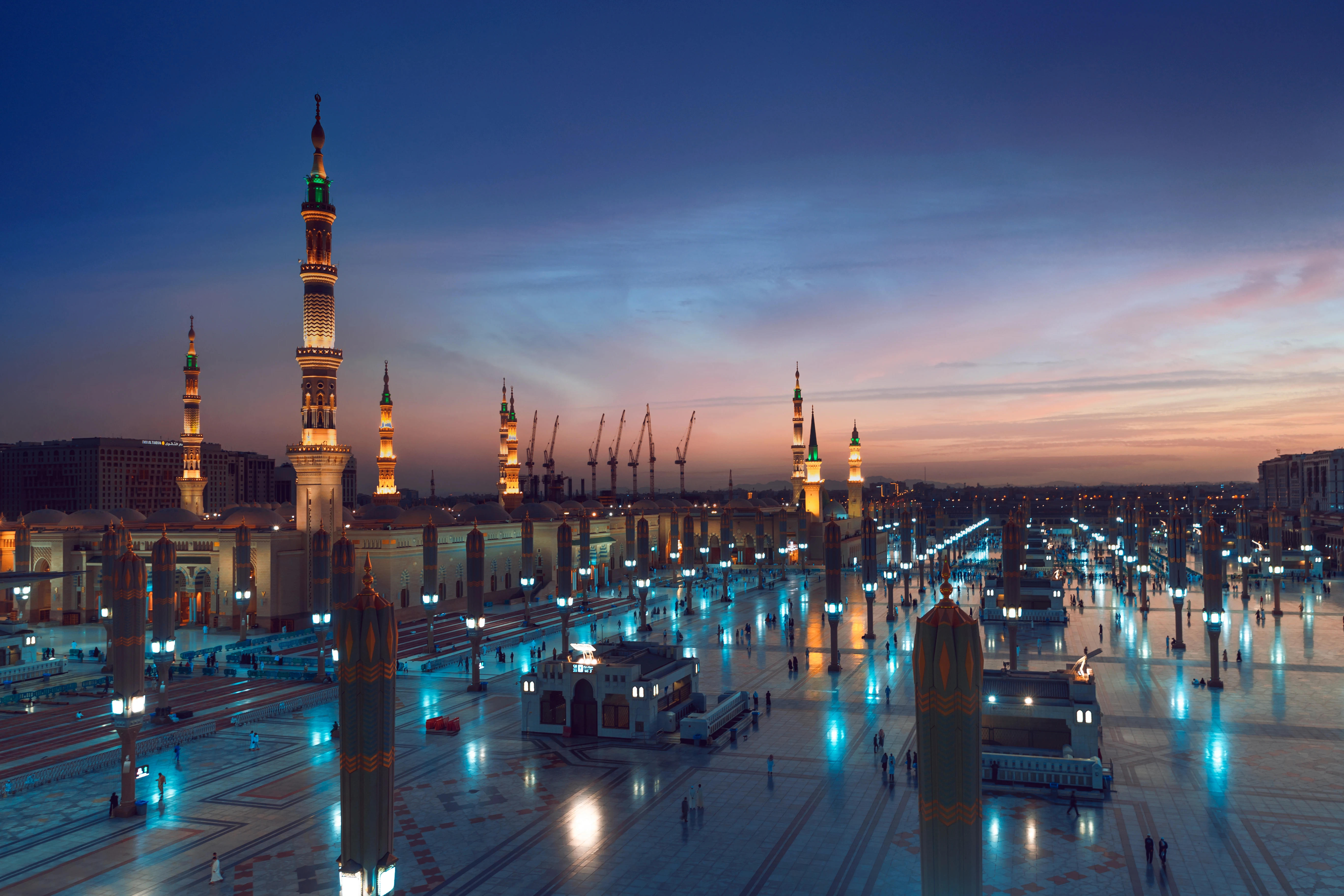
The city is centered around Al Masjid an Nabawi (The Prophet’s Mosque) where the Prophet is also buried. The complex, which has been developed over the years and extends and connects to other cultural monuments, marks the religious, educational and political significance and power of the Islamic Empire. Top must-see sights and activities include, of course, The Prophet’s Mosque complex, Masjid Quba, Masjid al-Qiblatayn, among the city’s most beautiful mosques, and Dar Al Madinah Museum, shedding light on local history and culture. Those who want to experience the great outdoors should head to Mount Uhud, the Prophet’s beloved mountain and also an enchanting location for hiking and admiring ancient historical and cultural sites amid beautiful natural surroundings.
How much money will I need for Medina?
In general, travellers with various budget ranges can enjoy the city of Medina. From extremely expensive hotels to mid-range and budget options, there’s something for everyone. The central part of town near the Prophet’s Mosque is generally considered more expensive, with luxury, five-star hotels and upscale restaurants the norm, whereas in other neighbourhoods travellers can find more affordable, mid-range options.
Is Medina safe for tourists?
Medina is extremely safe for travellers of all sorts, from religious pilgrims and families to non-Muslim tourists and solo women travellers. This is the second holiest city in Saudi Arabia and is considered of utmost importance for Muslims.
How should visitors dress when in Medina?
Given the city’s religious significance, it is important that people are dressed modestly. While the abaya and headscarf are not required for foreign female travellers, women should keep their shoulders and knees covered. Non-Muslim men shouldn’t wear shorts and queues for major sights are often organised by gender.
Saudis are extremely hospitable people and are eager to show foreign, first-time travellers their home – expect warm smiles and much assistance as well as plenty of delicious Arabic coffee and dates.