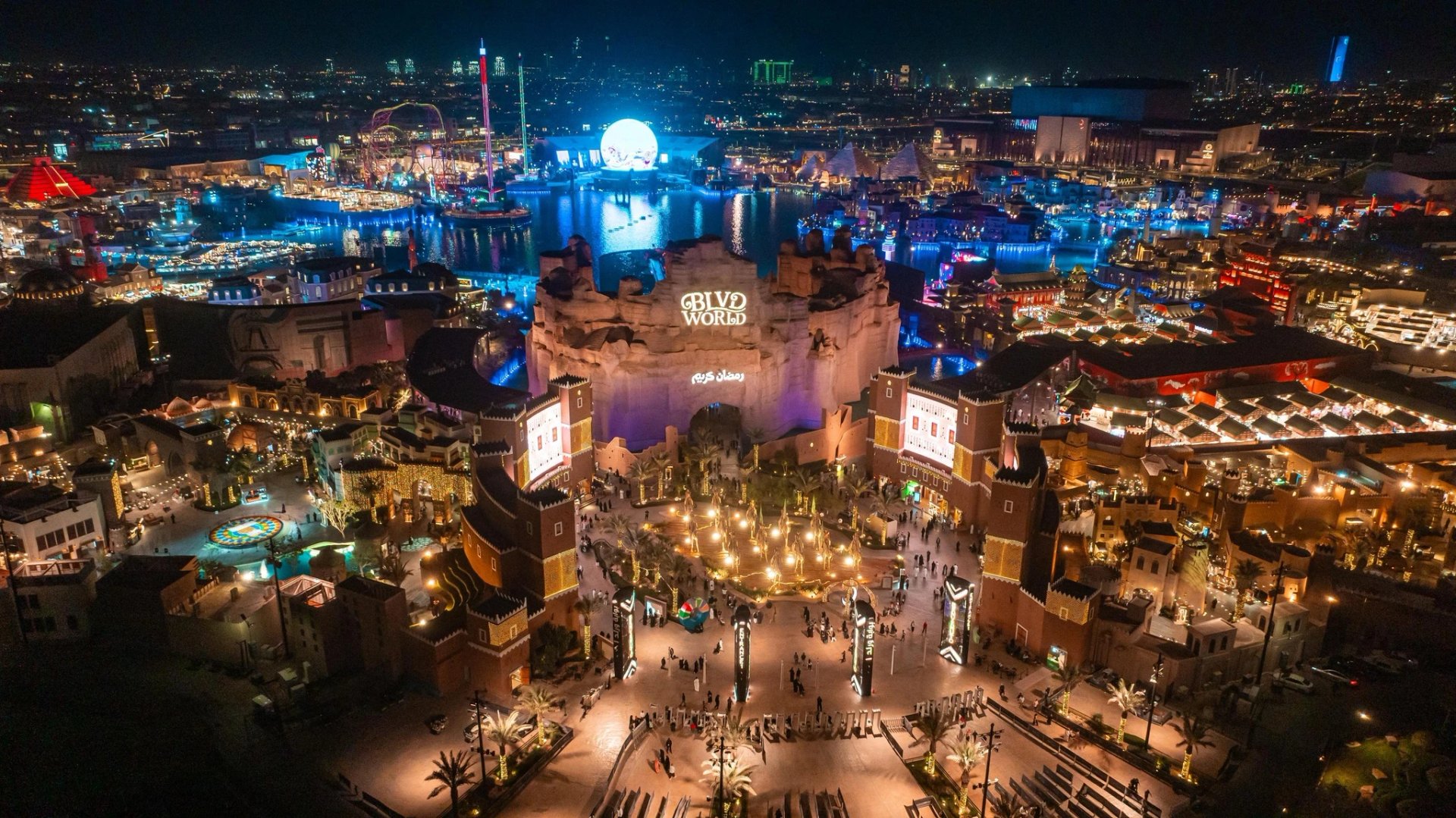
Those who don’t know the United Arab Emirates will often assume that, for tourists, it is all about Dubai. And it is fair to say that the free-wheeling upstart emirate was the first to embrace tourists and start building epic skyscrapers and world-beating malls, so it has tended to hog the headlines.
But the country is made up of seven emirates, all with quite distinct identities and attractions. From the sleepy seaside vibes of Umm al-Quwain and Ras al Khaimah to the desert interior and the ever-changing and increasingly dynamic capital, Abu Dhabi. Dotted amongst all the modernity are examples of how these emirates were before the oil, including Bastakiya in Dubai.
Dubai and Abu Dhabi in particular are both architecturally interesting – there are few big name architects that haven’t used the cities as a canvas – and very diverse, both with Arabs from elsewhere in the Middle East and immigrants and expats from further afield. This includes long-term residents from India, Pakistan, Bangladesh, the Philippines and myriad other nations.
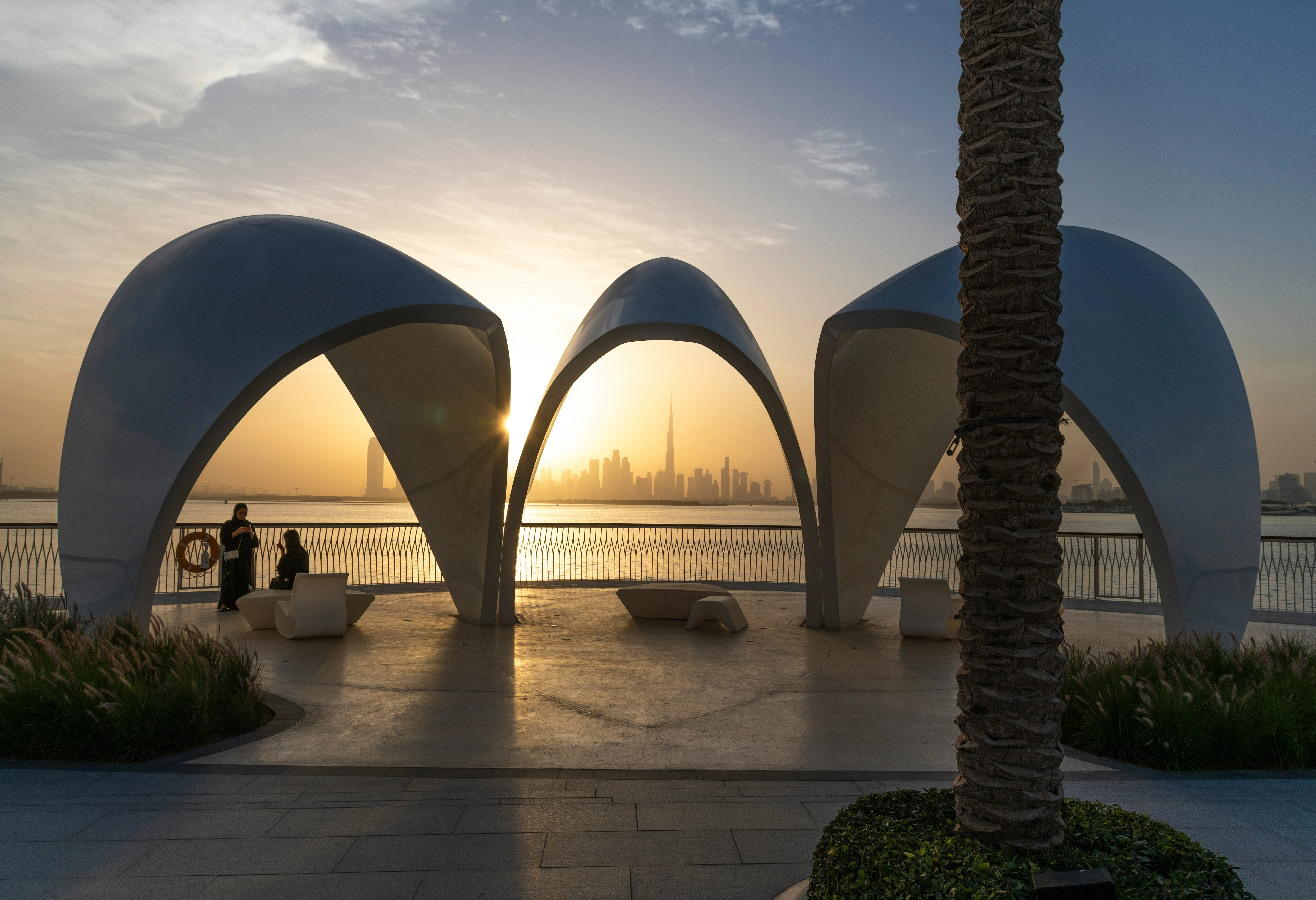
1. Dubai
Dubai is a city of dichotomy: on the one hand, the tallest building in the world, on the other, Deira and Dubai Creek, where life has barely changed for a hundred years. The city splays out on either side of Sheikh Zayed Road, the pulsing central artery of the emirate, lined with super-talls and malls. In the north of the city, Bur Dubai and Deira districts are home to major historical sites like al-Bastakiya and al-Fahidi respectively. The latter’s location on Dubai Creek allows tourists to view traditional Emirati architecture like wind towers and ride a dhow across the water. For the best views and atmosphere, do this at sunset.
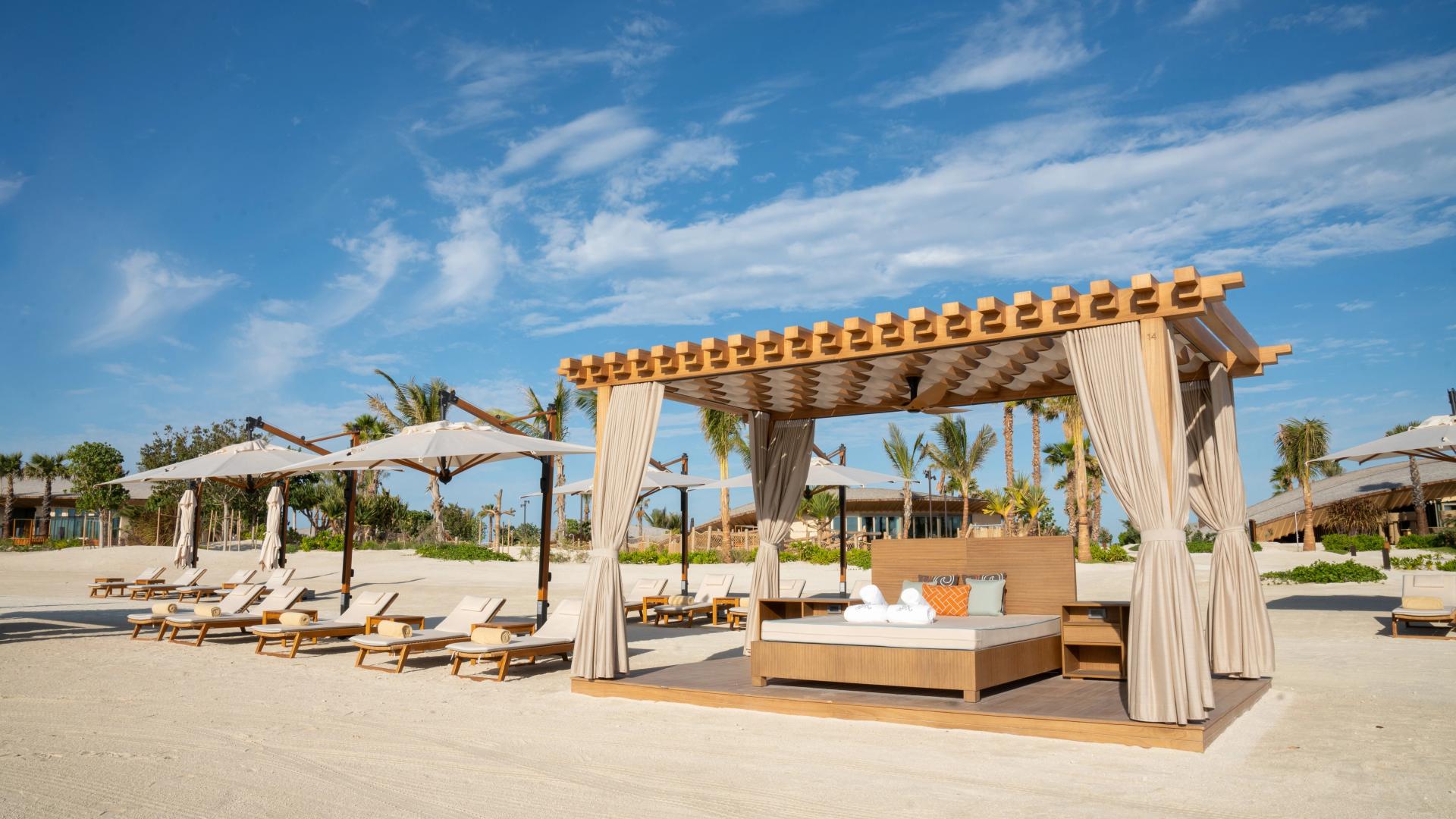
In the south and on the coast, Dubai is all about the beach, and luxury hotels and beach clubs cater to tourists and locals throughout the year. On the other side of Sheikh Zayed Road are many of the malls, including Dubai Mall and the Burj Khalifa. Linked by an efficient and air-conditioned metro that provides excellent views of the city, Dubai is a very easy city to get around and has more than enough to keep visitors interested for a week or even longer.
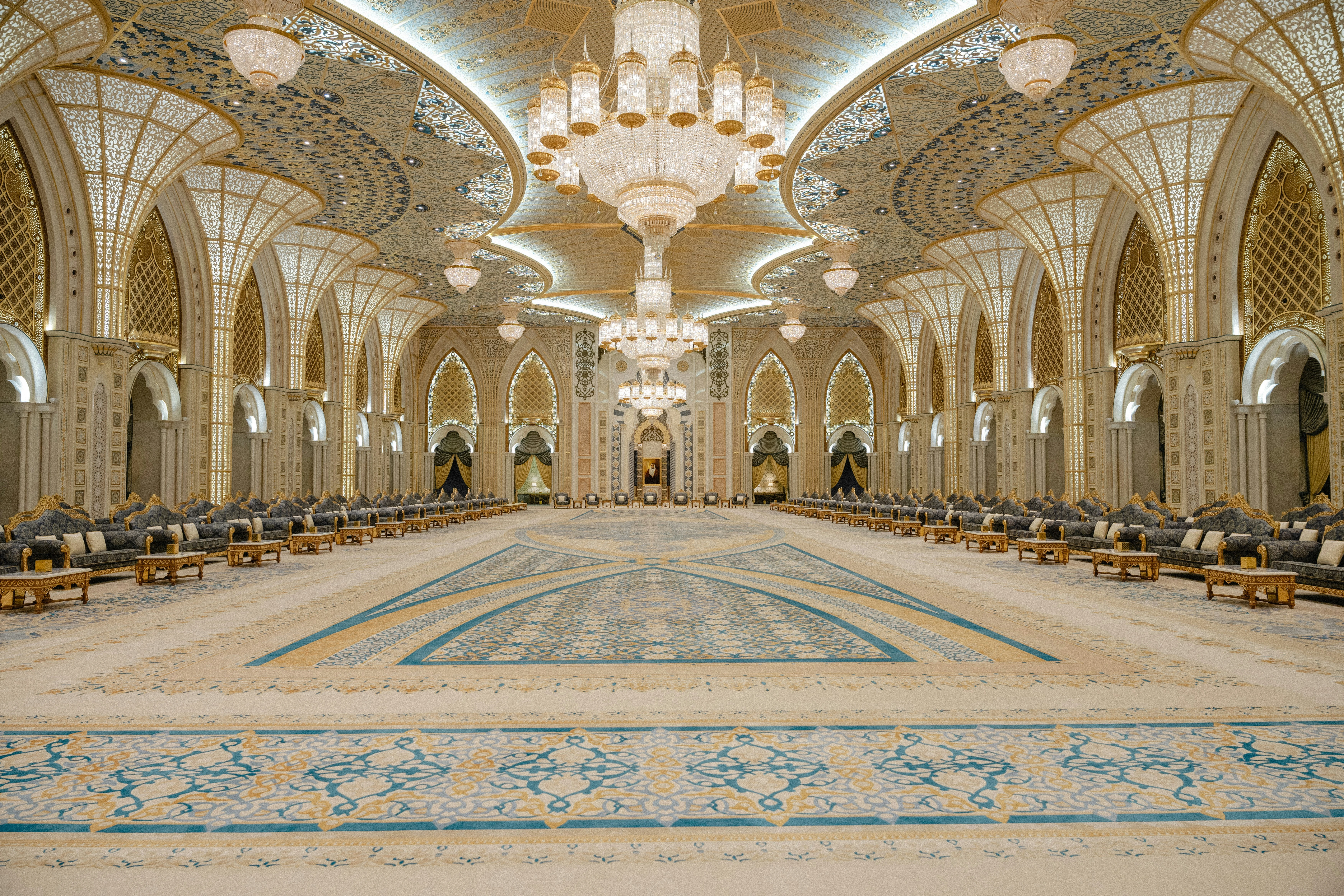
2. Abu Dhabi
For a long time the UAE capital existed in Dubai’s shadow, and unapologetically so – where Dubai was viewed as a brash upstart, Abu Dhabi was the political centre of the country, oil rich and with no pretensions to be anything other than a Gulf capital city. But a lot has changed in the last two decades, with the development of Yas and Saadiyat Islands, the Abu Dhabi Grand Prix, and the Louvre Abu Dhabi, along with many glitzy malls and skyscrapers.
It remains a more conservative emirate, particularly downtown, and much of the luxury tourist infrastructure is concentrated on Yas and Saadiyat. The beaches are not as impressive as Dubai, but Abu Dhabi has its fans: like Dubai, it is also peppered with cultural sites such as the Sheikh Zayed Grand Mosque and Qasr Al Watan. It is also home to a number of excellent restaurants, at least 48 of them in the Michelin Guide and four with a Michelin star.
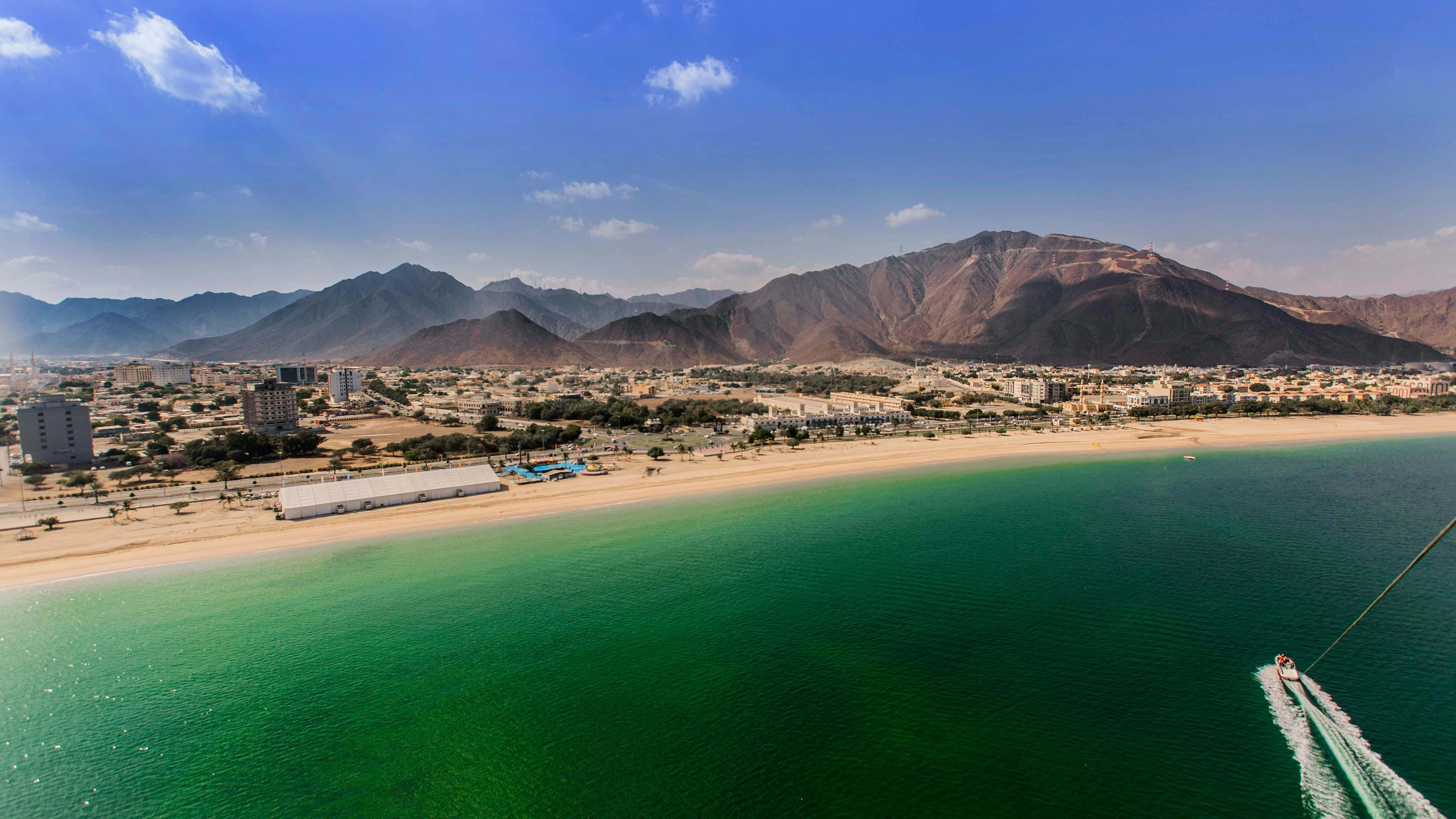
3. Sharjah
The main thing that most westerners know about Sharjah is that it is a dry emirate – the only one – and, as such, it is not a place to party. But there is more to the third-largest emirate than sobriety: it is home to a number of excellent museums, including the Museum of Islamic Civilization, which displays thousands of artifacts that highlight from the first century AH (7CE) to the fourteenth century AH (20CE).
It is also home to art galleries such as the Sharjah Art Foundation, and is also a good jumping off point for excursions into the desert interior and Sharjah National Park. Sharjah is also home to Khorfakkan, a scenic coastal town on the east coast known for impeccable beaches, waterfalls and a restored amphitheater. Travellers will find hotels in Sharjah substantially cheaper than Dubai and Abu Dhabi, with the only kicker being that the only practical way to travel in Sharjah is by car. A taxi to Dubai will be at least £30 (40 minutes depending on traffic), and to Abu Dhabi – two hours away by car – at least £100.
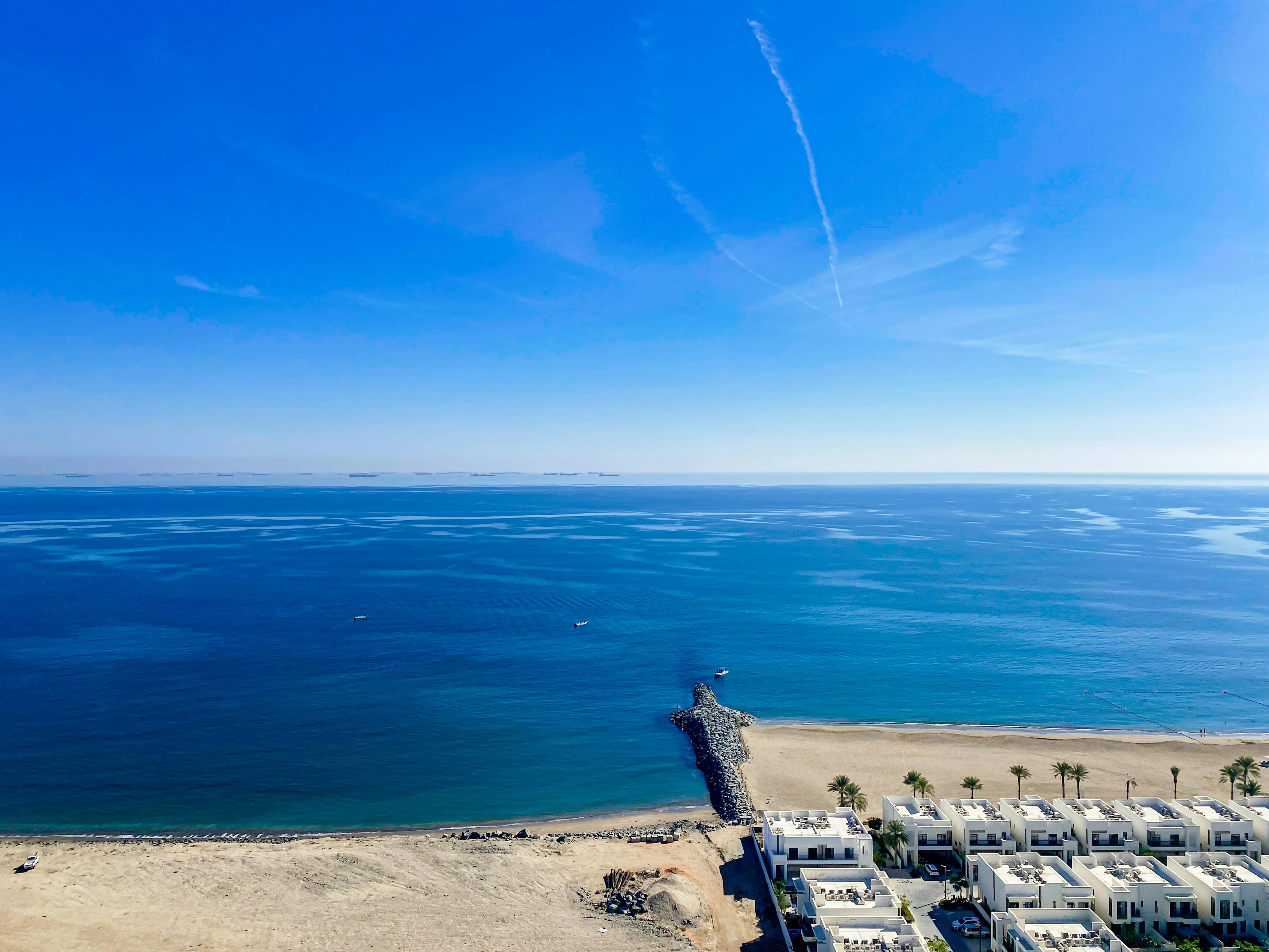
4. Fujairah
Compared to Dubai and Abu Dhabi, Fujairah is a completely different world. A rugged, unkempt coastline and ancient forts ensure that this emirate has a wild, otherworldly charm. Fujairah has its fair share of hotels – popular with couples and catering to a mostly local (Emirati) crowd – and out of season you may find yourself the only guests. There are also options for camping and hiking, as well as diving and snorkelling. If you’re considering staying in Fujairah and making the most of the emirate, it’s best to hire a car.
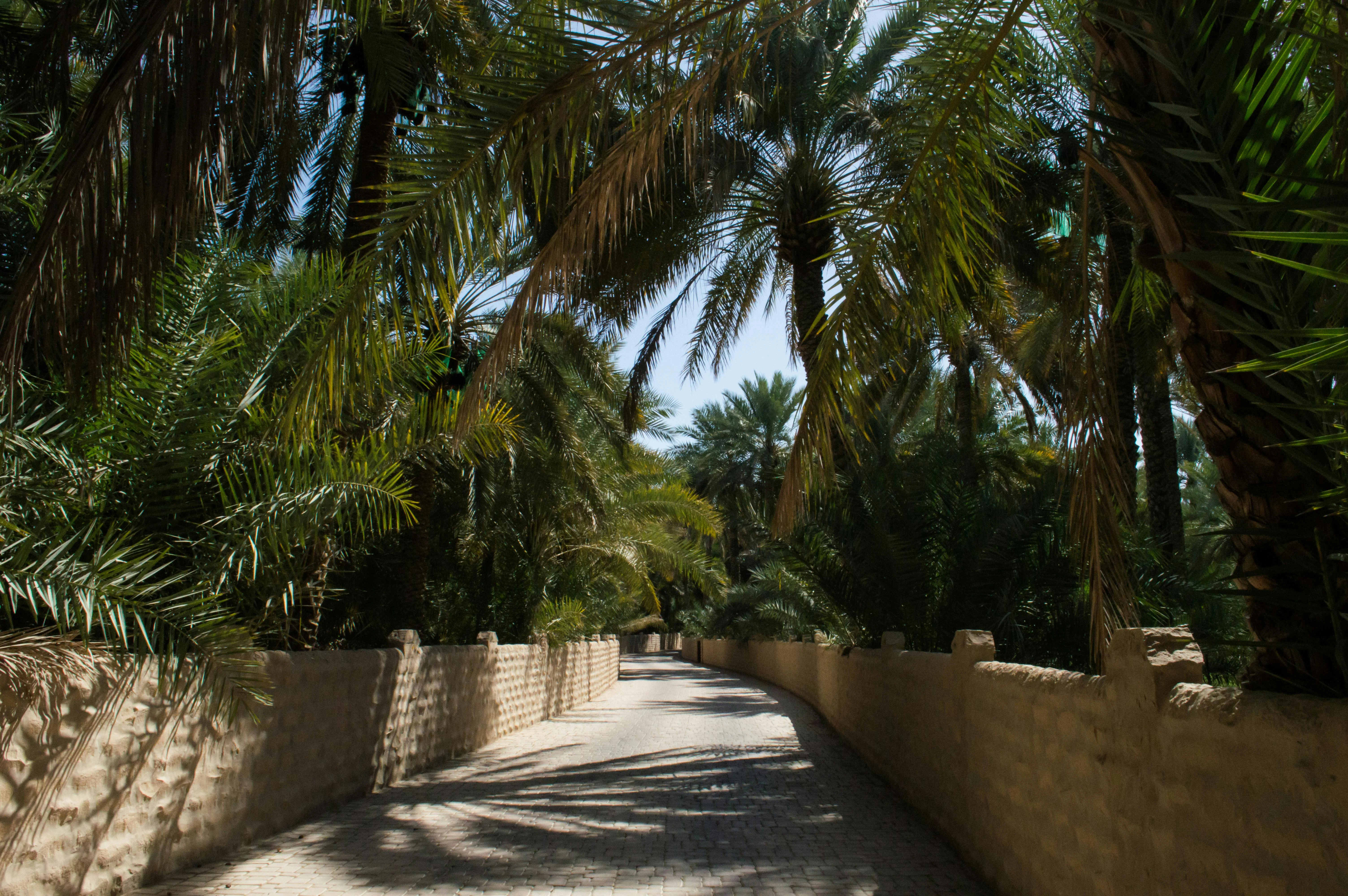
5. Al Ain
Known as ‘The Garden City’ in perhaps the same way that New Jersey is known as ‘The Garden State’, Al Ain is *relatively* lush and as close to a garden city as the UAE is likely to get. Set in the wider Al Ain Oasis, the city is a quiet place to wander, savour a meal in a local diner and enjoy a far more tranquil pace of life than in its unruly neighbour, Dubai.
A key attraction is the UAE’s second-highest mountain, Jebel Hafeet, to which locals from all over the country flock on weekends and holidays, razzing their souped up SUVs up the winding mountain path to a hilltop restaurant at its summit. Due to its status as an oasis, al-Ain is actually one of the most continuously inhabited places on earth and is home to the country’s oldest and most-visitable camel markets.
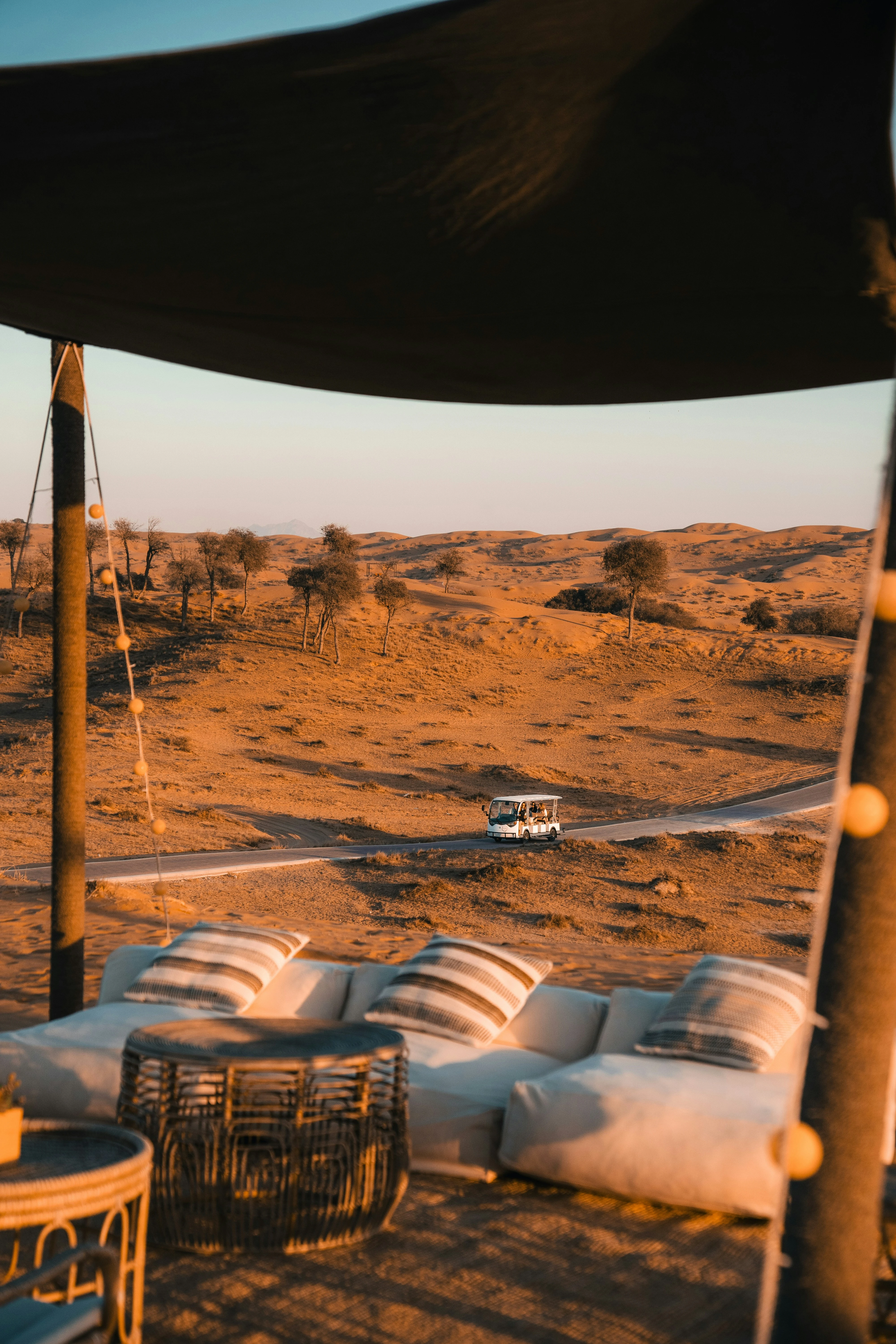
6. Ras Al Khaimah
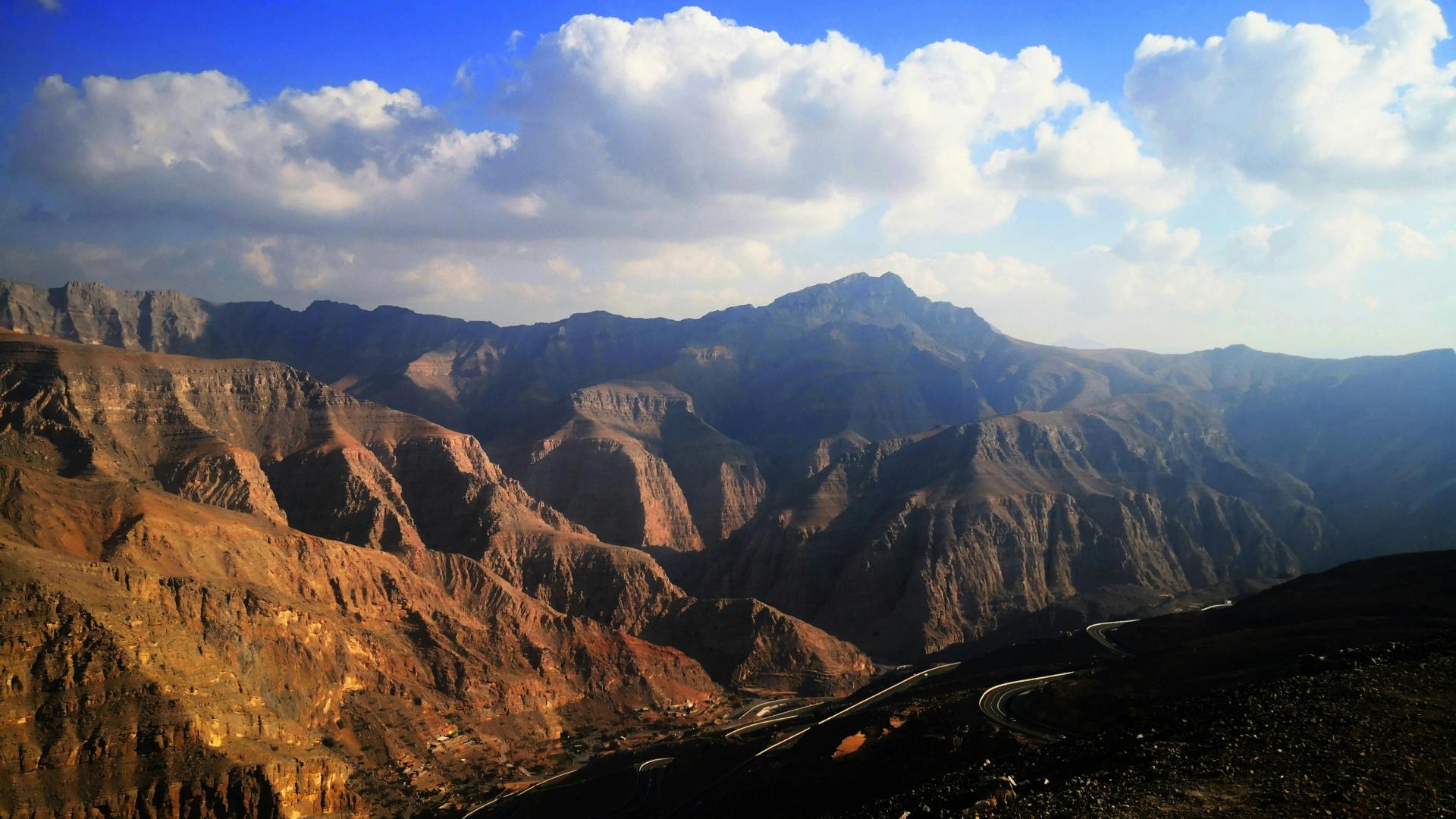
The UAE’s northernmost emirate has tried hard to build a tourist industry for itself over the past two decades, and as such is home to some decent hotels with rates a fraction of the price of the other emirates. Like Fujairah, Ras al-Khaimah retains a ramshackle charm, with an interesting old town and fish market and ancient ruins close to the centre. It also has some decent beaches and is home to Jebel Jais, the UAE’s highest peak, so is popular with hikers.
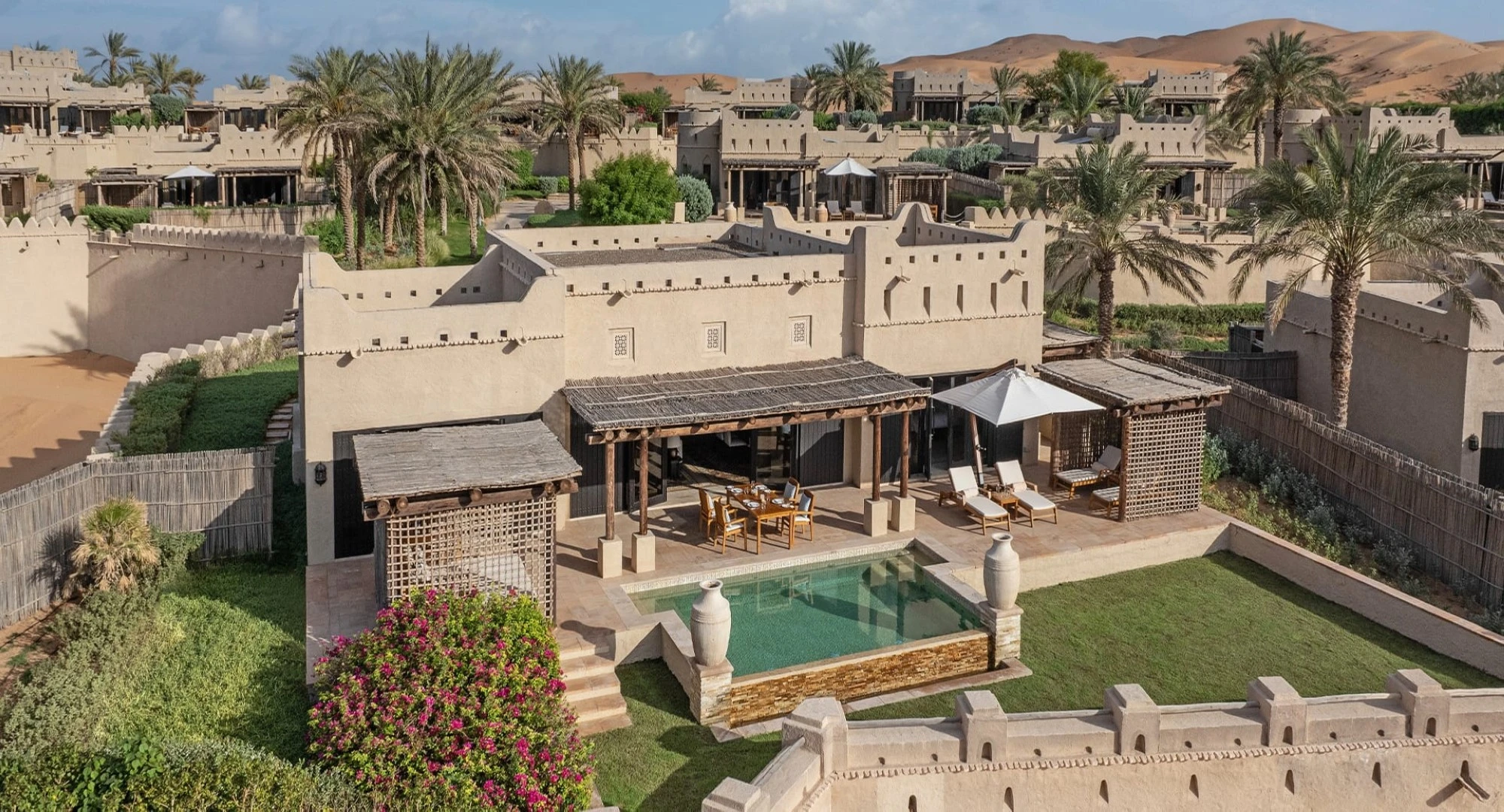
7. Liwa Oasis
A popular destination south of Abu Dhabi, Liwa is home to one of the UAE”s foremost hotels, Qasr al-Sarab, built deep in the desert and with an infinity pool that overlooks the undulating dunes of the Empty Quarter. If you can stand the heat, visit in July for the Liwa Date Festival.