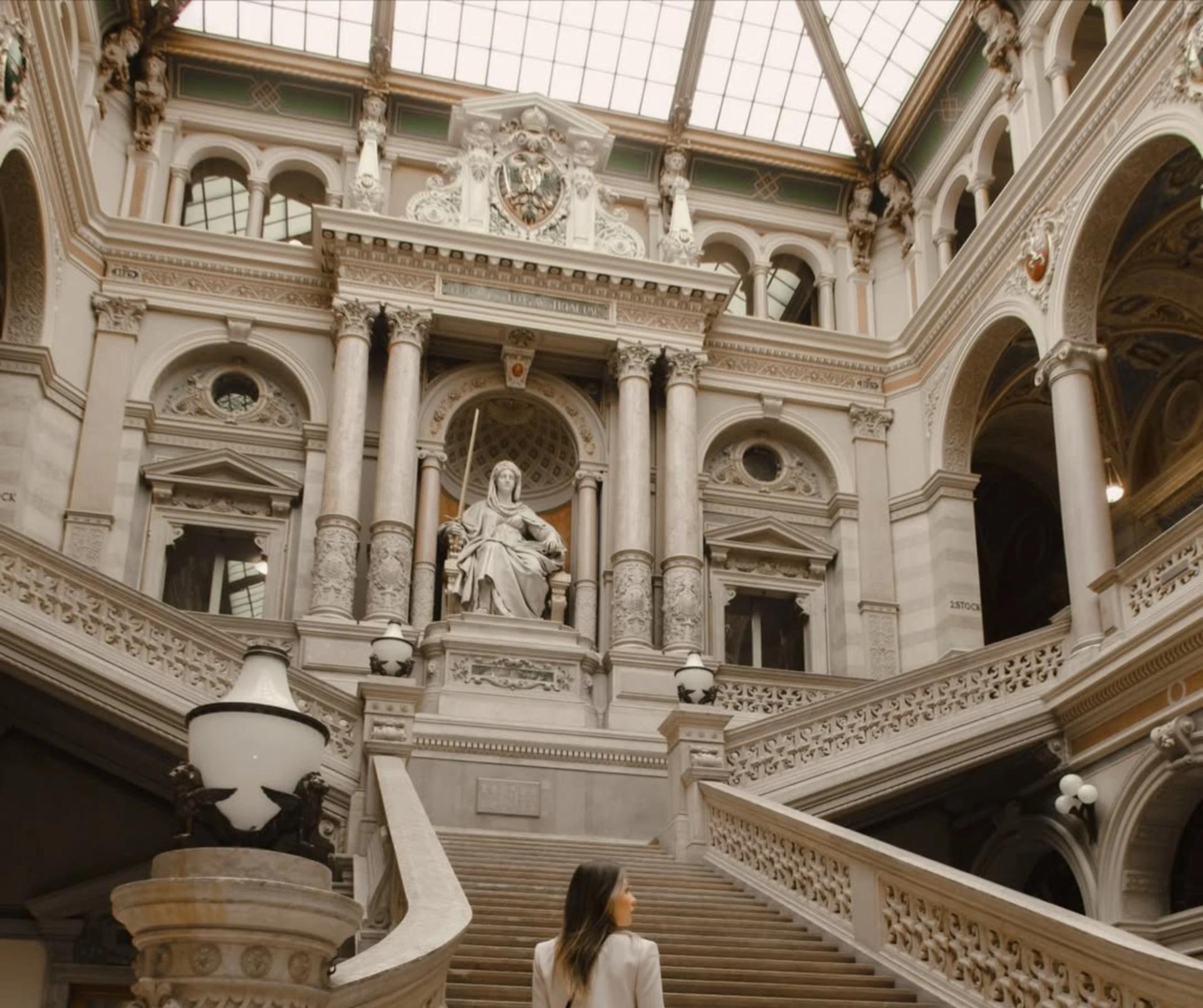

Where vaults once held family fortunes to havens of high-end hospitality, these former bank buildings have been meticulously restored to offer a different kind of wealth – an exceptional travel experience where heritage meets high-end comfort and style.
Across the globe, historic bank buildings, once symbols of financial power and often architectural marvels, are being reborn as luxurious hotels, offering guests a unique blend of history, opulence, and prime location. Retaining the glamour and architectural grandeur, these spaces once dedicated to finance have now been transformed into hotels; showcasing original features like soaring coffered ceilings, ornate facades, and even the original vaults, while offering every modern comfort and amenity a discerning traveller could desire.
Heritage meets high-end comfort in this dive into the historic bank buildings that have traded ledger books for luxury linens, offering discerning travellers a chance to stay within the heart of global financial history.
Bank Hotel, Stockholm
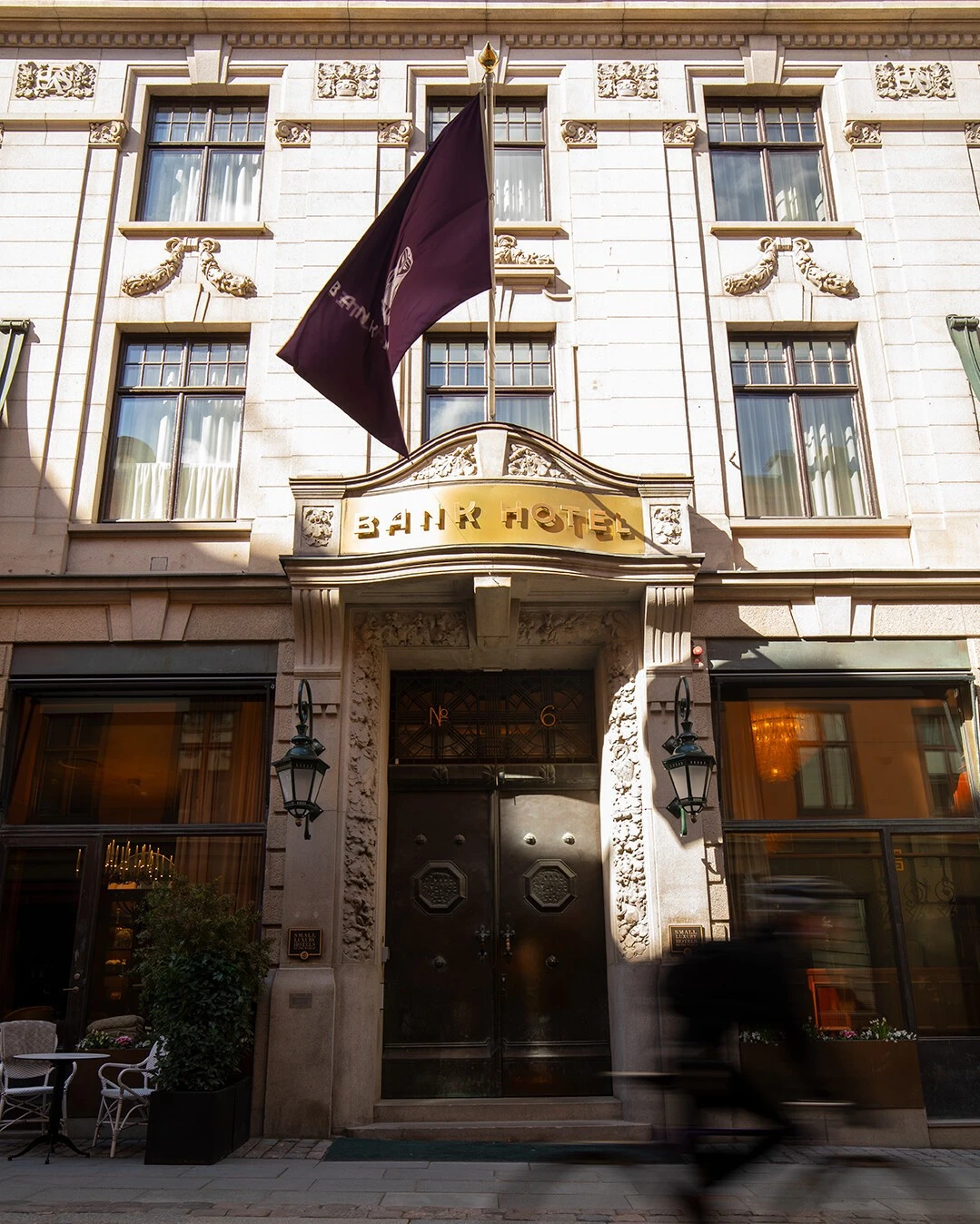
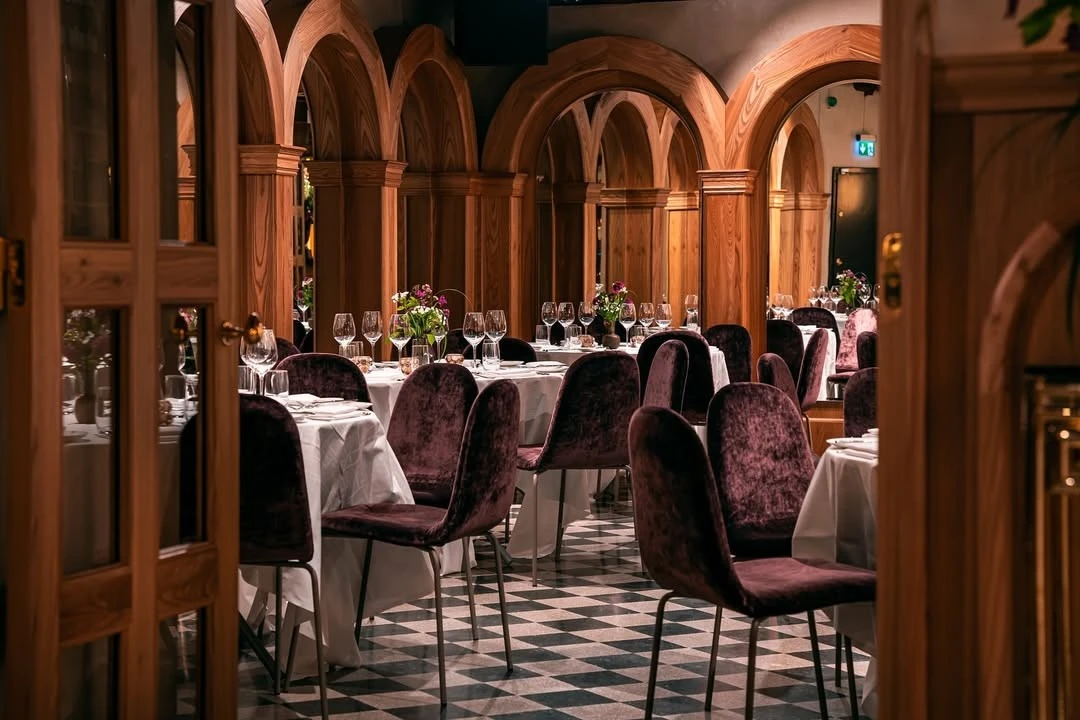
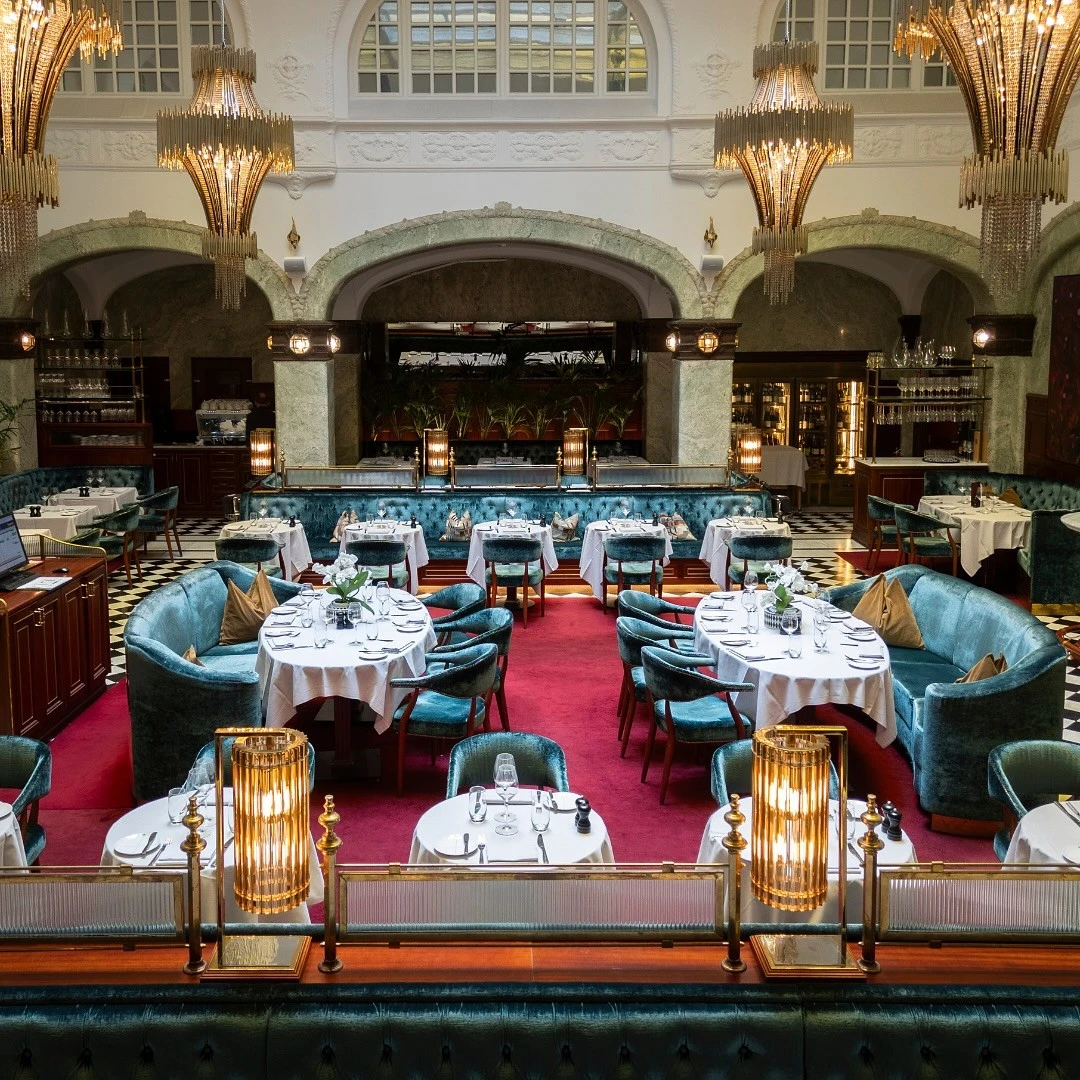
Though its name may be quite literal, Bank Hotel started life in 1910 as the headquarters of Bankaktiebolaget Södra Sverige. Designed by architect Thor Thorén as a daring, neo-Renaissance palace trimmed in Art Nouveau flourishes, the bank was design forward for its time. For a century its heavy bronze doors, octagonal emblems and towering stucco columns presided over traders and bank tellers.
The building was reimagined as a luxury destination in 2018 by Stureplansgruppen and Small Luxury Hotels of the World. Step inside and you’ll discover that Bank Hotel’s story continues; the marble-pillared lobby still echoes with the building's storied past, but is now offset by modern interior elements like plush velvet lounges, but warm brass accents still giving nod to its banking heritage. Spanning seven floors and 115 rooms, the hotel delivers uncomplicated luxury, with interiors that artfully blend modern flair and refined elegance and that wink at the building’s past — making Bank Hotel a study in respectful reinvention.
@bankhotelstockholm
Book your stay here
The Ned, London
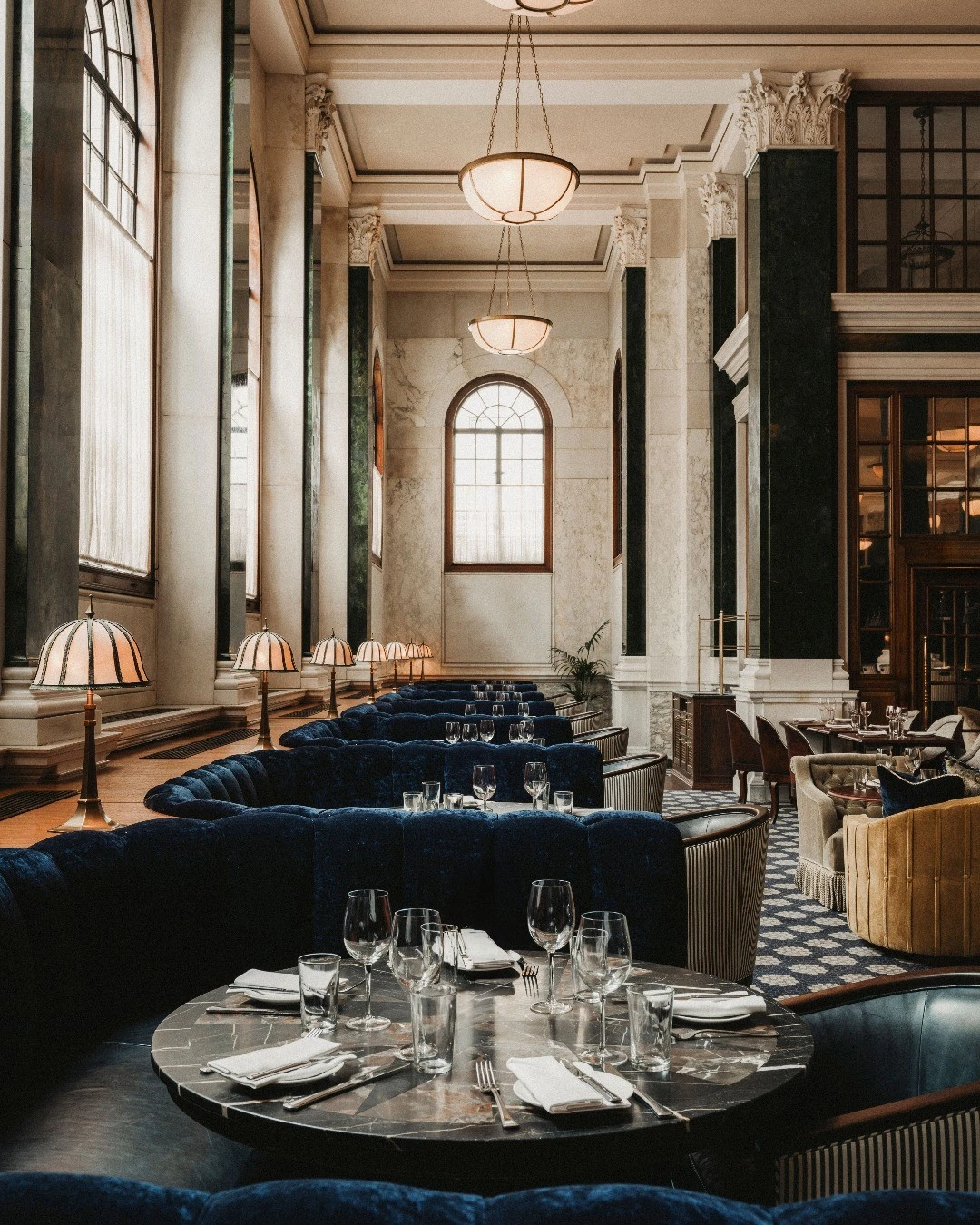
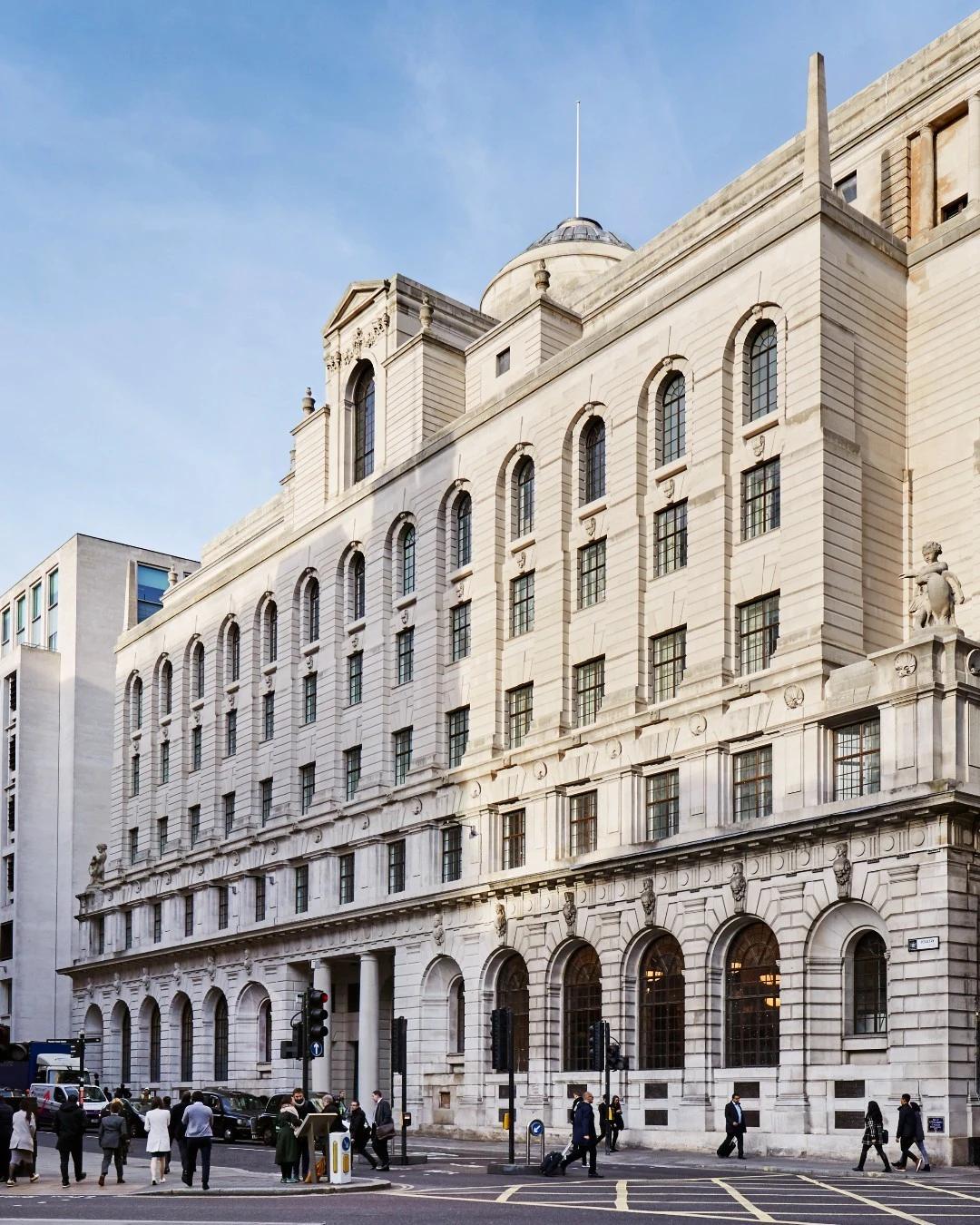
The Ned London began life in 1924 as the Midland Bank’s majestic headquarters, designed by Sir Edwin “Ned” Lutyens in an opulent neo-classical style that blends classical motifs with subtle Indian influences. After decades as one of the City’s financial powerhouses — and a brief tenure under HSBC — the Grade I-listed building stood vacant for nearly eight years, its soaring banking hall and verdigris marble columns waiting in silence for a new purpose.
In 2012, Soho House founder Nick Jones and investor Ron Burkle joined forces with New York’s Sydell Group to undertake a meticulous five-year restoration of the expansive former bank building. When The Ned opened in 2017, the space emerged with 250 rooms, ten art-deco–inspired restaurants, 17 bars (including The Vault with its 3,000 restored safety-deposit boxes) and a tucked-away Ned’s Club featuring a gym, spa and rooftop pool that marry Lutyens’s grandeur with contemporary luxury.
Today, The Ned stands as an architectural and social landmark to both London locals and out-of-towners. Its 250 guest rooms evoke the 1920s and 1930s with vintage furnishings with bespoke joinery, combined with modern amenities like the indulgent rainforest-style showers, With classic live jazz dancing throughout the coffered grand hall regularly, and afternoon tea served beneath the restored chandeliers The Ned’s carefully preserved heritage and spirited reinvention offer guests an experience unlike any other in London’s hotel scene.
@thenedlondon
Book your stay here
K5 Tokyo
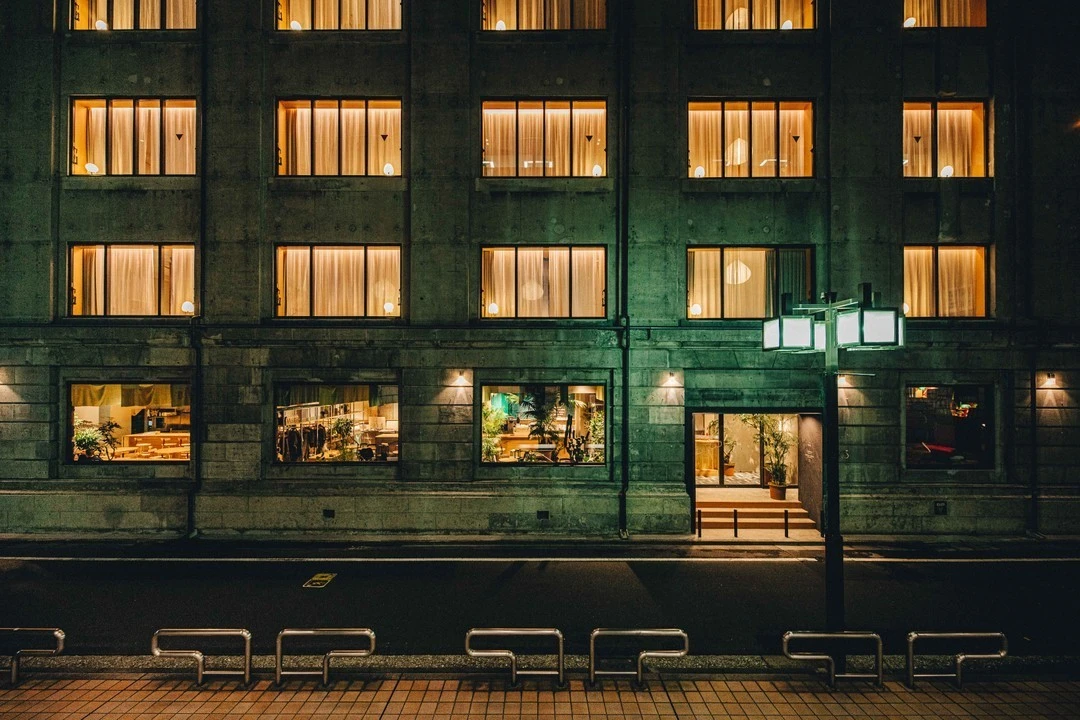
Once a bank building on the edges of the Tokyo Stock Exchange, the building’s classical façade from 1923 still stands as a quiet testament to the city's financial heyday. Decades later, Swedish architects Claesson Koivisto Rune saw the building's hidden potential and set out to blur the lines between past and present and introduce the banking building to the world of luxury hospitality. A meticulous renovation saw the raw concrete floors lovingly patched with parquet flooring, whilst cedar wood and Japanese stucco accents were woven into the interior design, and slender potted plants turned vault-like spaces into a gently breathing green oasis, embracing the Japanese concept of aimai, where boundaries melt into ambiguity.
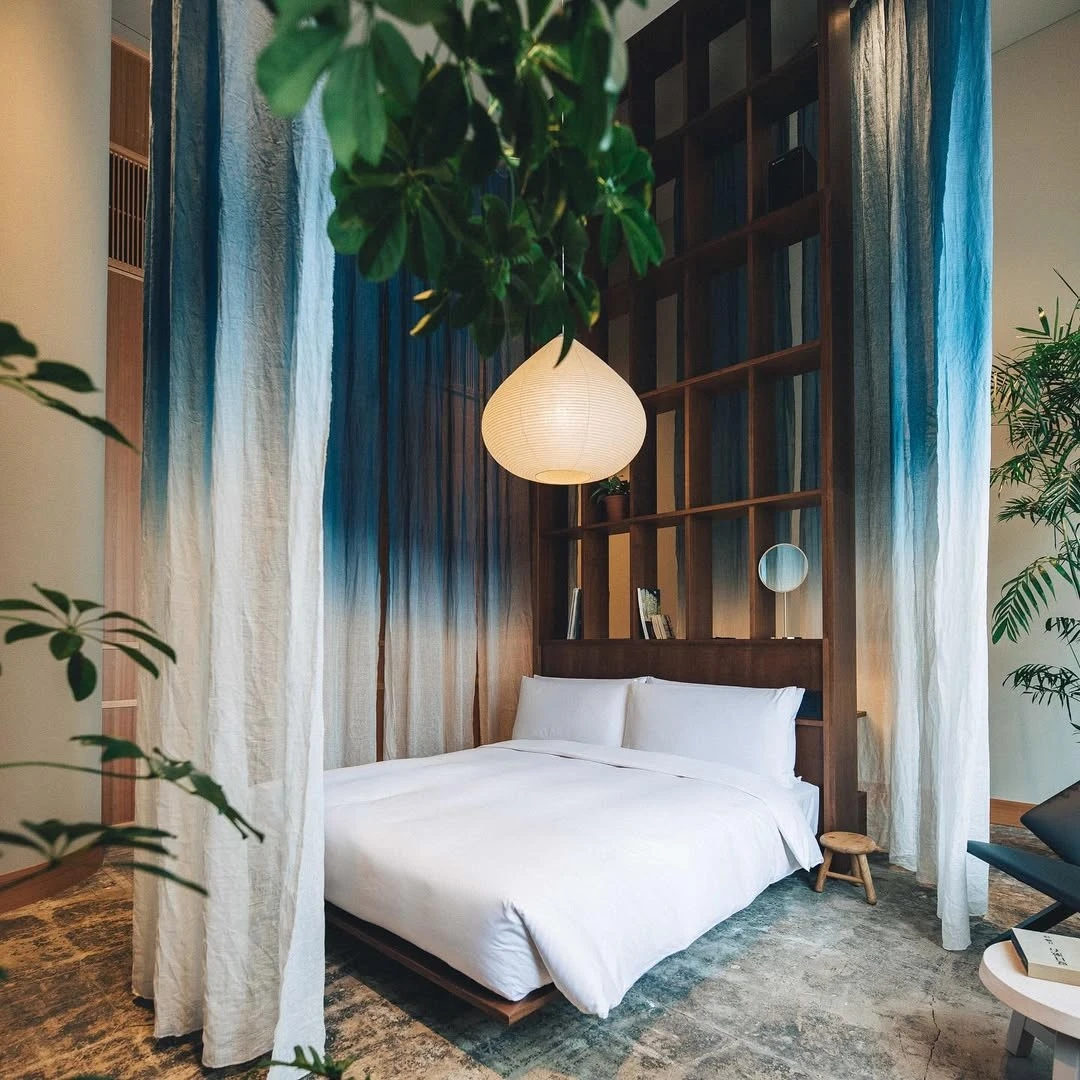
Welcoming a new dawn in 2020, today, the bank building is now four-storey hotel containing just twenty spacious rooms, each centred around a freestanding bed draped in a sheer, cylindrical canopy that filters daylight and frames your sleeping area like a minimalist stage set. Beyond the bedrooms, the lobby doubles as Switch Coffee micro-jungle-meets-cafe, before flowing into Caveman, a Nordic-meets-Japanese fusion kitchen, and Ao bar, where mixology-meets-traditional medicine.
K5 Tokyo’s second life proves that luxury can be playful, sensory and deeply rooted in the stories of a building, and a city, that never stops evolving.
The Ritz-Carlton, Philadelphia
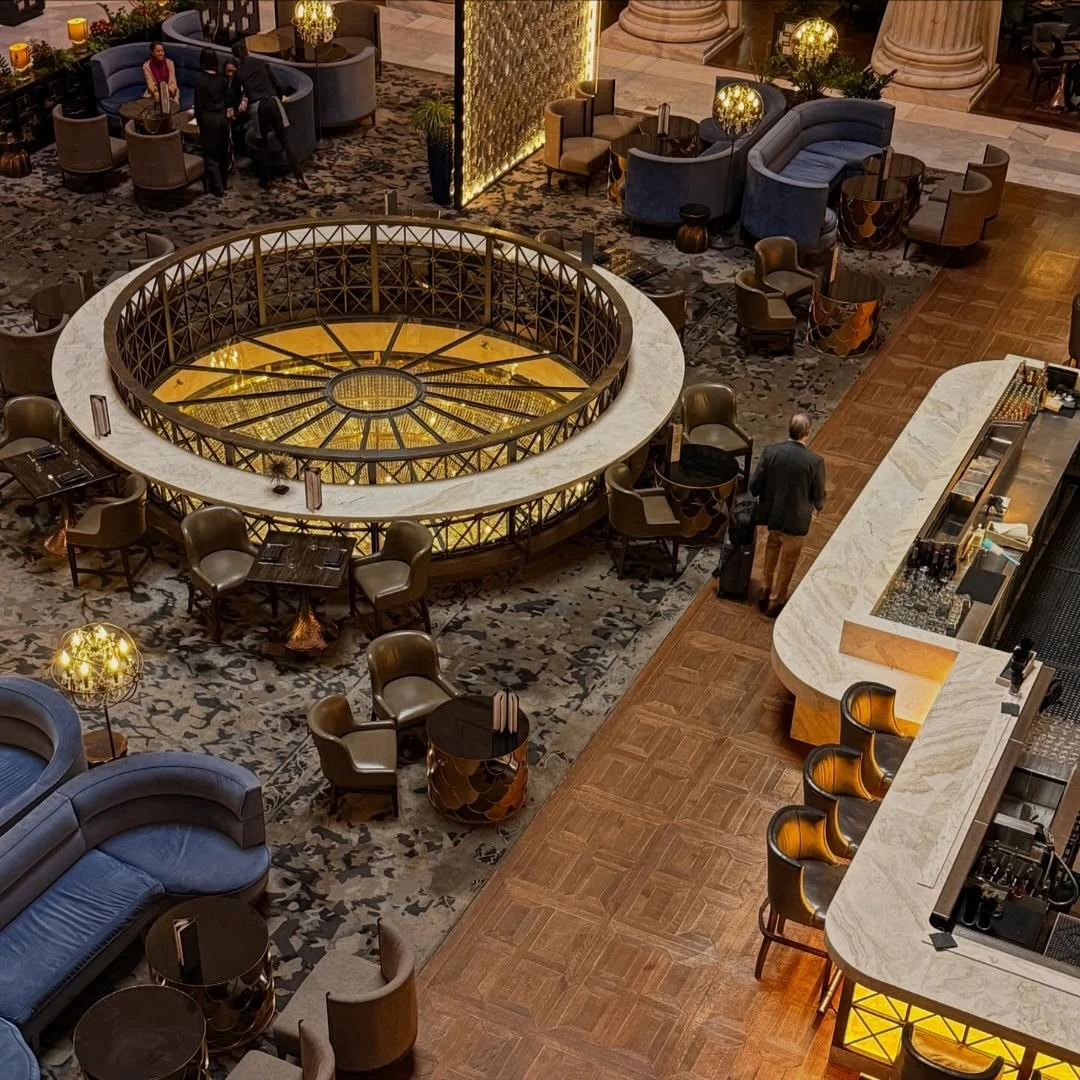
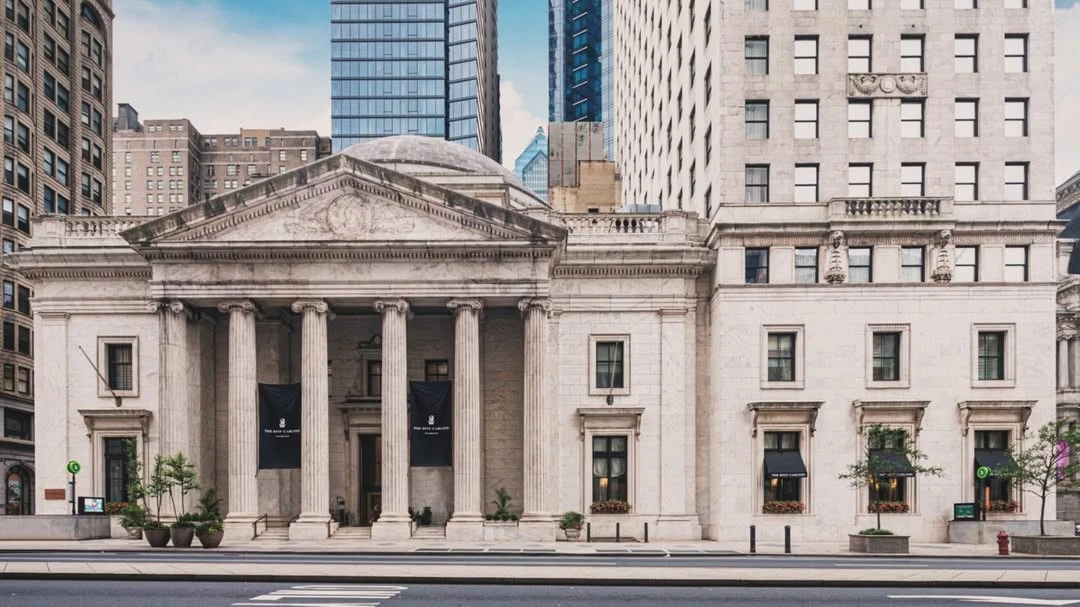
The Ritz-Carlton, Philadelphia occupies the former Girard Trust Company building. The building is a neoclassical masterpiece conceived by Furness, Evans & Company and McKim, Mead & White between 1905 and 1908, complete with imposing and beautiful marble columns and a magnificent rotunda.
In 2000, developers James Garrison and Dr. George C. Skarmeas oversaw the bank's transformation into a 330-room luxury hotel, seamlessly weaving guest rooms and suites into the historic banking tower and repurposing the original vaults, teller counters and grand rotunda into vibrant dining and event spaces. And a $25 million renewal in 2016 led by Wimberly Interiors refreshed all guest rooms, public areas and meeting rooms, introduced Richard Sandoval’s Latin-inspired restaurant Aqimero beneath the restored oculus, and added the Richel D’Ambra Spa & Salon and a 30th-floor Club Lounge.
@ritzcarltonphiladelphia
Book your stay here
Park Hyatt Vienna
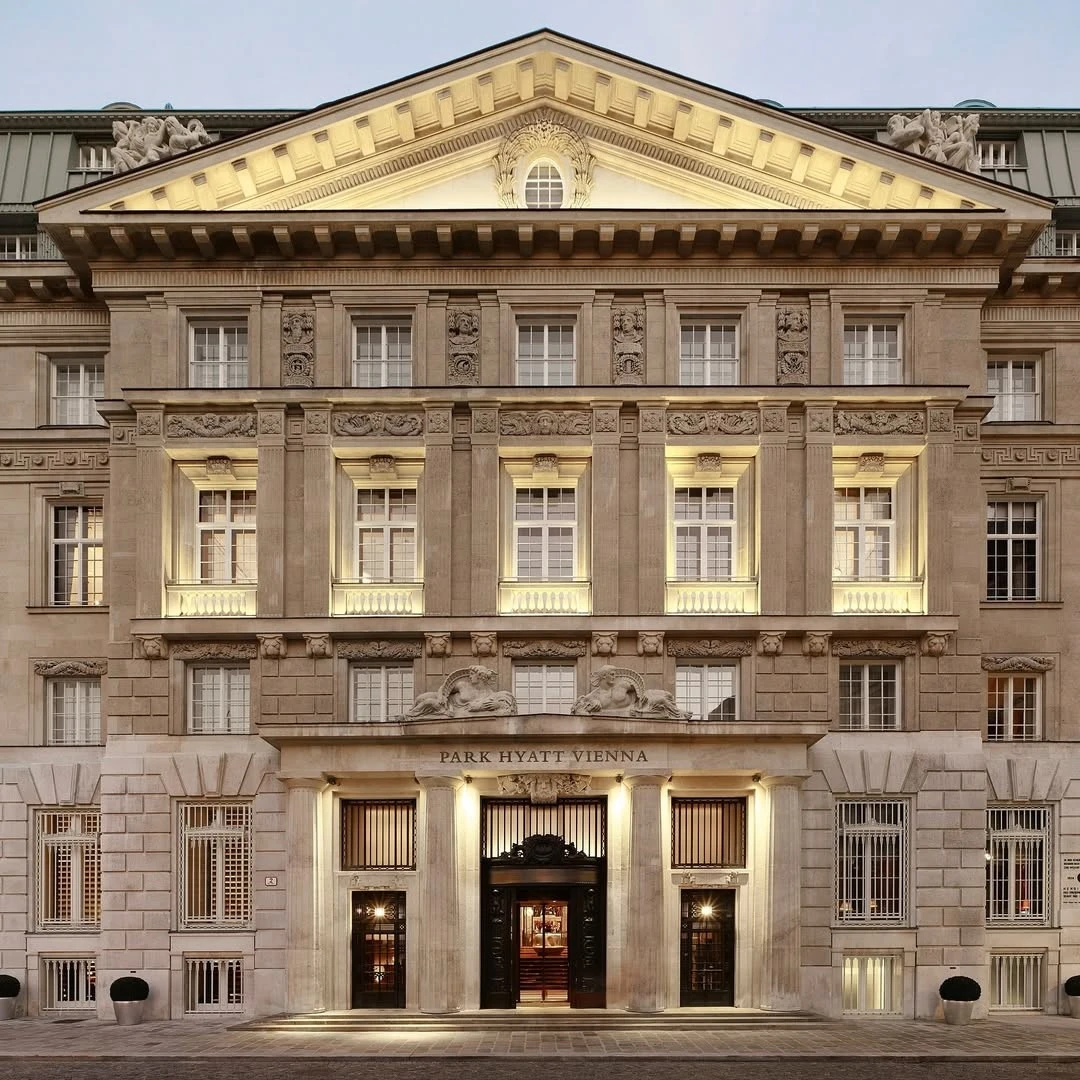
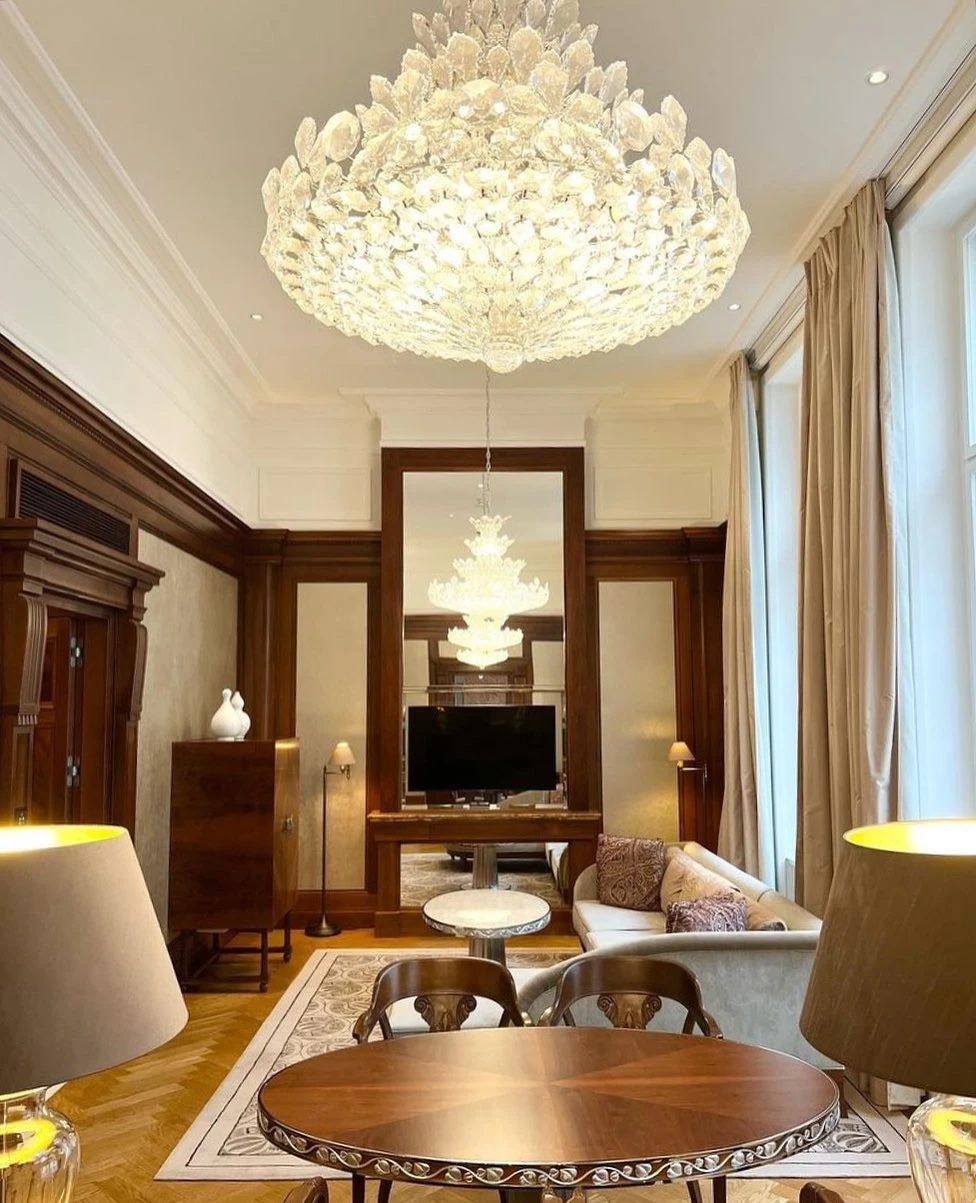
Housed within the former headquarters of the Austrian Hungarian Monarchy Bank, the Park Hyatt Vienna is a masterclass in restoration of a century-old landmark. Situated in the "Golden Quarter" of Vienna, the Park Hyatt occupies a former bank dating back to the early 1900s. The building was originally designed by architects Ernst Gotthilf and Alexander Neumann and served as a financial powerhouse from 1915 until its recent transformation.
Since 2014, the building's impressive legacy has been woven into an indulgent guest experience: the grand cashier hall, with its soaring ceilings and original marble, has been reimagined as The Bank Brasserie & Bar, while the subterranean Arany Spa occupies the former bank vault. In a particularly poetic detail, the 15-metre swimming pool is lined with gold-coloured tiles shaped like bullion bars, allowing guests to swim through the very space where the empire's treasures were once secured.
@parkhyattvienna
Book your stay here
The Marmorosch Bucharest, Autograph Collection
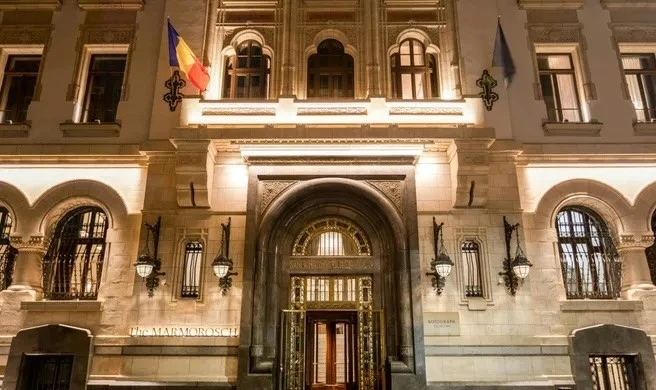
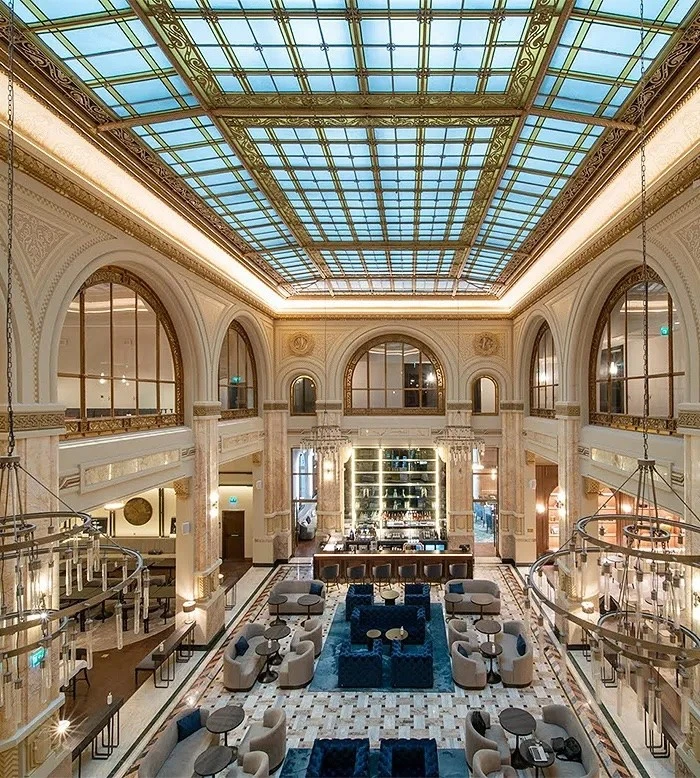
The Marmorosch, Autograph Collection is a breathtaking revival of the Marmorosch Blank Bank Palace in the heart of Romania's Old Town district in the capital city of Bucharest. Once the most powerful financial institution in Romania during the Belle Époque, the building was designed by renowned architect Petre Antonescu and built between 1912 and 1923, the building is a masterpiece of Neo-Romanian architecture, blending Byzantine and Gothic influences with stately Art Deco interiors. The hotel's design celebrates the building's rich history, incorporating original features like the stained-glass windows and ornate plasterwork, while offering luxurious accommodations and modern amenities.
After a meticulous three-year, €42 million restoration, the "palace" was transformed into a 217-room luxury hotel that preserves the grandeur of its banking heritage. Welcoming guests since 2021, the hotel invites visitors to dine in the Blank Restaurant, situated in the former high-ceilinged banking hall, and can enjoy cocktails in The Vault, a subterranean speakeasy located within the bank’s original two-story safe, complete with authentic brass deposit boxes and a massive armoured door.