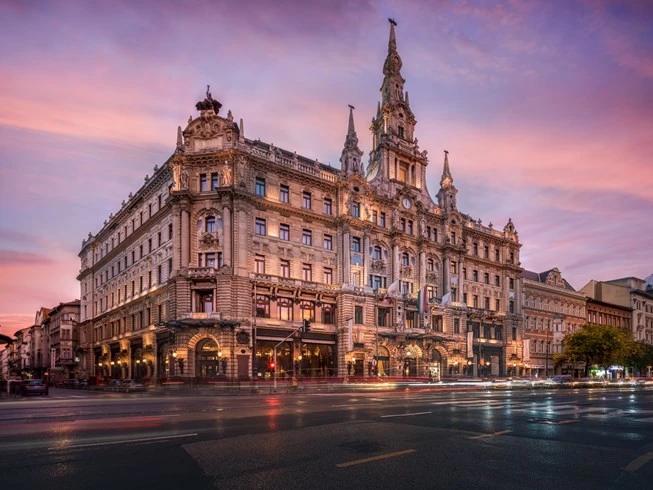
Budapest has a habit of making you feel like an extra in a film with a lost 1918 script, and nowhere is the set-dressing more convincing than Anantara New York Palace Budapest Hotel on Erzsébet körút.

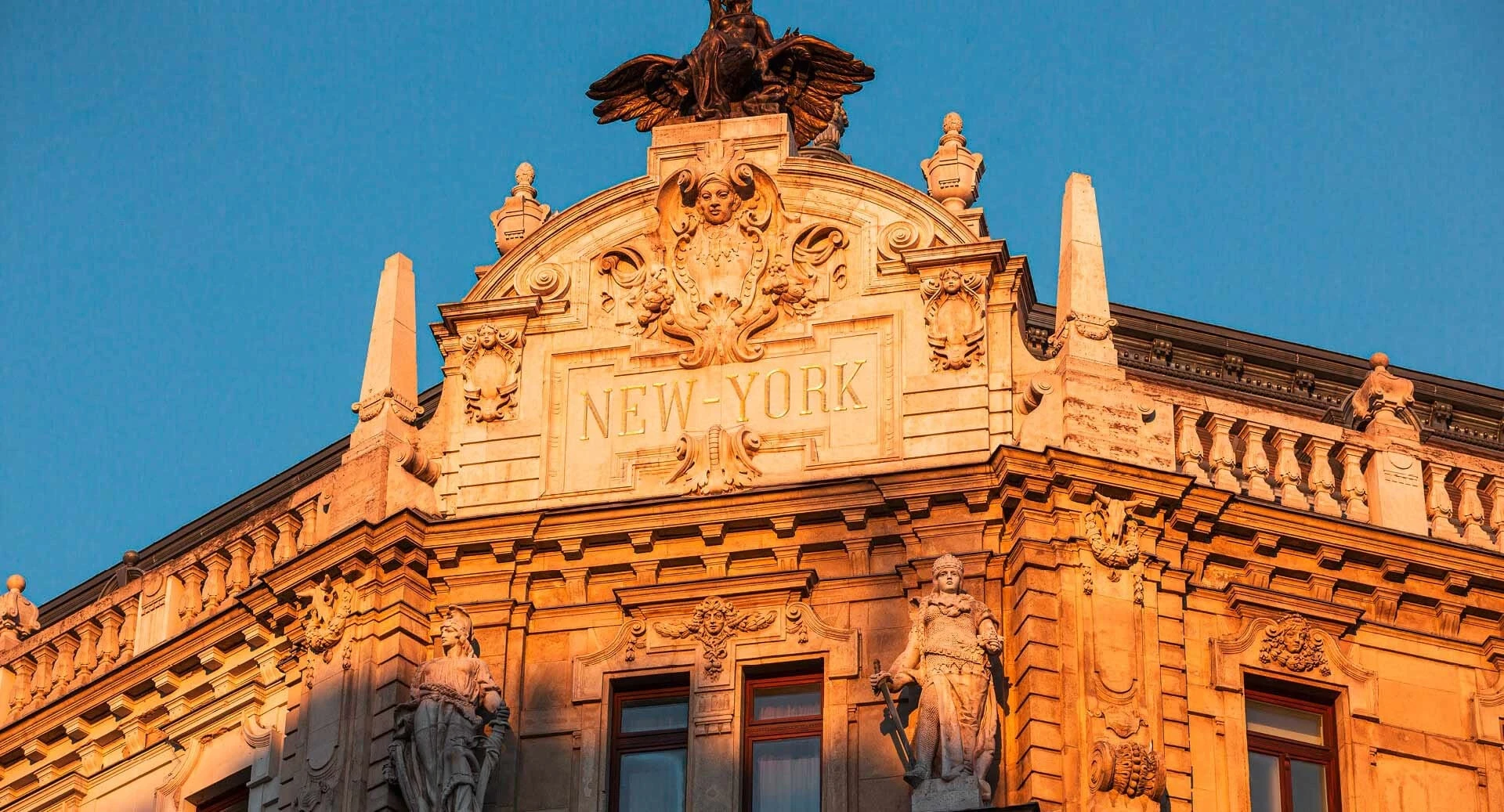
I first stood before this limestone behemoth 20 years ago, a teenager whose brain was rewired by the sight of it. Back then, New York Palace had just emerged from its post-communist chrysalis, a restoration so thorough and unapologetically lavish it felt like a provocation to the utilitarian world outside. To my young eyes, it was the most mind-blowing, luxurious place I’d ever stepped foot in.
Returning now – older, though perhaps none wiser – was the fulfilment of a lifelong dream, a wager to see if the adult intellect could find a flaw in the child’s wonder. It could not. The hotel revealed itself to be even more incredible than my imagination had managed to preserve.
In Short:
Designed by architect Alajos Hauszmann in 1894, the Anantara New York Palace Budapest Hotel is a cinematic masterpiece of Belle Époque architecture that seamlessly transitions from the breathtaking, frescoed maximalism of its historic New York Café to the quiet luxury of its 185 elegant guest rooms. Having survived the tumultuous shifts of 20th-century history, this majestic limestone property offers an impeccably restored time capsule where old-world Austro-Hungarian grandeur meets contemporary, discreet luxury. It stands as a timeless, deeply evocative sanctuary on the Grand Boulevard, keeping the vibrant spirit of Budapest’s rich cultural and literary past alive.
The Location & Background
This is a corporate palace in the most literal sense. Commissioned in the mid-1890s as the European headquarters for the New York Life Insurance Company, it was architect Alajos Hauszmann’s way of declaring that even the dry business of actuarial tables deserved a throne room.
Hauszmann, a titan of Hungarian architecture who also shaped Buda Castle, treated the facade as city-theatre. Along with collaborators Flóris Korb and Kálmán Giergl, he created an eclectic, Italianate massing of stone that feels intentionally over-expressive, closer to opera-set realism than modern restraint.
If you look closely at street level, you will see the particular genius of sculptor Károly Senyei: lantern-bearing fauns and bronzed satyrs watching the trams rattle past. Their mischievous faces serve as a permanent reminder that even at the height of the Habsburg-era boom, Budapest maintained a sly sense of humour.
The Ambiance
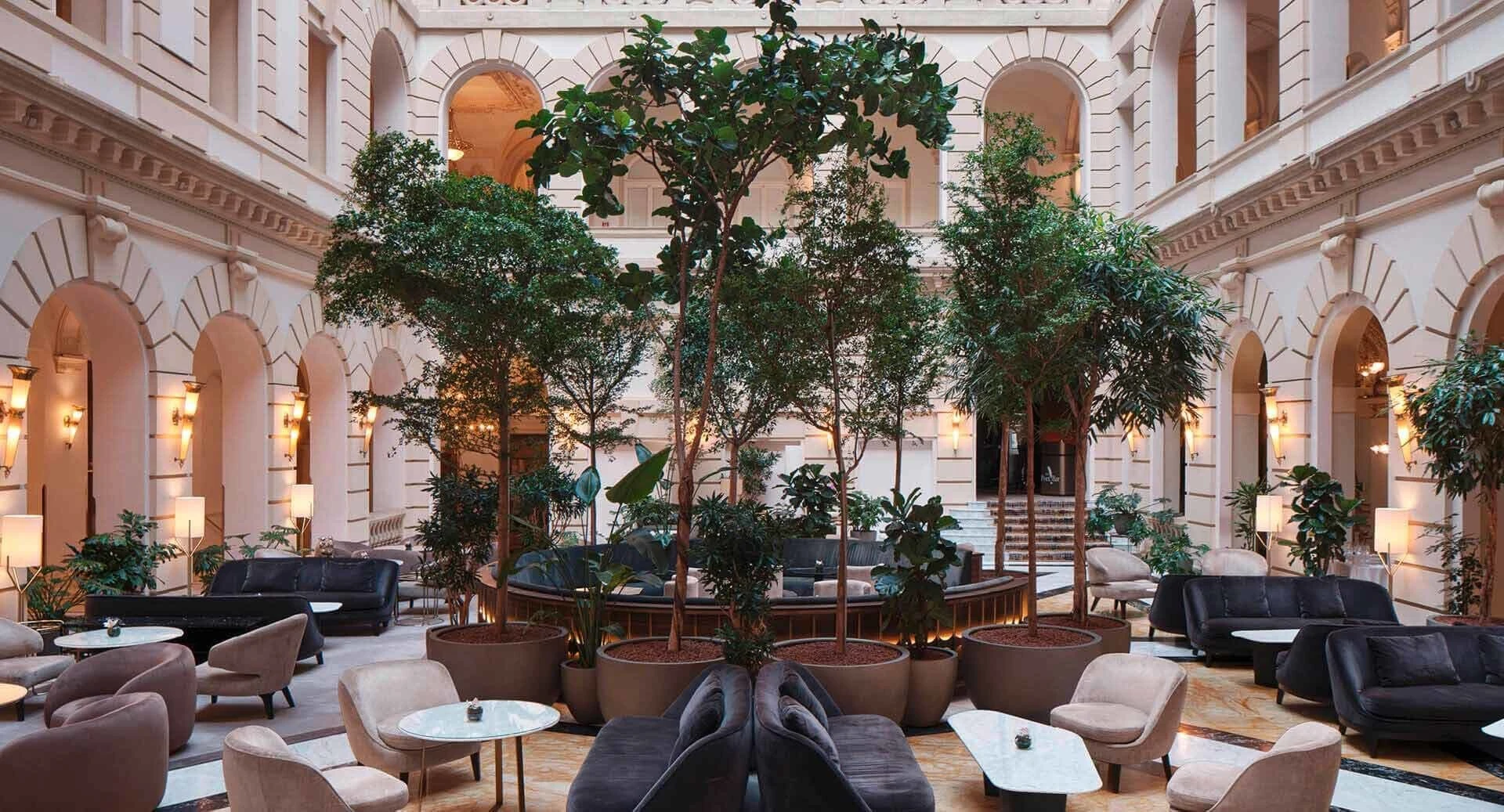
The hotel comes alive in ways that avoid the grand dame stiffness of many heritage properties, letting history breathe and luxury feel lived in. From curated antiques to staff members who anticipate every need with discreet attentiveness, the experience is as tangible as it is refined and every forint spent feels like a tribute to the building’s enduring legacy.
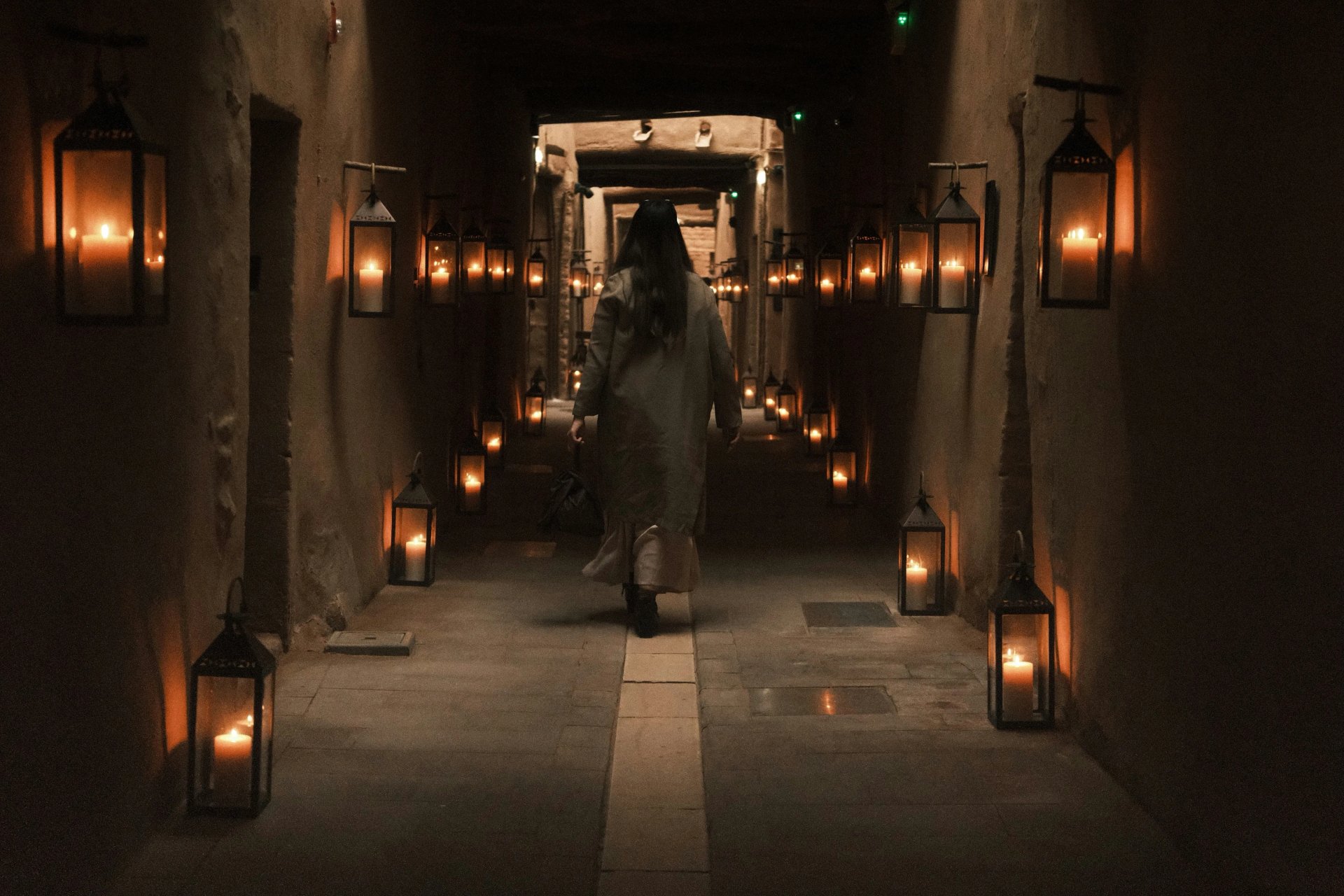
Walking through the corridors at midnight, when cafe tourists have vanished and the only sound is the hum of the city through thick stone walls, you realise New York Palace hasn’t changed. It is the same staggering, beguiling entity that stopped this boy in his tracks 20 years ago. It remains a testament to the fact that while history can be nationalised, renamed, or restored, true grandeur is immutable. The hotel doesn’t just host the ghost of the Austro-Hungarian empire; it keeps the lights on for it.
The Dining
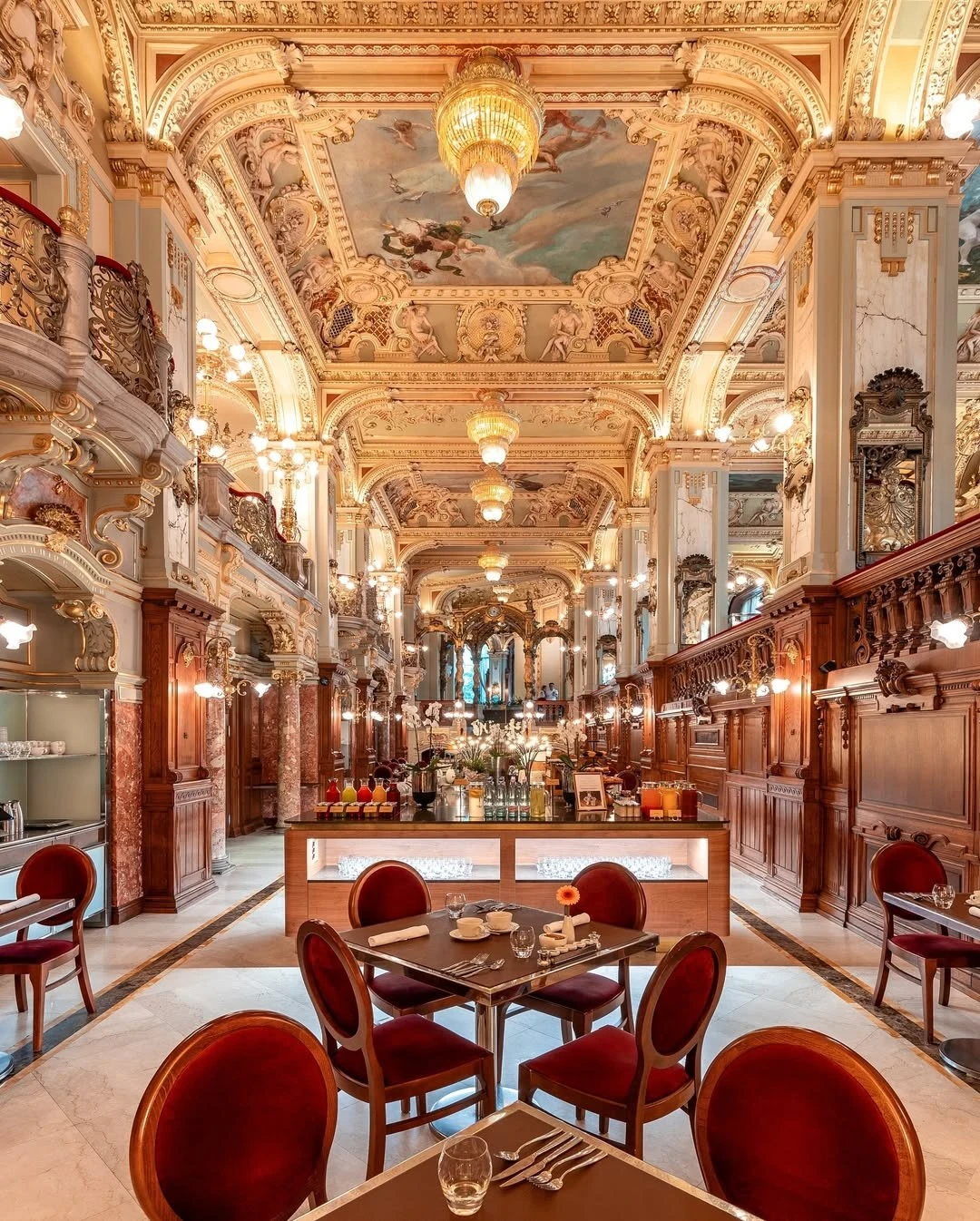
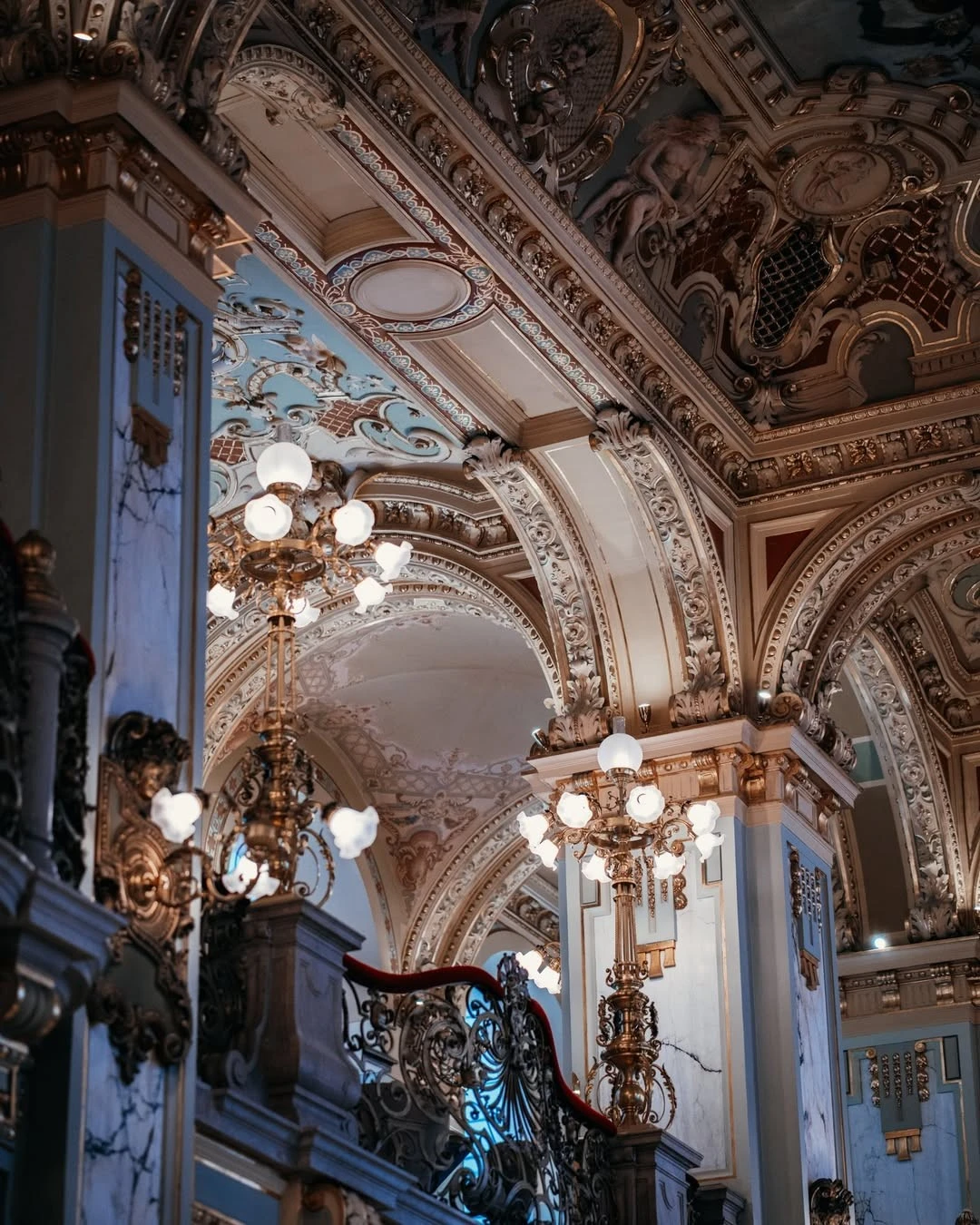
New York Café remains the property’s aesthetic and culinary heart. At the turn of the 20th century, this was the city’s intellectual lung, a space where poets, editors, and journalists traded barbs beneath frescoed ceilings. To sit here today is to experience a genuine baroque lift – the vertical visual climb from twisted marble columns, up through gilded arches, to the endless glow of ceiling paintings and crystal chandeliers.
It functions as a living time capsule, having survived the shocks of the 20th century. It endured the second world war and the communist era, a period during which it lost its cosmopolitan name, was rebranded as Hungária, and reportedly served as a sporting goods store. To see it now, fully reclaimed, is to see how radically its meaning has shifted. The air hangs thick with history, the clinking of spoons against china echoing the arguments of writers long gone.
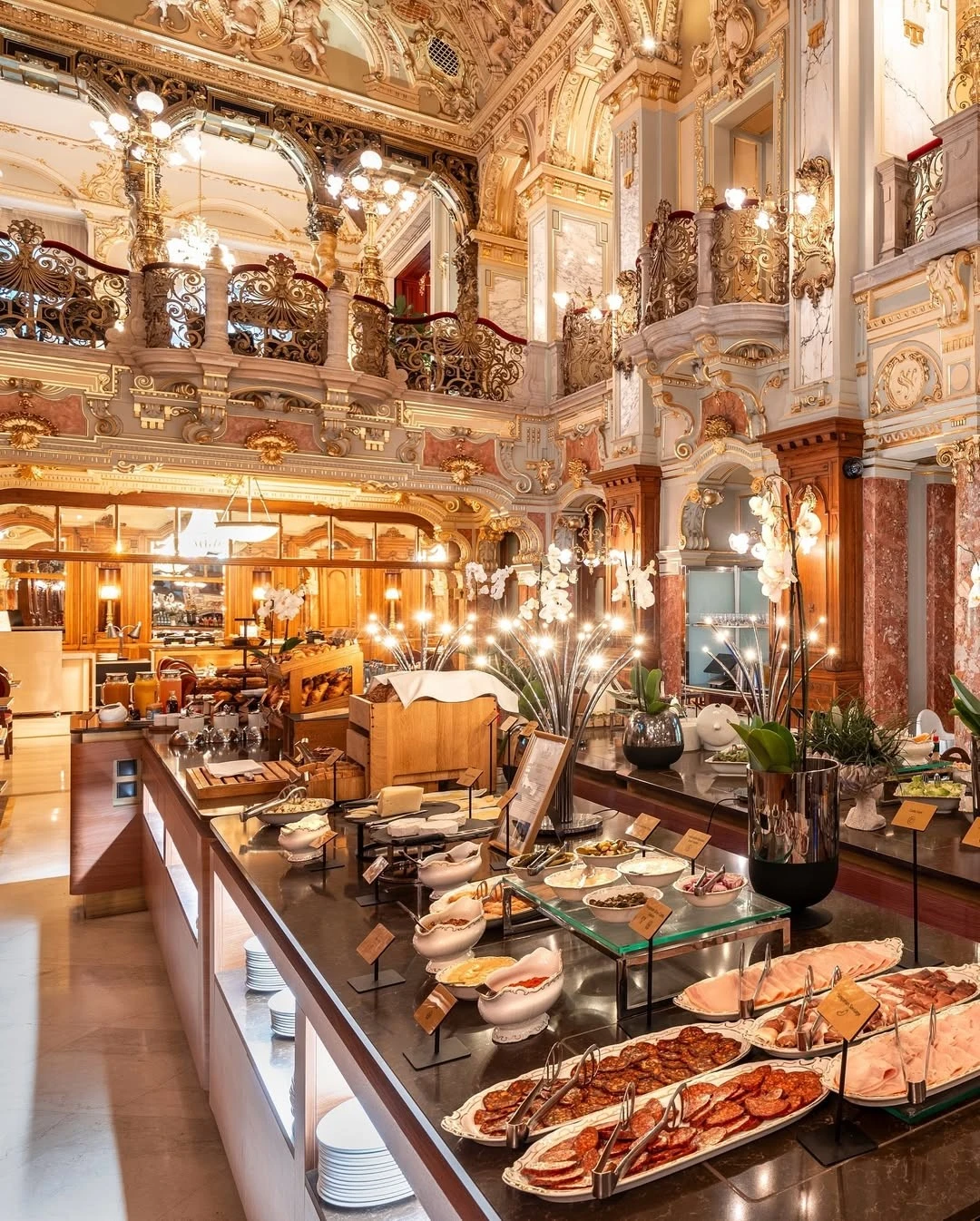
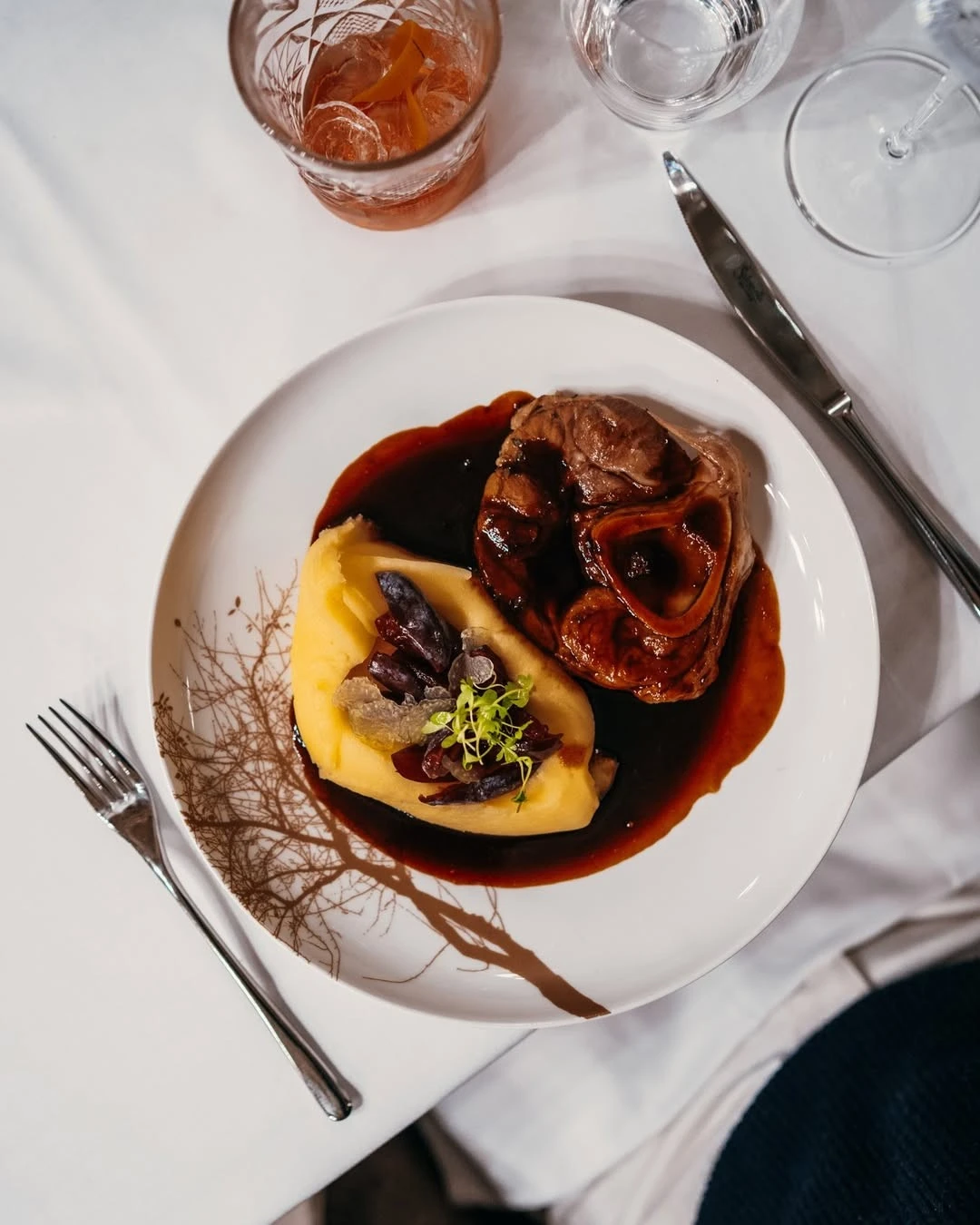
For a more exclusive and contemporary epicurean experience, the first-floor White Salon Restaurant overlooks the spectacular café below, offering an elegant brasserie setting where traditional local comfort dishes — such as beef tartare, classic Hungarian goulash, and chicken paprikash — are elevated through modern textures, lighter preparation, and sophisticated plating. Mornings begin in the exclusive Deepwater Breakfast Room with a lavish buffet and à la carte classics, while casual daytime dining, extravagant cocktails, and premium afternoon teas are hosted in the hotel's glamorous, glass-ceilinged Atrium.
Each evening guests are invited to slip away to The Poet Bar, an intimate, century-old hideaway off the lobby that trades the property's public maximalism for dark-wood paneling, soft lighting, and a thoughtfully curated menu of inventive mixology.
Make your reservation here
@newyork_cafe_budapest
Rooms & Suites
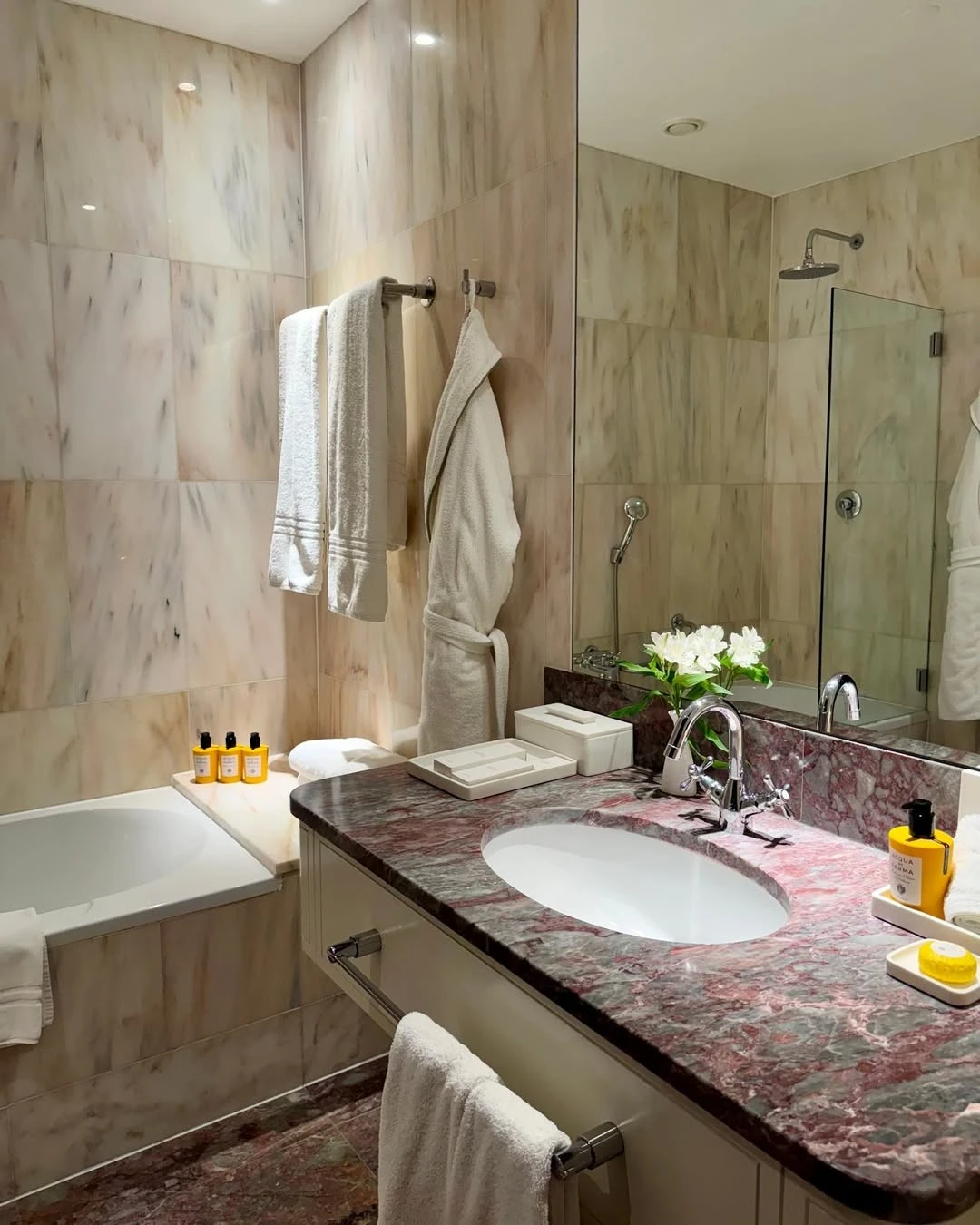
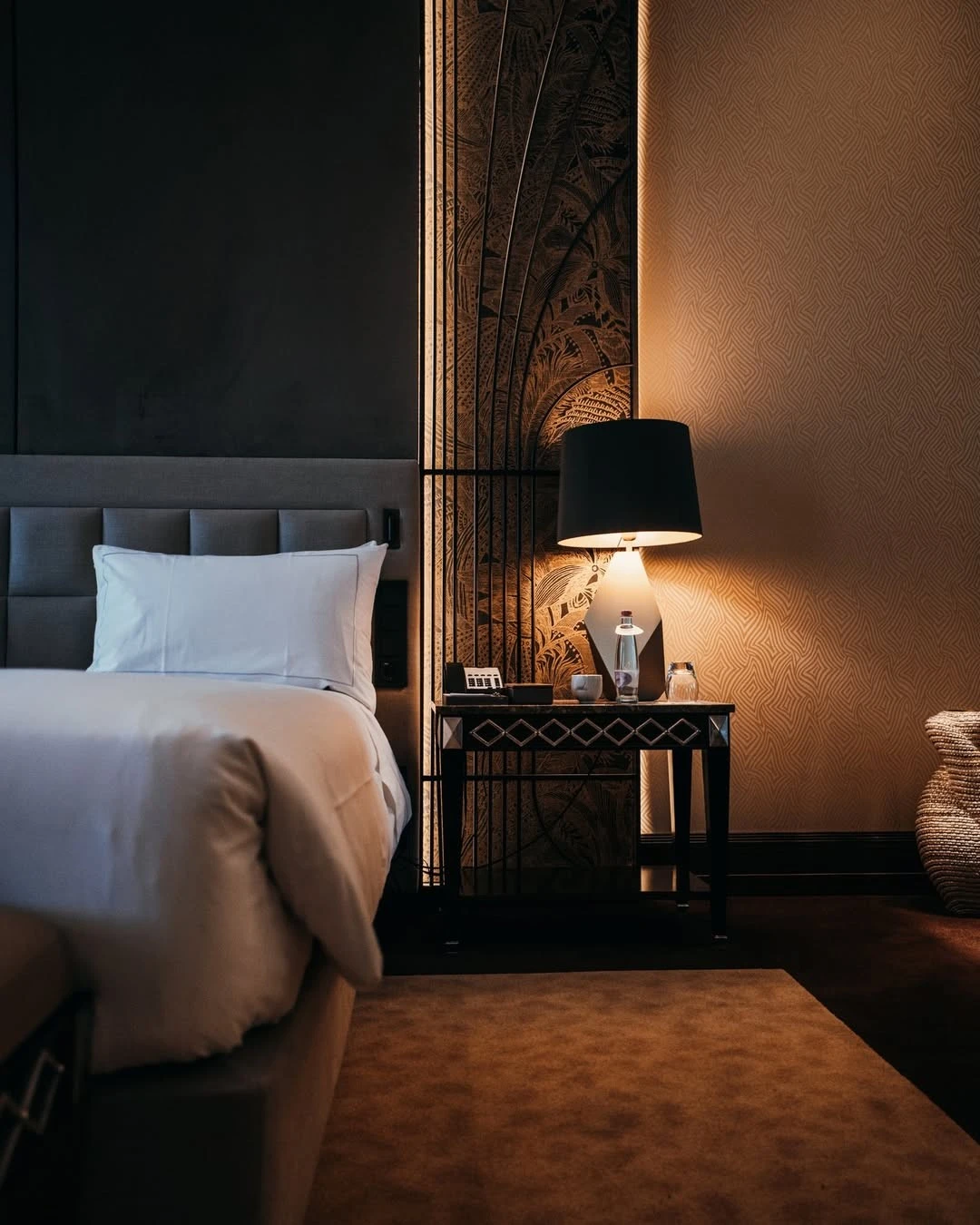
The genius of the current stewardship is the pivot from this public maximalism to a private, hyper-literary calm. While the cafe is a riot of gold stucco and red velvet, the 185 guest rooms and suites are finished in a vocabulary of quiet luxury.
My suite was a landscape of cream-based neutrals, earth-toned beiges, and taupes. If the street outside reminds how often this city has changed flags, the room serves as a fixed point, a space held outside of the timeline. The materials are impeccably sourced, avoiding the trap of faux-historic reproducibility. Instead, you find; Italian furniture with muted finishes, silk-textured wallpapers that offer a subtle sheen completed with traditional Murano chandeliers that catch the afternoon light without being garish.
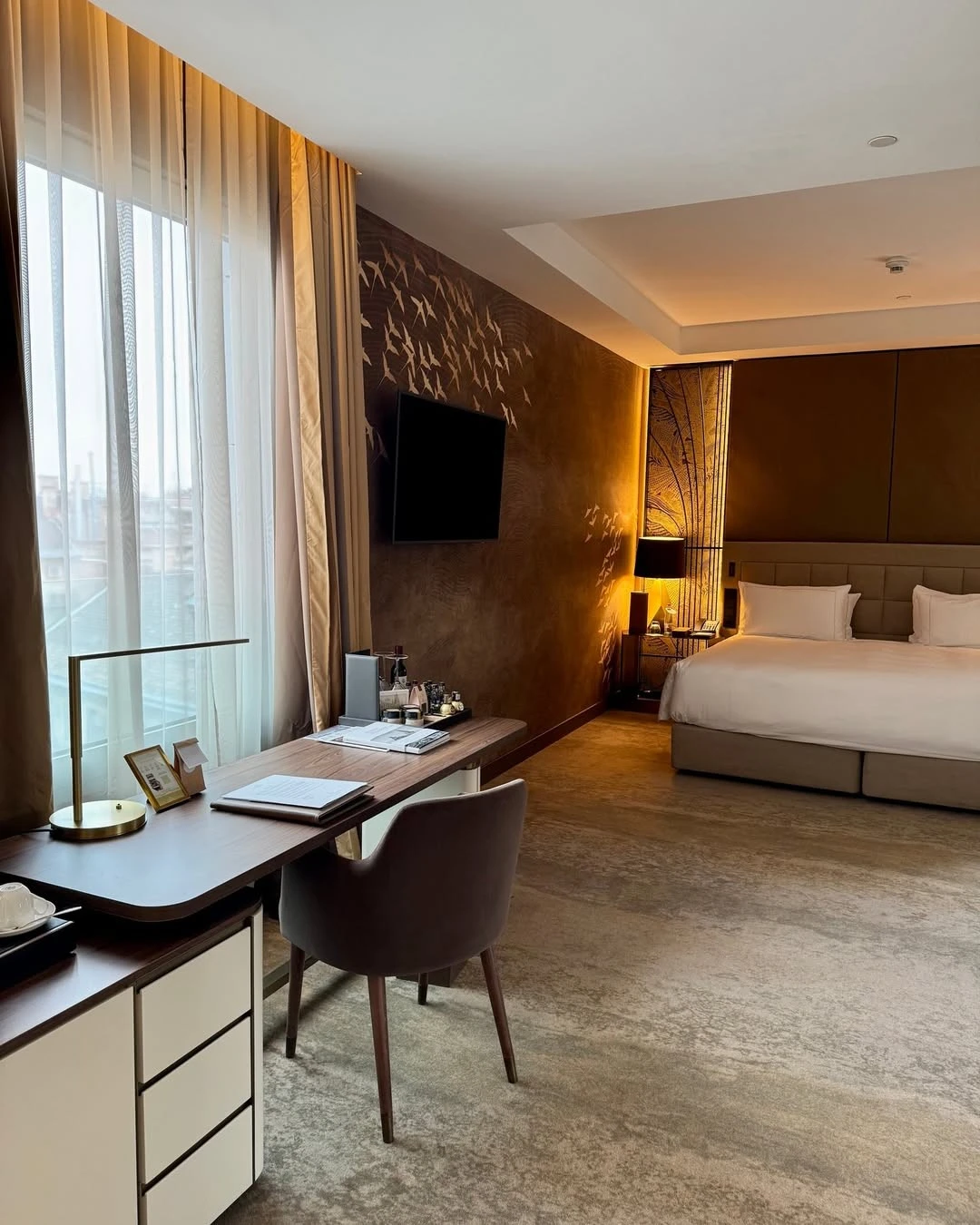
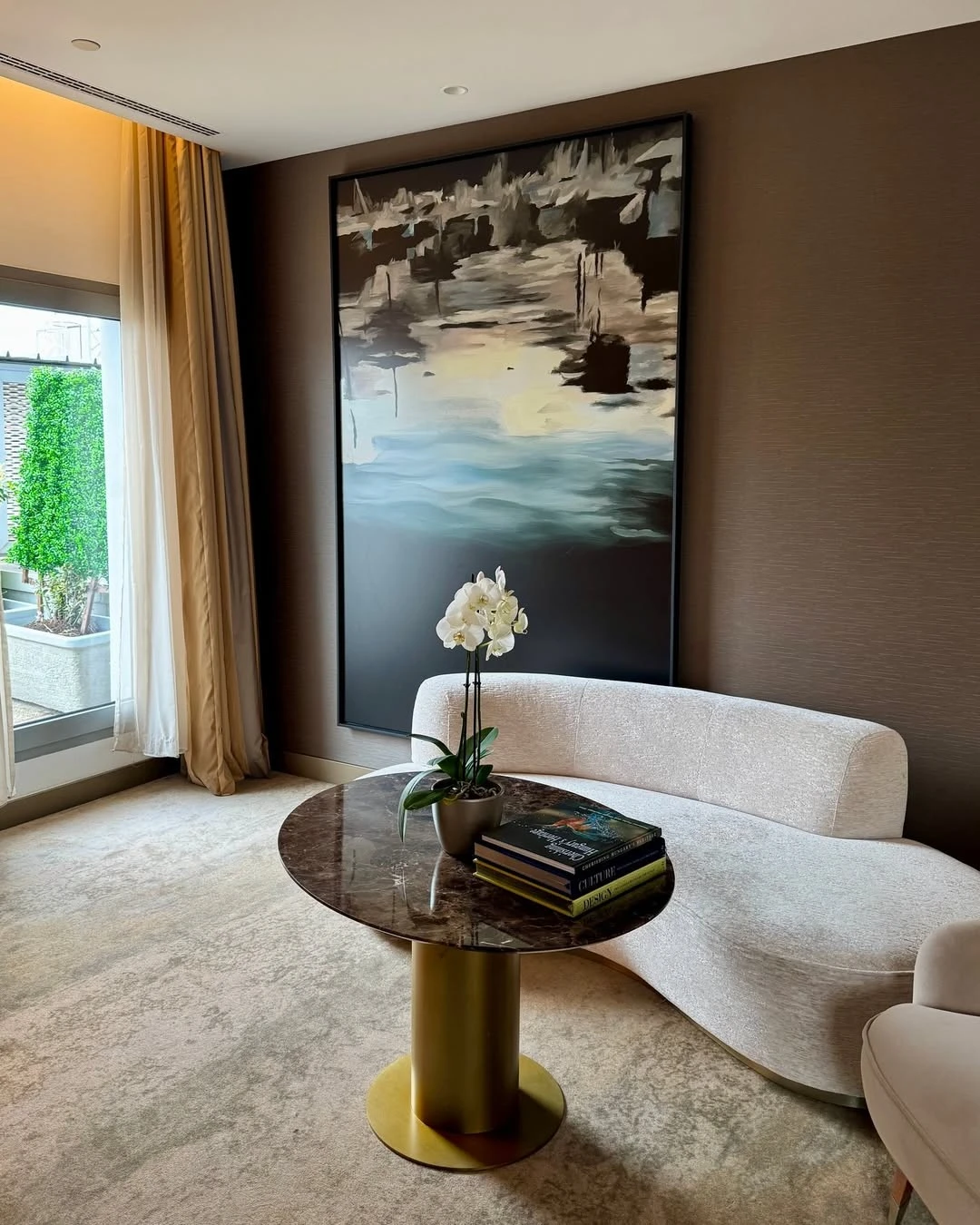
Occasional accents of plum and antique gold prevent the space from feeling sterile, grounding it in a cosiness that feels distinctively Central European. The bathrooms are vast, clad in neutral-toned marble that reinforces the building’s monumental mass while offering the therapeutic mod cons of 21st-century plumbing. The renovation is a masterclass in how to modernise a legend without erasing its character.
Spa & Wellness
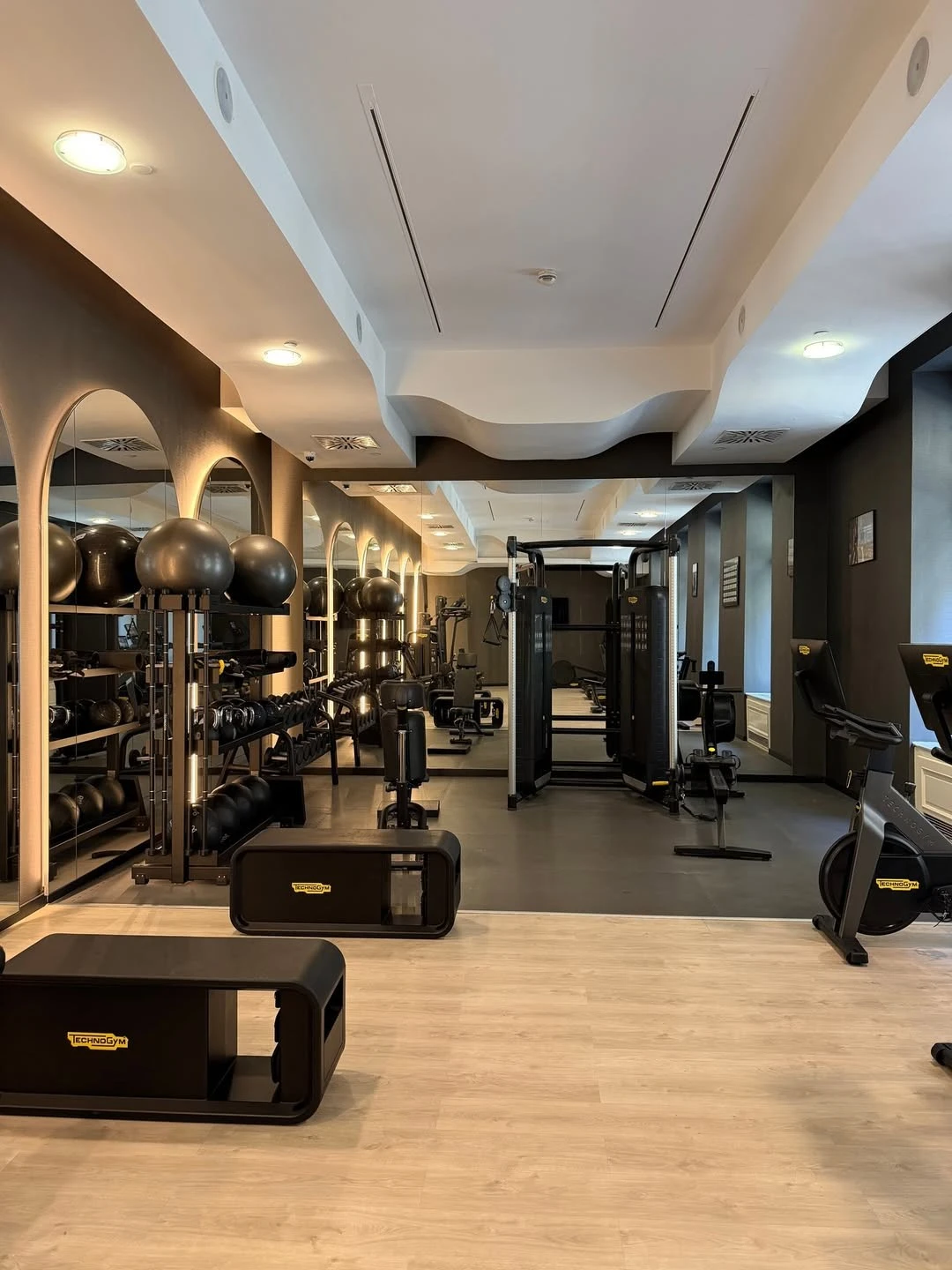
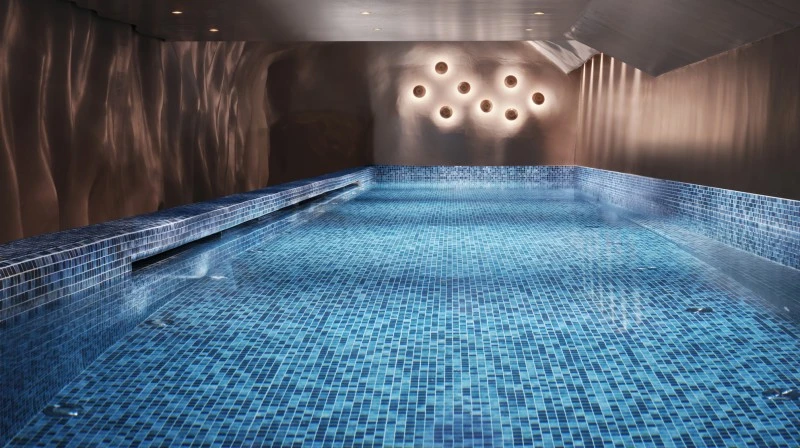
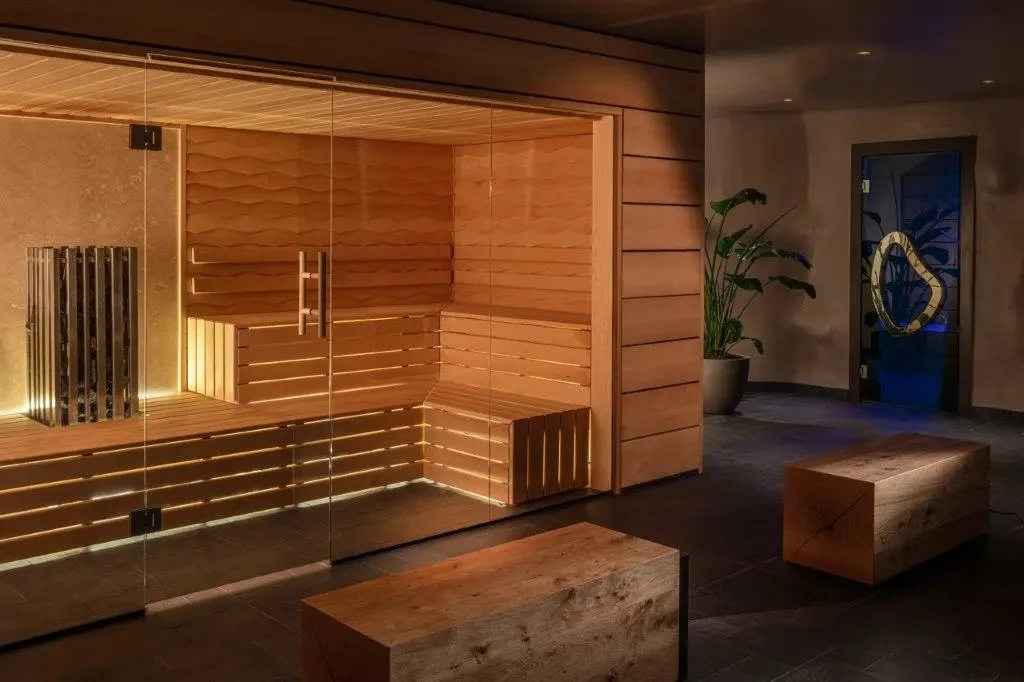
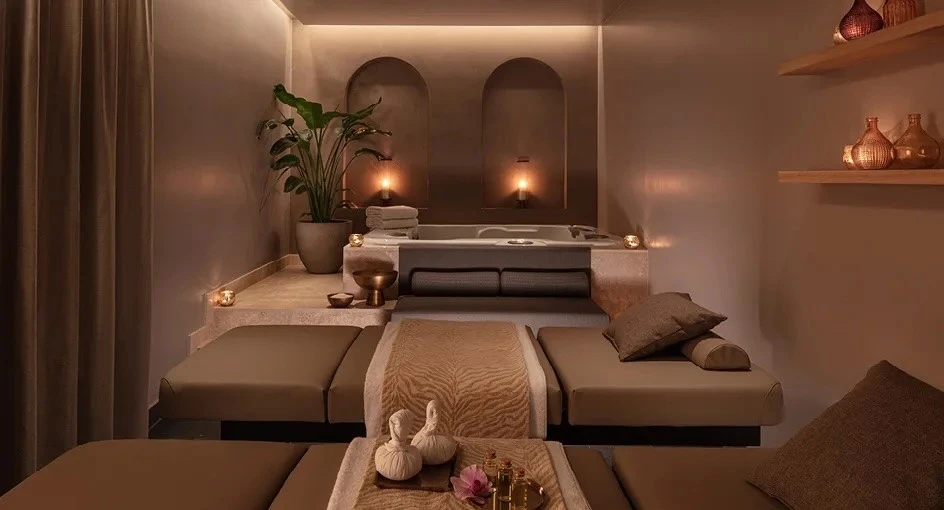
Tucked beneath the hotel's theatrical Belle Époque energy, the 500sqm Anantara Spa serves as an intimate, subterranean cocoon deliberately designed to mimic a tranquil cave network of wet facilities.
Honouring Budapest's legendary status as the world's spa capital, the sanctuary masterfully blends local Ottoman and Hungarian bathing traditions with the brand's signature Thai wellness philosophy. At its heart lies a softly lit, 15-metre-long heated relaxation pool, complemented by a newly installed six-person Finnish sauna, an aromatherapy steam room, a rainforest experience shower, and a peaceful hammock corner featuring hanging chairs. The spa's six private treatment rooms — including a specialised Thai massage pavilion and a couples' suite with a private jacuzzi — host deeply restorative, locally rooted therapies.
Anantara New York Palace Budapest Hotel, Erzsébet krt. 9-11, Budapest, Hungary
Book your stay here
@anantarabudapest