





While the burdens of long commutes and escalating financial strain characterise life in many major urban centres, this global index presented by Remitly, with data pulled from various sources such as Numbeo, Tom Tom and IQAir.
This list of the least stressful cities to live in around the world, reveals that a significantly calmer pace of life is not only possible but thriving in select destinations. The least stressed cities are consistently those that prioritise robust infrastructure, universal access to high-quality healthcare, and balanced living costs, creating environments where residents feel secure and supported rather than constantly challenged.
You Might Also Like: Jeddah secures top ranking in Quality of Life Index for 2025

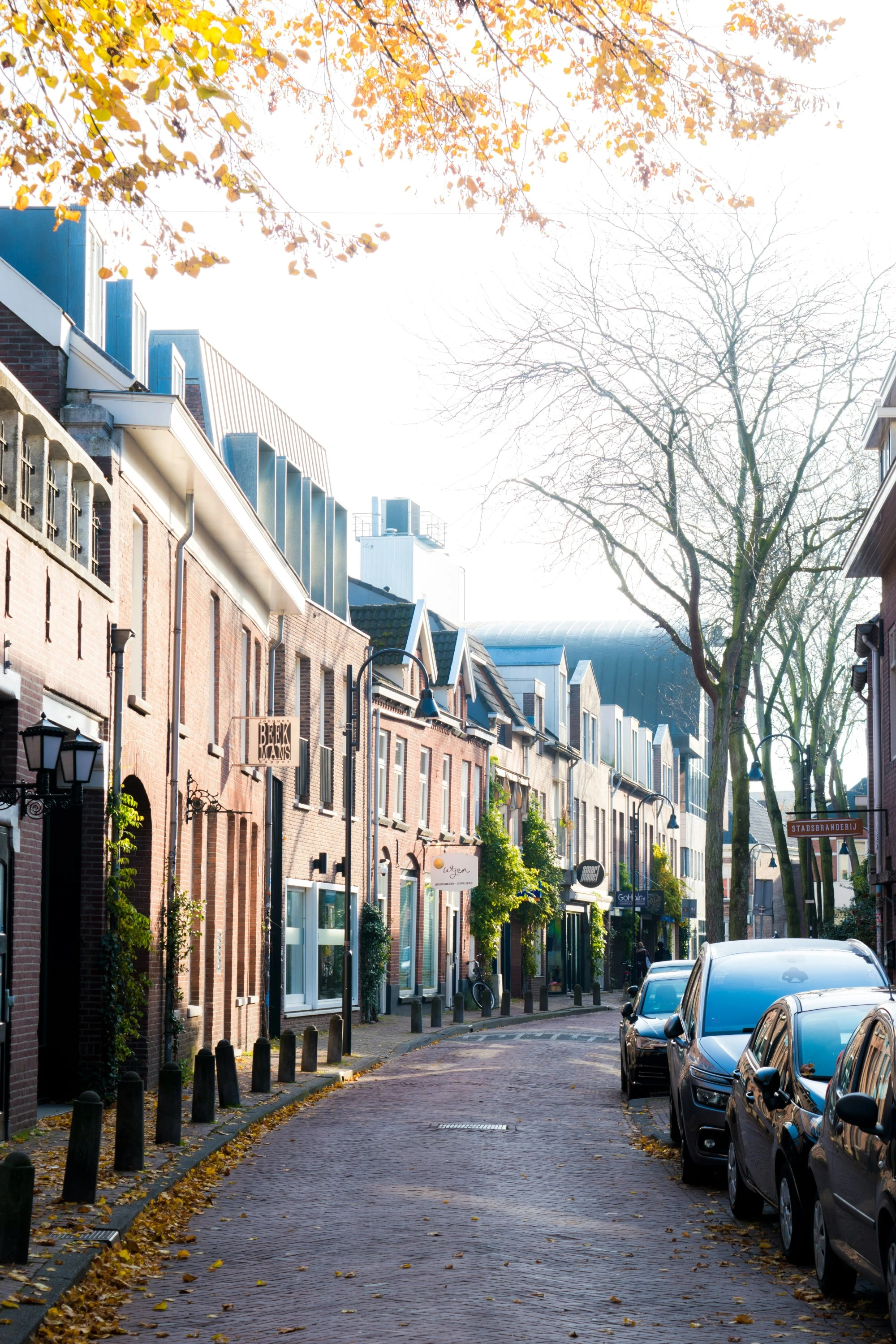
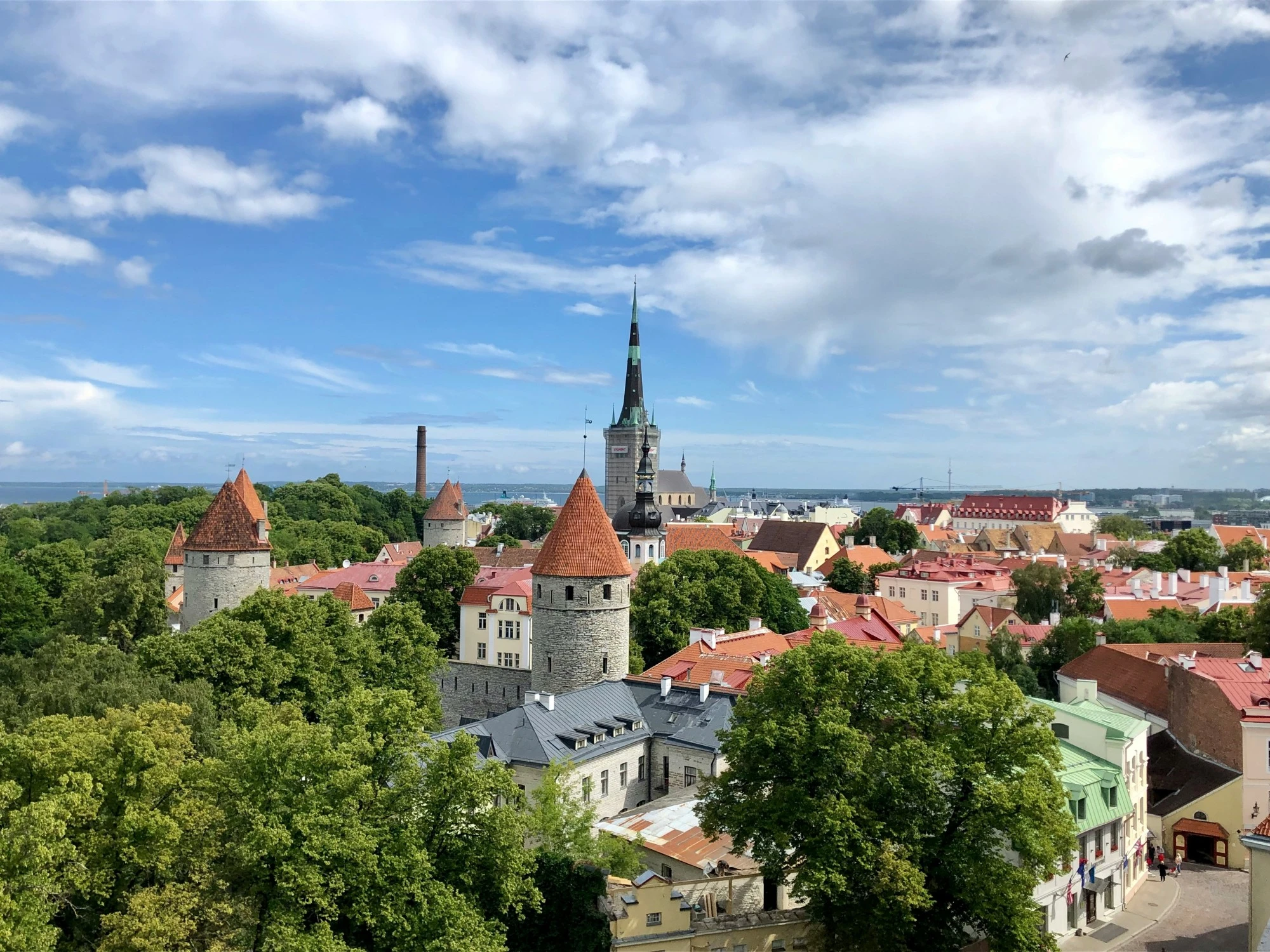
Notably, northern European cities dominate the top tiers of this ranking, joined by two Australian locations that successfully fuse vast open spaces with exceptionally high standards of living, proving that true urban wellness is a result of smart planning and societal support.
- Eindhoven, Netherlands - Stress Score: 2.34
- Utrecht, Netherlands - Stress Score: 2.67
- Canberra, Australia - Stress Score: 2.80
- Tallinn, Estonia - Stress Score: 2.83
- Groningen, Netherlands - Stress Score: 2.84
- Trondheim, Norway - Stress Score: 2.84
- Bergen, Norway - Stress Score: 2.85
- Porto, Portugal - Stress Score: 2.97
- Brisbane, Australia - Stress Score: 2.98
- Rotterdam, Netherlands - Stress Score: 3.34
How was this global index determined?
To construct a comprehensive picture of global urban stress, we meticulously analysed over 170 major cities based on five key, quantifiable factors that directly contribute to daily strain. Each city's performance across these metrics was normalised, scored, and then combined to generate a final 'stress score' out of 10, where a higher result definitively indicates more stressful overall living conditions.
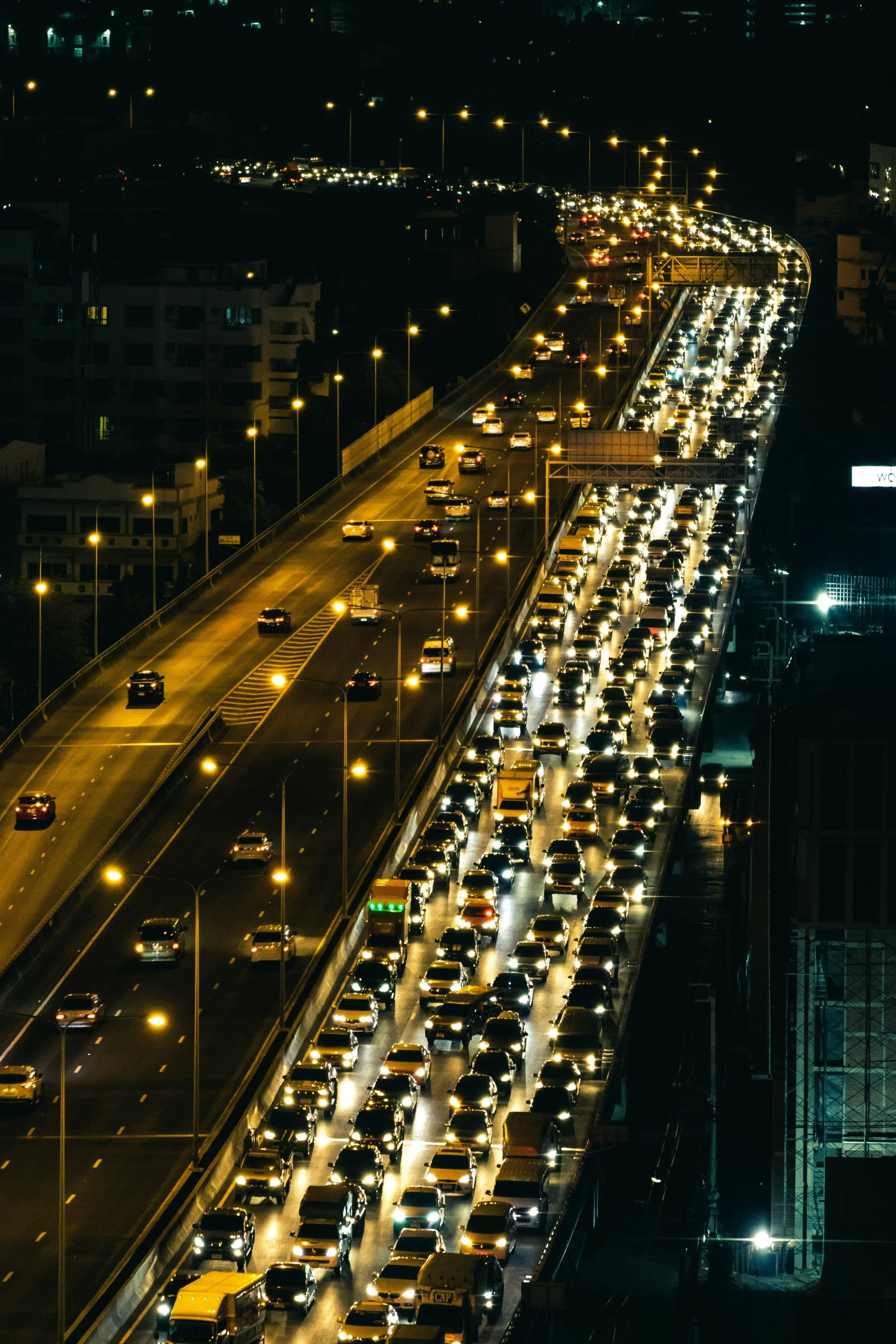

These factors included:
- Average time to travel 10km (sourced from TomTom) to capture the friction of daily commutes and congestion;
- Cost of Living Index (excluding housing, via Numbeo) to gauge the relative price of essential goods;
- Healthcare Index (via Numbeo) to assess the accessibility and quality of medical services;
- Crime Index (via Numbeo) to measure residents' perceived safety and security;
- Average annual pollution (via IQAir) to determine local air quality.