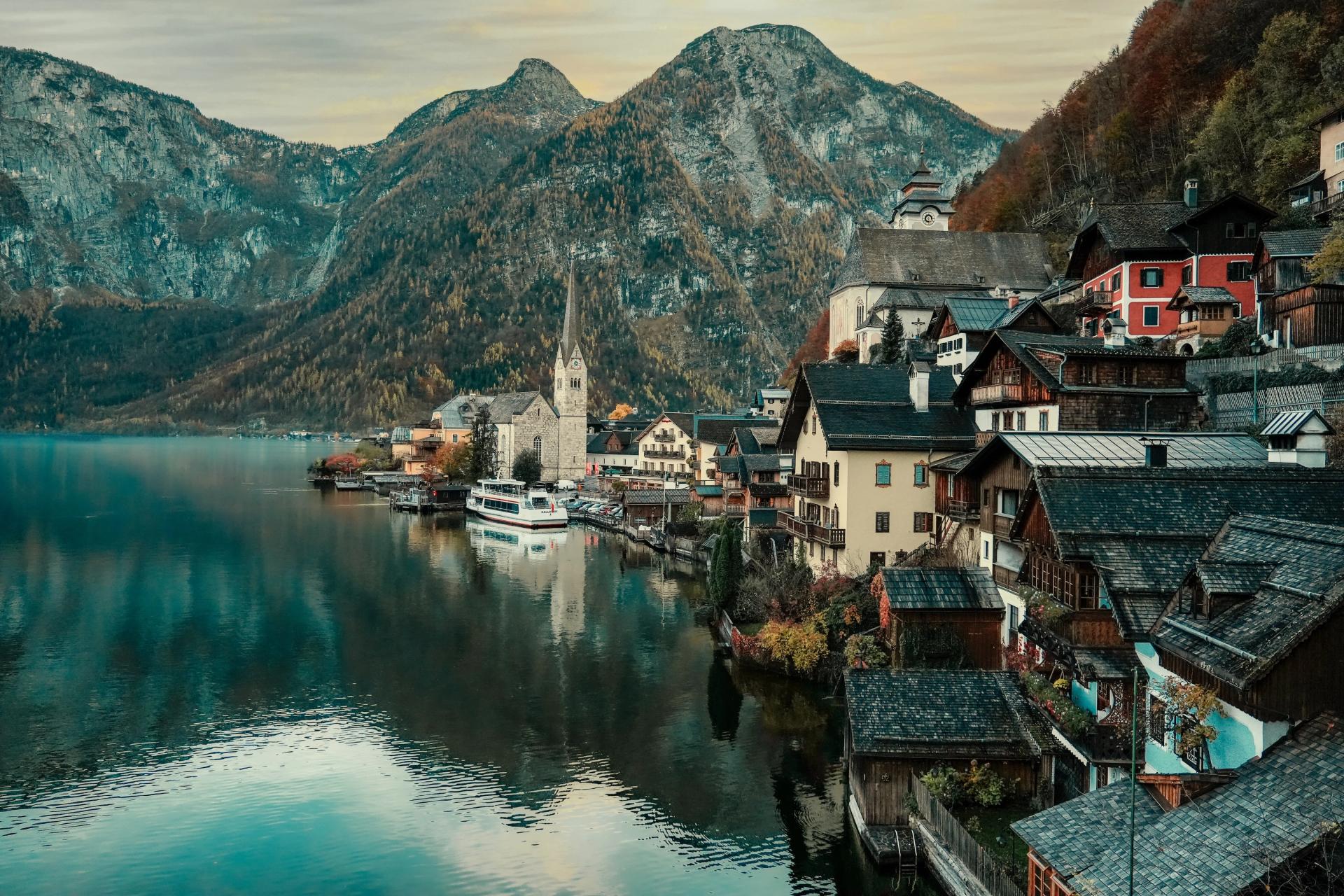

There is a painting that hung in my mother’s living room for as long as I can remember: a view along the shoreline to a church spire rising from a cascade of gabled rooftops, the whole scene compressed into that particular quality of alpine light that seems to have been filtered through centuries of stained glass. I must have looked at it thousands of times growing up – on the sofa, at the dinner table, on my way to the garden. It hung in a room already predisposed to that world, with Viennese porcelain scattered lightly around it. I knew nothing about it beyond what the painting showed me, and at some point, it lodged in my brain as a place I would visit eventually: Hallstatt.
For 20-odd years I didn’t. The painting was enough – was, in some ways, better than the place could ever be, because the place might disappoint and the painting never would. Then, one day, I found myself in Vienna with an afternoon to spare. The painting had waited long enough.
So, I went.
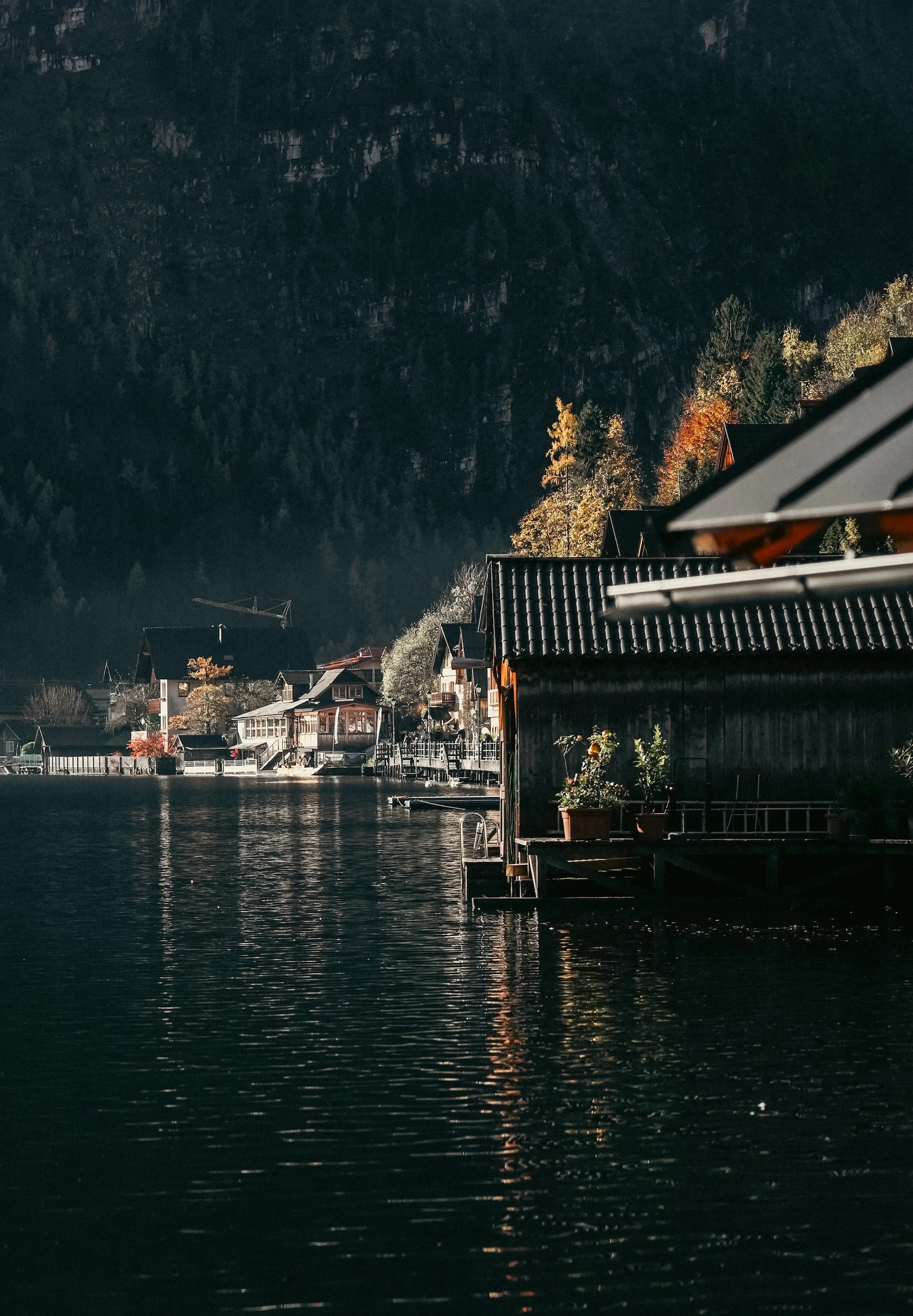
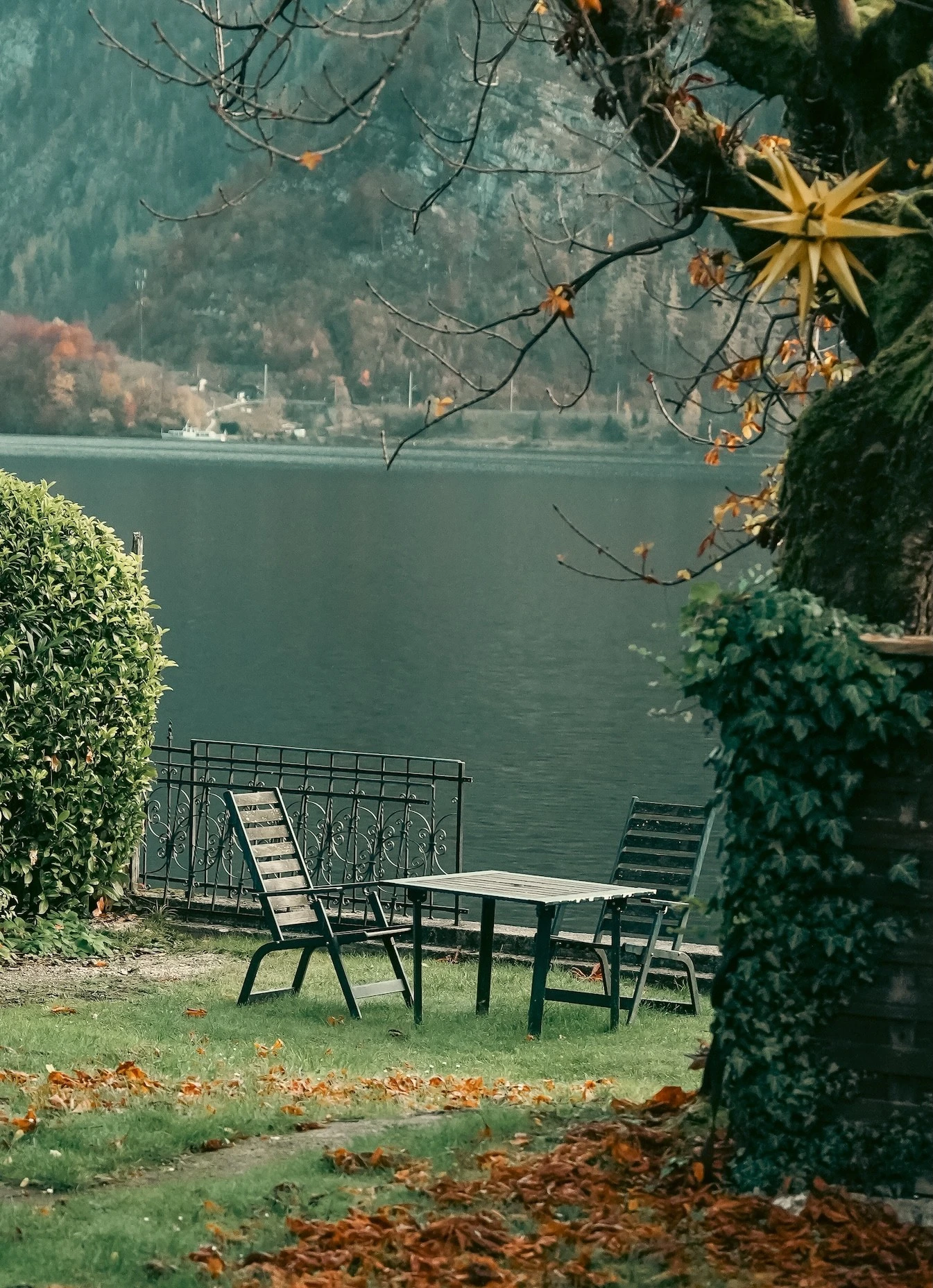
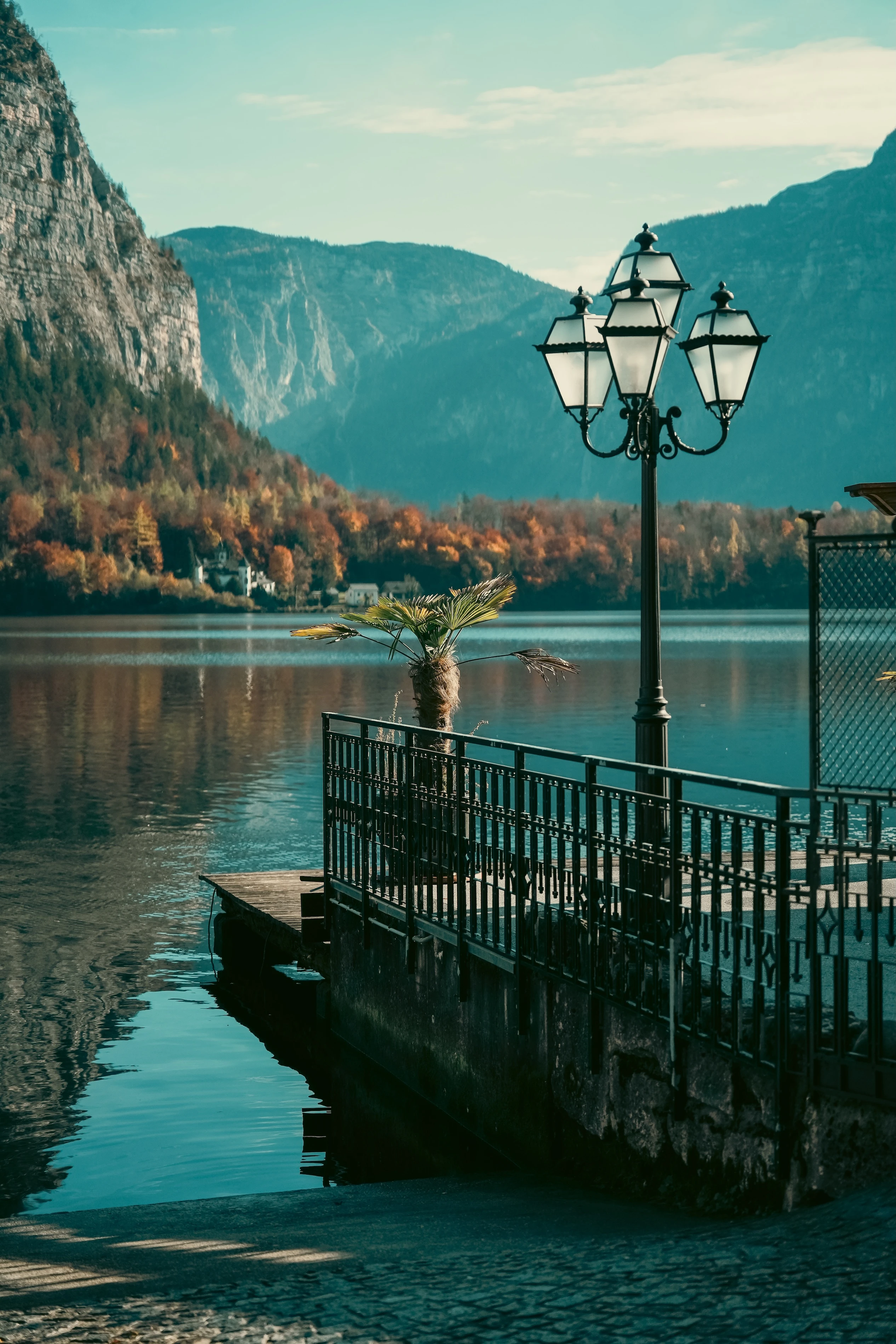
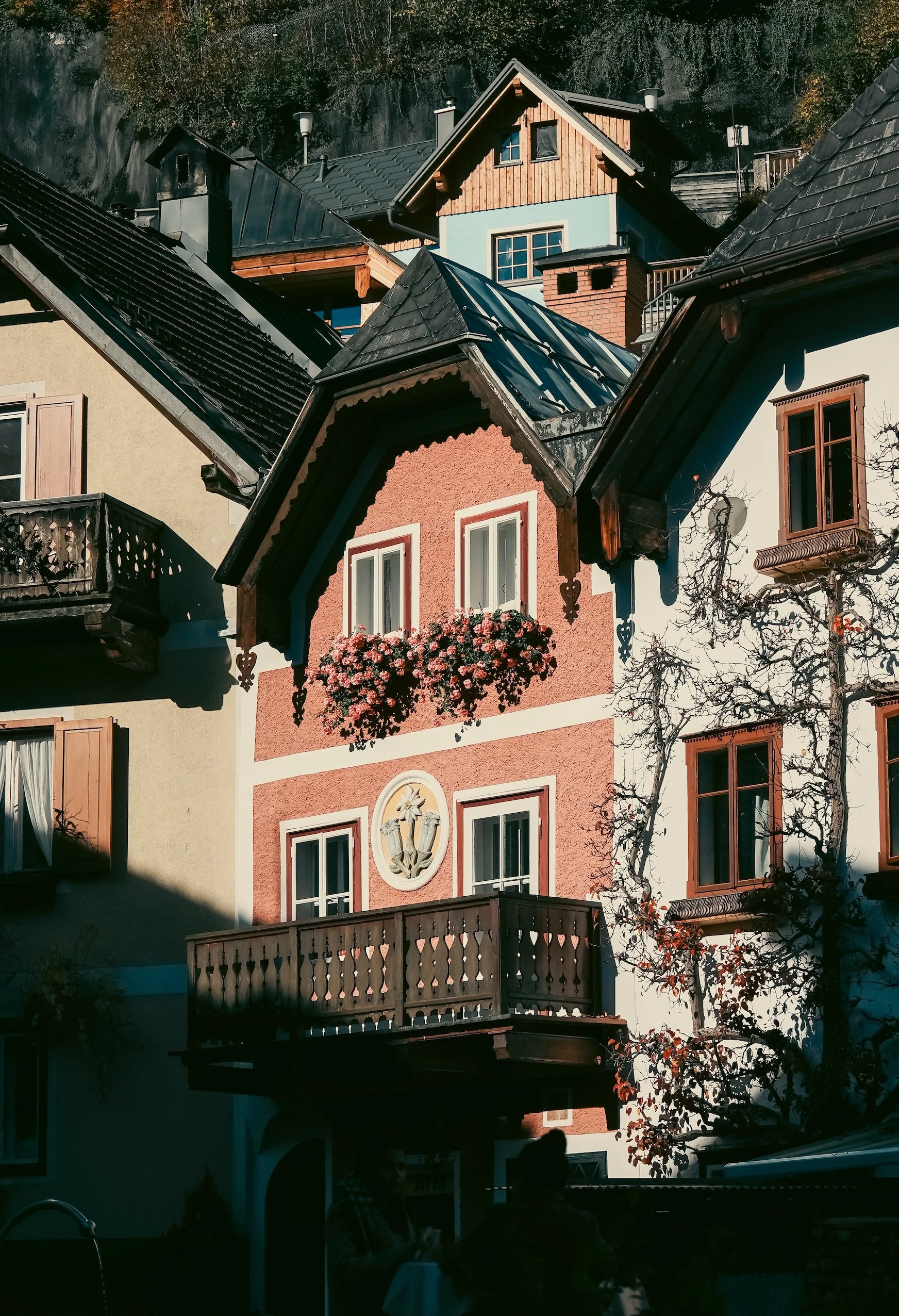
The train to Hallstatt takes three hours, long enough for the landscape to make its argument. You change at Attnang-Puchheim, a junction of such bureaucratic anonymity it could be anywhere in Europe, and then the scenery tightens – the horizon rising, the valleys narrowing, the world tilting towards the vertical. By the time you reach the station at Hallstatt (unmanned, a platform and nothing more), you will have surrendered to the romance of the landscape you just raced through. But the station is a feint. The town lies across the water, and the Stefanie ferry meets every train, crossing in 10 minutes for a few euros.
In that time, the destination resolves from postcard abstraction into three-dimensional fact: the spire of the Evangelische Pfarrkirche materialising first, then the 16th-century timber houses clinging to the rock face with either faith or structural overconfidence, the lake so still it functions as a second canvas. I took over 50 photographs before we even docked.
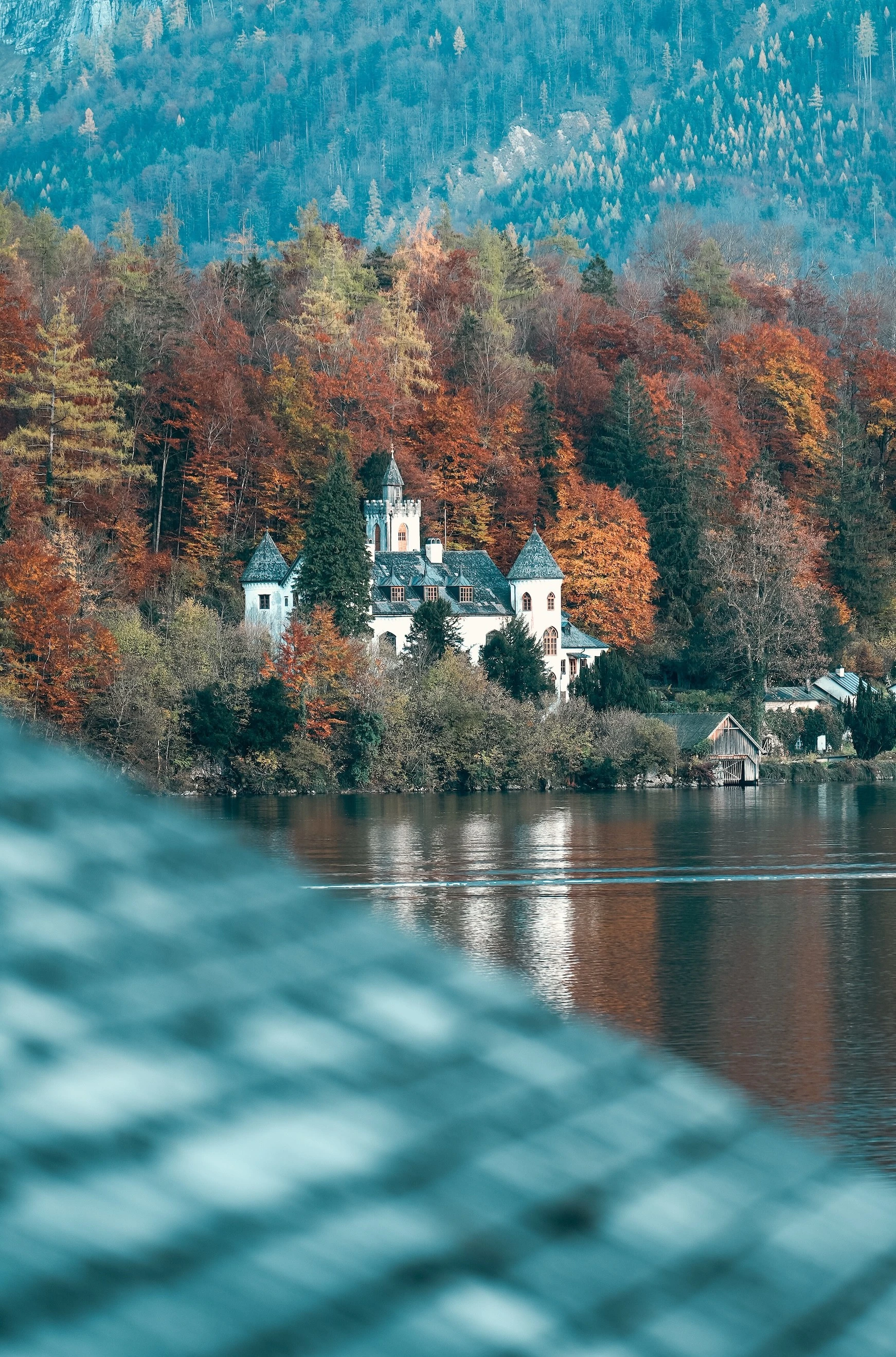
The viewpoint I had come for – the spot that generated my mother’s painting and a million calendar images – is on Gosaumühlstraße, looking back towards the church. I found it within 20 minutes. I spent the rest of the day walking variations on the same 200 metres of shoreline, hunting marginal improvements in angle, waiting for shifts in the cloud cover, chasing the light as it softened and the day-trippers thinned out. The coaches arrive around 10am and leave by 4pm; I only stayed one night, but that meant the early morning and late afternoon light was mine alone.
Eventually I put the camera down and ate. Seewirt Zauner sits on the waterfront and serves reinanke, the local whitefish: a cut of clean geometry, flesh lifting from bone in pale, firm planes, the skin blistered to a crackle that holds its shape under the fork. On the plate, it almost tastes of the lake itself – mineral, pristine, alpine.
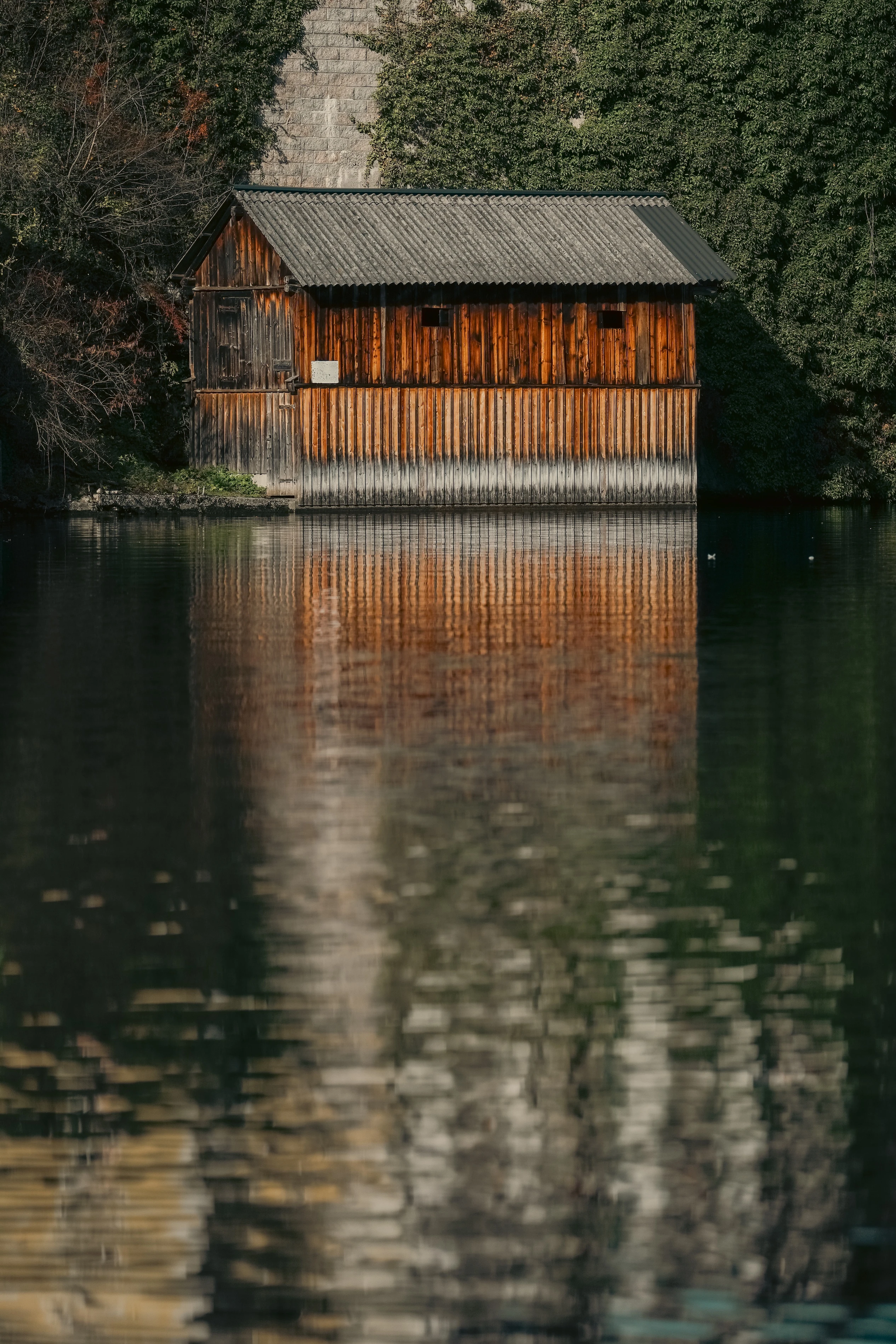
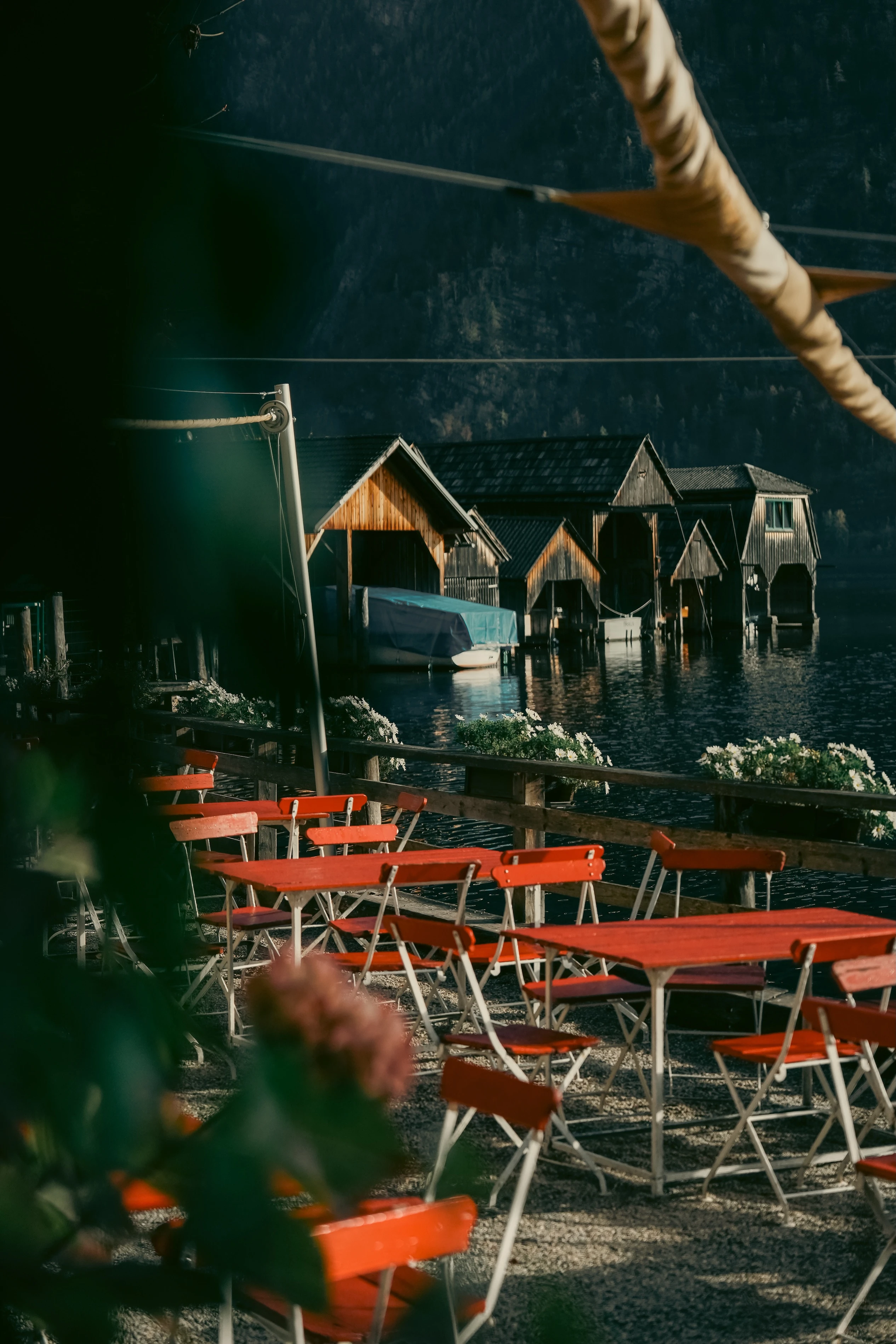
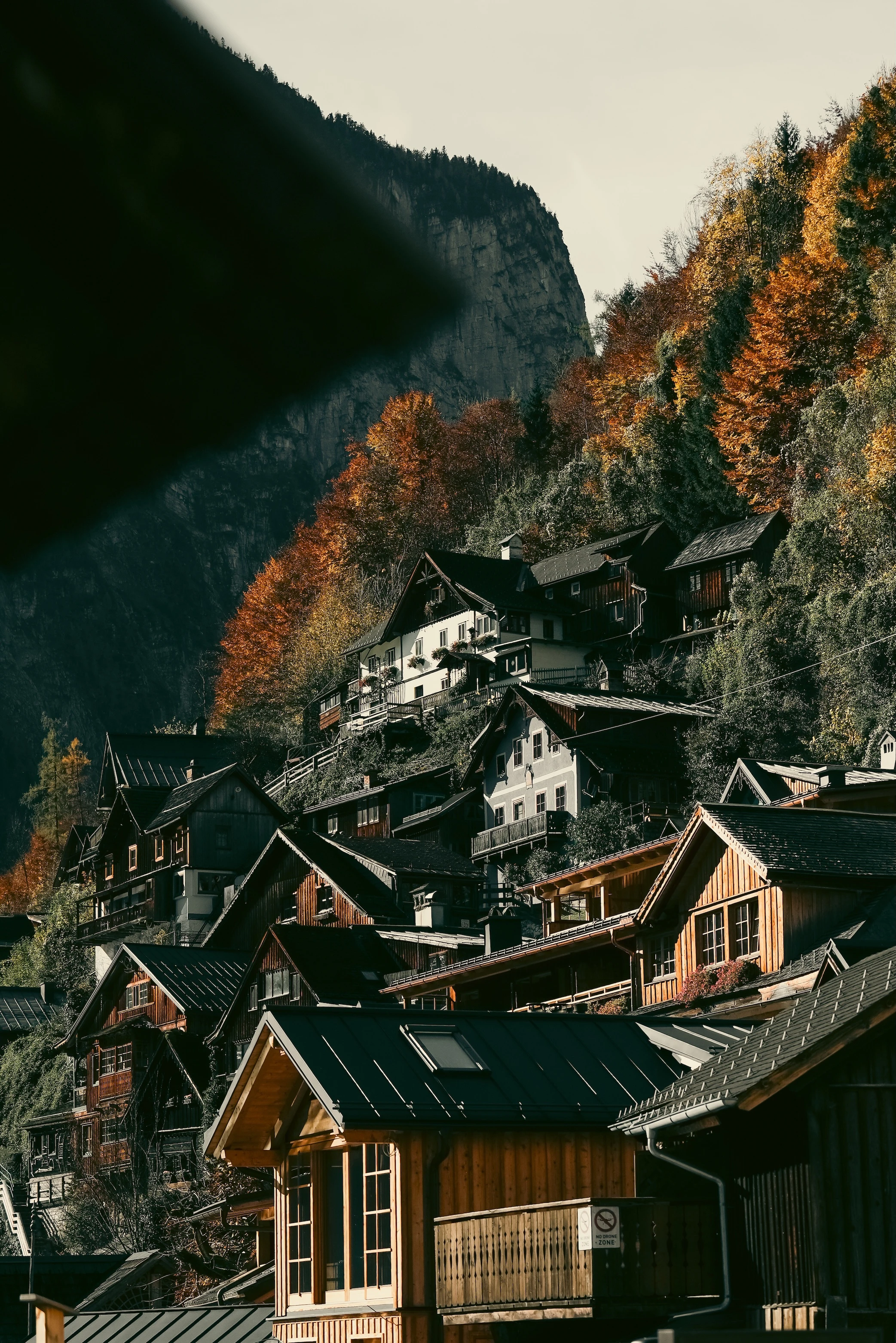
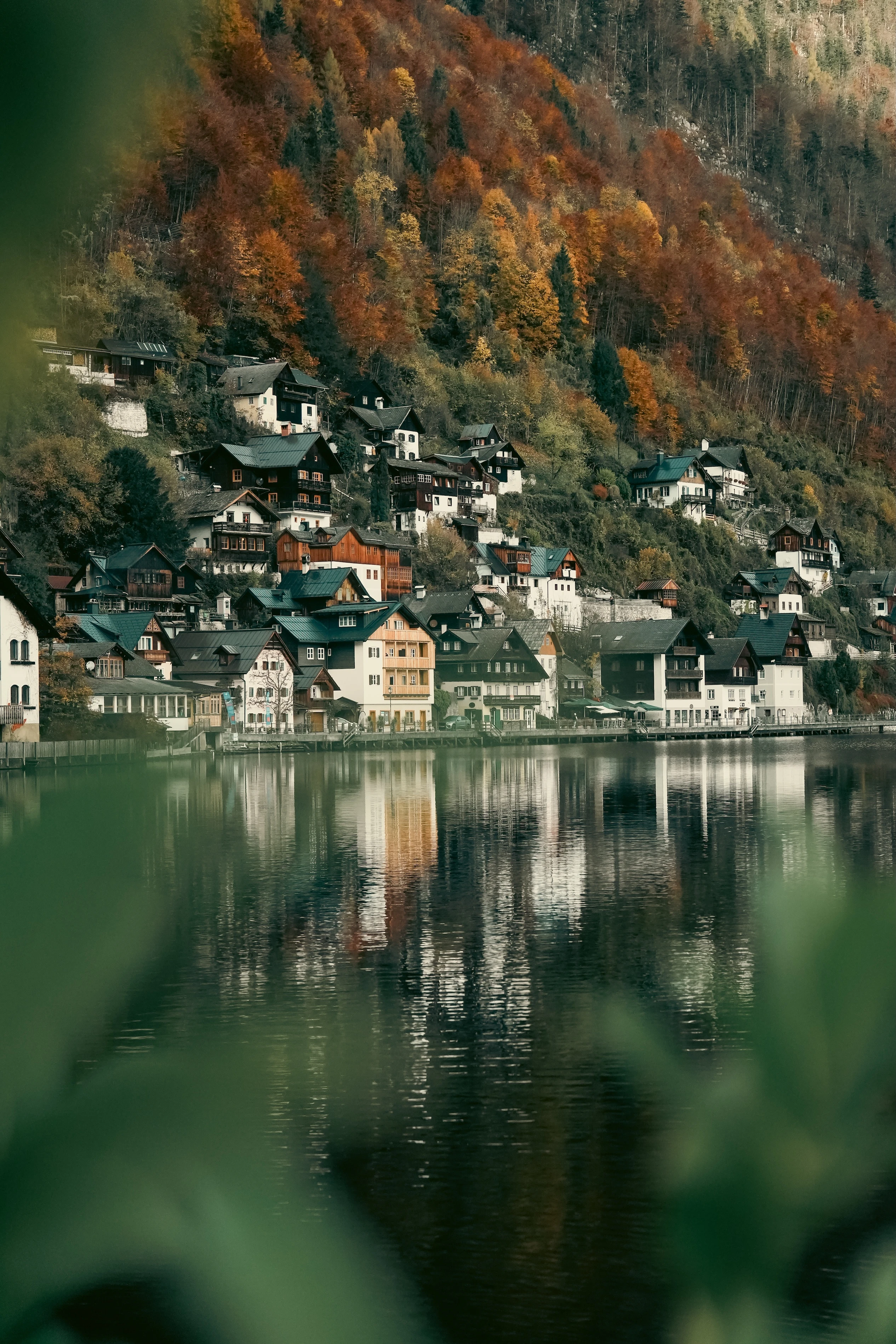
Afterwards, I took the funicular up to Rudolfsturm, a five-minute ride that deposits you at the entrance to the salt mines and rewards with an aerial view: the town reduced to a diagram of itself, the rooftops compressed into a terracotta smear against the water. Before you leave, the Beinhaus (Bone House) in St Michael’s Chapel is worth the short detour – over a thousand skulls exhumed, painted with names, oak leaves, and roses, and stacked in tidy rows since the 12th century. A necessary shadow to all that lakeside prettiness, a reminder that people have been living and dying here for a very long time, and that the view from my mother’s painting has outlasted all of them.
It was right, the painting. The spire rises at precisely that angle. The light behaves exactly as advertised. Twenty-odd years of staring at a frame in my mother’s living room, and the thing it depicted was real the whole time. I returned to London with 63 gigabytes of footage and photos.
Hallstatt is possibly the one place on Earth where you cannot take a bad picture if you tried.
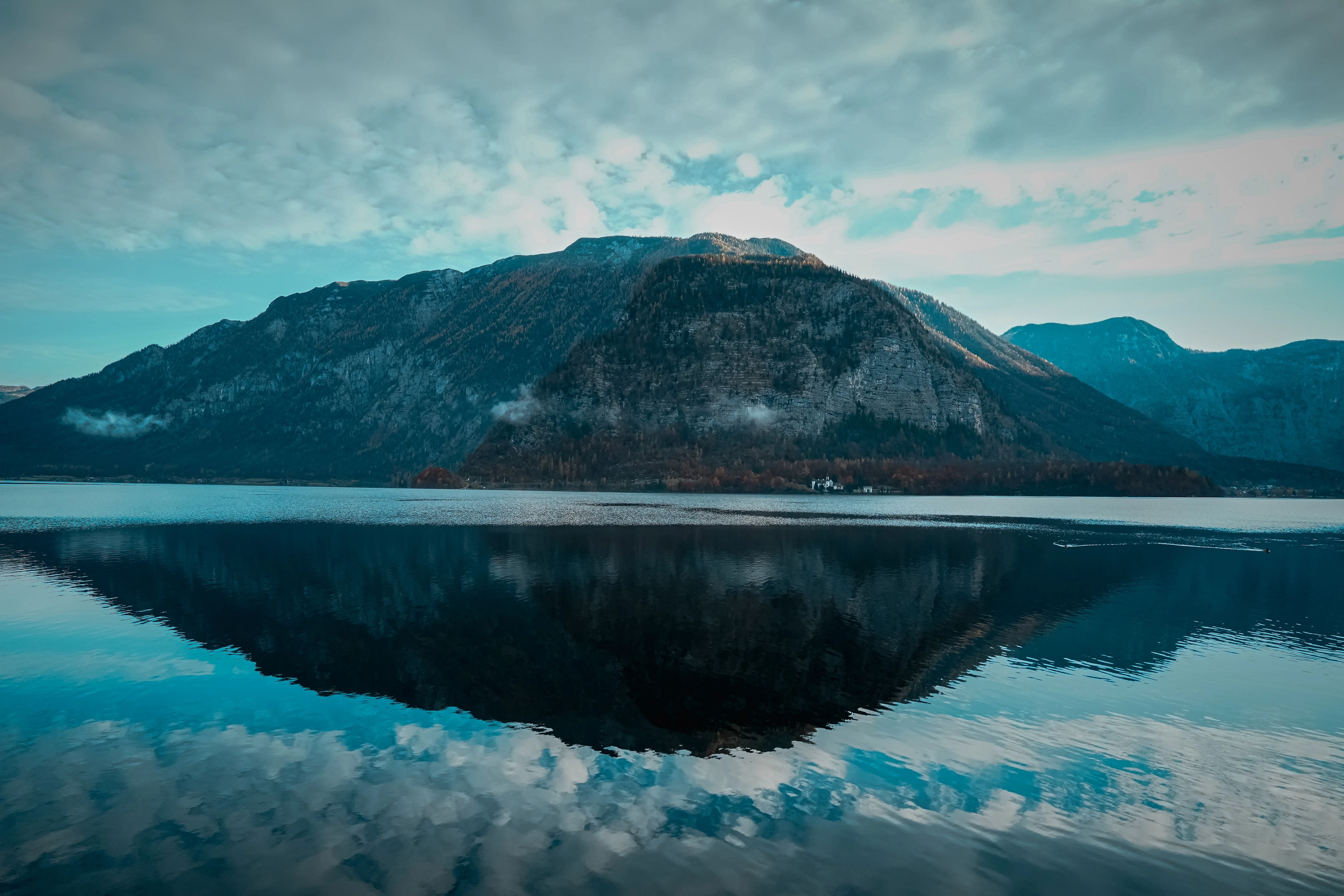
All photos captured and edited by List's Executive Editor, Tarek Hijazi