


The United Arab Emirates is undoubtedly the best connected country in the Middle East, and one of the best in the world, with two major airlines based in its two biggest cities, Abu Dhabi and Dubai, and a number of budget options in neighbouring Sharjah.
The UAE has a range of outdoor activities, including desert trekking and camping, and at least a few out-of-town hotels (like Qasr al Sarab), but the vast majority of its hotel accommodation is in its cities, which are destinations in themselves. Indeed, travellers can – and do – spend their entire holiday in the UAE in Dubai and Abu Dhabi, sometimes rarely even leaving the confines of their luxury hotels.
And that is absolutely fine, but the UAE is a diverse country with seven emirates that all have very different vibes. From Ras Al Khaimah and its mountainous, other-worldly charm to free-wheeling Dubai with its uber-futuristic architecture. It is also relatively easy to see all seven emirates in a week by car, and at least Abu Dhabi, Dubai and Sharjah via public transport.
This is the ultimate guide to the best cities in the UAE.
1. Dubai
Surely a destination that needs little introduction. For nearly two decades, Dubai has been welcoming international tourists, and for decades before that it was welcoming expatriates from across the world. Luxury malls, nightclubs and pubs, high-end restaurants, hotels, and the country’s best beaches, Dubai is inarguably the ground zero of the UAE’s tourist trade.
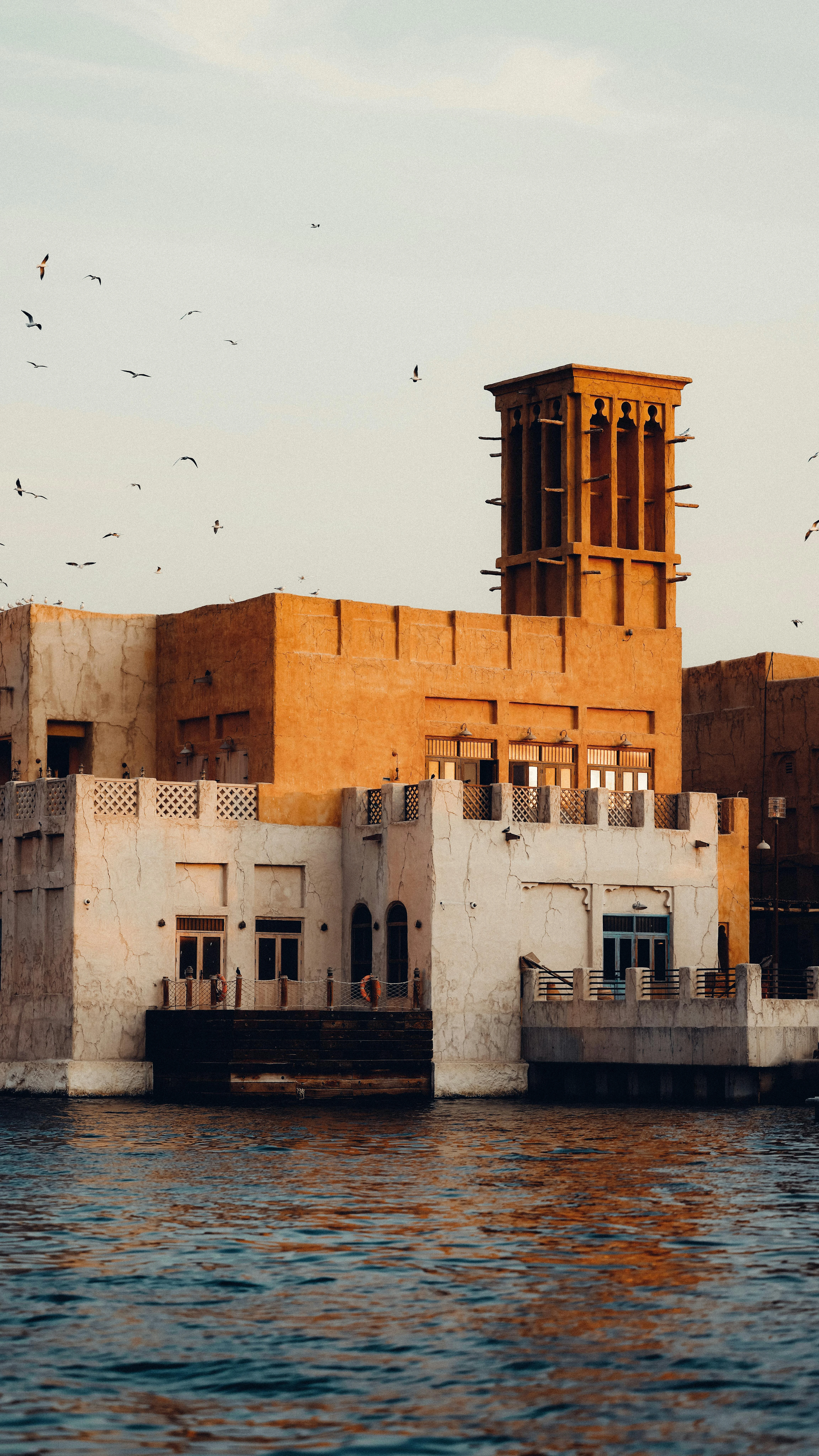
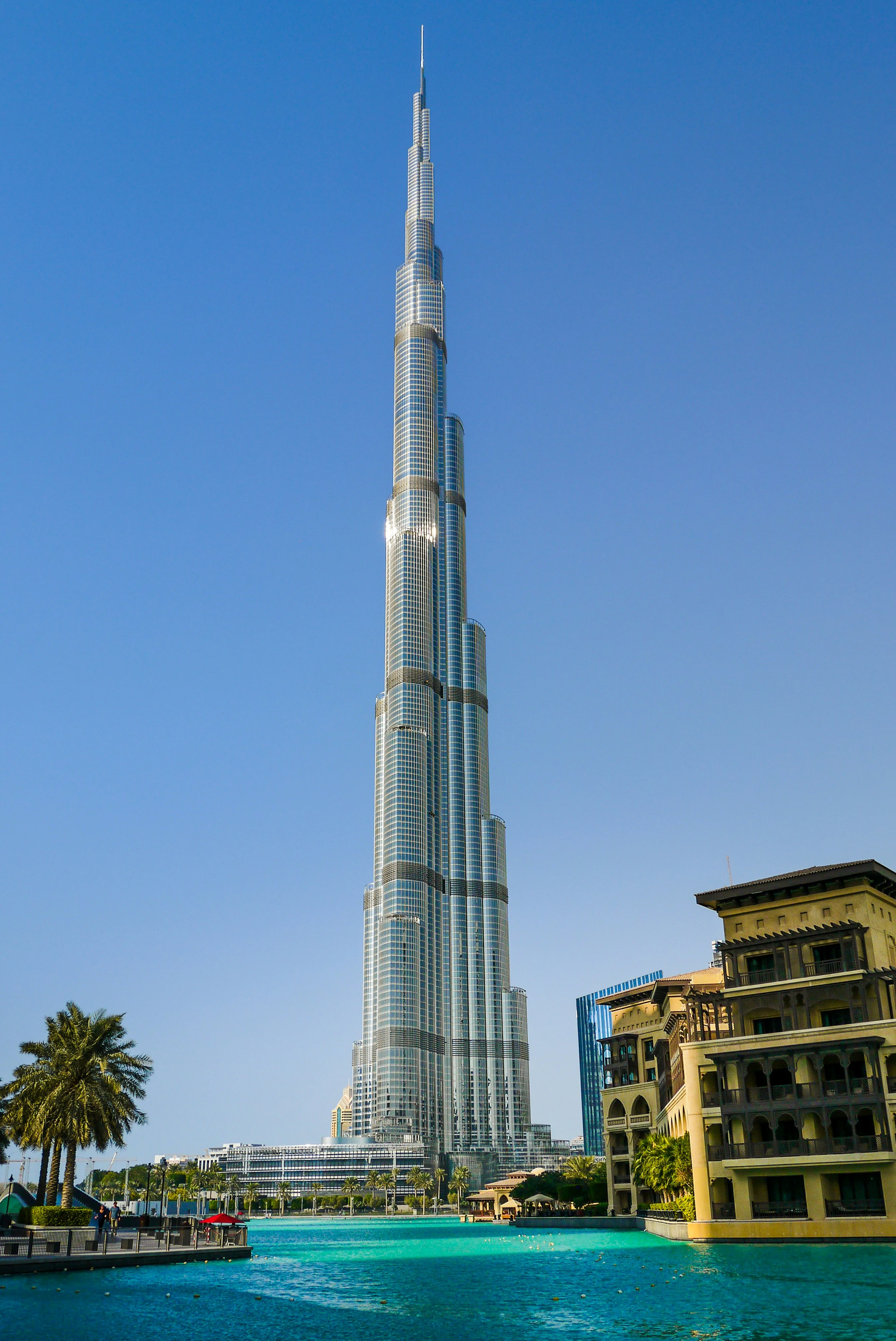
It is an international city, so expect to see residents, international tourists and cultural sites that pay homage to its global footprint. Don’t miss the Burj Khalifa, the tallest building in the world, and Dubai Creek, where you can see what the city looked like before the oil, when this was an international centre of the pearl trade and an important maritime hub.
Insider tip: Dubai has a huge amount of hotel accommodation of varying quality, but for the best prices consider visiting in the shoulder seasons of September and April, when it is hotter than the winter but less crowded. Consider staying in neighbourhoods like Bur Dubai, Jumeirah or Deira if you are looking to save money, although consider that you may spend more time travelling (to the beach, for example) than you would staying near Dubai Marina.
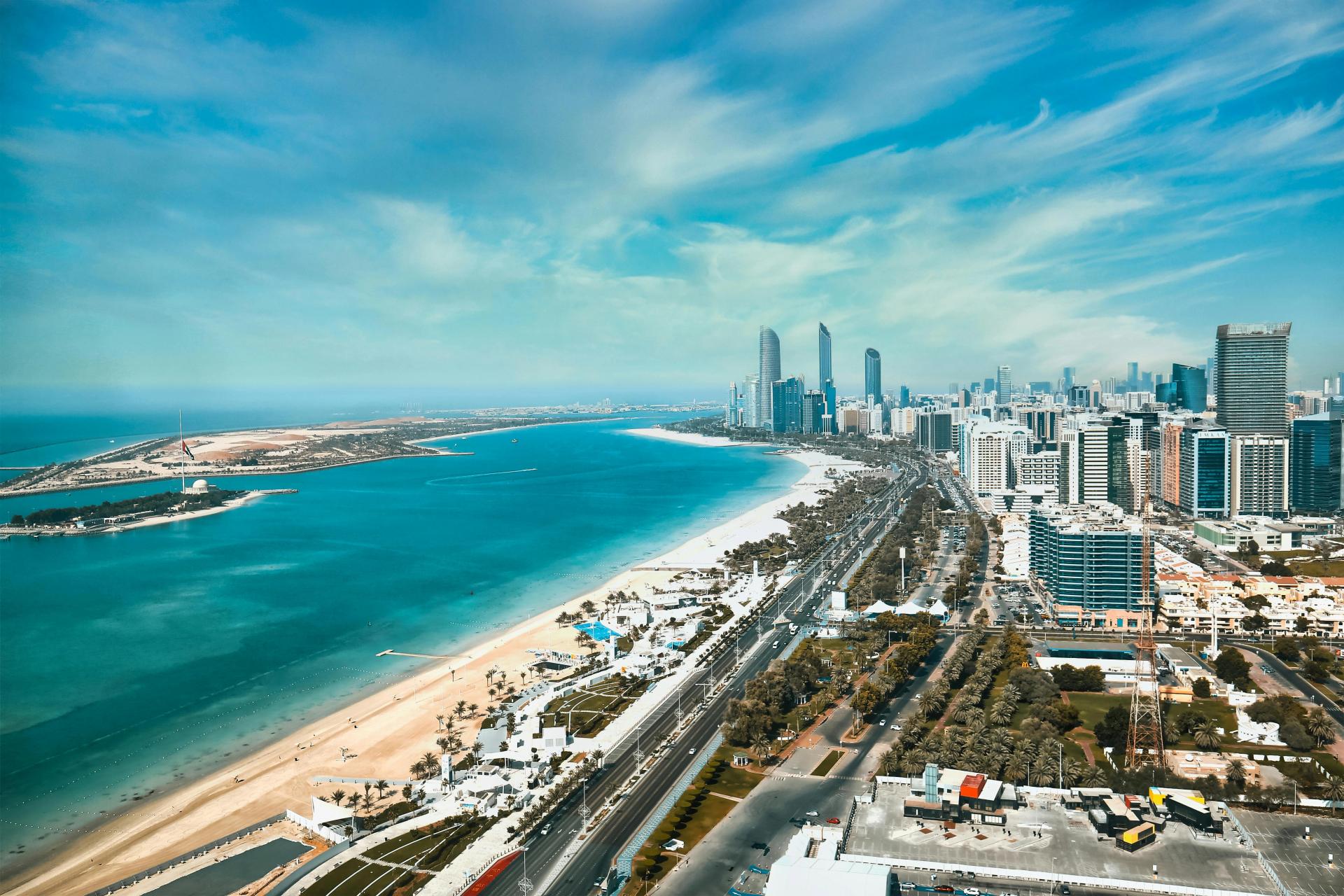
2. Abu Dhabi
Once upon a time, Abu Dhabi was a clear second fiddle to Dubai, but a construction boom and landmark projects such as the Louvre Abu Dhabi have put the emirate – and the UAE’s capital – on the map very much in its own right. Abu Dhabi is still relatively chill compared to Dubai, and its resorts attract an older, more family orientated crowd.
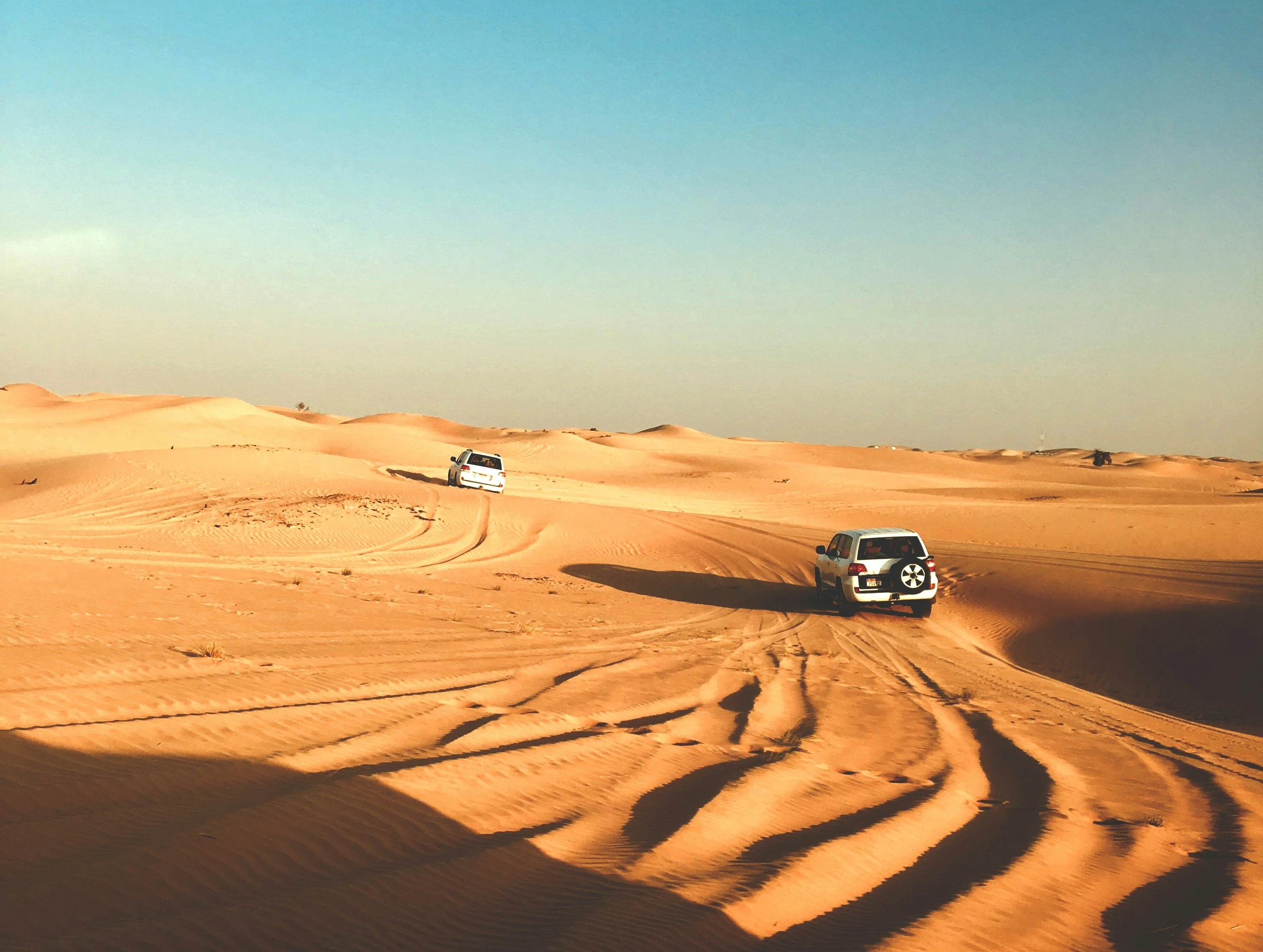
It also benefits from being closer to sites like Al Ain and the Empty Quarter, so is a popular hub for those wanting to head into the desert. It is also an events powerhouse: from boxing to football to the F1, and all the show-stopping musical acts that tend to come along with it. Downtown Abu Dhabi is home to some of the UAE’s premier historical sites, from Qasr Al Hosn to the new Sheikh Zayed Mosque, both essential stops on any UAE itinerary.
Lastly, the development of Yas and Saadiyat Islands have brought a half-dozen new beaches on to the UAE resort roster, many of them with five-star hotels to match. The islands are also connected to downtown via a dedicated bus service, so are no longer the outposts that they once were.
Insider tip: It can be tempting to opt to stay on one of the newer resorts on Yas and Saadiyat Islands, but Abu Dhabi has a range of accommodation downtown that is both cheaper and better connected. You may also be tempted to opt for the many new brand-name restaurants in the emirate, but consider that generations of immigration from the Indian subcontinent have resulted in Abu Dhabi being home to some of the best Indian and Pakistani food in the world.
3. Sharjah
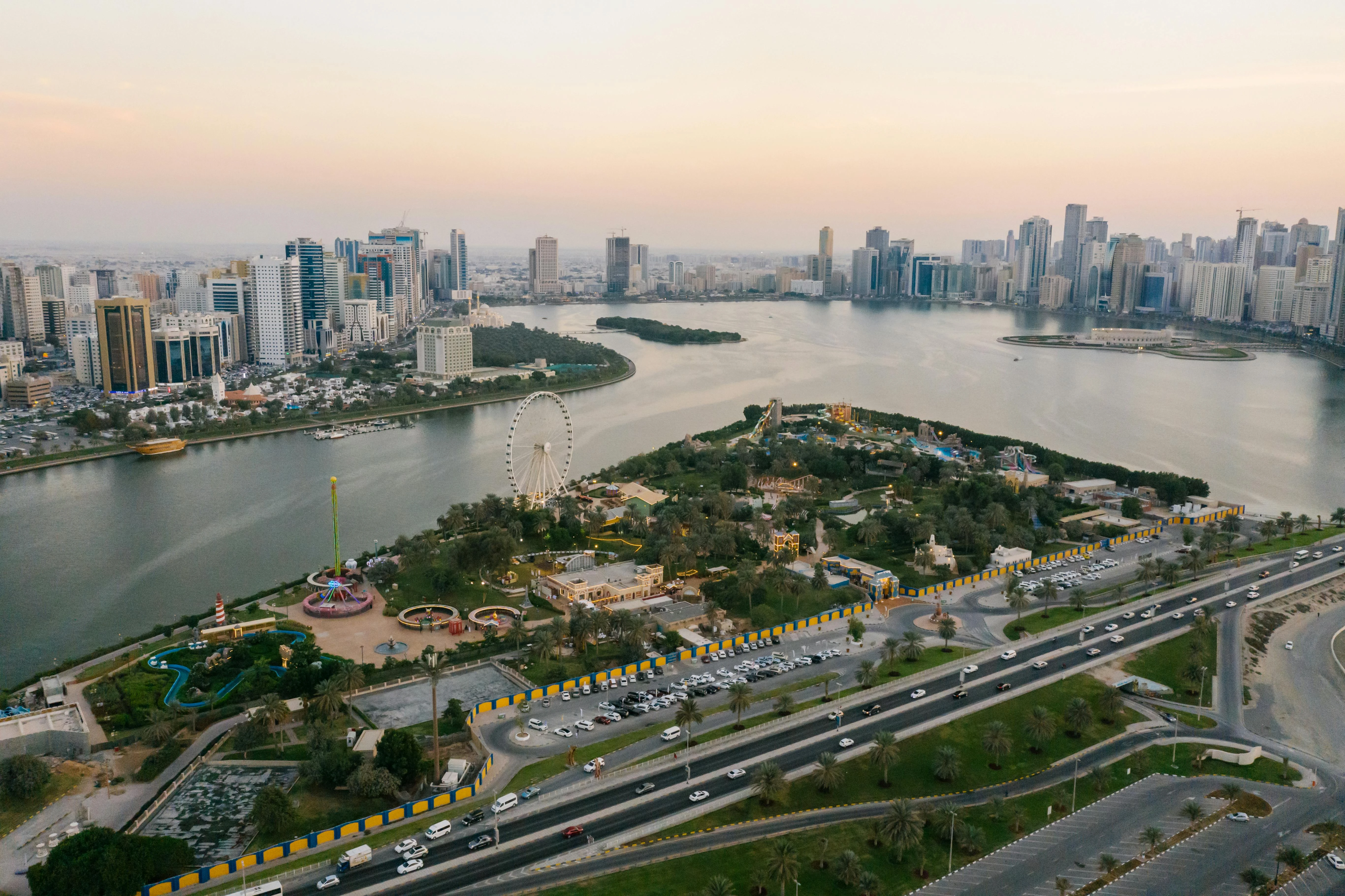
Often overlooked in favour of its flashier neighbours, Sharjah markets itself as the cultural capital of the UAE and a rewarding destination for travellers interested in art, history and Islamic heritage. The city has invested heavily in its museum and cultural infrastructure, making it a must-visit for anyone seeking a richer understanding of the region.
The Heart of Sharjah project is restoring parts of the old city to their former glory, while institutions like the Sharjah Art Museum and Museum of Islamic Civilization offer world-class collections.
Sharjah is more conservative than Dubai or Abu Dhabi – it’s the only emirate where alcohol is completely banned – but this also means it feels traditional. It’s particularly good for families and travellers on a budget, with many affordable hotels, free public beaches and low-cost attractions.
Insider tip: Many visitors choose to stay in Dubai and take a day trip to Sharjah, but the city is worth an overnight stay. Try visiting during the Sharjah Biennial or Sharjah Light Festival for a totally different view of the UAE’s creative scene.
4. Ras Al Khaimah
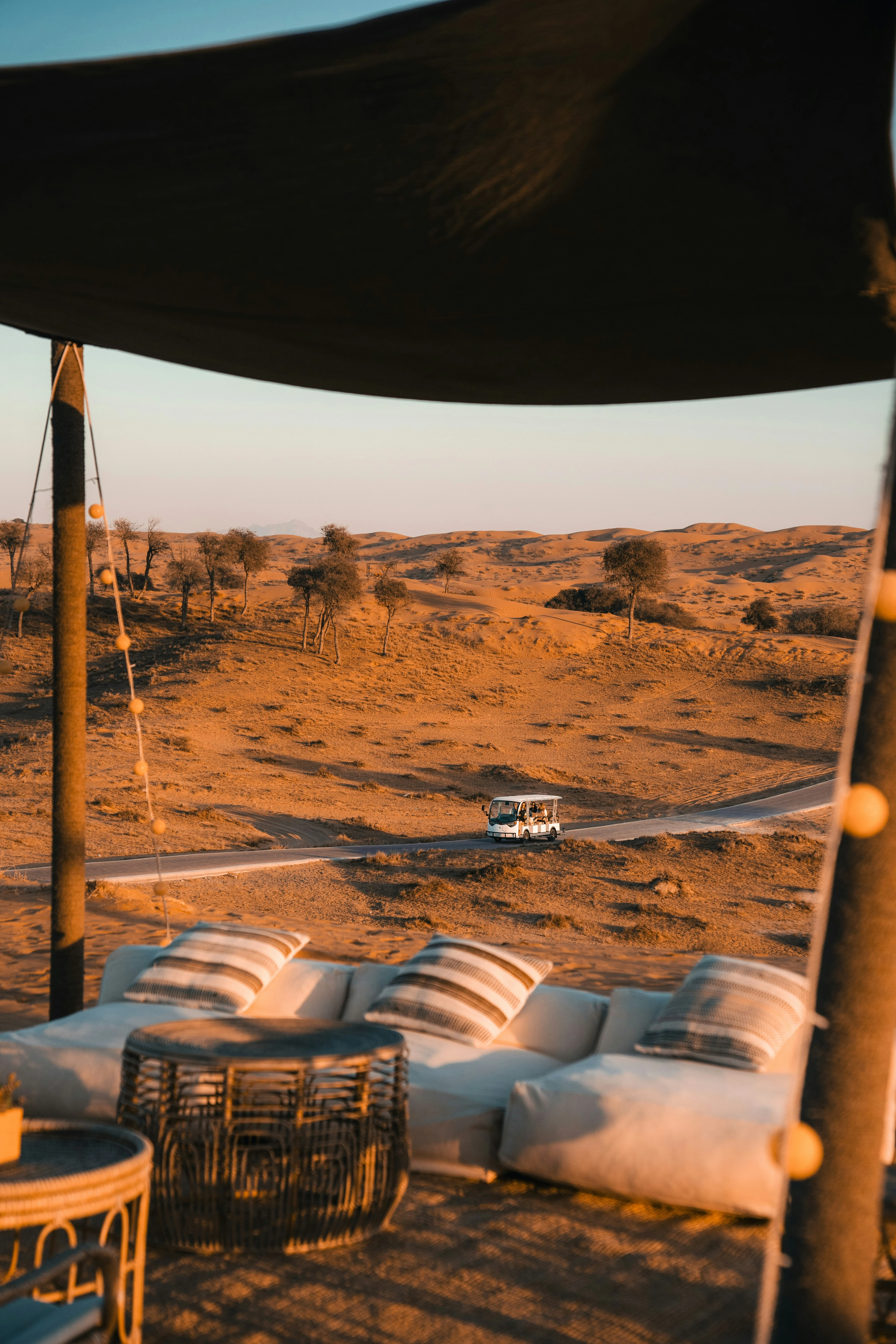
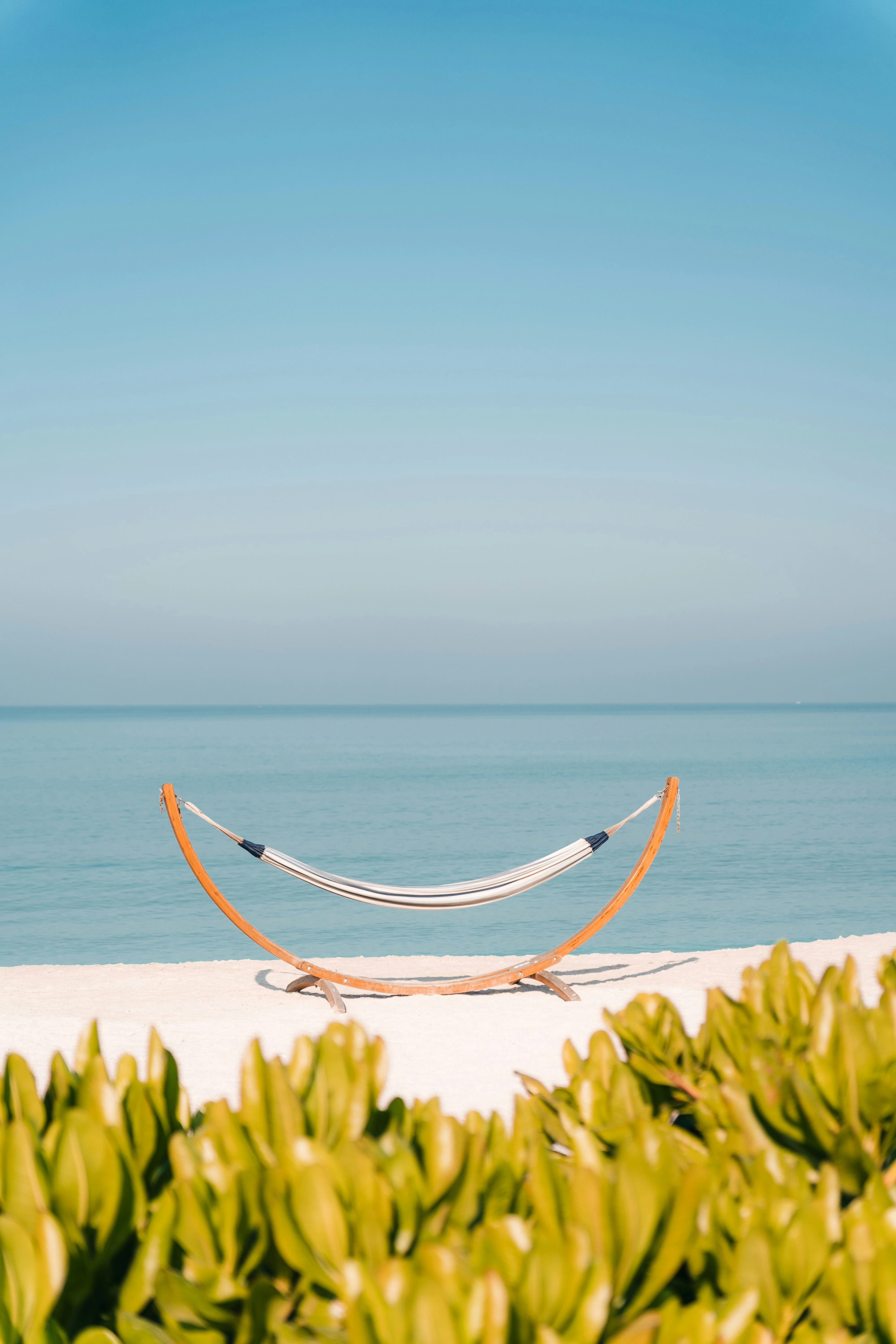
Tucked away in the UAE’s northernmost corner, Ras Al Khaimah (RAK) feels like an entirely different world from the glossy cityscapes of Dubai and Abu Dhabi. Here, rugged mountains, hidden wadis, and long stretches of unspoiled beach dominate the scenery. The emirate is a playground for adventure-seekers, home to the world’s longest zipline at Jebel Jais, the UAE’s tallest peak, as well as hiking trails, rock climbing, and camping spots with breathtaking views.
Despite its wild setting, RAK also has a relaxed resort scene, with a growing number of beachfront hotels and family-friendly attractions. It’s a great base for those who want a quieter, more nature-focused holiday, but still with good infrastructure and plenty to do.
Insider tip: Temperatures at Jebel Jais can be significantly cooler than the coast, so pack accordingly, especially in winter. Activities like the zipline and via ferrata book out fast on weekends. If you're self-driving, take the winding road up the mountain slowly: it’s one of the most scenic drives in the country.
5. Al Ain
Known as the Garden City of the UAE, Al Ain is a green oasis city in the interior of Abu Dhabi emirate. It’s one of the oldest inhabited places in the region and offers a rare glimpse into traditional Emirati life, far from the skyscrapers and megamalls of the coast.
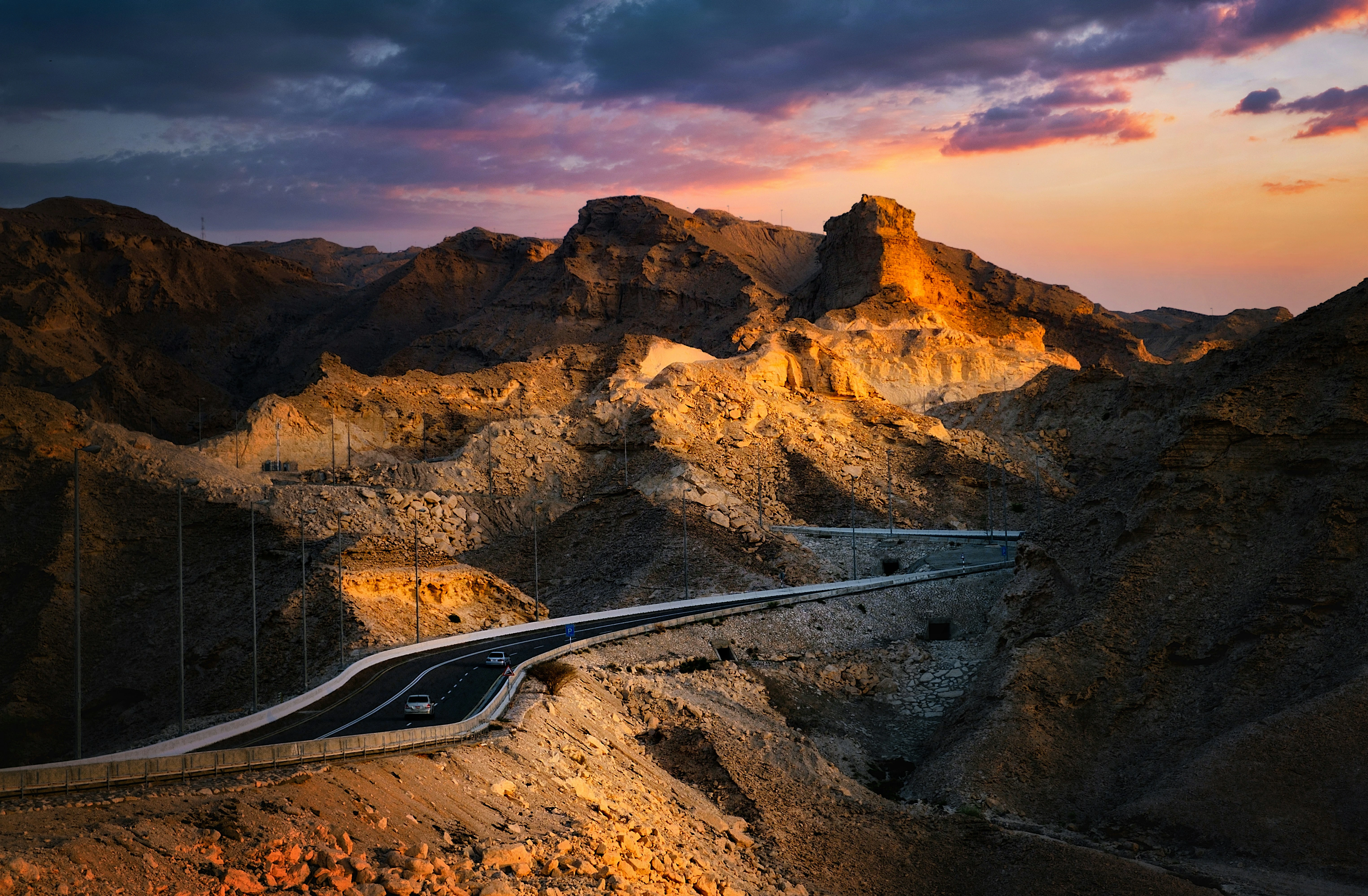
With its palm-filled oasis (a UNESCO World Heritage site), historic forts, camel souks and proximity to the dramatic Jebel Hafeet mountain, Al Ain is perfect for a more low-key, culturally immersive break.
Because of its elevation, Al Ain is slightly cooler than the big cities, especially in the evenings, and makes for a pleasant weekend escape. It’s also one of the safest and most family-friendly places in the country, with a strong local identity and slower pace of life.
Insider tip: While Al Ain can be visited in a day trip from Abu Dhabi or Dubai, staying overnight allows you to see the city at its most atmospheric: early in the morning when the oasis is quiet, or during sunset at Jebel Hafeet.