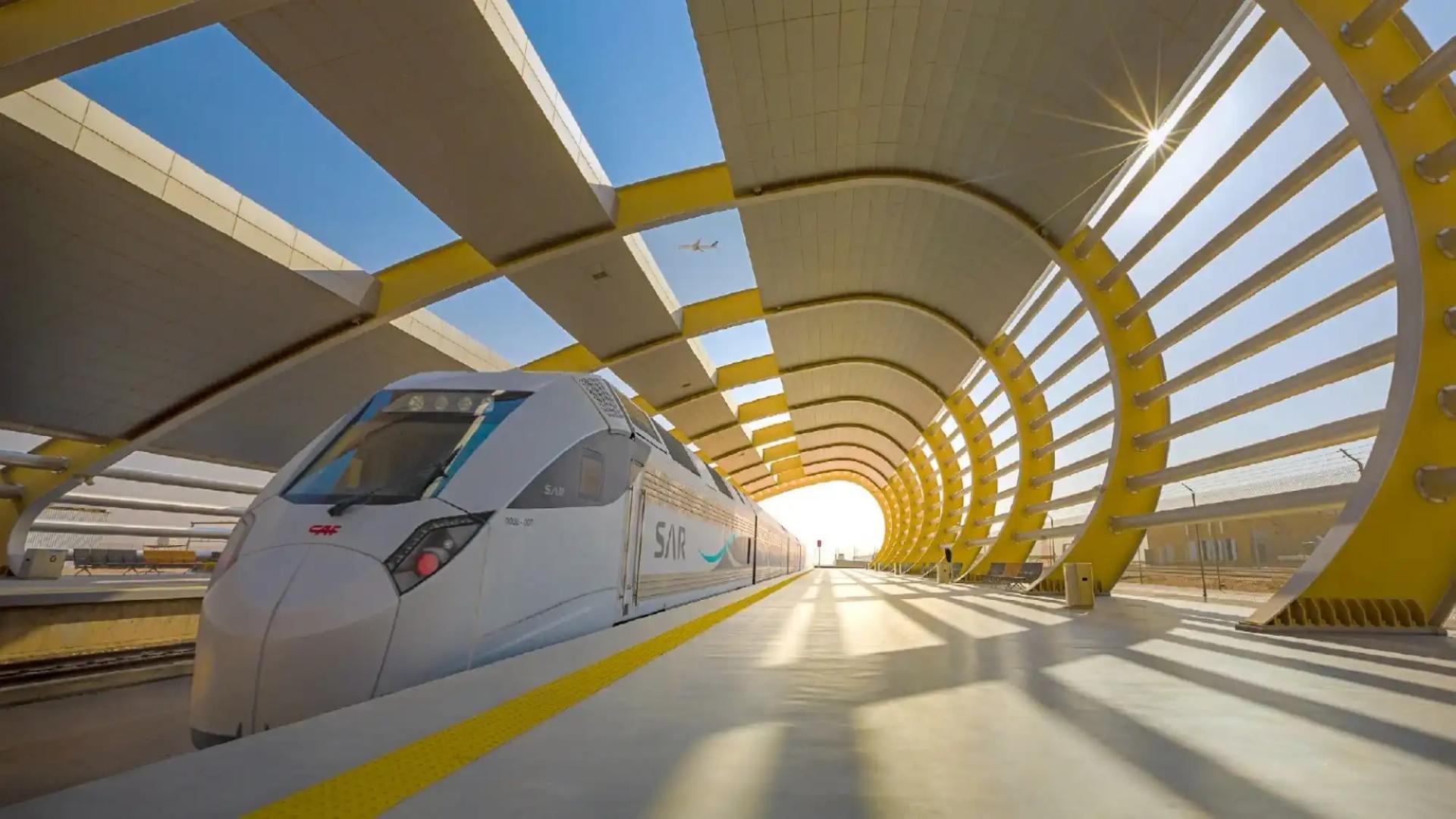


Saudi Arabia’s rail transport sector has witnessed exceptional growth in the first quarter of 2025, with over 35 million passengers travelling by train, according to the Transport General Authority (TGA).
This surge in rail usage highlights the Kingdom’s commitment to expanding sustainable transportation, reinforcing its National Strategy for Transport and Logistics Services.
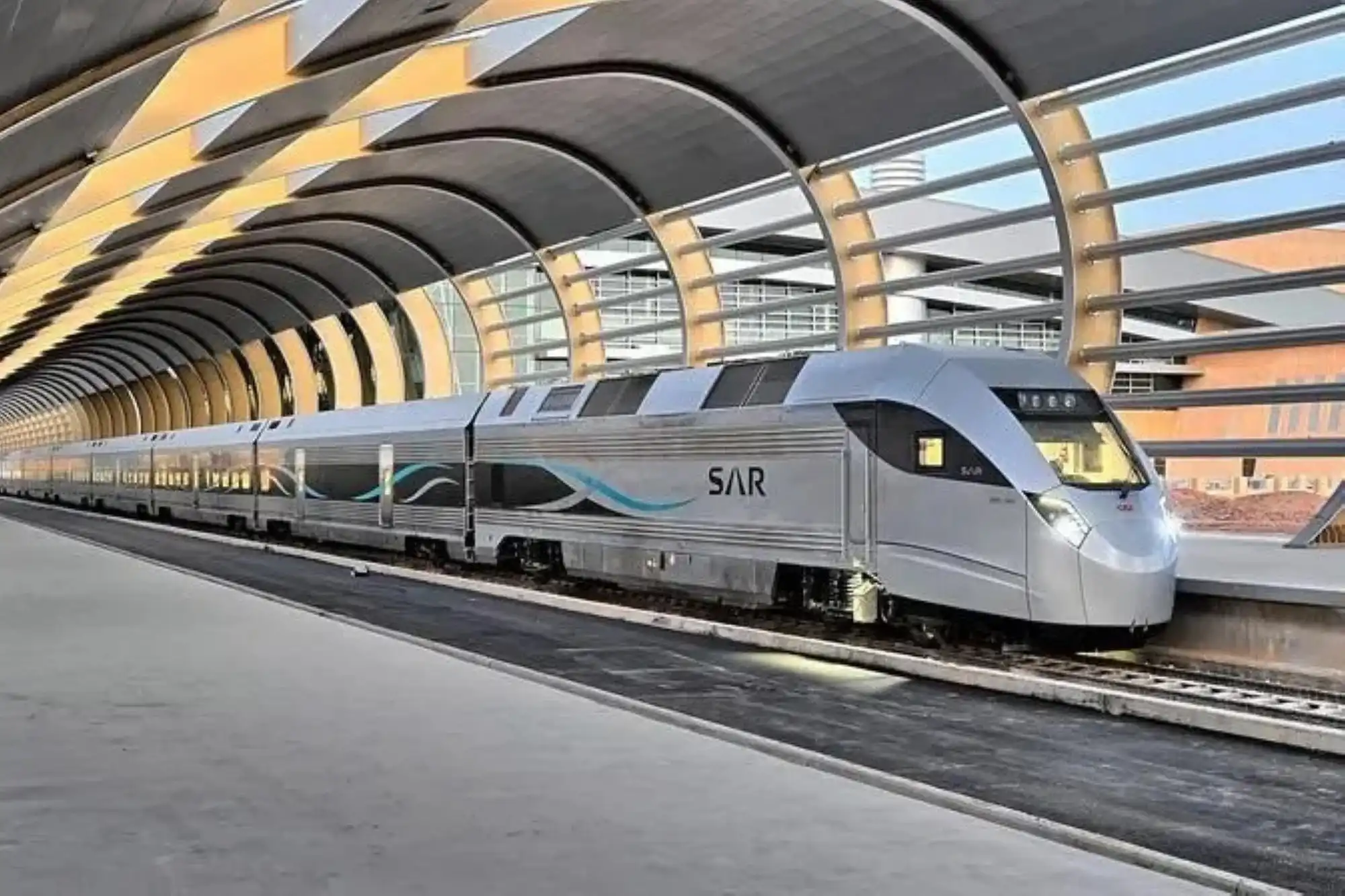
The intercity rail sector saw a remarkable increase, with more than 3.4 million passengers traveling between cities in the first quarter alone. This reflects the growing demand for efficient, comfortable, and eco-friendly travel options across Saudi Arabia.
Meanwhile, intra-city rail services recorded over 32.3 million passengers, with the newly inaugurated and very popular Riyadh Metro leading the way, carrying more than 25 million travellers. The automated shuttle at King Abdulaziz International Airport in Jeddah has transported over 6 million passengers, while the Princess Noura bint Abdulrahman University shuttle in Riyadh carried more than 900,000 passengers.
You Might Also Like: The Britannic Explorer is London's newest luxury 'suites only' sleeper train
Beyond passenger transport, Saudi Arabia’s railways play a critical role in freight logistics. In Q1 2025, over 3.8 million tons of goods and 239,000 containers were shipped via rail, supporting key industries such as mining and manufacturing. This expansion aligns with the Kingdom’s Vision 2030, which aims to position Saudi Arabia as a global logistics hub.
Rail transport is a cornerstone of Saudi Arabia’s sustainability efforts, offering a safe, efficient, and environmentally friendly alternative to road travel. By reducing carbon emissions and enhancing connectivity, the Kingdom is paving the way for a greener future. With continued investment in infrastructure, including new railway projects and expanded networks, Saudi Arabia’s rail sector is set to play an even greater role in shaping the country’s transportation landscape.
The Success of the Riyadh Metro
Since its launch on December 1, 2024 and now with all six lines of the Riyadh Metro in use, the new transportation system is officially fully operational. Dubbed the 'world's longest driverless train system', the metro transported more than 18 million passengers in its first two months of operation. Across these six lines, the newly launched transportation network spans across the city by 176 kilometres, and serves 85 stations.
The affordable public transport service has become increasingly popular with locals, residents and tourists, avoiding the inevitable traffic of the Kingdom's busy capital city, transporting members of the public across the city, and even connecting to the airport.
The most used metro line has been unveiled as Line One, also known as the Blue Line. The Blue Line, connecting Al Olaya and Al Batha, has emerged as the most popular route, witnessing a remarkable 10 million passenger journeys. The King Abdullah Financial District Station has also proven to be a major hub, with over 3 million passengers passing through its gates.