





We spoke with Dr. Vicente Mera, Chief Specialist in Internal & Longevity Medicine at the prestigious SHA Spain, has shared with us a powerful guide rooted in practical science to enhance one of the most vital — yet often overlooked — aspects of health: quality sleep.

Dr. Mera stresses that sleep is fundamentally a biological necessity, asserting that by meticulously optimising the environmental and behavioural conditions guiding the internal circadian clock, the body responds with a rapid and profound return to deeper, more restorative rest. These recommendations are essential for everyone, but also for those regularly on the move or experiencing work stress.
More than just insights, these recommendations offer us more than just simple remedies; they provide a protocol for regulating the body's natural rhythms. Here are his five essential sleep hacks designed to optimise your nighttime recovery and maximise the health benefits of restorative rest.
1. Creating your own Sunset


Managing light exposure, particularly blue light, is the most powerful regulator of the circadian rhythm. Reducing it before bedtime supports the natural rise of melatonin, signalling to the brain that sleep is approaching. Dr. Mera highlights that people often underestimate the influence of light on their internal clock and recommends dimming lights and reducing use of screens during the final hour of the day. These disrupt the internal clock and make it more difficult to fall asleep.
How to apply it:
- Screen disconnection: Disconnect from all screens at least 60–90 minutes before bedtime
- Night Mode/Warm Tones: Activate night mode or warm-tone settings on all devices at dusk.
- Reduce blue light intensity: Minimise exposure to bright, cool-toned lighting in the evening.
- Dim lighting: One hour before going to bed, it is recommended to lower the main lights in the home and use table lamps with warm bulbs.
- Blackout curtains: Invest in proper blackout curtains to keep the bedroom completely dark.
2. Lowering Core Body Temperature
Facilitating the natural drop in core body temperature that occurs during sleep is essential for initiating the sleep process. The onset of sleep is closely linked to this decrease in internal temperature. A cool bedroom environment, or a warm shower, can support this process. The warm shower works because, upon stepping out, the body cools down rapidly, mimicking the natural temperature drop that signals to the brain it is time to sleep.
How to apply it:
- Room temperature: Keep the bedroom cool, ideally between 18–20°C (64–68°F).
- Warm shower or bath: Take a warm shower or bath one to two hours before bedtime.
- Appropriate sleepwear and bedding: Wear lightweight, breathable pyjamas, such as cotton.
- Ventilate the room: Open the window for a few minutes before going to bed to refresh and lower the room temperature.
3. Train the Brain for Rest

Regular pre-sleep routines send a clear signal to the nervous system that bedtime is near. SHA emphasises that the brain benefits from predictable patterns, which help reduce mental activity and ease the transition to sleep.
Your evening routine should include one or more of the following healthy habits:
- Read a physical book (not on a screen)
- Listen to relaxing music, nature sounds or even a calm podcast
- Practice 5–10 minutes of meditation or deep breathing
- Practice gentle stretching or restorative yoga
- Write in a journal or create a “to-do list for tomorrow” to clear the mind
- Drink a caffeine-free herbal infusion, such as chamomile, lavender or valerian
4. Eat Light and Early
Being mindful of what is eaten and drunk in the final hours of the day is essential to avoid disrupting sleep. Heavy digestion, acid reflux and rapid spikes in blood sugar can interrupt the natural sleep cycle. Conversely, certain nutrients can support the production of melatonin and serotonin, both of which play key roles in initiating and maintaining restorative sleep.
How to apply it:
- Timing: Dinner should be eaten at least 2-3 hours before going to bed
- Light meals: Heavy, spicy, greasy or highly sugary dinners should be avoided in the evenings.
- Avoid stimulants: Caffeine (coffee, tea, soft drinks) and nicotine should be eliminated from mid-afternoon onward. Alcohol may induce drowsiness initially, but it fragments sleep and significantly reduces its quality.
- Sleep-supportive snack (if needed): If hunger appears before bedtime, choose a small snack combining protein and complex carbohydrates, such as a small banana, a handful of almonds, plain yogurt or whole-grain toast with turkey
5. Associate the Bedroom Only with Sleep
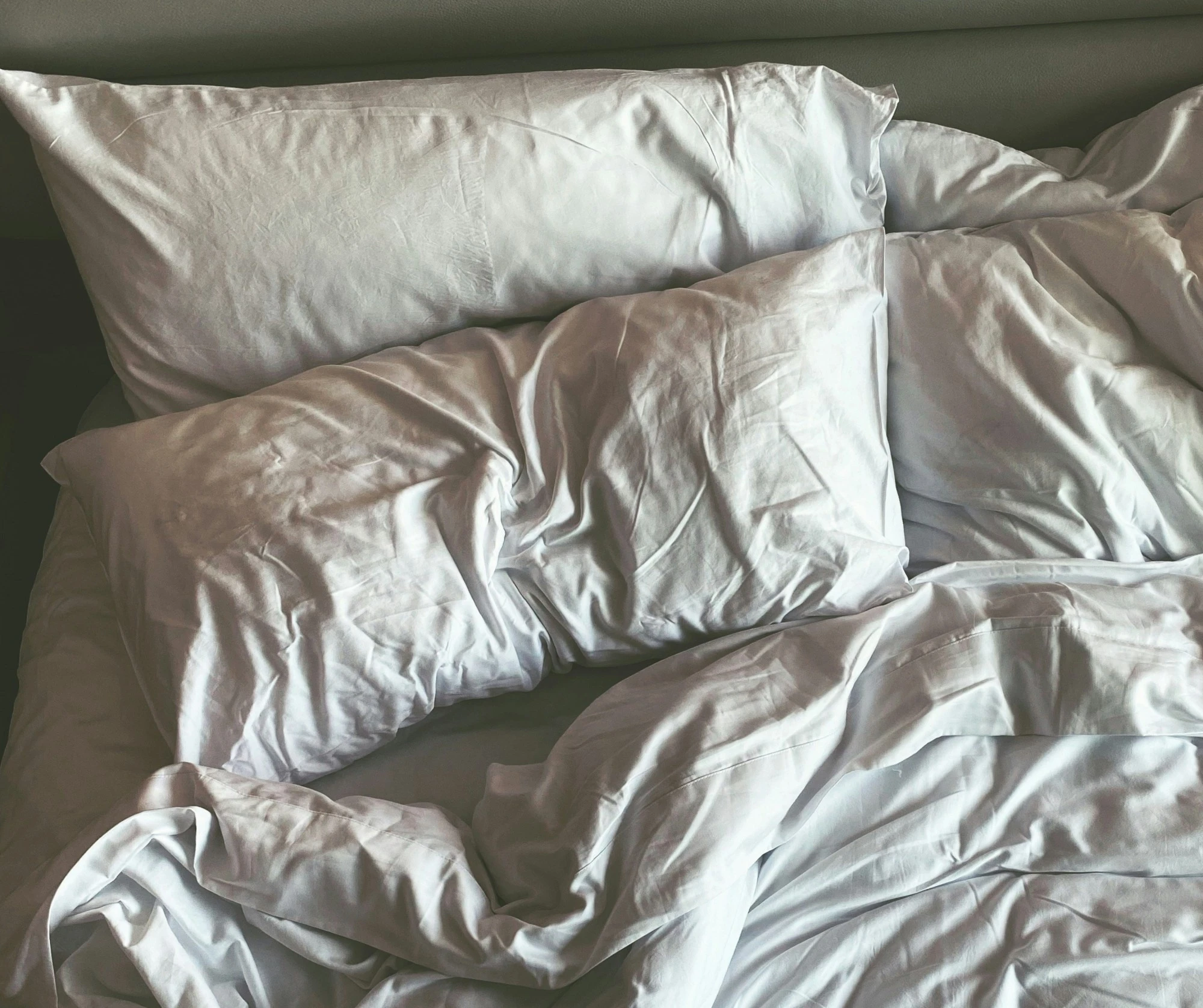
Strengthening the mental association between the bedroom and the act of sleeping is essential for long-term sleep quality. When the bed is used for working, watching TV, checking the phone or mentally revisiting daily problems, the brain begins to link that space with alertness and cognitive activity. This weakens the natural conditioning that should exist between the bed and sleep, making it harder to unwind and fall asleep efficiently.
How to apply it:
- A screen-free bedroom environment is essential for preserving the brain’s association between the bed and restorative sleep. Laptops, tablets, and phones should be avoided in bed as they activate the mind and stimulate alertness.
- If falling asleep becomes difficult and takes more than 30 minutes while feeling awake or frustrated, it is advisable to get out of bed. Moving to another room and engaging in a quiet, relaxing activity — such as reading or listening to soft music — helps reset the mind. Returning to bed should only happen once sleepiness naturally reappears.
- Maintaining a sleep 'hygiene' or a specific sleep environment is equally important. The bedroom should remain orderly, quiet and dedicated primarily to rest and intimacy, reinforcing the conditions that allow the nervous system to switch into nighttime mode.