



In terms of tourist infrastructure and accessibility, the United Arab Emirates is one of the easiest places to visit in the Middle East, served by dozens of flights a day, home to over 200,000 hotel rooms, and a place where both tourists and foreign residents are part of the country’s DNA.
Whether you’ve come for the top-tier shopping, international sport and events or just a week lounging around by the pool, the country has hung its hat on travel for a long time and there are few places in the world – not just in the Middle East – where it is as easy to be a tourist. For those that want to go deeper, national parks, quirky little villages, epic deserts and historical sites abound.
But the UAE is still a Middle Eastern country and, as such, travellers often have legitimate questions about what you can (and can’t do) there. How safe is it for solo women travellers? Can you drink alcohol and, if so, where? What cultural rules should travellers be aware of to ensure they don’t offend the locals or anyone else during their stay? We’ve got all the tips you need for a stress-free first visit to the UAE.
1. Dress modestly, especially in public places
It is one thing to lounge about in your hotel pool wearing a bathing suit, but on public beaches and in public areas – such as downtown Abu Dhabi, Sharjah, Bur Dubai and Deira – travellers are expected to dress modestly and will encounter a lot of unwelcome attention if they do not.
Although women do not have to cover their heads unless they are visiting a religious site (and where scarves are usually provided), very revealing clothing should be avoided in conservative areas such as those listed above. Men, too, should not wear tight fitting swim wear or go shirtless outside of hotel beach clubs.
Bear in mind that while Dubai in particular has a relatively relaxed dress code, dressing inappropriately is a criminal offence in Dubai and people can be – and have been – arrested for it. Consider what's appropriate for the space you're in and you'll be fine.

2. Yes, alcohol is legal, but only in licensed venues
With its bottomless brunches and myriad bars and pubs, Dubai – especially compared to other countries in the region – may look like an alcohol free-for-all, but if the country’s relationship with alcohol was a mid-noughties Facebook status, it might be: It’s complicated.
Non-Muslim visitors over the age of 21 can legally purchase and drink alcohol in licensed venues such as hotel bars, private clubs and certain restaurants. You can even find off licenses in some of the other Emirates where, unlike Dubai, you do not need an alcohol license to shop.
You can also purchase up on up to four litres (at time of writing) of spirits at duty free at Dubai or Abu Dhabi airports and consume alcohol in your hotel or apartment. But drinking in public spaces is an absolute no-no, and is rigidly enforced. Do not drink on the beach, even discreetly, as police do patrol and if you’re caught you will likely be arrested and may be fined, jailed or deported – or all three. The same goes for public displays of drunkenness. If you’re drunk, stay home.
Bear in mind also that while alcohol is easily available in Dubai and Abu Dhabi, it is illegal in Sharjah, a dry emirate. If you’re travelling via Sharjah you will not be able to buy alcohol at the airport and should not have any on you.
3. Public displays of affection should be kept minimal
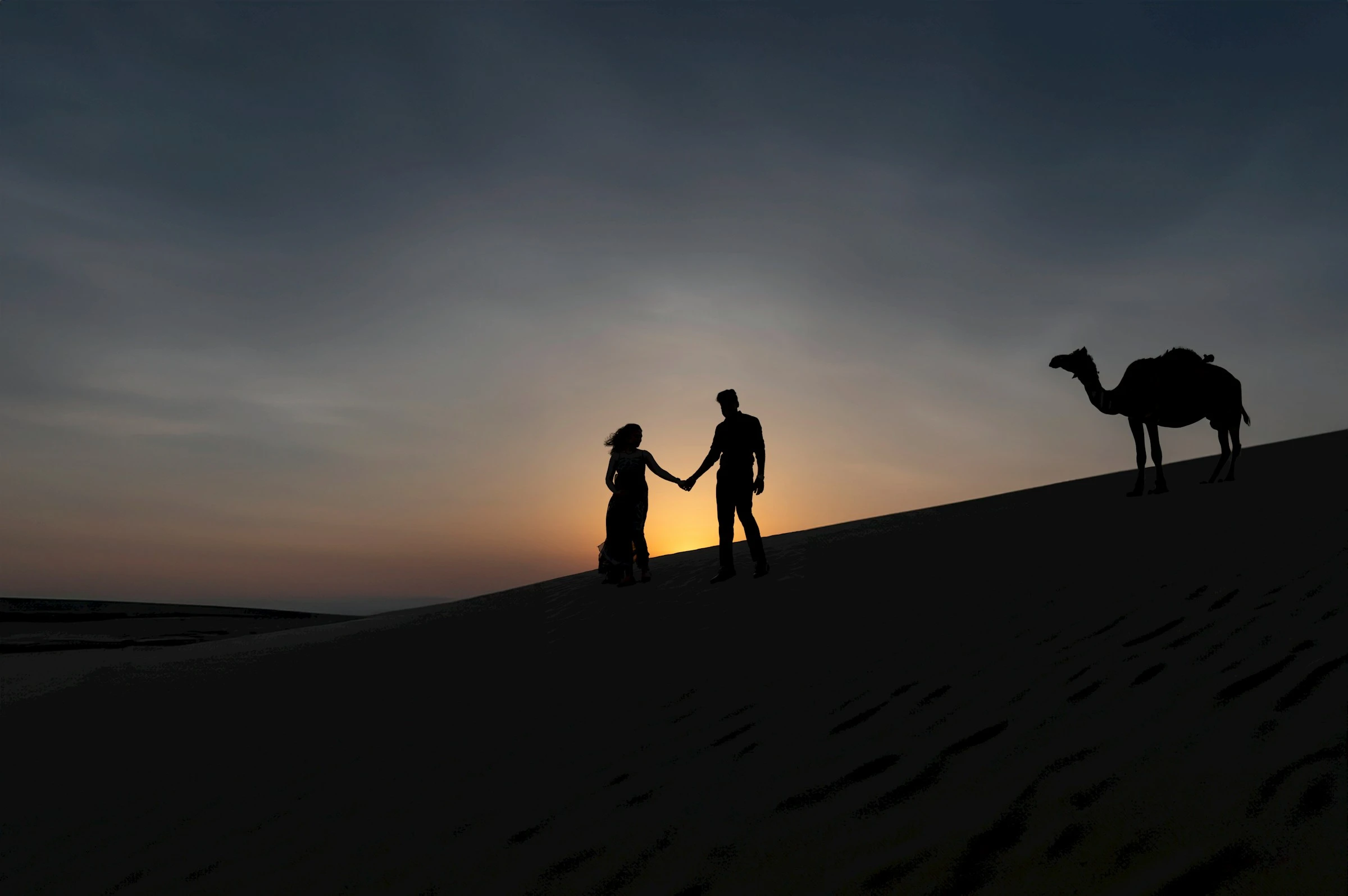
Holding hands is generally okay for married couples, but more intimate displays of affection – such as kissing or embracing – are not acceptable in public spaces, a rule that applies to both opposite-sex and same-sex couples.
Until relatively recently it was illegal for unmarried couples to share hotel rooms, even if most hotels in Dubai officially turned a blind eye. That law has now officially been changed and unmarried couples can share hotel rooms, a rule that applies across the whole country – even in more conservative areas.
5. The UAE has very low crime rates
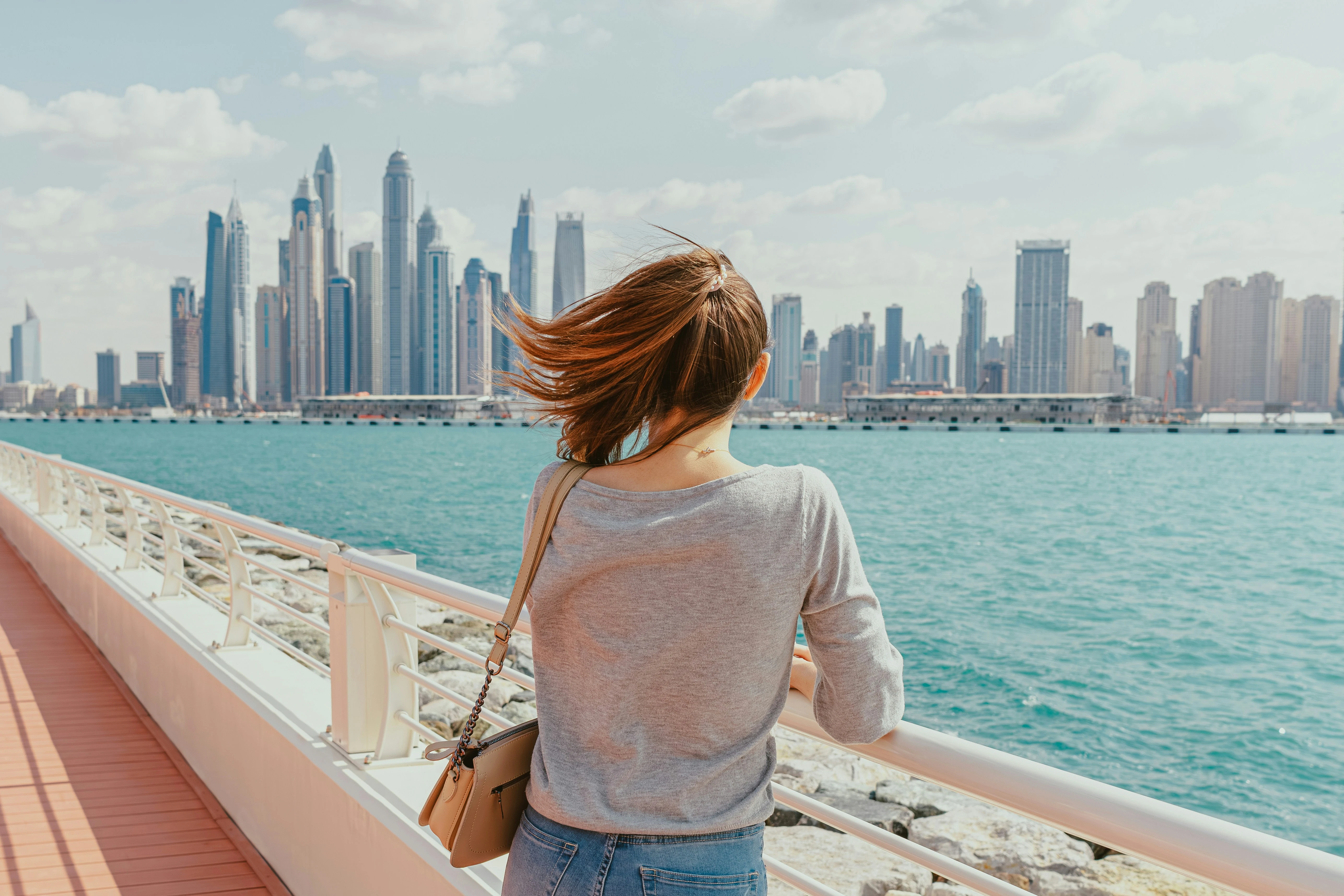
Violent crime is rare in the UAE, and petty theft is uncommon compared to other global tourist destinations. Muggings are almost unheard of, as is street violence. There is a heavy police and security presence on the streets, and patrols of beaches and public areas are common.
As far as safety for women – particularly solo women – there are plenty who argue that it is one of the safest countries to visit. But, as with all cities, travellers walking alone should exercise caution on the streets of conservative and less touristy areas at night, particularly in the smaller emirates and in downtown Abu Dhabi.
6. Book popular experiences in advance
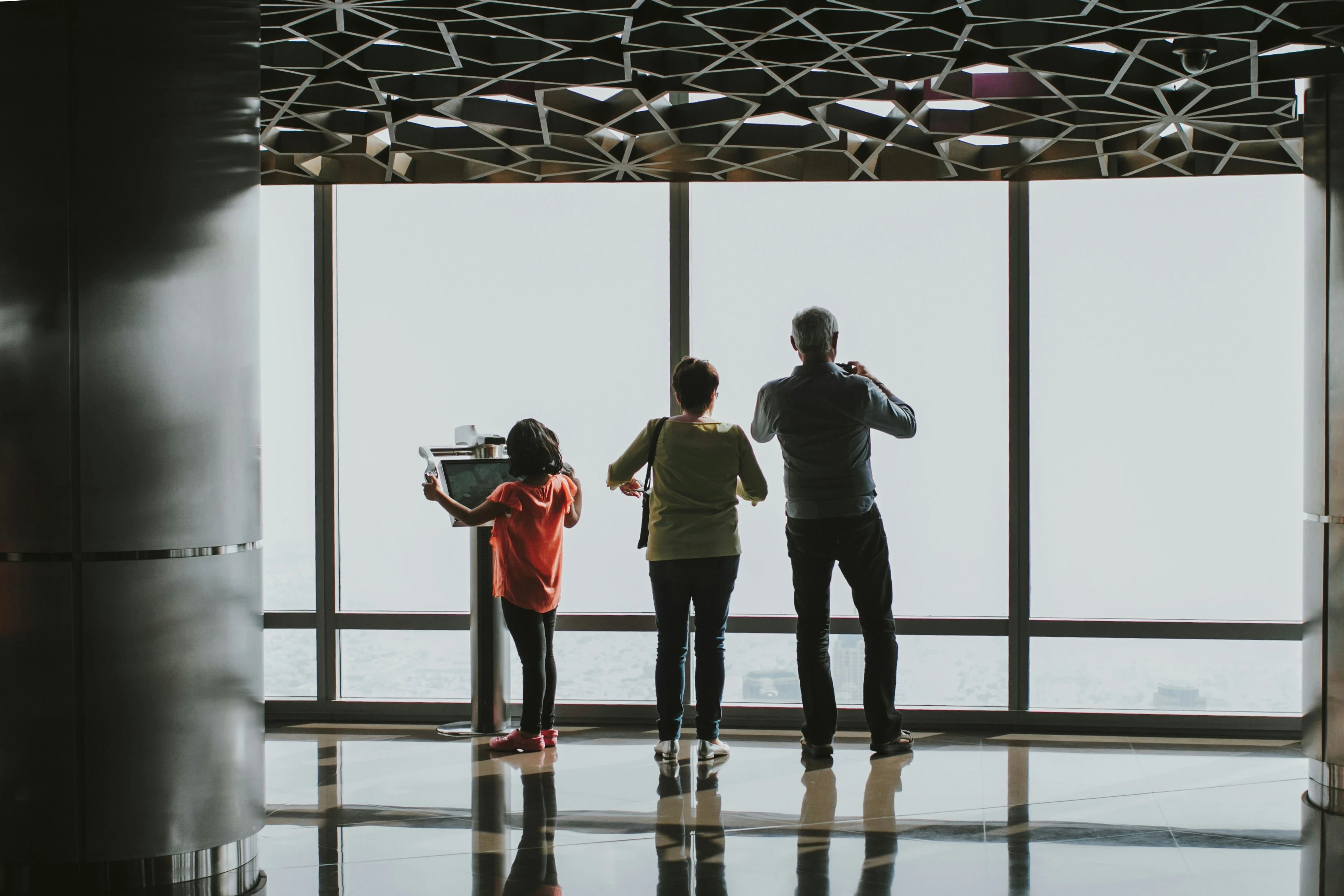
The UAE is home to many of the region’s most visited attractions, and demand can be high, especially during peak season. This especially includes the Burj Khalifa observation deck and Louvre Abu Dhabi, which often sell out days in advance. It is also much cheaper to book ahead. Other attractions, like desert safaris or popular water parks, can also be busy in peak season.
7. Summer heat is intense, so plan accordingly
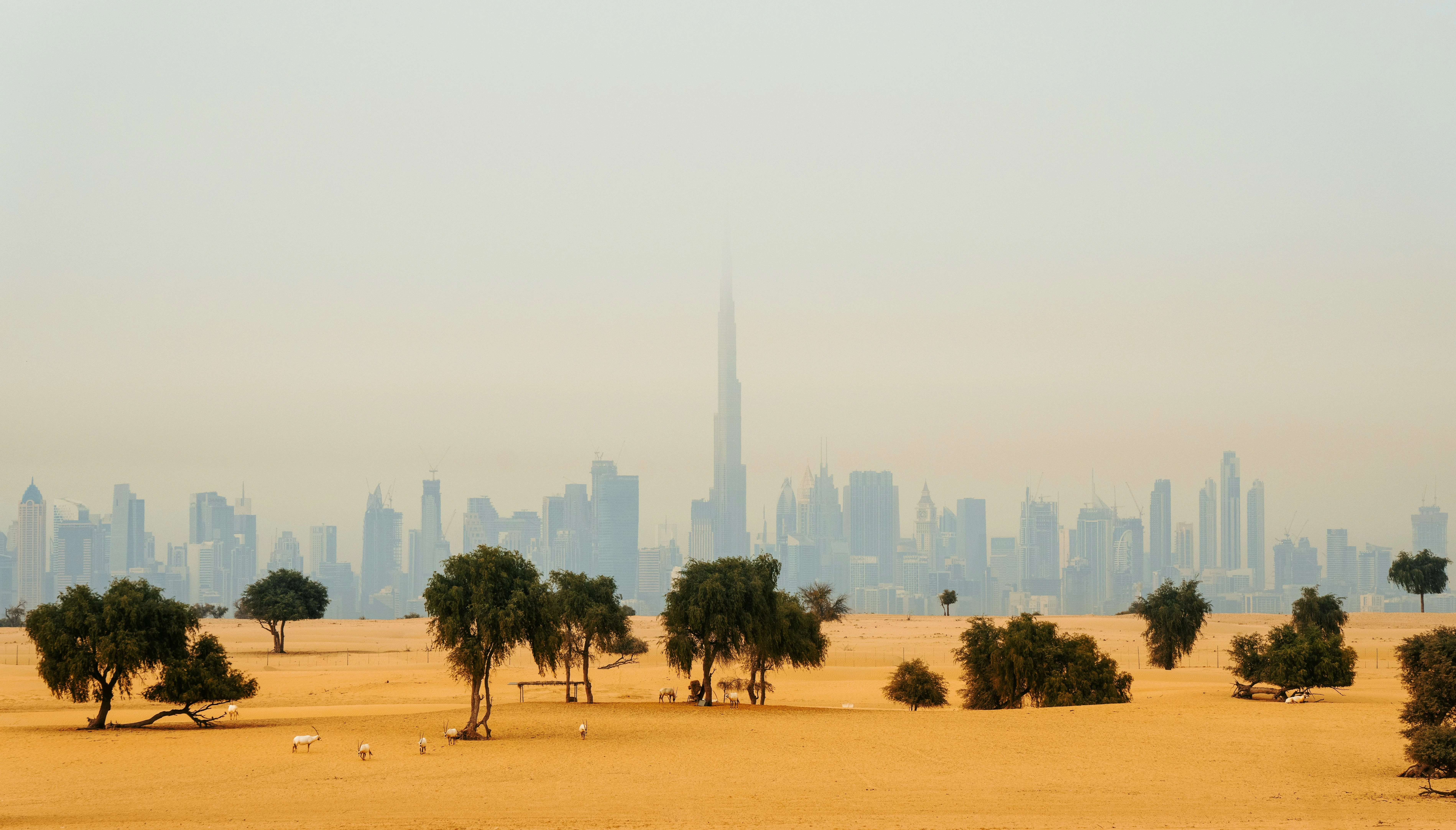
The summer in the UAE is no joke, with temperatures routinely reaching 45 to 50°C (113 to 122°F) and high humidity in coastal areas like Dubai and Abu Dhabi. Outdoor activities are best scheduled for early morning or evening, when it’s slightly cooler. During the day, stick to indoor attractions like museums, malls and aquariums, all of which are air-conditioned.
8. Use the metro and taxis for easy travel
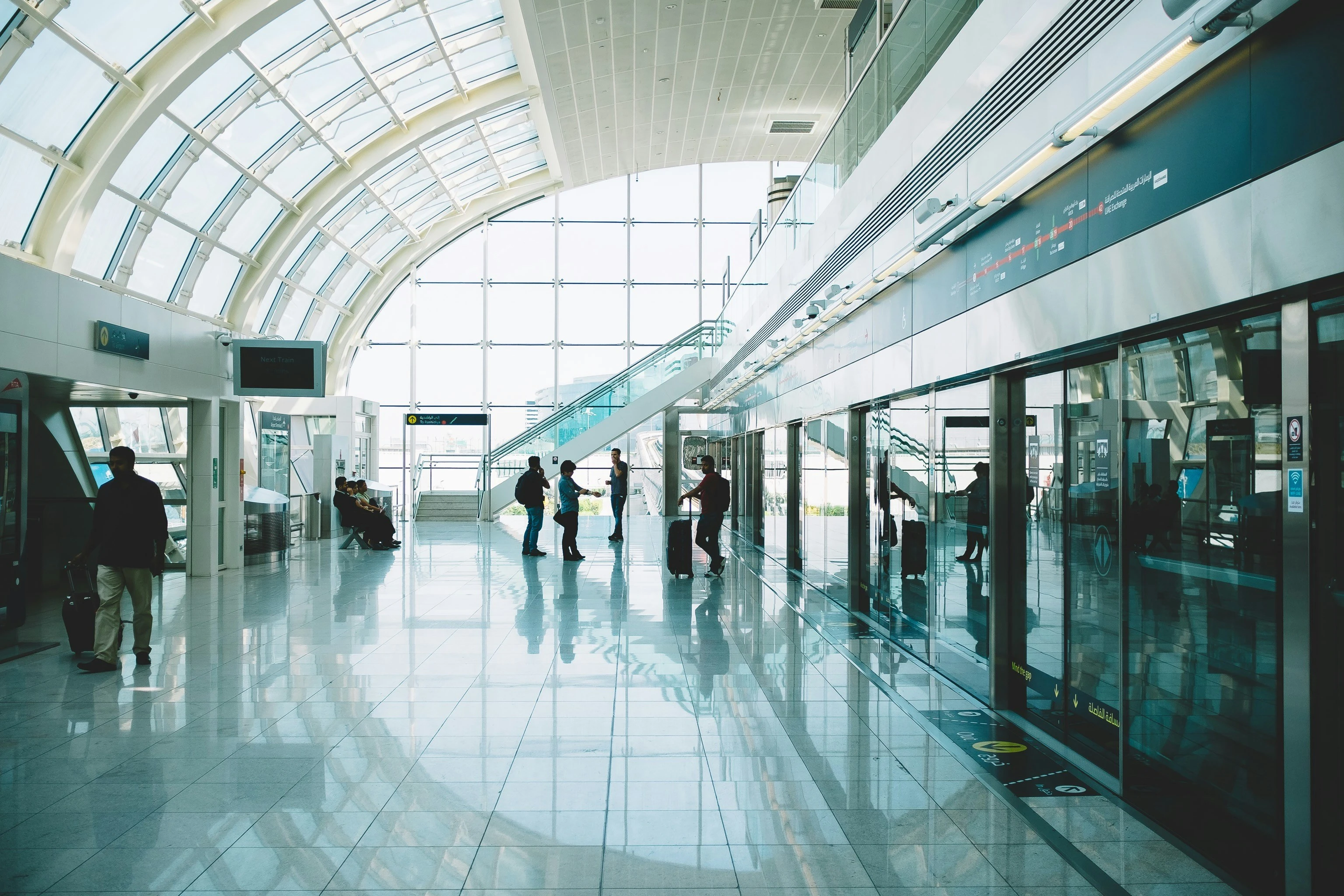
Dubai has one of the cleanest and most efficient metro systems in the region, with stops near many major landmarks. It’s affordable and reliable, especially for visitors staying in the city’s main hotel areas. Abu Dhabi and Sharjah do not have metro lines, but metered taxis and ride-hailing apps like Careem and Uber are widely available and easy to use.
Renting a car is another option, especially if you’re planning to explore the other emirates or take a road trip. Be warned that the driving style in the UAE is fast and aggressive, and it can take some getting used to, especially in the cities. Also avoid rush hour between Dubai and Abu Dhabi or going north out of Dubai when roads are gridlocked for hours.
9. Don’t bring restricted items into the country
UAE customs rules are strict, and lots of things that might be legal in other countries are banned or restricted here.
Avoid bringing any medications containing codeine or other controlled substances unless you have a prescription and supporting documents. Even trace levels of controlled substances like cannabis can land visitors in jail with a lengthy sentence,
Vape liquids containing THC, pornography, weapons and tactical gear are also prohibited; this includes body armour.
10. Respect prayer times and religious spaces
Friday is the UAE’s official day of rest, and many shops and businesses may open later than usual. That means that in the UAE, ‘Thursday is the new Friday’ and it’s the night that most of the population finishes work and decides to let their hair down.
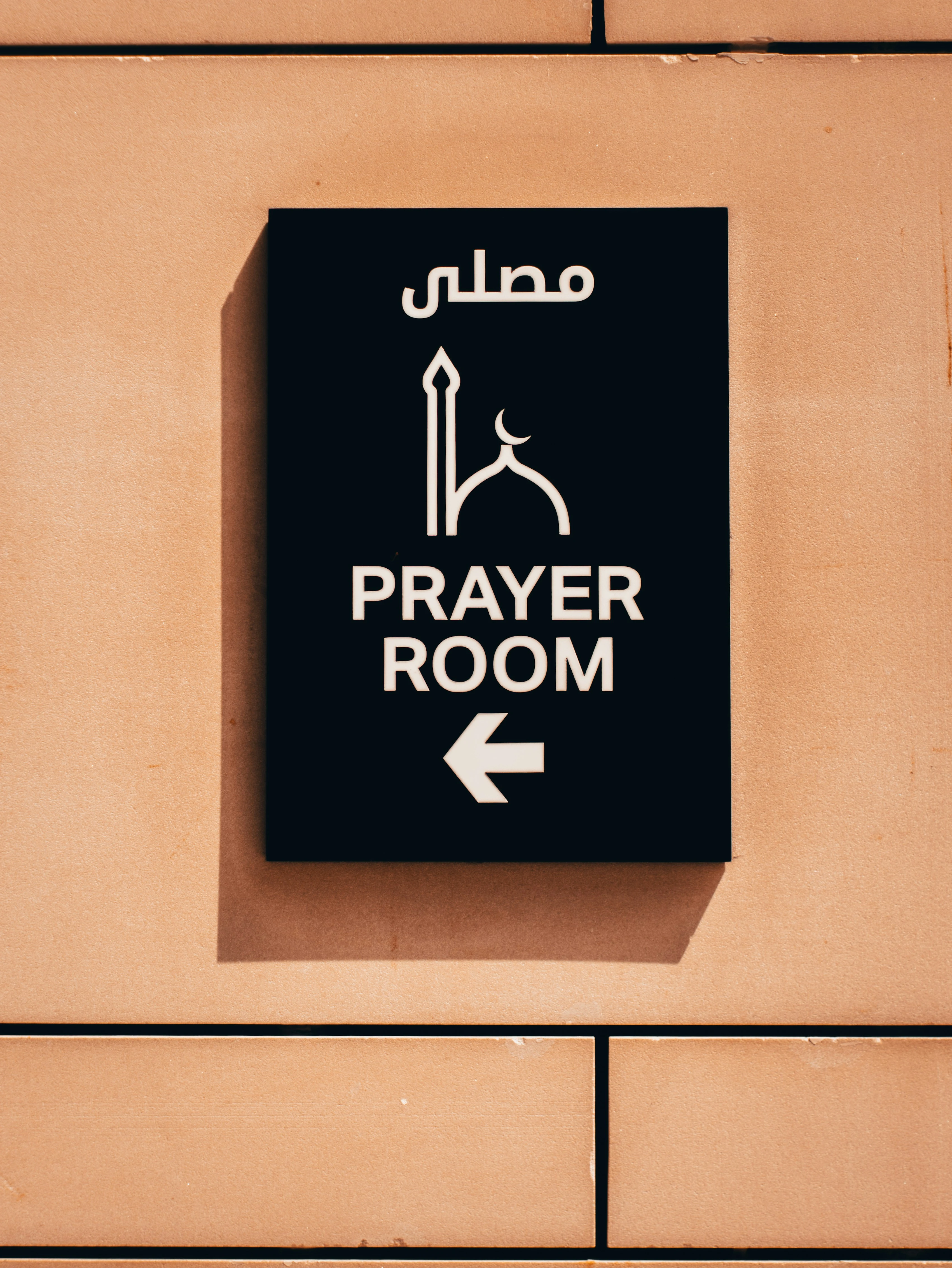
During the holy month of Ramadan, Muslims fast from sunrise to sunset. As a visitor, it is important to avoid eating, drinking or smoking in public during daylight hours as a sign of respect. Non-Muslims are welcome in many mosques, including the stunning Sheikh Zayed Grand Mosque in Abu Dhabi. Visitors should dress modestly.