



Slow airplane Wi-Fi can be frustrating; so much so that we forget it's a miracle we even have Wi-Fi on planes. While it seems simple enough, it takes a host of technologies to bring the internet to your seat.
Airplane Wi-Fi primarily uses two types of technology: Air-to-Ground (ATG) and satellite. Imagine you're in a car on a road trip and you want to listen to music streaming from the internet. Your phone connects to the internet through cell towers that line the highway. Now, picture this in an airplane—it works similarly, but the technology needs to cover much greater distances and heights.
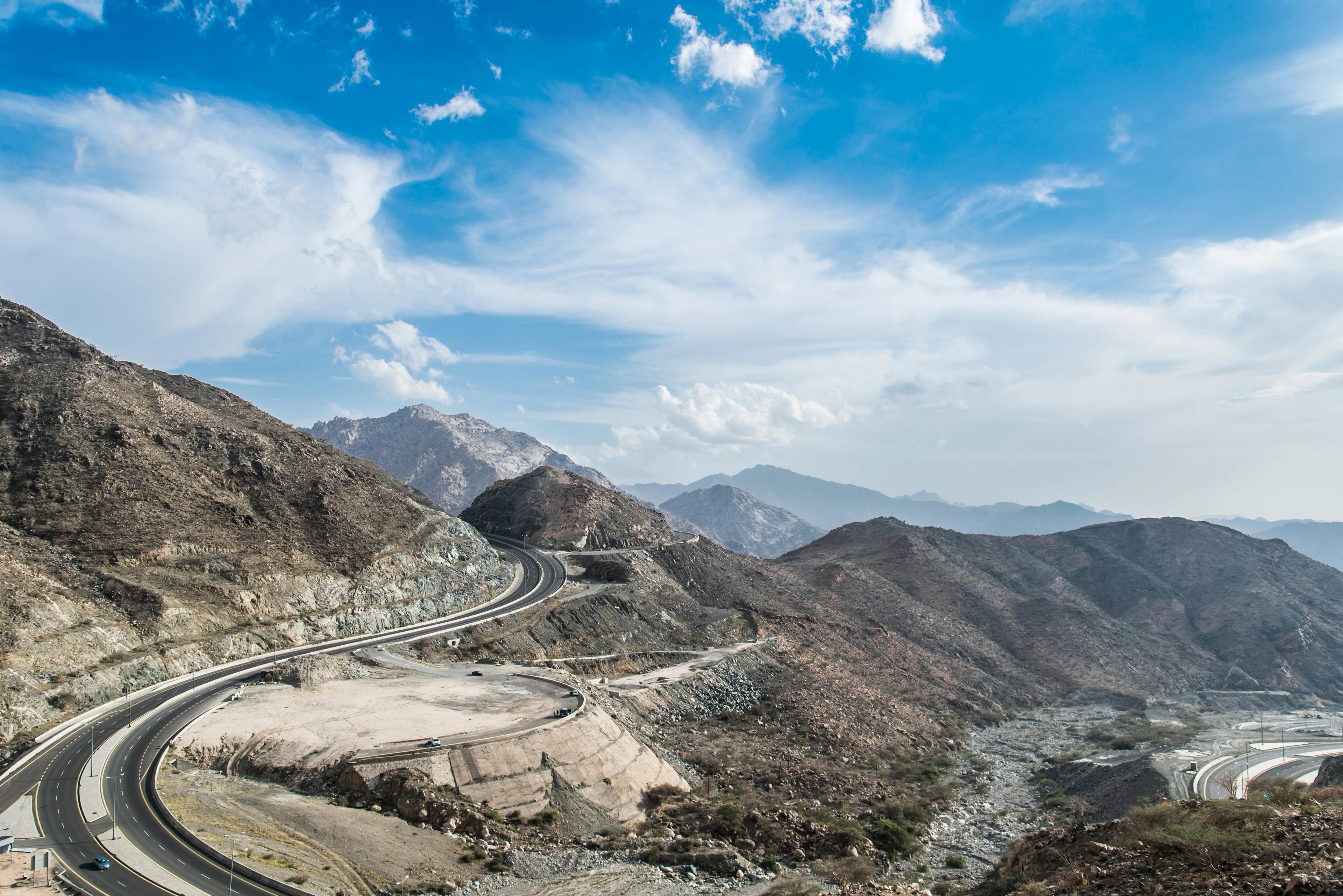
Air-to-Ground Wi-Fi: This is like using your cell phone network. The plane has an antenna that picks up signals from towers on the ground. However, because the plane is moving fast and might be flying over areas where there are no towers (like mountains or in the middle of nowhere), the connection can be spotty and slow.
Satellite Wi-Fi: This method is a bit like using satellite TV. The plane connects to the internet through satellites orbiting the Earth. This gives you coverage over the oceans or other remote areas, which is great! But, because the signals have to travel up to space and back, there can be a delay, making the connection slower especially when everyone on the plane is trying to watch videos or download files at the same time.
Both systems have their challenges because they need to cover vast areas and serve many people at once, and that's why airplane Wi-Fi can sometimes be frustratingly slow. It’s like when everyone in your house is trying to stream movies at the same time, and the internet starts dragging.
The infrastructural and operational costs associated with both systems are high, influencing how much bandwidth is made available to passengers. Airlines have to balance these costs with the quality of service, leading to slower, sometimes intermittent airplane Wi-Fi connections.
As technology progresses and investment continues, we may see more consistent and faster connections, but for now, a bit of patience is still an essential part of flying.