

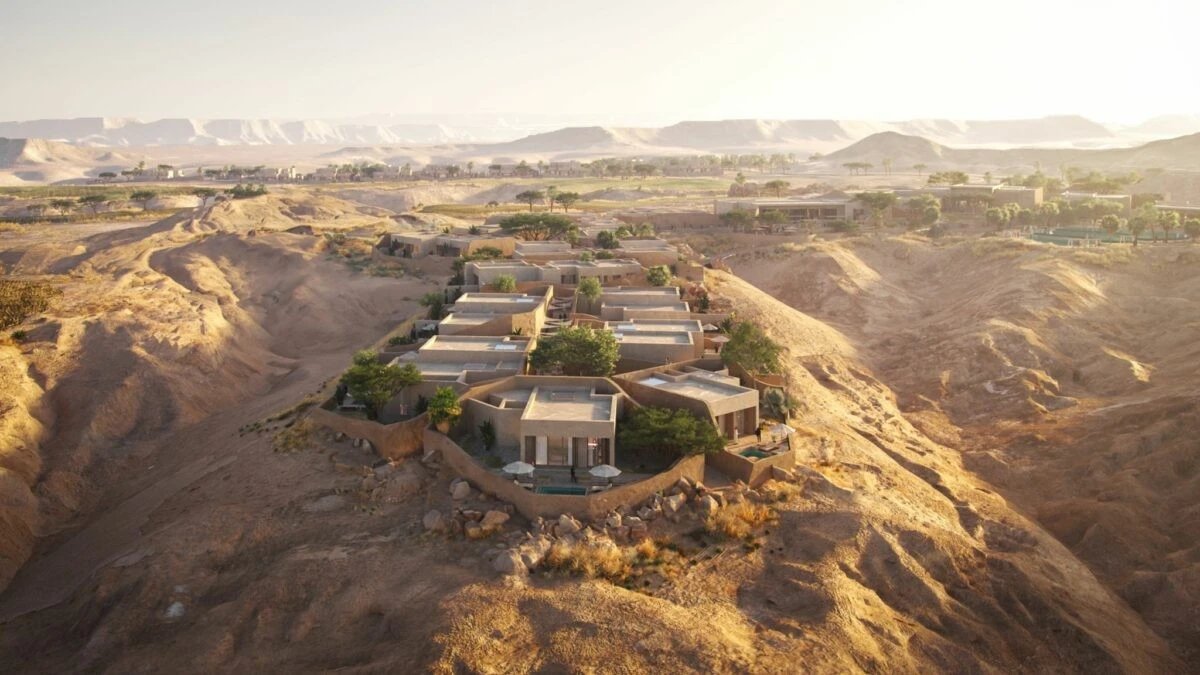
A moment that is rarely seen by those outside the holy city of Makkah, this centuries-old tradition holds immense spiritual importance and attracts the attention of Muslims worldwide.
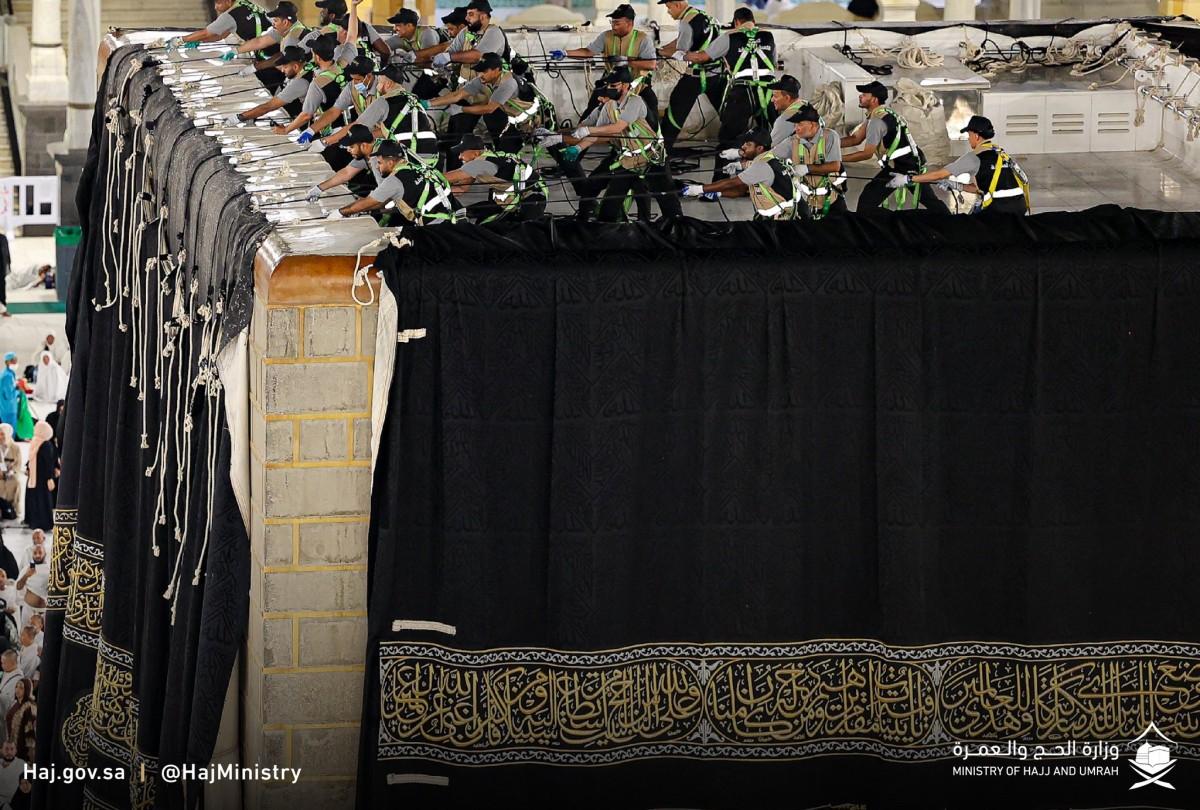
Each year to mark the beginning of the new Islamic year, the detailed and decorated cloth covering the Kaaba (known as the Kiswah) is changed and becomes a pivotal moment in the cultural and spiritual calendar for Muslims around the world, and in the Holy City. Witnessing and participating in this significant ceremony is highly regarded by all Muslims and Saudis.
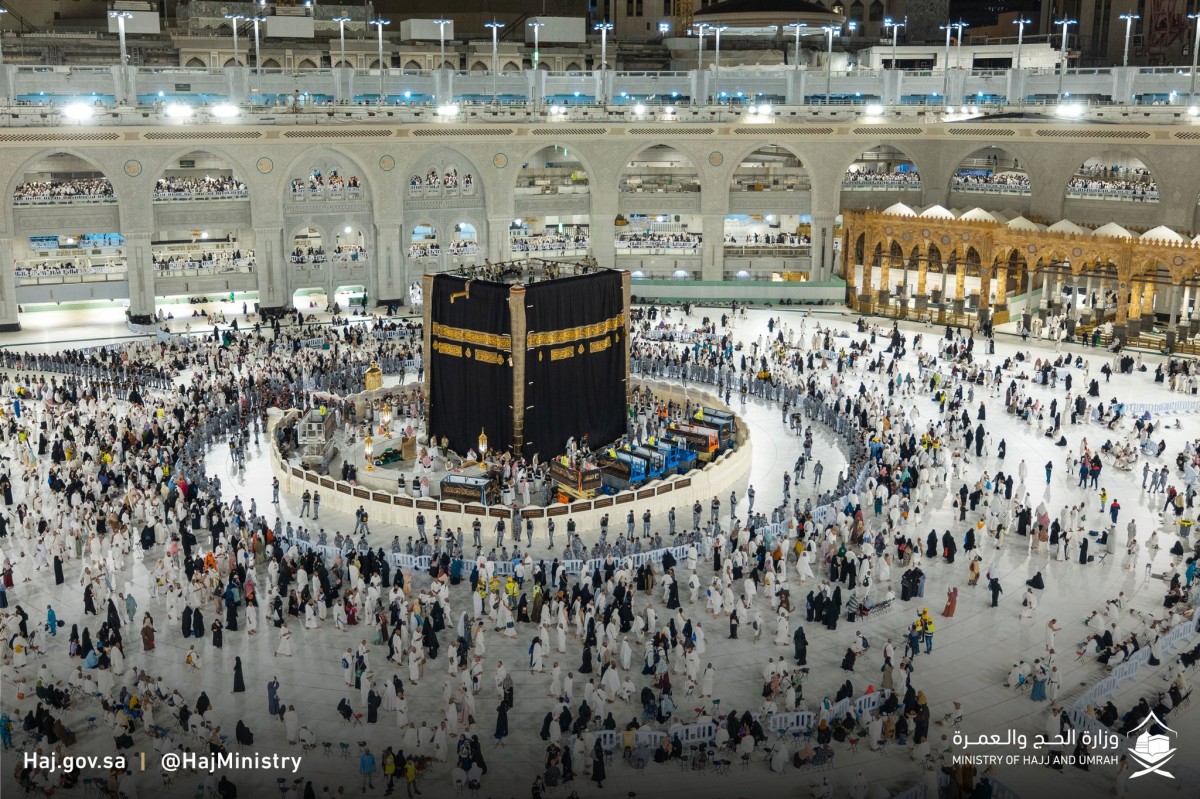
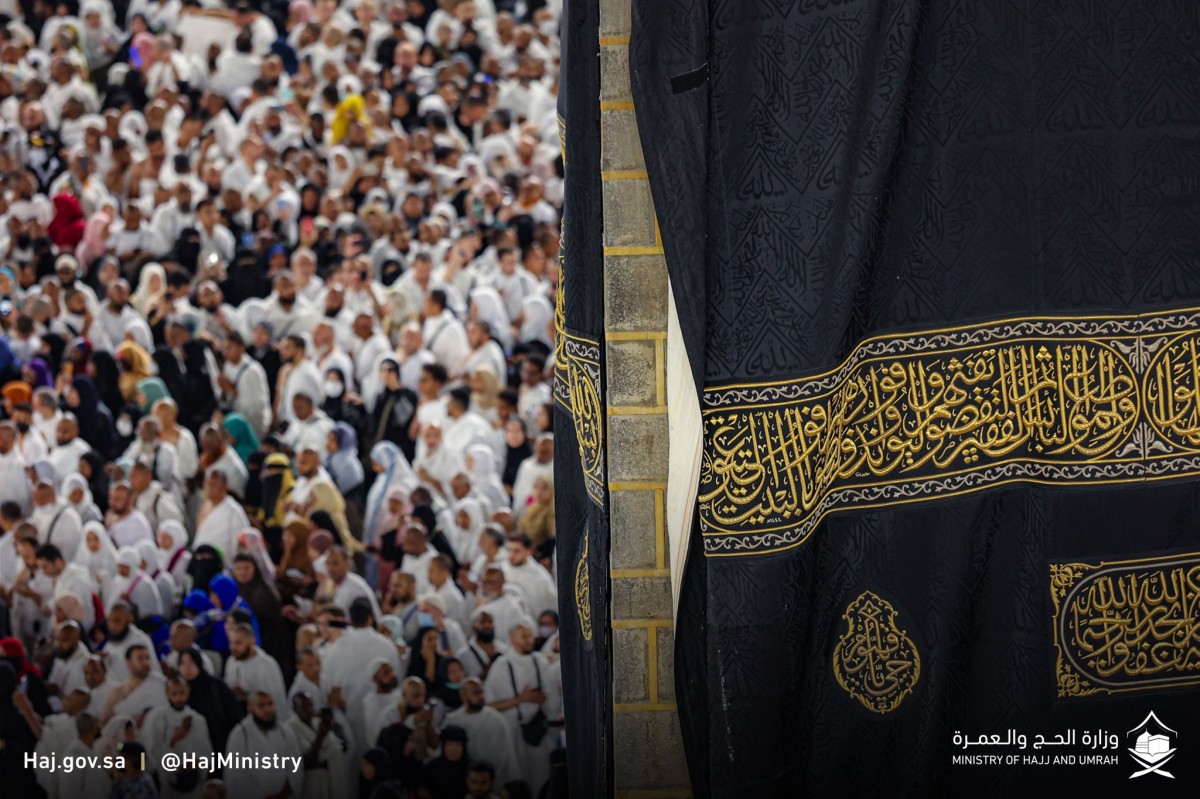
The Kiswah, a large black cloth embroidered with gold and silver Islamic calligraphy, is replaced with a new one on the 9th day of Dhu al-Hijjah, the last month of the Islamic calendar.
The ceremony itself is a meticulously planned and symbolic event, involving skilled artisans and religious officials. The old Kiswah is cut into pieces and distributed to dignitaries and religious institutions, while the new one is carefully draped over the Kaaba, signifying a fresh start and spiritual renewal.
Skilled artisans dedicate hundreds of hours to the meticulous detailing and effort needed to create the Kiswah. The intricate process involves designing, dyeing, weaving, printing, and embroidering both the outer black silk curtain and the inner green silk lining.
Take a look at how the Kiswah is changed in the video below: