

When it comes to planning an island getaway in Europe, you have the usual suspects often prevail: Ibiza, Mykonos, Corsica.
However, away from the established choices, Europe is full of less-explored gems, each as idyllic as the next, yet offering something different. So, if you’re ready to spend the summer in a spot that will make you the envy of your friends, here's a comprehensive guide to the islands less travelled.
Menorca, Spain — For Artists

Spain’s Balearic Islands are best known for Ibiza (the party one) and Mallorca (the golf and beach one). However, the other main island, Menorca, was largely overlooked by travellers, perceived as being a little boring and certainly unfashionable – millionaires in yachts were noticeable by their absence.
That all changed in 2021 when Swiss-born art collectors Hauser & Wirth, known for galleries in LA and England, opened an art space in a former hospital on a tiny island in Menorca’s main harbour. There, a sculpture trail leads past an oversized black spider by Louise Bourgeois and a bulbous bronze by Joan Miró to a series of eight galleries and a restaurant serving farm-to-table food.
Since then, the momentum has grown. Menorca is still a quiet island with wild beaches and the rustle of lizards in the olive groves, but Hauser & Wirth have been joined by Zannier Hotels, which launched their immersive dining concept Nonna Bazaar in 2022, along with a beach club and spa. Other hoteliers and restaurateurs have also flocked to Menorca, drawn by its contemplative silence, with places such as slow food Es Tast de na Silvia and tapas favourite Moll de Sa Punta providing original tastes of the island.


Stay: For a boutique-style stay, there’s Cristine Bedfor, a 21-room hotel lovingly designed by Madrid-based Cristina Lozano. Or for an elevated farmhouse experience, both Menorca Experimental and Son Blanc Farmhouse are stylishly rustic options.


Sylt, Germany — For a wellness break
It may come as a surprise to some that Germany has a coast and beach culture – it’s a country that many associate more with the urban scenes of Berlin and Munich, or the natural landscapes of the Black Forest and the Alps.
Head north towards Denmark though and you’ll find the North Frisian Islands, which edge into the Wadden Sea, a UNESCO World Heritage Site. Sylt is the smartest island by far and has evolved into Germany’s answer to the Hamptons, with expensive villas dotted around, several Michelin-starred restaurants, and almost as many new-model Mercedes in high season as there are cows. But with kilometres and kilometres of white sandy beaches, it’s easy to escape and find a dune to call your own, while the distinctive wooden strandkorbs – little huts with seats and shelter from the sun – that line the sands can be rented for the day.
All that sea air is invigorating and healthy enough in itself, but the opening of a new medi-spa has ramped up Sylt’s wellness credentials. Lanserhof Sylt is the outpost in a very wellregarded group, and its beautifully designed spa is set under a thatched roof and connected by a swirling white staircase.
Treatments range from hi-tech medical care for post-cancer patients – there’s CT, ultrasound, and all sorts of equipment – to the signature Mayr Cure fasting programme, aimed at those trying to destress and lose weight. You’ll leave the island feeling revived and rejuvenated.
Stay: If you’re looking for a place to focus on your wellness, book a room at Lanserhof Sylt. Whilst Söl’ring Hof Hotel is a good alternative, with the island’s only two-Michelin starred restaurant under its roof.
The Azores, Portugal — For adventure sports
Cast adrift in the Atlantic Ocean, the nine volcanic islands of the Azores appear out of the sea mist like prehistoric creatures – and if the occasional pterodactyl flapped into view, no one would be surprised.
The islands of the Azores are known as the Hawaii of Europe, with rainforest flanked mountains and surf breaks that draw in professional wave-riders. Each island has its own identity, but collectively they are the only archipelago to be awarded EarthCheck certification for sustainability.
So, there are no sprawling resort complexes, just small hotels dotted around, restaurants that dig deep into the island’s produce for farm-(and boat)-to-fork menus, and a wild landscape that veers from lava moonscapes to fern-thickened valleys.
It’s best to base yourself on the largest island, São Miguel, then hop around the others by plane or boat: from São Jorge for its hidden surf spots, to Flores for its incredible waterfalls that plunge hundreds of metres. And bring a thirst for adventure – this is a destination for really getting to grips with the elements, whether diving, surfing, or coasteering. At the very least, take the boat to Pico Island and conquer its 2,351-metre summit, gazing over to the other islands.
Stay: The ocean-facing Sul Villas and the secluded La Maison are the smartest options on São Miguel. Or Lava Homes on Pico Island, reflect the islands' sustainability ethos, with its rainwater irrigation and low-impact design.
Do: For adventure sports and island tours, get in touch with Futurismo Azores Adventures.


Dugi Otok, Croatia — For island lovers
There are over 1,000 islands in Croatia – some large, some little more than reefs – so you could easily pick and choose an off-the-radar island just by sticking a pin into a map.
But, the 43km long island of Dugi Otok is worthy of particular attention. Most of the attention around Croatia usually focuses on the medieval city of Dubrovnik and islands such as Hvar and Korčula, all of which are crowded in summer.
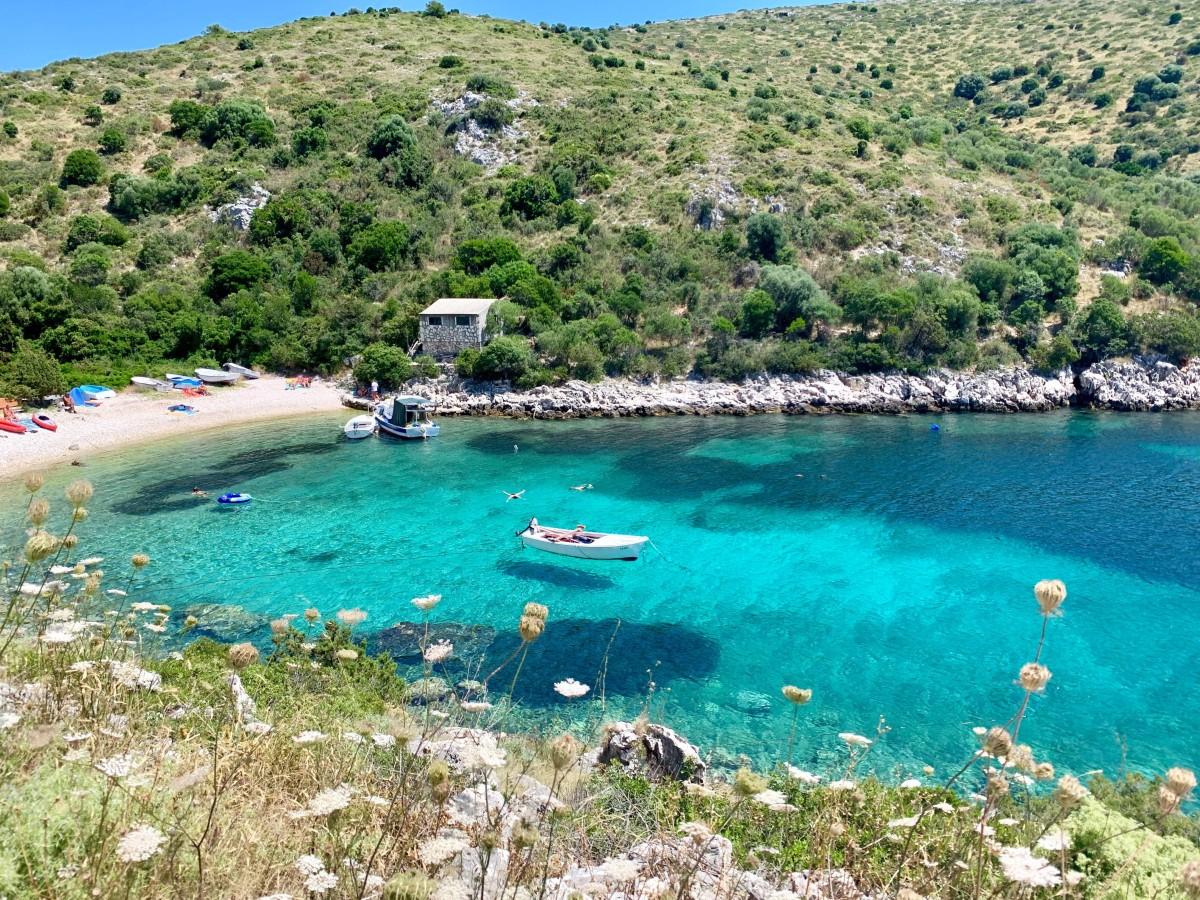
However, lying a short hydrofoil ride from the coast of Zadar, in northern Dalmatia, Dugi Otok is easy to get to but offers a pristine sense of seclusion. Scented by pines and rosemary, it has hidden coves to swim from and forest trails to hike, while Sakarun Beach on the north coast is one of the loveliest in the Adriatic: an arc of white stone that slips into a sea so turquoise-bright that it could easily be mistaken for the Caribbean.
Croatia is one the best places in Europe to charter a yacht and go island hopping; from here you could navigate a voyage around the Kornati archipelago, a national park of 89 limestone islands that are mainly uninhabited and only accessible by boat.
Stay: Villa Nai 3.3 is a recently opened hotel set in the hillside amid olive groves, with an excellent restaurant showcasing the best of Croatian cuisine.
Lofoten, Norway — For seafood
Norway is a land of crinkle-cut fjords and sheer-sided mountains; a sustainably smart, clean-air destination to clear the head and lungs. Recently it’s become a favourite with “set-jetters” – travellers who take their inspiration from films and TV, following in the footsteps of James Bond, Mission Impossible, and Succession, all of which have used Norway’s natural drama for their own narratives.
Head north, though, and those familiar with Disney’s icy hit Frozen may recognise the terrain. Set around 209 kilometres inside the Arctic Circle, the Lofoten Islands were an inspiration for the feature’s animated setting, and while that film captures their snow-capped peaks and otherworldly light, what it doesn’t show is the sheer abundance of excellent, fresh seafood.
You can see cod, known as skrei, drying on wooden racks in every brightly coloured village, but for a more elevated experience, you need to head to a destination restaurant such as Holmen, where chef Ingunn Rasmussen plates up oysters and mussels, seaweed and lingonberries, along with goat from nearby farms.
Its Kitchen On The Edge series invites international chefs such as Portuguese-born Nuno Mendes. Come in winter and you’ll see the northern lights, an incredible natural light show swirling overhead. In summer, the islands bask in the midnight sun, which never quite sets.
Stay: Villa Lofoten has a variety of rooms set in former fishermen’s huts and farm buildings. Or, Holmen Lofoten has converted cabins right on the ocean.
Do: For a deep-dive itinerary around northern Norway, book a North Cape Express cruise with Hurtigruten.


Tinos, Greece — For secluded villas
The Greek Islands are the stuff of legend (all those Greek gods and mortal heroes) and it’s possible to spend whole summers navigating between favourites such as Santorini, famous for its cinematic sunsets, and fashionable Mykonos, with its top-end restaurants and beach clubs.
But there are many lesser-known names, such as Tinos. It’s part of the Cycladic group of islands, home to Syros and Paros, and is just a 30-minute ferry ride from Mykonos – but has escaped the
summer crowds and is where in-the-know Athenians go on holiday.
It’s a place of tiny villages painted blue and white, and food festivals celebrating local produce such as artichokes. You can hike along donkey tracks through woods and wildflower meadows, past medieval dovecots, stopping by little tavernas for plates of saffron-scented mussels and baked chicken, then finding an empty beach to spend the afternoon on.
There are some small hotels, but it’s best to do as Athenians do and take a summer house. Xinara House, set in a former bishop’s house, has a local team that can arrange bespoke experiences around the island, from cooking classes teaching Cycladic recipes, to a boat trip with Captain Yiannis to the nearby island of Delos, mythical birthplace of Apollo.
Stay: Travelling with friends? Xinara House sleeps up to 13 people. Five Star Greece also has several exclusive villas to rent.
Isles of Scilly, UK — For wildlife
Britain is an island, of course, but there’s a multitude of smaller islands off its shores – from the scattering of Scottish archipelagos such as Orkney and Shetland, to tiny islets off the coast of Essex, reached by causeways that are cut off at high tide.
The Isles of Scilly, though, are a world to themselves. While half of London decamps to Cornwall for beach adventures and lobster lunches during summer, Isles of Scilly’s five inhabited islands provide a secluded alternative and some of the best wildlife spotting in the UK.
It’s the English Maldives, really (if you ignore the water temperature), with white sand beaches and a checklist of species to look out for: puffins, seals, and dolphins in the water; fulmars, storm petrels, and Manx shearwaters in the air. Sharks and swordfish have been spotted, too – and don’t leave without hunting down a typically English species, the crab sandwich. To really appreciate the environment, take to the water.
The Sailing Centre on St Mary’s – the largest island – will organise lessons and hire for sailing, kayaking, and powerboats. There’s also photography and painting courses, or waiting for nightfall to go stargazing; this is a landscape that will etch itself in your memory.
Stay: Tresco, is a private island owned by the Duchy of Cornwall with a variety of houses for rent – from traditional cottages to Nantucket-style cabins. Dolphin House is where the Prince and Princess of Wales holidayed in 2021.


Porquerolles, France — For cycling around
For some, the French Riviera is all about the glitz of St Tropez and Cannes. For others, it’s about slipping away over the water to the small island of Porquerolles. Just a few kilometres across and with only one village, it can feel like travelling back in time to the 1950s, a care-free world of painted window shutters and bougainvillea.
The only way to get around is by bicycle, which you should point in the direction of the nearest beach – the ones on the north coast are best. They get crowded during the summer – this island isn’t a secret to the French – but most visitors depart in the afternoon, leaving the evenings free for traditional games of boules in the village square and late suppers accompanied by the sound of cicadas.
The island has been the subject of many paintings in the 19th century and is now home to Villa Carmignac, a gallery with an incredible collection of modern artists including Warhol, Basquiat, and Lichtenstein, and a sculpture garden. East of here is the much quieter island of Port-Cros, part of a nature reserve with an underwater snorkelling trail through a marine park.
Stay: Le Mas du Langoustier is a nicely old-fashioned, family-owned hotel with two restaurants and access to two secluded beaches.
Pantelleria, Italy — For a sense of remoteness
Some of Europe’s islands aren’t quite sure is they belong to the continent or not. Pantelleria, one of Italy’s Sicilian islands, is closer to Africa than mainland Europe – on a clear day you can see the coast of Tunisia across the waves, just 60km away.
The sea blew in colonising influences, from Romans to Byzantines and Normans, but much of its character was built during its Arab era, when it was known as Bint Al Riah or “Daughter of the Winds.” They also built the distinctive lava-roofed houses known as dammusi that are scattered around the landscape, each with a walled garden.
Pantelleria is a favourite with legendary fashion designer Giorgio Armani, who sails his superyacht here every summer to escape the outside world. Instead of sandy beaches, you’ll find volcanic rocks to sunbathe on and topple into the water from, along with natural thermal baths to lie in – great for circulation and your skin.
To eat, there’s icy fruit granita and fish couscous, while for a gourmet menu that takes in the island’s historic influences, head to L’Officina di Coste Ghirlanda, set in the middle of a vineyard with tables outside. It’s a completely unspoiled destination.
Stay: For something different, Sikelia Pantelleria is set in a former monastery. And, Tenuta Borgia has a pool and can be rented in its entirety.