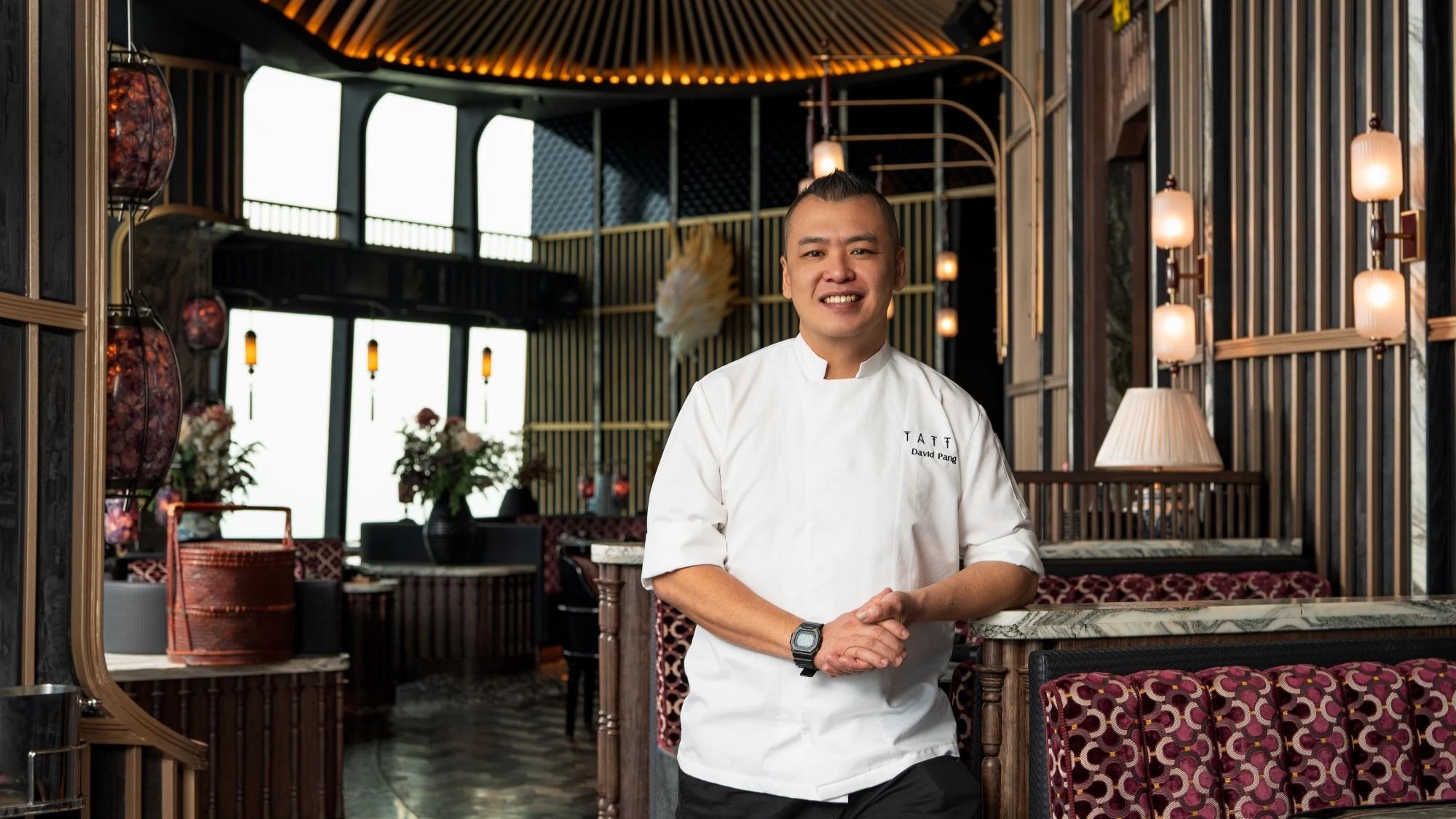
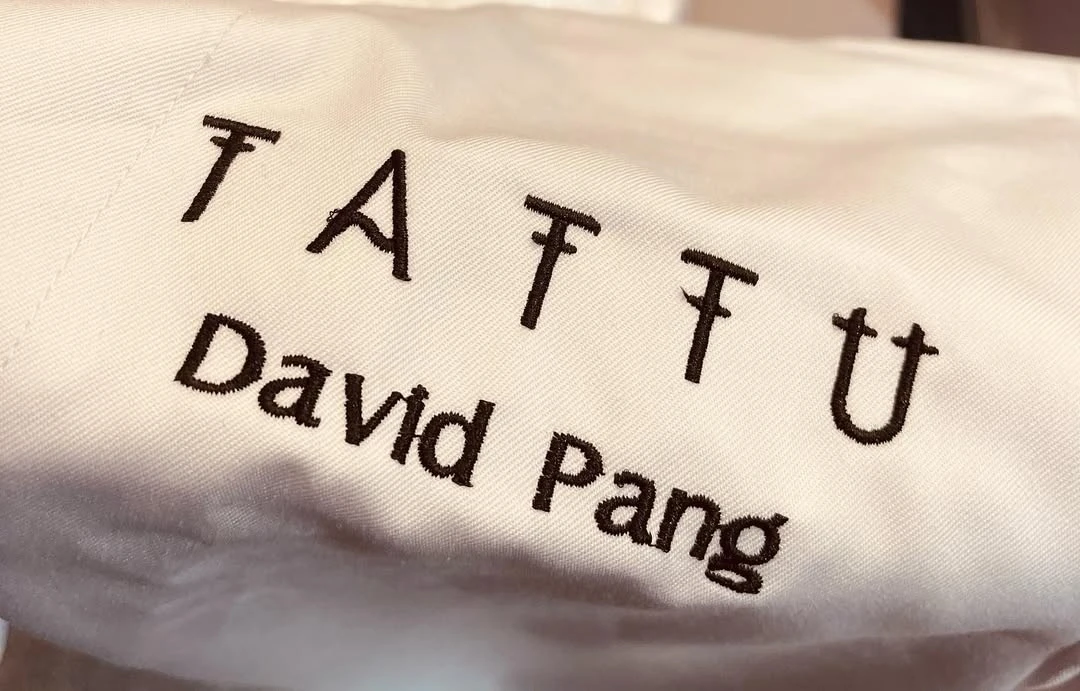
David Pang does not just design menus; he builds culinary experiences.
With over 23 years of international experience, David’s journey is a masterclass in the "latitude" of Modern Asian cuisine — a space where the raw, pulsing energy of Asian street food meets the exacting standards of luxury hospitality.
His reputation as a "culinary architect" is well-earned. David has been the driving force behind high-profile pre-openings from Rosewood Phnom Penh to Hakkasan venues across the Middle East. Most notably, he led the kitchen at Tàn Chá to achieve three consecutive MICHELIN Guide listings (2022-2024), a testament to his obsession with consistency and the belief that every dish leaving the pass must tell a story.
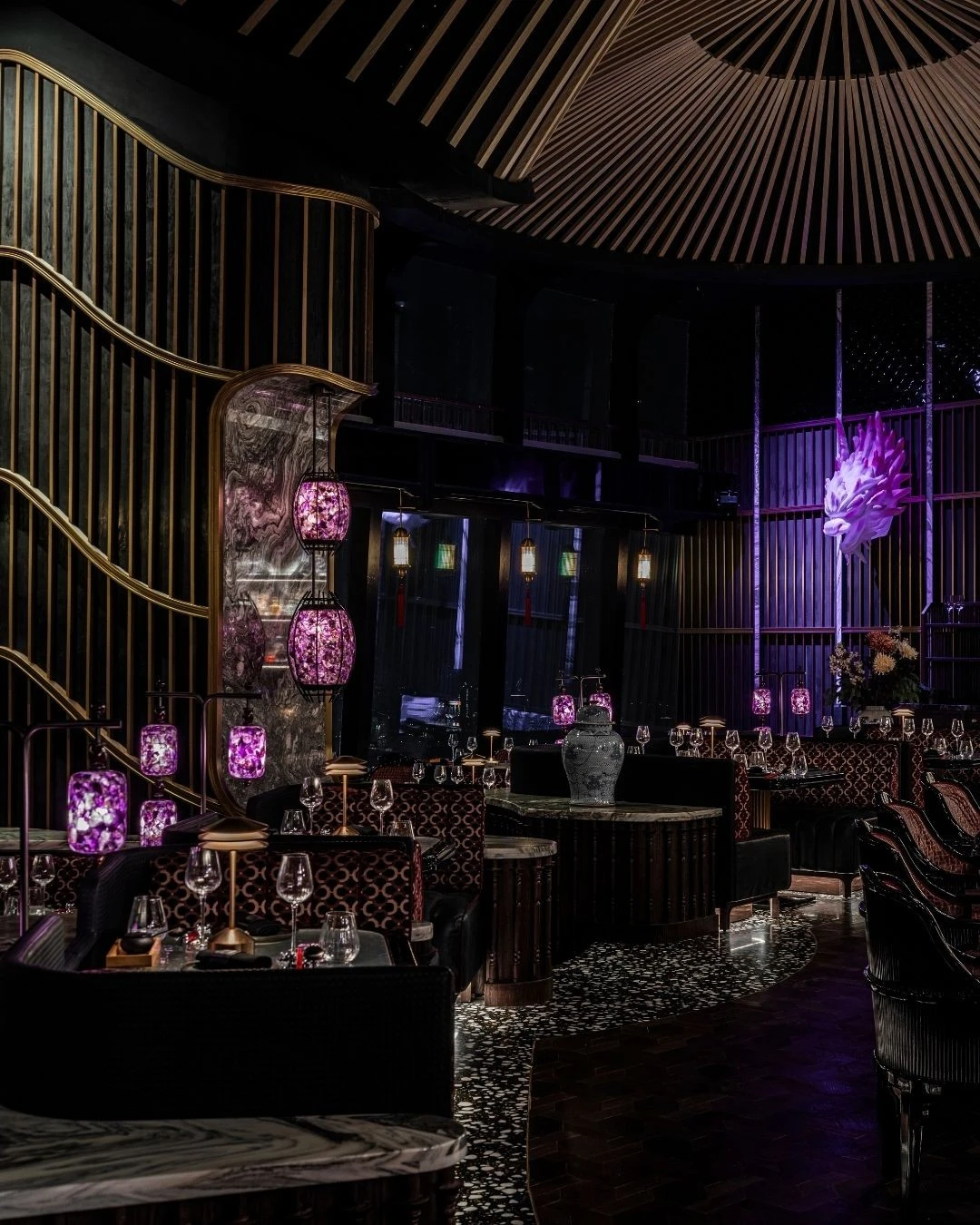
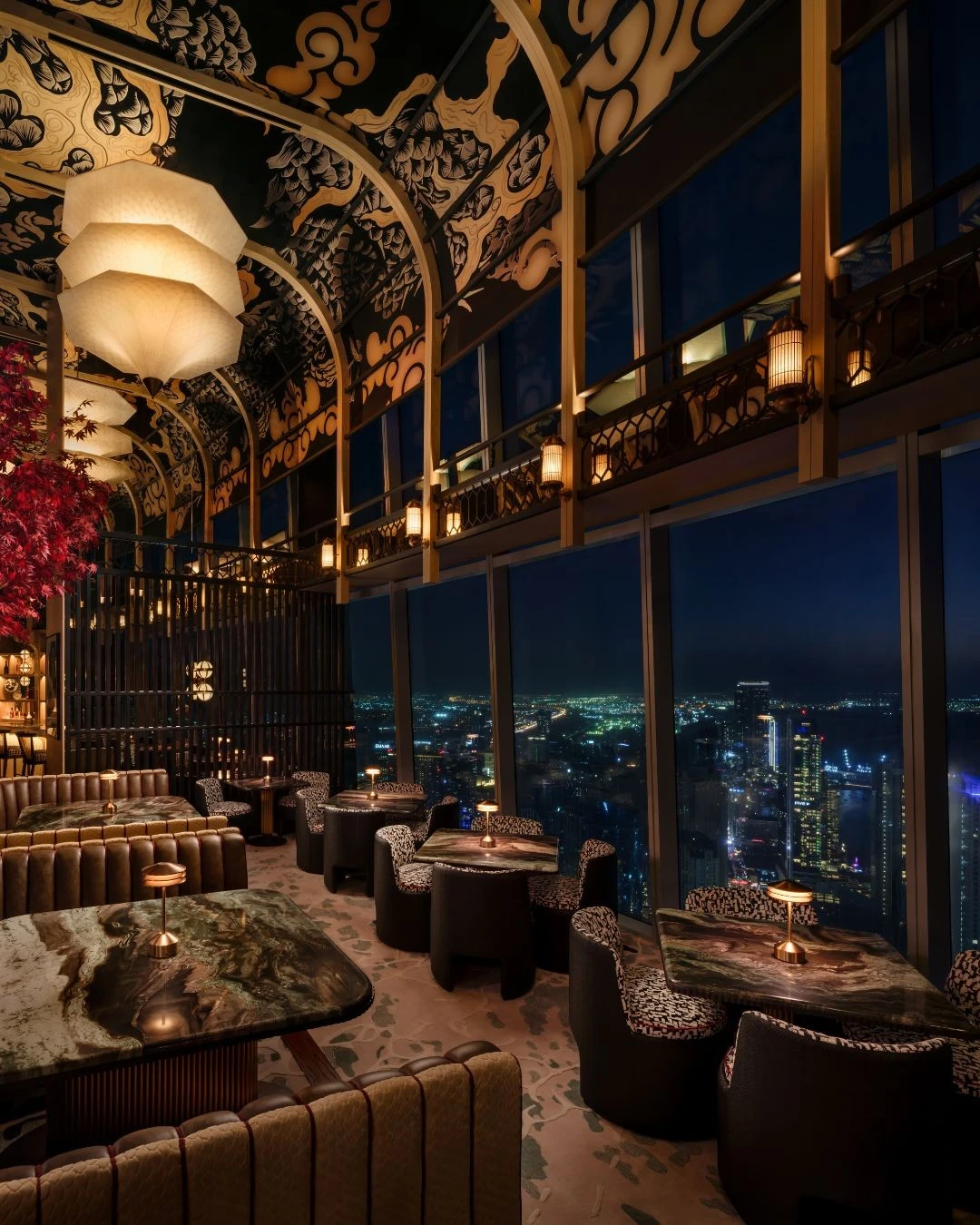
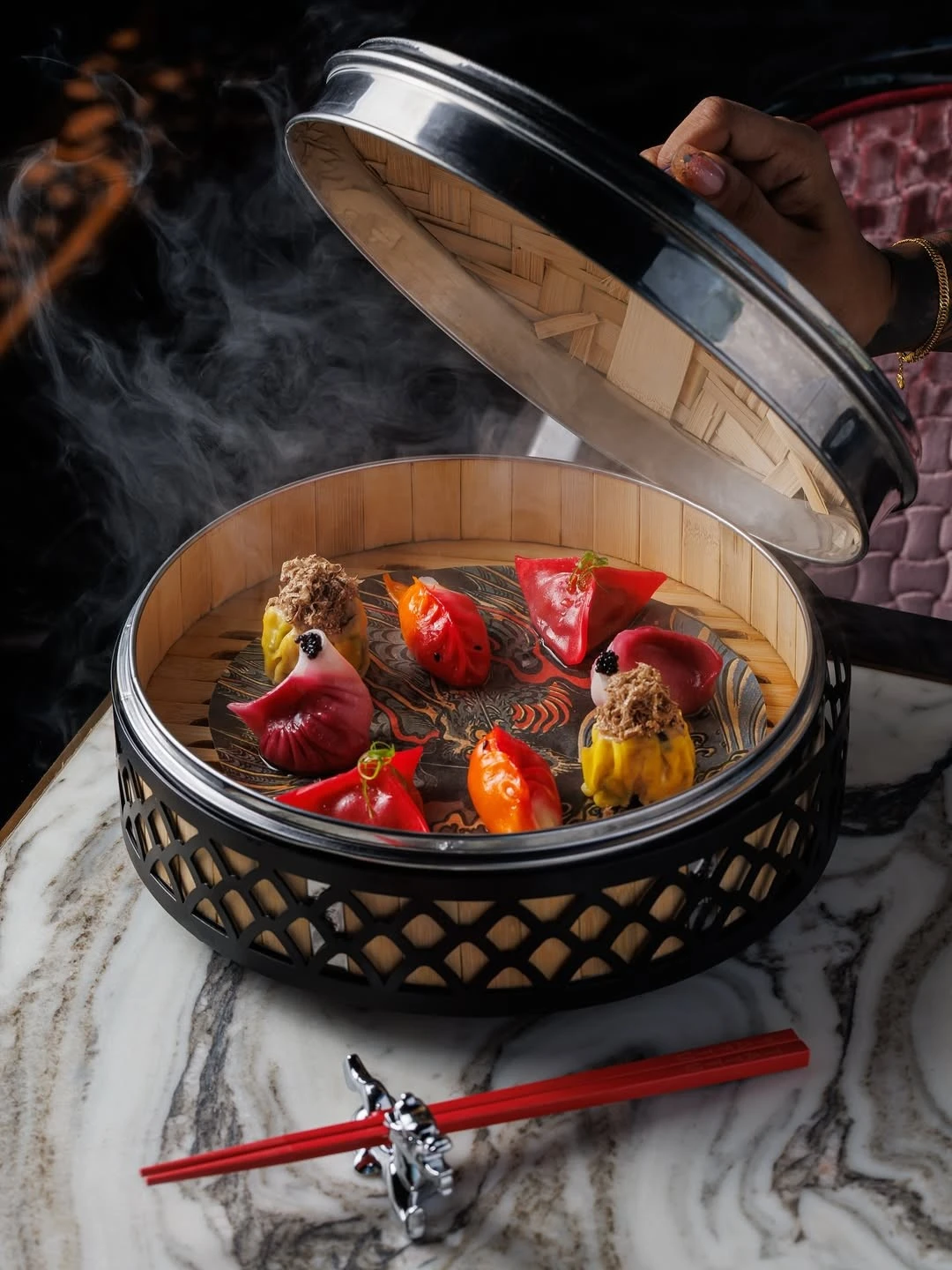
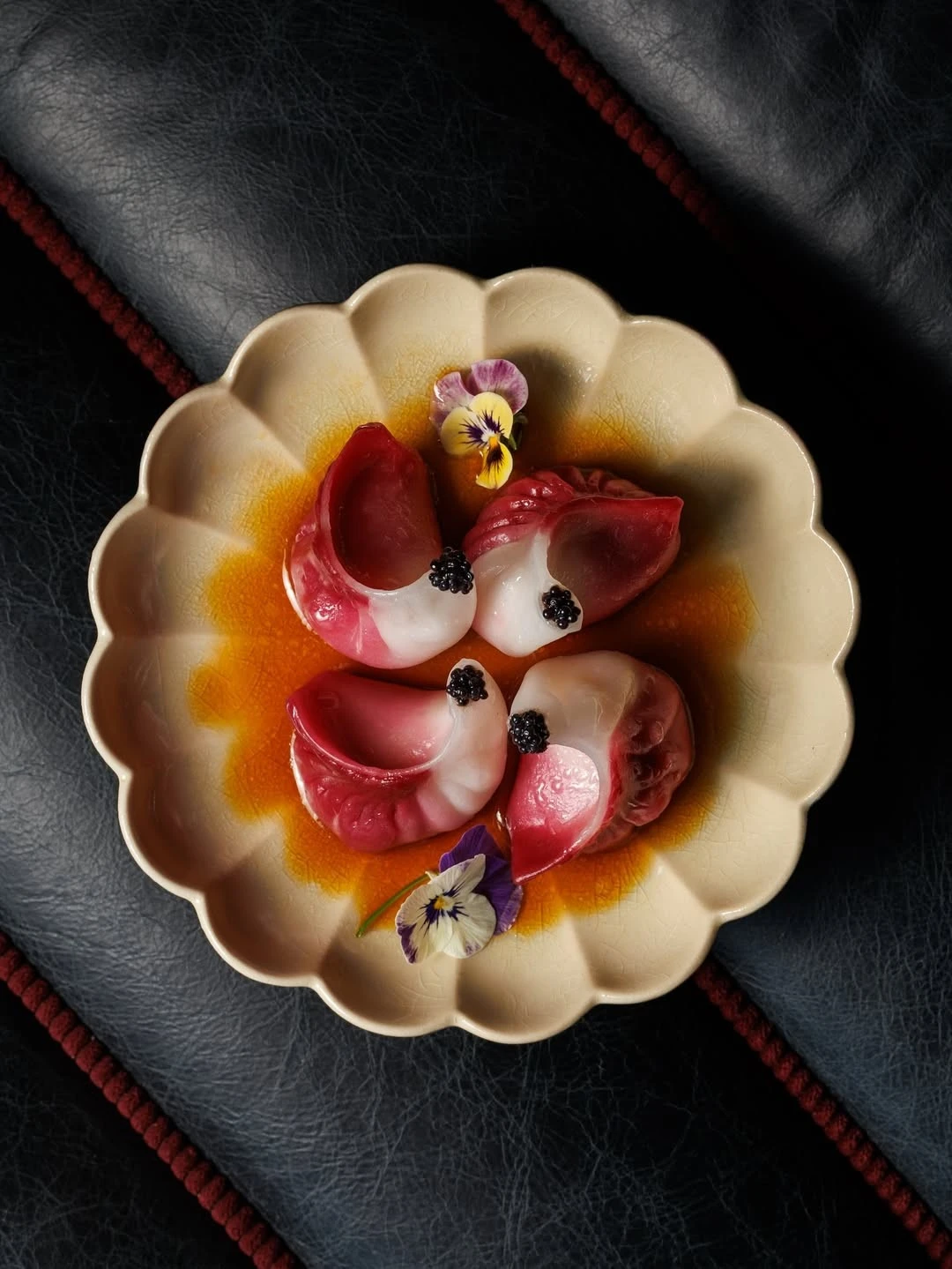
At TATTU Dubai, David translates this heritage into contemporary art. Whether it is the Royal Koi Fish Dumpling — a delicate fusion of umami and elegance — or the Salt-Grilled Japanese Black Wagyu, his work prioritises the integrity of the ingredient. He expertly navigates the Dubai market by tempering bold, fiery flavours to suit a global palate without losing the "soul" of the original inspiration.
With a constant hunger for discovery — frequently trading fine-dining tables for "mom & pop" stalls in Hong Kong and Japan — David continues to bring a fresh, authentic perspective to the UAE, ensuring that every meal at TATTU is not just a dinner, but a narrative of Asia’s rich cultural evolution.
David's Background & Achieving MICHELIN Recognition
1. You led Tàn Chá to achieve three consecutive MICHELIN Guide listings. What is the single most important kitchen standard or philosophy that you instilled in your team to achieve and maintain that level of excellence and consistency under pressure?
For me, the most important standard is discipline and consistency. No matter how busy or stressed the kitchen is, every team member must deliver the same quality, the same flavour profile, and the same presentation every single time. We achieve this through clear systems, strong communication, and a culture where everyone takes personal ownership of the dish they send out.
2. Your expertise is rooted in Regional Chinese cooking, with strong exposure to Malaysian and Singaporean styles. Is there one specific dish or influential person from your youth that initially inspired you to pursue cheffing as a lifelong career?
The dish that inspired me most was my mother’s homemade Hainanese chicken rice. It was humble, but the balance of flavour, the precision in technique, and the comfort it brought to everyone made me realise how deep and meaningful food could be. That dish pushed me to pursue cooking seriously.
3. Your dishes and menus are known for their cultural storytelling. How do you select which traditional Chinese or regional Asian narrative to translate into a modern, refined dish on your menu?
I usually begin with research: exploring regional ingredients, traditional cooking methods, and the history behind a dish. From there, I test and adapt the flavours while keeping the essence of the story intact. The goal is to create a refined version that feels contemporary but still honours its cultural roots
1. Your philosophy centers on Modern Asian cuisine where bold flavours meet refined techniques. How do you ensure the authentic, powerful "street-food energy" of cuisines like Thai or Cambodian is retained without compromising the elegance required for fine dining at TATTU?
I start by preserving the bold, authentic flavours that define the street-food dish. Then, through precise cooking techniques, controlled seasoning, and elegant presentation, I translate it into a fine-dining experience. The goal is to retain the energy and authenticity while elevating it so diners can enjoy both the punch of street food and the sophistication of TATTU.
2. Is there a specific dish that you feel is the signature dish for TATTU Dubai, and why?
I would say the Royal Koi Fish Dumpling is our signature dish. It embodies the philosophy of TATTU: combining bold flavours with refined techniques. The dumpling’s delicate wrapper, the umami-rich filling, and the beautiful presentation are all carefully crafted to create a memorable experience. It’s a dish that tells a story, engages the senses, and consistently receives the most praise from our diners, making it a true representation of what TATTU Dubai stands for.
3. Already a popular dining destination in the UK, was there a key distinction you wished to offer for the menu at TATTU Dubai to differentiate the menu from its counterpart locations? Or equally, is there a dish from the original location that you feel is and should be honoured on the Dubai menu, and why?
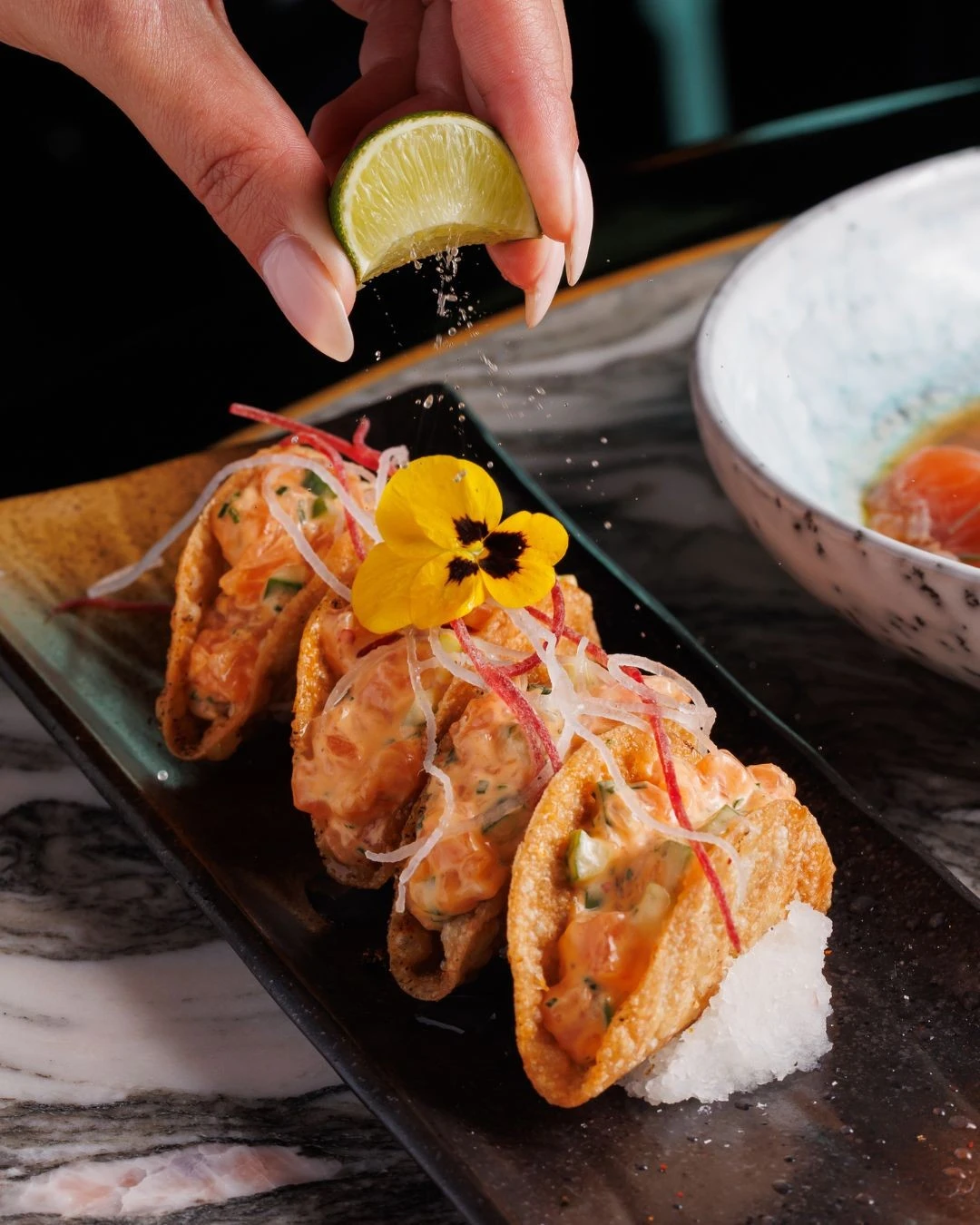
While TATTU UK already has an established identity, for TATTU Dubai we wanted to bring a distinctive local touch while keeping the essence of our signature dishes. One dish we felt should absolutely be honoured on the Dubai menu is the Wok Fried Spicy Chicken. Its bold, fiery flavours and vibrant presentation perfectly capture the energy and drama that TATTU is known for. At the same time, we adapt the seasoning and technique slightly to suit local palates, ensuring it delivers the same excitement while fitting the fine-dining experience unique to Dubai.
4. Is there one dish that you're particularly proud of on the Dubai menu? Or that has become your personal favourite due to its flavour combinations, presentation or storytelling element?
On the Dubai menu, one dish I’m particularly proud of is the Salt-Grilled Japanese Black Wagyu. The quality of the beef speaks for itself, but what makes it special is how we highlight its natural flavour through precise grilling and minimal seasoning. The presentation is elegant yet simple, allowing the ingredient to shine, and it tells a story of respect for the product and traditional techniques elevated to a modern, fine-dining context. It has become a personal favourite because every bite is a balance of richness, tenderness, and pure umami that consistently delights our guests
David's Love of Travel & International Flavours
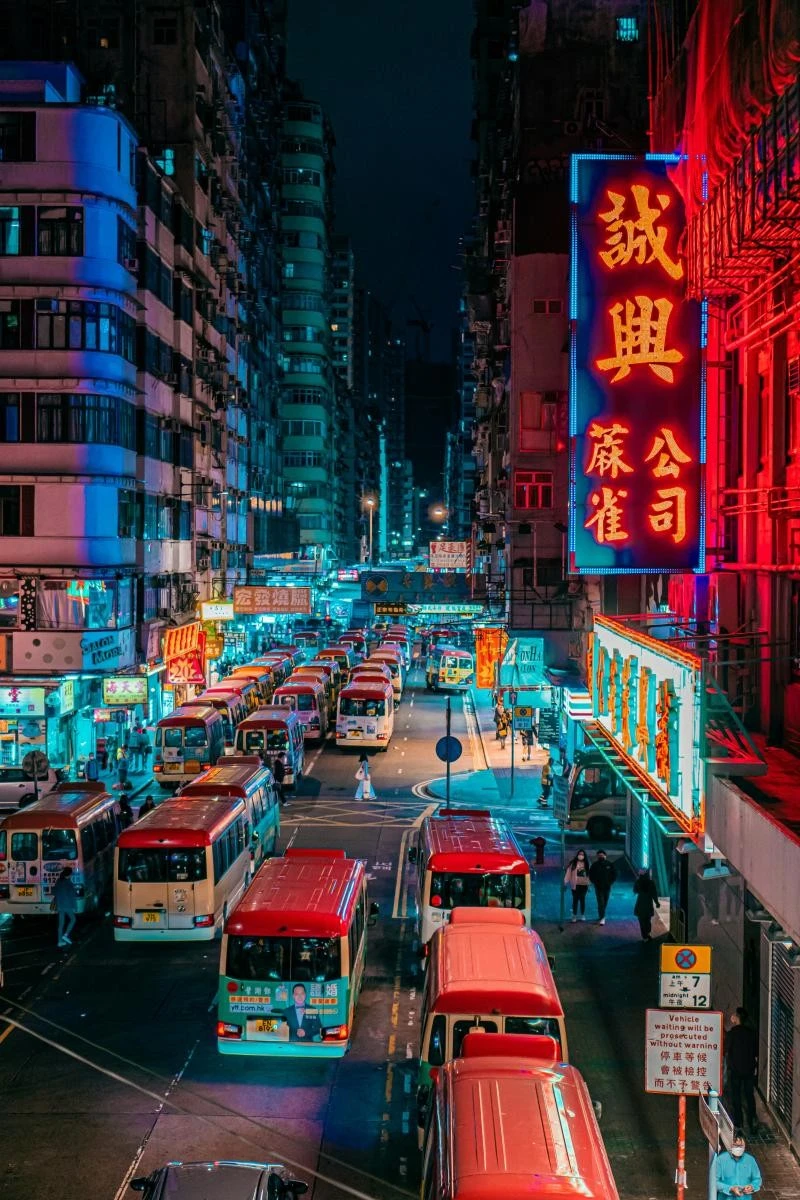
1. If you could only travel to one city or region in the world purely for the food (ignoring all sightseeing and leisure activities) where would you go right now, and is there a single, specific dish that you would order?
If I could travel to one city purely for the food right now, it would be Hong Kong. The culinary scene there is incredibly vibrant, and one dish I would order without hesitation is the BBQ Goose — a perfect example of Hong Kong’s mastery of flavours and technique. The smoky, savoury, and slightly sweet profile captures the essence of Cantonese barbecue, and it’s a dish that never fails to inspire me both as a chef and as a lover of bold, precise flavours.
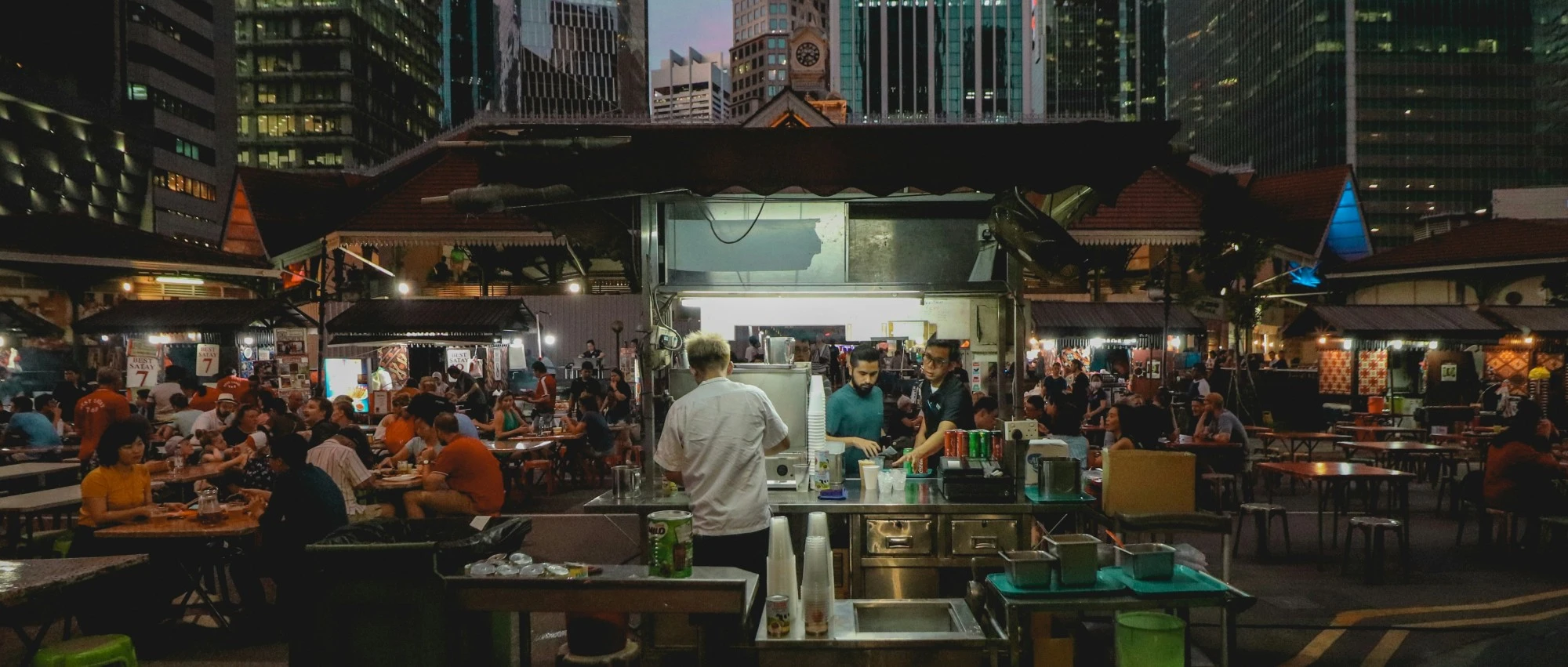
2. When you visit a new place, how much of your time is dedicated to exploring local markets and 'mom & pop' restaurants versus dining at high-end restaurants?
When I visit a new place, I dedicate most of my time to exploring local markets and small, family-run (‘mom & pop’) restaurants. That’s where I can really understand the culture, the ingredients, and authentic techniques. High-end restaurants are also important, as they show how local flavours can be elevated and interpreted in a refined way. I like to experience both, as each gives me inspiration in different ways
3. Is there a specific ingredient, spice, or preparation method that you first encountered during your travels that you immediately incorporated into your professional repertoire?
During my travels in Hong Kong, I was first introduced to the art of traditional dim sum - especially the precision in making delicate dumpling wrappers and the balance of textures and flavours in each bite. I was immediately inspired by the attention to detail and craftsmanship. I began incorporating these techniques into my professional repertoire, using them to create refined, modern interpretations of dumplings and small plates in my own kitchens.
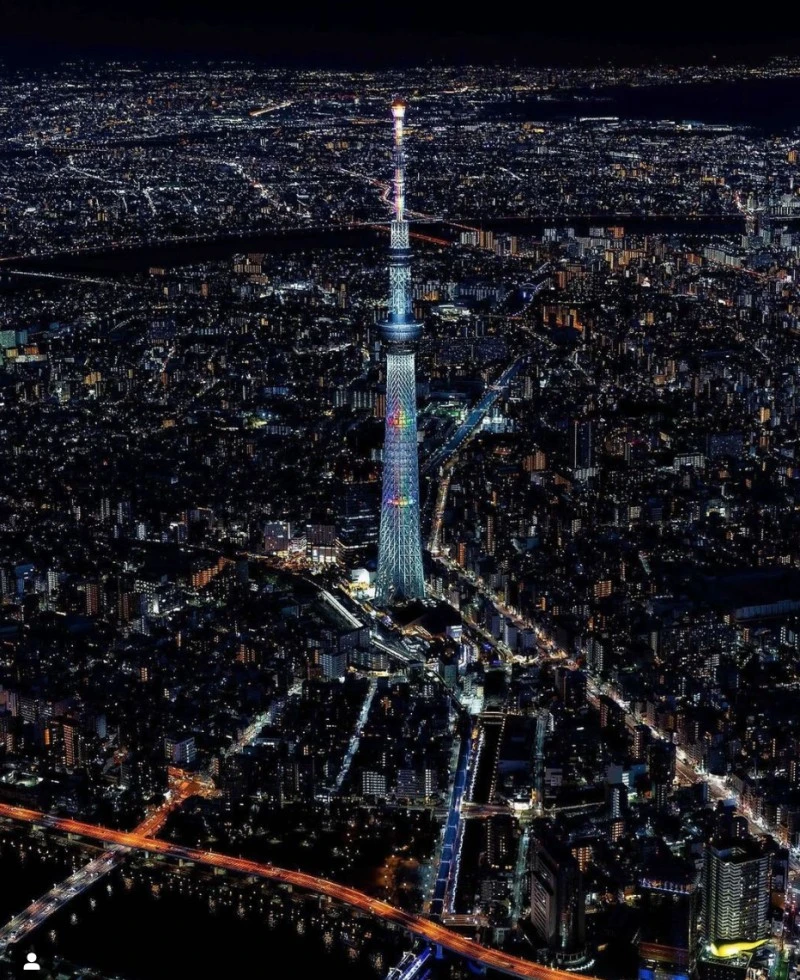
4. Are there any specific destinations that are on your list to visit for the food, or the sight-seeing? Where is next on the list?
Japan is next on my list, primarily for the food. I’m fascinated by the precision, seasonality, and depth of Japanese cuisine - from sushi and kaiseki to street foods and regional specialties. I’m looking forward to exploring local markets, learning from traditional chefs, and experiencing the unique culinary techniques that can inspire new ideas in my own cooking.
David's Advice for Young Chefs
1. What is the most crucial piece of non-technical advice (i.e., not a cooking skill) you would give to an aspiring young chef looking to advance quickly in the international luxury hospitality field?
The most crucial non-technical advice I would give is to develop strong emotional intelligence and communication skills. In a high-pressure kitchen, talent alone isn’t enough - how you work with your team, handle stress, and resolve conflicts makes a huge difference. Being reliable, humble, and approachable will earn respect and trust, which allows you to learn faster, take on responsibility, and grow quickly in the international luxury hospitality field.
2. You mentioned bringing the "undeniable energy of Asia's bustling streets" into the dining experience. How do you instil that sense of urgency, excitement, and energy into a high-pressure, fine-dining kitchen brigade?
Clear communication and timing are key. Just like the streets of Asia move at a constant, dynamic pace, I ensure the brigade works in sync, anticipating each other’s moves, so the kitchen hums with controlled energy.
TATTU Dubai, Ciel Dubai Marina, Dubai
Book your table here
@tattudubai @david_pang21
@cieldubaimarinahotel