

With its cinematic interiors, Burj Khalifa views and polished interpretation of Cantonese classics, China Tang is less a conventional Chinese restaurant than an immersive dining experience built around elegance, theatre and tradition.
In 2024, China Tang arrived in Dubai with a pedigree few restaurants can match. The celebrated Cantonese restaurant was founded by the late Sir David Tang at The Dorchester in London, opened in Hong Kong's Mandarin Oriental Landmark Hotel in 2013, but its Dubai outpost at The Lana Promenade (not within, but opposite The Lana) marks the brand’s only Middle Eastern debut. Close to Downtown Dubai and on the creek of Business Bay, the Dubai location occupies a particularly striking position in an up-and-coming area of the city, with the Dubai skyline and Burj Khalifa providing a distinctly local backdrop to a restaurant whose visual language is rooted in another era.
The result is an intriguing meeting of old-world Chinese glamour and contemporary Dubai. Yet China Tang's Dubai location is not simply trading on its name. The restaurant has been conceived as a complete experience, from the moment guests encounter the dramatic entrance and custom duck oven to the dining room, terrace, bar and carefully choreographed service. Executive Chef Simon Wu, whose career spans more than four decades in fine-dining Chinese and Michelin-recognised restaurants across Hong Kong, China and South Korea, oversees the Dubai kitchen, creating a menu that places Cantonese technique at its centre.
The Ambiance & Interiors
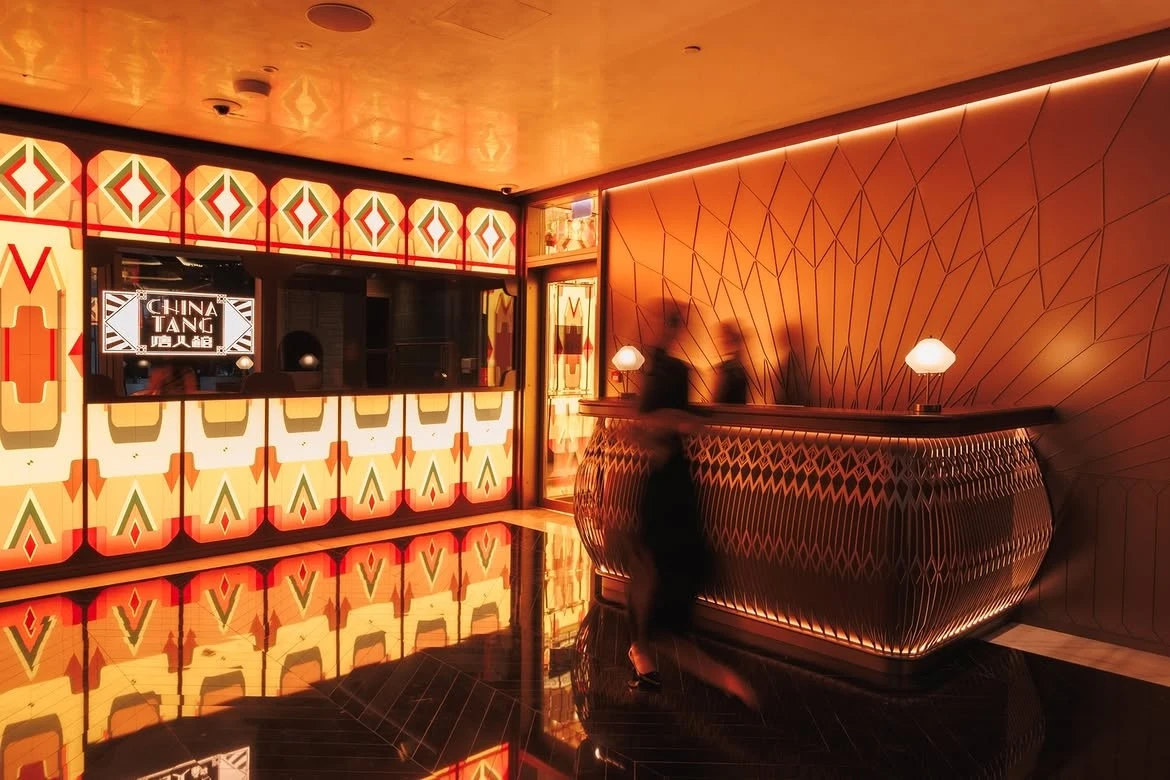
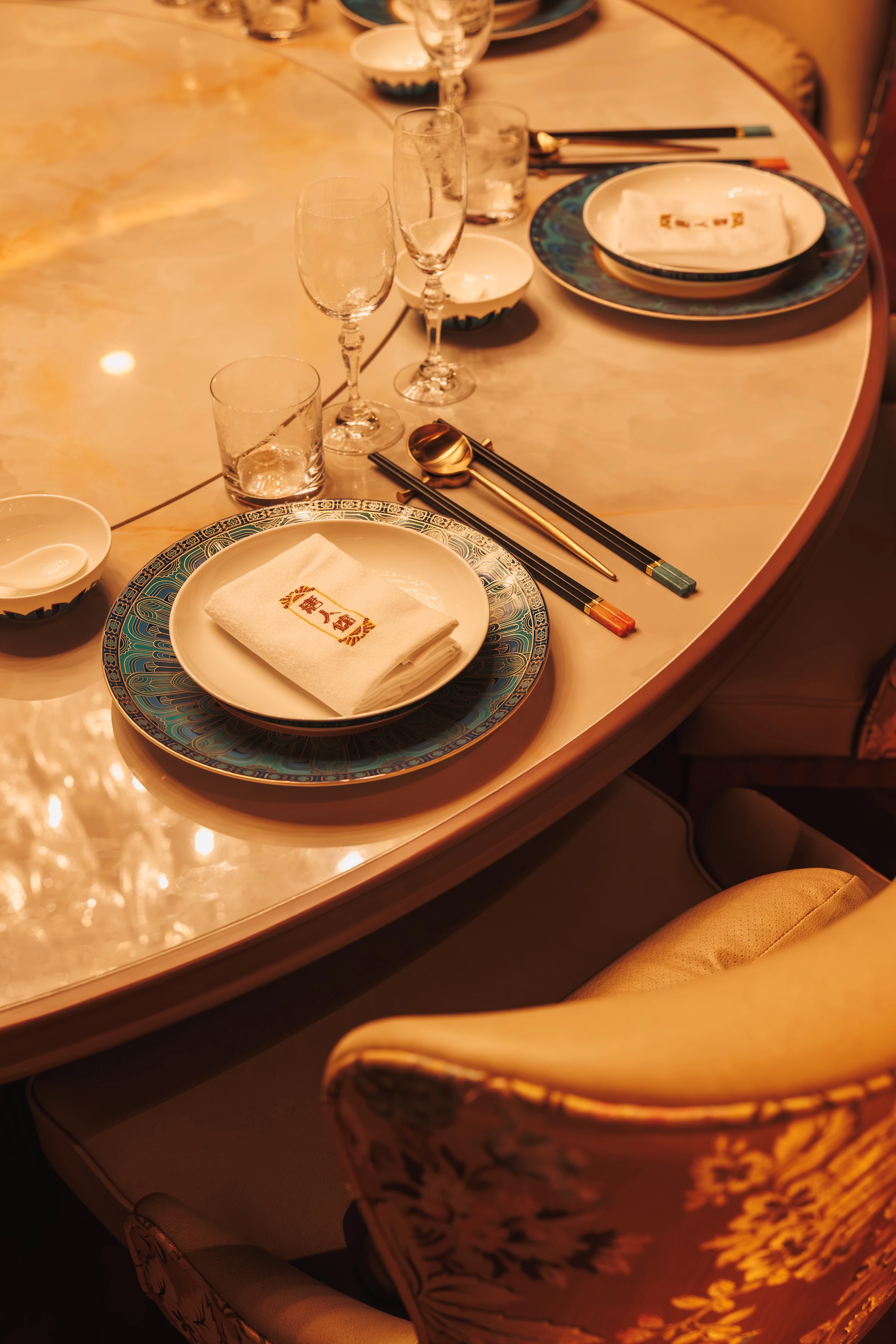
As you walk into China Tang, you're greeted and enveloped in a red-orange-golden hue, as the light bounces off the traditional Chinese-inspired colour scheme. Friendly faces wait by the reception desk, welcoming you. Whilst a large window gives you a glimpse of the hanging ducks in the smoking room. It feels deliberately theatrical, setting the tone for the evening.
Spread across two levels and more than 8,000 square feet, the restaurant combines a relatively modest main dining room with private spaces, an open-air terrace (for the cooler months) and a darker, more intimate bar and lounge area.
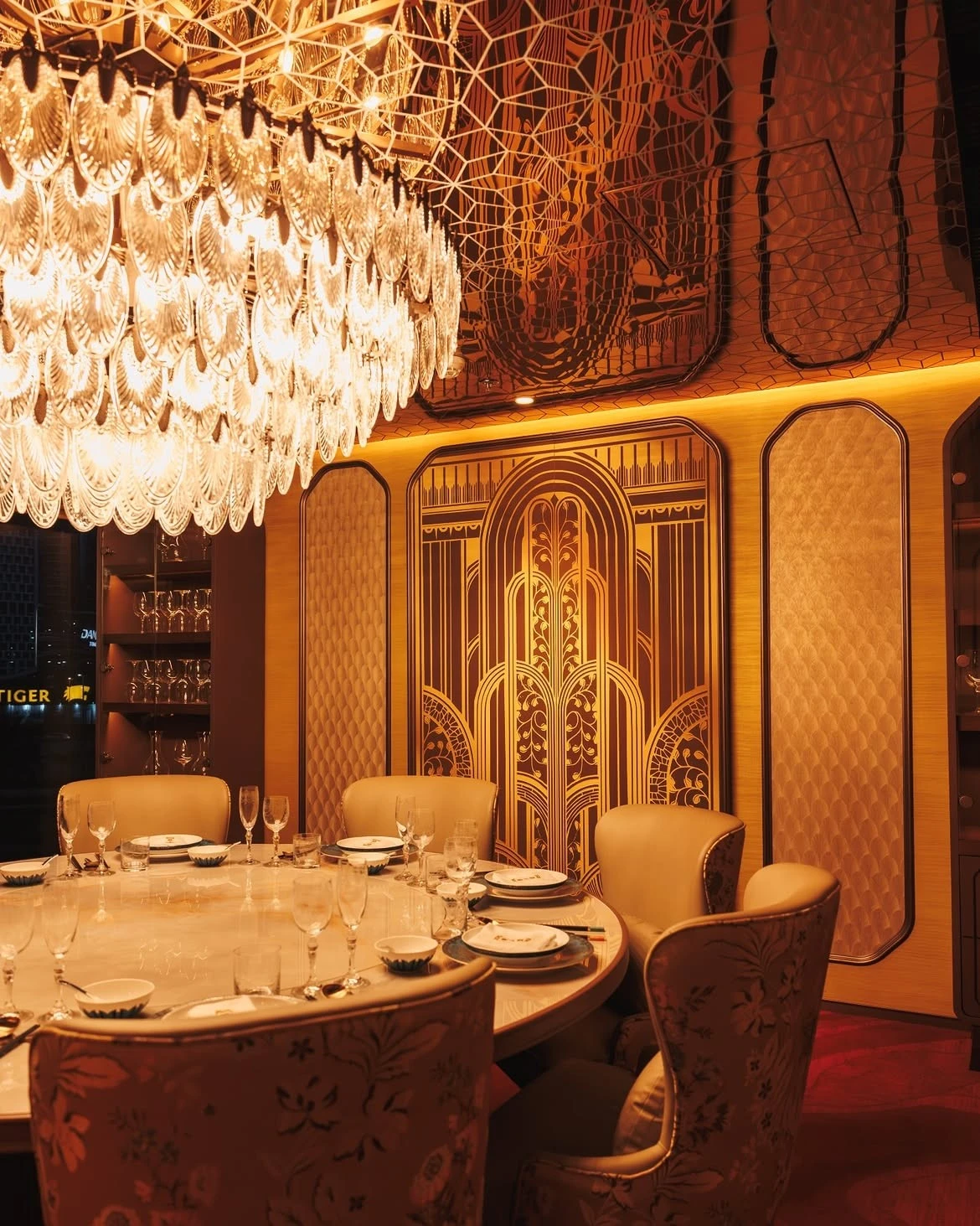
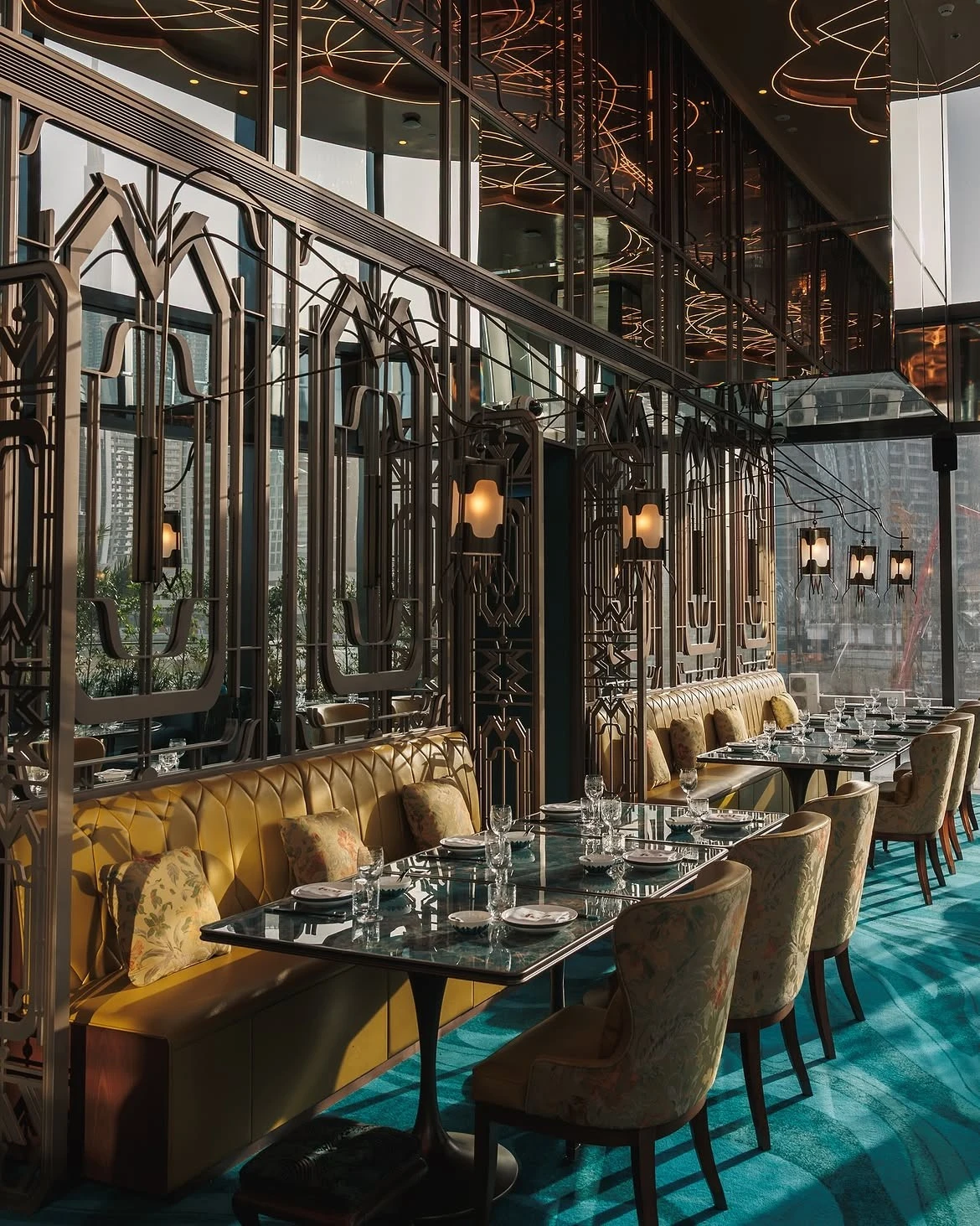
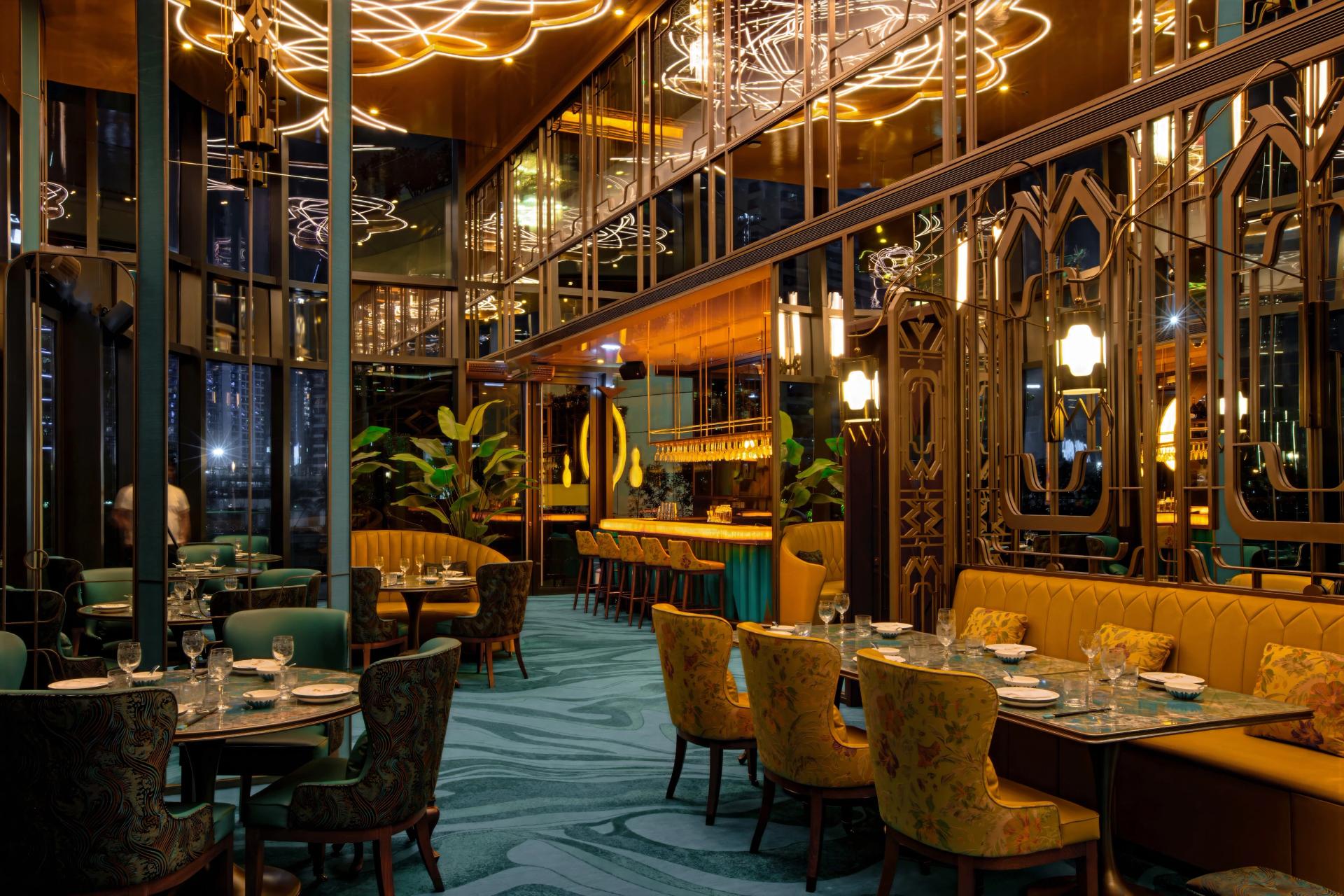
Rich rather than minimalist, the interiors draw heavily on the romance of 1930s Shanghai. A strong feature of the interior design is the layering of old and new: traditional Chinese motifs and chinoiserie-inspired details sit alongside polished surfaces, geometric Art Deco elements and carefully considered lighting. The result feels more like an elegant private residence or grand social club than a conventional Chinese restaurant. The large, floor-to-ceiling windows and the lengthy terrace also bring the Dubai skyline into the experience, with views towards Marasi Bay and the Burj Khalifa contrasting with the nostalgic Shanghai-inspired interiors.
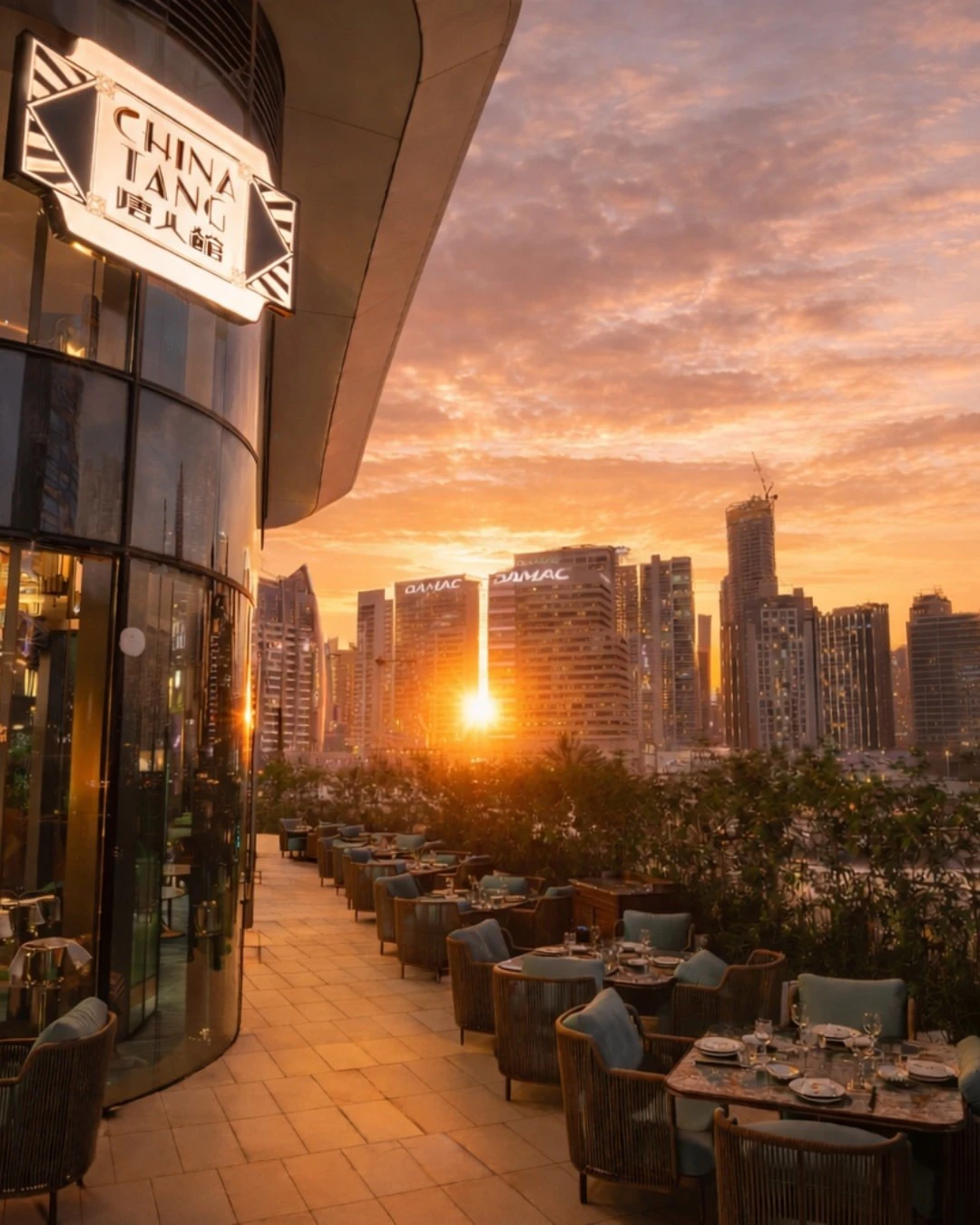
Each area of the restaurant has a slightly different character, while maintaining the same sense of glamour throughout. The overall effect is opulent and atmospheric, but with enough warmth and intimacy to make it feel inviting rather than simply extravagant. The sense of occasion is strongest when the city lights begin to sparkle outside.
There is a satisfying contrast between the drama of the design and the comfort of the dining experience: the restaurant makes an impression immediately, but it does not demand attention throughout the meal. Instead, the interiors gradually reveal themselves through details, textures and the theatrical presentation of the food.
Despite the refined setting, the team ensures the menu explained well, which keeps things refreshingly approachable. Our knowledgeable waitor, Zor, guided us through each page and the courses, breaking down the flavour profiles and sharing the stories behind every dish.
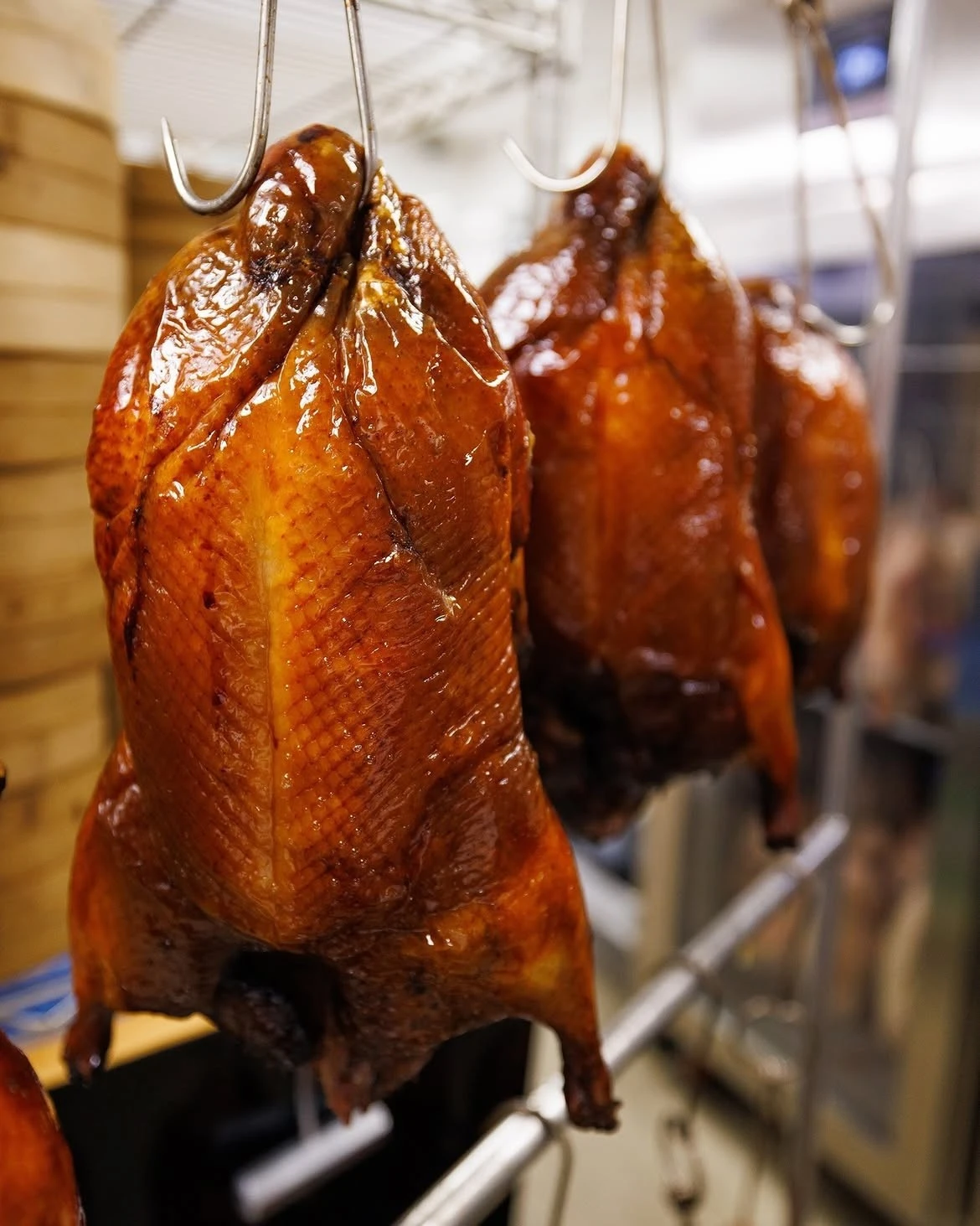
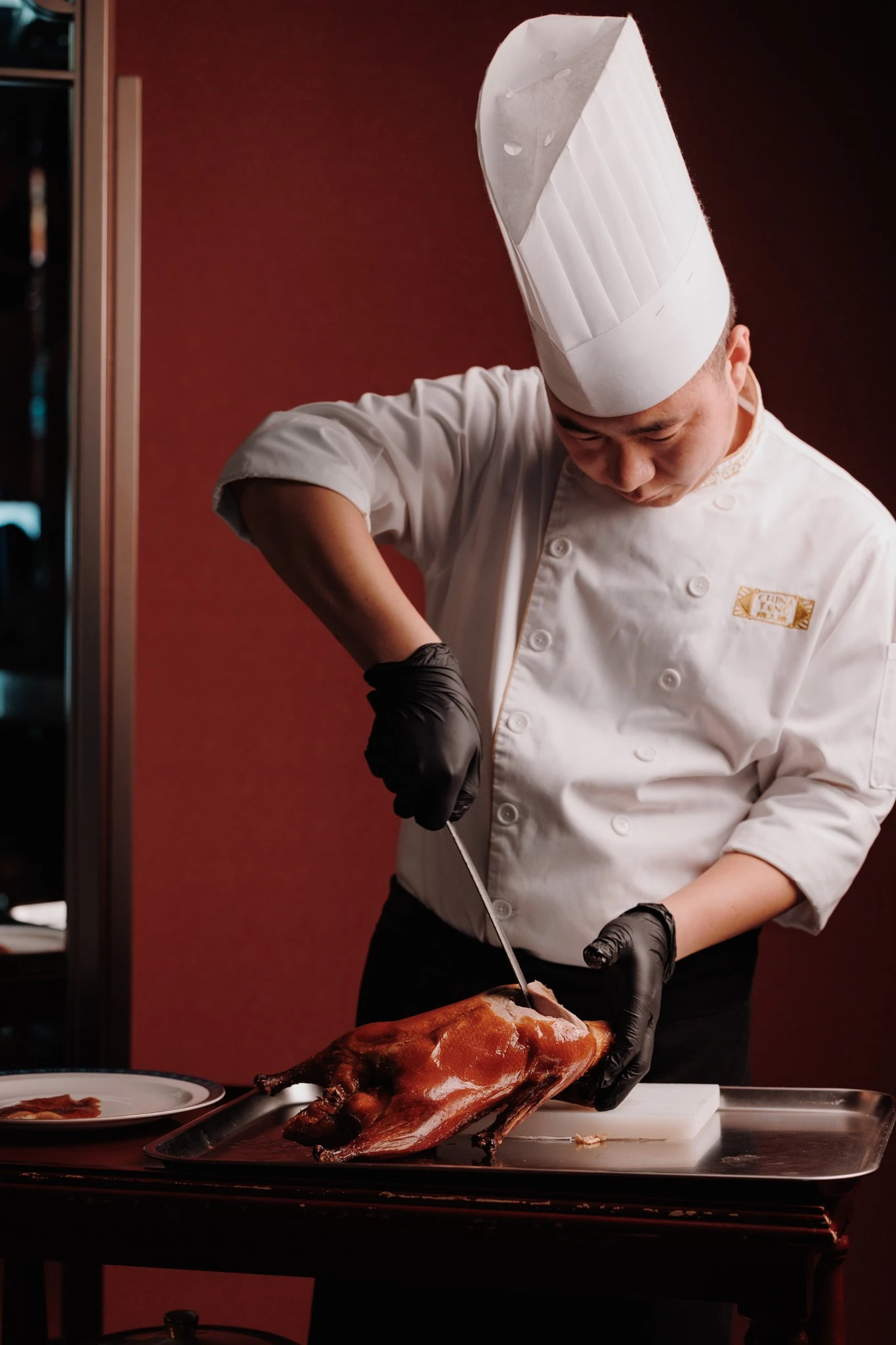
China Tang focuses on Cantonese cooking while allowing room for dishes and influences from across the broader Chinese culinary landscape. Among the signatures are Sir David’s Hot and Sour Soup and the restaurant’s Beijing Duck, the latter is roasted in a dedicated oven and is carved in tableside showcase, ideal for those bringing a date or visiting guests. And, in my opinion the dim sum is unmissable.
Perfect for those coming in from the humid Dubai summer heat, a cool and refreshing towel begins the experience. Each meal begins with a house-made kiwi and lime (or osmanthus) jelly amuse-bouche that acts as a crisp palate cleanser. Zor told us that it was designed to introduce bright tartness and acidity before the spicy or heavier flavours begin. Accompanying this palate cleansing delight is a nut-sauce trio. It is this trio of flavours that introduces the diner to the concepts behind traditional Chinese cooking - one fish-based sauce offers a salty, savoury umami flavour, whilst honey-roasted cashew nuts rolled in sesame seeds sweeps the tastebuds in a sweet, nutty profile, and a warming chili-garlic sauce that is gently spicy unlocks another level of flavour.
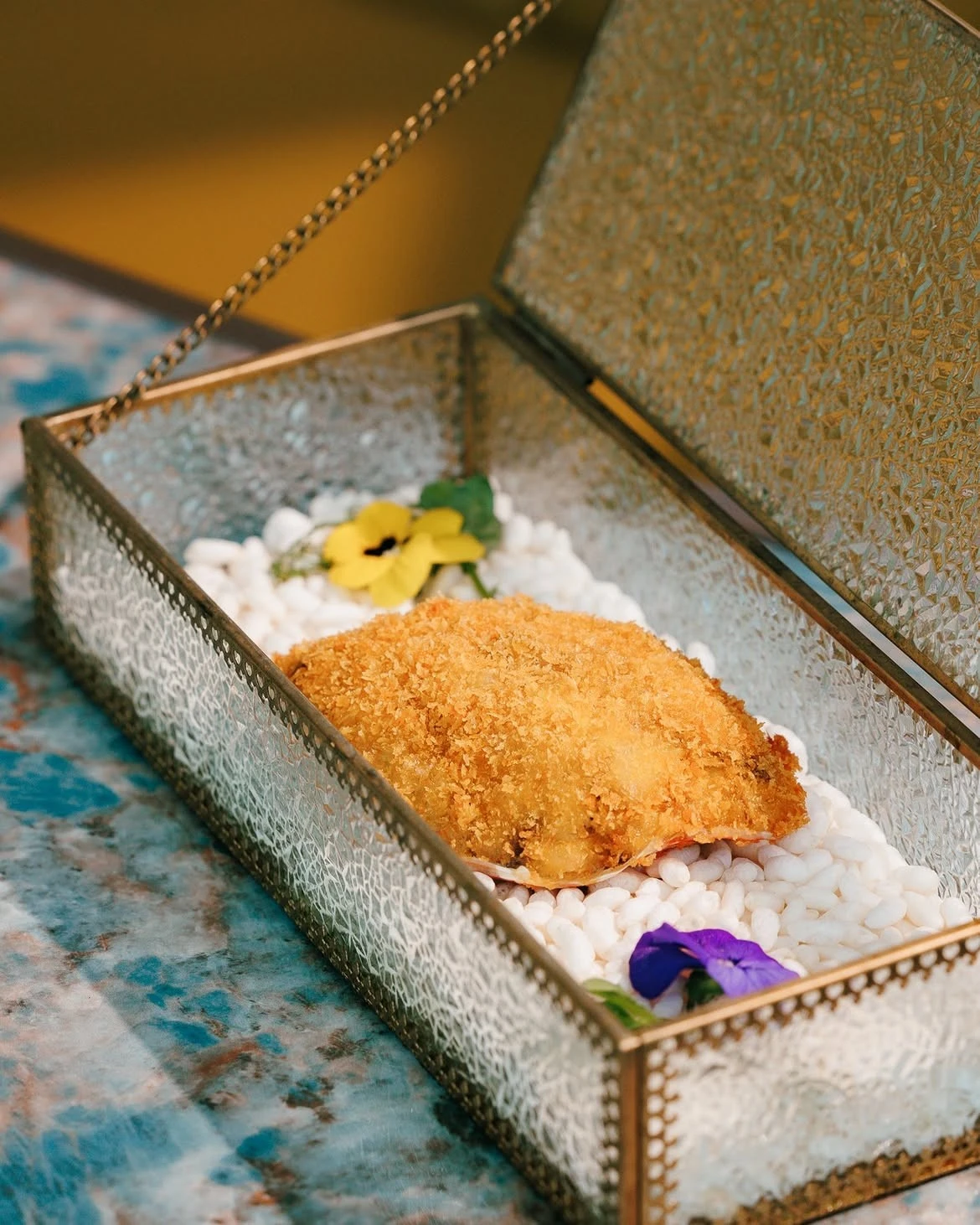
We kicked things off with spinach balls tossed in a nutty peanut-sesame dressing, a touch of chili oil, and toasted sesame seeds. Delicious as it was, it was quickly upstaged by the minced chicken served with crisp lettuce cups and a deep, rich and slightly sweet soy sauce. Flavourful, fresh and satisfying all the flavour profiles. Though unassuming when brought to the table, this deceptively simple plate turned out to be a total standout.
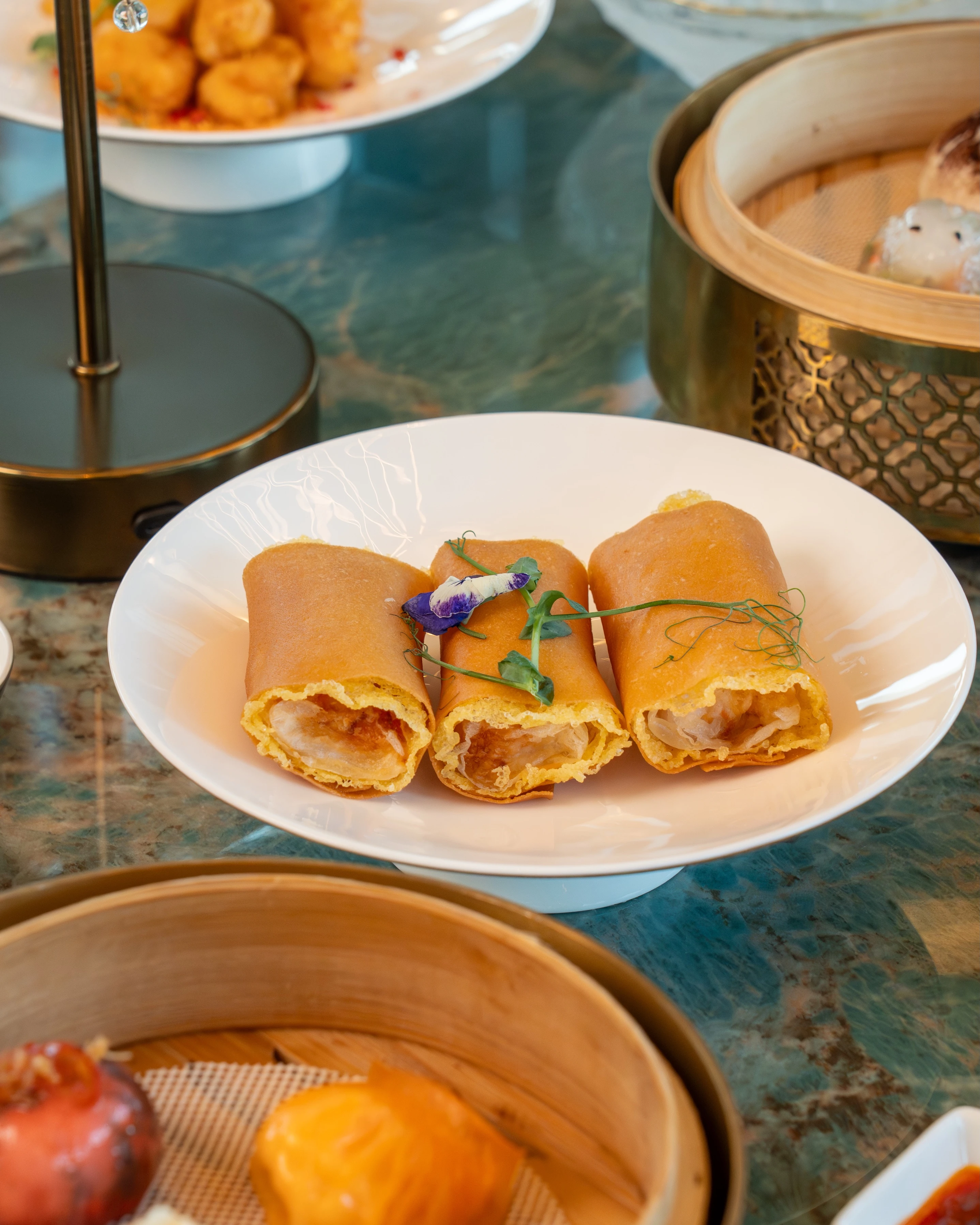
This was accompanied by Xiao Long Bao soup dumplings, delicious. And the crispy prawn cheung fan, a must try if you haven't previously ordered. Silky and perfectly pink rice paper encases golden, crispy prawns to deliver a bite that is simultaneously crunchy and soft, and has both delicate and bold flavours. A mouthful of thought-provoking texture and rich flavour.
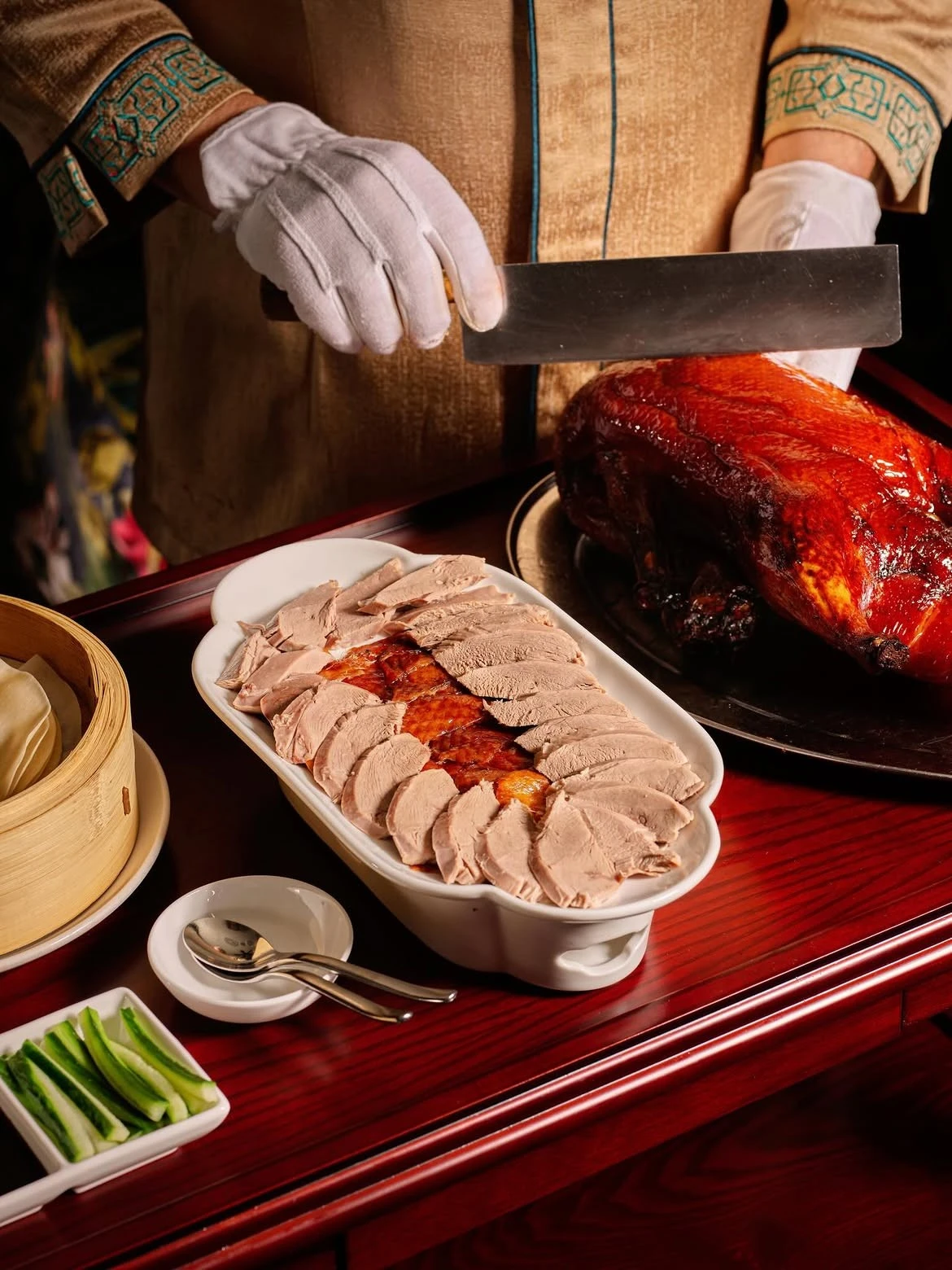
The pièce de résistance, the duck. The Signature Beijing Duck stands as China Tang’s undisputed centrepiece; slow-roasted to perfection in a custom-built duck oven, it features ultra-glossy, mahogany-crisped skin encasing tender, succulent meat. The duck is presented and carved directly tableside with ritualistic precision. The first taste we were told, should be the crispy skin. Then followed by paper-thin, steamed pancakes, which should be filled with finely shredded cucumber, scallions, and a rich, house-made sweet bean sauce - note: not Hoisin sauce. The sweet bean sauce is much richer, thicker in texture and in my opinion makes for a much better balance of flavours. This is dish you'll come back for, time and time again.
While the pricing reflects the high-end experience, the generous portions and extensive menu make this an ideal spot for a meal with friends. I felt these dishes were ideal for sharing-style dining, the plates invite you to pass dishes around the table.
Final Thoughts
Unlike many restaurants in Dubai, China Tang understands that a destination restaurant, and indeed an international outpost, needs to deliver beyond the plate.
The food is undeniably central, but the experience is shaped equally by the surroundings, the staff, the sense of occasion and the relationship between tradition and spectacle. Its strongest dishes demonstrate considerable technical control, while the setting gives the meal a sense of theatre that is particularly suited to Dubai. It is polished and luxurious, but importantly, it still feels connected to the culinary heritage that gave the China Tang name its reputation.
For diners looking for a memorable Chinese meal in Dubai, China Tang most definitely makes a compelling case for itself. It is the kind of place suited to a long lunch, celebratory dinner or evening when the setting matters almost as much as what arrives at the table.
China Tang at The Lana Promenade, Dorchester Collection, Marasi Drive, Business Bay, Dubai
Make a reservation here
@chinatang_dubai
@thelanadubai