

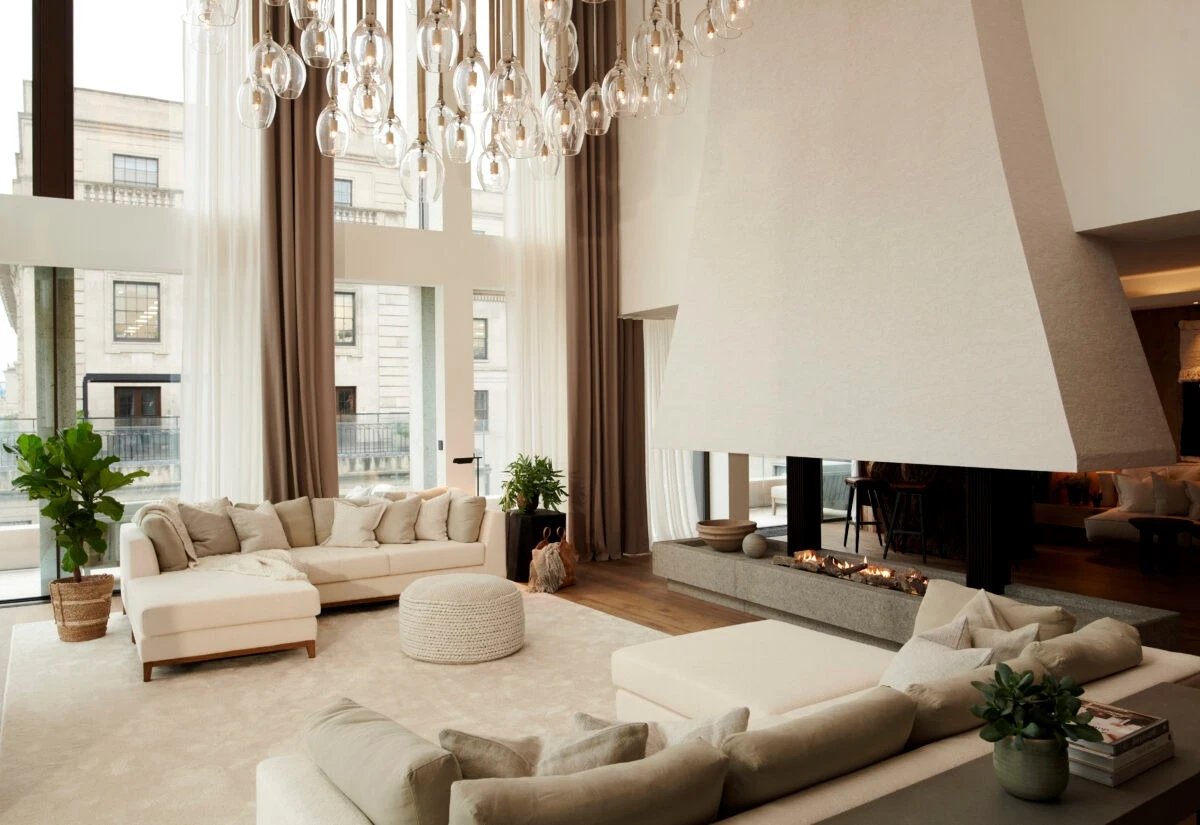
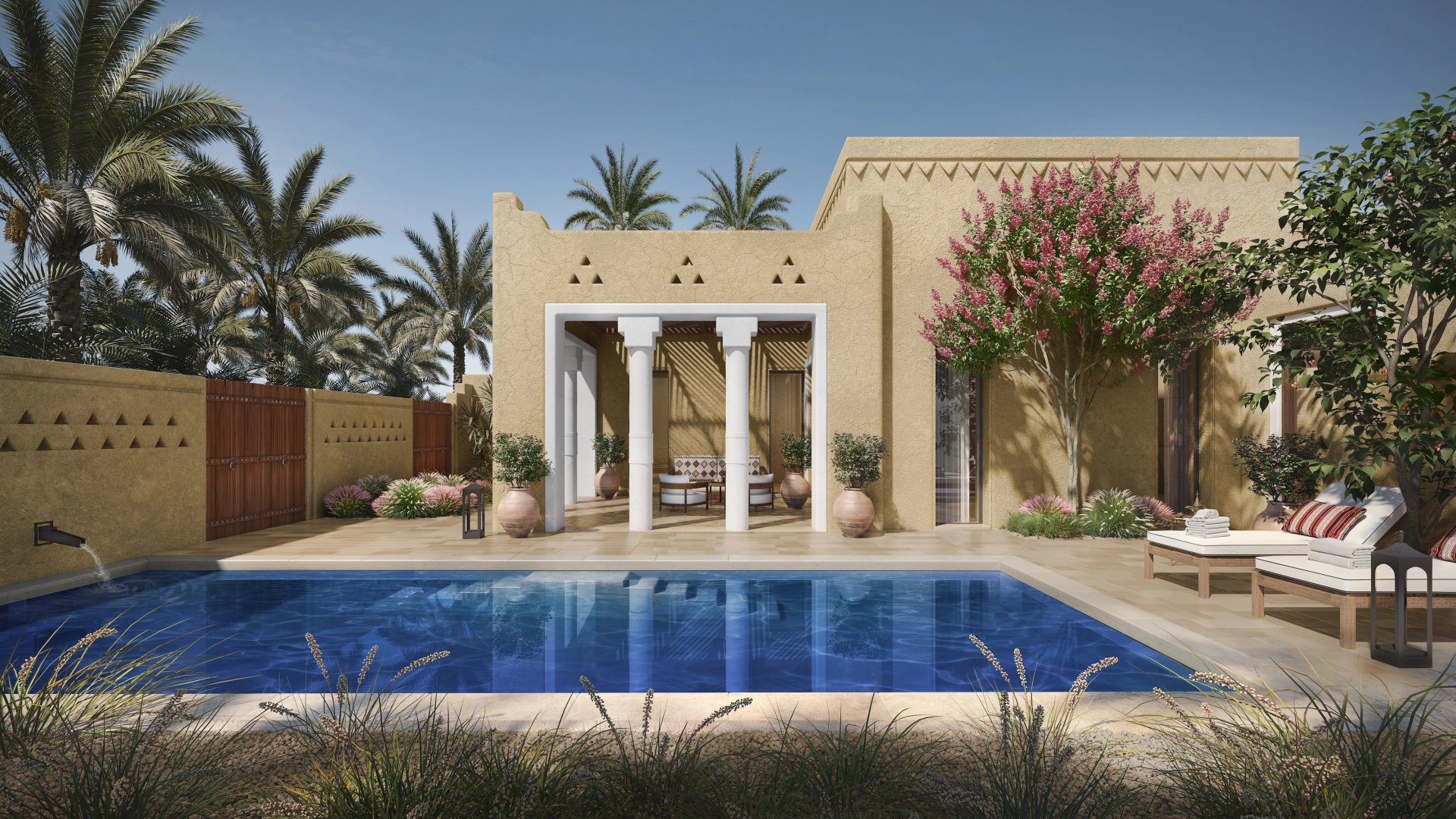
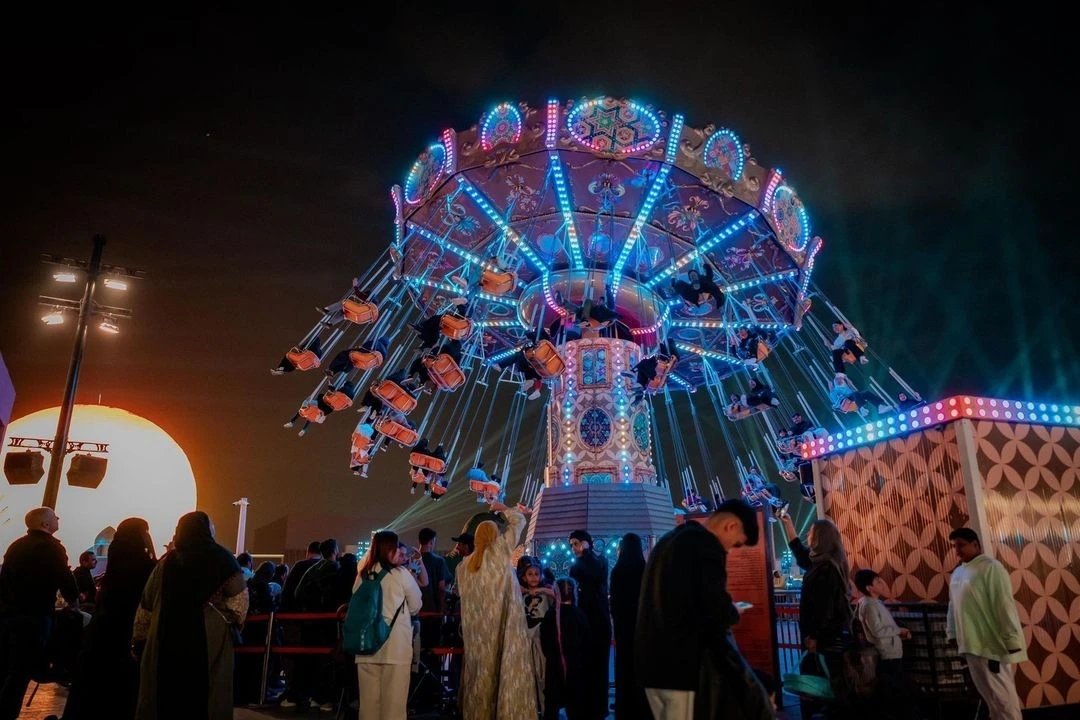
Set in Riyadh’s Laysen Valley, where sleek architecture and luxury brands line the boulevards, this fine-dining destination stands apart. Rooted and refined, WADI Riyadh speaks of heritage, innovation, and culinary traditions, inspired by AlUla’s ancient Thamudic civilisation.
The Interiors & Ambiance
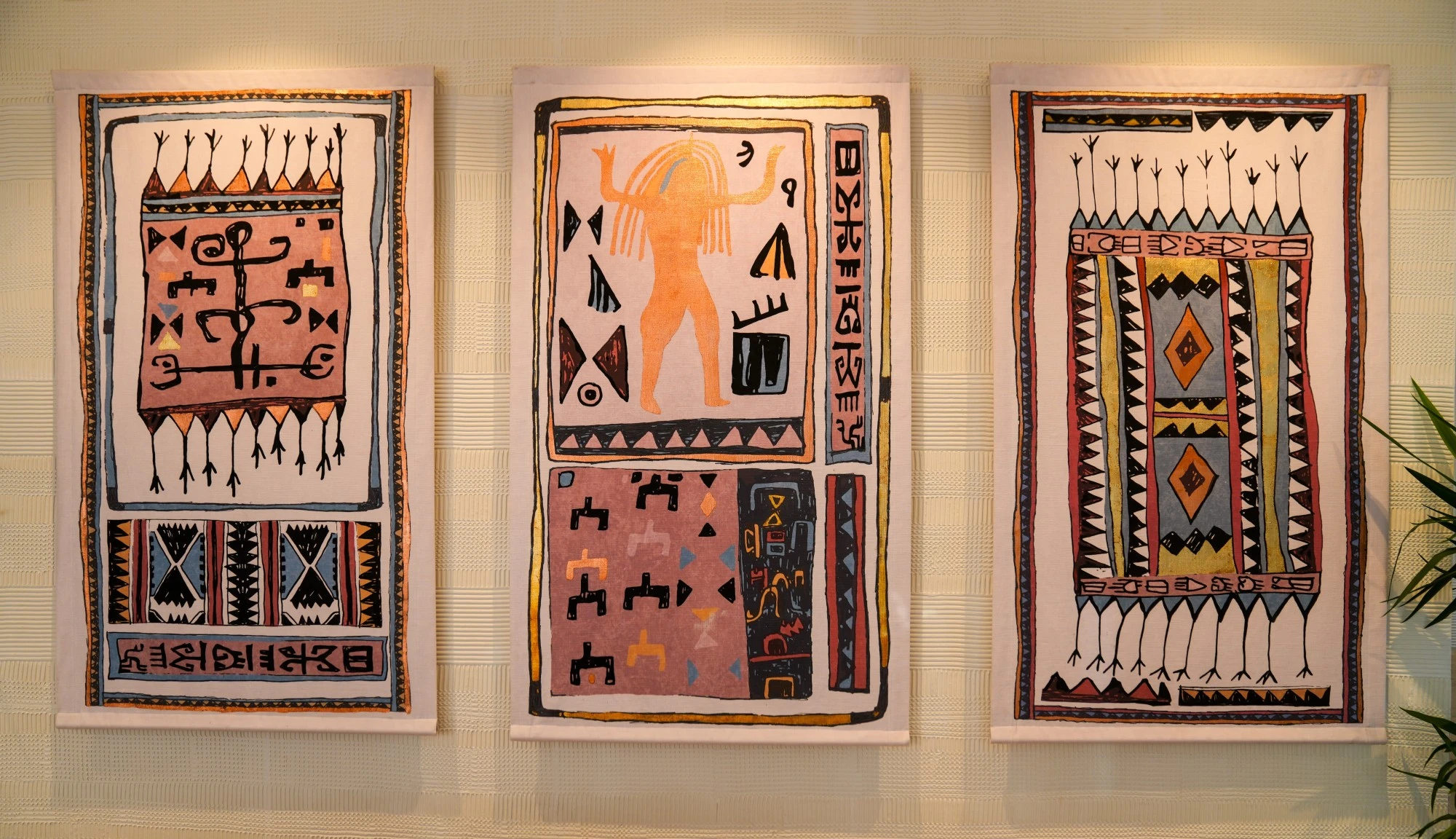
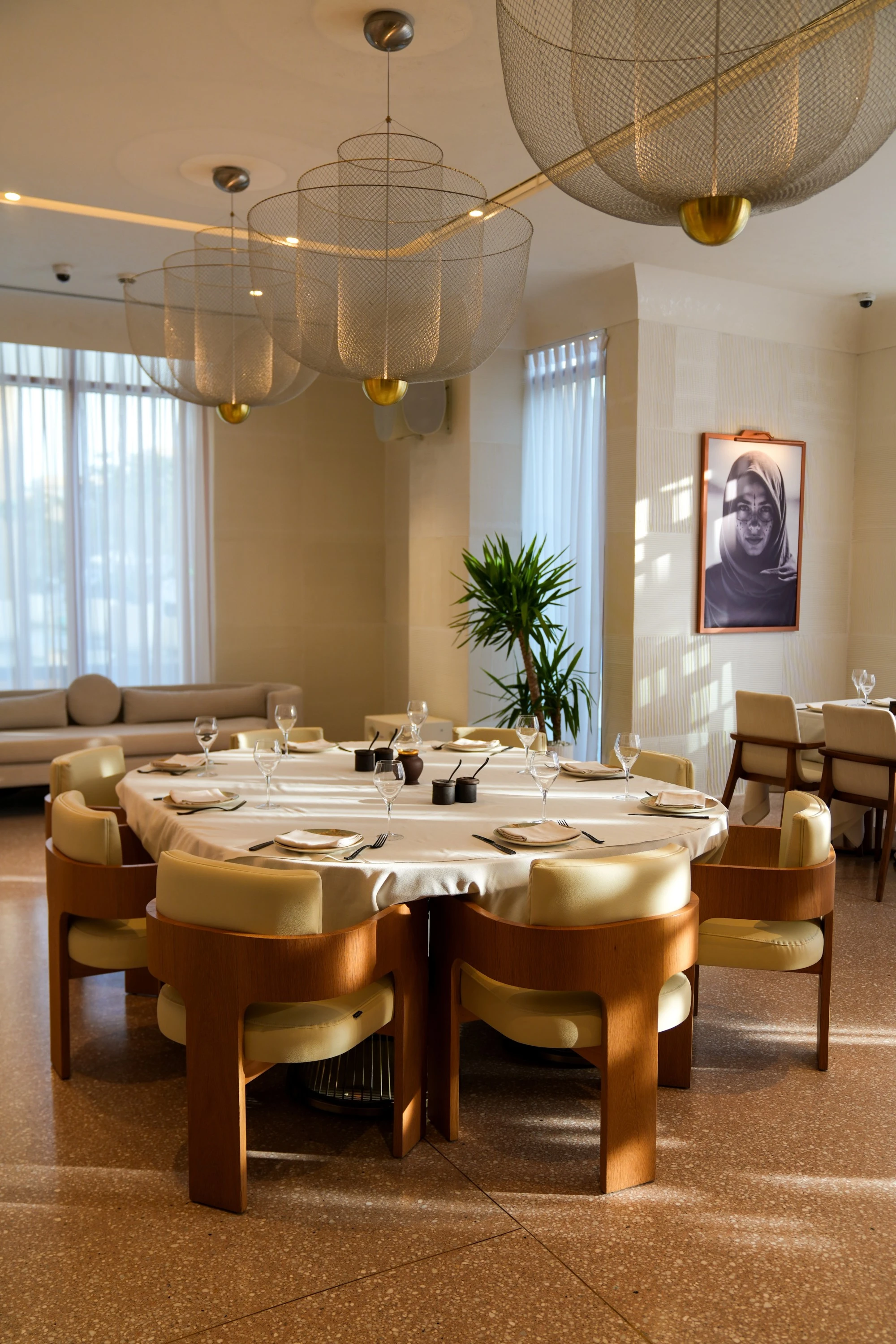
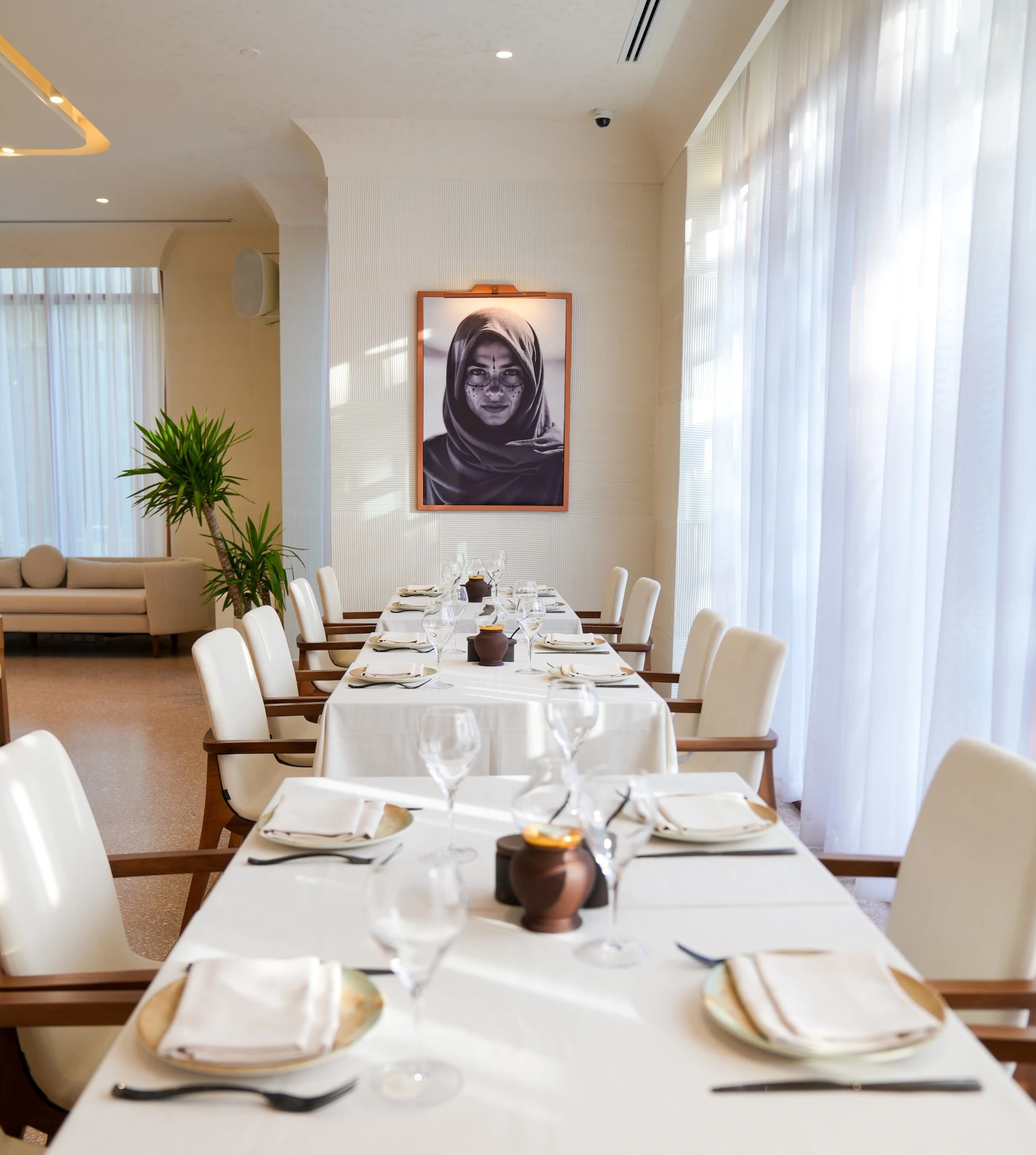
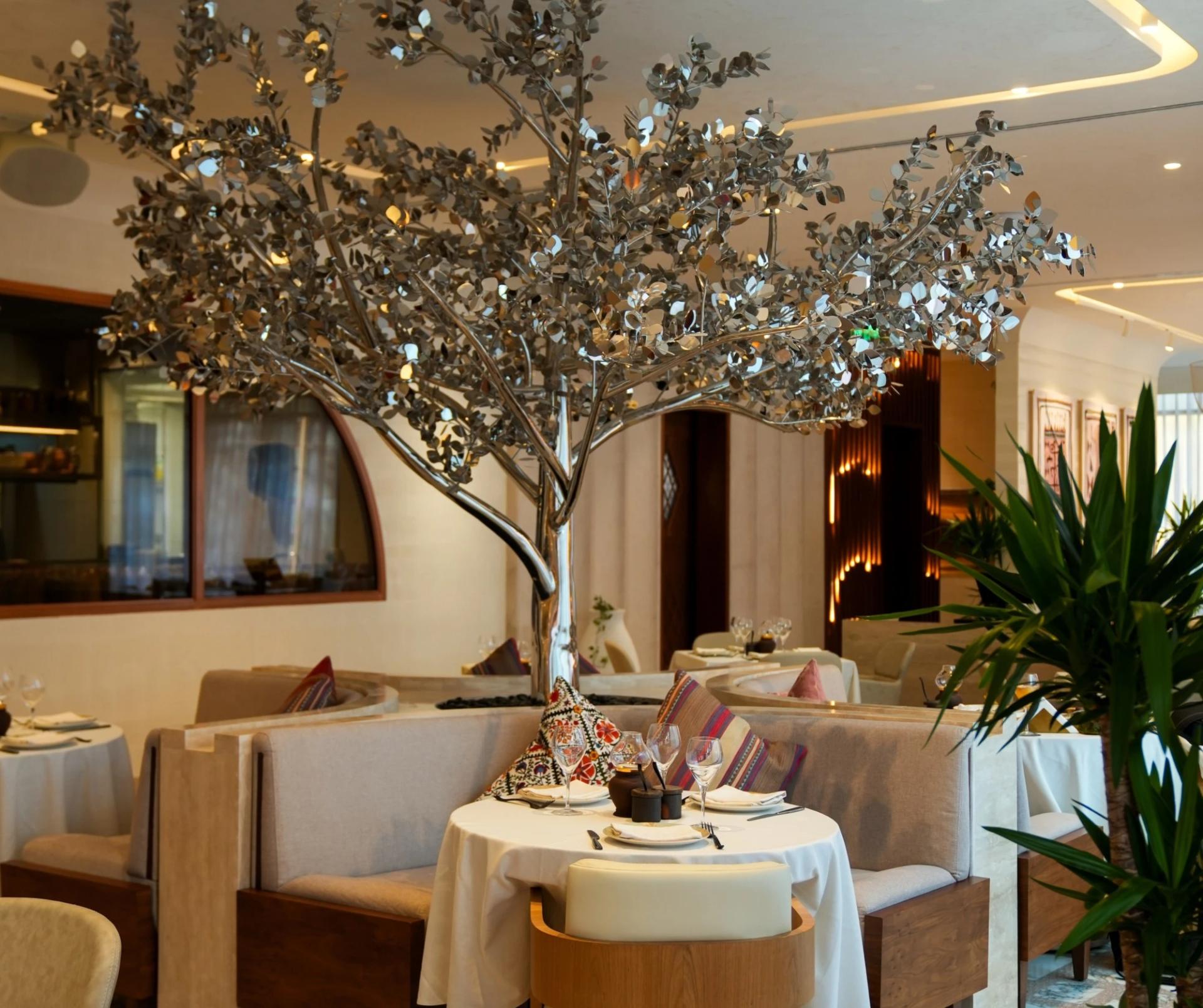
Walking inside, the space makes an immediate statement. The central metallic tree catches the daylight. White tablecloths are paired with beige chairs and cushions patterned with traditional Saudi motifs.
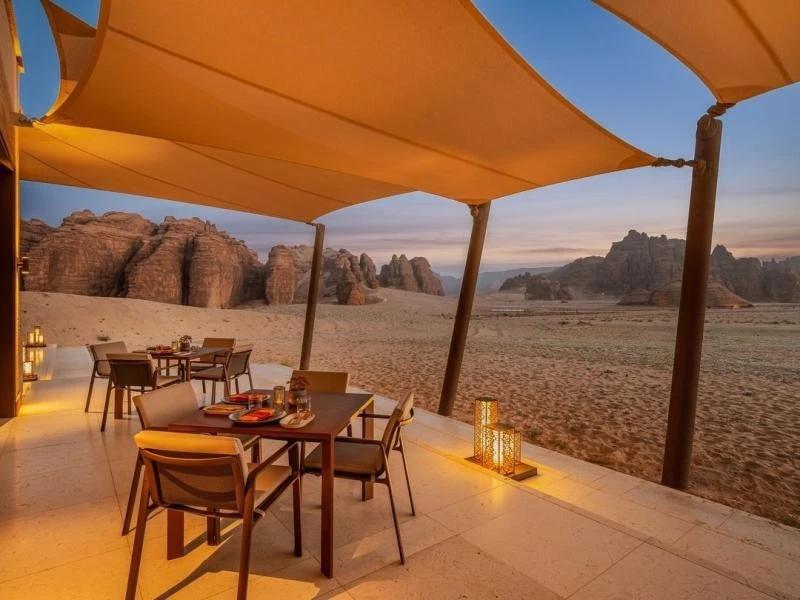
Golden wall panels glow subtly, while the wave-like ceiling design softens the space’s geometry. Look closer and cultural references begin to emerge: symbols drawn from AlUla’s caves reworked into floor and wall pieces, transforming the space into part art installation, part majlis, and part dining room. Outside, the tone shifts. Greenery frames the terrace, while earth-toned cushions soften the sofas. The serene atmosphere is almost like a hidden garden set within Laysen Valley.
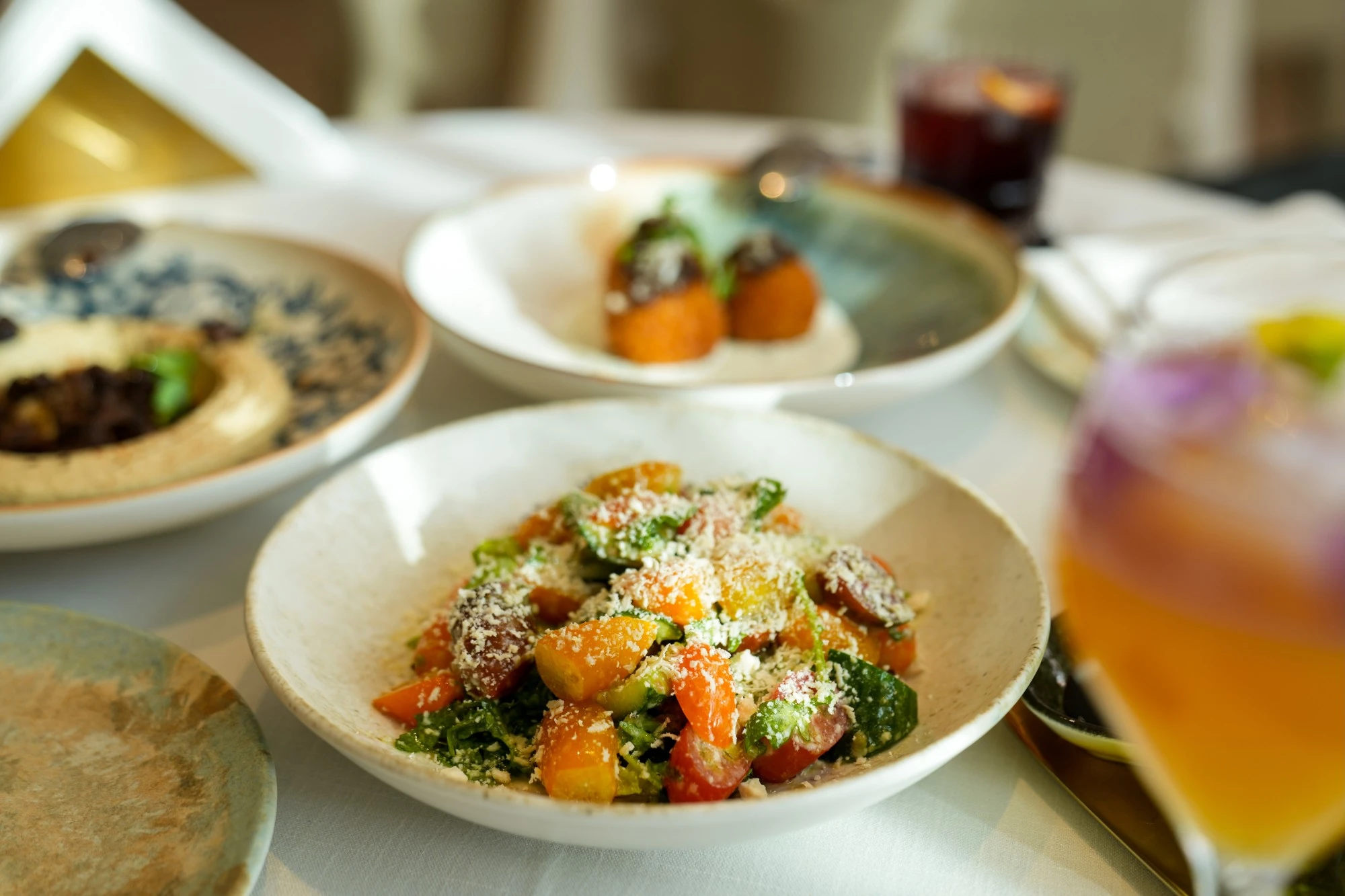
Curious to discover what WADI was all about, I ordered widely. Lunch began with warm bread, served with olive oil and a homemade molasses dip blended with balsamic vinegar. Simple yet delicious. The Aslat salad, where French and Saudi influences meet, followed. A smoked Eqt dressing lifted its freshness, while Al Jouf olives added a savoury note.
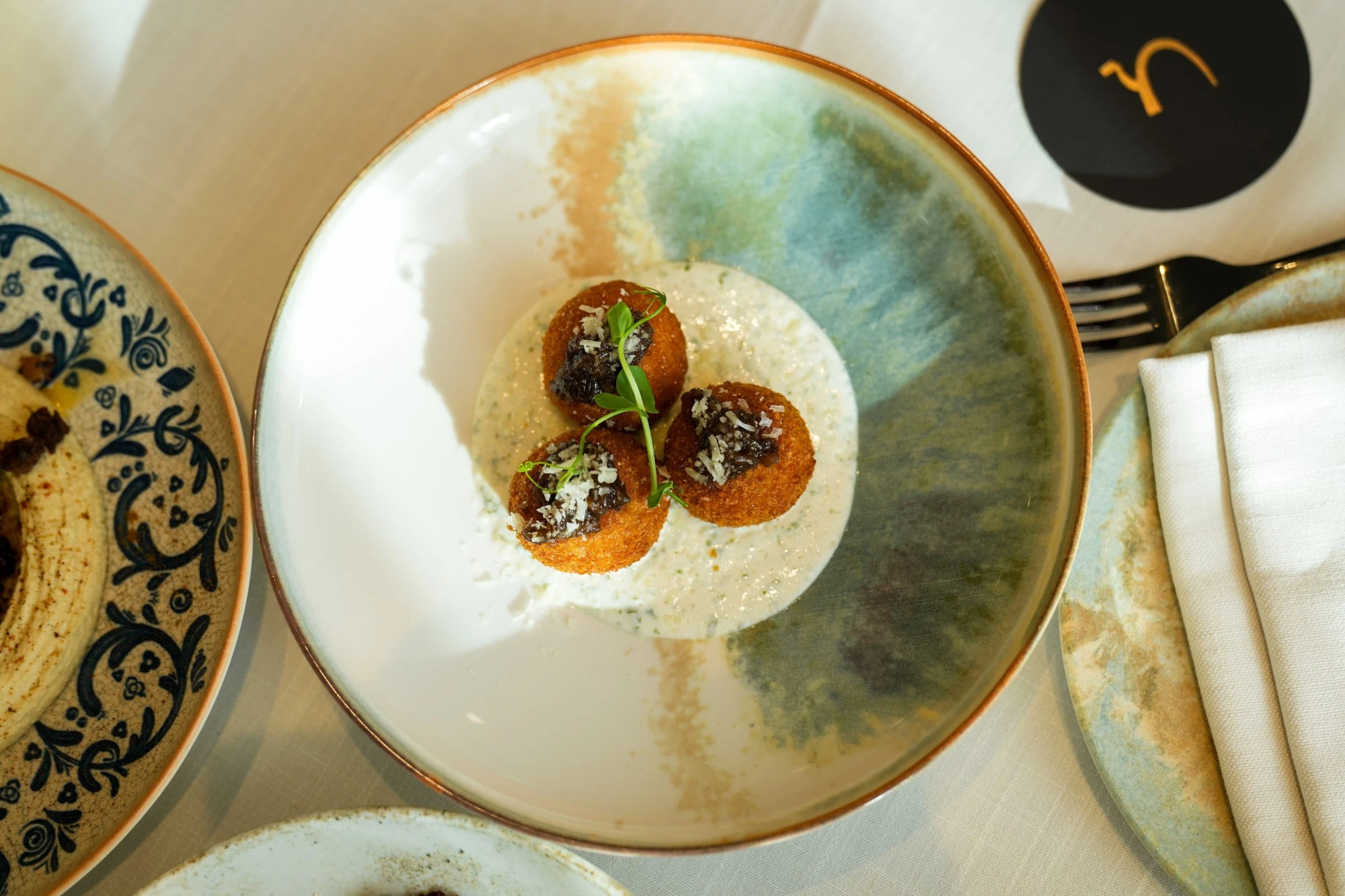
The Jaranchini was a standout starter: golden bulgur balls, crisp outside and filled with smoked mozzarella, set on yoghurt and coriander sauce, then topped with caramelised ghee and pecorino. This Saudi jareesh-Italian arancini mix was delicious and inventive.
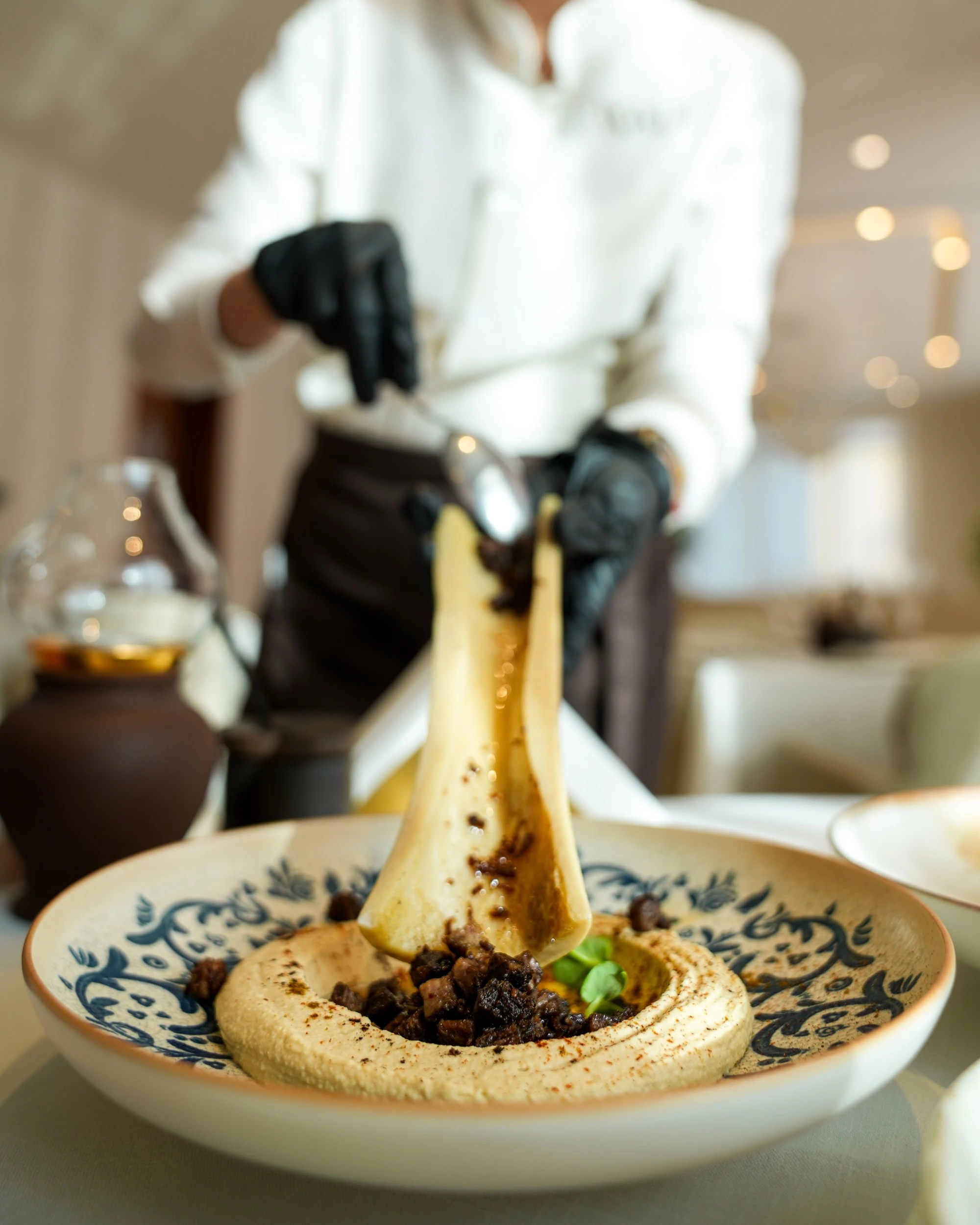
The Lubb arrived with roasted bone marrow, tahini hummus, and a drizzle of pomegranate molasses. The server poured wagyu beef cubes from the bone straight onto the hummus. Smoky, rich, and buttery, it complemented the dish.
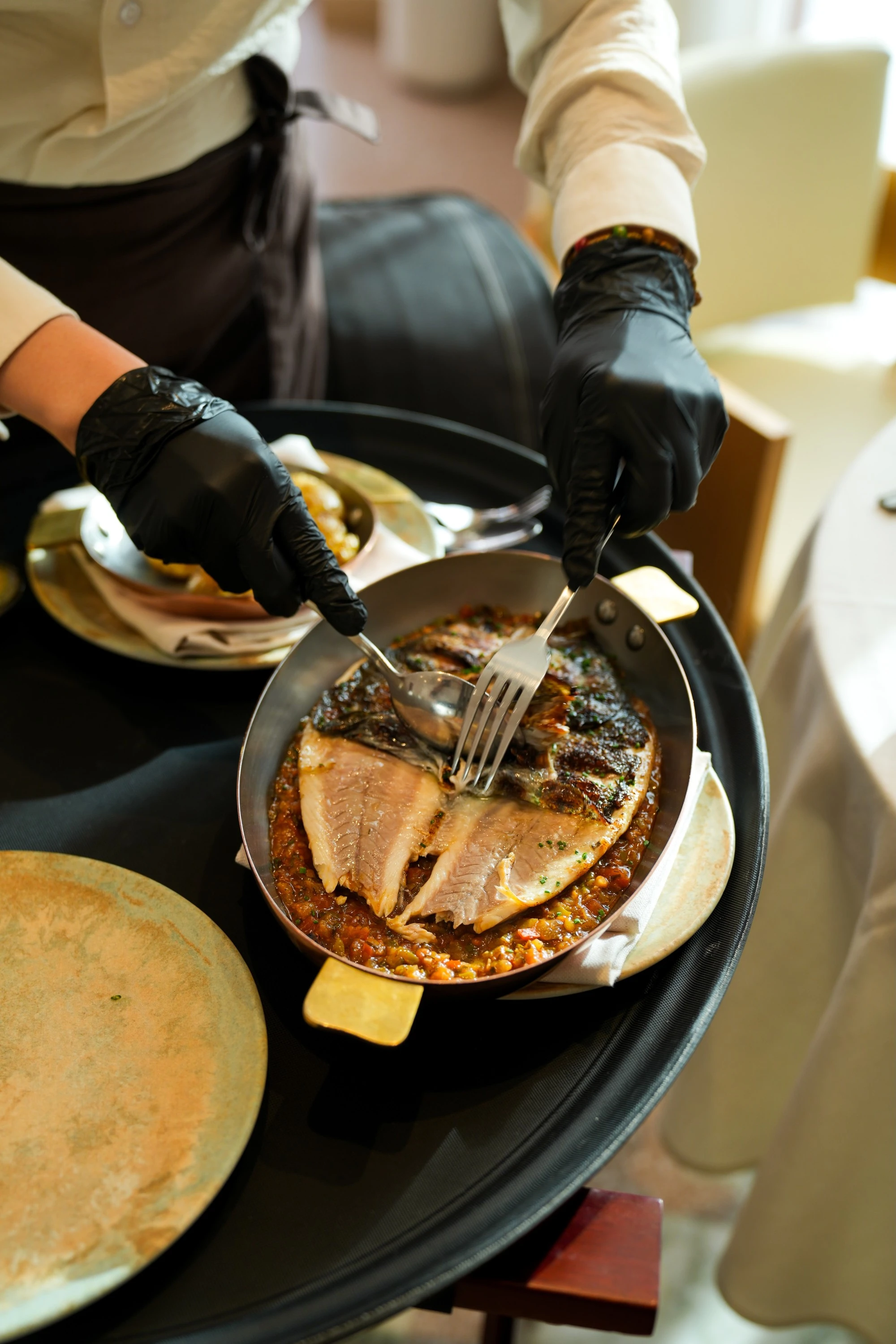
The Batan (Asian seabass) takes its cue from the Eastern Province’s mutafiy fish. Being from there, the flavours felt familiar, though elevated with more finesse. Grilled over charcoal, the fish was melt-in-your-mouth delicate and paired beautifully with a tomato-tamarind sauce, roasted potatoes, and dill tahini.
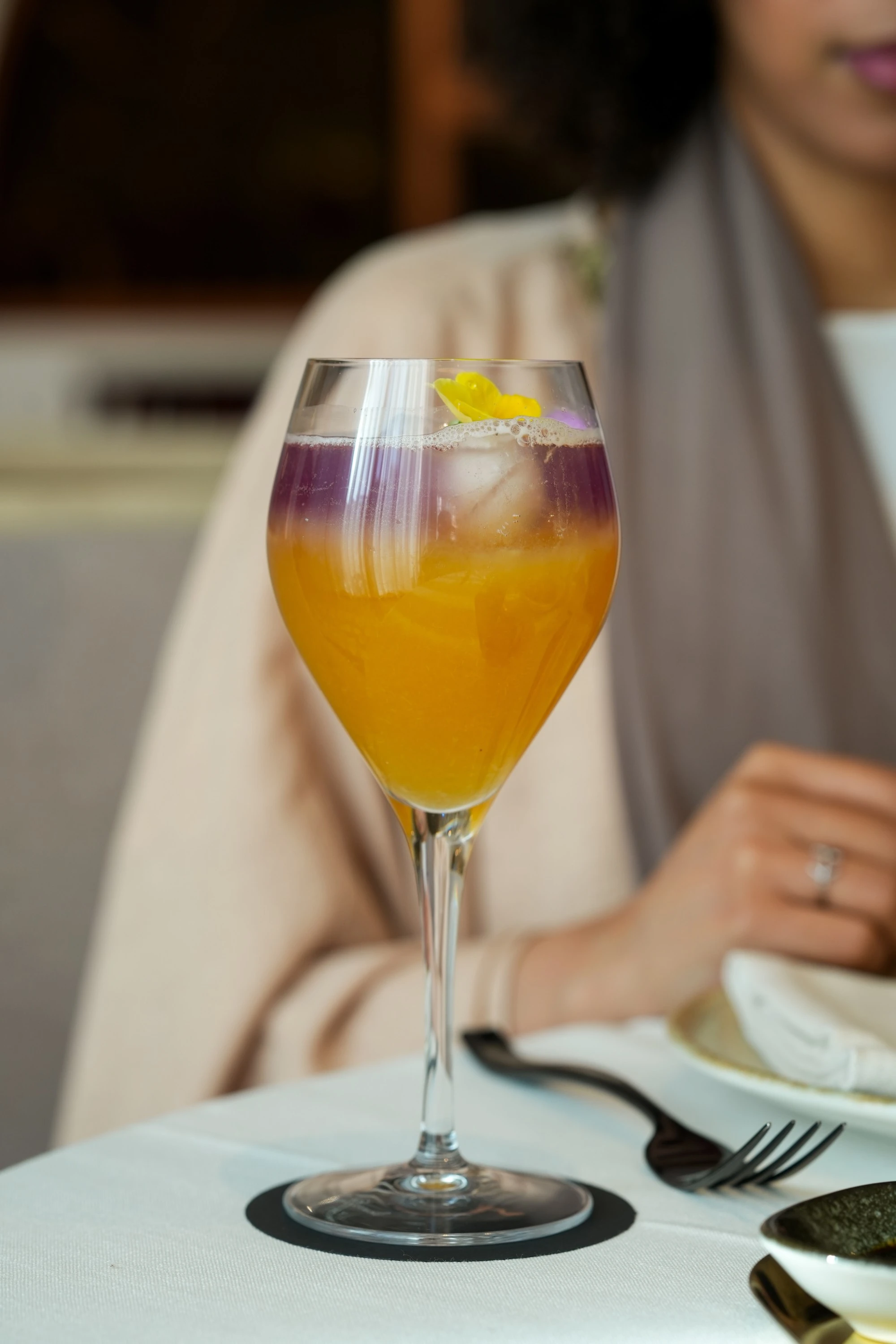
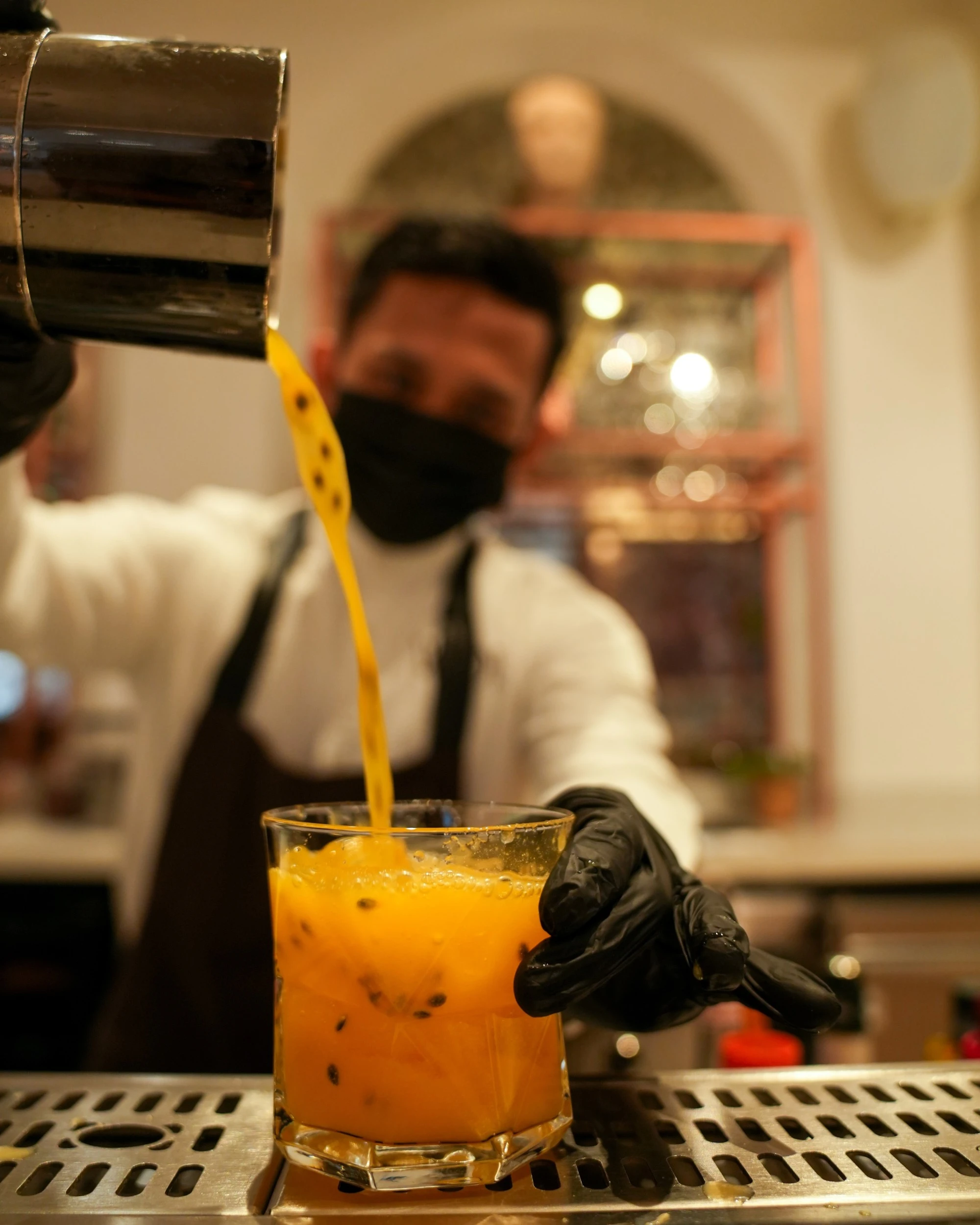
The balanced and well-rounded Saudi negroni, a non-alcoholic blend of Vimto, yuzu, Italian orange, and botanicals, paired beautifully with the savoury plates. However, the Dessert Rose, a lighter mix of rose water, peach, passionfruit syrup, pineapple juice, butterfly pea tea, ginger ale, and lemon was my favourite, especially alongside the salad and fish. The Appasionato was the boldest of the three, a sharp, citrus-forward blend of pineapple, orange, passionfruit, and lemon.
Desserts appeared on a QR code menu, which made me more curious. The Gharameel, topped with ice cream and crushed pistachios, was the showpiece, inspired by AlUla’s rock formations and the Turkish kazandibi. Playful in presentation, it tied the restaurant’s story together. The creamy rice pudding, cooked with vanilla, sweetened milk, and cardamom, was fine-dining worthy, while the panna cotta with Al Ahsa basil, mixed berries, and hibiscus sauce was a light, delicate finale.
Final Thoughts
There’s excellent ambience, attentive staff, and heritage-inspired yet boldly innovative cuisine, but what struck me most was WADI’s concept. Every detail felt intentional. For diners who value places that tell a story, WADI, which shares a narrative rather than just food, offers something rare.
WADI Riyadh, Laysen Valley, Riyadh 12329
Book your table here
@wadi.riyadh