



The modern culinary landscape demands not just exceptional skill, but a compelling narrative.
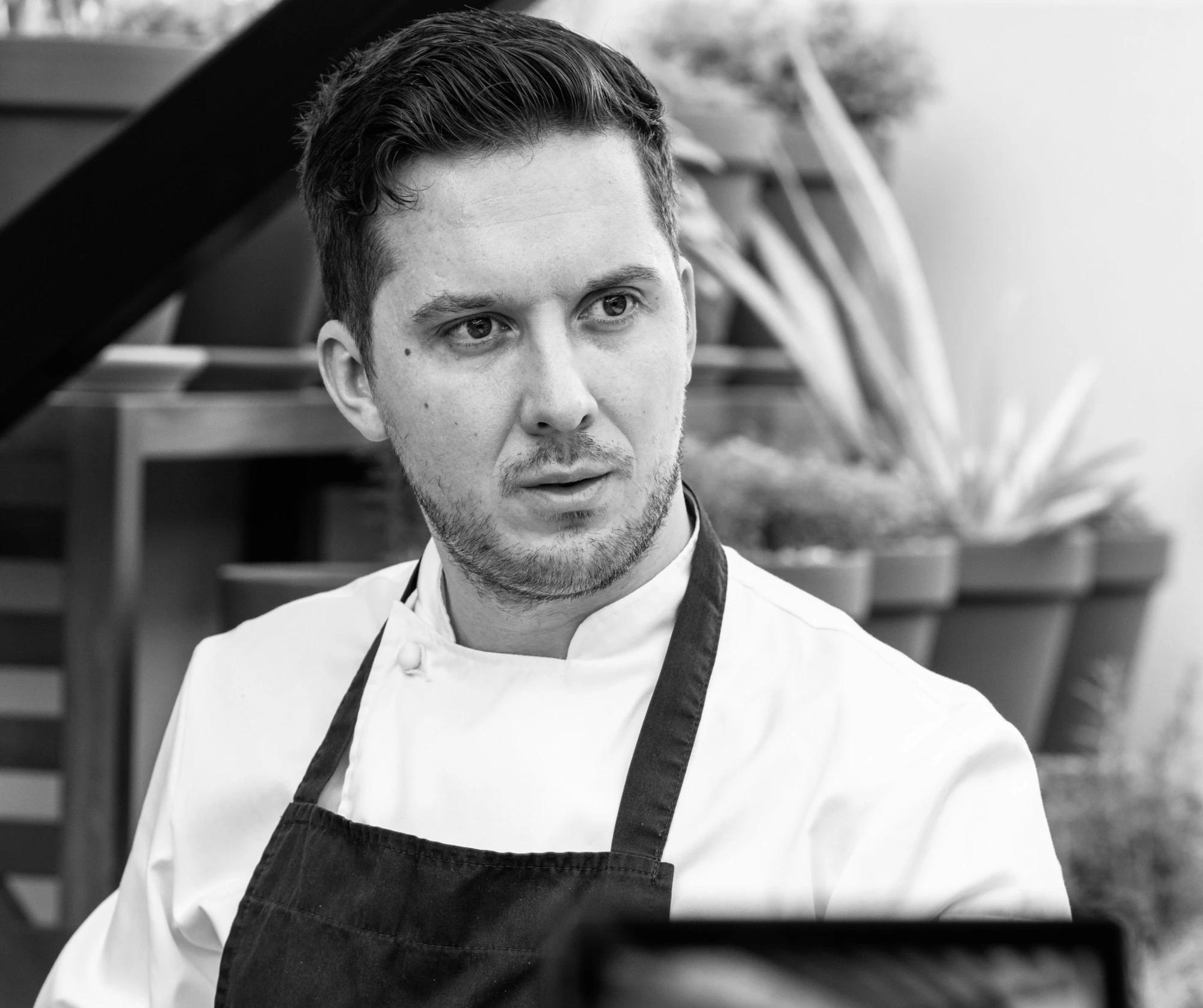
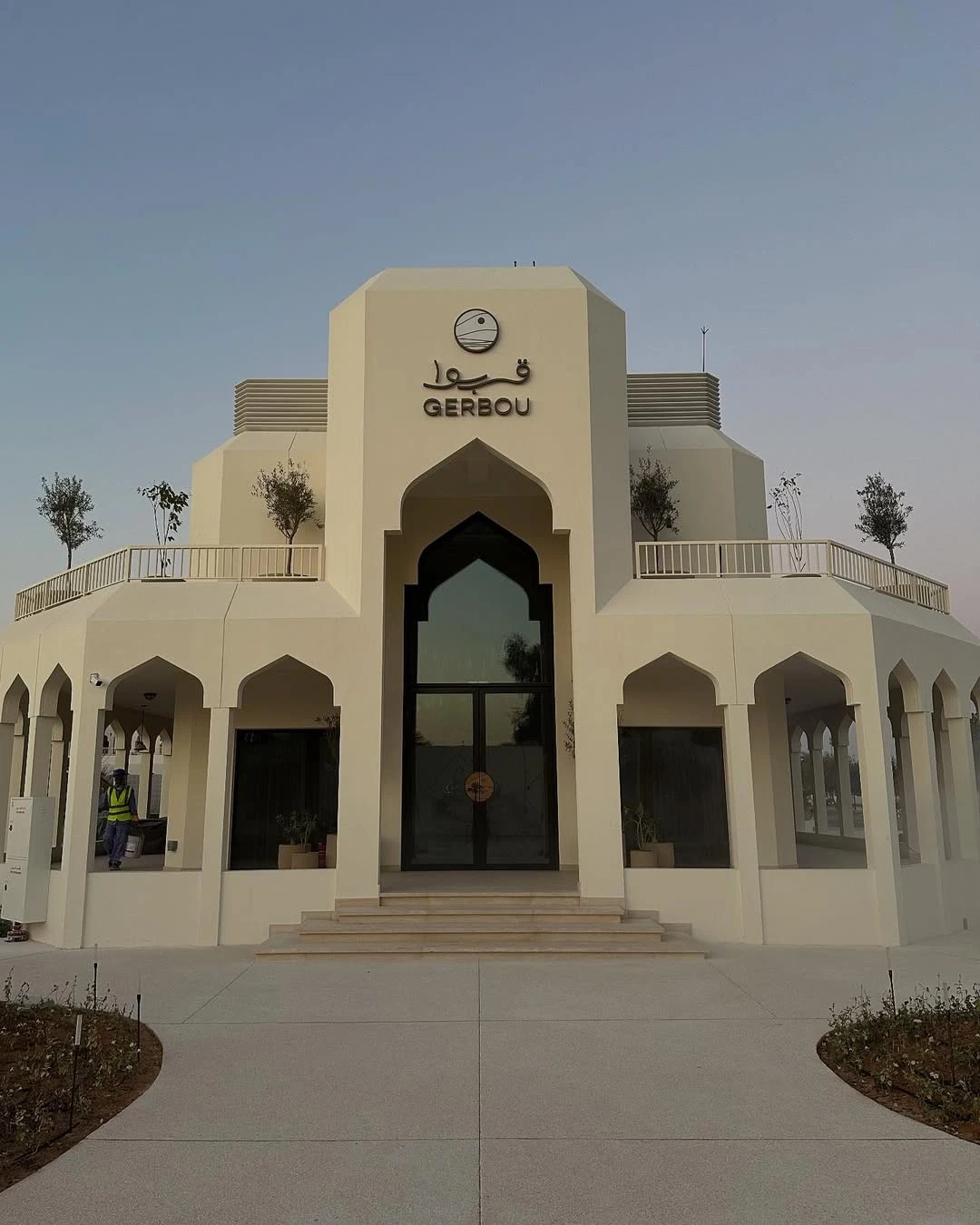
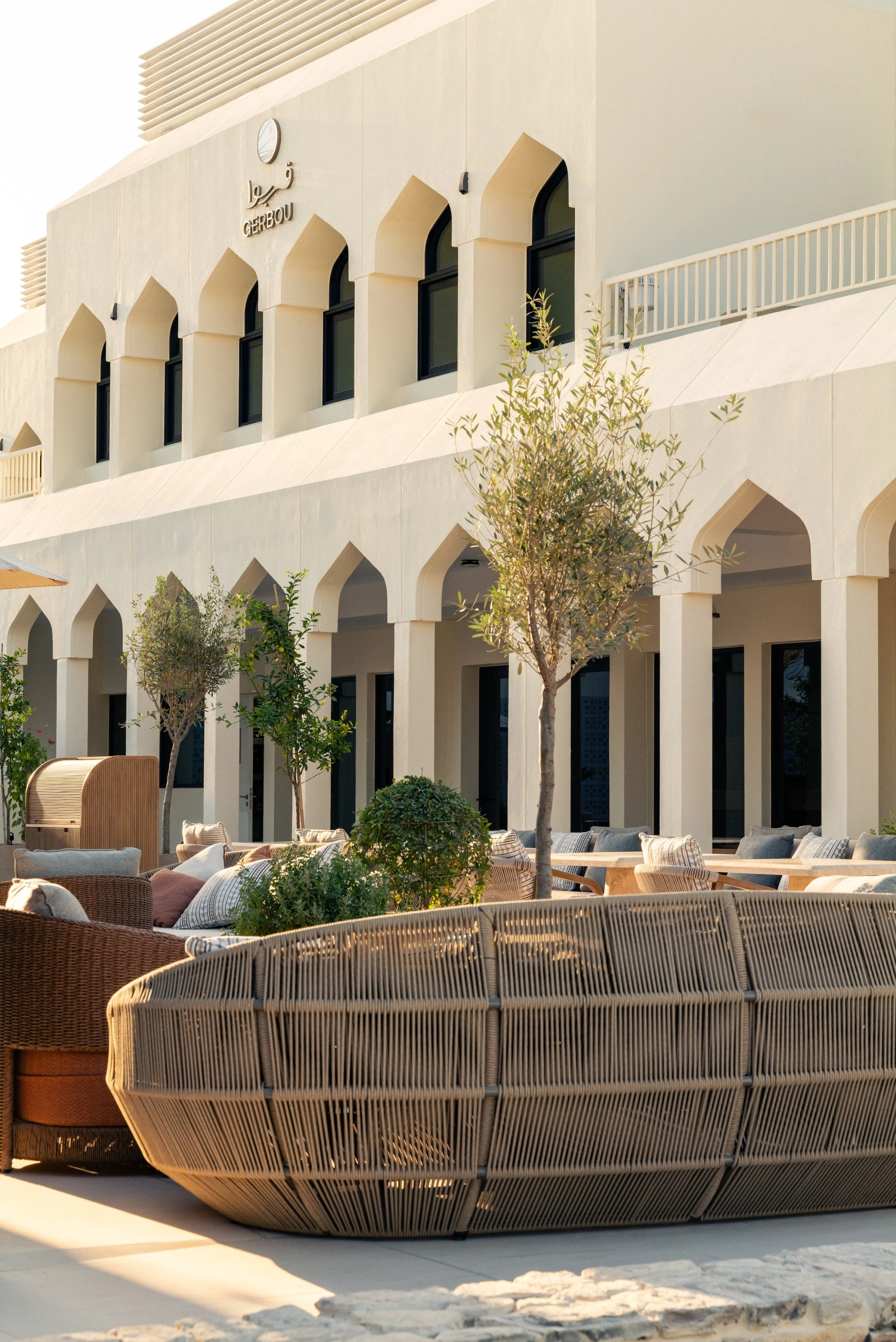
Few figures embody this blend of artistry and philosophy as distinctly as Chef Ionel Catau, the driving force behind the acclaimed restaurant Gerbou. Known for its innovative approach to Emirati cuisine, Gerbou has quickly become a pivotal fixture, turning simple ingredients into profound statements.
We had the pleasure of pulling Chef Catau away from the heat of the pass for a few minutes to discuss the deep-rooted principles that define his kitchen, his personal journey through the world’s finest dining rooms, and how he translates his vision of gastronomy into the unique, unforgettable experience that is Gerbou.
Experience & Background
Originally from Romania, how did your home country and experiences influence your approach to food, and how do they resonate with your work in the UAE today?
I grew up in Constanța which is Romania’s largest seaside city. Like Dubai, it has access to fresh produce, seafood and marts from local farms and bustling markets. Both these places share a spirit of generosity and community. Constanța also has a large Muslim community, so when I moved to the UAE, I felt a natural connection. Many of the dishes I encountered here, such as shawarma, mixed grills, kebabs amongst others, were already part of my childhood.
Your career includes time in acclaimed UK kitchens. What was the most significant lesson you learned while training in Michelin-starred environments like The Raby Hunt and Pensons?
The most valuable lesson I carry with me is simple - team and flavour come first. When the team is cared for and ingredients are sourced thoughtfully, the result is a dining experience that guests will always remember.
Working in high-pressure, fine-dining establishments requires incredible focus. Could you describe the "acute attention to detail" that sets your methodology apart?
I was fortunate to work in some of the world’s finest kitchens. I brought with me the techniques, systems, and discipline I learned there, and applied them to local ingredients and traditions here. That focus drives not only me, but also my team to continuously push boundaries and deliver memorable experiences for our guests.
Beyond the UK, have other international experiences or culinary traditions profoundly influenced the techniques and flavour combinations you now employ?
Yes, definitely! New Zealand was deeply influential. I was struck by their connection to fire, to land, and to heritage. I still remember my first time cooking salmon underground - a technique also used for meats. It left a lasting impression on how I view product and tradition.
Tell us about Gerbou
Do you have a specific culinary philosophy that you try to bring to all the dishes you create?
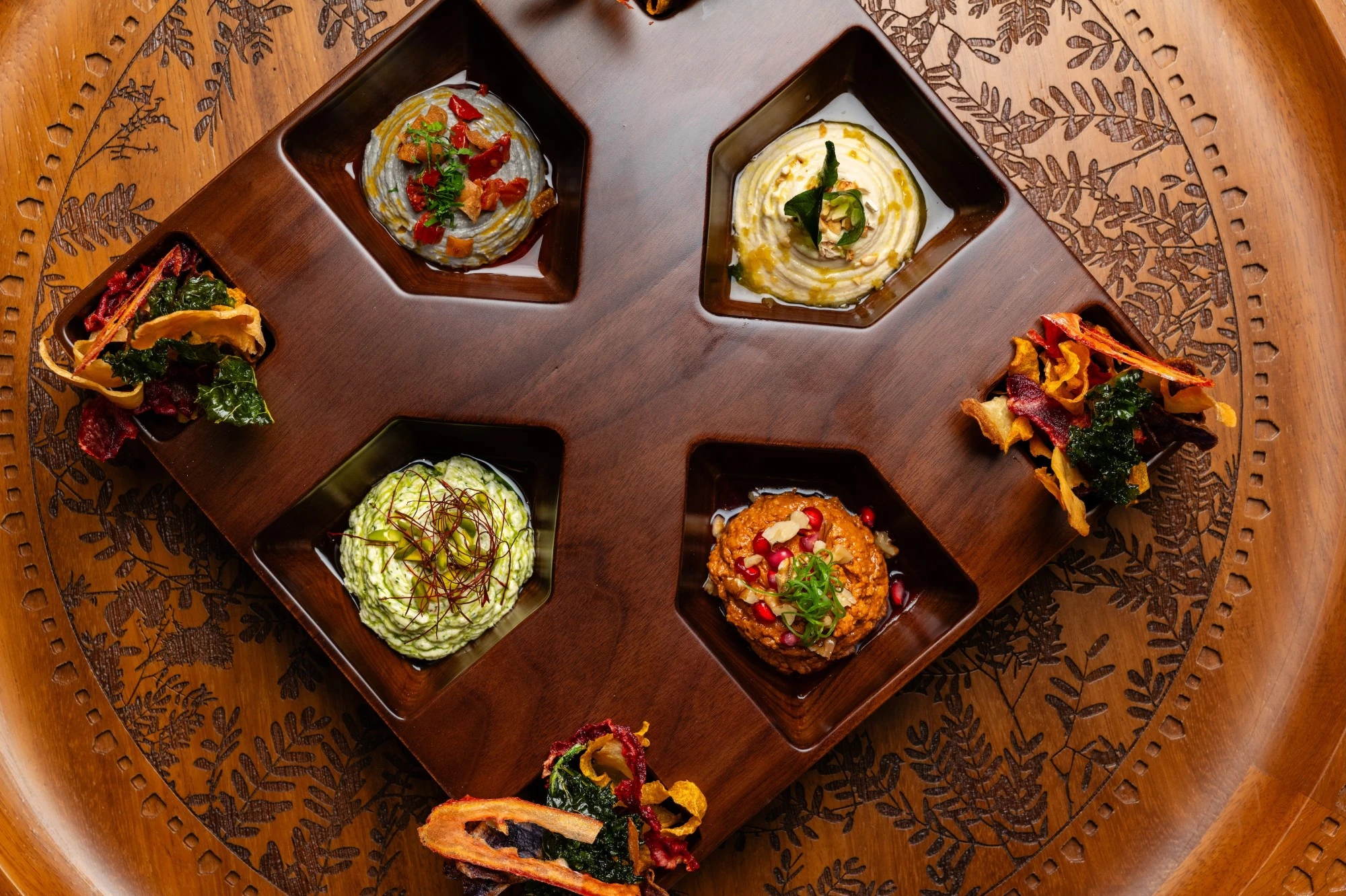
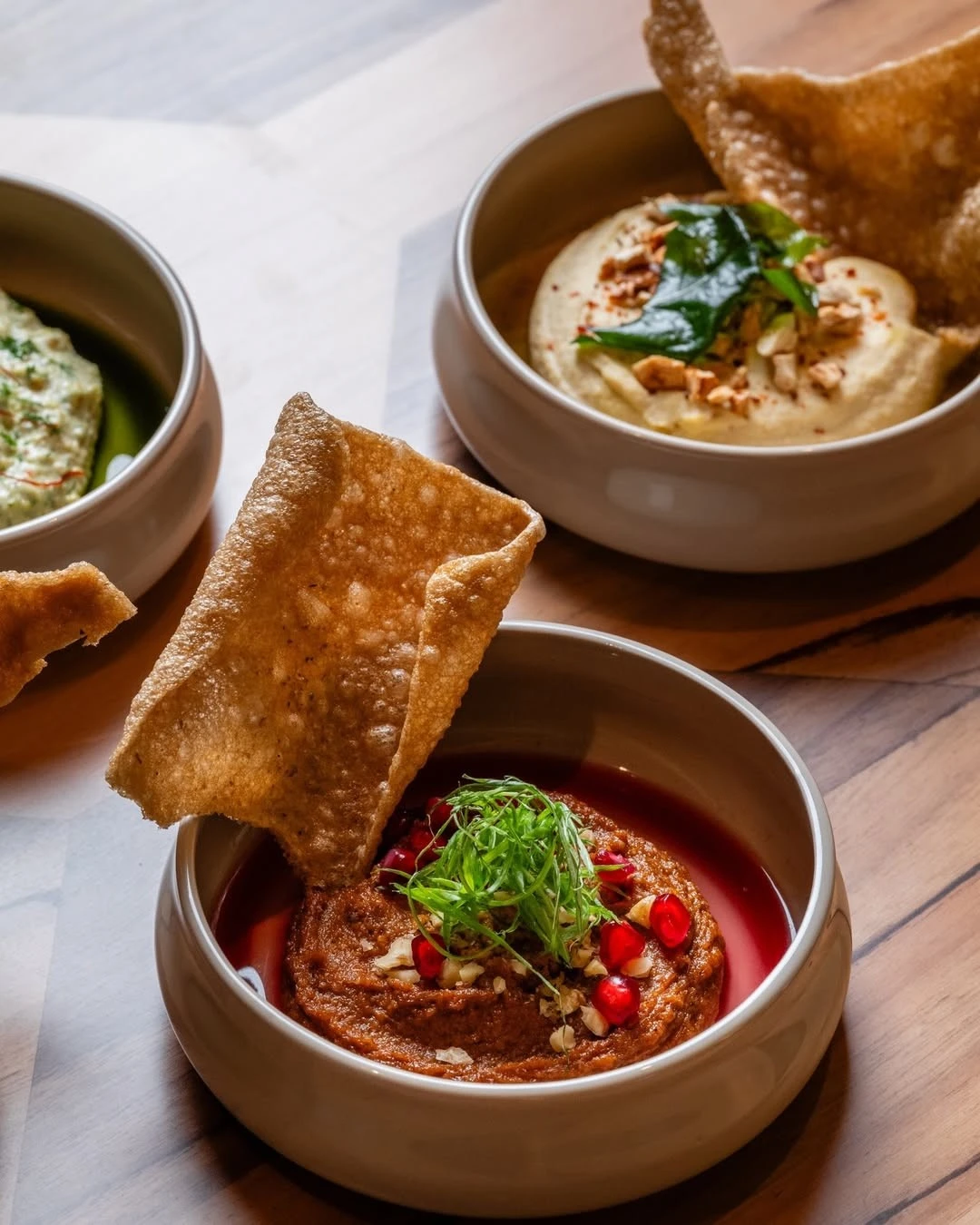
As Head Chef at Gerbou, how did you first approach the task of curating a menu that pays homage to the land, people, and millions of residents of the UAE? My philosophy is rooted in memory, sustainability, and flavour. When I joined Gerbou, I immersed myself UAE’s rich culture and culinary history. I visited various markets, met with different suppliers, farmers, and even took a trip to different libraries. These experiences, combined with my travels and a dedicated team, shaped a menu that reflects the land and the community.
Gerbou is focused on traditional Emirati cooking, specifically the pit-cooking technique. What is the biggest challenge and the greatest reward in adapting this time-honoured method for a modern luxury setting?
The greatest challenge is temperature control - it’s easy to overcook or dry out ingredients. But when it’s done right, the moment of unveiling the dish is extraordinary. Seeing guests’ faces as the dish emerges from the pit is one of the most rewarding experiences.
Could you share an example of a dish on the Gerbou menu that most perfectly embodies your goal of combining traditional methods with modern presentation and sustainability?
Our charred cabbage is a great example of this. The cabbage is brined with dill, poached, charred, and then filled with feta for creaminess. Trimmings are repurposed into a fermented cabbage labneh and dill sauce. It’s about using every part of the ingredient with creativity and respect.
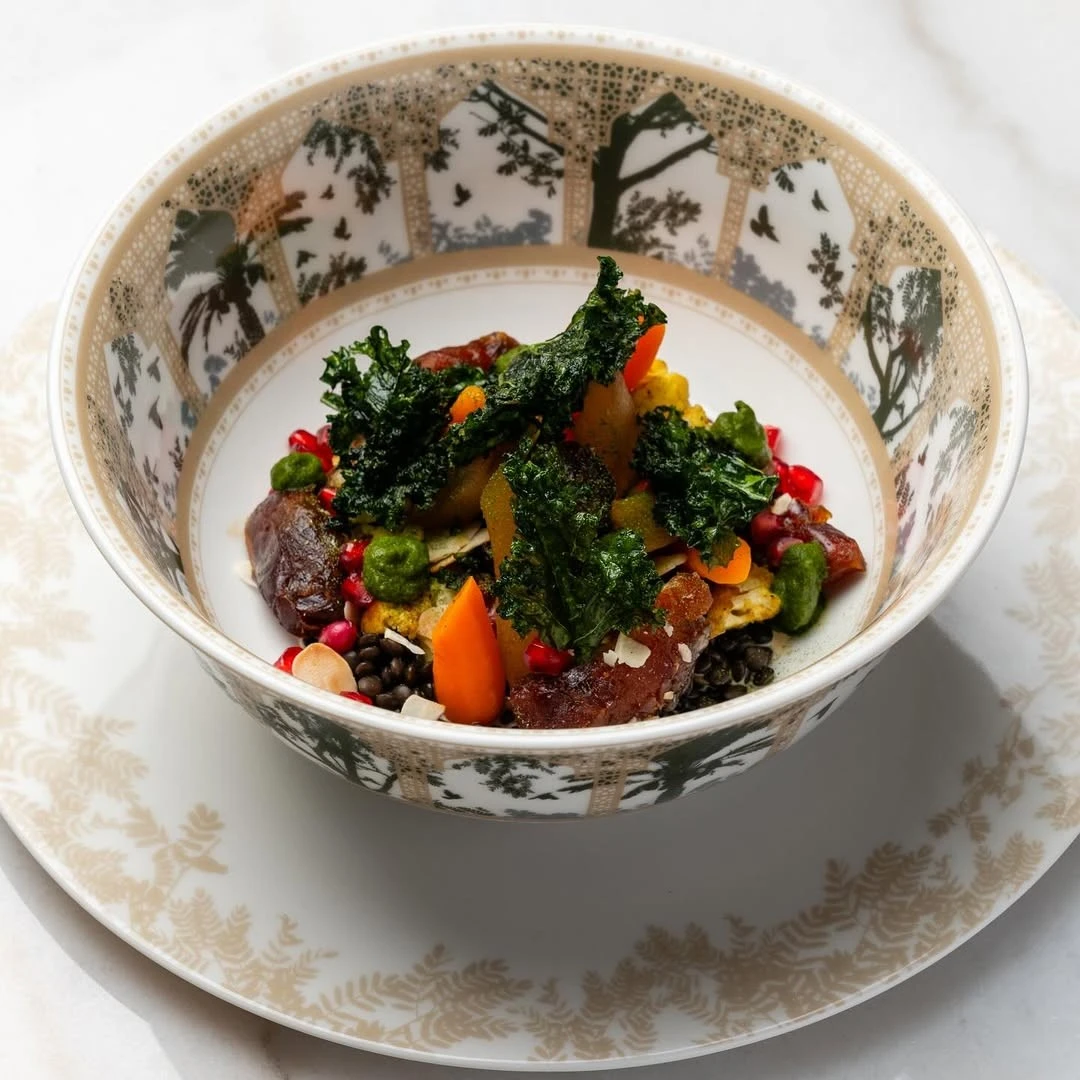
Is there one (or two) signature dishes that you feel perfectly encapsulate the core message and culinary philosophy of Gerbou?
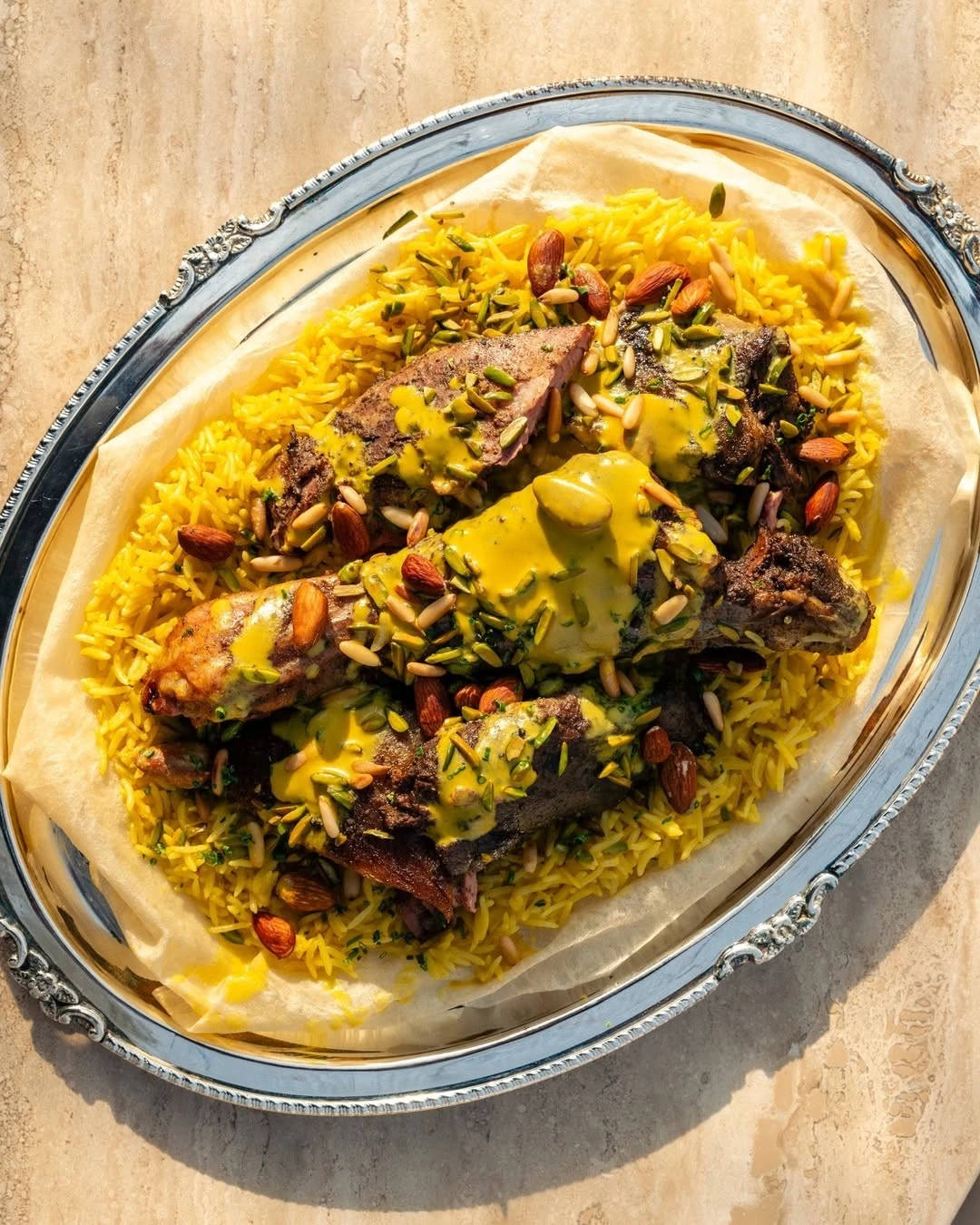
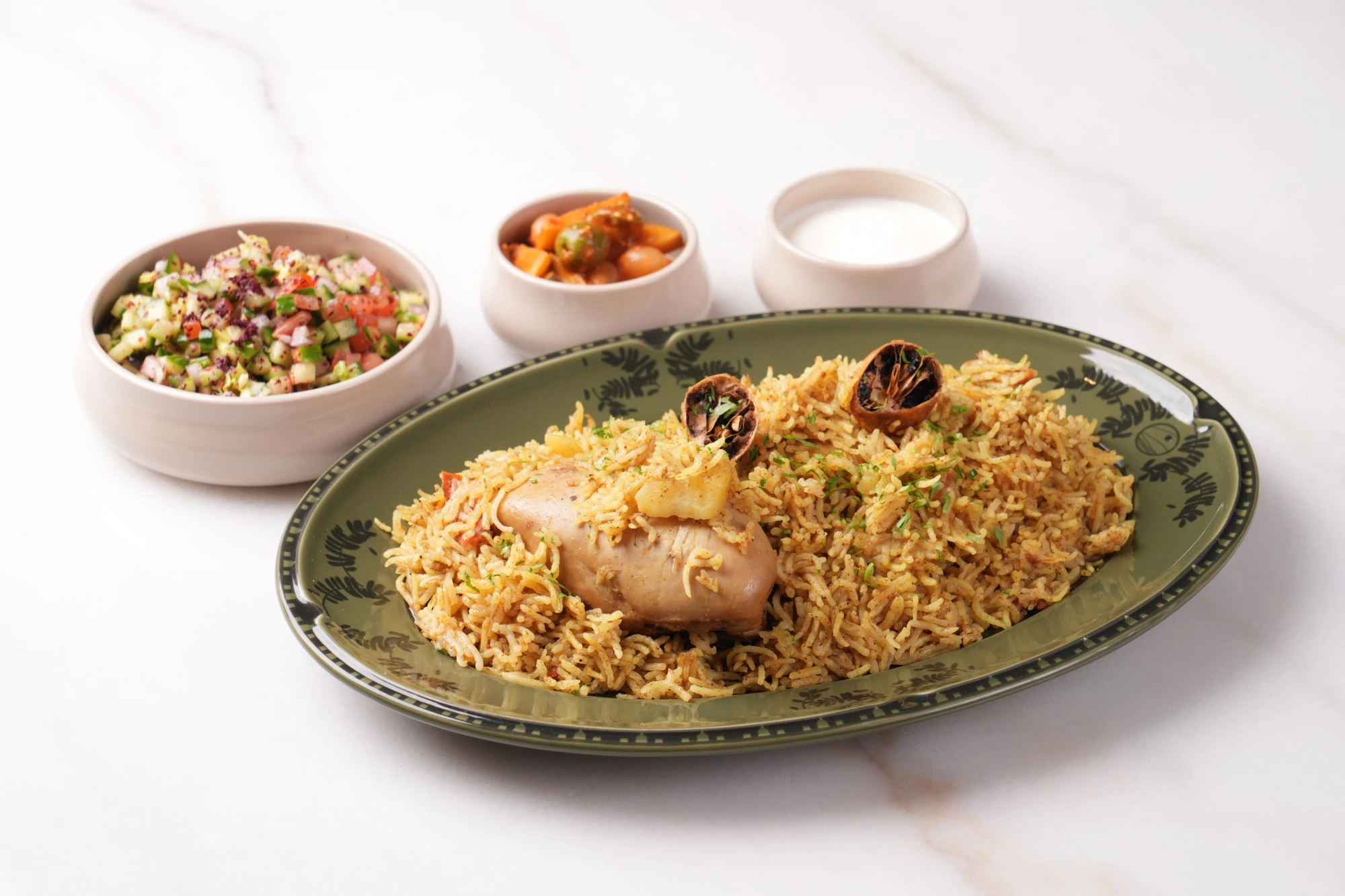
Our Chicken Machboos is a great example of a dish that I think perfectly encapsulates the core message and culinary philosophy of Gerbou. It reflects our philosophy through its carefully sourced ingredients, spice blends, and techniques, while capturing the essence of Emirati culture, which is sharing and bringing people together.
While developing the Gerbou menu, what element of Emirati cuisine did you discover, or what flavour combination did you come to thoroughly enjoy?
Before opening Gerbou, I trained with Emirati chefs and explored various markets and farms. That’s where I discovered ingredients like jameed and loomi. I’m still studying and experimenting with them today to better showcase their unique characters.
How do you use the Gerbou menu as a medium for connecting with the local community and reflecting the diverse palates that call the UAE home?
Every element of Gerbou, from our dishes to the ingredients we use and the menu, each tells a story about the UAE. We aim to showcase the country’s richness while ensuring there’s something for everyone in this diverse community.
How important is it for a chef today to be actively engaged in conversations about sustainability and food ethics?
It’s no longer optional. These issues demand our full attention, openness to learn, and willingness to act. As chefs, we must build communities that care, adapt, and drive change.
Professional Advice & Recommendations
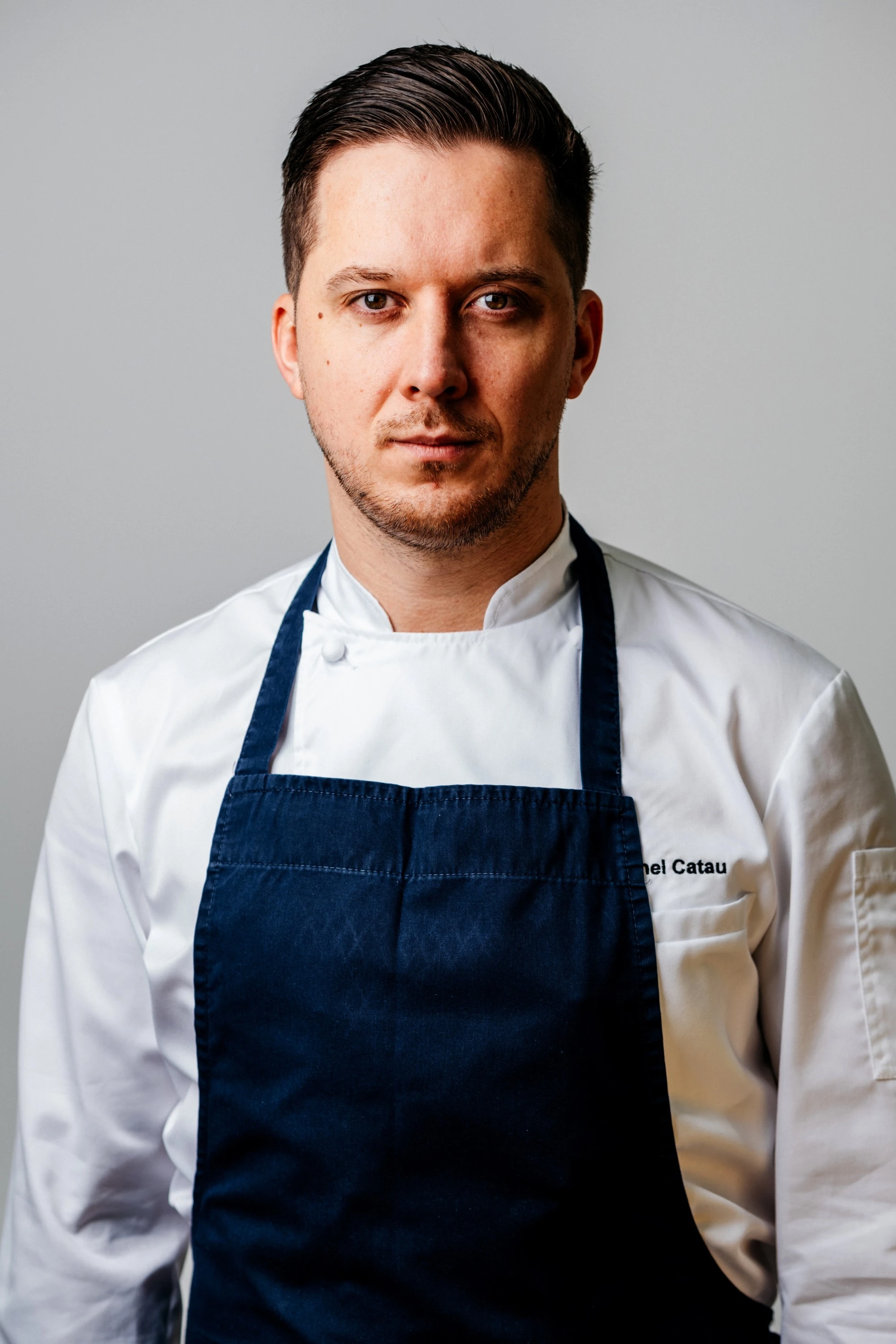
For young chefs just starting their careers, what is the single most valuable piece of advice you can offer them about thriving in a highly competitive culinary environment?
Find a kitchen where you can build strong foundations. Learn every section properly, taste constantly, and never stop asking questions.
What are the essential non-cooking skills, like attention to finance, team management, or creativity, that aspiring chefs often overlook but is pivotal to your role?
Running a restaurant requires far more than cooking. Finance, marketing, PR, storytelling, even maintenance and architecture, everything plays a role. But above all, it’s about people: mentoring your team and giving guests memorable experiences.
Can you share three tips or pieces of advice for home chefs?
Taste everything - it sharpens your palate; start with the best ingredients you can source; and believe in yourself - use your memories, the flavours you grew up with, and don’t be afraid to experiment.
Food, Memories & Travel


Food and flavour are so often linked to memory, is there a dish of your childhood that you still love today?
Aubergine salad. It’s often underrated, but it has everything I love: smoke, acidity, richness, and texture. It’s a dish that is very close to my heart.
Is there one dish that brings back fond memories of your training or your youth?
Aside from the time I spent cooking with my parents, I vividly remember learning nose-to-tail preparation with rabbit. That lesson became fundamental to my cooking style and philosophy.
Which city or country in the world would you travel to, just for the food? And what would you order?
Honestly, I feel that I already live in such a place. Dubai has it all, from exceptional produce, incredible restaurants, and unforgettable dining experiences.
Is there anywhere you have travelled to that offers an unexpectedly brilliant culinary tradition or flavours?
I would have to say New Zealand. Spending time in Māori villages, I was moved by their hospitality, their traditions, and their deep respect for fire as a cooking method.
When traveling, do you seek out Michelin-starred restaurants, or do you prefer finding authentic, local street food experiences?
A balance of both. Some of my most memorable meals were in humble, local spots filled with people from the community. But I also seek out world-class restaurants to observe, learn, and grow as a chef.
Which international cuisine or culinary technique are you currently most interested in exploring or integrating into your own repertoire?
Emirati cuisine. Every day I find myself more drawn to it, studying, testing, and finding new ways to highlight its depth to others.
If you had one last meal to enjoy, prepared by anyone in the world, what would you choose and who would be the chef?
My mother’s lovage soup. It is made with homemade bread and traditional accompaniments, and it remains the most comforting and unforgettable meal of my life.
Gerbou,
Nad Al Sheba, Dubai
Book your table here
@gerbou
@ionel_catau