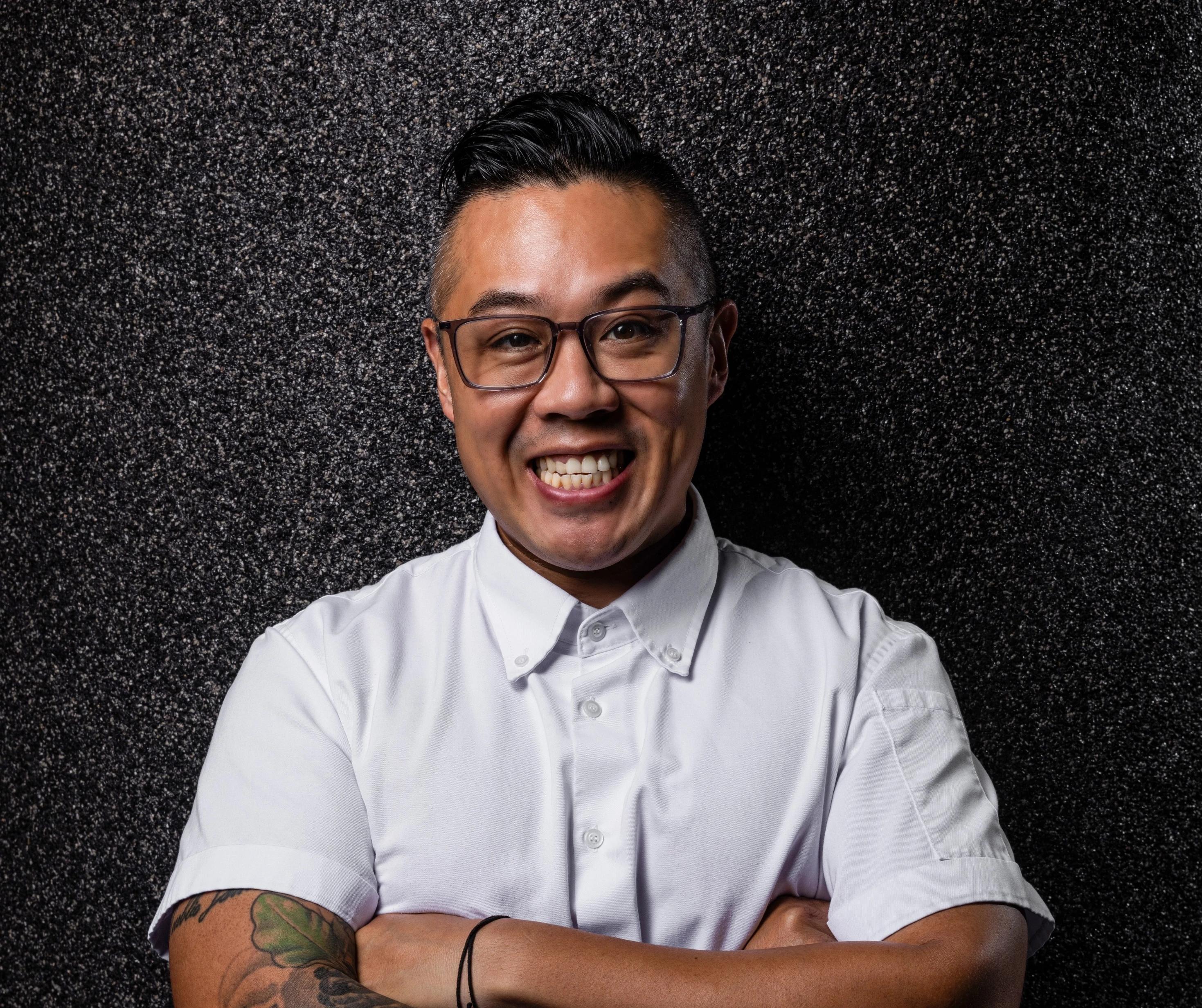




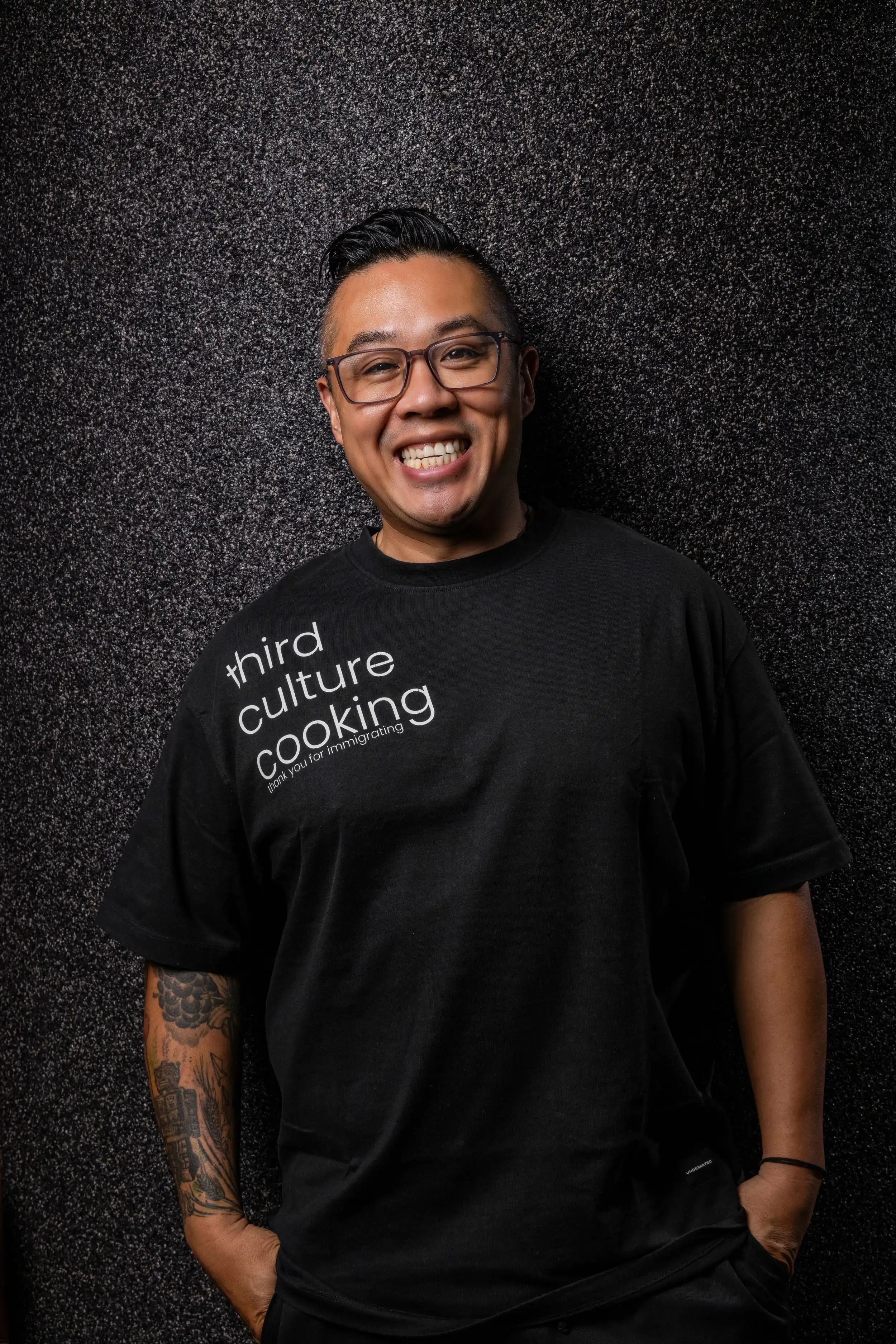
Chef Kelvin Cheung is a culinary force reshaping Dubai’s dining scene with his bold, personal approach to food.
A third-generation Chinese-Canadian, he was raised in Chicago and has cooked across North America, India, Belgium, and now the UAE. His global journey is the foundation of his signature style — third-culture cooking — a term he coined to describe the seamless blending of culinary traditions from the many places he’s called home.
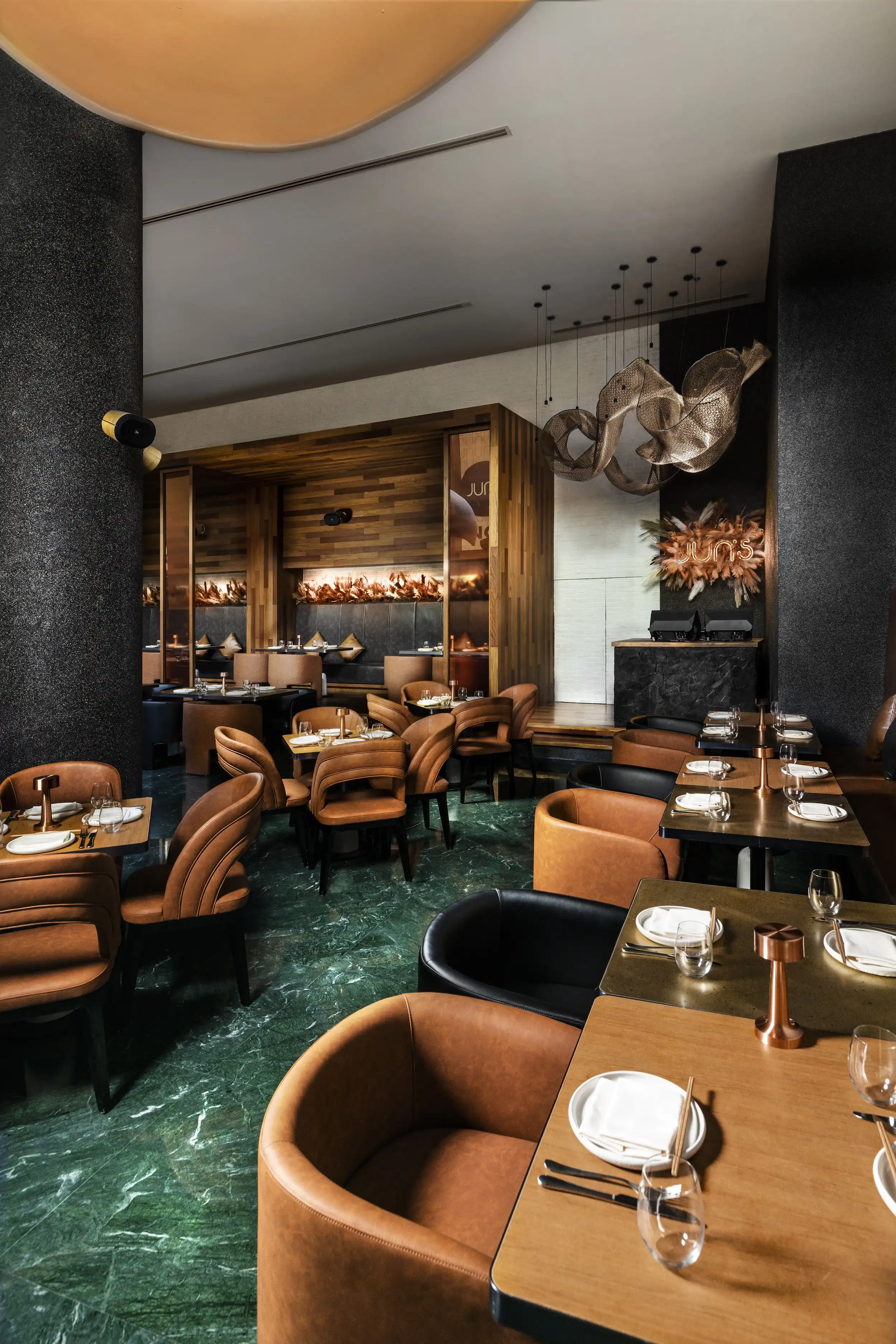
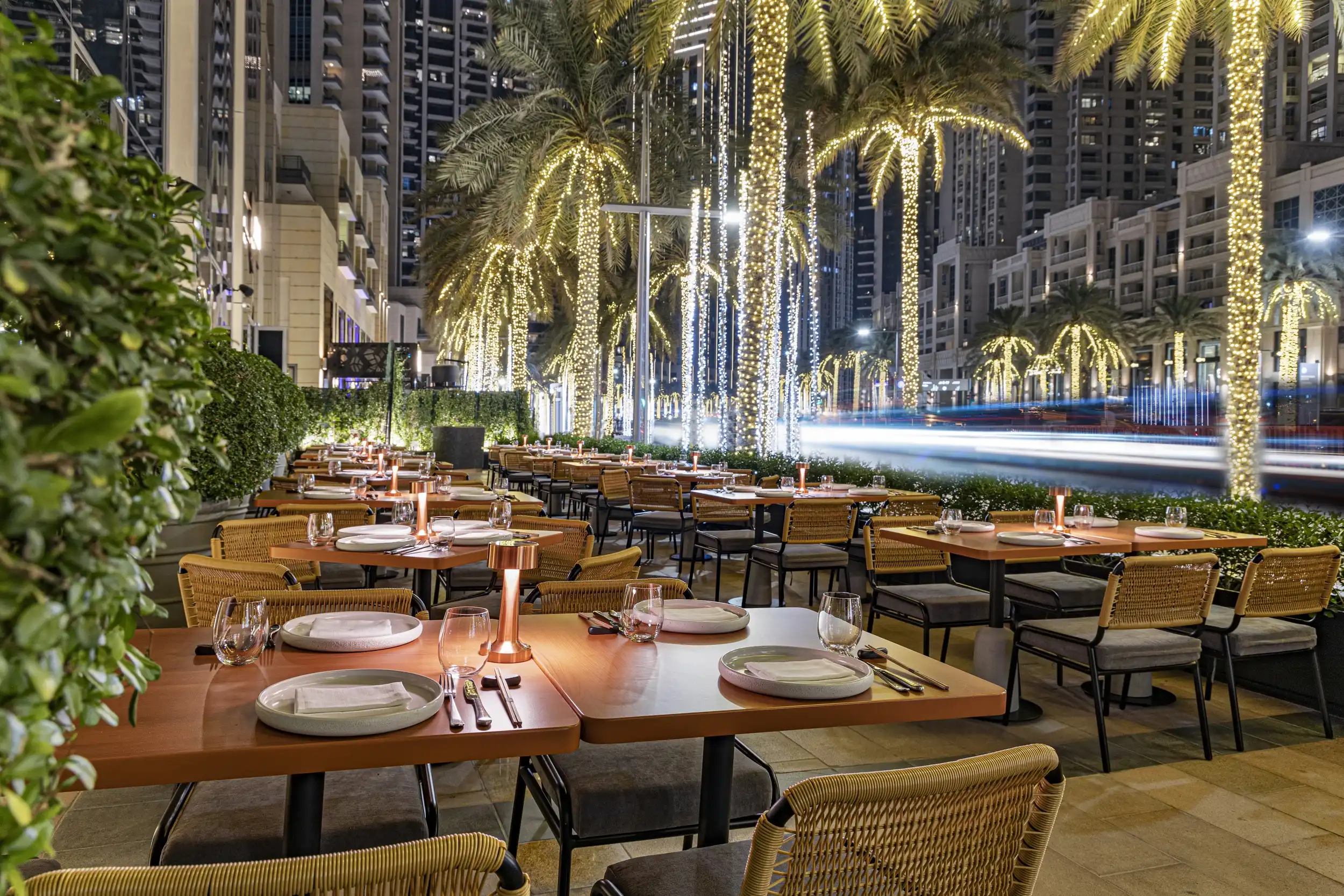
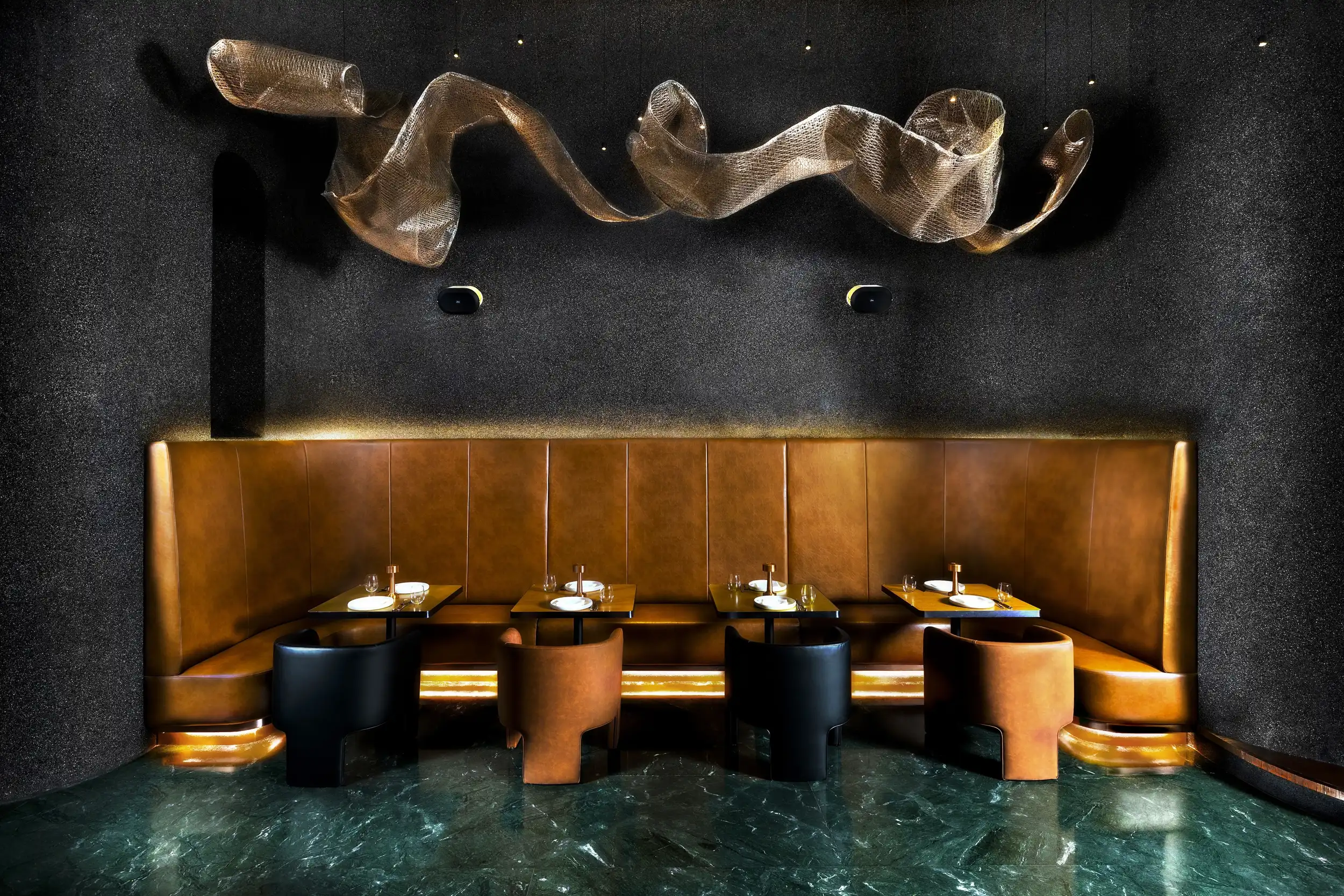
At Jun’s, his flagship restaurant in Downtown Dubai, this philosophy comes to life in dishes that are nostalgic, inventive, and deeply personal. Jun’s is more than just a fine-dining destination, it’s a celebration of borderless cuisine.
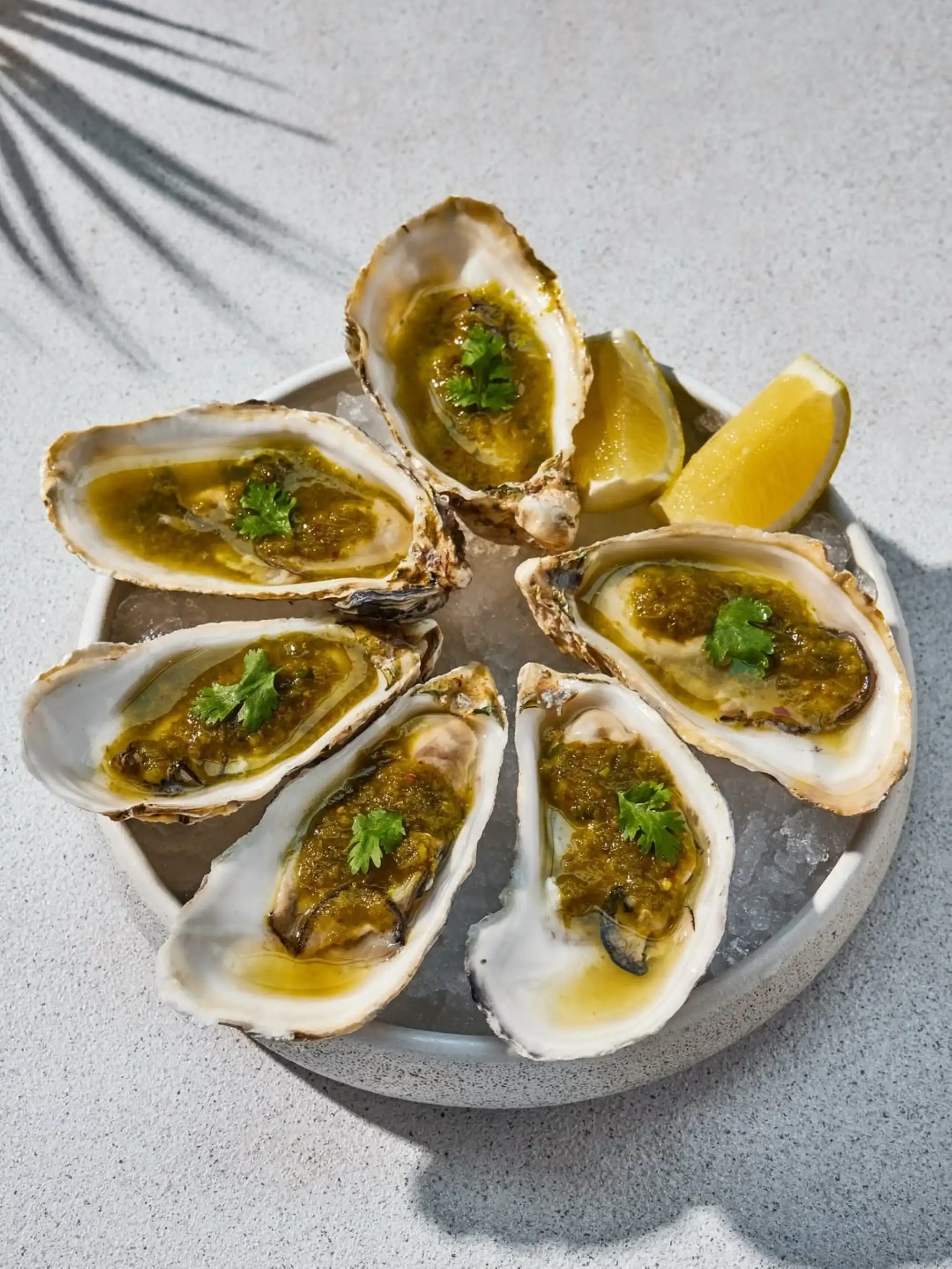
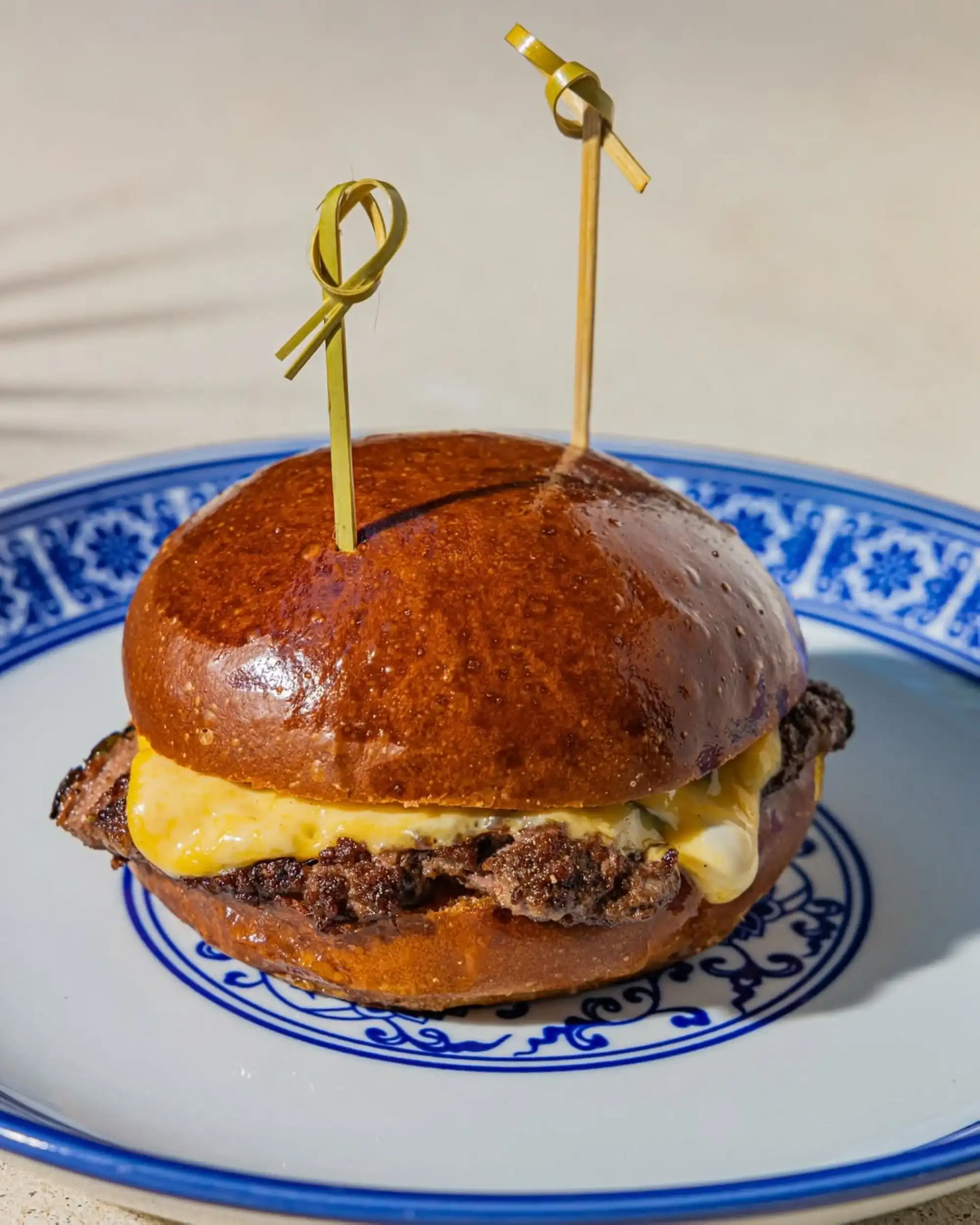
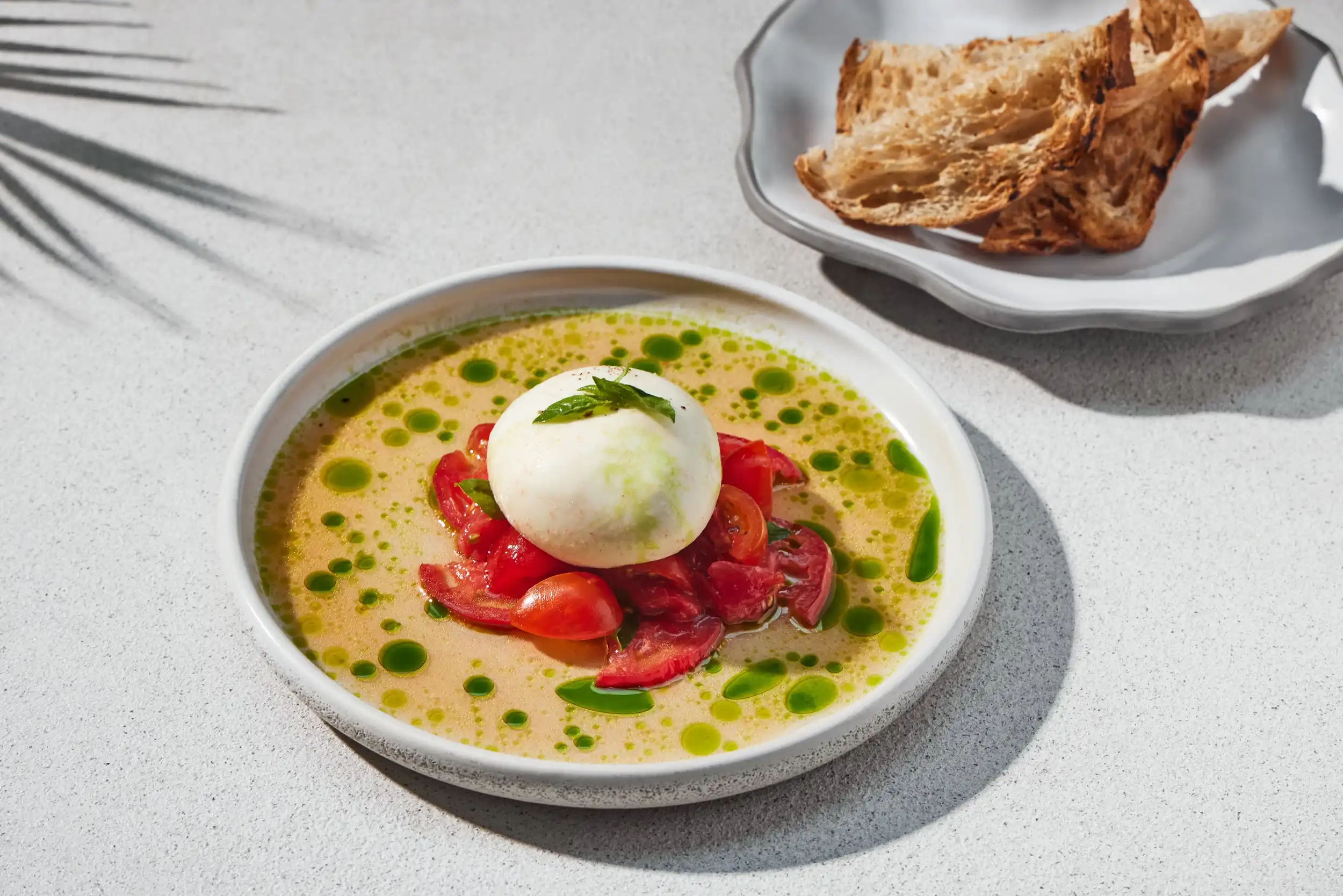
Known for its clean presentation and complex, layered flavours, Jun’s offers a relaxed yet refined atmosphere where guests can enjoy tasting menus that include standout dishes like Lobster Pani Puri, Heirloom Rainbow Carrots, and Mapo Burrata. And, with views of Burj Khalifa, what's not to love?
Chef Kelvin’s menu embraces his storytelling approach to food, meaning every dish carries a memory, whether it’s a nod to his mother’s love of bagels, his childhood in Toronto’s cornfields, or his time living in Mumbai.
Your concept of “third-culture cooking” is deeply personal. Was there a moment you realised this could be a dining concept?
Honestly, it wasn’t one single moment. It was a lifetime of being in-between cultures. Growing up in Toronto with Chinese parents, working in the U.S., spending years in India, and now in Dubai, I never fully belonged to just one culture. Food became my way of bridging those worlds. When I started cooking dishes that reflected that mix, like pairing North American ingredients with Chinese techniques, it felt natural.
Seeing diners respond with curiosity and comfort made me realise: this isn’t just my story, it’s a universal one. That’s when “third-culture cooking” became more than a personal identity, it became a dining concept too.
You’ve said that food should tell a story. Which dish at Jun’s best tells your own story, and why?
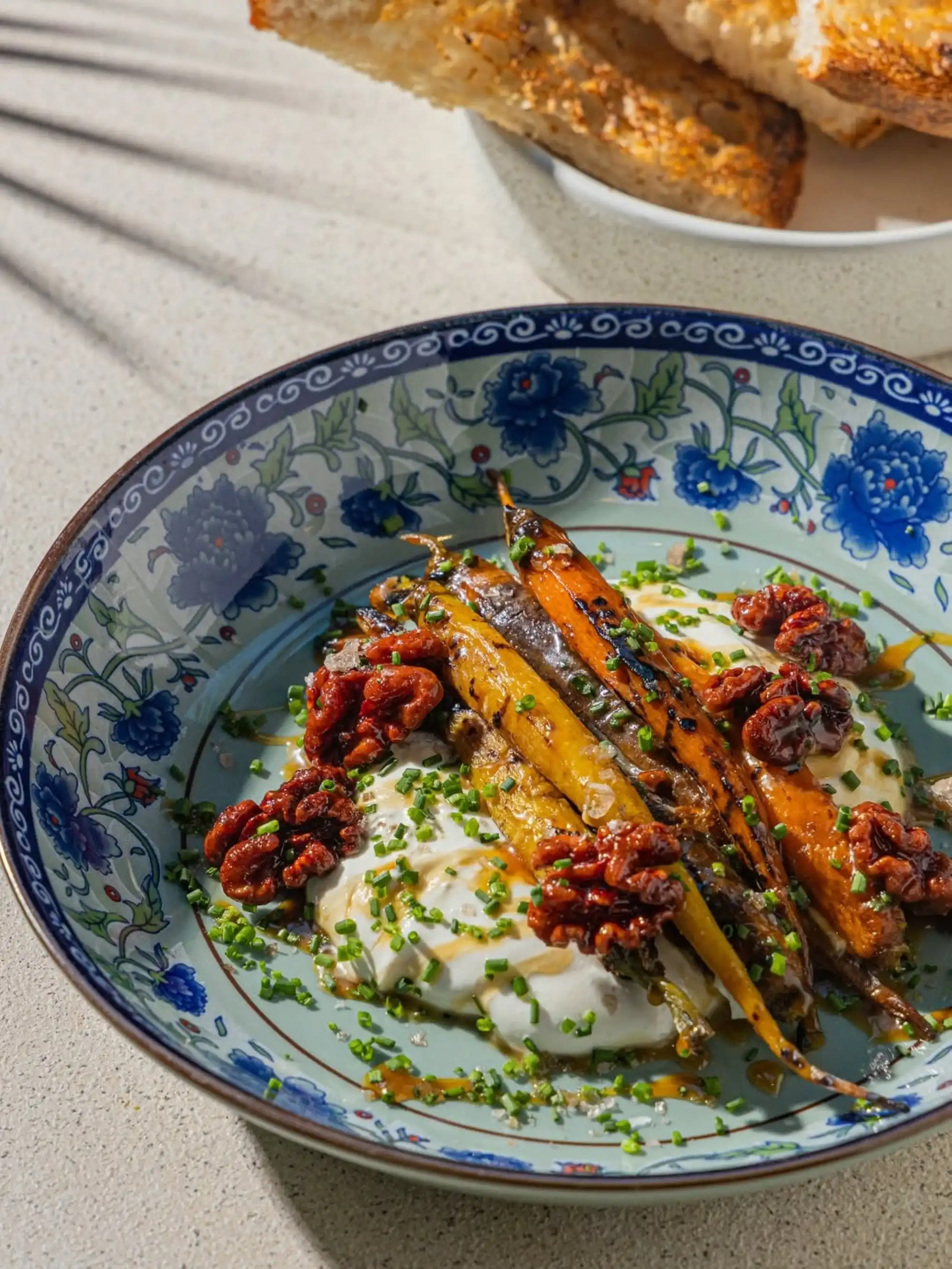
The carrot dish holds a special place in my heart always because it's a flavour that I remember distinctly from my childhood. Like every dish at Jun’s, the Rainbow Heirloom Carrots has a wonderful story told while it's being served that really sticks with guests. It also is a great example of my cooking today and Jun’s Third Culture cooking because it captures that nostalgia while still having third culture flavours.
Upon immigrating to North America, my mother fell in love with bagels topped with smoked salmon and cream cheese. This core memory is a big part of my story growing up as a first generation Canadian in a very Chinese household that generally only served rice. It was the first time we had ever seen North American ingredients suddenly stocked in our kitchen.
I’ve recreated the same smokey flavour in a vegetarian form with charred Rainbow Heirloom Baby Carrots served over smoked labneh and topped with candied walnuts - an iconic garnish in American Chinese Walnut Shrimp - as an ode to my Chinese heritage served with house baked sourdough.
How do you decide which cultural elements to blend in a dish, and how do you do this without losing essence of flavour or authenticity?
The key is respect. I never mash cultures together just for shock value. I ask: does this ingredient or technique tell the story I want? Does it make sense on the palate? For me, authenticity isn’t about cooking a dish the exact way it’s done in one culture. It's about honouring the essence of it. The feeling I got when first eating, hearing, seeing whatever it was that inspired me. If I’m using miso or garam masala, I treat it with the same care as someone who grew up cooking it.
What’s your process for transforming childhood memories, like the corn maze in Toronto, into fine-dining experiences?
It starts with the memory. The smell of fresh corn, the feel of the husk in your hands, the sweetest of that summer crop - peaches and cream corn. Then I break it down: what flavours or emotions do I associate with that moment? Once I have that, I think about how I want diners to eat it. What does the perfect bite look, taste, and feel like? Texture is a big one for me. For the corn, I thought of sweetness, smoke, and warmth, then worked backward to create something elegant but still nostalgic. Fine dining doesn’t mean sterile. We prefer the word “fun-dining” around Jun’s.
Jun’s is known for its simplicity in presentation but complexity in flavour. How do you approach that balance when designing a new dish?
I want guests to feel relaxed, not intimidated. So the plate looks clean, almost minimal. But once you take a bite, it should be layered, surprising, and hopefully far better than you expected.
You’ve cooked across North America, India, and now the UAE, and experienced cultures and countries all around the world. Is there one stand out destination that you would travel back to, purely for the food?
Purely for the food, India. The sheer diversity of flavours, spices, and traditions is endless. You could spend a lifetime there and still be learning. Every state, every region has its own identity and the food is just so fun to eat.
How has your time in the Maldives, especially your zero-waste culinary experience, shaped your views on sustainability in food?
In the Maldives, my family and I went line fishing in the rain, catching Strawberry Groupers and Green Job Fish one by one. Not with fishing poles, but hand line fishing. Later, we handpicked produce from the resort’s gardens and I taught a class on cooking with zero waste before preparing what my son still swears was the best fish he’s ever eaten. What stuck with me was how intentional the Maldivian approach to food is.
The Maldives is a nation built on the ocean, and for years it suffered from the effects of overfishing, from both themselves and their neighbours. Industrial methods damaged marine life, coral reefs, and fish populations. In response, communities and resorts have returned to traditional line fishing, catching fish one by one just like we did. It’s slower, more mindful, but it prevents bycatch, protects fragile ecosystems, and ensures species like tuna, groupers, and reef fish are around for future generations. It was a powerful, hands-on lesson for my son, Bodhi, and for me: if we want future generations to enjoy these same oceans, we need to honour every resource we take from the earth.
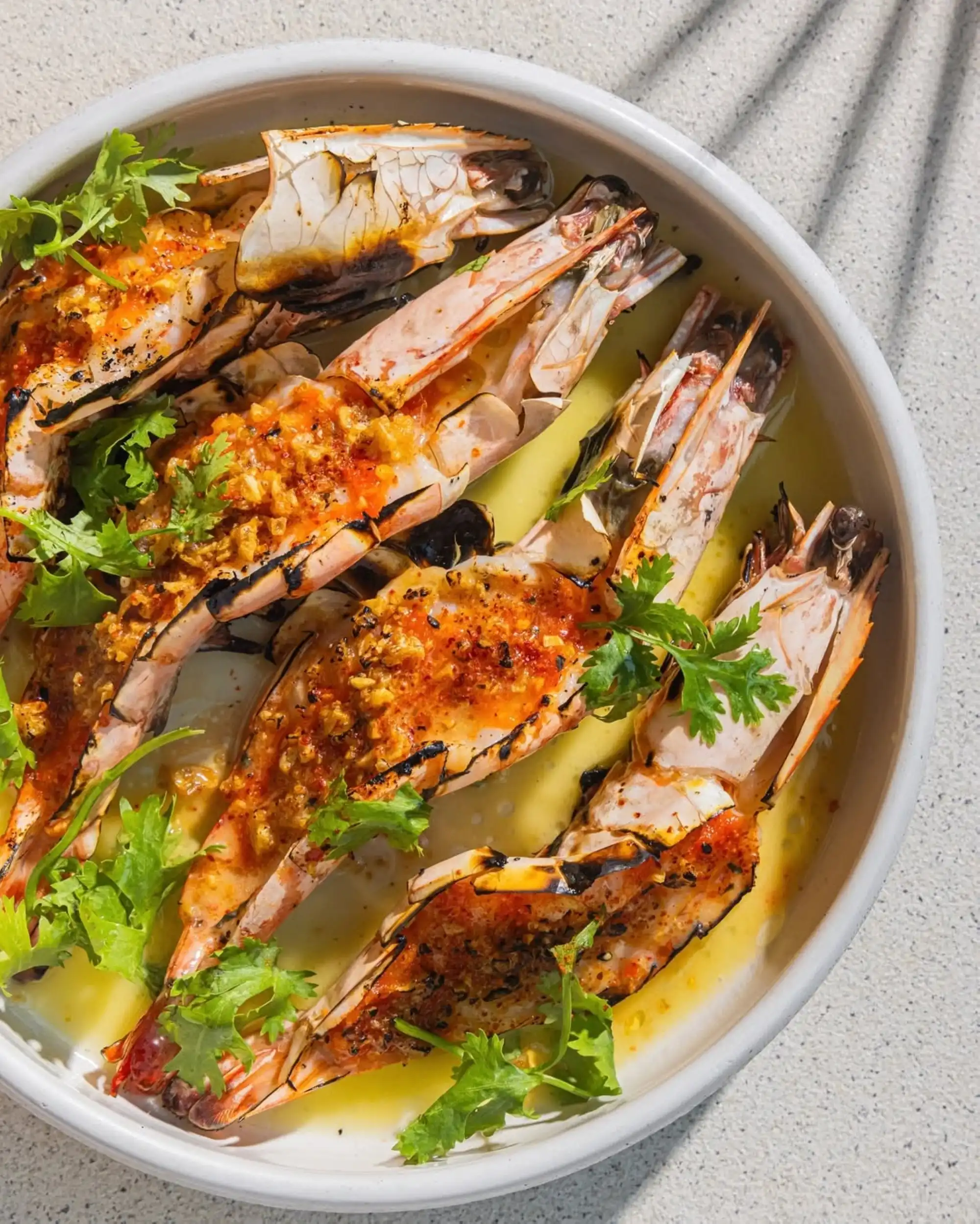
Is there a dish on Jun’s menu that was born directly from a travel experience? Can you share the story behind it?
One of our most popular dishes, Lobster Pani Puri, was born from my time traveling and living in India. Pani puri is one of the most common street foods in India, and is the perfect snack vessel for an explosive bite. Inspired by the deep love of Pani Puri from the local vendor across from my apartment in Mumbai that I developed when I spent significant time cooking and eating across India. I was so impressed that such a simple dish could be so potent in flavour and I knew I would have to recreate that same flavour bomb in my own way.
Jun’s Lobster Pani Puri is filled with butter poached lobster, avocado, and tamarind fluid gel. Don’t love shellfish? We have you covered with a vegetarian mushroom version available too!
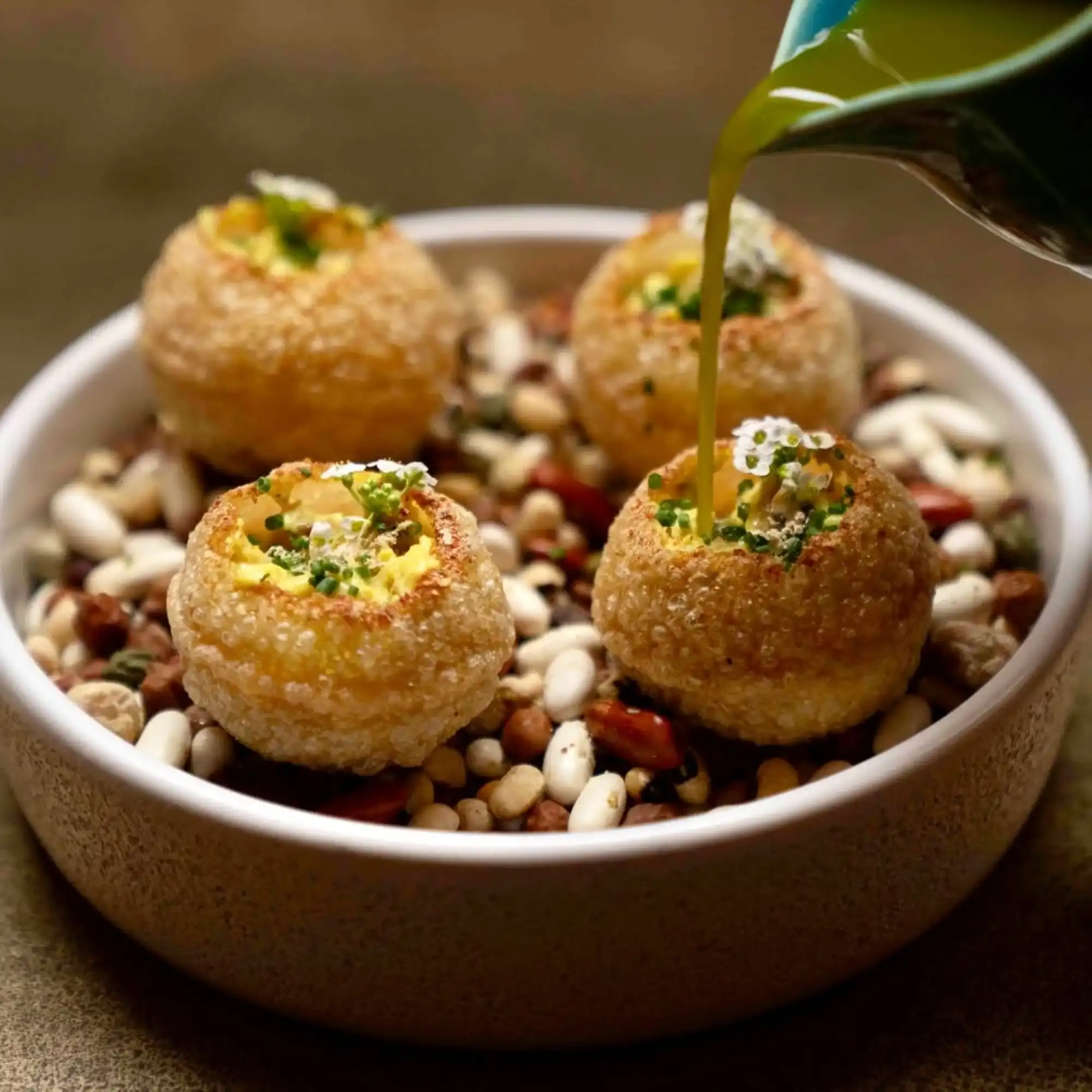
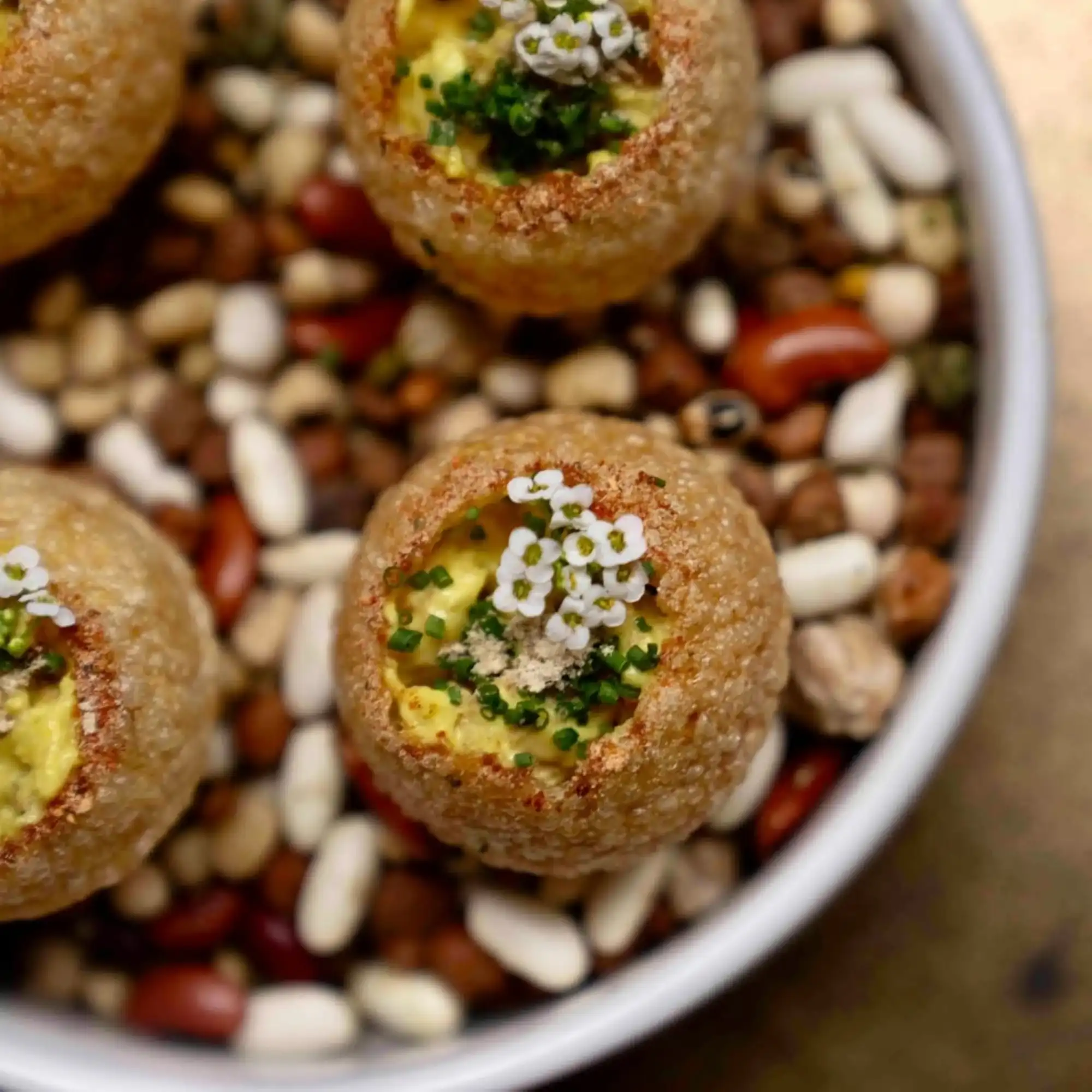
What’s one unexpected ingredient or technique you discovered while traveling that you now use regularly?
Sumac in Jordan. I discovered it on a trip to Amman where I was stunned by the beautifully simple yet rich hummus often served with a bit of ground meat. It’s made it onto our menu at Jun’s too! My version features the lightest, silkiest hummus possible, paired with smoky charred eggplant that is flame-charred for a deep smoky flavour, then sautéed with a house-made pomegranate hoisin, created from pomegranate molasses to add a sweet, tangy complexity.
To give the dish a pop of savoury umami and texture while keeping it vegetarian, the kitchen has crafted a ground walnut keema to mimic the traditional meat component. Served alongside a street-style paratha, perfect for dipping into the hummus and soaking up all those rich, smoky, and nutty flavours.
The most important part of the dish? The Sumac, which I fell in love with and now one of my favourite ingredients to give it a nice citrus floral kick.
If you could open a pop-up version of Jun’s anywhere in the world for one week, where would it be?
We just popped up in Bangkok this year and that was a blast. If it could be anywhere else it would be Toronto. I’m looking forward to one day returning to my hometown and having a full circle experience.
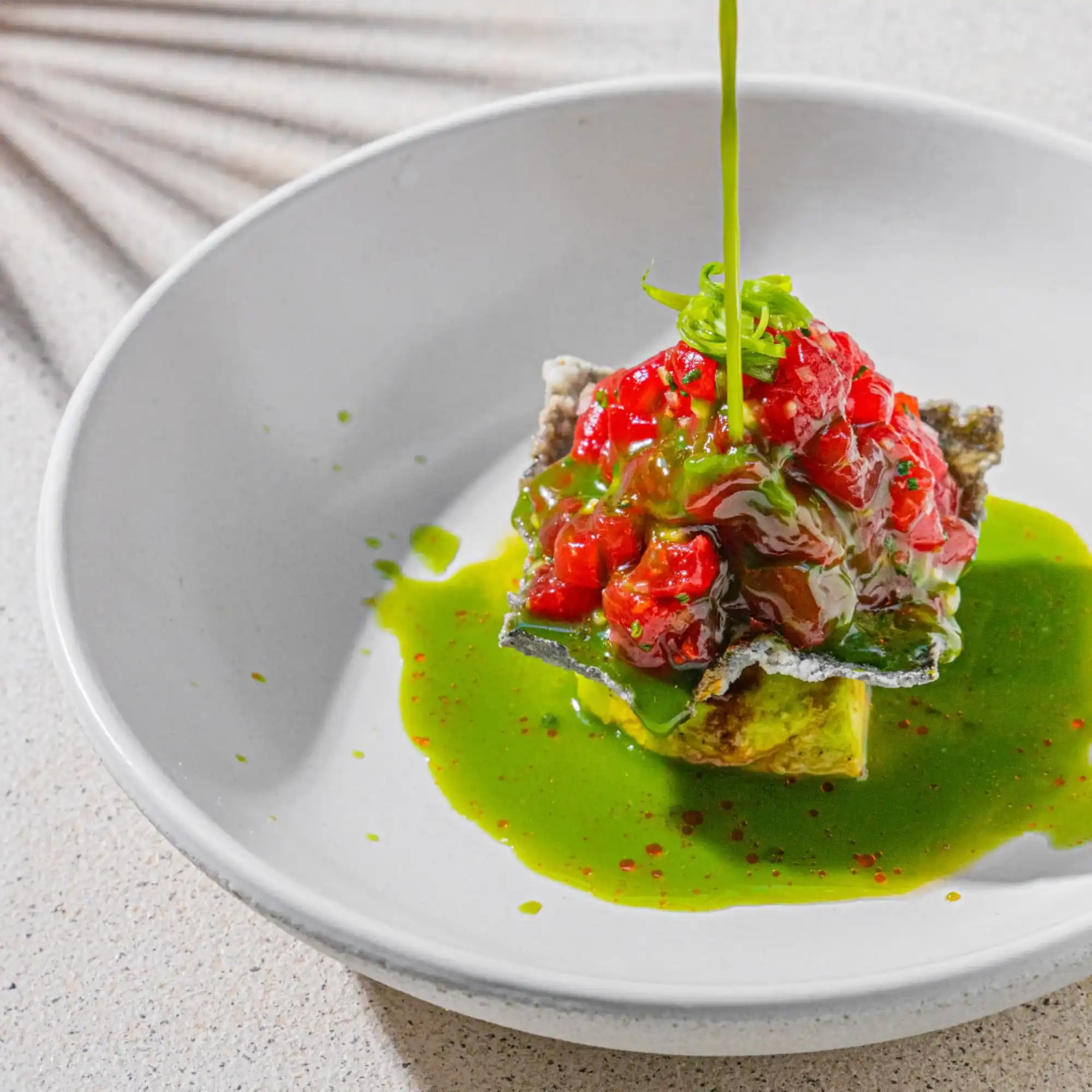
You grew up in your father’s restaurant. What’s one lesson from that time that still guides you today as a chef and leader?
My dad taught me that the restaurant business is about people, not just food. You can cook the most perfect dish, but if you don’t treat your staff and guests with respect, it won’t matter. That lesson grounds me every day. He could remember almost anyone’s preferences for their food, even without remembering their names. It was such a huge talent!
You’ve spoken about humility and control being essential for young chefs. How do you instil those values in your team at Jun’s? And what is your key piece of advice for budding chefs?
I try to lead by example. I can’t expect my team to behave differently than what I am showing them myself.. Humility comes from reminding everyone, myself included, that we’re always learning. My advice to young chefs is: listen more than you talk.
How has becoming a father yourself influenced your approach to food?
When I cook for my son, it’s about joy, comfort, and health. That mindset naturally seeps into my cooking at Jun’s. I think more about how a dish makes you feel, not just how it looks, and what you’ll take away from the meal. My son loves story time, and we love telling stories at Jun’s!
What’s the most meaningful compliment you’ve received from a guest at Jun’s?
A member of the Royal Family once came and afterwards sent me a bouquet of flowers and a handwritten note on family stationary thanking me for the experience and specified dishes they really enjoyed. It wasn’t the compliment that stuck with me, but the fact that they could go anywhere in the city yet they chose to come to Jun’s and took the time to send a message afterwards. That really stuck with me and a great lesson to make the time to express gratitude. It’s contagious.
Being recognised by Michelin is often a culmination of years of dedication, honing your craft, and continuous improvement and it is considered one of the highest accolades in the dining industry, can you tell us about the moment Juns received the award?
When we were selected by Michelin Guide, my first thought wasn’t pride, it was gratitude. Gratitude to my team for working so hard, to my family, and to every mentor along the way.
Jun's, Sheikh Mohammed bin Rashid Blvd, Downtown Dubai, Dubai
Book your table here
@junsdubai
@chefkelvincheung