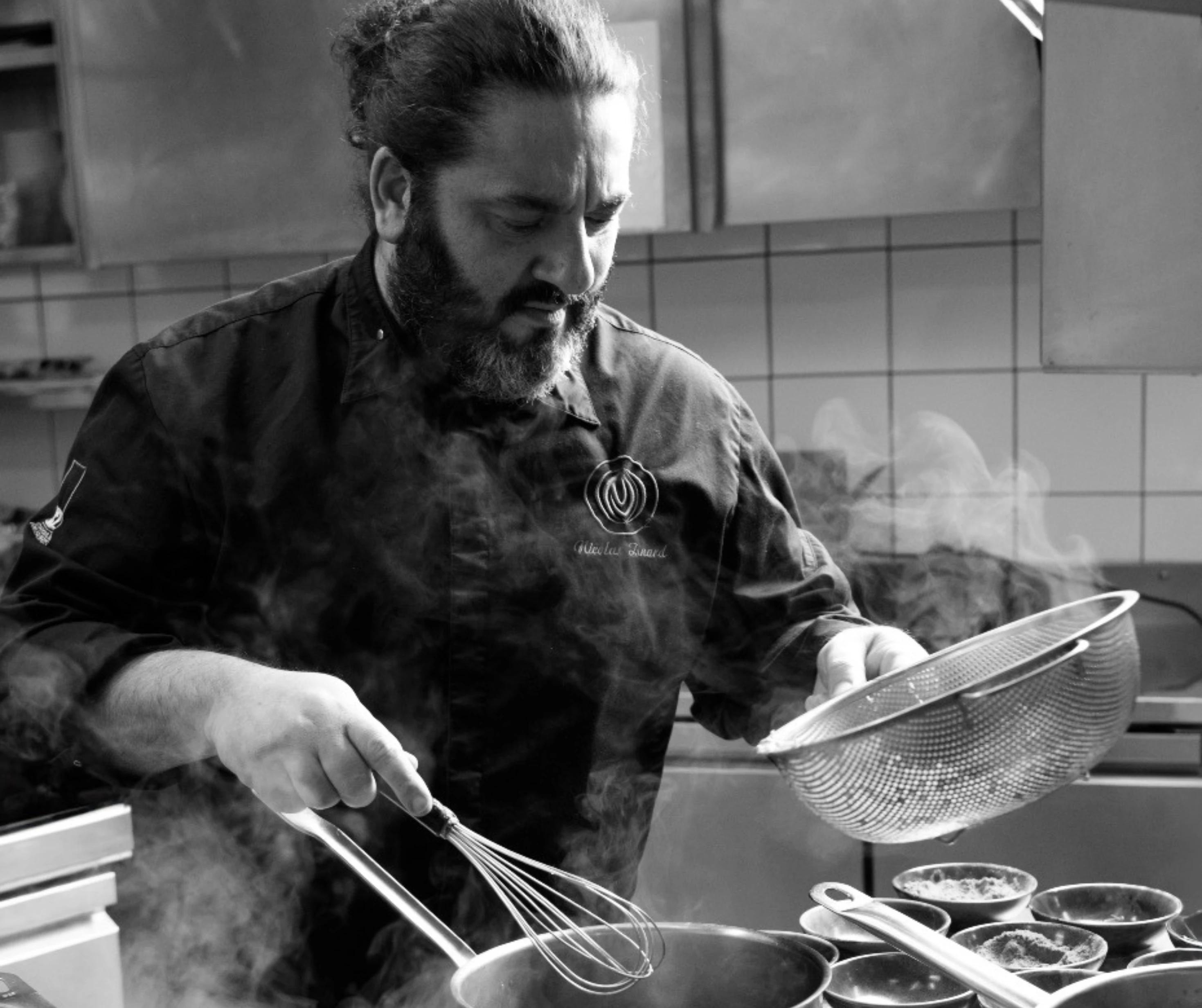




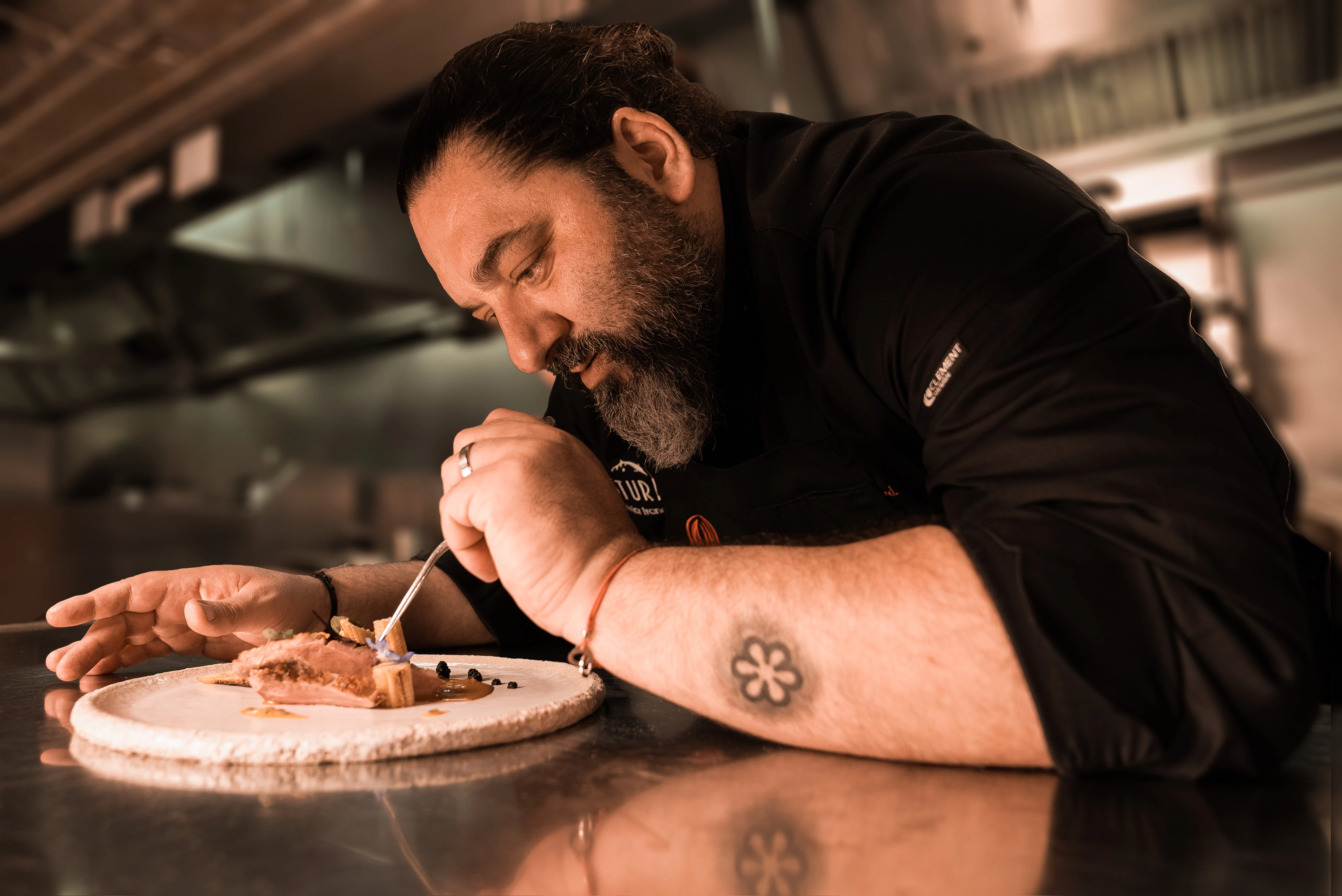
Chef Nicolas Isnard is a celebrated French culinary legend whose career spans continents and cuisines, marked by innovation, precision, and a deep respect for heritage.
Born in the south of France and influenced early on by his grandmother’s cooking, Chef Isnard honed his craft under several prestigious MICHELIN-starred chefs and in highly respected kitchens around the world, including La Prieuré, Le Vieux Logis, and La Rotonde.
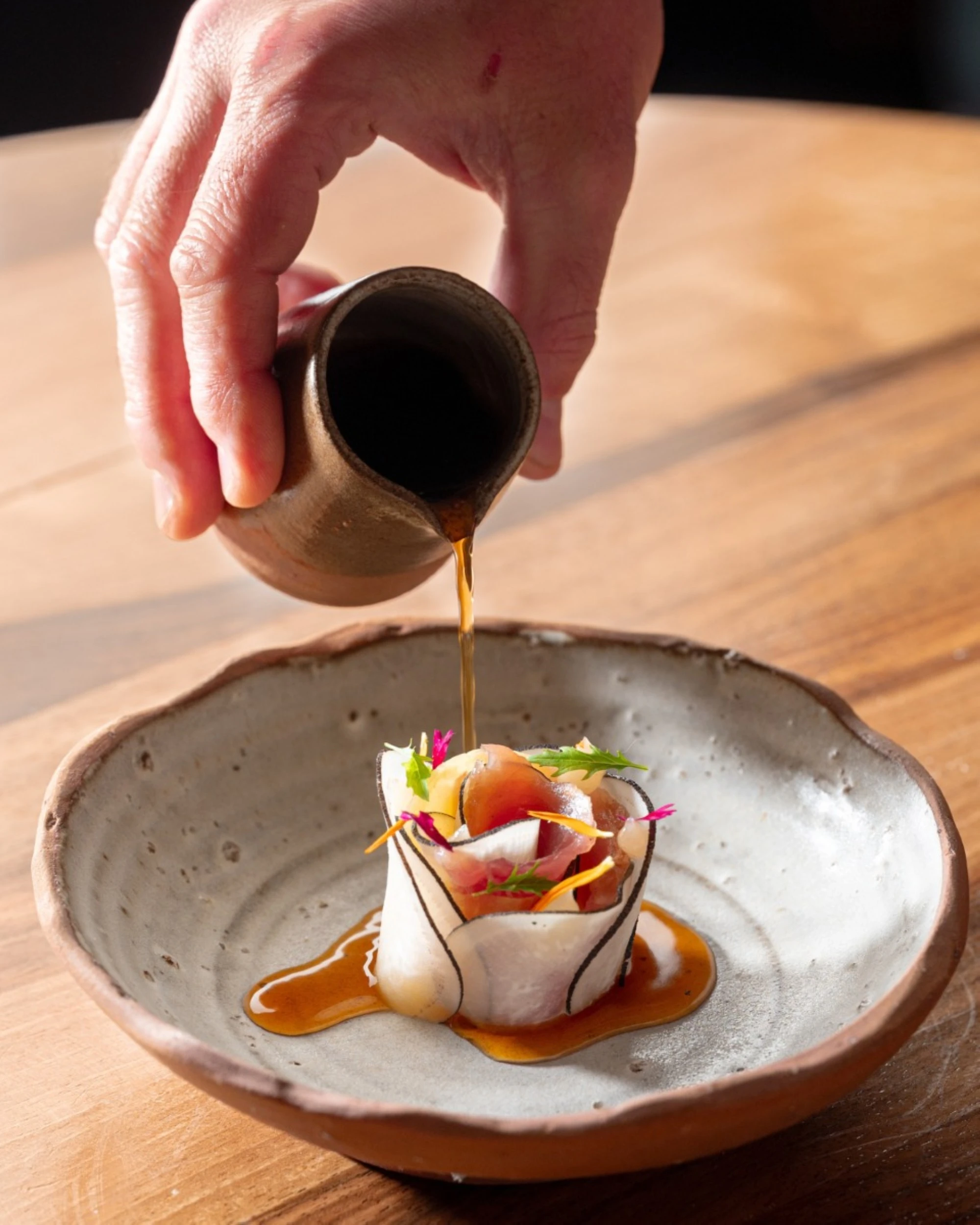
Known for his inventive approach to French cuisine, Chef Isnard blends classical techniques with global influences, often drawing inspiration from his extensive travels across Asia, the Middle East, and Europe. His signature dish, Modern Onion Soup 2.0, exemplifies this philosophy, reimagining a rustic French staple with contemporary textures and temperatures, adding a thought-provoking and layered approach to a traditional dish.
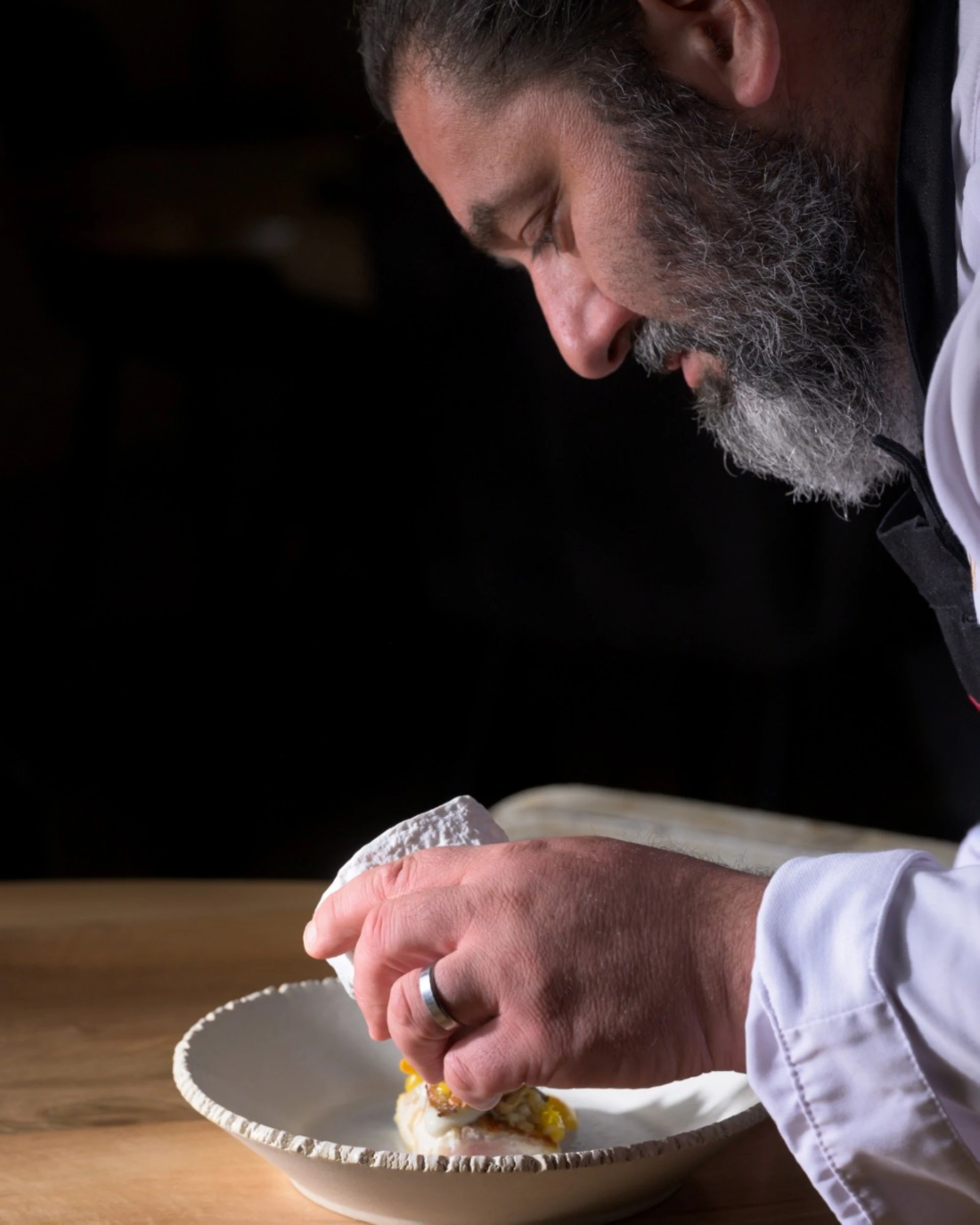
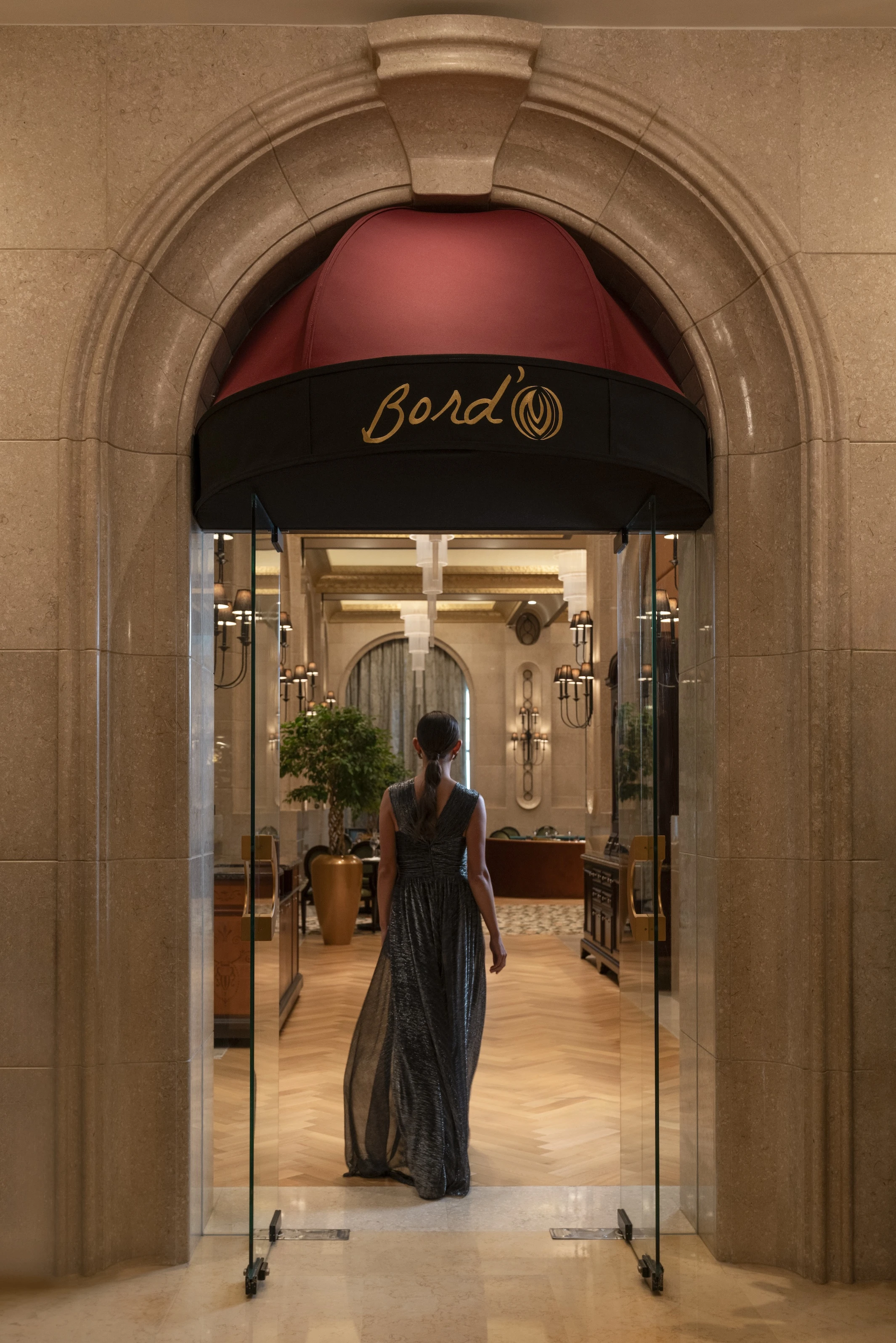
In 2009, he co-founded L’Auberge de la Charme in Burgundy, France, which earned a MICHELIN star within its first year and remains a cornerstone of his culinary identity. In Saudi Arabia, Chef Isnard currently leads the culinary direction at House of Grill in Fairmont Riyadh, where he brings his refined Mediterranean sensibility to the Kingdom’s capital. His presence in the region also includes Bord Eau by Nicolas Isnard in Abu Dhabi, which was selected for the MICHELIN Guide Abu Dhabi 2025. Through these ventures, Isnard continues to champion bold flavours, elegant presentation, and a commitment to storytelling through food—making him a compelling figure in the evolution of fine dining across the Gulf.
You Might Also Like: Will these 20 restaurants in Saudi Arabia be awarded MICHELIN stars?
The Crafting of the Chef
You’ve worked with legends like Gilles Goujon and Alain Ducasse. What are the most valuable lessons you’ve learned from those kitchens?
It was such an honour working with culinary legends such as Gilles Goujon and Alain Ducasse and I have learnt so much from them such as being discipline and always maintaining a high standard. Gilles Goujon taught me the love of the product and the importance of staying true to my roots. On the other hand, Alain Ducasse gave me a global vision, teaching me that cuisine is a universal language, both readable and emotional.
Is there a piece of advice you were given early in your career that stayed with you as a chef?
Yes, it is “never cheat with a product.” This taught me to always respect seasonality and authenticity and to this day, it continues to be the foundation of how I cook today.
Has there been a particular moment in your career that profoundly shaped your approach to food?
My first experience in Asia was a revelation. Discovering countries like Vietnam and Japan and immersing myself in their street markets completely changed the way I understand flavours and how to balance each spice delicately. My time in Asia truly opened my eyes to new possibilities and it still influences the way I cook today.
On Why Dining Should be a Dialogue of Dishes
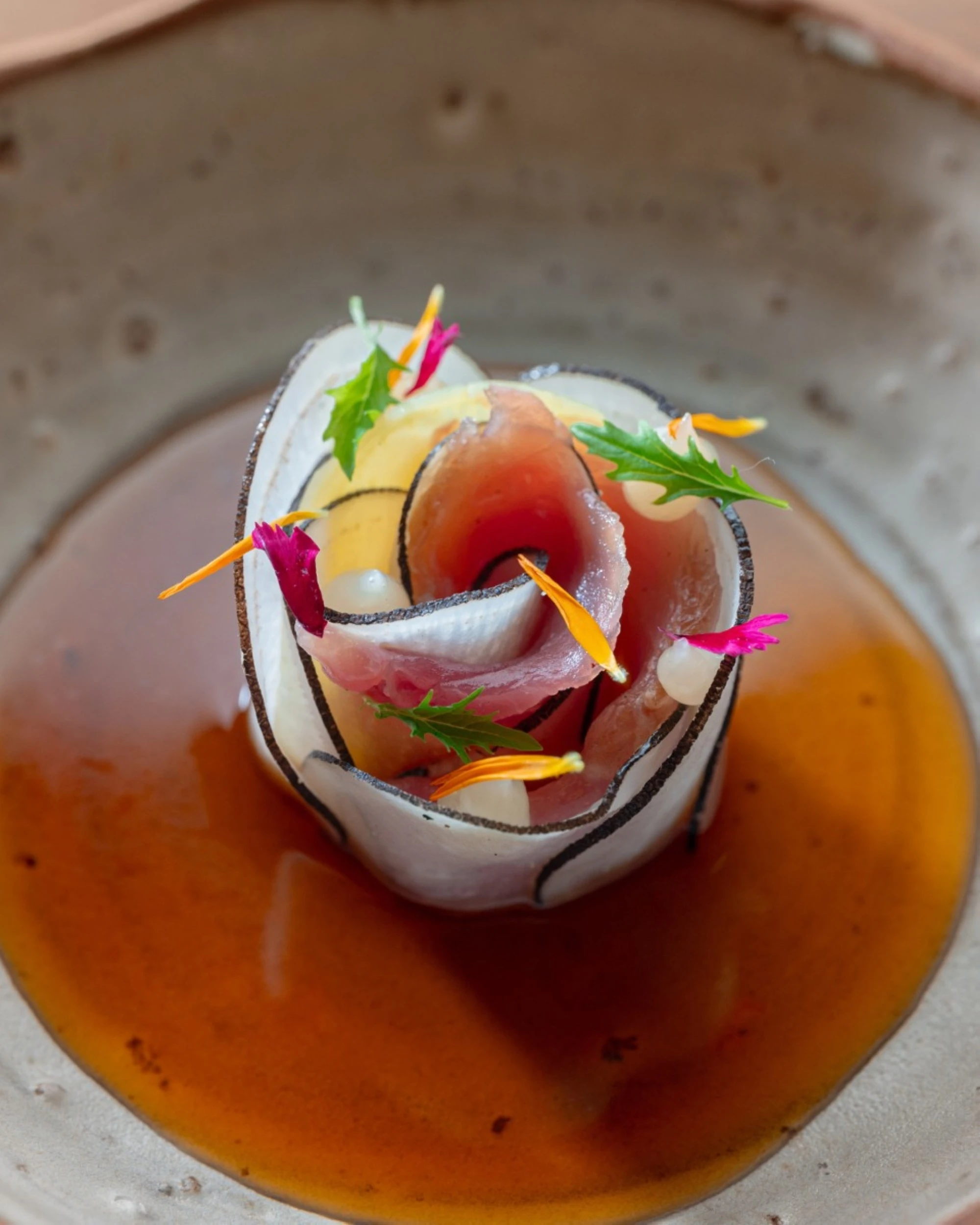
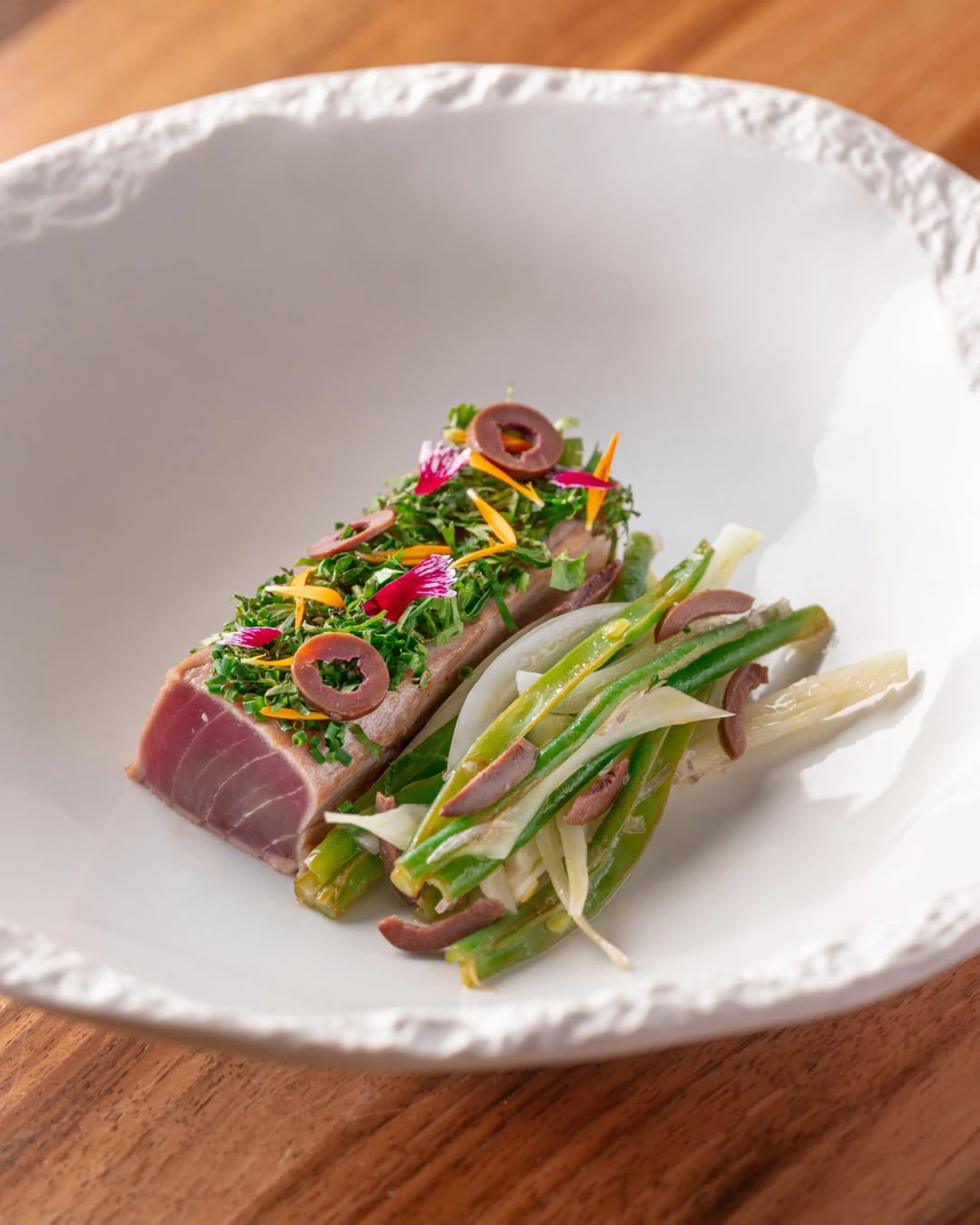
How do you balance honouring French culinary tradition with integrating global flavours?
I always start with mastering the French technique, after which, I add a foreign colour or element. It is a lot like a painter who masters the brush but experiments with new colour palettes. As mentioned earlier, the key is to respect tradition, and global flavours will shine through naturally.
You’ve said you want to avoid “fusion confusion.” How do you ensure coherence when blending diverse influences?
Answer: It always starts with the product. I never mix for the sake of mixing; there has to be a clear logic behind it. For me, it is about finding the right balance of taste, emotion and storytelling, so that every combination feels natural and meaningful and not forced.
You describe your cuisine as a bridge between cultures. Can you share a dish that embodies this philosophy?
My lamb with miso and cassis is a perfect example. It is a marriage between flavours from Burgundy, Japan and Provence where every bite tells a story of the time I spent in each of these countries.
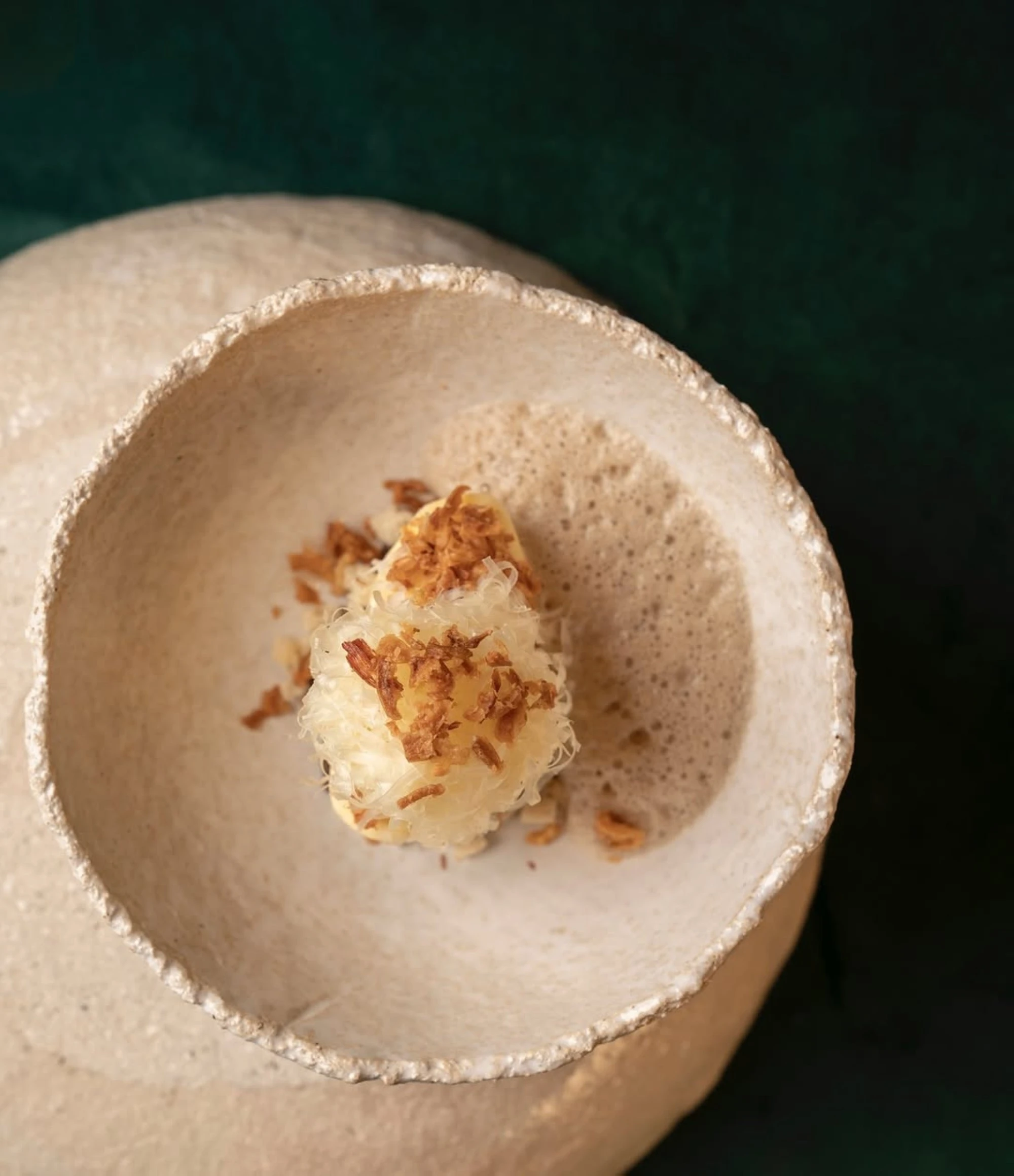
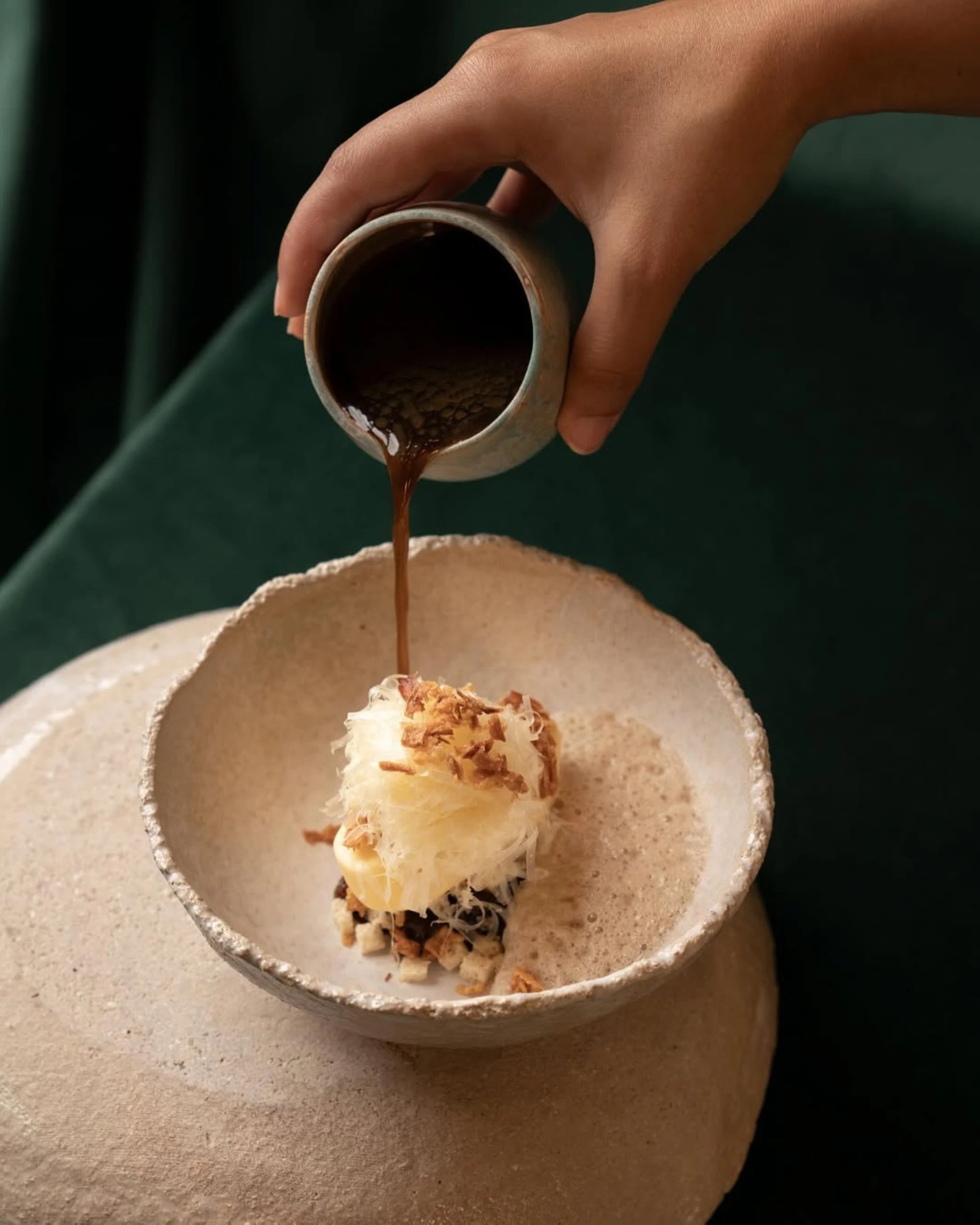
Your Modern Onion Soup 2.0 has become iconic. What inspired you to add onion ice cream to such a traditional dish?
I wanted to surprise guests by bringing an element of freshness. Onion soup is a true symbol of French conviviality, and by adding ice cream, it allows me to highlight the contrast between tradition and modernity.
What role does storytelling play in your menus at L’Auberge de la Charme and Bord’Eau?
Storytelling is at the heart of everything we do at both L’Auberge de la Charme as well as at Bord Eau by Nicolas Isnard. Every dish represents a journey, a meeting or an emotion, carefully crafted to narrate a story. Guests don’t just come to eat; they come to experience a story and understand the meaning behind each creation.
Rooted in France, Inspired by the World
You’ve cooked and travelled around the world, from Abu Dhabi to Jakarta. Is there one city you’d return to just for the food?
Hanoi, Vietnam, without hesitation. The vibrant energy of the markets, the complexity of the broths and the finesse of fresh herbs are truly unforgettable.
You’ve said that “travel starts from home.” How do your roots in Provence and Burgundy continue to influence your cooking today?
My roots in Provence and Burgundy have shaped everything that I am today. I carry the products, the wines and all the flavours that carry memories of home with me wherever I go and it forms the foundation of everything that I create. I draw as much from olive oil, garlic and tomatoes as I do from cassis, snails and Burgundy cheeses.
Is there one dish that is your comfort food, or that you enjoy cooking for loved ones?
Yes, it is Provençal aïoli. It is a simple yet generous dish that is perfect for sharing with loved ones. It reminds me of where I started from and brings me back to my roots.
How has travel shaped your culinary identity over the years?
Travelling to different countries completely changed my outlook on a lot of things. It taught me humility; showing me that every culture has its own culinary treasures and unique approaches to balancing different flavour profiles. Experiencing these different cultures and cuisines has not only helped me in expanding my flavour profile but also constantly challenges me to think outside the box.
What ingredient discovered abroad is now indispensable in your kitchen?
It would have to be yuzu. Its subtle acidity brightens every dish without overpowering them and adds a layer of freshness that I have not been able to achieve with anything else. It has slowly yet surely weaved itself to be indispensable in my kitchen.
From Vietnam’s pho to Japanese dashi, you draw inspiration from Asian street food. What dish most profoundly changed your vision of flavour?
Definitely Vietnamese pho. The depth of its broth, combined with the delicate balance of freshness and umami, completely moved me. It made me realise that even such a simple dish can carry so much complexity.
Advice from a Professional
What advice would you give young chefs wishing to follow in your footsteps?
Be curious and travel as much as possible but never lose sight of your roots. And above all, be patient as cooking is a marathon and not a sprint. Skills, creativity and understanding different flavours will not happen overtime, so be patient and enjoy the journey.
@nico_isnard
@aubergedelacharme_
@bordeaubynicolasisnard at @shangrilaabudhabi
@houseofgrillksa at @fairmontriyadh
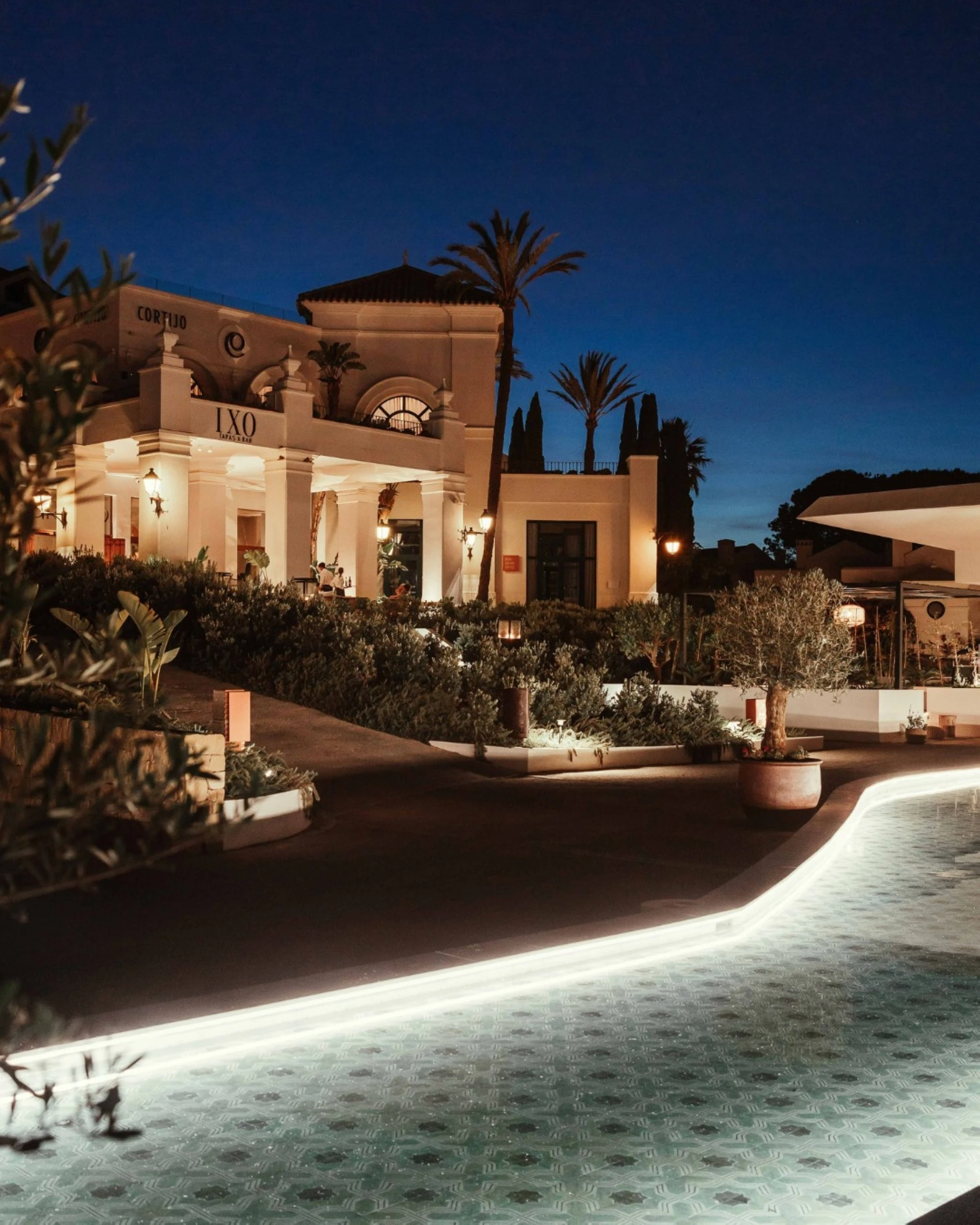
@cortijo_restaurant at @so_sotogrande