



The Kingdom is an increasingly popular destination for tourists and accordingly, getting a tourist visa is easier than ever, and sights that were off-limits to outsiders for decades are now throwing open their doors to visitors.
Unlike more touristed areas of the Arabian Peninsula, Saudi Arabia is home to unparalleled historical sites such as AlUla, as well as cities like Jeddah that were important multicultural metropolises back when the cities of the UAE were mere villages.
Meanwhile, Saudi Arabia’s path to becoming a tourism sensation is being forged by a 40-million-strong Saudi population, the majority of them under 40 years old. For so long, the country was closed off to outsiders but now, for the first time since its creation in 1932, it has opened its doors. Start planning your trip with our insider’s guide to visiting Saudi Arabia.
When should I go to Saudi Arabia?
The better question, perhaps, is when not to go.
Unless you like the heat, most visitors from cooler climes will want to avoid travelling to Saudi Arabia in the high summer months of July and August, when temperatures are routinely above 40°C, humidity is in the high 80s, and cities like Riyadh and even coastal Jeddah are best enjoyed indoors.
Like elsewhere in the Gulf, Saudi Arabia is built for the heat, and inside the malls and hotels and on most public transport, air conditioning is ramped up (to the extent that you may actually want to pack a jumper). But if you plan to hike or hit the beach, the summer months are a challenge.
The other factor, of course, is Ramadan. Since it is based on the lunar calendar, the Muslim holy month is 11 days earlier every year, so the timing varies. For Muslims, Ramadan can be an exciting and deeply spiritual (as well as extremely busy) time to visit the birthplace of Islam. For everyone else, it can be a challenge – you will not be able to eat or drink anything outside your hotel room between sunrise and sunset, and many sights will be closed.
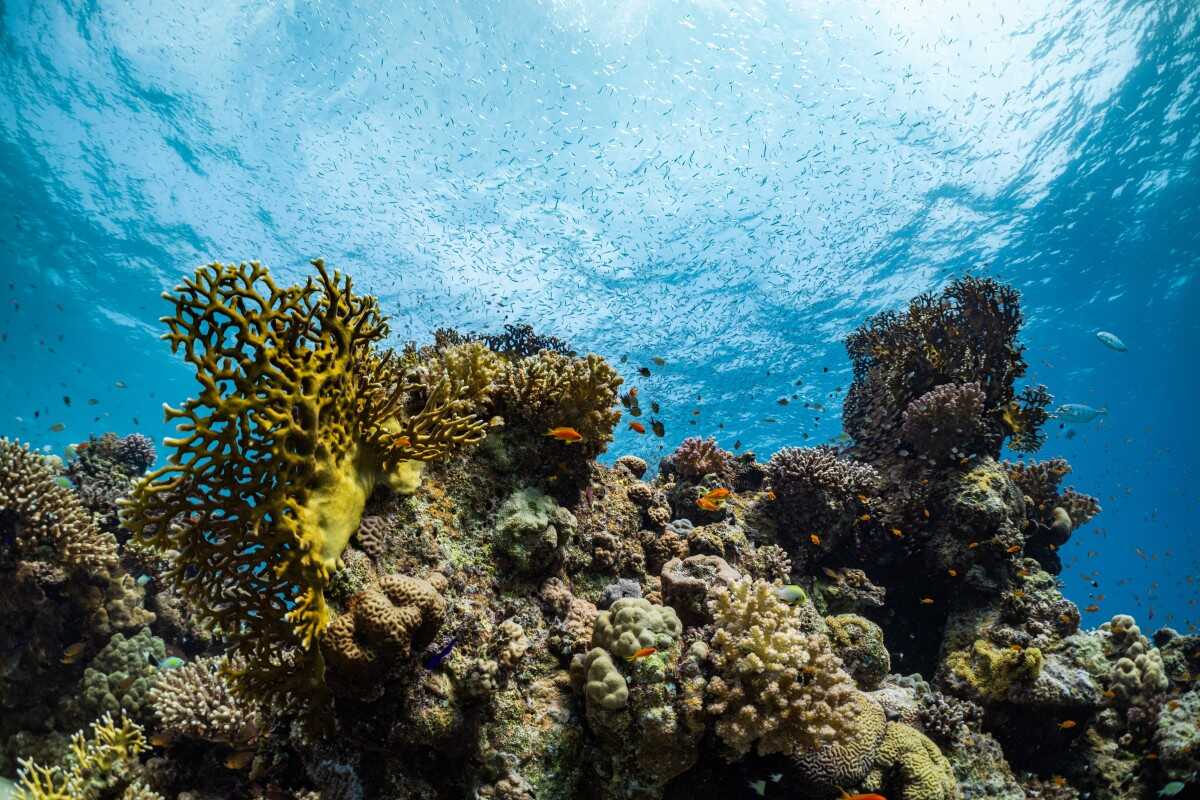
Outside of the hottest months of the summer and Ramadan, and apart from the odd sandstorm, the weather in Saudi Arabia is incredible – think blue skies and sunshine most of the time. In the winter months, November through February are the best time to visit the coasts. Major events are increasingly attracting more tourists, but these increased numbers also mean the hotel rates rise accordingly.
Is it easy to get to and around Saudi Arabia?
Saudi Arabia remains a country dominated by cars and in most of the cities, taxis are the best option for short hops – especially since the arrival of ride-sharing apps like Careem and Uber.
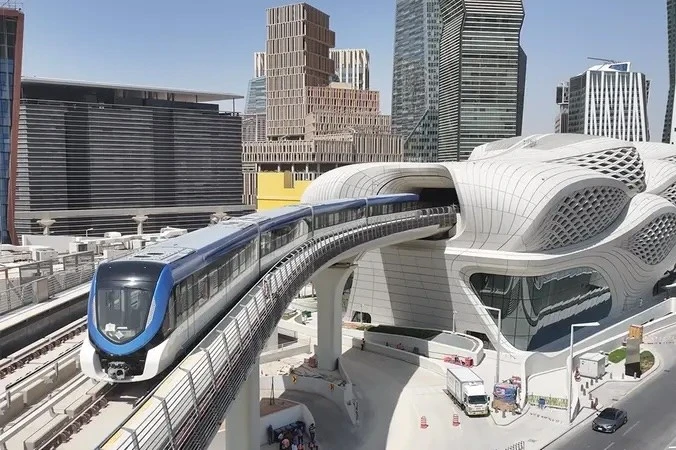
Riyadh’s new Metro has made travel in the notoriously sprawling capital far easier, and the existing bus system links all the major sites and is safe, cheap and – most importantly – air-conditioned.
For intercity travel, trains are a useful and affordable option rather than flying (or driving) and new lines are opening all the time. If you are travelling from Riyadh to Jeddah, or Jeddah to the Eastern Province, the easiest (if less sustainable) way to travel is via internal flights.
Top things to do in Saudi Arabia
Explore the capital of the Kingdom, Riyadh
Riyadh used to be a destination only visited by business travellers and even then, they rarely left their hotel. These days, it couldn’t be more different. From heavyweight title fights and world-class museums to live music and dining options, and with relatively easy access to nearby historical sites, Riyadh is an essential stop on any Saudi itinerary.
Get to know Saudi culture in Jeddah
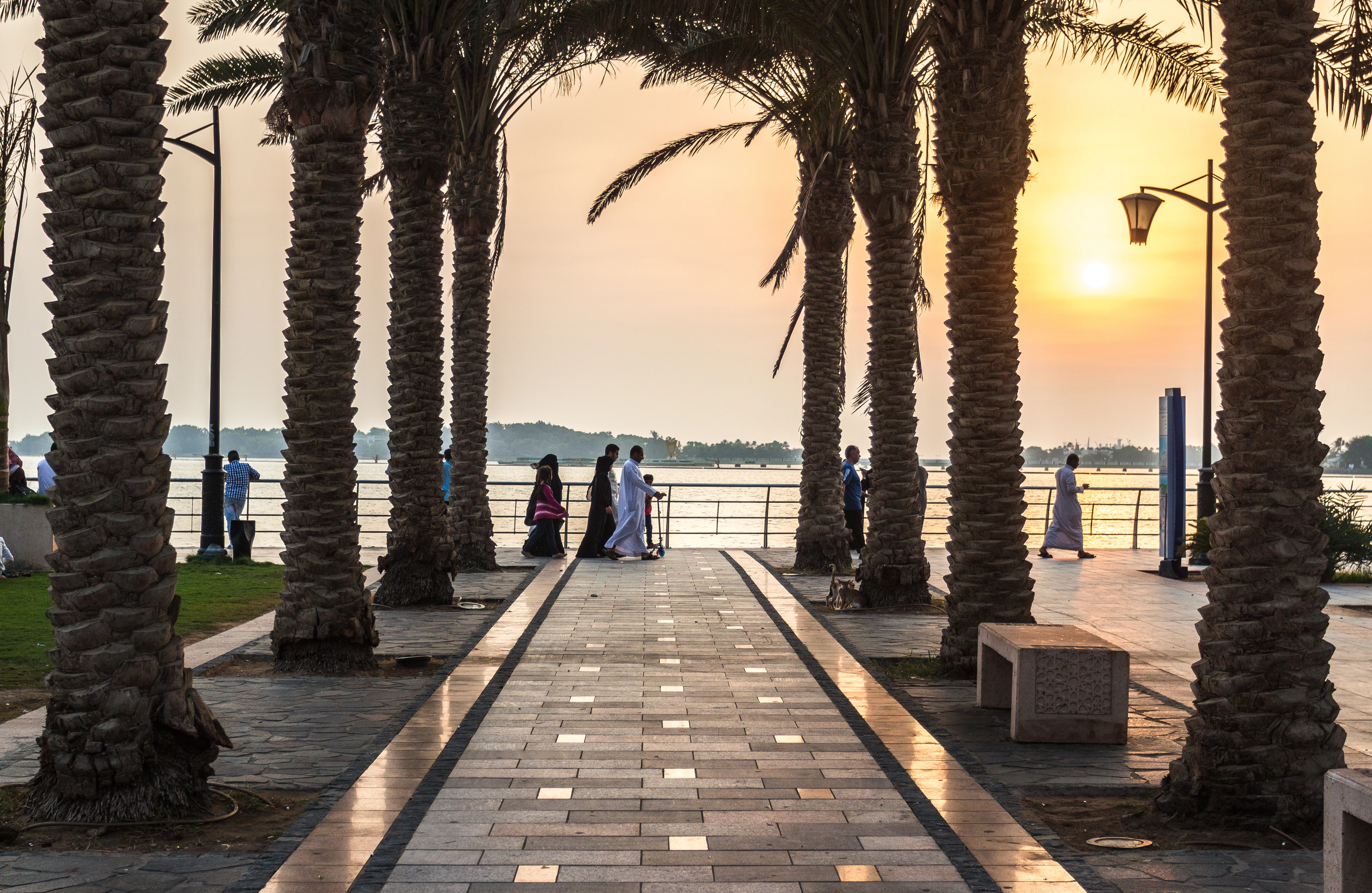
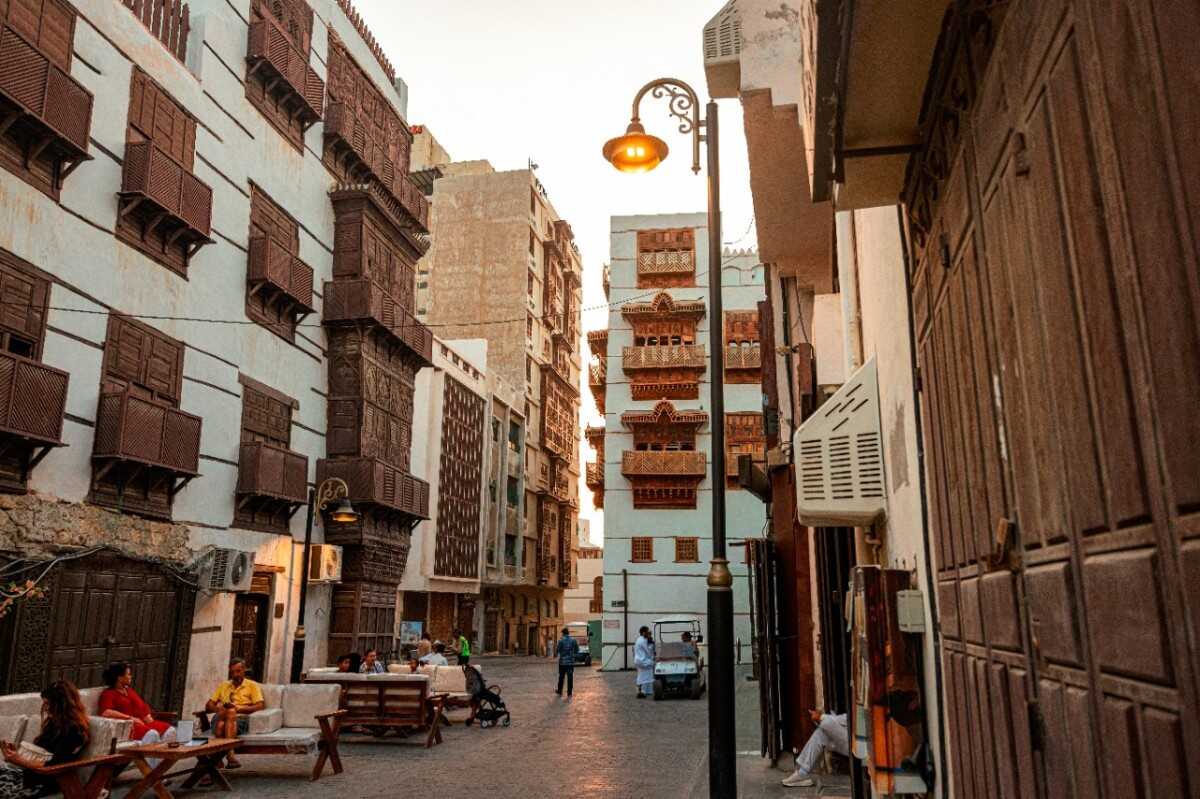
If Riyadh is Saudi Arabia’s heart, then Jeddah is its soul. From its traditional Hijazi architecture and bustling marketplaces to its myriad museums and atmospheric corniche, this is a city that has cast its spell on visitors and residents for two thousand years. For Muslim travellers, this is a gateway to Makkah (Mecca). For non-Muslims, this is as close as you are going to get.
AlUla is the jewel in the Kingdom's crown
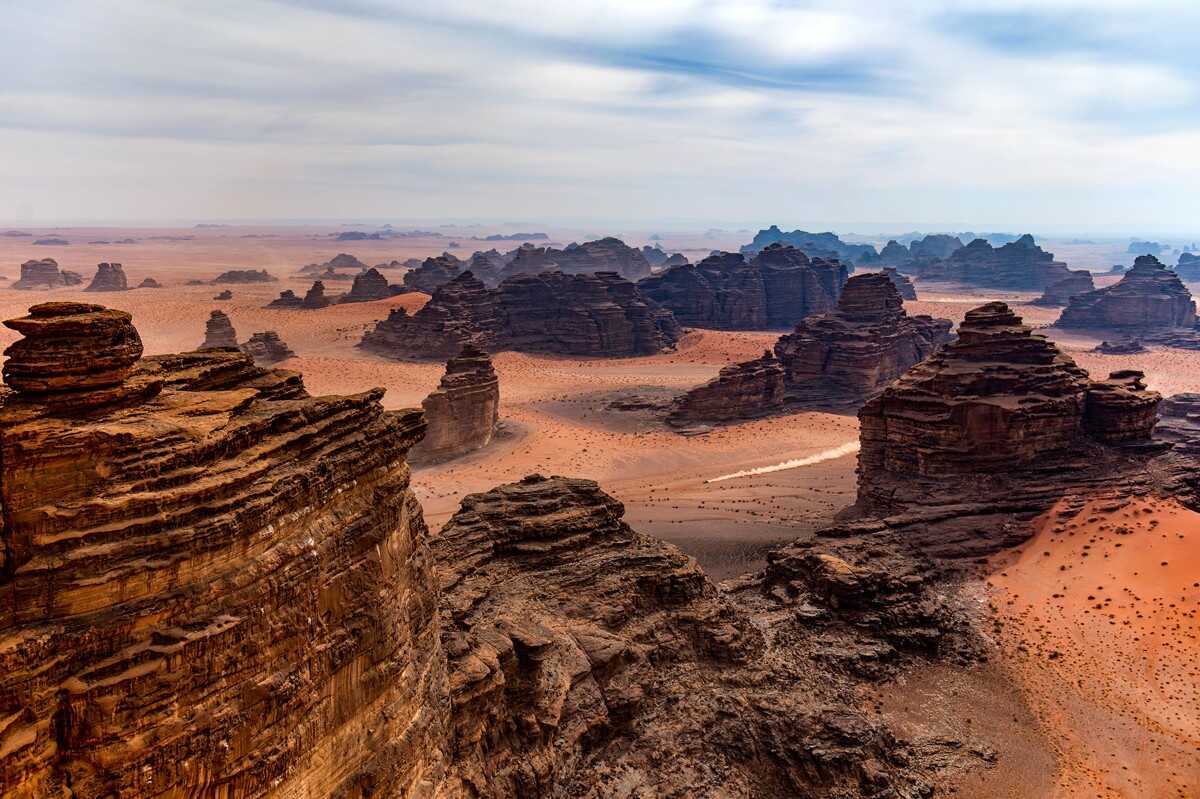
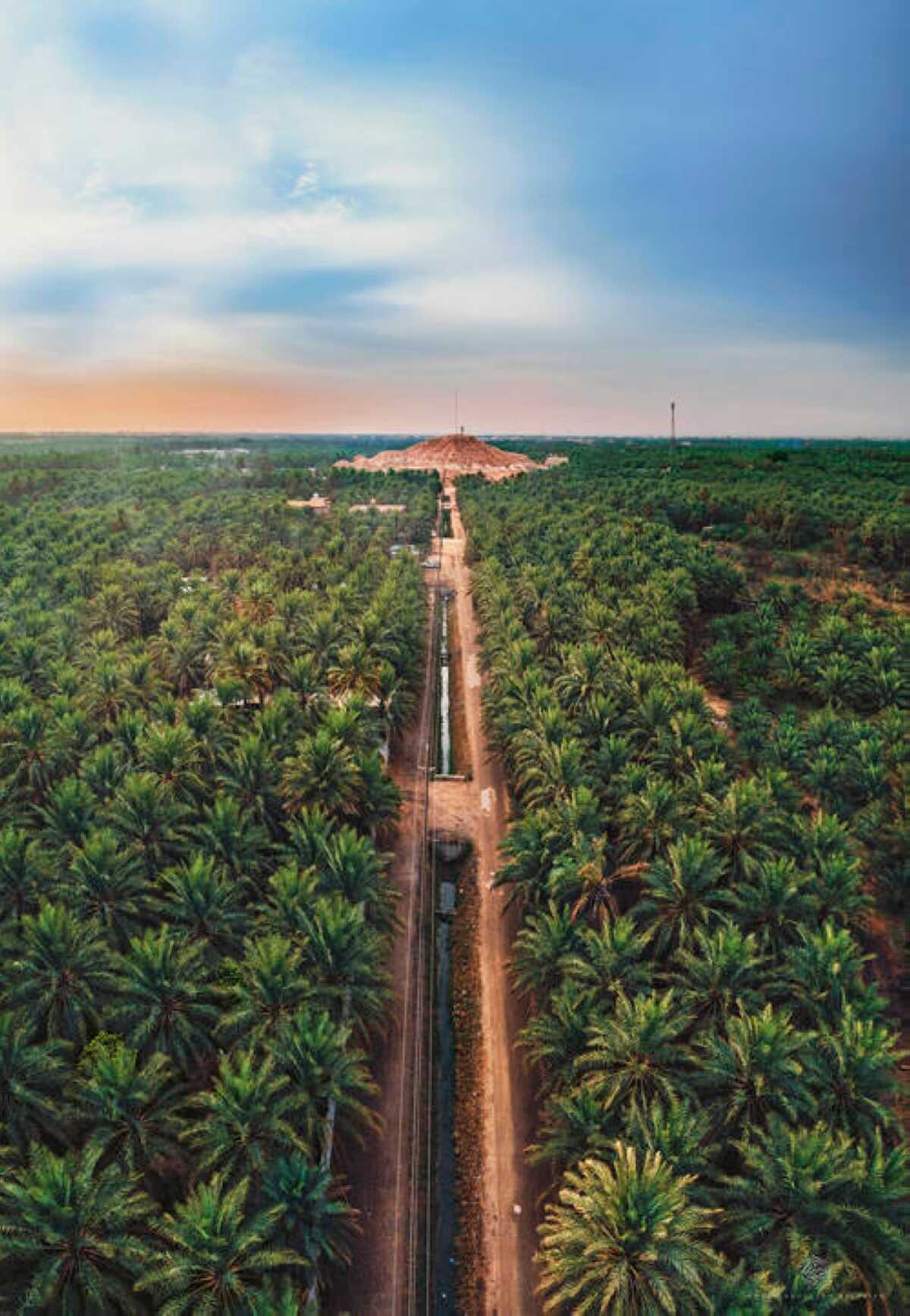
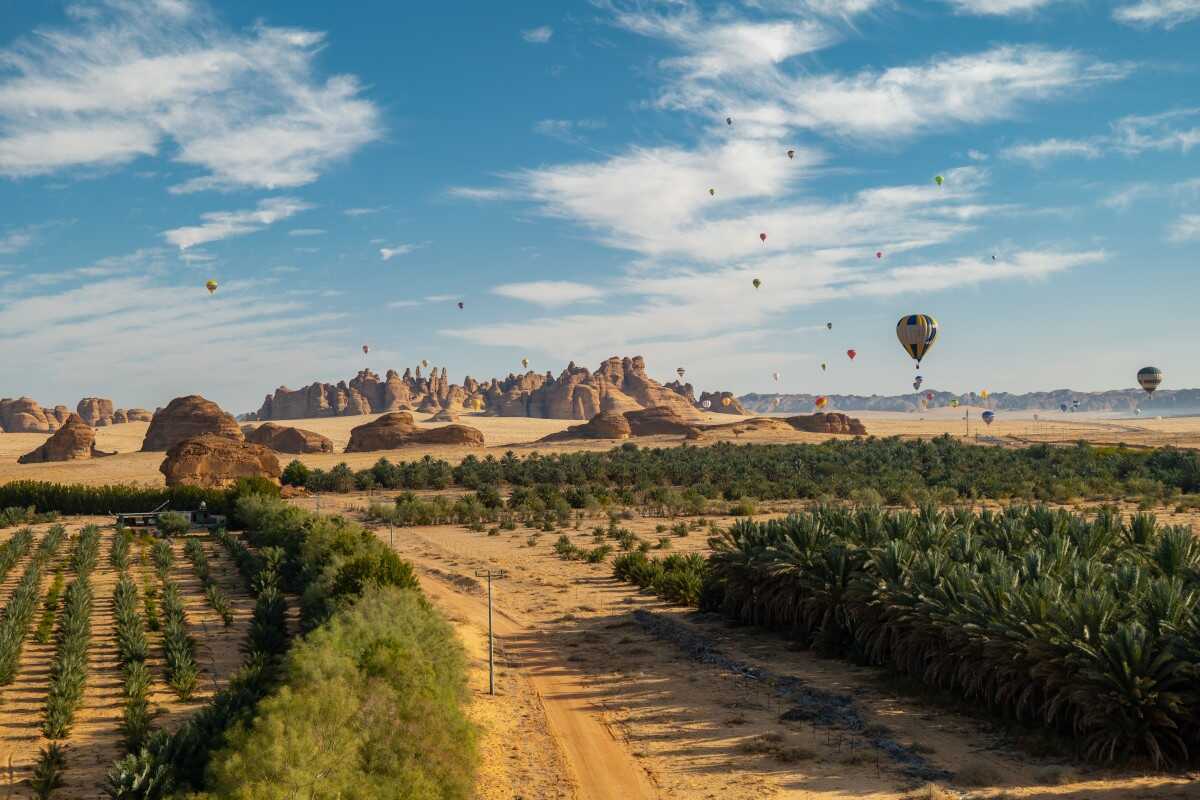
The jewel in Saudi Arabia’s tourism crown, AlUla is the site of UNESCO-recognised Madain Saleh, a desert city compared to Jordan’s Petra but without the crowds, tacky gift shops and fleets of maltreated donkeys. North of Madinah (Medina), AlUla was a trading hub for the Lihyanites and is home to ancient ruins, date farms and an epic desert landscape.
How much money will I need for Saudi Arabia?
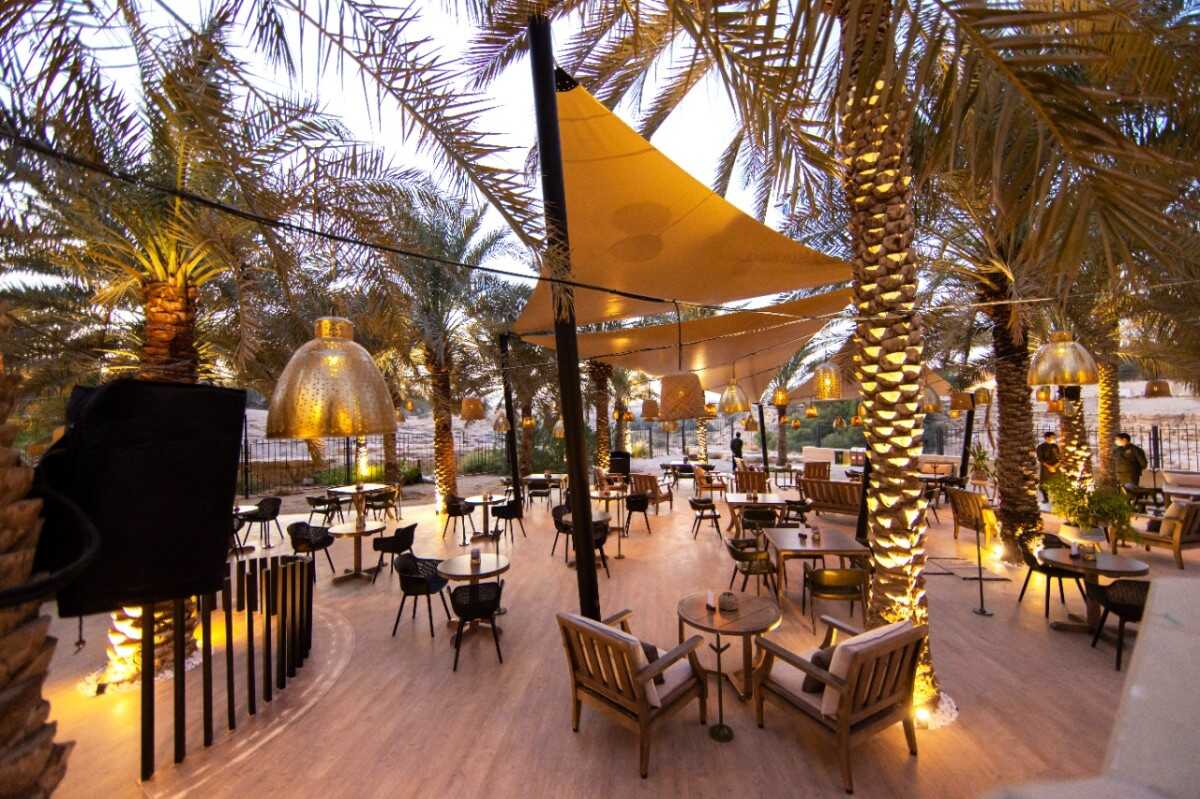
Like elsewhere in the Arabian Peninsula, a decent meal in a hotel or tourist-orientated restaurant in Saudi Arabia isn’t cheap, and room rates for modern, branded hotels in high season and in the major cities will set you back upwards of SAR 1000 per night. There are cheaper hotels available in urban areas but you very much get what you pay for. Beach clubs can cost between SAR 100 and SAR 450 per day.
But many things in Saudi Arabia are cheap: transport, particularly by bus and train, and even by taxi, is affordable by global standards, and most museums are free. Budget-friendly and delicious Lebanese, Indian and Pakistani food is ubiquitous in Saudi cities thanks to the significant diaspora.
Frequently asked questions about Saudi Arabia
Is Saudi Arabia safe?
Like other countries of the Gulf, street violence – muggings, etc – is extremely rare in Saudi cities and police are very visible on the streets.
That said, you should exercise the same caution in Saudi Arabia as you would in any other Islamic country – avoid open criticism of Islam or the Saudi state, don’t take photos of people without asking, and respect the local dress codes.
What do women have to wear in Saudi Arabia?
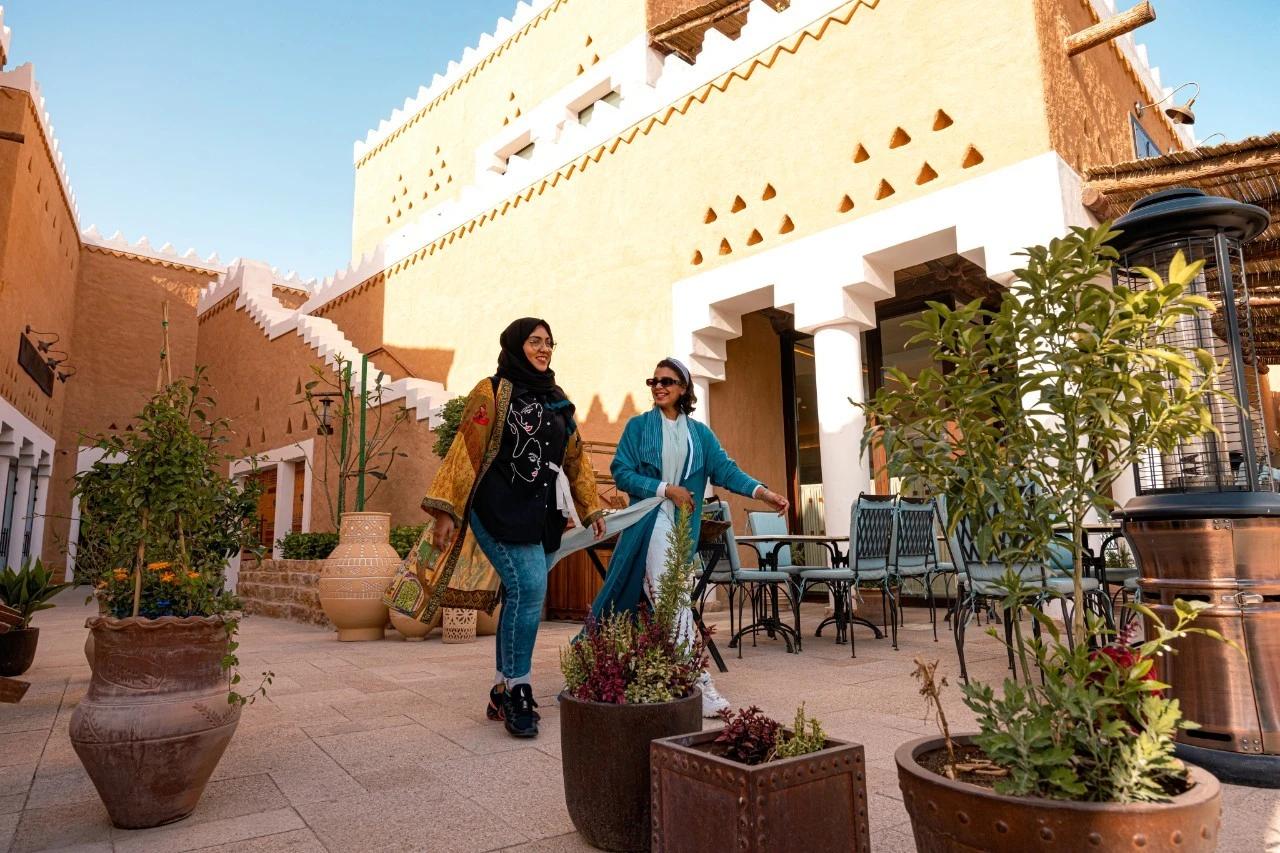
Women no longer have to cover their head but many choose to, particularly on the streets of major cities, on public beaches or public transport. Many also choose to continue to wear a robe or abaya, or long, loose-fitting clothes and long trousers.
Can tourists drink alcohol in Saudi Arabia?
No. There have been many changes in Saudi Arabia over the past six years, but the alcohol laws aren’t one of them.
Do I need a tourist visa to visit Saudi Arabia?
Visitors from over two dozen countries – including the US, Canada, UK and European Union nations – can apply for an eVisa. It is a one-year, multiple-entry visa, allowing tourists to spend up to 90 days in the country. The tourist visa allows you to take part in activities such as events, leisure, and Umrah (excluding Hajj) and excludes studying and working.