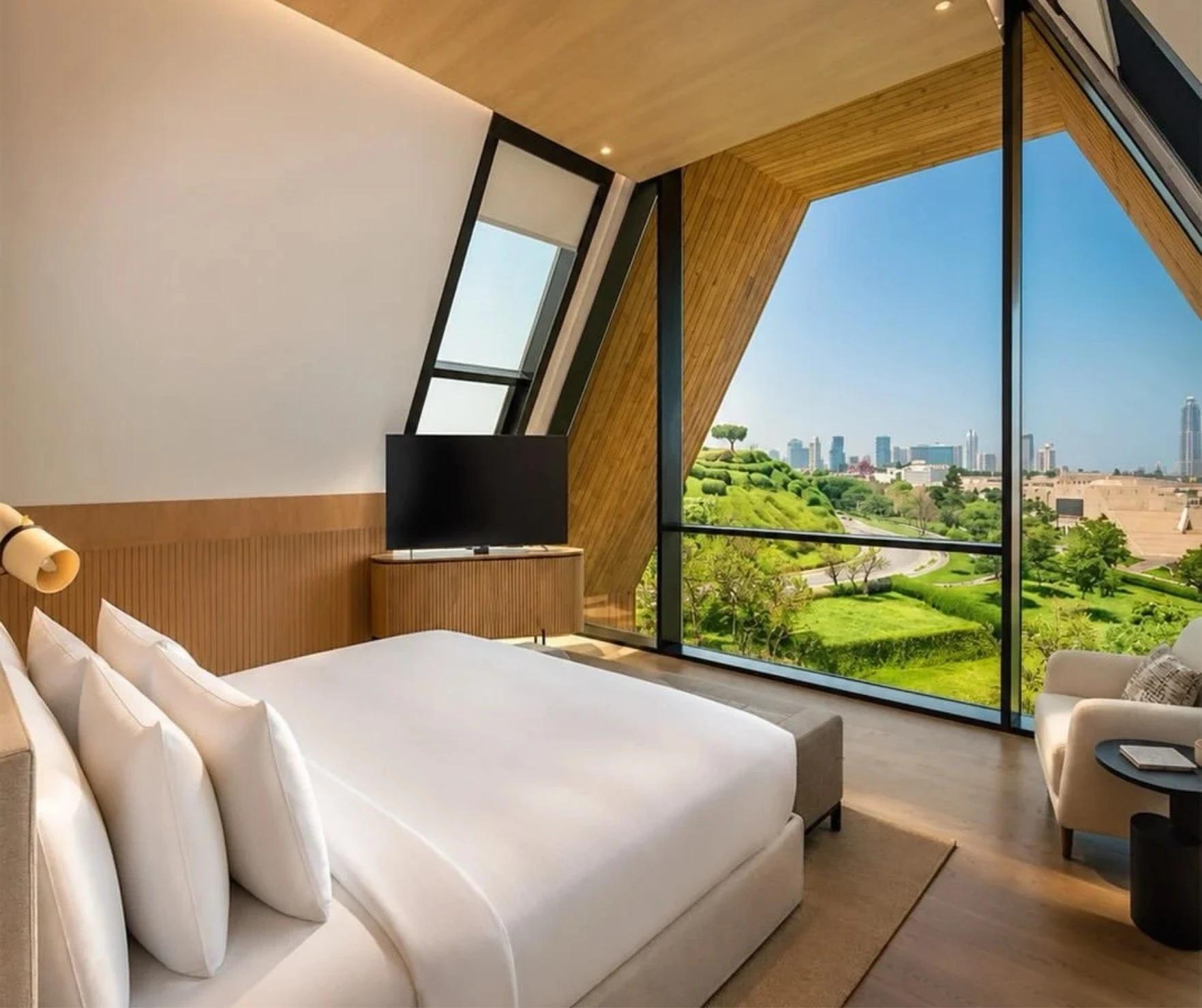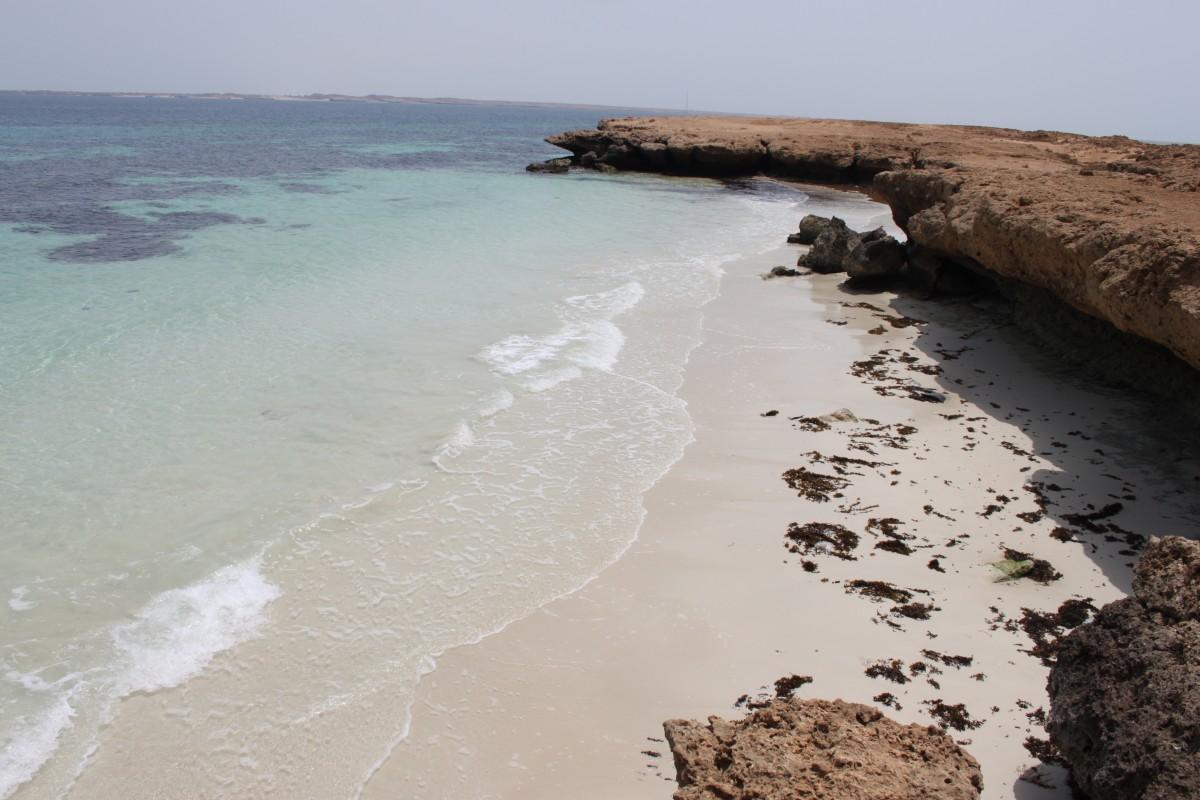





With the Arabian Gulf to the east and the Red Sea to the west, Saudi Arabia is perfectly situated for incredible beaches. The Kingdom’s Red Sea coastline is a massive 1,760km long, stretching from Haql, near Aqaba in Jordan, in the north to Jazan, near Yemen, in the south. On the Arabian Gulf, 560km lie between Khafji, on the Kuwaiti border, and Al-Batha, near the UAE.
Dotted along each of these coastlines – and particularly on the Red Sea, near Jeddah – are myriad beach resorts, many with opportunities for world-class diving and water sports. Most of the best beaches are private, with entry fees (SAR100-300), but also relaxed dress codes and a mix of men, women and families.
Some public beaches are segregated by gender, while others are not, and the dress code is a little different. If you're unsure, just ask!
These are some of the best beaches in Saudi Arabia.
1. Indigo Beach
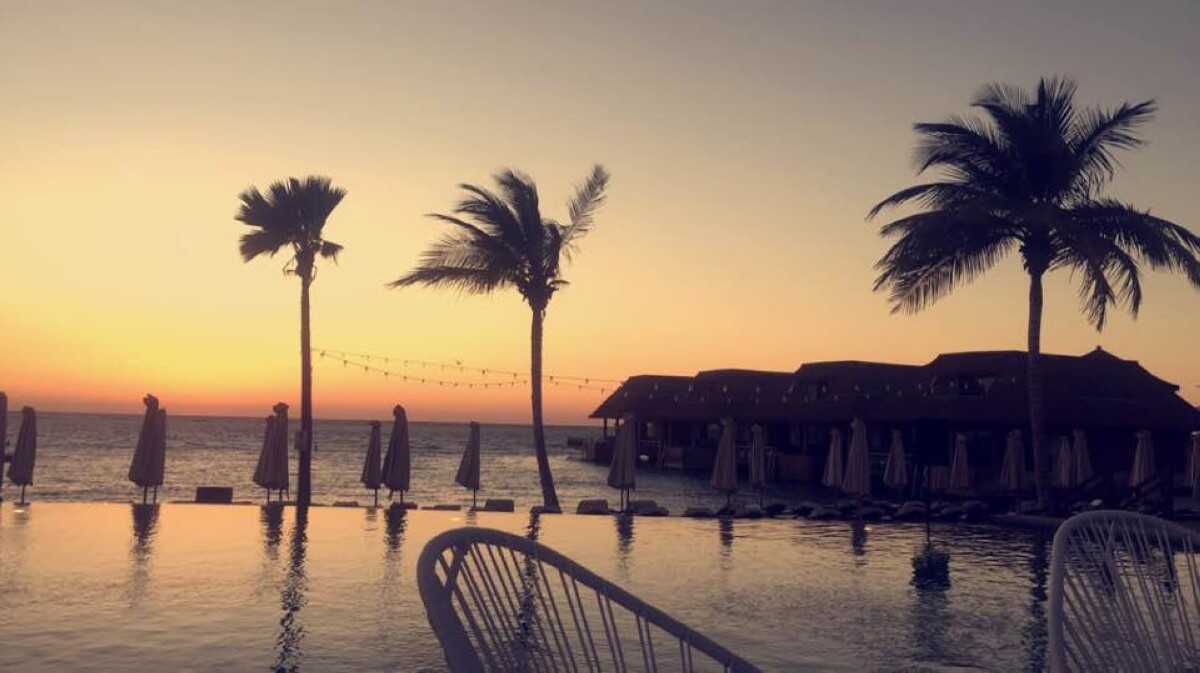
One of Jeddah’s most beautiful beaches, Indigo Beach Resort on the Red Sea coast is generally considered to be one of the country’s most luxurious seaside spots – so much so that you can’t even apply for an annual membership unless invited by an existing member.
Once you’re in, expect a slice of paradise in Saudi Arabia, complete with villas, infinity pools, a spa and access to the perfect turquoise waters that lap the beach. Water sports and boating excursions are also offered here. Tickets are a fairly reasonable SAR 100 per person, while a bungalow or villa on the resort for the night costs SAR 1500-3000.
2. Farasan Al Kabir Beach
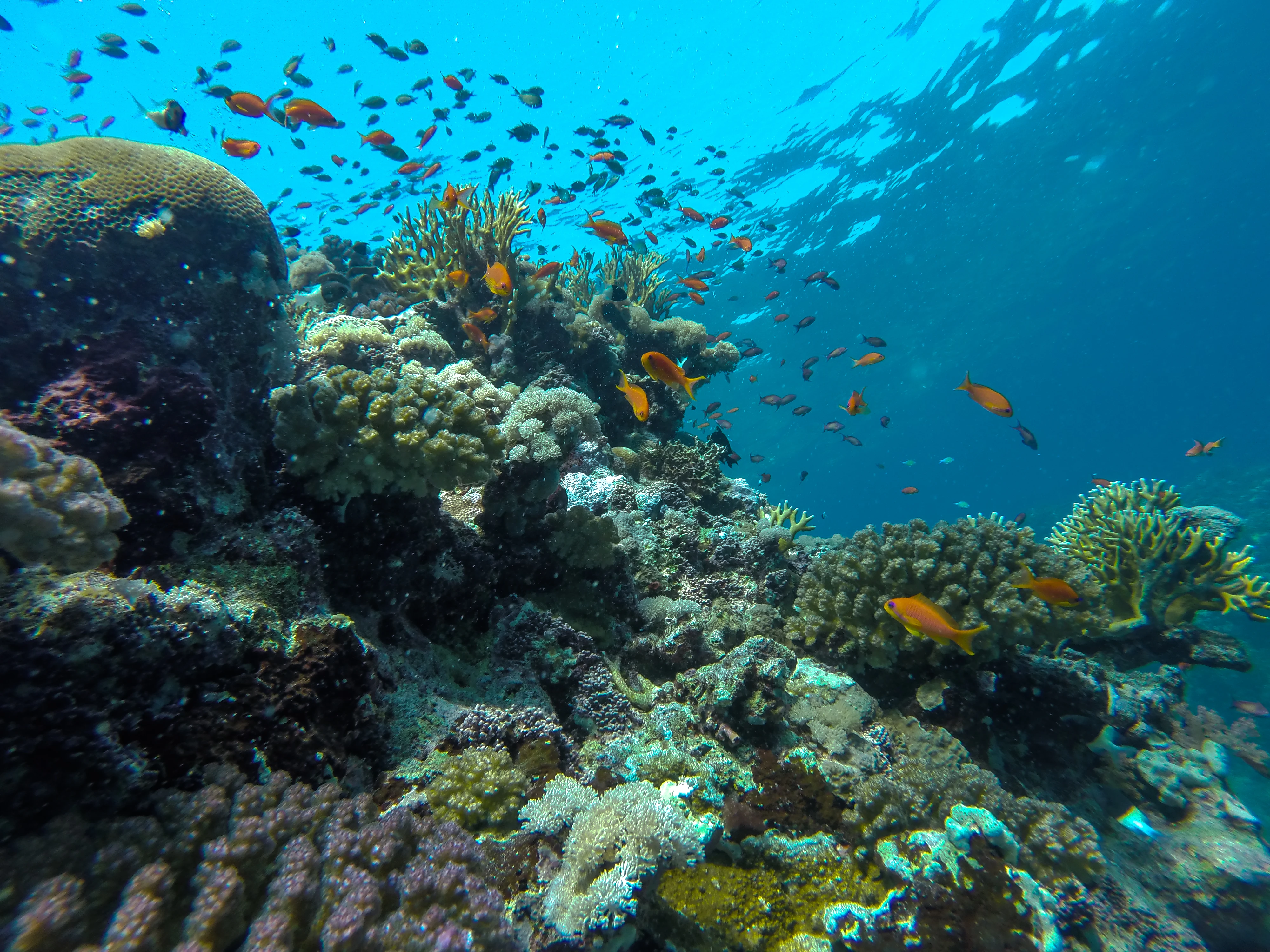
Surrounded by coral reefs, tropical islands and mangroves, Farasan Al Kabir beach is a slice of coastal paradise. The perfectly clear turquoise waters teem with over 100 different species of fish and due to its relatively remote location, you might well find you have it to yourself. Close to the beach is an Ottoman fort and village, including houses made from coral as they once were in Jeddah’s old town. Farasan Al Kabir is a public beach and it can be reached via ferry from Jizan (twice daily).
3. Haql Shipwreck Beach
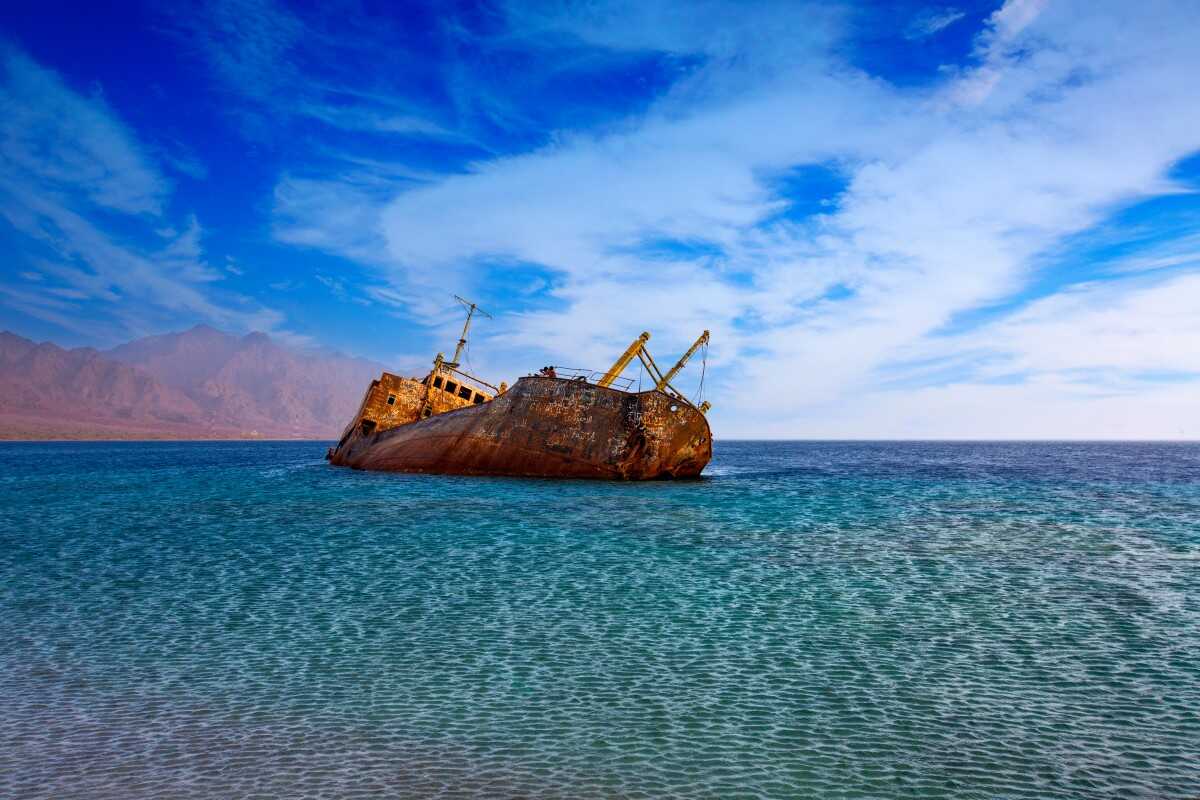
Haql Beach is perhaps one of Saudi Arabia’s most iconic – or at least, most photographed – beach fronts due to the presence of a massive steel ship that sank here in the 1970s and is known to locals as ‘the Saudi Titanic’. The ship’s exterior is scrawled with graffiti and is a popular spot for thrill-seekers who climb the steel hull and hurl themselves into the calm blue waters. Coral reefs here host lionfish, while barracudas and sand tiger sharks prowl the water further out.
On a clear day, you can see the mountain tops of Egypt’s Sinai Peninsula in the distance across the Gulf of Aqaba, and you may be lucky enough to have this beautiful beach to yourself even as Egypt’s Red Sea Resorts are inundated with tourists week in, week out. Haql is only reachable by car and the last 400m requires a 4WD vehicle.
4. Half Moon Bay Beach
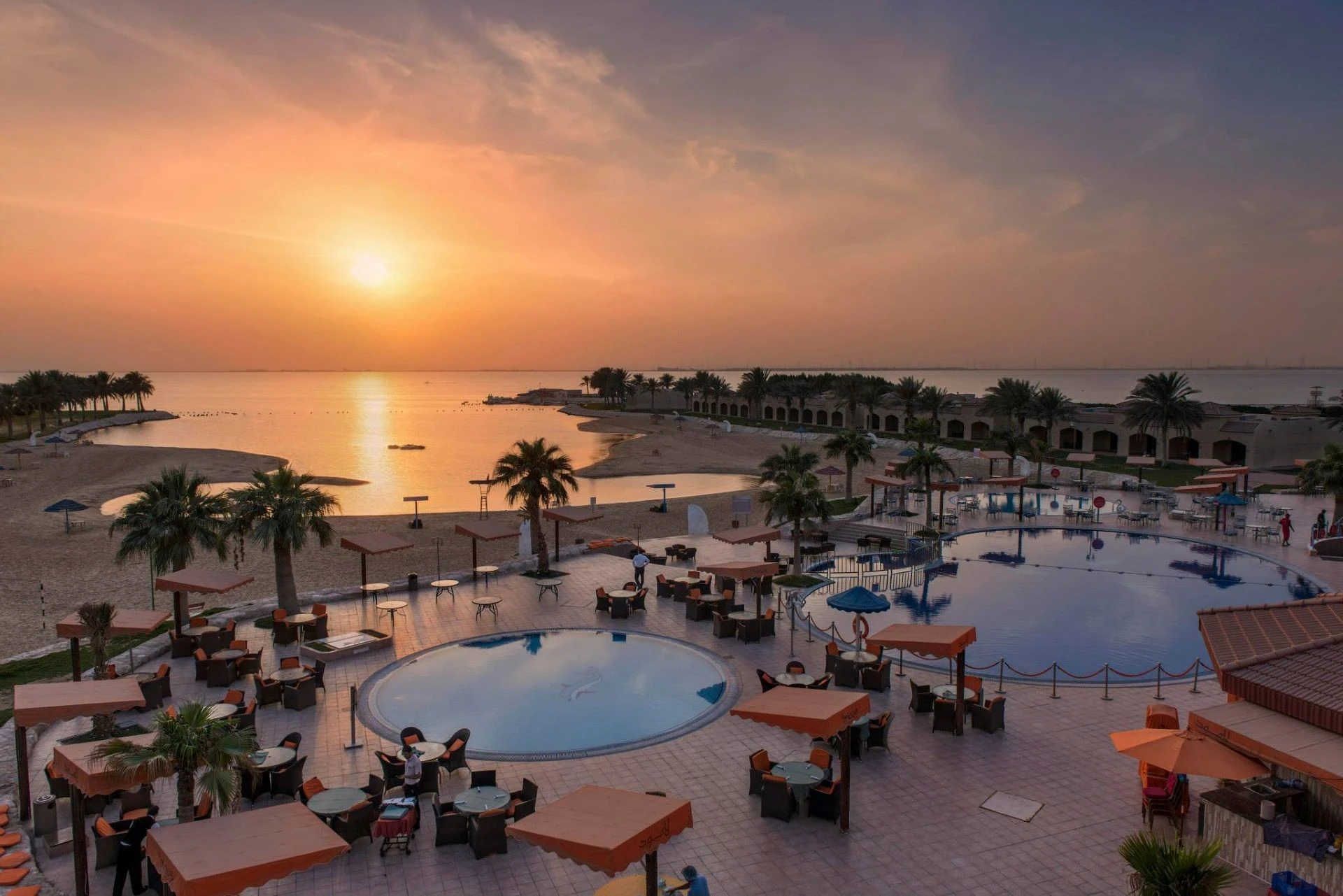
Even before Saudi Arabia opened its doors to tourists in recent years, Half Moon Bay was a popular destination for oil workers and their families. It is an excellent spot for scuba diving, with an average depth of 22ft, dropping to 50ft only at its very deepest. It is occasionally visited by sharks but is a safe spot. Its most notorious visitor, in 1968, was a 30ft whale that swam into the bay and is still spoken of by locals today.
Part of the bay is a public beach but it’s also the location of the Saudi Aramco Half Moon Beach and a number of other resorts that you can pay to enter. Solo men travelling here are usually restricted to a ‘bachelor beach’ and cannot swim alongside women and families. Half Moon Beach is a short drive from Dammam, in Saudi Arabia’s Eastern Province.
5. Umluj Beach
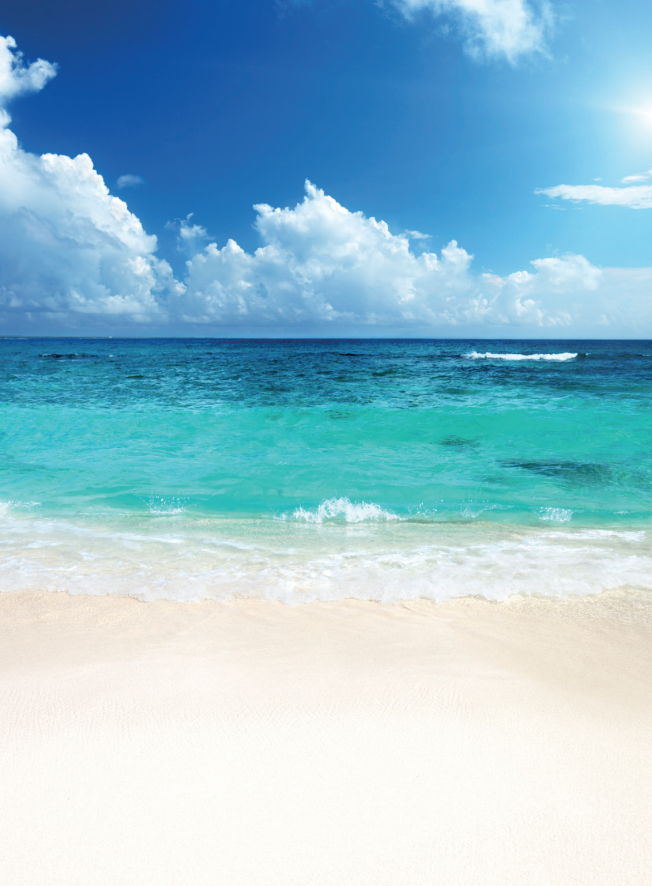
Umluj has earned its moniker as one of the most beautiful parts of the Kingdom due to its 104 offshore islands, perfectly clear water and rich marine life, including sea turtles.
In 2024, the beach was ranked in the top 100 beaches in the world by a London-based startup that asked travel experts and influencers to vote for their favourite seaside spots. It is located in the north-western Tabuk province.
6. Uqair Beach
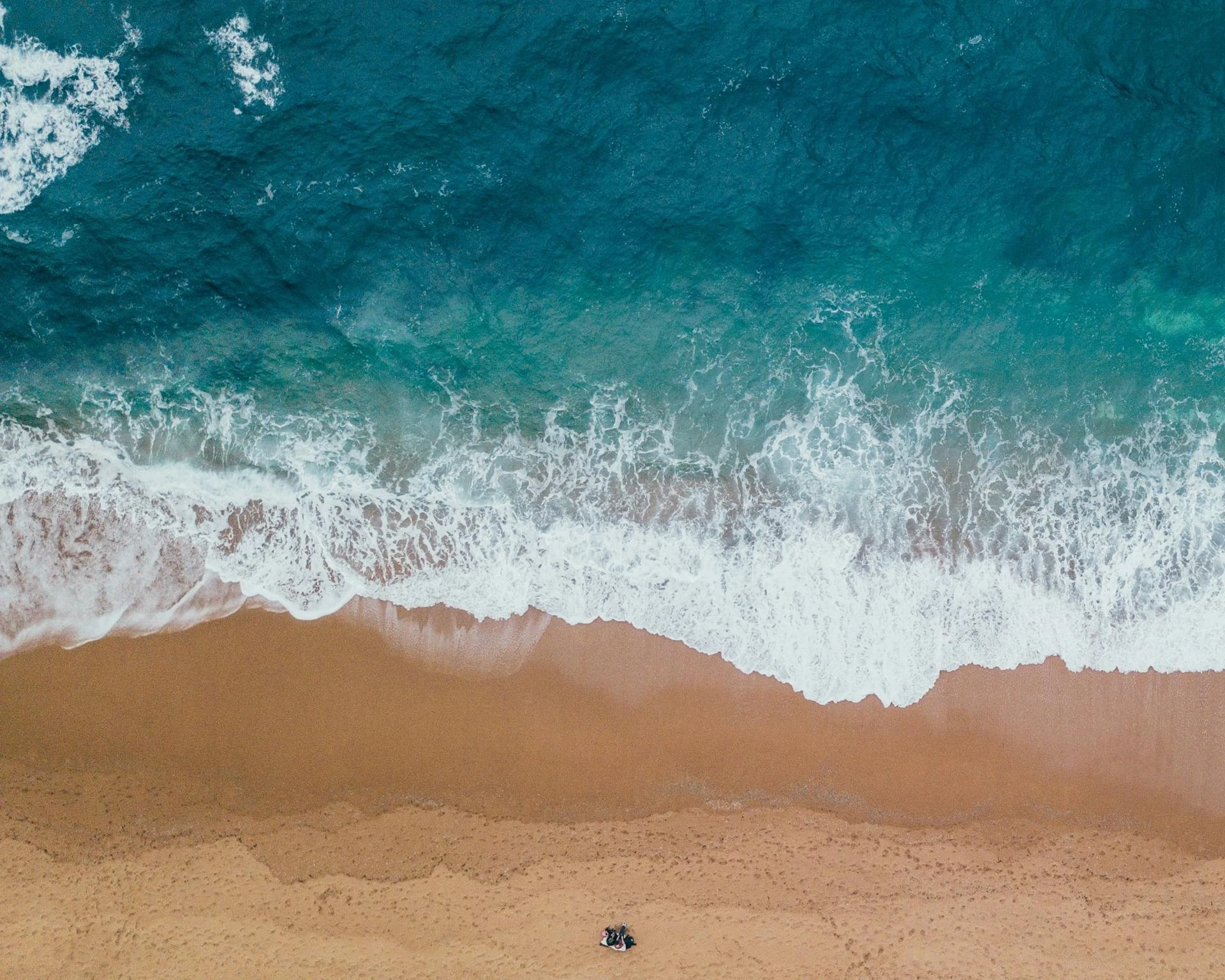
One for the history buffs, Uqair, in Saudi Arabia’s Al-Asha region, has been a port since the Ottoman period and perhaps as far back as the advent of the Islamic era. Although parts of it are fenced off, there are still the remains of a souq and maritime buildings that were in use back when this part of Saudi Arabia was a bustling port.
Where structures remain, they provide much-needed shade for beach-goers in a region where summer temperatures can exceed 40°C. More modern sun shelters have also been built to accommodate visitors. The sea is shallow and warm and the soft sand-bottom makes it a great place for kids. There are no facilities at Uqair, so bring a cool box and plenty of food and water if you’re planning to spend the day. It can only be reached by road, either from Al-Hofuf or from Dhahran.