
Ever since Saudi Arabia started welcoming tourists, newcomers to the Kingdom have delighted in discovering all its charms. And among these are the incredible diving opportunities in the warm, relatively calm waters (which boast visibility right down to 60 metres in places) of the Red Sea.
Of course, locals have always dived off the Red Sea coast, and there is an established infrastructure and a dozen dive operators in Jeddah alone. Many of the newer luxury resorts in the Red Sea Project have also gotten in on the action and have their own dive operators on-site. Durrat Al Arous and Bhadur Beach are popular hubs for divers, both locals and tourists. Even at Jeddah’s city beaches, you are rarely far from coral reefs teaming with life.
Elsewhere, dive operators are concentrated in Jizan, where the Farasan Banks – a group of submerged reefs and coral formations – are emerging as a world-class diving destination. In addition to more than 50 shark species, divers have seen turtles, king mackerel, and great barracudas.
Like Egypt, Saudi waters are dotted with impressive shipwrecks, a product of the city’s millennia-long history as a trading hub. The best time of year to dive near Jeddah is in winter, from November to April; outside of those months, the water is a little too warm. Pack your gear and start planning with our pick of the best shipwreck dives in the Red Sea.
1. Cable Wreck
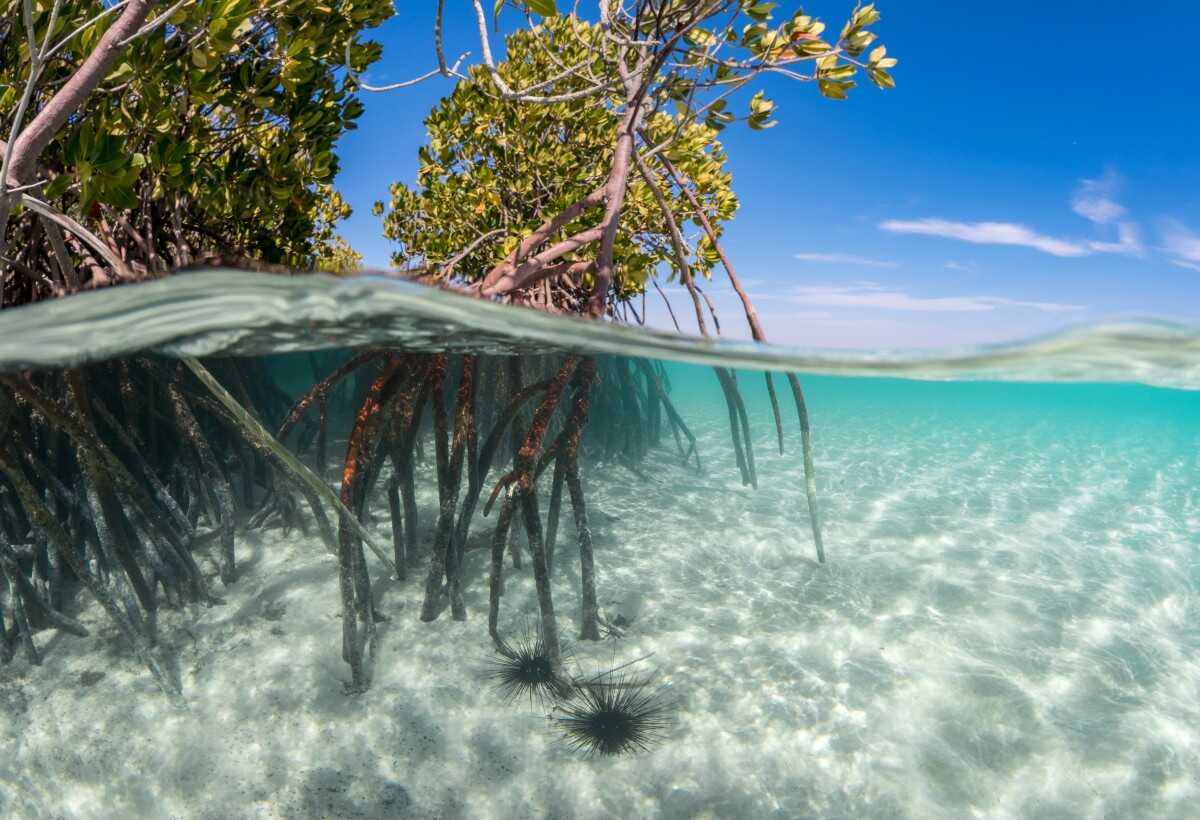
Many of Saudi Arabia’s Red Sea shipwrecks are named after the cargo the ship was carrying when it sank rather than the vessel itself. In this case, the Staphonos carried steel beams, chain link fences, asbestos and cables when it went down in 1978, and it is now known as Cable Wreck.
It rests on the ocean floor southwest of Jeddah (near the island of Abu Tair) and is impressively illuminated by ambient lighting from the surface above at a depth of 24 metres. It is home to several white-tip sharks and a large population of goat fish and blue-striped snappers. Most dive operators in Jeddah offer trips to see Cable Wreck, although it can be a difficult dive when the currents are strong – follow the guidance of the operator to stay safe.
2. The Ann Ann Wreck
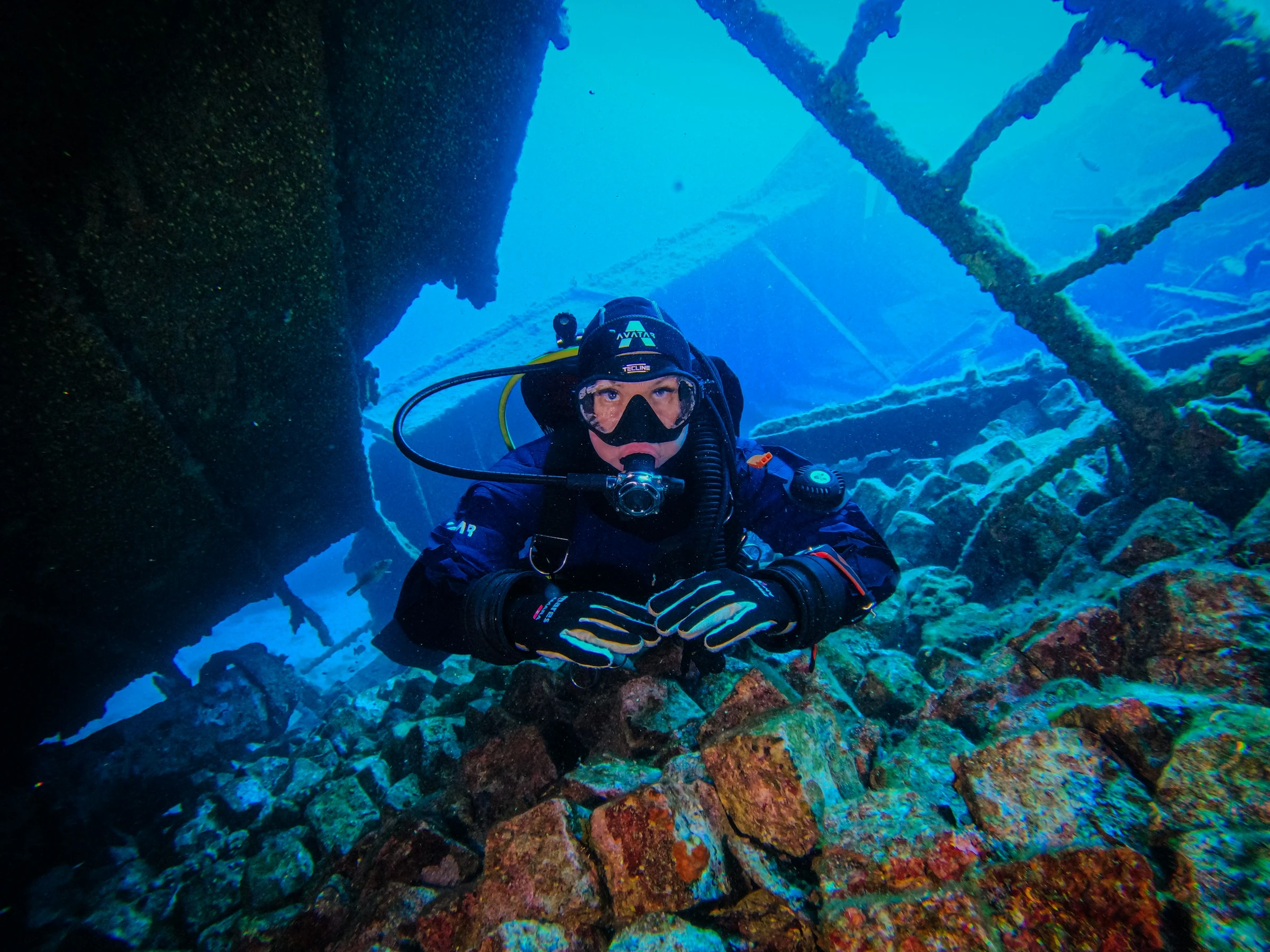
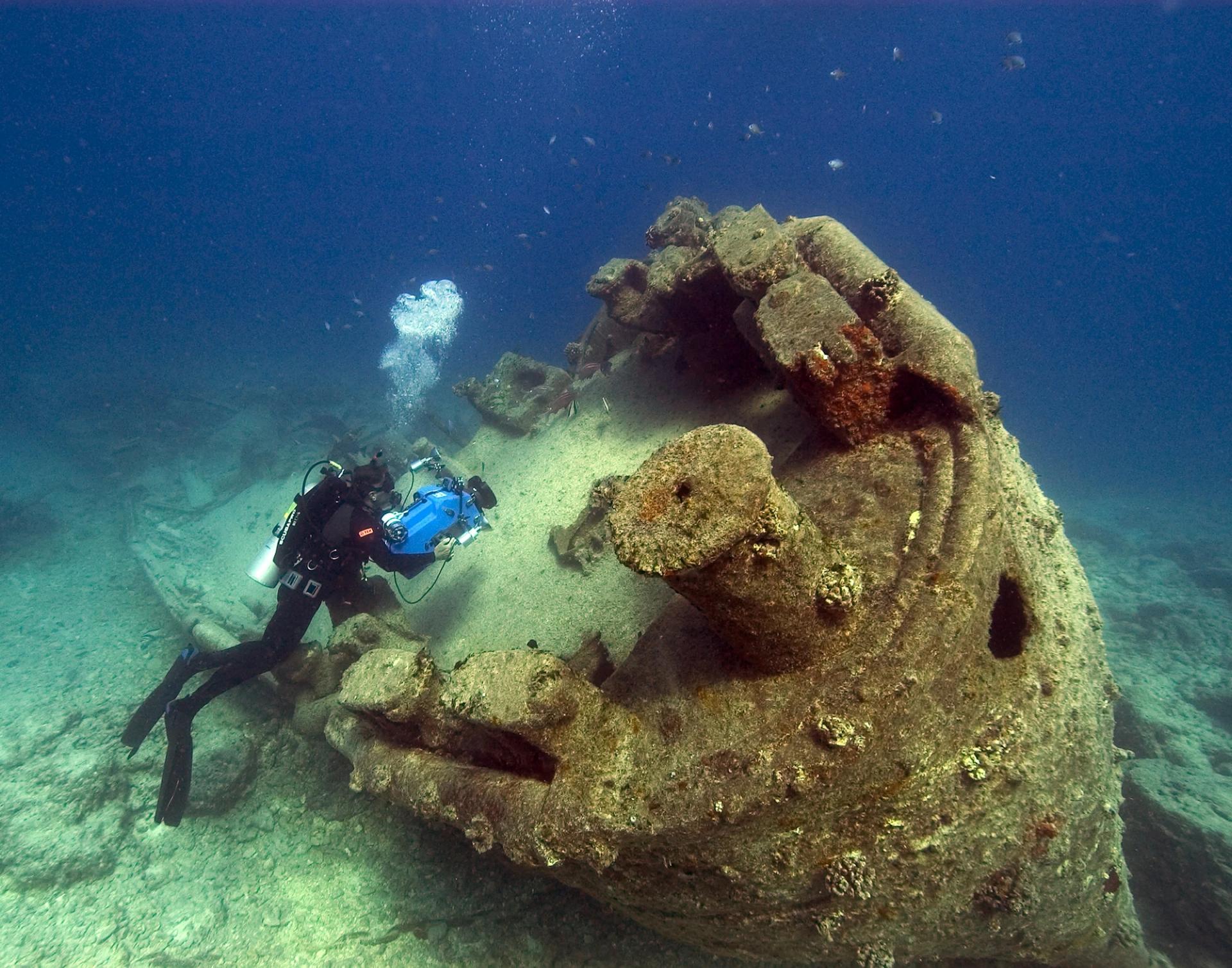
The largest wreck dive in Jeddah, the Ann Ann went down on the Abu Faramish reef in 1977 and now sits, facing east, at a depth of 32 metres. Large sections of the ship remain intact, including the captain’s quarters and a cargo room, which has since been emptied. Many divers take the opportunity to have their photo taken poised on the ship’s toilet, while others like to photograph its impressive propeller, now covered in coral. As well as white tips and snappers, you may see tuna and blue spotted rays. Goatfish, broom-tailed filefish, and coral groupers have also been spotted here.
Again, almost all dive operators will include the Ann Ann in their offerings or will know someone who does – it is considered an intermediate to advanced dive.
3. Chicken Wreck
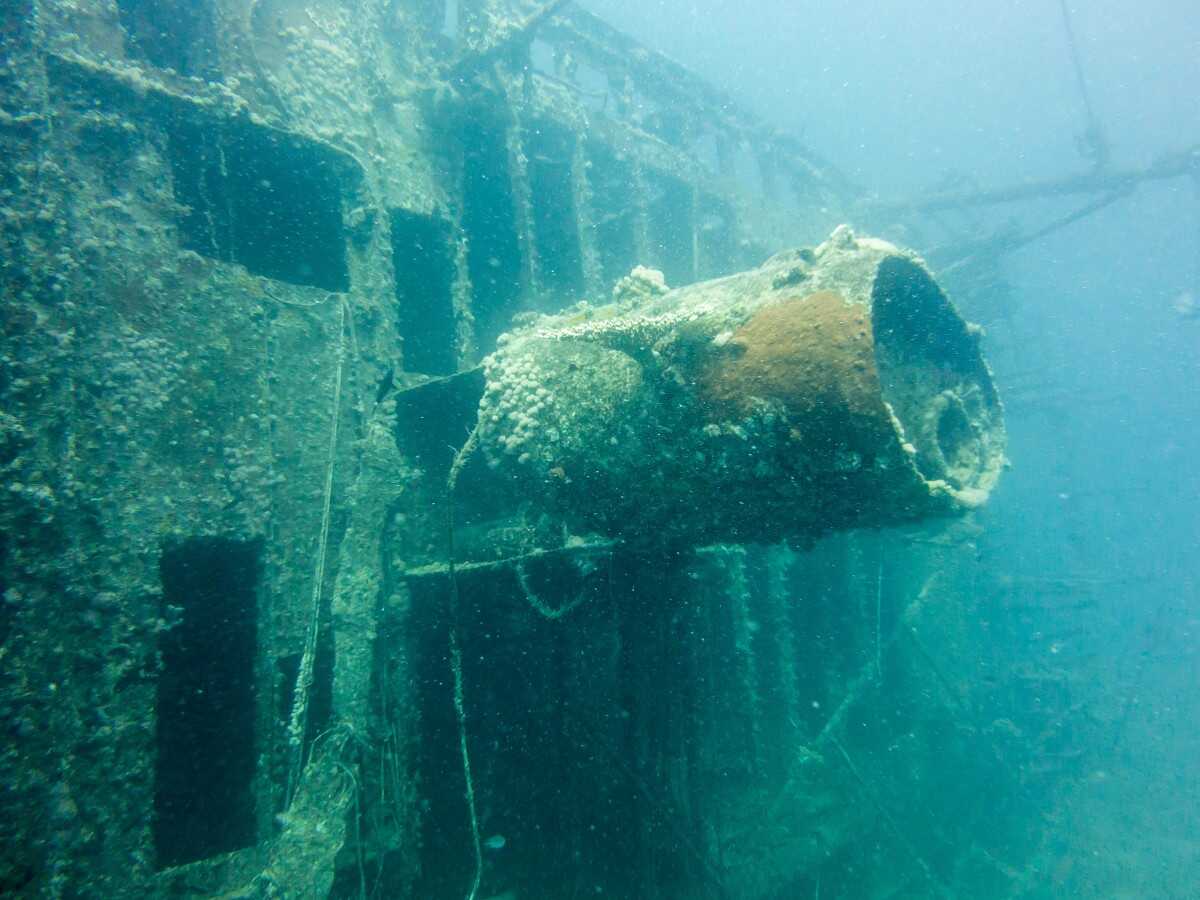
The M.V. Glaros ran aground outside Jeddah Creek on 20 November 1976. Two days later, once the crew had been rescued, it sank to the bottom of the sea with its cargo of frozen chicken, winning it the name “Chicken Wreck” for posterity. An array of marine life has been spotted here, from moray eels and barracudas to angelfish and butterflyfish. Due to its location between two adjacent reefs, Chicken Wreck is suitable for novice divers and is a good first foray into the depths. It is a popular destination, so you’re unlikely to have it all to yourself.
4. Marble Wreck
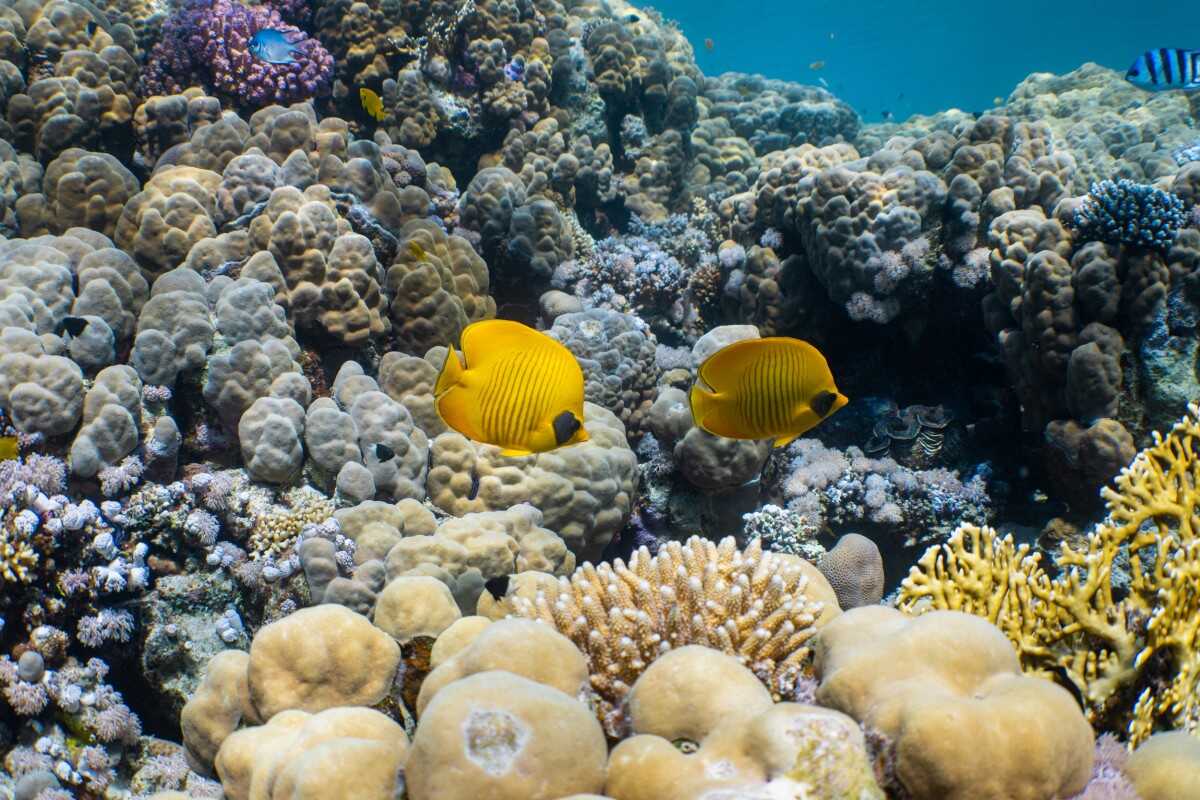
Another good destination for less experienced divers is the Marble Wreck, which at its shallowest point is just eight metres from the surface (although it is 18 metres at its deepest). No prizes for guessing that this ship once carried marble slabs, which, once it was torn apart by the reef, were scattered across the ocean floor and can still be viewed today. As well as lionfish, divers have reported impressive coral and oysters adorning the masts of the ship. Dive operators often combine this wreck with the nearby Ann Ann.
5. Iona Wreck
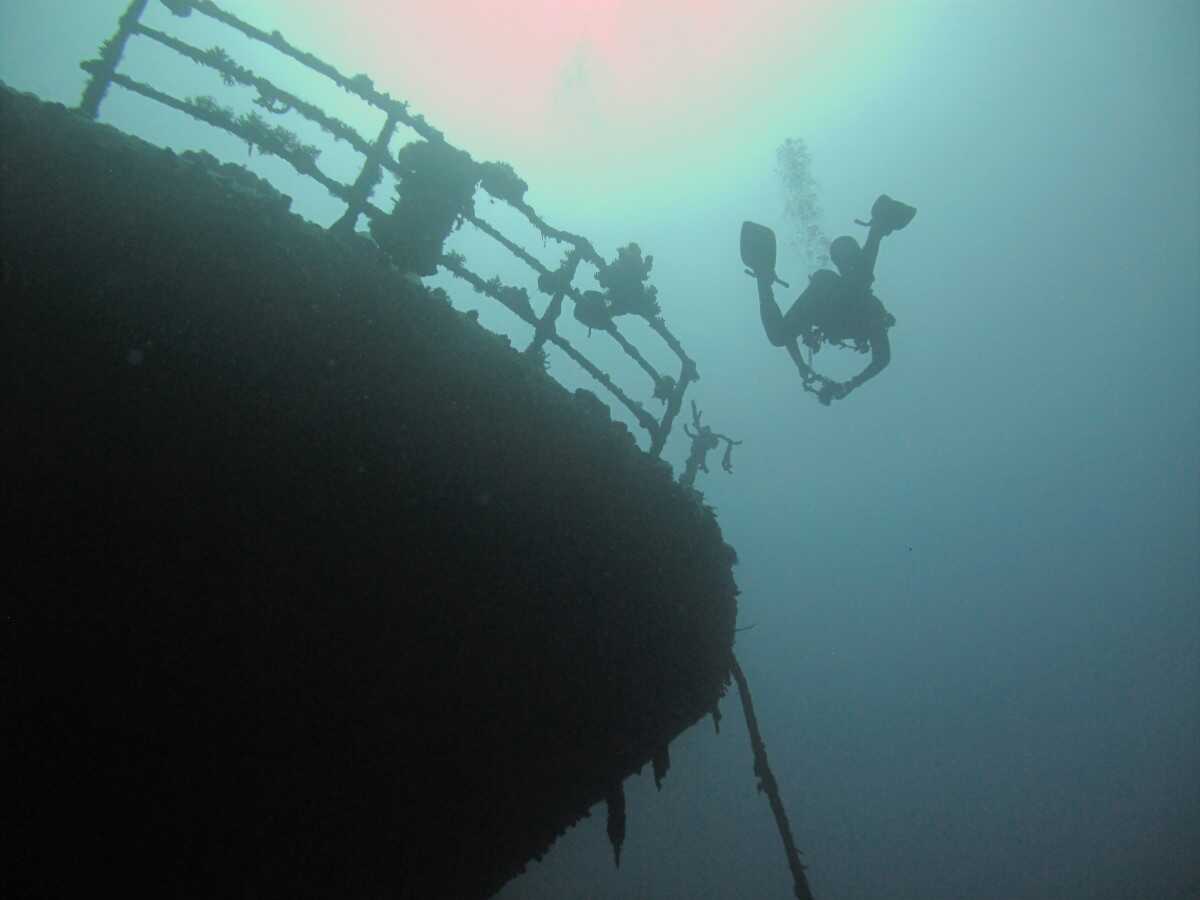
Near Yanbu, north of Jeddah, the Iona wreck was discovered by divers in the 1980s, who believed that the ship had been sunk during World War I. It is now one of the most famous shipwreck dives in Saudi Arabia, helped by the fact that visibility is commonly as much as 60 feet. The Iona’s fate is a mystery: the divers that discovered it found evidence that it had run aground at full speed, and the ship was still littered with champagne bottles. It is thought that it was either hit by a German torpedo or captured and later passed on to the Ottomans, who crashed it. The Iona is a deep dive, with the fan tail 20 metres below the surface. Several operators organise day trips from Jeddah to Yanbu with a dive and lunch included.
6. The Boiler Wreck
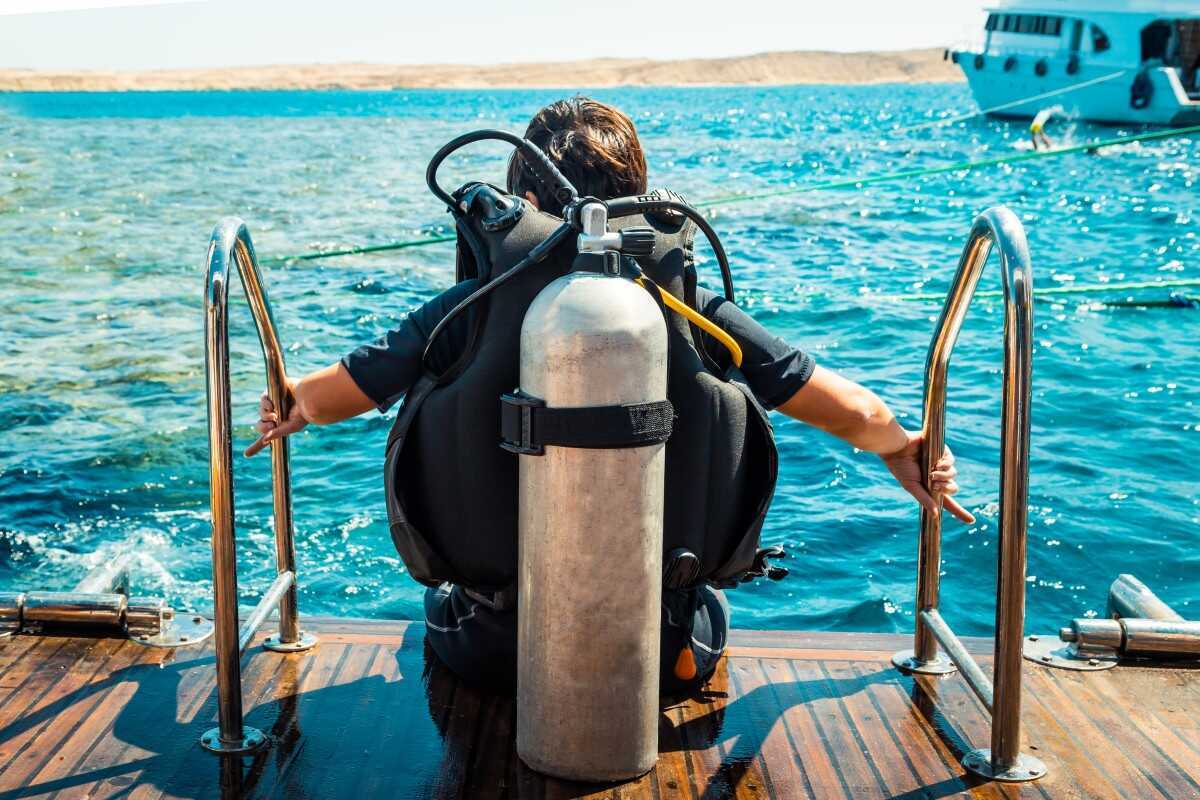
One of Jeddah’s most popular dives, excursions to the Boiler Wreck begin in open water and divers first visit a shelf 45 metres below the surface before working their way up to the bow of the ship, which lies in less than three metres of water. Around the wreck are incredible coral formations and caves, as well as moray eels, sharks and manta rays. Little of the ship has remained intact other than its two boilers, after which the wreck is now named. It is one of the oldest wrecks along the Jeddah coastline, at around 100 years old.