
Make no mistake, Jeddah is itself a museum. Every Muslim is expected to make the pilgrimage to Makkah at least once during their lives, and it is to Jeddah that they have sailed since the seventh century CE, as have merchants plying their trade between the Arab world, Europe and the Far East.
From the 19th century, Jeddah became an important port hub for the Ottomans, and the city’s mercantile past is reflected in the unique architecture of its former merchant houses in the Al Balad district. Many of the museums below explore that era, as well as the following period from the 1930s, when the country was unified under the Al Saud family, whose descendants rule Saudi Arabia to this day. A day out at Jeddah's best museums will give you an insight into the fascinating history and future of this coastal city.
1. Tayebat Museum
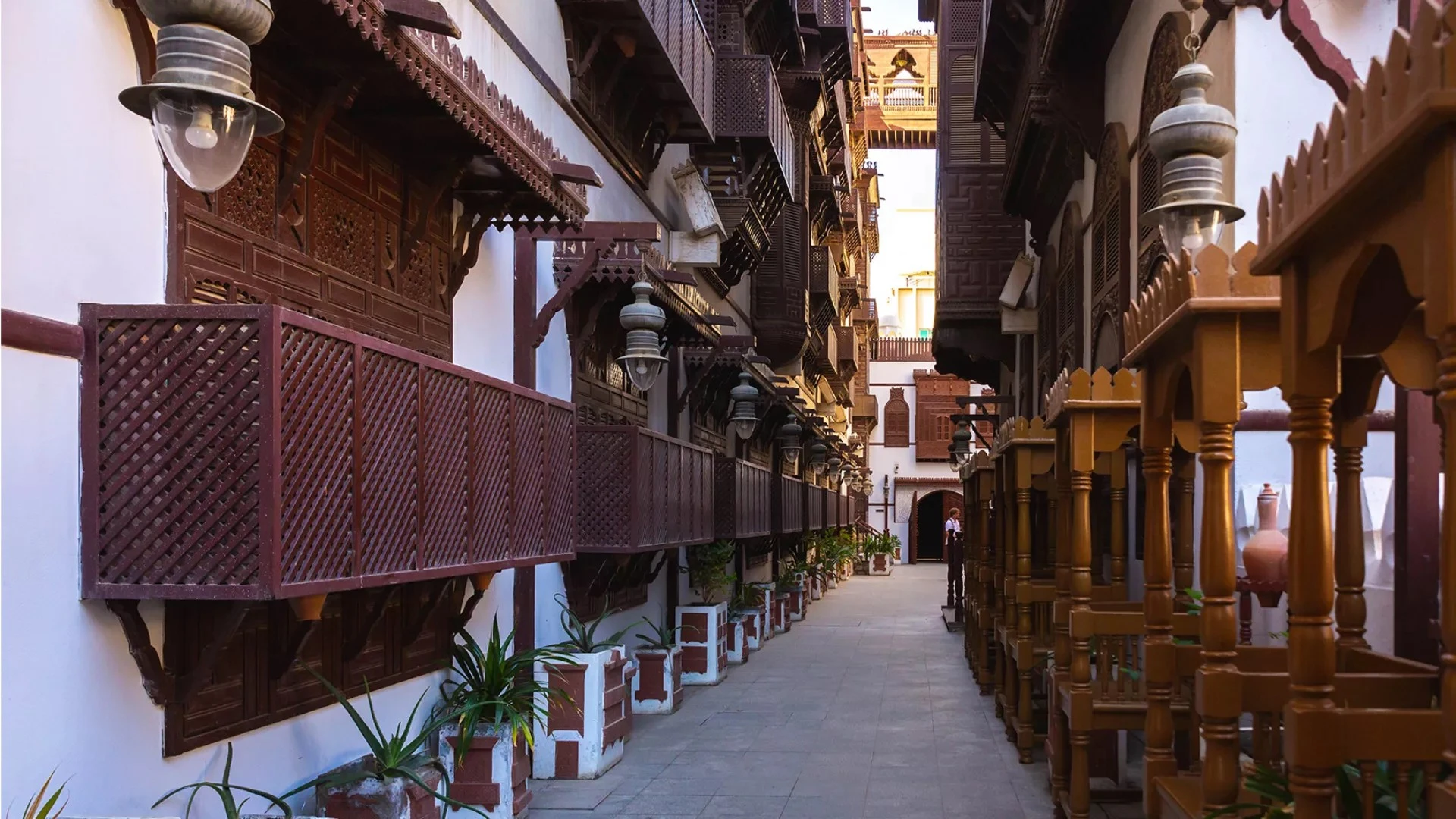
This huge museum complex in Jeddah is spread across 10,000 square metres, including 12 buildings and more than 300 rooms. Built to reflect Jeddah’s traditional Hijazi architecture over a period of 15 years, it contains myriad artefacts, Islamic manuscripts, ancient tribal costumes and coins, as well as weapons, furniture and utensils from across the Arab world.
Located in the Al Faisaliyah district, several of the buildings focus on the origins of the city itself, and exhibits cover key events in Jeddah’s history, such as the Siege of Jeddah and the Battle of Uhud. Due to the presence of an incredible collection of Qurans, gathered from numerous eras throughout history, a visit to the museum is often included as part of a pilgrimage package, but individuals can visit too. Admission costs SAR 80, and it is open from 8am-12pm and 5pm-9pm every day except Friday.
2. Borderless Jeddah
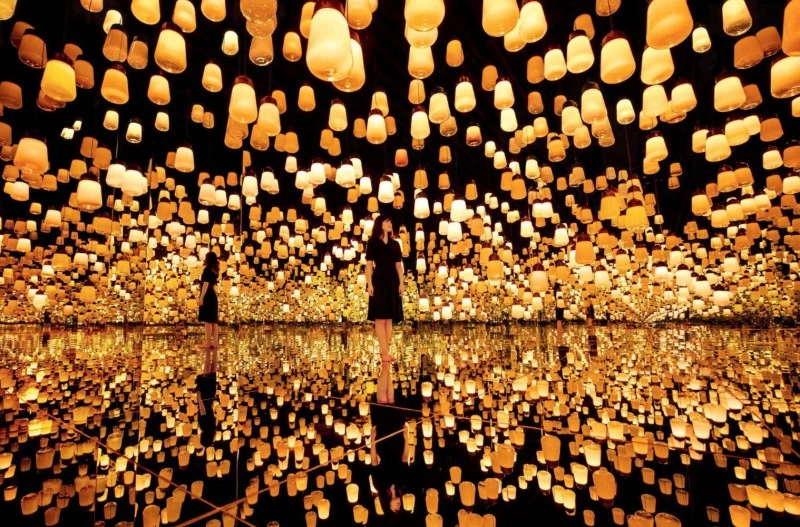
The long-awaited Borderless Jeddah exhibition finally opened in the summer of 2024 after much anticipation. It is a collaboration between the Saudi Ministry of Culture and the teamLab art collective, which has previously held exhibitions in New York, Paris, Singapore and Beijing.
Tokyo-based teamLab creates immersive exhibitions using sound and light, including virtual flower gardens and waterfalls, in what its creators call “a museum without a map”. The Jeddah installation exhibits more than 50 experimental artworks in a new building on the shore of the Al Arbaeen lagoon, just north of Al Balad and the harbour.
3. Beit Al Matbouli
Deep in the Al Balad district, Beit Al Matbouli (Matbouli House Museum) was originally a traditional Hijazi merchant’s home during the era when Jeddah was a key stop-off for ships plying their trade between Europe, the Arab world, and the Far East. It is almost 400 years old and contains many of the unique features of Jeddah's architectural style, including mashrabiya screens, designed to help cool houses while also protecting privacy from the bustling streets outside.
Maintained by a Saudi family (who charge a very reasonable SAR 10 to look around), the house has two entrances (one for family, the other for guests, as in all traditional Saudi homes). Inside, the building is full of antiques and local artefacts. The basement of the house was designed to collect rainwater.
4. Beit Nassif
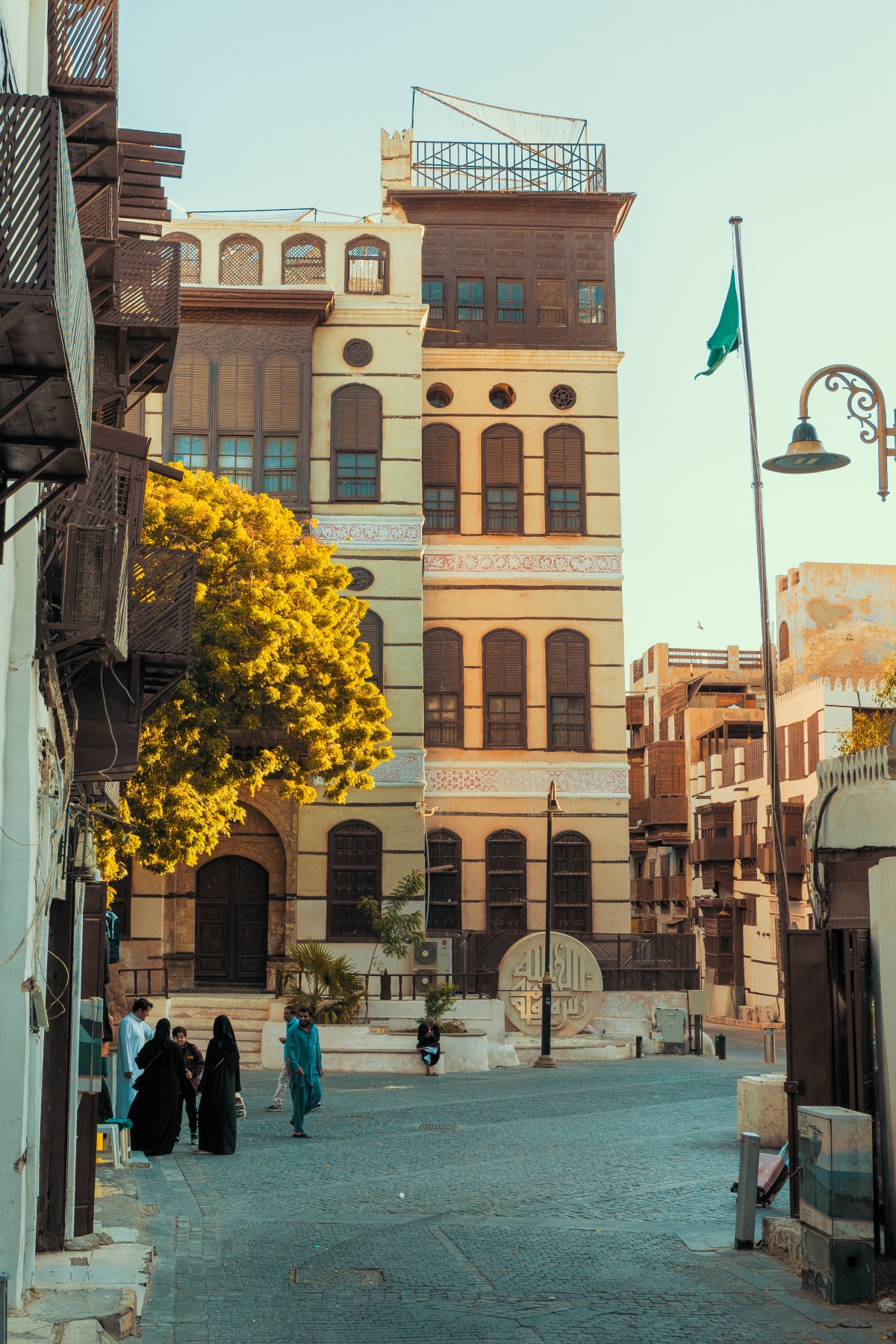
Located amongst the beautiful merchant houses of Jeddah’s old city, Beit Nassif is a museum and cultural centre that was the home of King Abdulaziz bin Saud in 1925; he founded modern Saudi Arabia seven years later in 1932.
Over the decades, the house welcomed ambassadors from overseas, and pictures of their visits line the walls next to art and Arabic calligraphy. Beit Nassif used to be referred to as ‘House of the Tree’ because it was the only property in the neighbourhood to have one.
The tree remains in a small square to the north of the property and is thought to be the oldest in Jeddah. Beit Nassif is open from 8am until midday daily and on Sunday evenings.
5. Red Sea Museum
Located in the Bab Al-Bunt heritage building in the city's Al Balad neighbourhood, the Red Sea Museum (RSM) showcases an impressive collection of manuscripts, historical artefacts, and photographs. These historic exhibits share the space with a selection of contemporary artworks that celebrate the unique cultural heritage shaped by the Red Sea's history of maritime navigation, trade, geology, pilgrimage and cultural diversity.
This ambitious project opened its doors to the public in December 2025 and will also feature a wealth of courses, masterclasses, public seminars and community projects that will make it a staple of the cultural scene in Jeddah.