

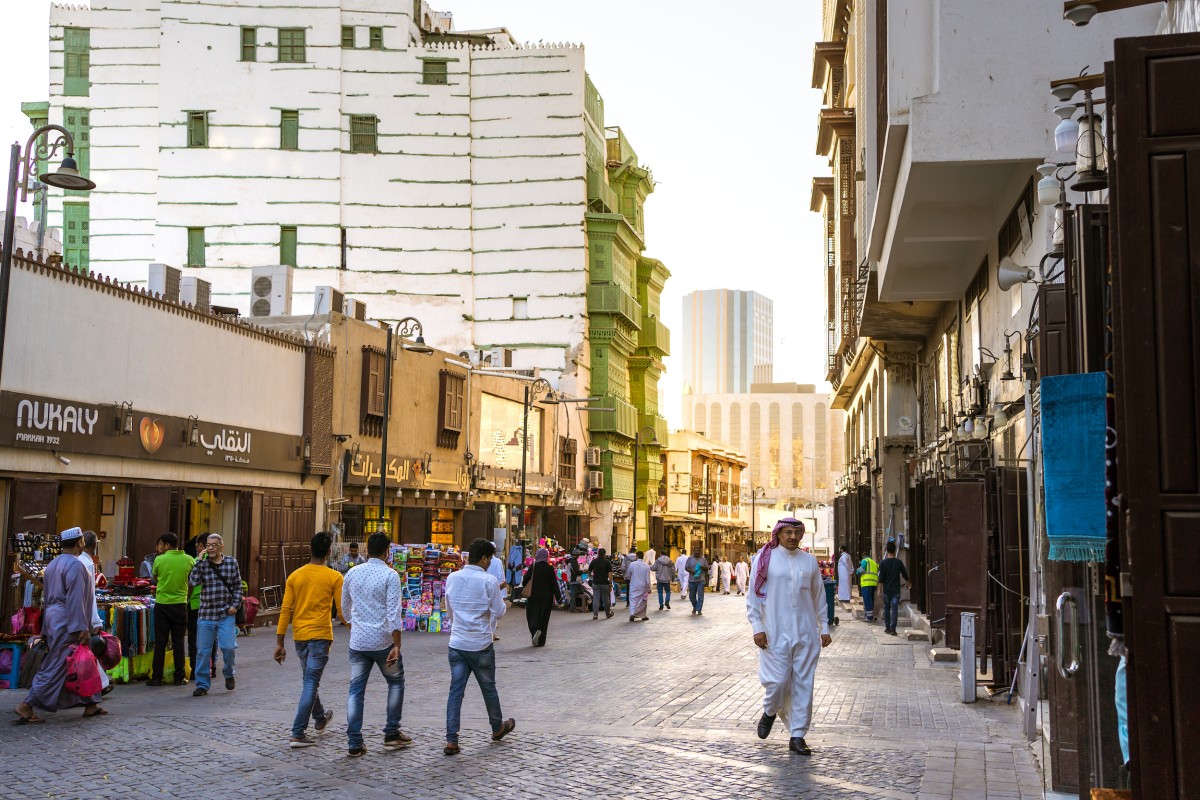
Al Balad is the historic heart of Jeddah, inhabited since the seventh century CE, and it is packed with beautifully detailed historic architecture that brings a wonderful surprise around every corner. It's also a neighbourhood that's cleverly designed to keep cool during the warmer months, with narrow streets lined with tall buildings creating lots of shade and breezy corridors. The houses are also cleverly designed to remain a cool sanctuary during summer.
Listed as a World Heritage Site by UNESCO in 2014, the Saudi authorities have committed SAR 50 million towards restoring Al Balad to its former glory. You haven't truly been to Jeddah unless you've explored this beautiful corner of the city and what it has to offer. This is everything you need to know about ancient Al Balad.
What’s so special about Al Balad?
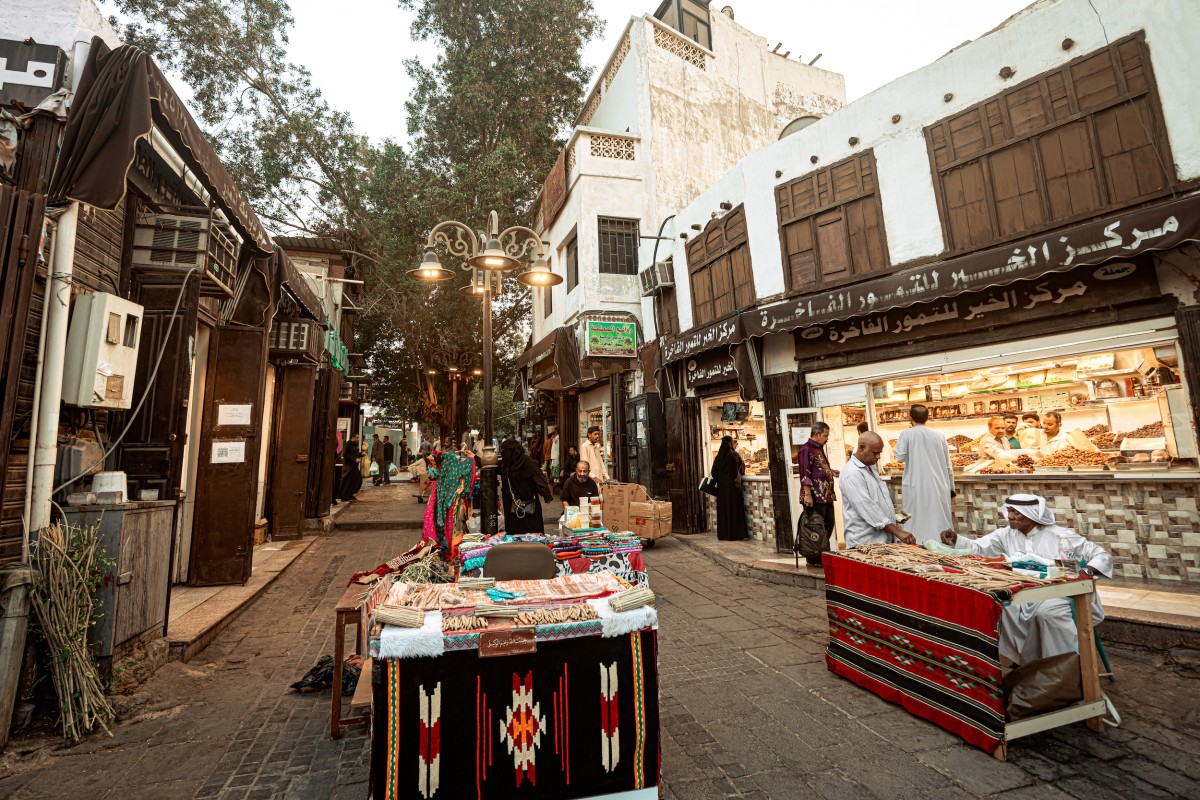
Jeddah’s Al Balad would easily rank alongside the old cities of Cairo and Istanbul as the most interesting historical neighbourhoods of the Middle East. It has been a gateway to Makkah for pilgrims since the seventh century; many of them stayed, building businesses and bringing their cultural influences with them.
The architecture of the Hejaz, the region that encompasses Jeddah, Makkah, and other towns and cities on the Red Sea coast, is epitomised by the use of wooden roshan and mashrabiya window boxes and balconies, used both for privacy and to cool houses in summer. Bait Nassif, now a museum, is one of the oldest and best-preserved examples of this architecture today.
Al Balad is also home to several bustling souqs, which are great places to pick up bargain textiles. Although not as common as they once were, some stalls sell Saudi staples such as dates and coffee, as well as souvenirs.
What’s the history of Al Balad?
Although founded in the seventh century, little of medieval Jeddah has survived. Waves of immigration during the 18th and 19th centuries – when Jeddah was a key trading port and lucrative hub for travelling pilgrims – changed the face of Al Balad, and much of the Hijazi architecture on display today dates from that period, even if its roots go much further back.
Al Balad changed again in the 1930s and 40s when Ibn Saud unified Saudi Arabia and captured the city. In the 1940s, Jeddah’s city walls were pulled down, and its eight babs (gates) went with it. Bab Makkah, the gate on the road that leads to the Holy City, is impressive, but it is almost entirely a modern edifice.
Though the Old Town was forgotten for a while as people moved to New Jeddah in the north of the city, the UNESCO listing and millions promised in investment are serving to restore Al Balad and celebrate its heritage. In March 2024, the authorities announced that three more old houses in the neighbourhood would be converted into luxury hotels, and activities in the area are already a key part of the popular Jeddah Season Festival.
The best things to do in Al Balad
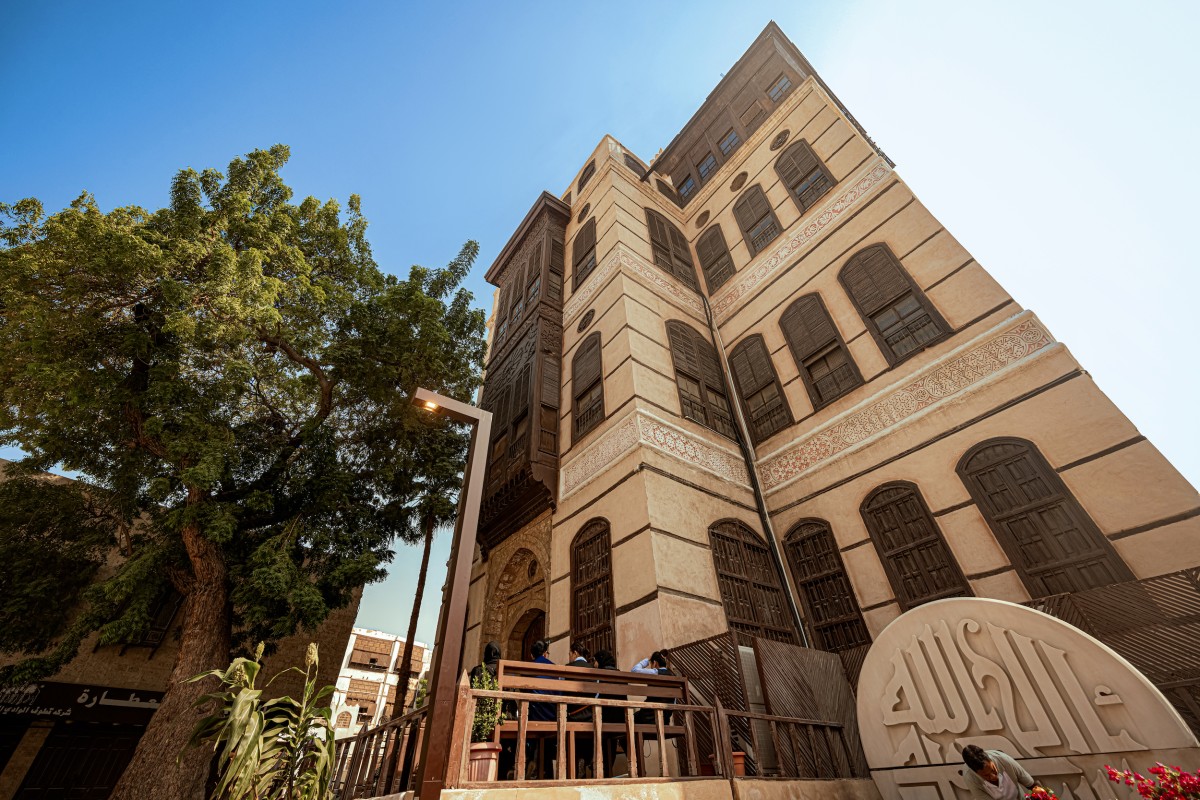
Al Balad is unique and genuinely quite breathtaking, so the best thing to do is just wander about. Pop into the museums and cultural centres, eat at the great restaurants (excellent options if you’re travelling on a budget), and grab coffee or tea on a street-side – or even better, a rooftop – cafe.
Try to go in the late afternoon, around sunset, when the call to prayer echoes around the narrow streets, and the smell of freshly cooked shawarma and coffee lingers in the air. It’s not hard to imagine what this place was like 1,400 years ago.
In terms of key destinations, Bait Nassif is a key stop, as are the souqs on Qabil Street, and Bab Sharif and Bab Makkah, at opposite ends of the Old City. Whatever you do, don’t try to drive in Al Balad: this is a neighbourhood designed well before the existence of cars.
Top places to eat in Al Balad
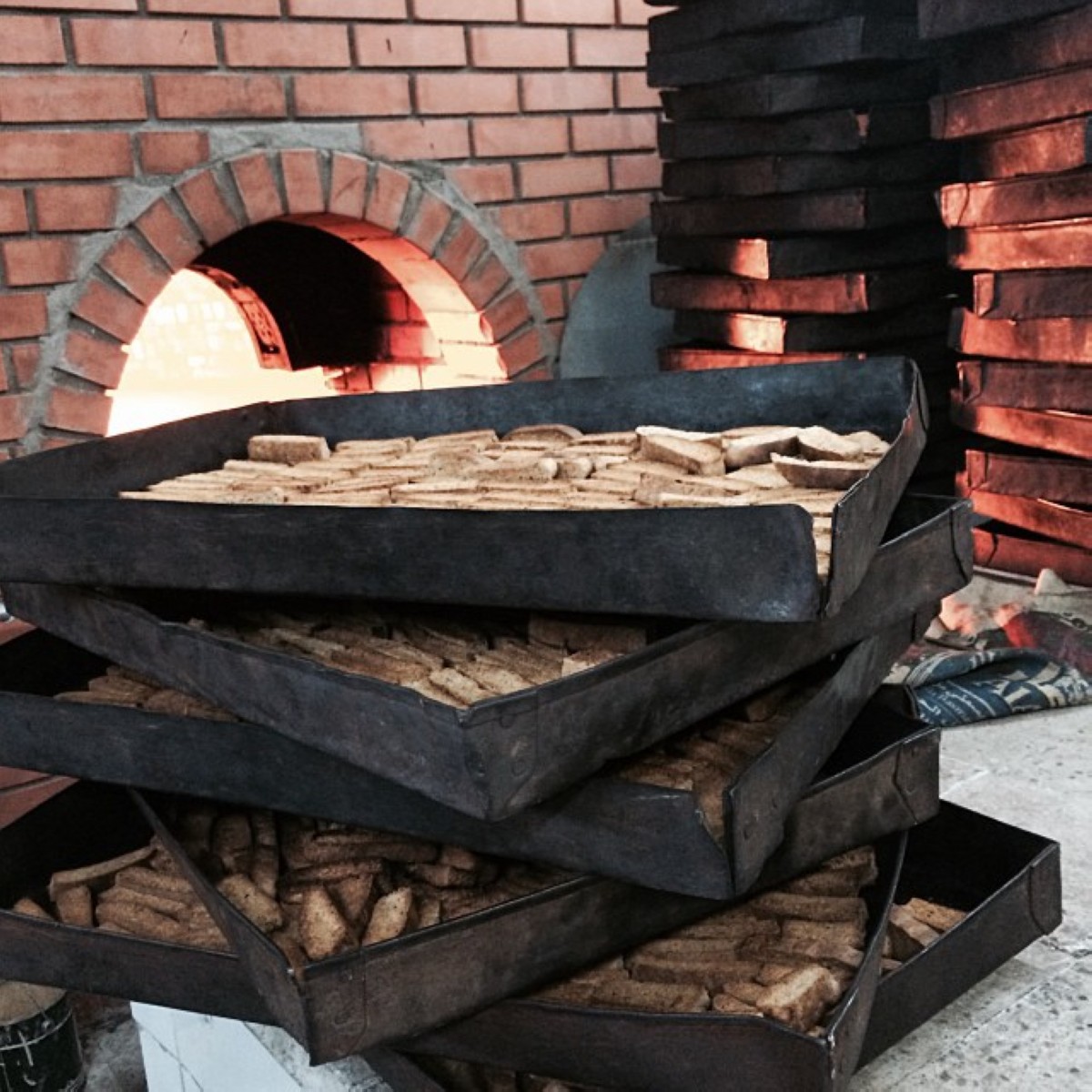
Local delicacies include shreek, a milk-bread donut, and kubz, Saudi pitta. You can have the latter with hummus or moutabal for a cheap and authentic snack. Meanwhile, if you have a hankering for sheep’s head (another regional speciality, popular across the Gulf), drop into Al Shadwi restaurant.
When it comes to drinks, check out sobia, a Hijazi beverage made with barley and sold in various flavours: the appropriately named Sobia Bar is a good place to get your fix.
Where should I stay in Al Balad?
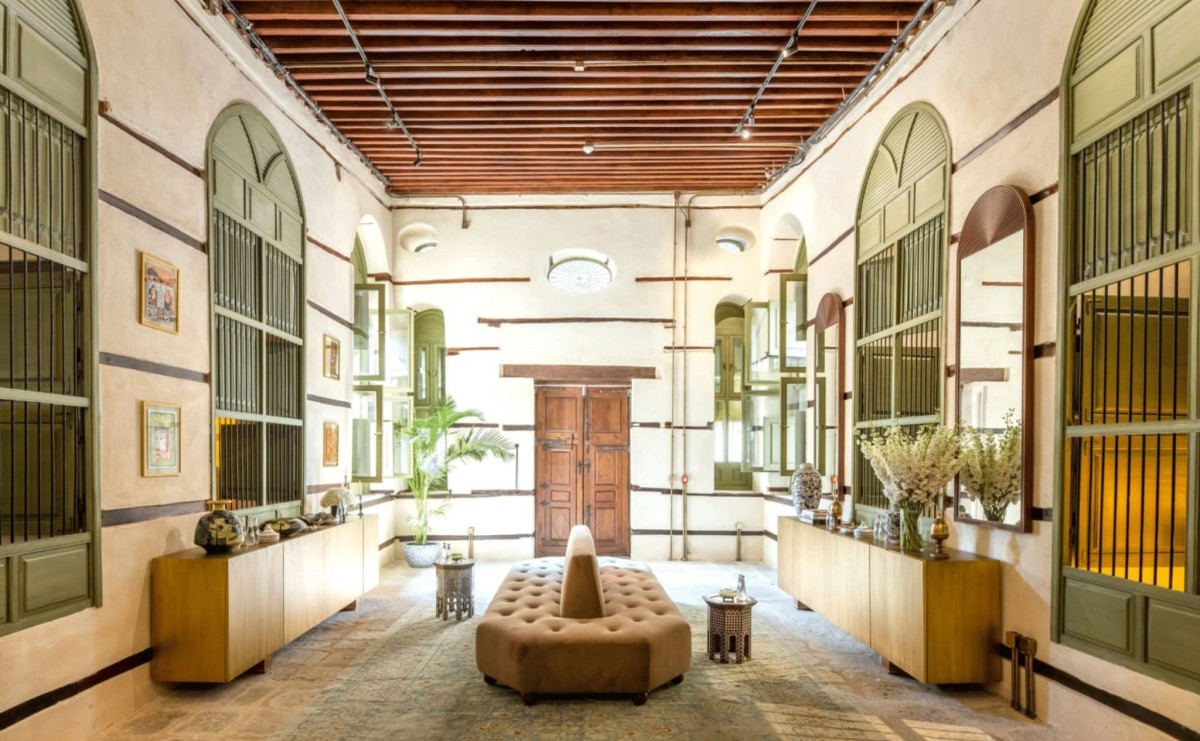
There are a host of hotels around the outskirts of Al Balad, all of varying levels of comfort. It isn’t currently known as a luxury destination, but that is slowly changing. Several former Hijazi merchant houses have been tastefully and sensitively converted into boutique hotels by the Al Balad Hospitality Group. There's also the Al Azhar Hotel, which is within walking distance of the Old City and the Corniche.