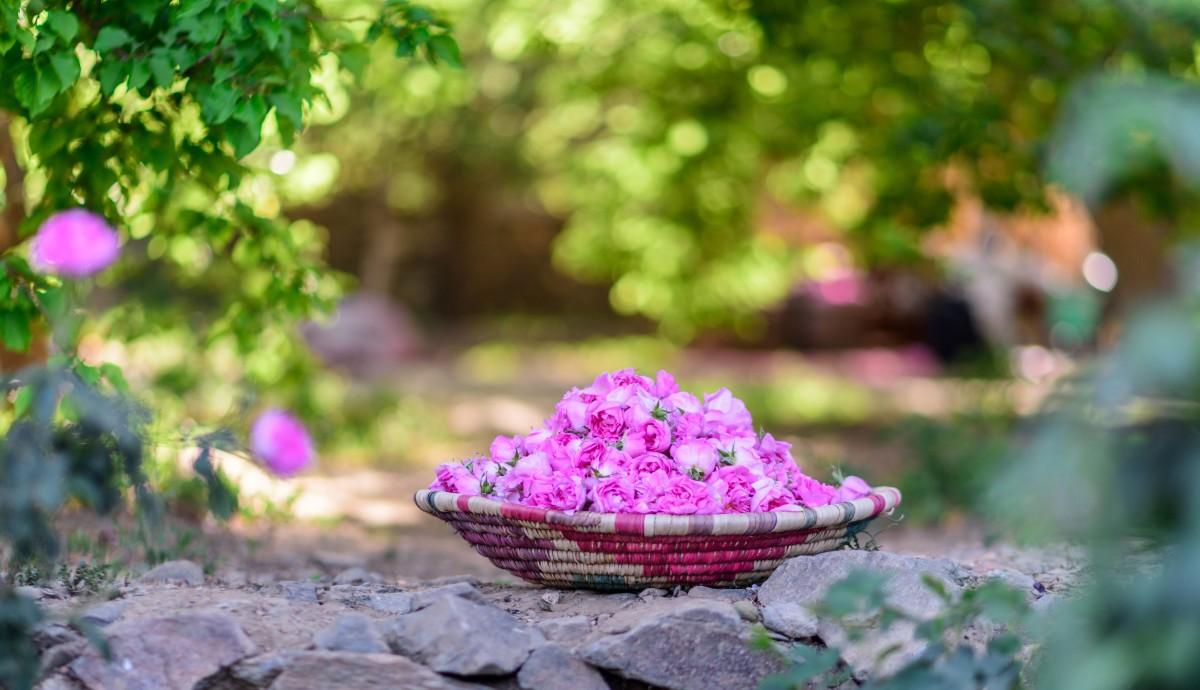





A significant milestone has been achieved for Saudi Arabia's cultural heritage. The Kingdom's "cultural practices related to Taif roses" have been successfully inscribed on UNESCO's Representative List of Intangible Cultural Heritage.
Prince Badr bin Abdullah bin Farhan, Minister of Culture and Chairman of the Board of Directors of the Heritage Commission, expressed his pride in this achievement, attributing it to the unwavering support of King Salman bin Abdulaziz Al Saud and Crown Prince Mohammed bin Salman bin Abdulaziz Al Saud.
UNESCO's Representative List of Intangible Cultural Heritage was established in 2008, with the aim to safeguard significant and intangible items or practices of cultural heritage, and to raise awareness of the importance of these acts. The Kingdom's Taif roses were inscribed during the latest sitting of the committee in Paraguay.
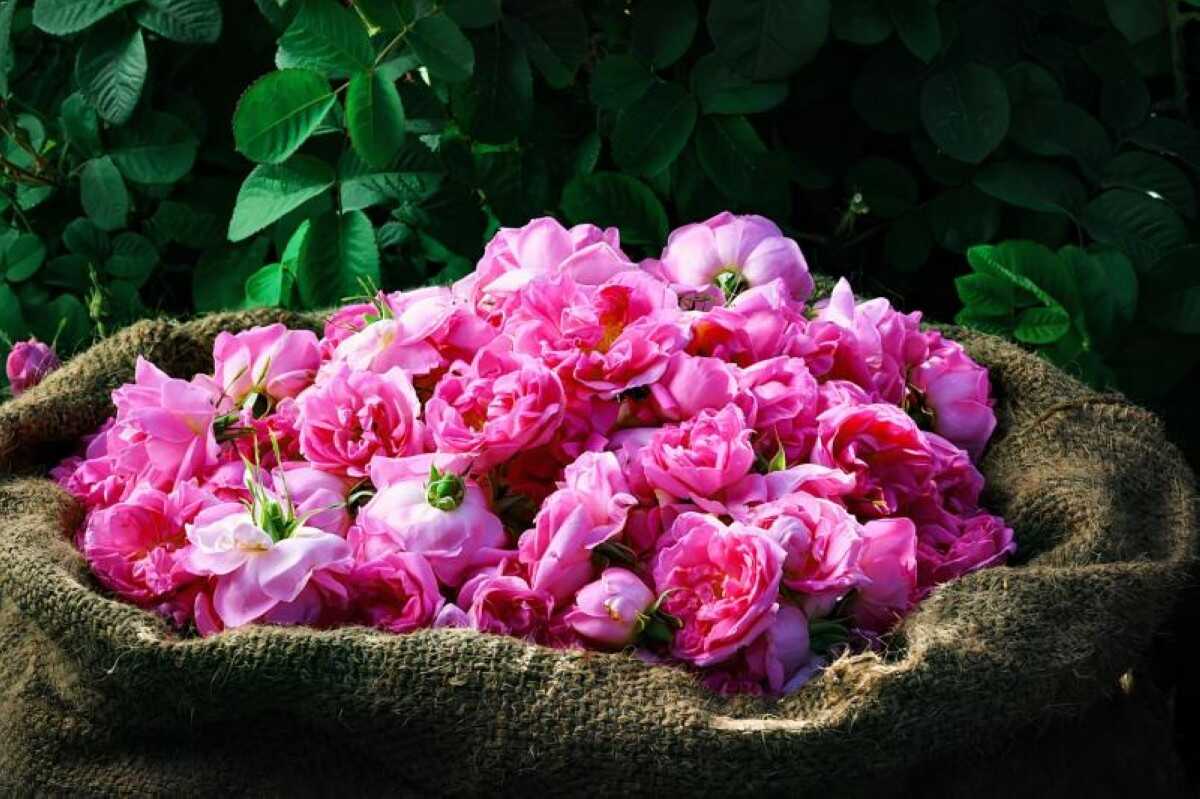
The Taif rose is a symbol of elegance and tradition, and has been deeply intertwined with the lives of the people of Taif for centuries. Its cultivation and processing have been passed down through generations, shaping the region's social fabric and cultural practices.
The Taif rose is highly prized in the world of perfumery for its unique and complex fragrance. Its delicate floral scent, with notes of honey, fruit, and spice, is considered one of the most exquisite in the world, and has been used by some of the largest fragrance houses in the world.
You Might Also Like: Ultimate guide to UNESCO sites in Saudi Arabia
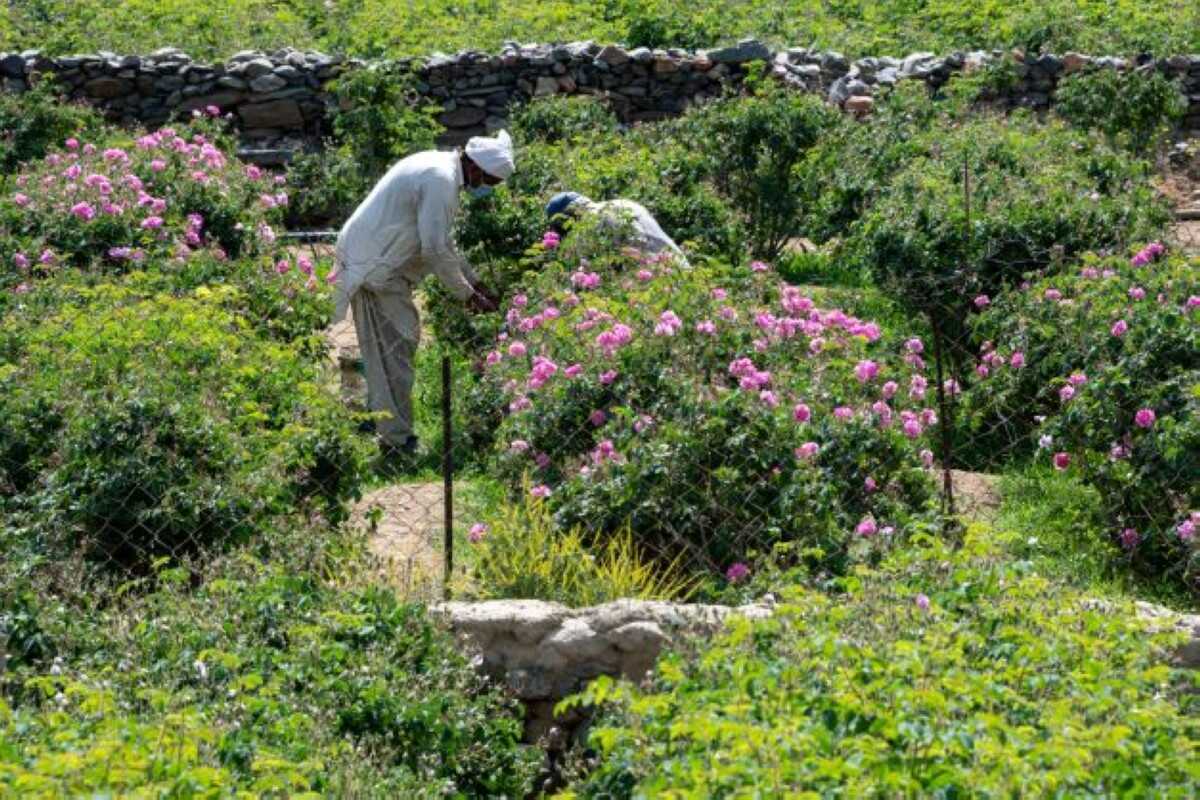
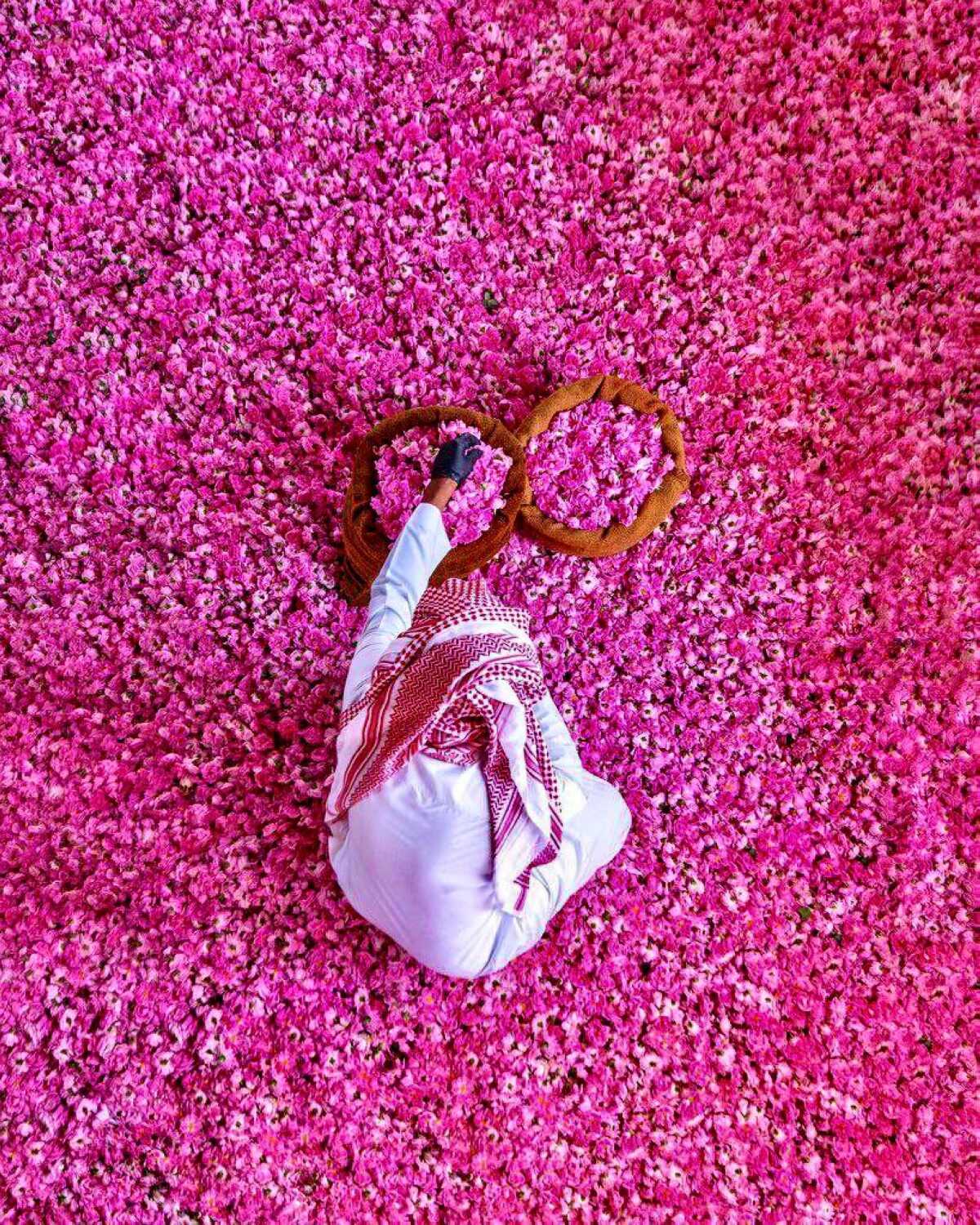
The annual Taif Rose Festival, a celebration of this rich heritage, brings together locals and visitors to experience the beauty and fragrance of the Taif rose. The inscription of this cultural practice on UNESCO's list will further elevate the global recognition of Saudi Arabia's cultural heritage and contribute to its preservation for future generations.
This achievement aligns with the Kingdom's Vision 2030 and the National Strategy for Culture, which aim to promote Saudi culture on the world stage and safeguard its intangible heritage.
In addition to the addition of Taif roses, the United Arab Emirates, in collaboration with Saudi Arabia, Morocco, Palestine, and over ten other countries, jointly submitted traditional henna-making practices for inclusion on the UNESCO list. And in the same sitting of the committee, henna and henna practices was also added to the UNESCO Representative List of Intangible Cultural Heritage.
View the full list right here
@unesco @unescoworldheritage