




An extraordinary collection of life-size rock engravings, scientifically dated to between 11,400 and 12,800 years ago, has been discovered in the Al-Nafud desert of northern Saudi Arabia.
According to scientists, this discovery pushes back the known timeline of human activity in the region by nearly two millennia.
Considered a monumental find for not only Saudi Arabia, but for global research, this unique find showcases a number of depictions and inscriptions of daily life, with some carvings reaching up to 6 feet in height. Documented by an international research team under the "Green Arabia Project," provides compelling evidence that developed hunter-gatherer communities thrived in areas that are today overwhelmingly arid.
You Might Also Like: Guide to Saudi Arabia's UNESCO sites
Where are these carvings? What do they depict?
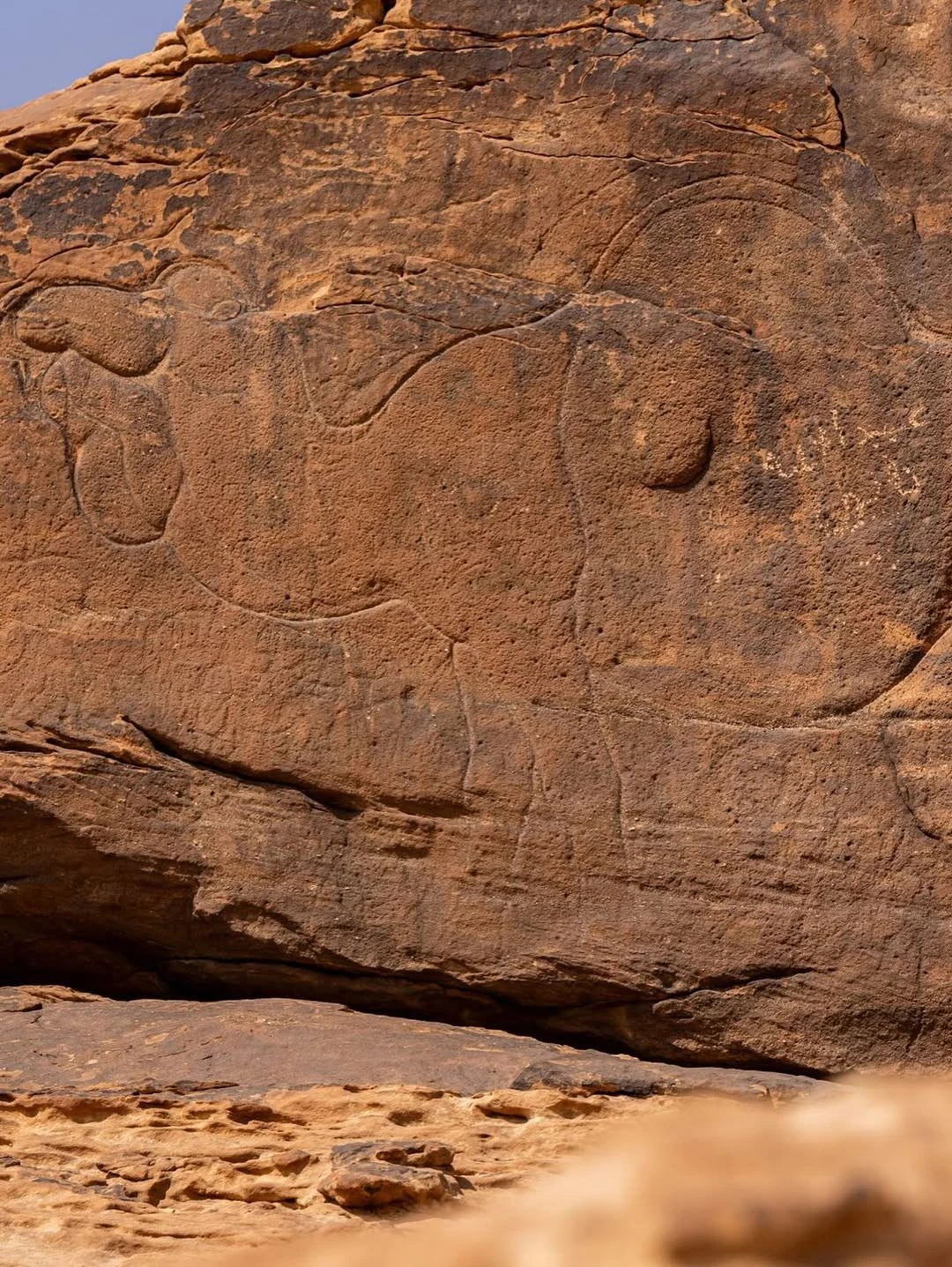
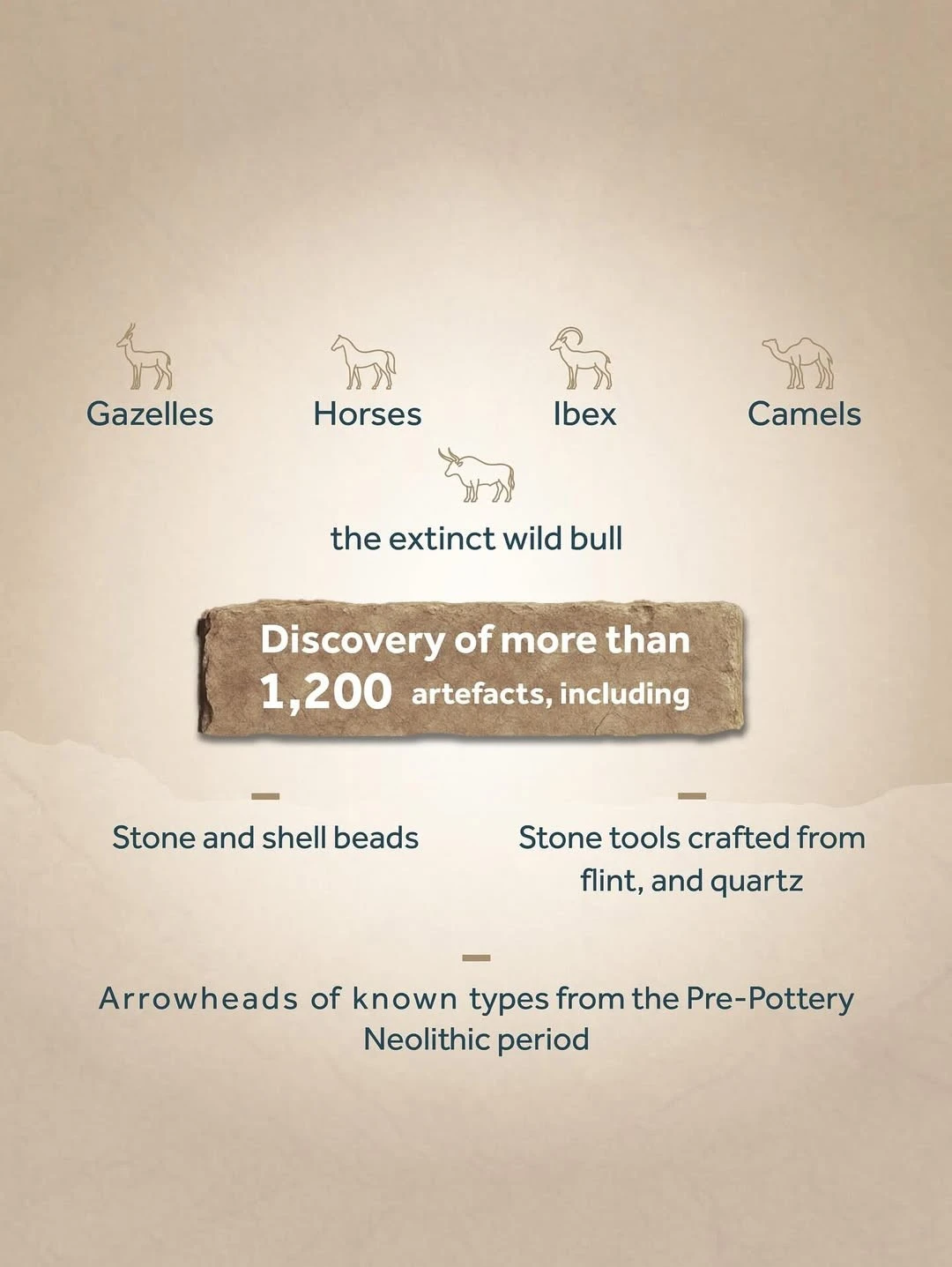
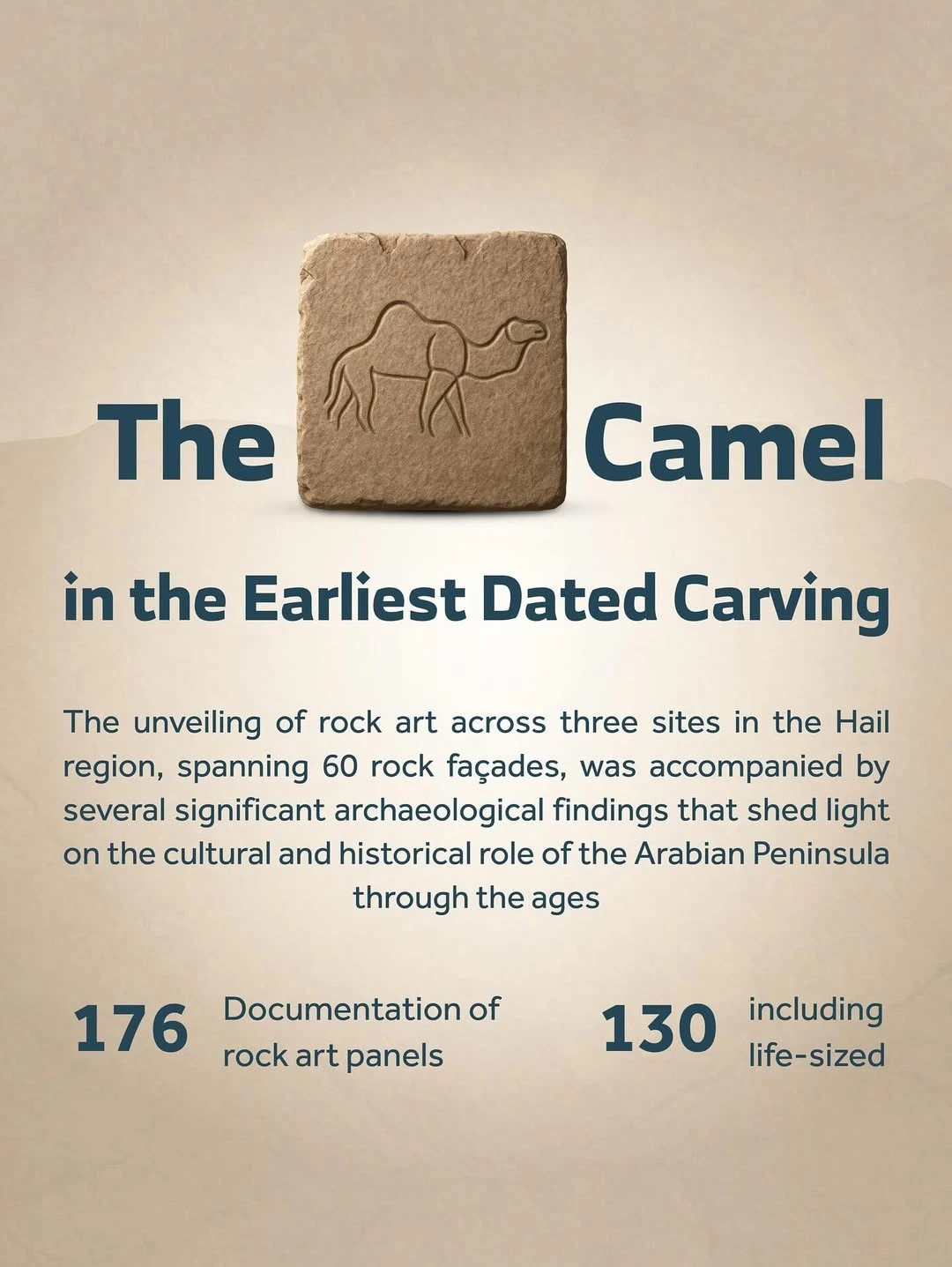
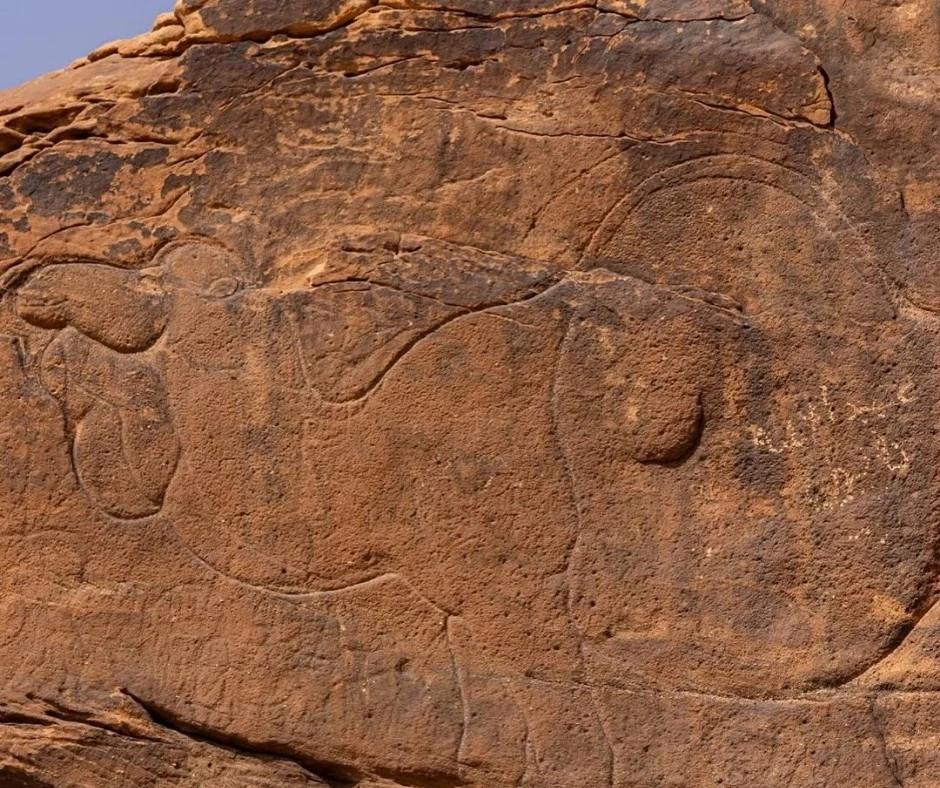
This new discovery was made in three previously unexplored areas — Jebel Arnaan, Jebel Mleiha, and Jebel Misma, and includes 176 rock carvings, with 130 of them depicting life-size, naturalistic animals. These engravings are of remarkable scale, with some figures, primarily camels, ibexes, gazelles, and the extinct wild cattle ancestor known as the auroch, reaching up to three meters in length.
The existence of these large animal populations confirms that the region experienced a humid climatic phase between approximately 13,000 and 16,000 years ago. This wetter period, which followed the extreme aridity of the Last Glacial Maximum, allowed seasonal lakes and vegetation to appear, supporting the ecosystem upon which these early human groups relied. The artwork itself features recurring imagery of male camels during the mating season, which coincides with the wet season, suggesting the deep symbolic importance of the arrival of rain for survival.
The sheer technical skill of the ancient artists is notable.
You Might Also Like: Where to find Saudi's historic past carved into the landscape
Researchers pointed out that many of the carvings were etched into elevated, highly visible cliff faces, sometimes as high as 39 meters (128 feet) above the desert floor. Intriguingly, some of the most detailed pieces were carved on narrow ledges, requiring the artist to work directly in front of the rock without being able to step back to view the final, perfectly proportioned product. The tools used were equally basic: an excavation beneath one camel engraving revealed a wedge-shaped rock pick likely responsible for the sharp, meticulous lines.
Far from being mere decoration, experts suggest the monumental rock art served a vital purpose. The carvings were strategically located near where seasonal water sources would have collected, implying they acted as ancient way-markers for nomadic groups, signifying key travel routes, water access, and possibly territorial rights or intergenerational memory for these resilient communities.
Further excavation beneath the art panels yielded over a thousand stone tools and artefacts, including arrowheads and shell beads. The presence of these items indicates that the artists had cultural and economic ties with contemporary societies in the Levantine region, hundreds of kilometres away. This landmark archaeological discovery not only highlights the artistic creativity of the Arabian Peninsula but also enhances our understanding of the cultural exchanges and advanced survival strategies of its earliest human inhabitants.