
Jointly curated by the Royal Commission for AlUla and the Shang Dynasty Capital Site Museum, the new exhibition, "Glimpses of the Ancient North Arabian Kingdoms" is a signature event of the Saudi-Chinese Cultural Year 2025.
The collaboration follows the hugely successful "AlUla, Wonder of Arabia" exhibition that took place in 2024, in Beijing, which drew over 200,000 visitors. By showcasing their shared legacies in trade and culture, the Royal Commission for AlUla and the Chinese Ministry of Culture are actively building a bridge between two major historical civilisations, strengthening the cultural and tourism ties between Saudi Arabia and China in line with Saudi Vision 2030.
The new exhibition is currently running at the Shang Dynasty Capital Site Museum in China's Henan Province and will be available for the public to view and visit until January 5, 2026. The showcase aims to transport visitors back to a time when Saudi Arabia's powerful civilisations and local ancient kingdoms of Dadan, Lihyan, and Nabataea controlled the vital caravan routes linking Arabia with Egypt, Mesopotamia, and the Mediterranean.
These ancient civilisations, centred in the fertile area of the AlUla Valley, which is now most well known for being the location of Saudi Arabia's first UNESCO World Heritage Site, Hegra. Here, they left behind a wealth of temples, inscriptions, monumental tombs, and unique artworks, more than 30 of which are now on display.
You Might Also Like: First direct flight route launched between Saudi Arabia and China's Hainan Province
What is on show at the Glimpses of the Ancient North Arabian Kingdoms exhibition?
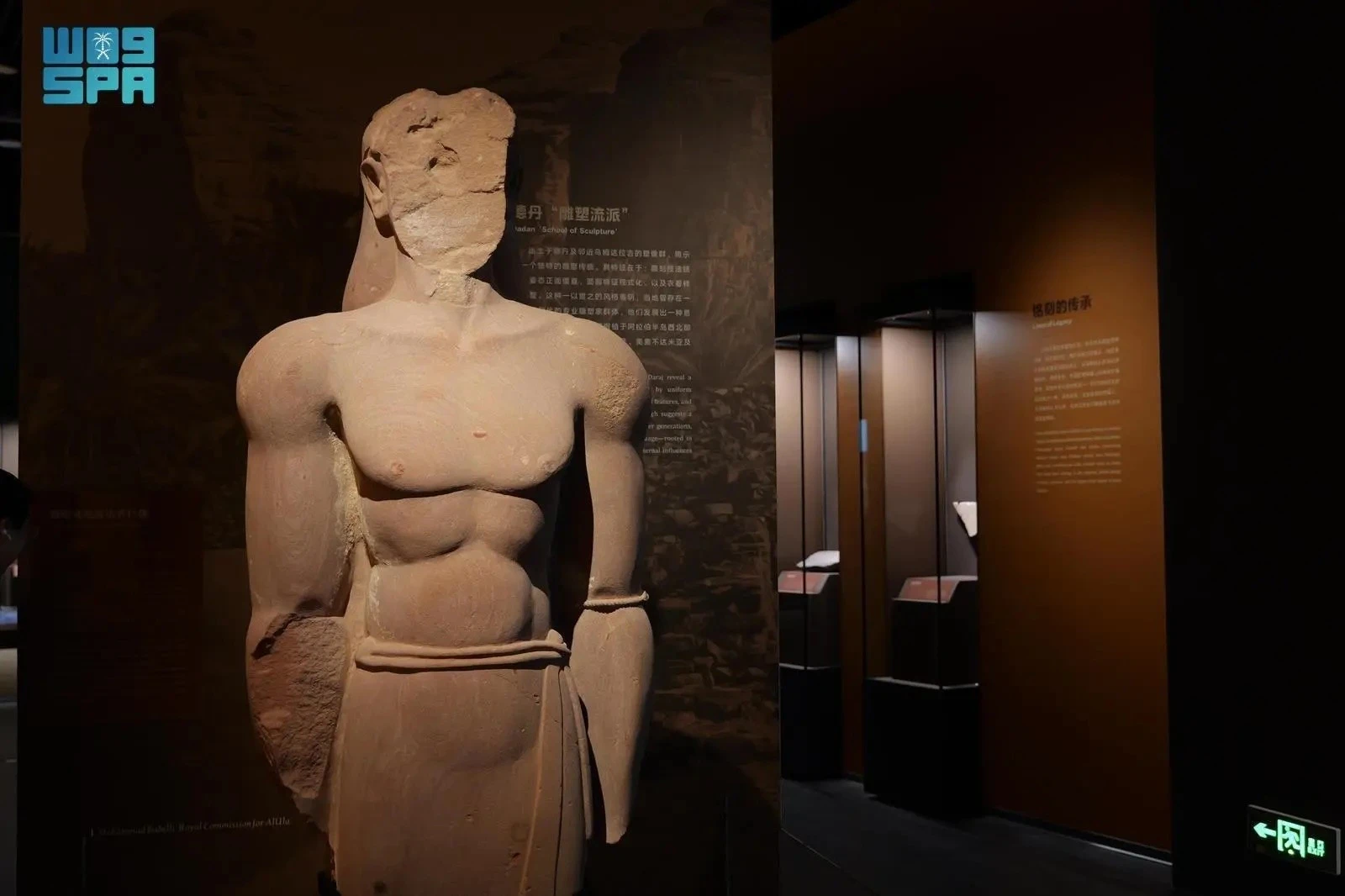
The collection provides a window into the artistic and political prowess of the ancient kingdoms, and explored the rich and varied history of Saudi Arabia.
The selection of Saudi artefacts provided by the Royal Commission of AlUla, are complemented by ten ancient Chinese objects, such as camel figurines, incense burners, and cosmetic items. Displaying these Chinese artefacts alongside those from AlUla serves to underscore the parallel advancements and shared artistic values of the two regions, from the same or similar time periods. Showcasing the similarities and differences between the two developing complex societies, writing systems, and long-distance trade networks since the first millennium B.C.
Visitors to the exhibition will be able to learn about and view a variety of artefacts including:
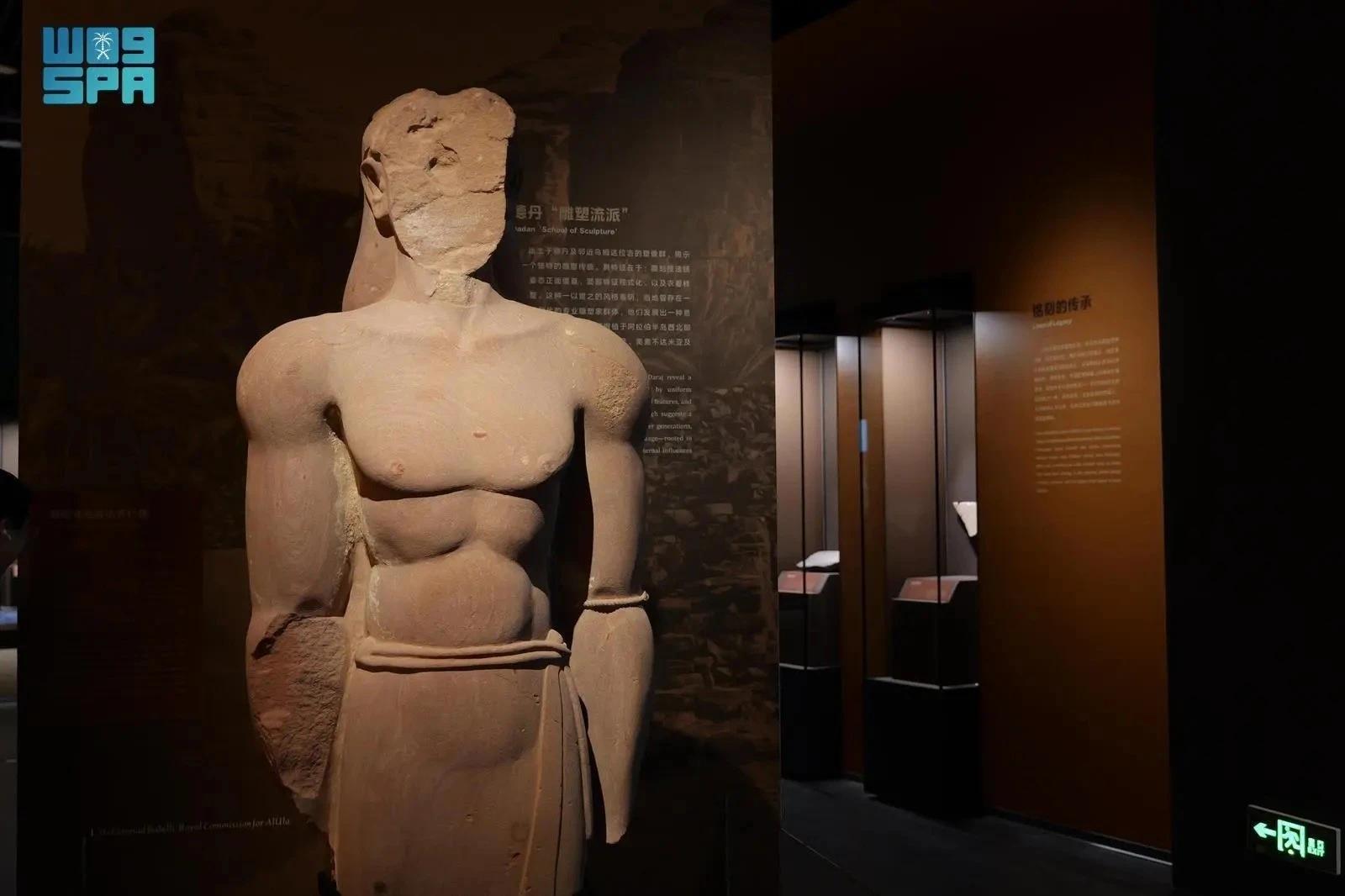
- A monumental sandstone statue of a Lihyanite ruler from Dadan, dating back to the fifth to third centuries B.C.
- Votive figurine fragments left by pilgrims at sacred sites like Umm Daraj and Jabal Dadan.
- A delicate, 2,000-year-old Nabataean silk fragment discovered within a monumental tomb, offering compelling evidence of long-distance exchange with silk’s origin in China.
- A rare silver "sela" coin from Petra, depicting Nabataean King Aretas IV and Queen Huldu.
Glimpses of the Ancient North Arabian Kingdoms Exhibition,
From September 26, 2025, to January 5, 2026
Shang Dynasty Capital Site Museum, Zhengzhou, Henan Province, China
rcu.gov.sa
@mocsaudi