


Before the Kingdom became one of the world’s fastest-growing tourism destinations, tourism was for decades, a sector that developed gradually. It was shaped more by geography, social customs and infrastructure capabilities than by major promotional campaigns or large-scale investment plans.
From the 1970s through to the first decade of the 21st century, the foundations of domestic Saudi tourism began to take shape. Domestic tourism revolved around summer escapes to the southern highlands, desert and road trips across the central and northern regions, and Umrah and Hajj visits in the Hijaz, while inbound international tourism remained relatively limited.
This formative period, which extended until the launch of Vision 2030, laid the groundwork for the major transformation documented in recent reports describing how Saudi Arabia has become a rapidly growing tourism titan. Saudi Vision 2030 was officially launched on April 25, 2016, and in this piece, we look at the time period before this.
Saudi Tourism Before Vision 2030: An Overview
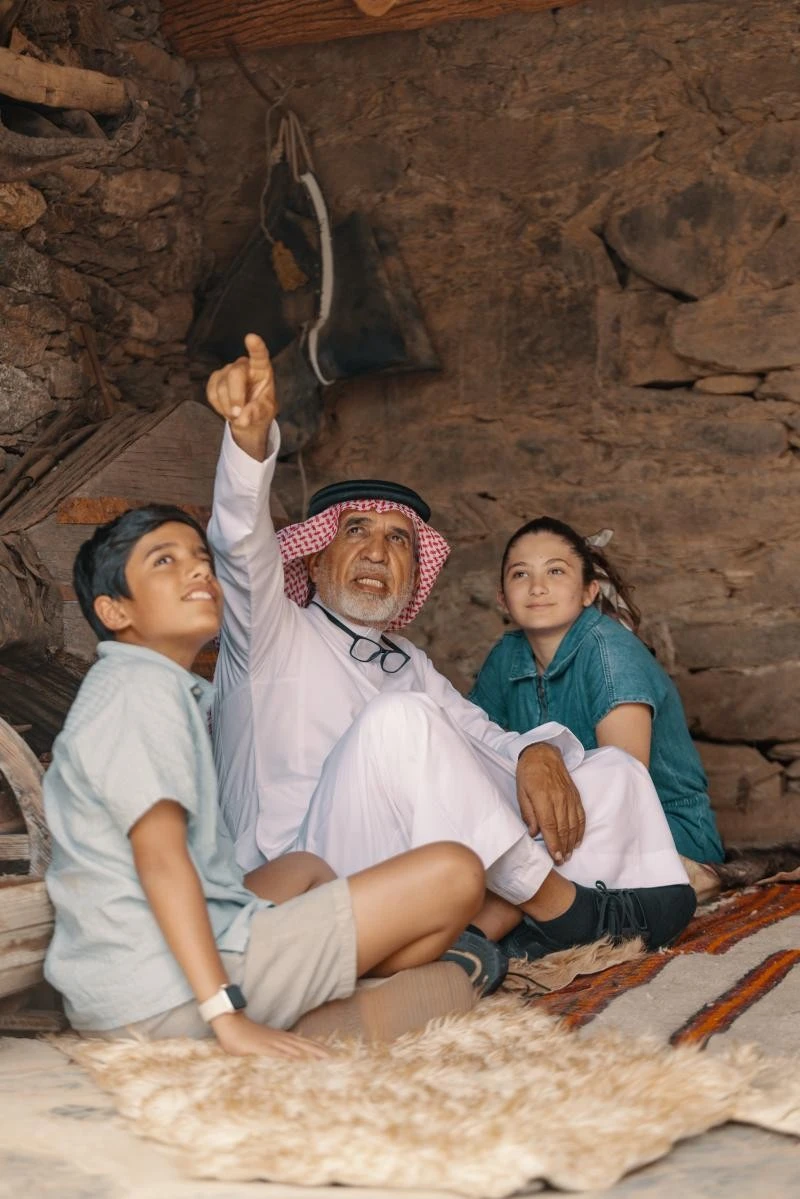

Before the launch of Vision 2030, Saudi Arabia’s early-2010s tourism landscape was defined by a few distinct characteristics.
During this time, rather unsurprisingly, domestic tourism outweighed inbound tourism. This domestic tourism was strongly concentrated around Hajj and Umrah and summer tourism in the mountains. There was also a clear regional distinction in the types of tourism on offer: Aseer and Al Baha developed as summer destinations; the western region served as a religious and coastal gateway; the Eastern Province developed as a family-friendly seaside destination; while Riyadh, Qassim and the northern regions were associated more with desert trips and heritage tourism.
Infrastructure was still developing. Roads, airports and hotels improved gradually but had not yet reached the scale of today’s mega-projects. At the same time, strategic and institutional thinking around tourism was becoming increasingly visible, particularly through the experience of Aseer, tourism investment conferences and the early work of the Saudi Commission for Tourism.
This period, with all its varied experiments and initiatives, helped prepare the ground for the tourism boom we are witnessing today under the leadership of Crown Prince Mohammed bin Salman.
You Might Also Like: How a 16% increase in domestic travel is fuelling Saudi's tourism growth
The best places to visit in Saudi Arabia
Aseer: An Early Model for Turning Tourism into an Industry
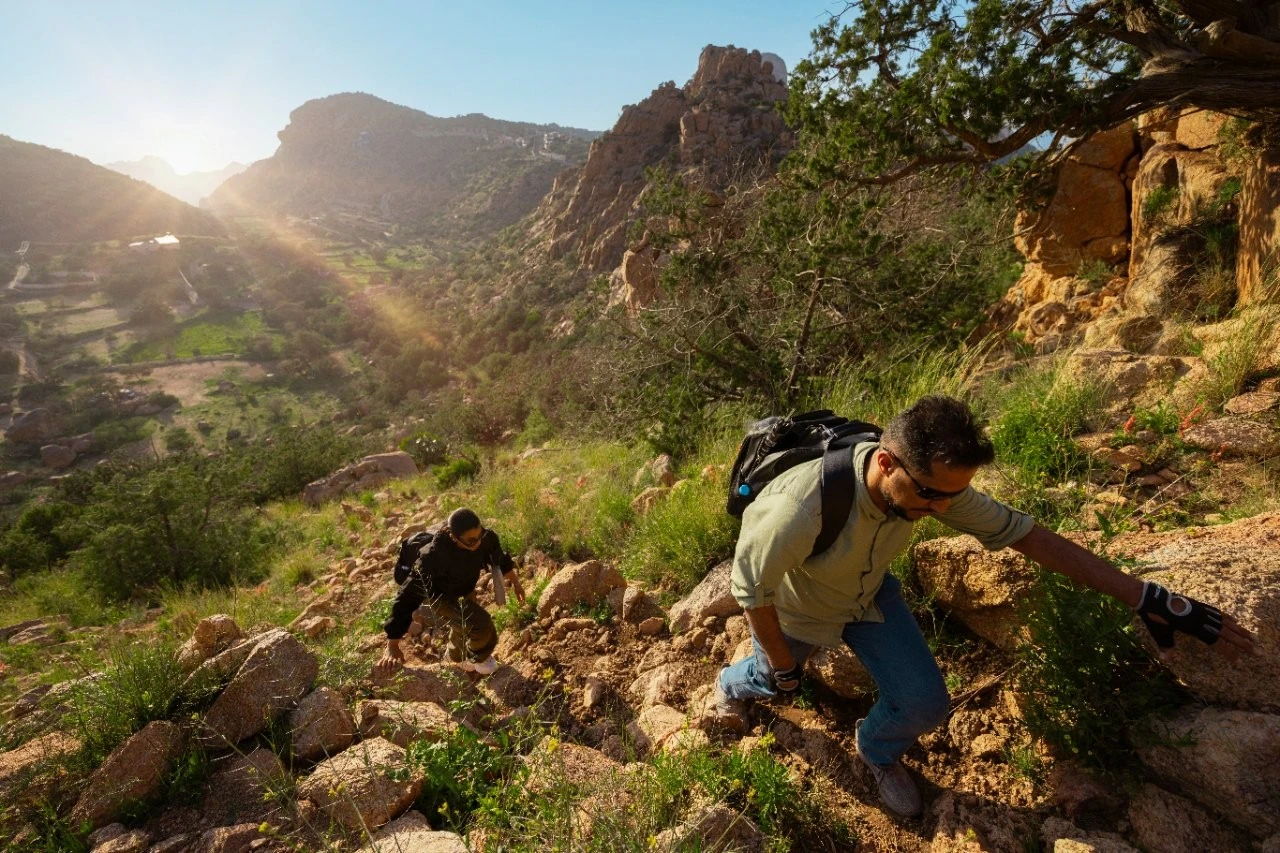
Aseer stands out as the most prominent example in the history of Saudi tourism before Vision 2030.
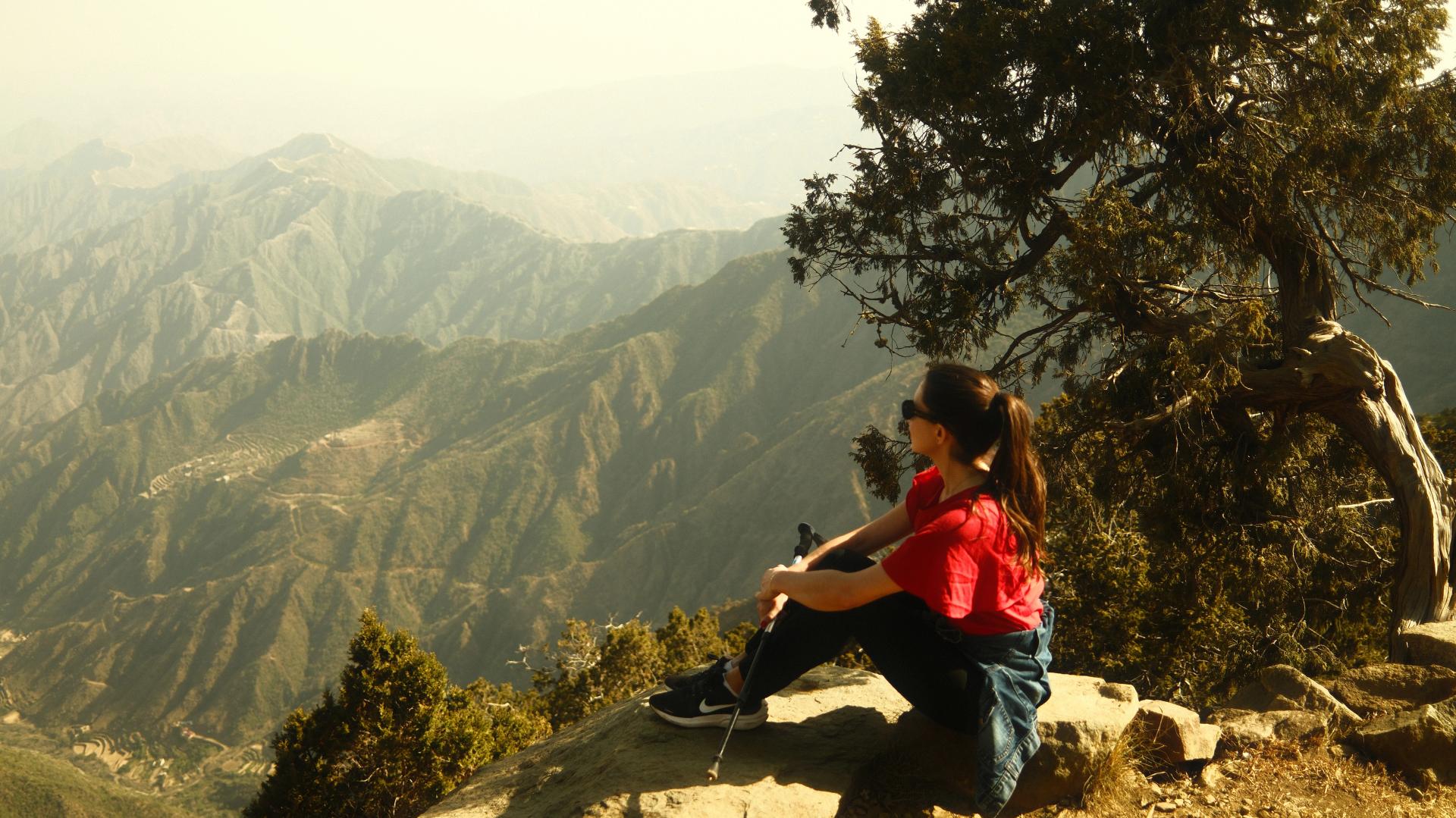
From around the mid-1970s, Prince Khalid Al Faisal — then Governor of Aseer — recognised that the region possessed a rare combination of mountains, desert, coastline and plains, along with dense vegetation and a mild summer climate. These qualities, he believed, made Aseer well positioned to become the foundation of a national tourism industry.
During this time period, tourism consisted mainly of limited programs overseen by a subcommittee within the regional emirate. It was not yet viewed as an independent economic sector. Prince Khalid’s vision, however, was based on the idea that consumer commerce alone was not enough. Investing in nature could transform Aseer into a source of income and employment for its people, while also introducing Saudis to a valuable and beautiful part of their own country.
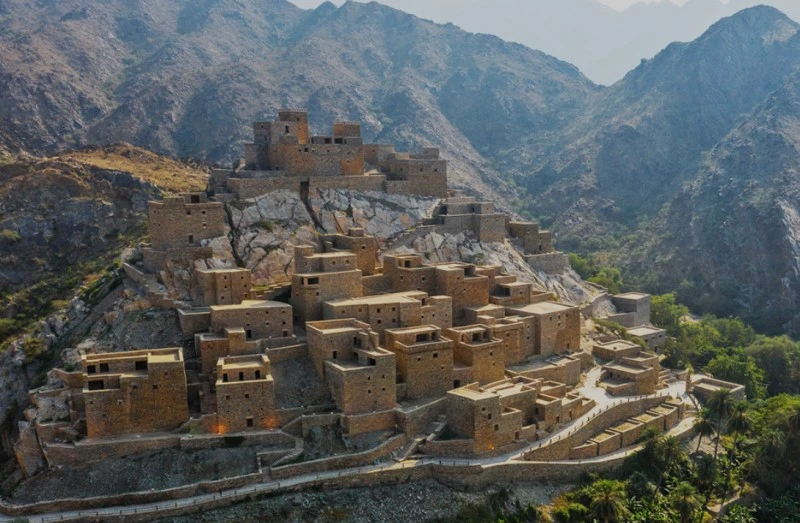
You Might Also Like: Solo in Saudi: exploring the striking beauty of Aseer
The first major turning point came in 1976, when plans were announced to establish the Kingdom’s first national park in Aseer. Aseer National Park subsequently opened its doors to visitors in 1981. A few years later, Aseer Company was established to invest in tourism, followed by the National Tourism Company, as part of a broader institutional approach to investing in resorts and hotels.
Prince Khalid also persuaded businessmen to become partners in tourism development. They were offered land plots at reduced prices in return for developing half of them, creating an early model of public-private partnership in Saudi tourism.
In 2017, Abha was named the Arab Tourism Capital, after gradually developing into an unofficial “summer capital” that welcomed visitors from across the Kingdom and the Gulf states. The title represented the culmination of a journey that had begun decades before Vision 2030 and eventually became part of the new Saudi tourism landscape.
You Might Also Like: 8 of the best places to visit in Aseer
Makkah and Madinah: Hajj, Umrah and the Early Foundations of Modern Hospitality
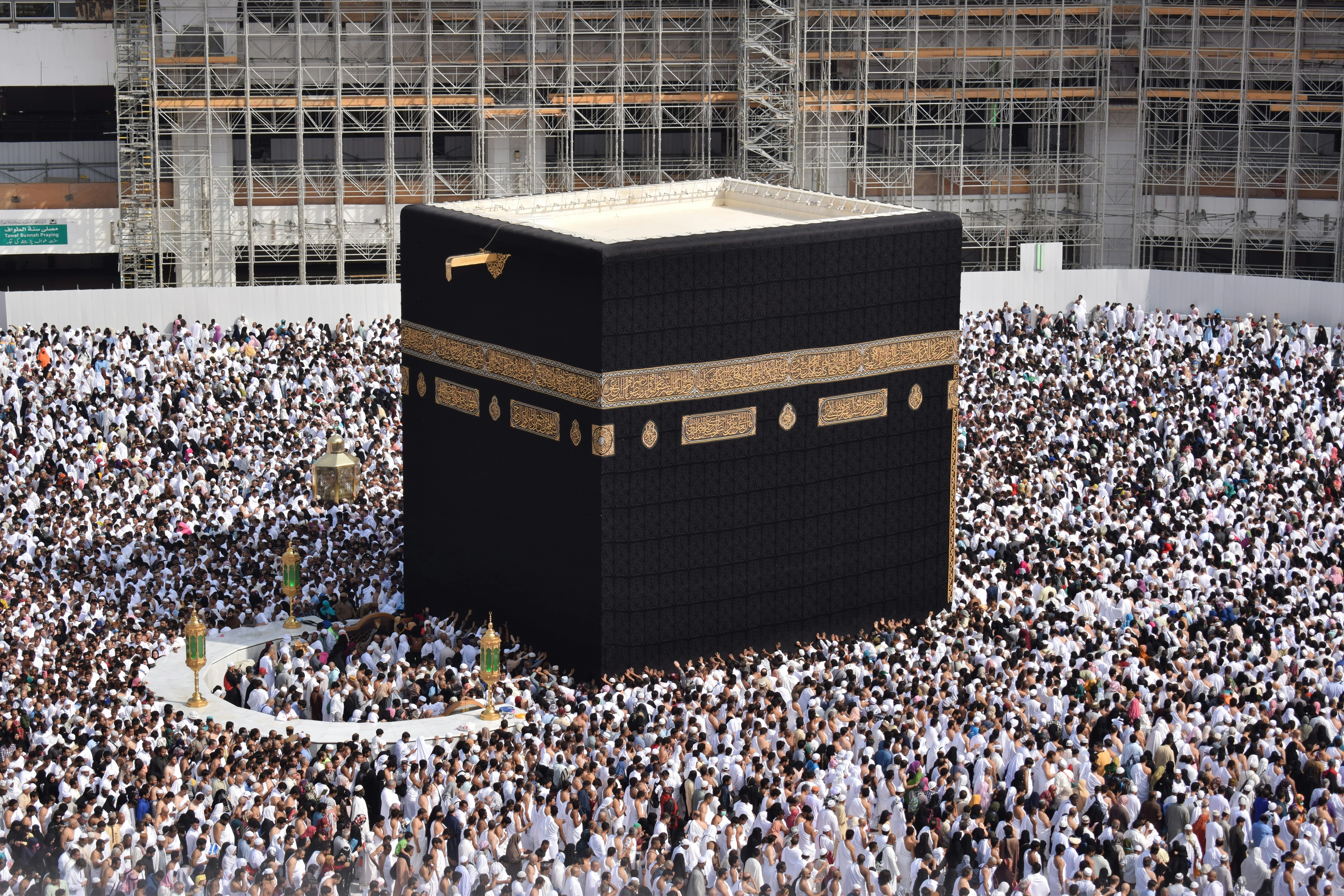
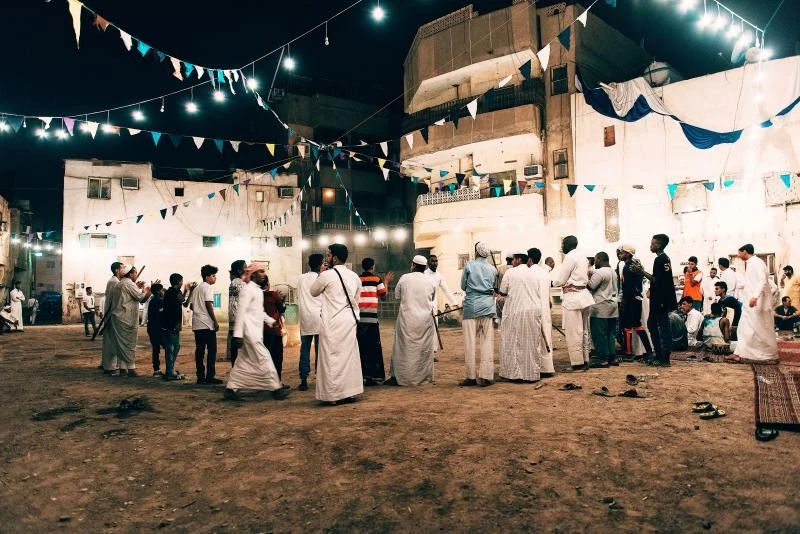
Before there was any discussion of leisure or ecotourism, Makkah and Madinah were already welcoming millions of pilgrims and Umrah performers every year.
This enormous human flow represented the Kingdom’s oldest and largest tourism-related activity, even though it was not initially described as “tourism” in the modern economic sense. In Makkah, accommodation services evolved from traditional ruba’ lodging houses into modern hotels, while infrastructure expanded through roads, tunnels and transportation projects. Meanwhile, Madinah underwent extensive urban development around the Prophet’s Mosque, accompanied by the expansion of hotels, markets and supporting services.
This early experience in crowd management and hospitality later became a foundation for the Kingdom’s ability to welcome visitors with other tourism interests. It also inspired new hospitality projects in other cities, such as Red Palace Hotel in Riyadh.
The Western Region (Hijaz): Jeddah, the Waterfront and the Historic Gateway
Jeddah: Gateway to the Holy Cities and a Seaside Destination
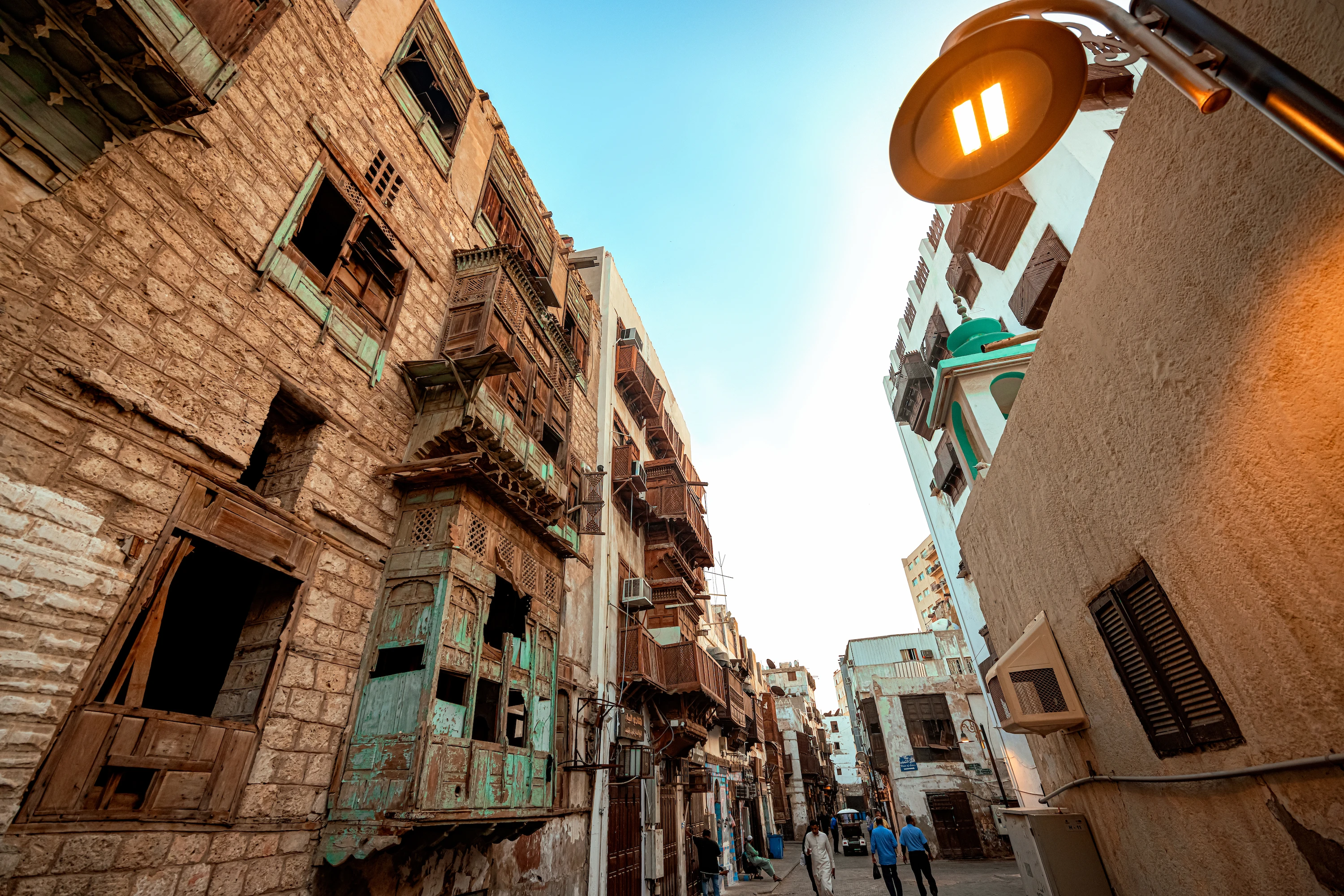
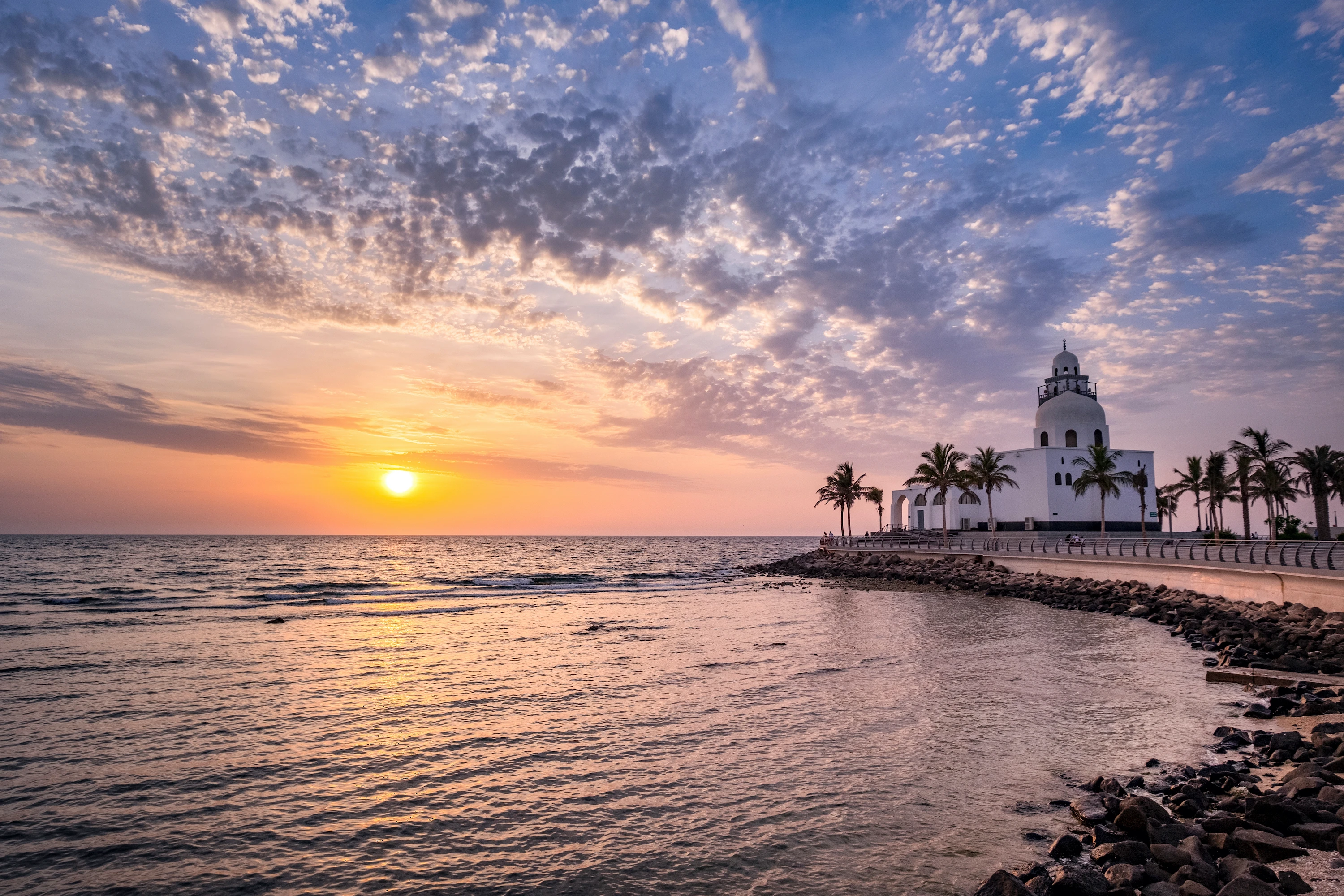
Before Vision 2030, Jeddah was primarily known as the “Gateway to the Holy Cities” and as a commercial and maritime hub rather than as an independent tourism destination. Nevertheless, the city developed the early foundations of a family-oriented seaside tourism scene.
The old and new Jeddah Corniche have become major recreational spaces for residents and visitors. Whilst the now, UNESCO-recognised historic district of Al Balad has long attracted those interested in preserved, traditional architectural and a glimpse of the Kingdom's heritage. Private resorts and beachside chalets along the Red Sea attracted families, although they generally remained closer to the concept of private “rest houses” than modern tourism resorts. That began to change with the establishment of Durrat Al Arus in 1996, the first tourist village and resort city north of Jeddah.
Over time, Jeddah began hosting cultural, artistic and sporting events, as well as shopping festivals, gradually transforming into an events city. This trajectory accelerated after 2016 with Formula 1 races, film festivals and projects such as the Jeddah Yacht Club.
The Road to Abha and the Sarawat Mountains
Geographically, the western coastline served as a major gateway to the southern highlands; many Saudi and Gulf travellers would combine a stay in Jeddah or Taif with an overland journey to Abha and Aseer. This connection between the sea and the mountains helped create a culture of long road trips, which would later evolve into road-trip tourism
You Might Also Like: The best road trips in Saudi Arabia
The Central Region (Riyadh and Qassim): From Desert Tourism to Historical Discovery
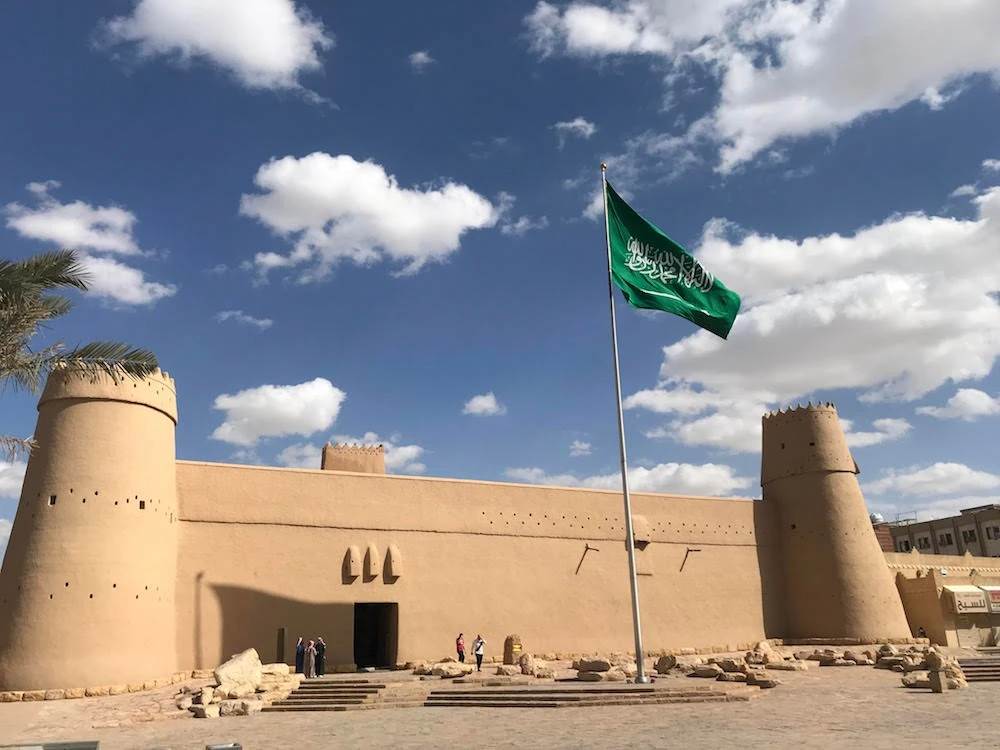
Riyadh: A Business City with an Emerging Domestic Tourism Scene
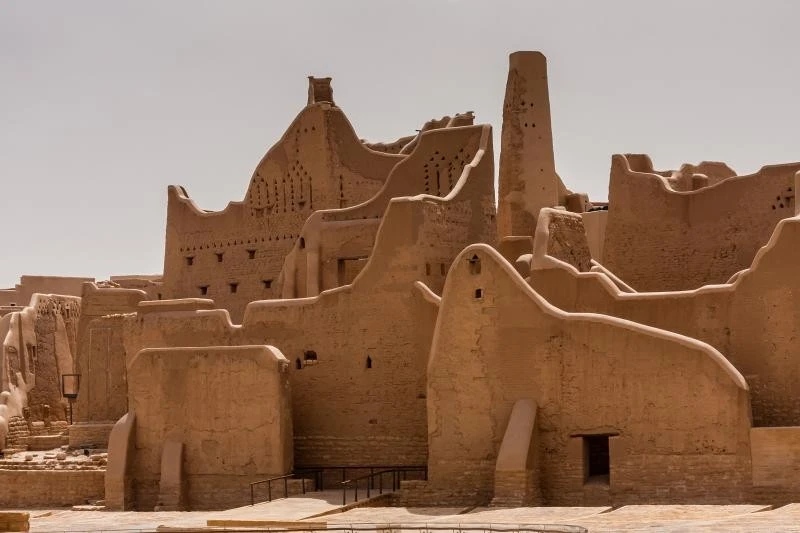
Before Vision 2030 was announced, Riyadh was primarily viewed as the Kingdom’s political and administrative capital and business center, with a relatively limited leisure tourism scene focused on: Traditional markets and shopping malls, parks and neighborhood gardens and desert rest houses and trips around the outskirts of the city. Behind the scenes, however, the foundations of historical and cultural tourism were already emerging through institutions such as the National Museum and landmarks such as Al Masmak Palace and historic Diriyah. These destinations would later become central to major development projects and international events, alongside some of Saudi Arabia’s most important historical sites.
Qassim: Festivals, Events and Traditional Markets
In Qassim, event-based tourism and agricultural festivals — particularly the date festivals — began to attract visitors, alongside traditional markets and architectural heritage in cities such as Unaizah and Buraydah. This tourism was largely local, relying on visitors from within the region or neighboring cities. Nevertheless, it established a model of tourism built around local identity and agricultural products.
The Eastern Province: The Sea, Industry and the Beginnings of Family Tourism
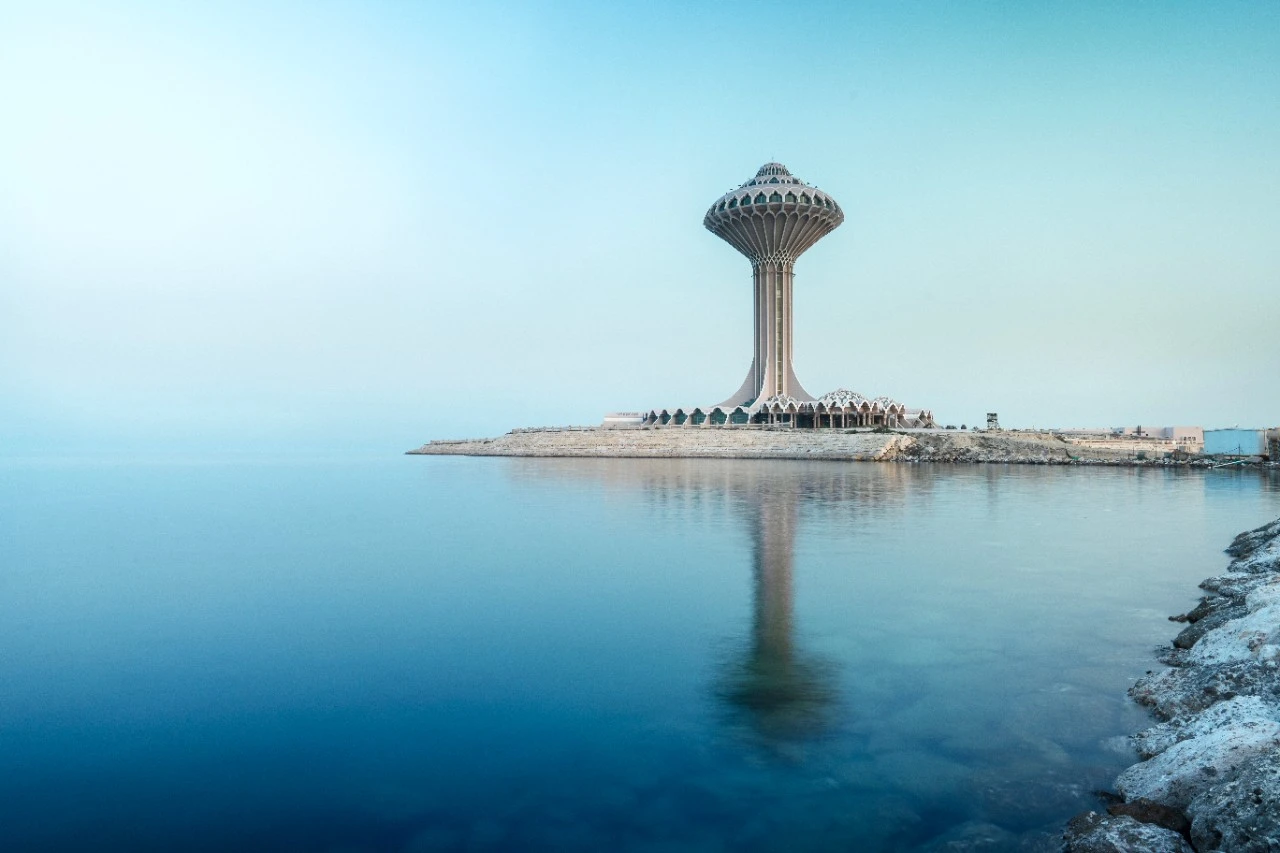
In the Eastern Province, tourism developed alongside the region’s oil and industrial economy. Cities such as Dammam, Al Khobar and Dhahran evolved primarily as places to live and work for employees in the oil and gas industries. Yet their waterfronts along the Arabian Gulf, together with their corniches and parks, made them popular weekend destinations for families from within the region as well as from Riyadh and Qassim.
Before Vision 2030, tourism in the region largely revolved around shopping malls and commercial centres, the waterfront parks and corniches, in addition to older coastal resort destinations. These early foundations have since evolved into a more mature tourism scene, with a greater variety of family activities, parks and beaches.
You Might Also Like: 12 things you need to know before visiting Dammam
The North: Desert Adventures, Archaeology and Untouched Nature
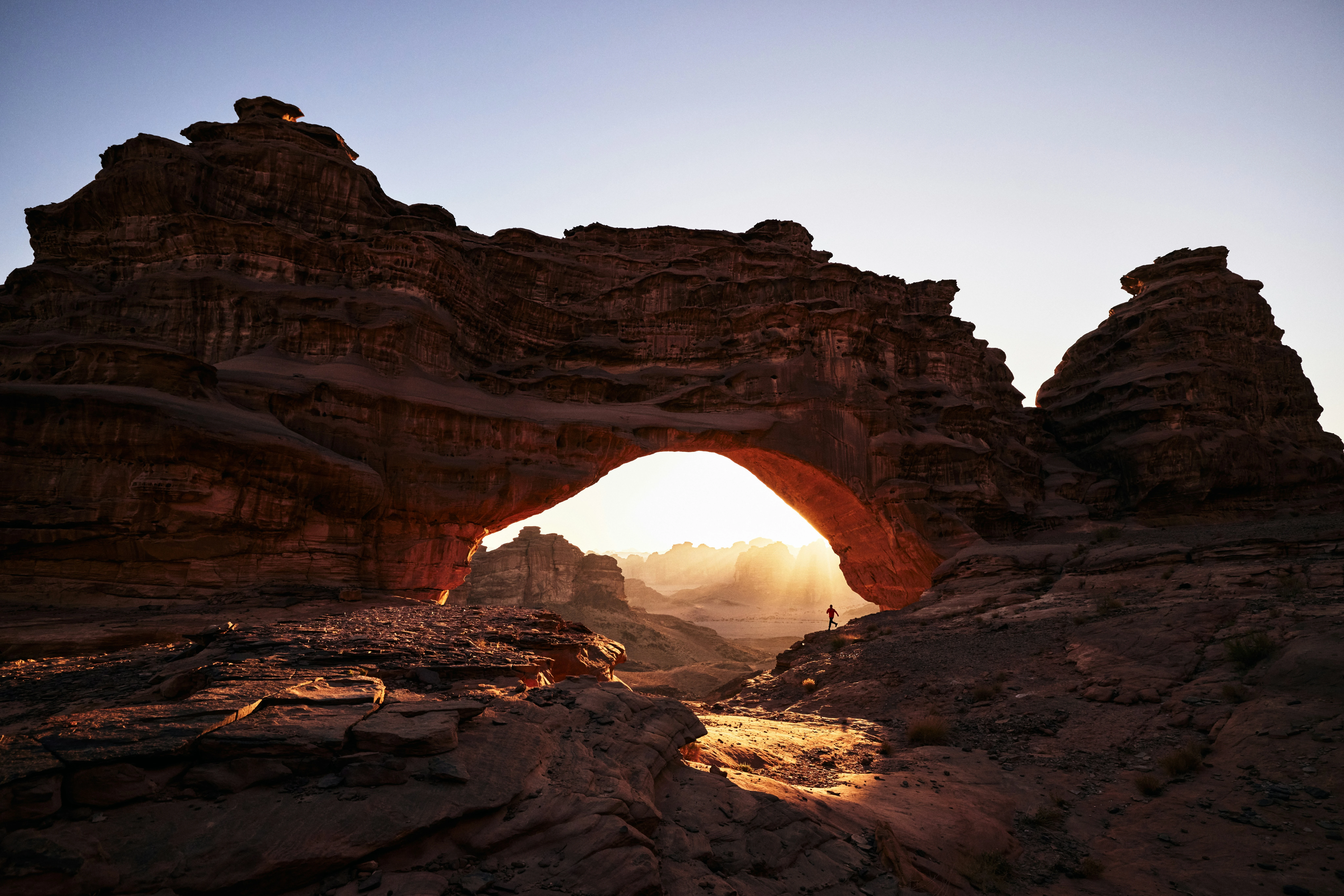
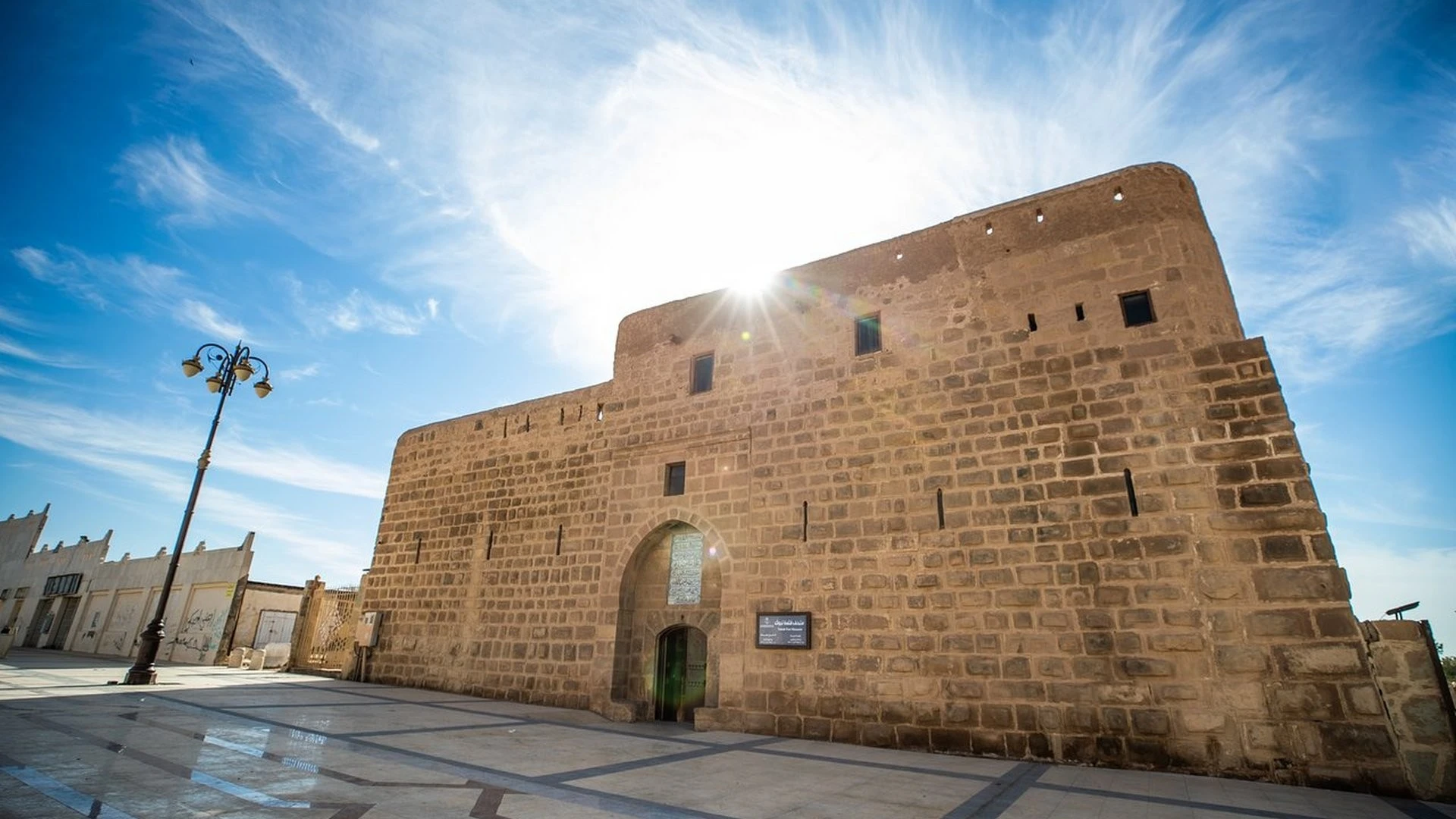
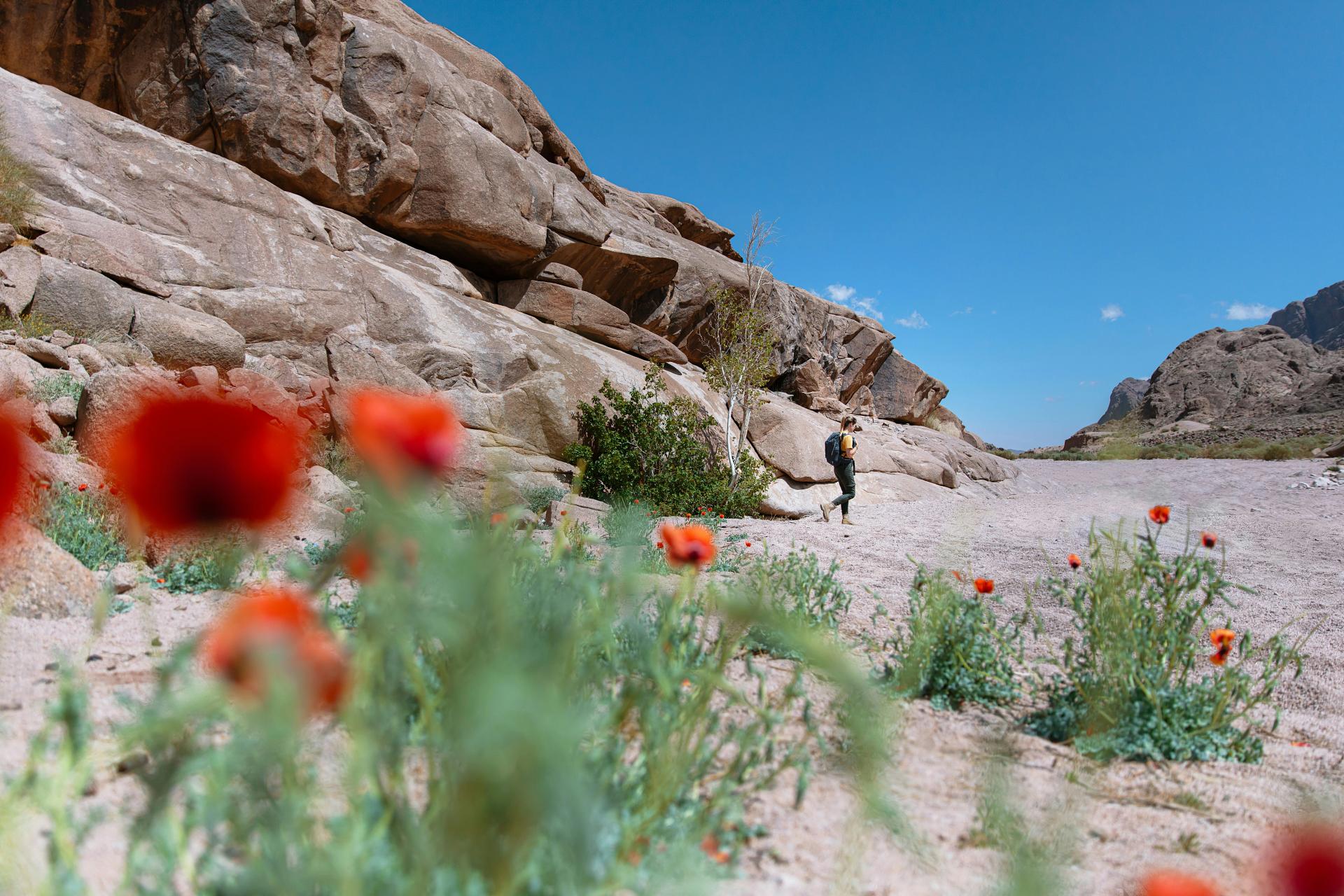
Prior to the launch of Vision 2030, the northern regions of Al Jouf, Tabuk, and the Northern Borders remained largely outside mainstream domestic tourism routes, appealing primarily to winter road-trip travellers and desert enthusiasts. Despite their quiet profile, these provinces held profound historical significance and immense geographical appeal, boasting crucial archaeological landmarks such as Madain Shuaib in Tabuk, historic settlement ruins across Al Jouf, and vast stretches of pristine desert ideal for off-road exploration and camping. As the new millennium unfolded, gradual infrastructure developments alongside early heritage preservation initiatives began laying the groundwork to showcase these historic landscapes to a broader audience.
However, these regions did not become part of a broader tourism movement until the major projects that followed in AlUla and NEOM brought global attention to the beauty of northern Saudi Arabia — a beauty that had long remained a secret known primarily to explorers and adventure enthusiasts.
The Southwest Beyond Aseer: Jazan, Najran and Al Baha
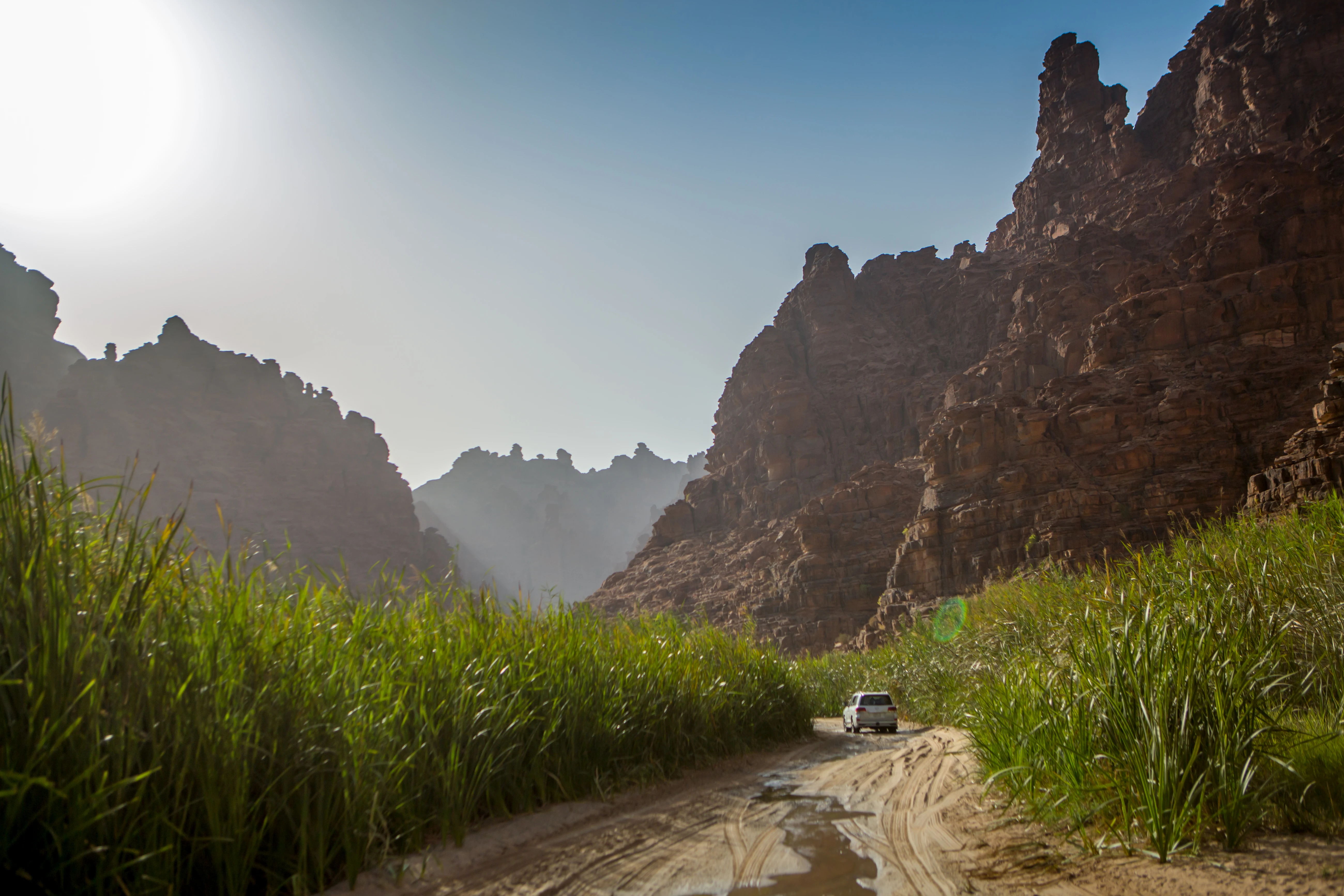
Like Aseer, Al Baha enjoyed mild summer temperatures, lush forests and agricultural terraces, making it another popular summer destination, particularly for residents of Makkah and the surrounding areas. Mountain parks and tourism roads were developed, but tourism investment remained smaller in scale than in Aseer, with greater reliance on private initiatives and family rest houses.
Jazan possessed unique coastal attractions, including the Farasan Islands, as well as a distinctive musical and folk heritage. However, its location and the concentration of development in other sectors meant that tourism remained less developed before Vision 2030, despite seasonal festivals and traditional markets that attracted visitors from within the region.
Najran, with its architectural heritage — including the historic Emirate Palace — as well as its farms and orchards, developed an early form of local heritage and agricultural tourism. Its tourism sector, however, remained relatively limited in scale and was influenced by the sensitivities associated with its border location.
From Aseer to the Entire Kingdom
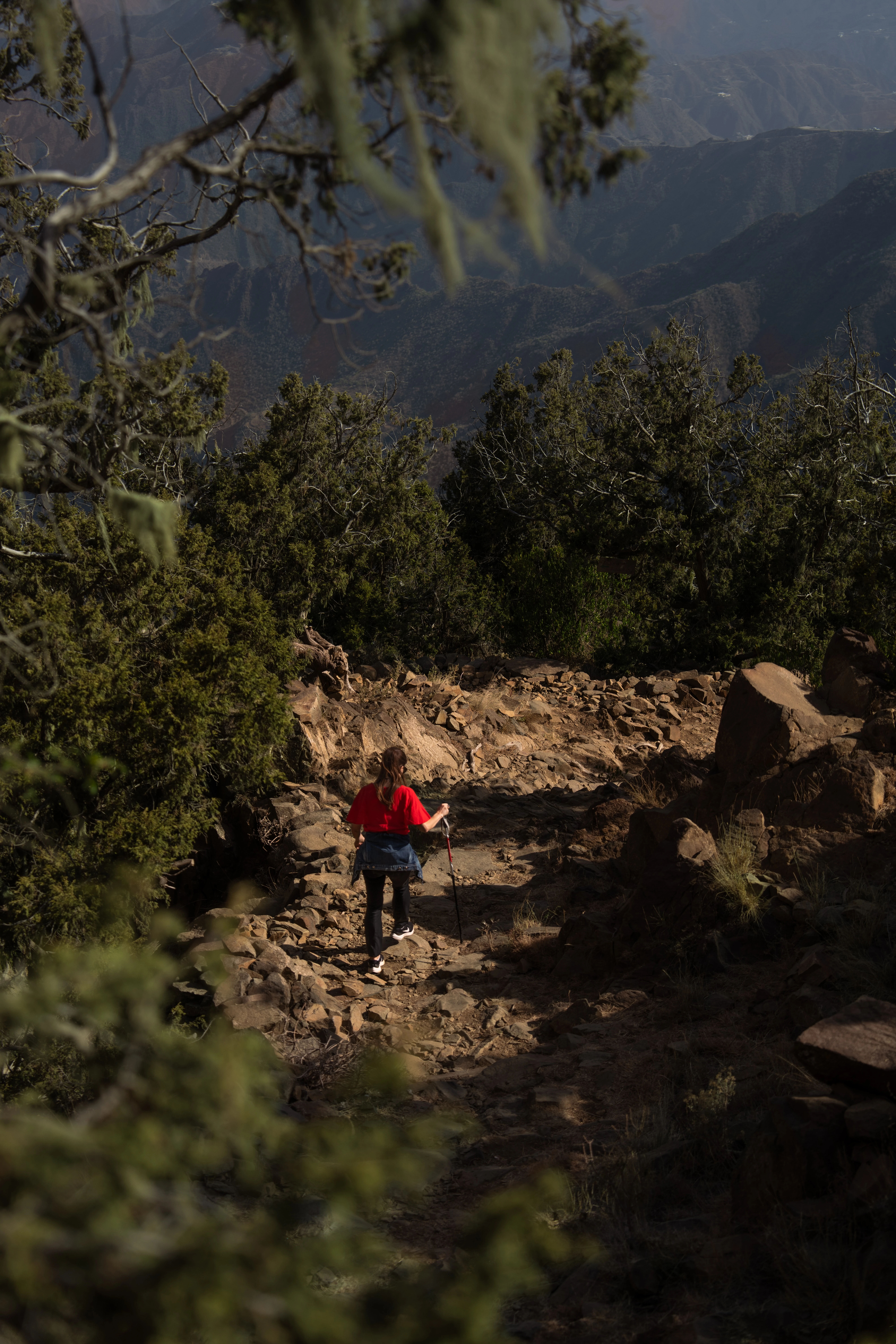
The story of tourism in Aseer before Vision 2030 offers a concentrated example of what happened — to varying degrees — across the rest of the Kingdom. It was a gradual process of recognising the value of geography, investing in infrastructure, building social acceptance of tourism, and eventually moving from individual initiatives toward strategic planning.
Today, when we look at Saudi Arabia’s thriving tourism landscape, from international events to luxury resorts, it becomes clear that its roots can be traced back to those early steps: Aseer National Park, Abha’s tourism conferences, summer festivals, the corniches of Jeddah and Dammam, the traditional markets of Qassim, and desert trips across the northern and central regions.
Understanding this historical background, region by region, allows us to read today’s transformation with greater depth. It also reveals that Vision 2030 did not begin from scratch. Rather, it was built upon decades of experience, learning and gradual development that helped shape the Kingdom’s tourism and hospitality industry into what it is today.