

Riyadh is Saudi Arabia’s capital city, a teeming metropolis of over 7.6m people. This urban hub is showcased in magazines and online by drone shots of its busy highways and the landmark Kingdom Centre – 302.3m tall and towering over the city's streets.
Even though it’s home to some of the Kingdom's most historic buildings and is its business and political centre, Riyadh was traditionally the destination of choice for business travellers only. Surrounded by desert, it was usually skipped over by tourists in favour of Jeddah.
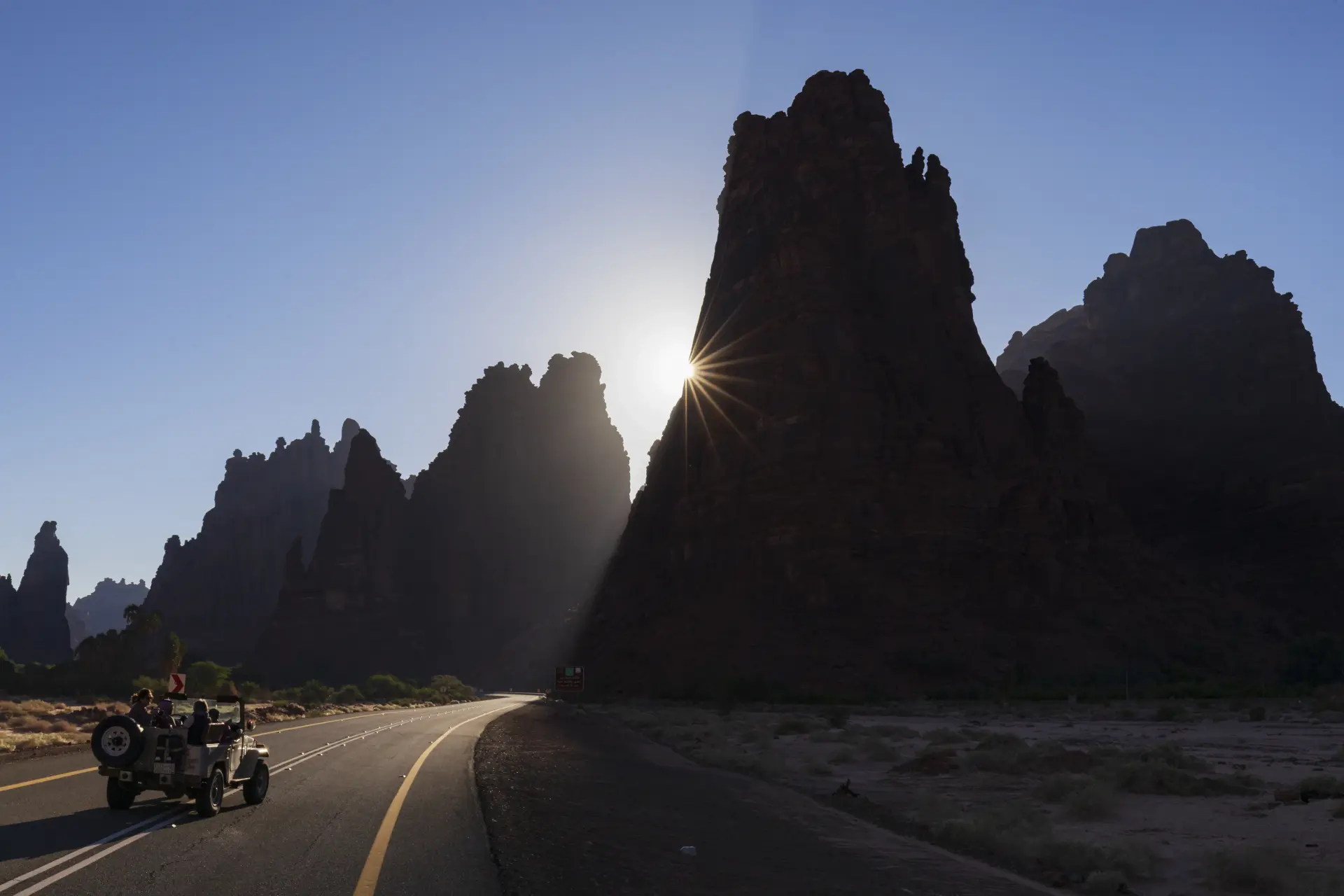
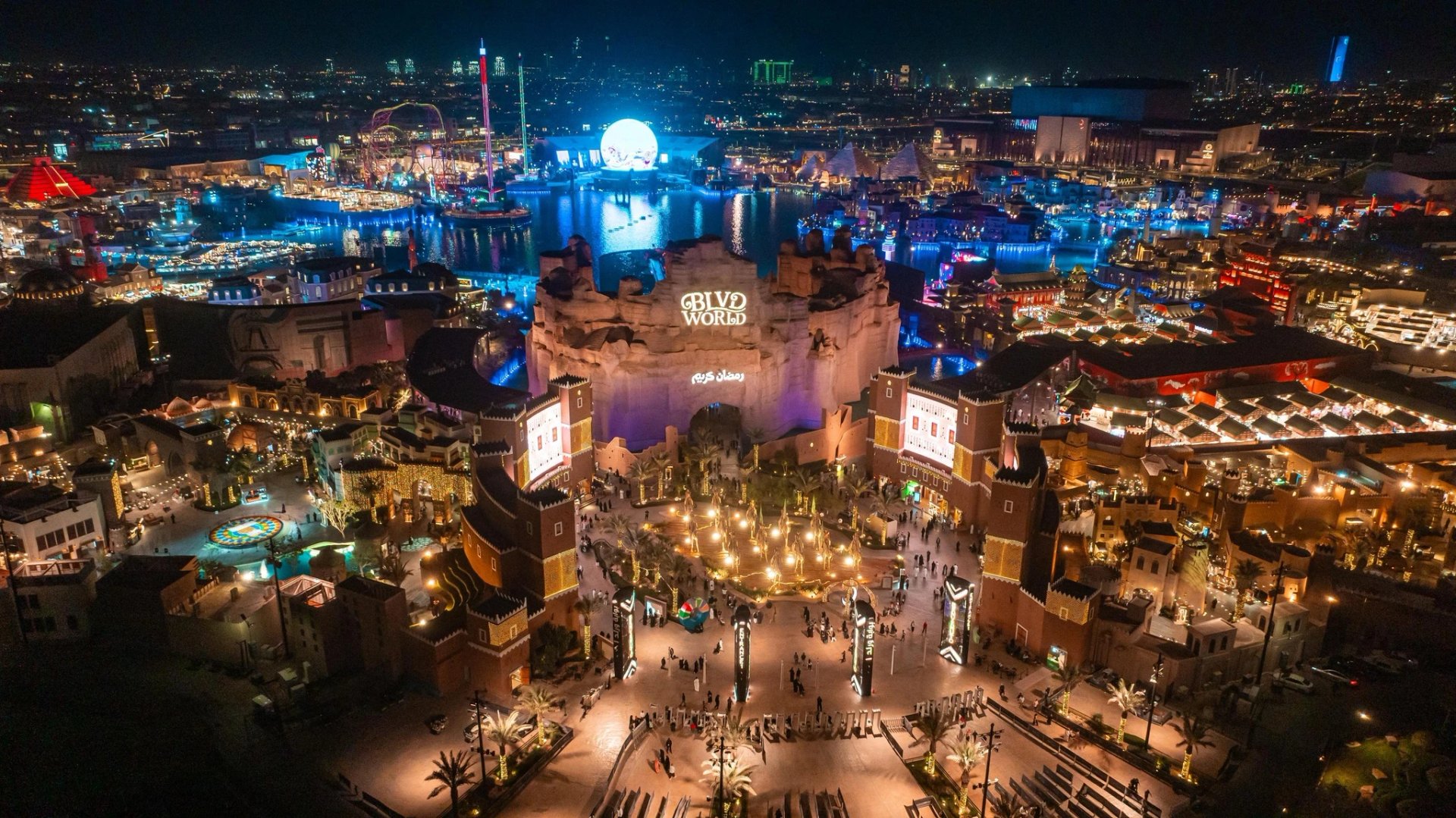
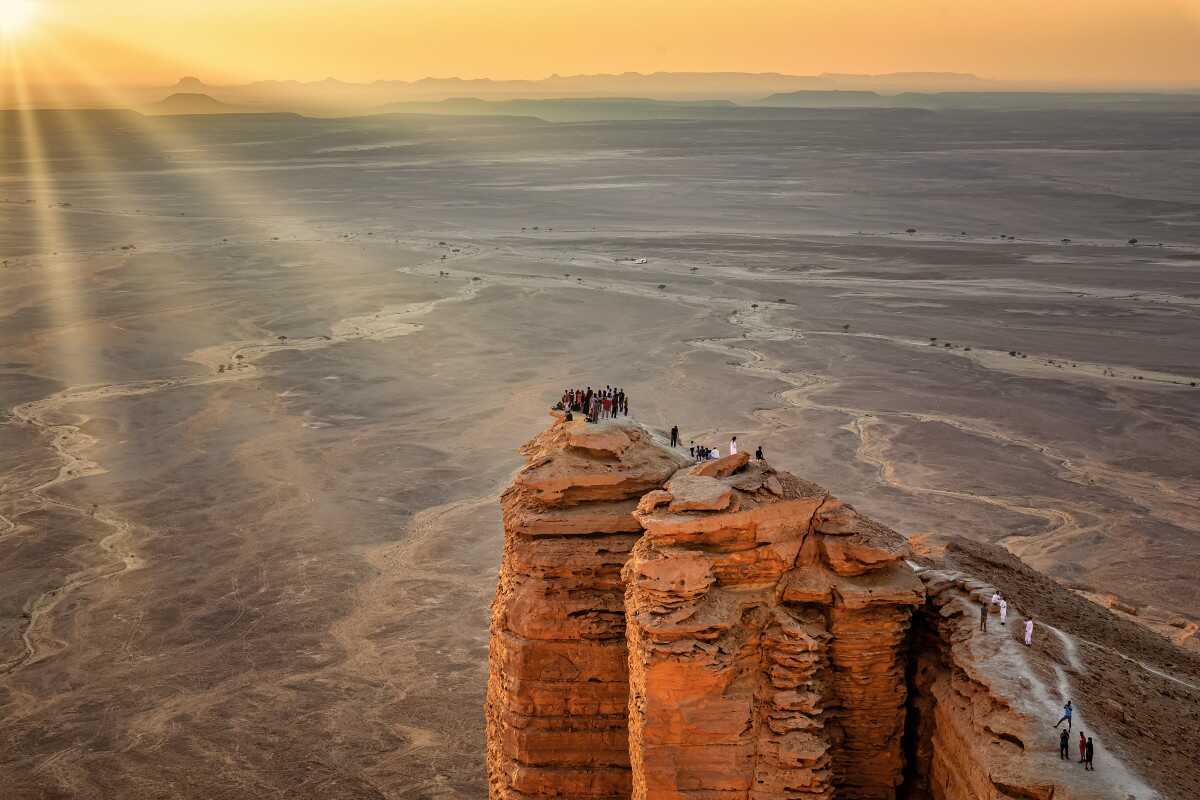
Since 2019, however, that reputation has been turned on its head: visitor numbers to Riyadh are through the roof, whether for business, events or as a gateway to Saudi Arabia’s historical sites like AlUla or hikes to the End of the World. New hotels and restaurants are opening every month, while Riyadh Season plays host to myriad events.
As such, the city is an excellent central base from which to explore Saudi Arabia, with the Kingdom’s other cities easily reachable by internal flights, via longish but interesting drives, or, increasingly, by train. This is everything you need to know about visiting Riyadh for the first time.
When should I go to Riyadh?
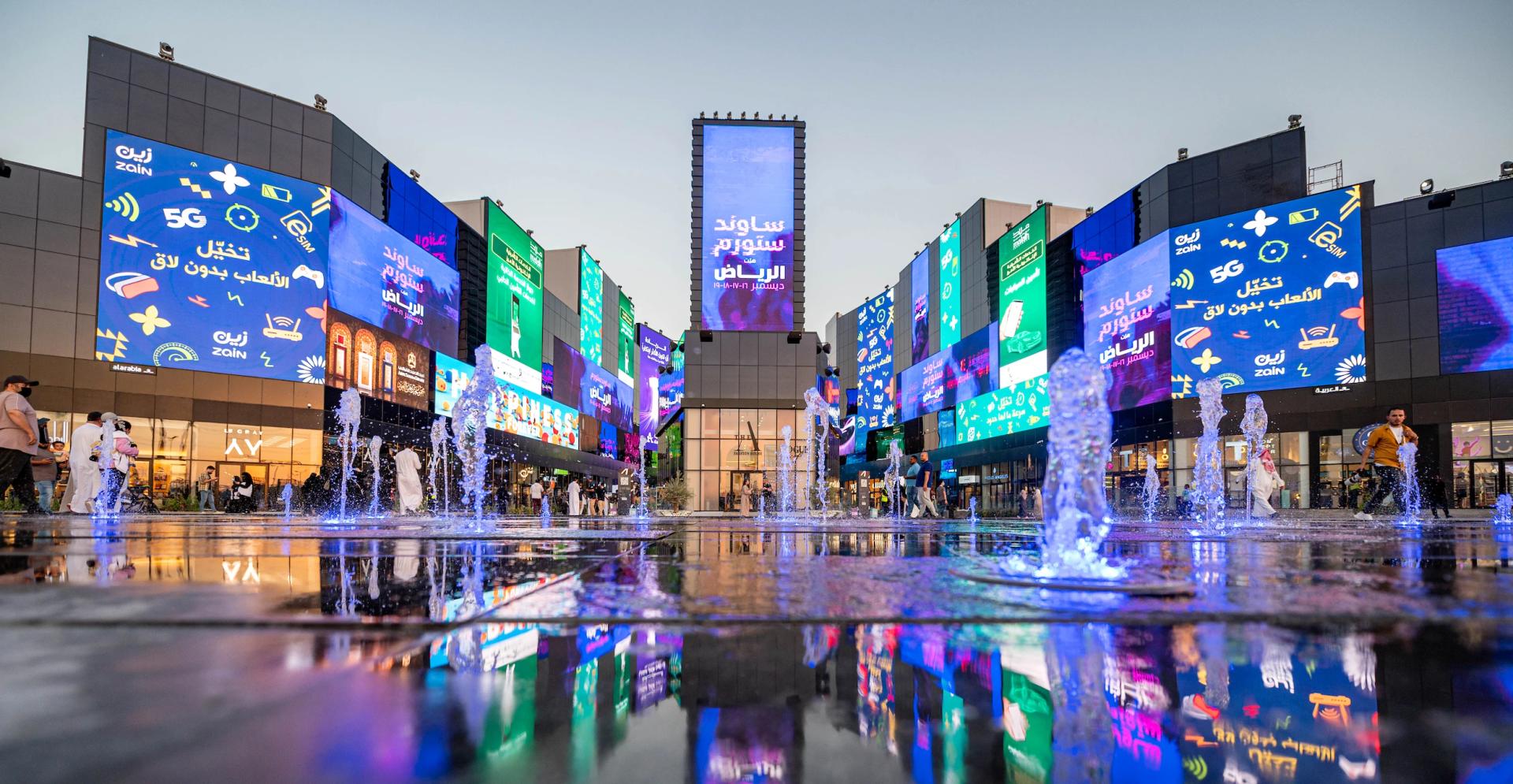
Like most of Saudi Arabia, weather-wise it is best to visit in the winter or the spring when nights are cool and days are defined by perfect blue skies and warm sunshine. Dust storms and rain can hit during winter, but the best way to deal with adverse weather is to do as the Saudis do and stay indoors until it passes (see it as the perfect opportunity to explore the city's incredible malls).
The shoulder months in Riyadh are late April through early June and late September through October, when it can still be hot, but prices come down, and events are less common. If you like the heat, these are good times to hike and camp in the desert around Riyadh. Bear in mind that unless you are Muslim and fasting anyway, Riyadh can be a difficult place to be during Ramadan, when eating and drinking between sunrise and sunset is strictly forbidden.
Where should I stay in Riyadh?

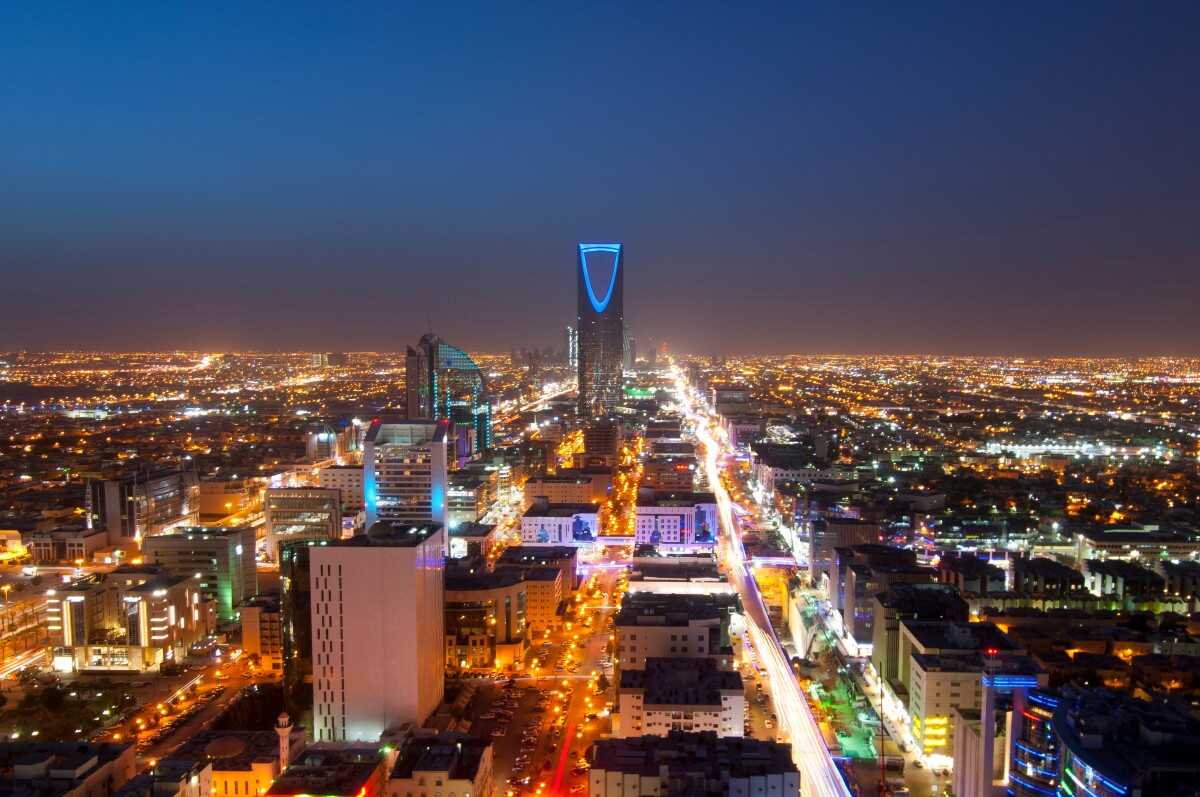
The vast majority of tourists opt to stay in Olaya, Riyadh’s bustling commercial district, with its malls, big brand hotels, skyscrapers and excellent links to the rest of the city. Those looking for something more authentic might opt for Al Dirah (the Old City), which is close to the National Museum complex and the Al Masmak Palace Museum, as well as souqs, top-tier restaurants, and street markets.
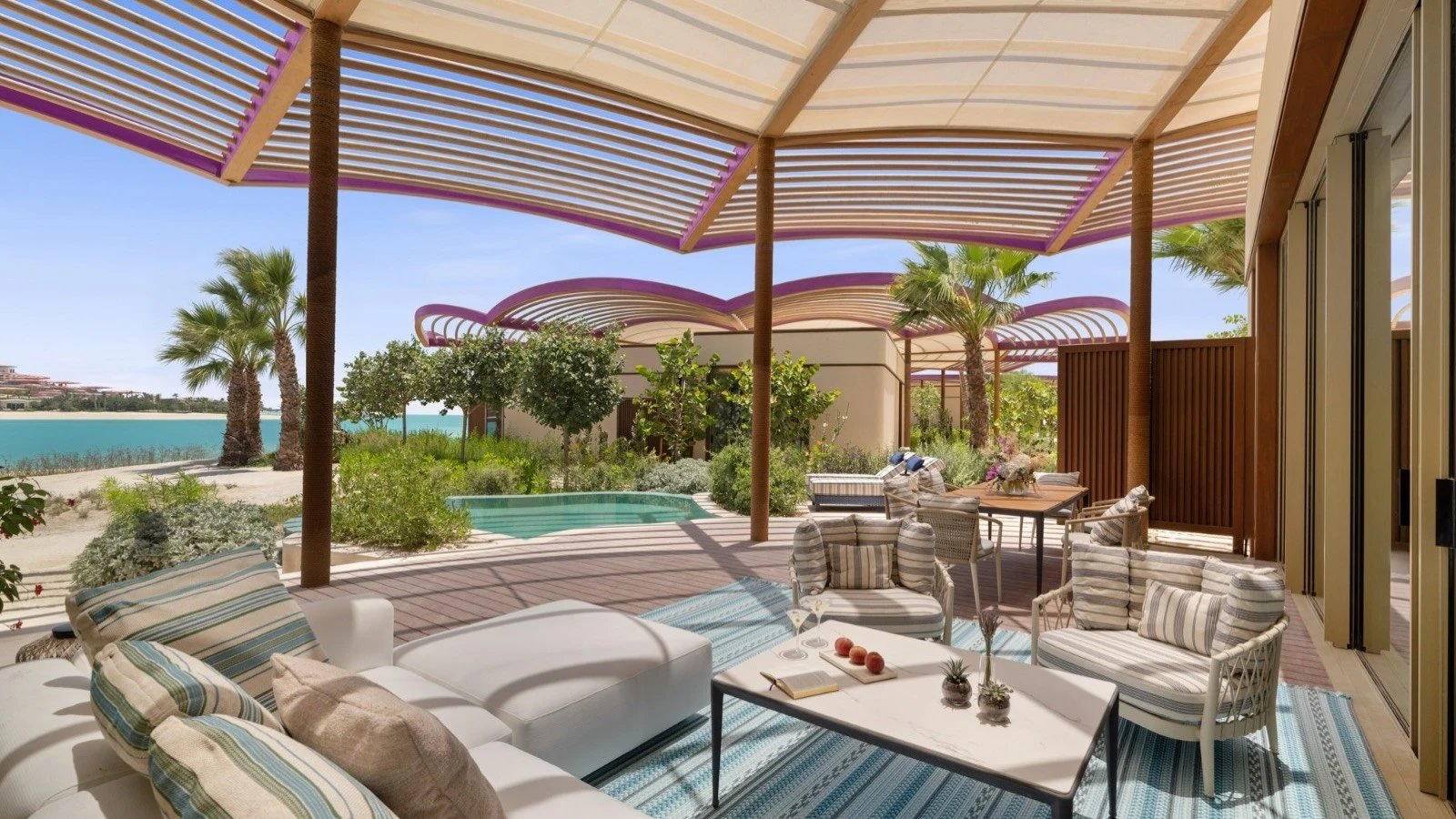
Both neighbourhoods are extremely well-served with accommodation and entertainment options. Even mid-range hotels often have pools and spa facilities, so be sure to shop around for the best one.
Is it easy to get to and around Riyadh?
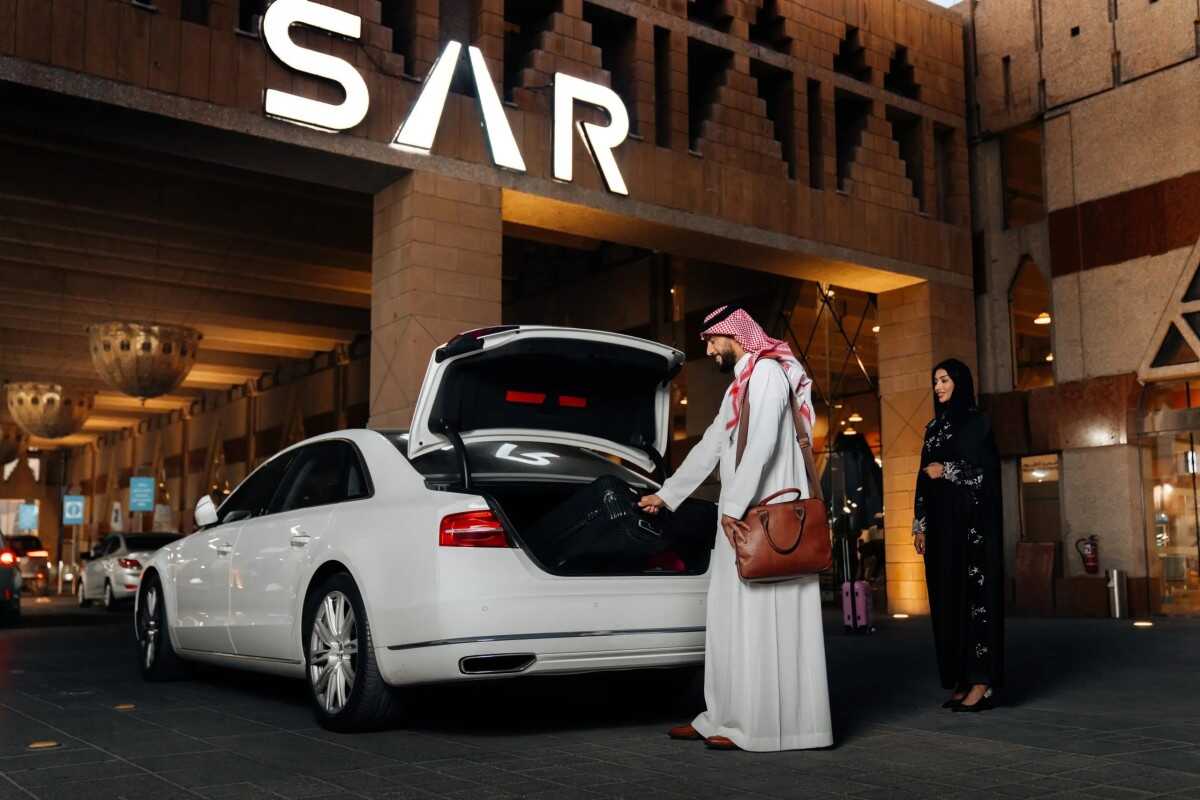
It's gotten much easier to navigate the city since the Riyadh Metro opened, but taxis are still a very popular option. Rates are fixed from the airport to the city centre at SAR 70-200 and take about 30 minutes. You can book taxis from various taxi stands inside the airport terminal or get one at the rank outside.
Taxis are metered, and drivers are supposed to use them. Once you are downtown, many of the sites – with a few exceptions – are walkable from each other in the winter or spring, or you can use ride-sharing apps. There is also a bus network that serves some of the major sites. Traffic gets pretty heavy in the city at peak times and parking can be difficult; unless you plan to regularly leave the city on day trips, it's best not to hire a car for your stay.
Top things to do in Riyadh
At 28,000 metres squared, the National Museum is part of the King Abdulaziz Historical Centre, a sprawling development that includes a public park, a mosque and an auditorium.
It includes eight permanent galleries and two others for temporary exhibits, and covers an ambitious range of Arabian and world history, from the earliest humans up to the present day.
Al Masmak Palace is a fort of mud brick and clay that was built in the mid-19th century and played a crucial role in the unification of Saudi Arabia in the 1930s. Al Masmak remains one of the only buildings from the era that has survived intact.
Wadi Hanifah is an 8km hike along a small stretch of a 120km valley that passes through the capital and has provided fresh water to people in this part of Saudi Arabia since humans first began settling here. The path runs south to north and includes a ‘lollipop’ loop that takes hikers out into the desert. It is extremely popular on weekends.
How much money will I need for Riyadh?
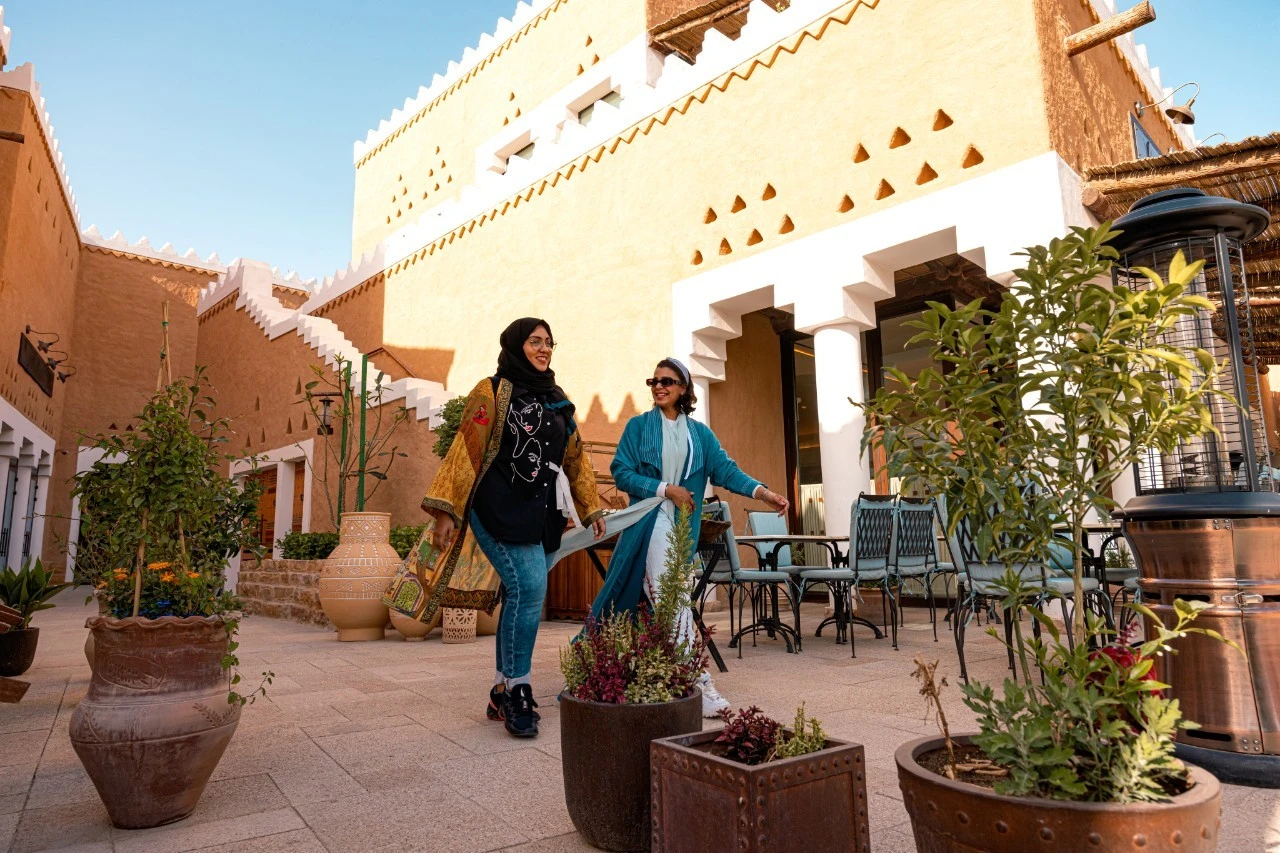
Riyadh is a wealthy city, and life can be expensive, particularly if you eat at high-end restaurants and shop in branded malls. The way to stretch your budget a little further is to walk wherever you can and eat as many of the locals do, at the ubiquitous little shawarma joints and Indian and Pakistani restaurants that line the streets in many neighbourhoods.
Museums and parks are mostly free, although organised trips into the Saudi interior can be expensive. Consider whether car hire works out cheaper for destinations close to Riyadh.
Frequently asked questions about Riyadh
Is Riyadh safe?
Riyadh is a safe city for visitors, and you’re very unlikely to experience any criminal behaviour while out and about. Like most of Saudi Arabia, there is a police presence on the streets, meaning petty crime is unusual. Generally, tourists should exercise as much caution as they would in any large city.
What’s the nightlife like in Riyadh?
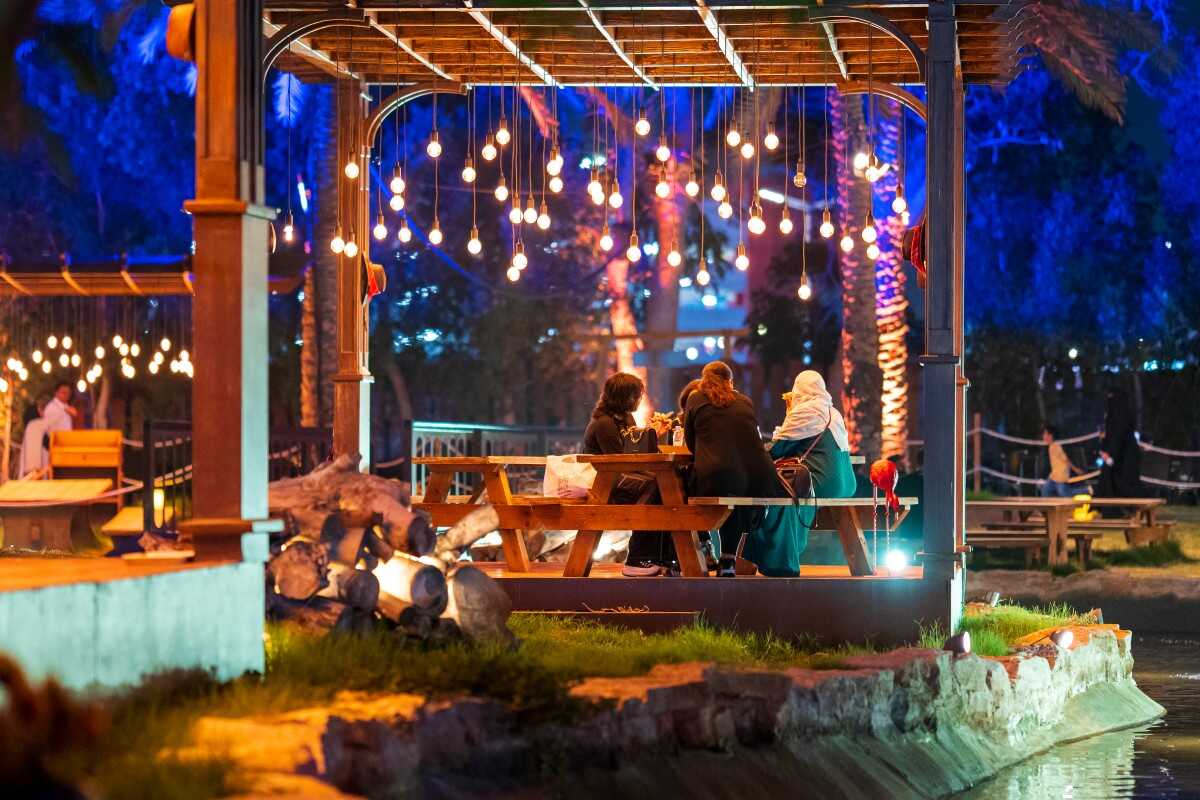
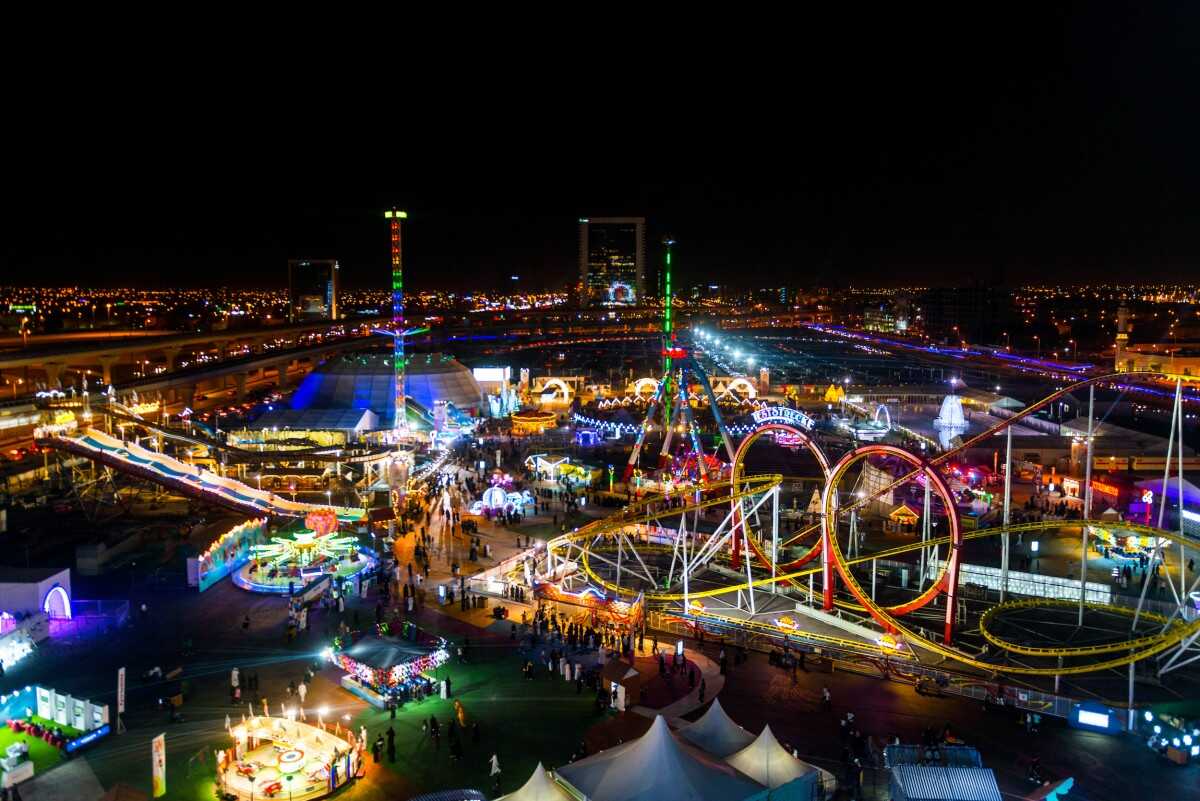
Riyadh is an extremely vibrant city in the evenings and into the night as people congregate in restaurants or cafes, parks, picnic spots, or just drive around in their cars. Museums remain open late into the night, as do malls and shops. Riyadh also has a thriving social scene embedded in cafés and coffee houses.