Saudi Arabia is not simply just attracting more international visitors; its own population is increasingly enjoying travel within the Kingdom, turning domestic tourism into one of the country's most important engines of growth.
Lately, there is a change in the air, Saudi Arabia’s cities and landscapes are taking on a different rhythm. The shift is significant. Riyadh’s restaurants are filled with families enjoying dinner, Jeddah’s Corniche draws locals and visitors towards the Red Sea, and the historic streets of Al Balad, and the ancient history of AlUla becomes the backdrop for weekends spent exploring somewhere that, until relatively recently, many residents may never have considered a holiday destination.
The latest figures underline just how rapidly that market is expanding. In 2025, Saudi Arabia recorded 93.3 million domestic tourists, according to the Ministry of Tourism’s 2025 Annual Statistical Report. This figure compares with 29.3 million inbound international tourists, taking the combined number of domestic and inbound tourists to approximately 123 million, a 6% increase on 2024.
You Might Also Like: Saudi Arabia is the world's fastest growing tourism titan
Domestic Tourism on the Rise
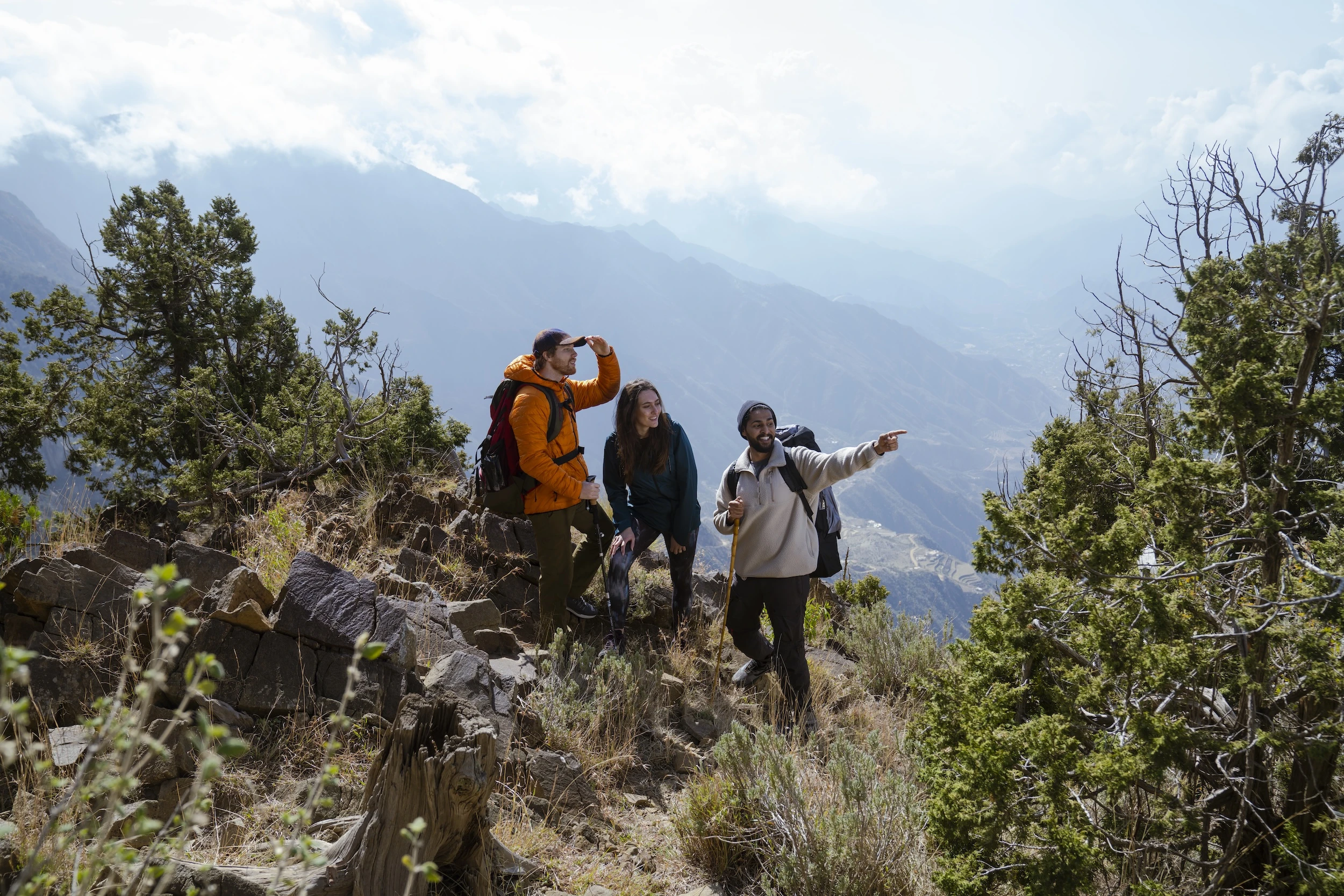
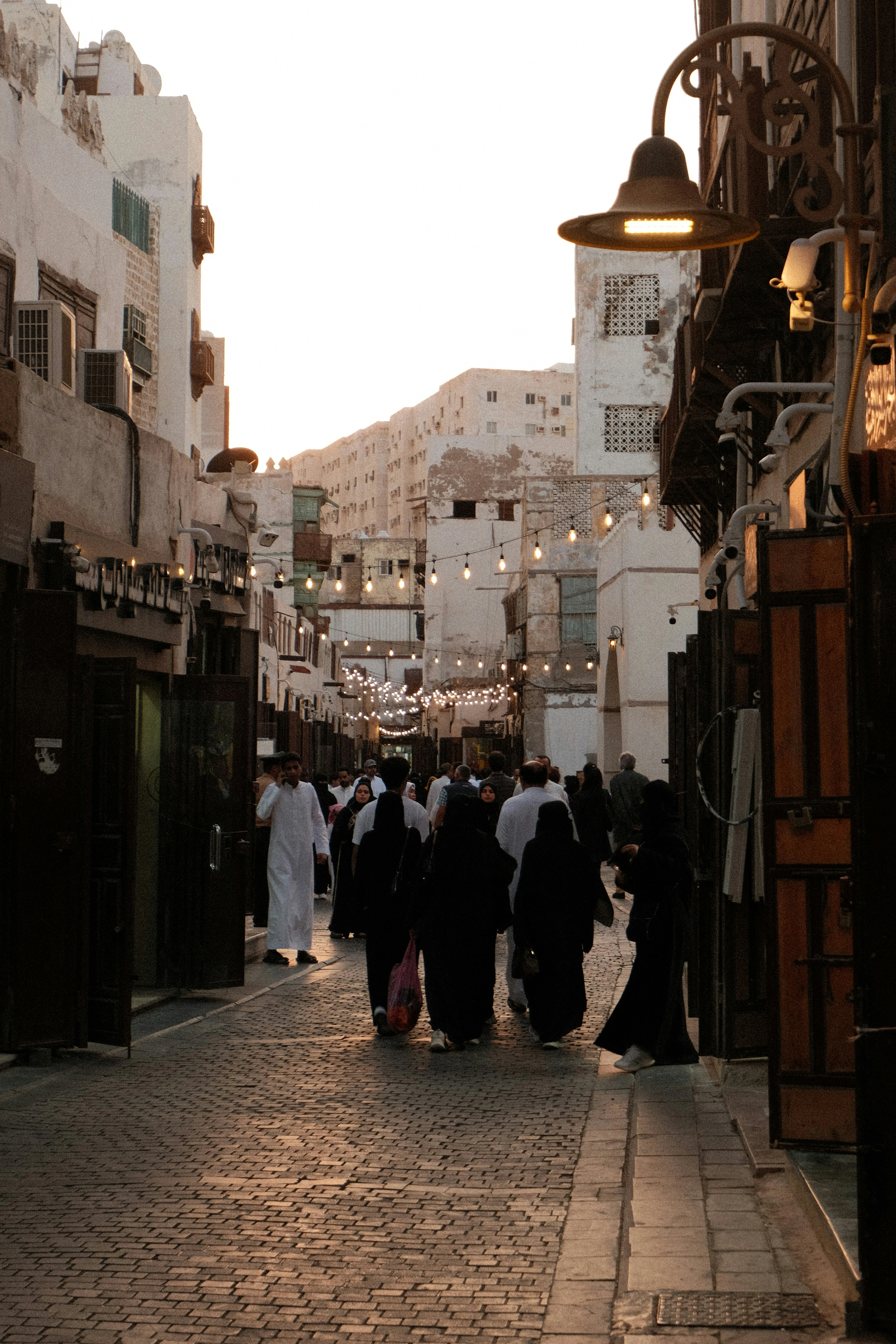
Saudi Arabia’s tourism boom shows no signs of slowing down. The momentum of domestic tourism industry continues. The Kingsom’s tourism transformation is not only about persuading the rest of the world to visit. It is also encouraging Saudis and residents to look at their own country differently.
Preliminary data released by Ministry of Tourism for the first quarter of 2026 recorded 28.9 million domestic tourists, marking a 16% increase year-on-year. Domestic tourism spending reached SAR34.7 billion, up approximately 8% compared with Q1 2025. Domestic travellers also generated SAR 127.1 billion (US$33.9 billion) in tourism spending during 2025, according to the Ministry. These figures provide a useful snapshot of how substantial the domestic market has become.
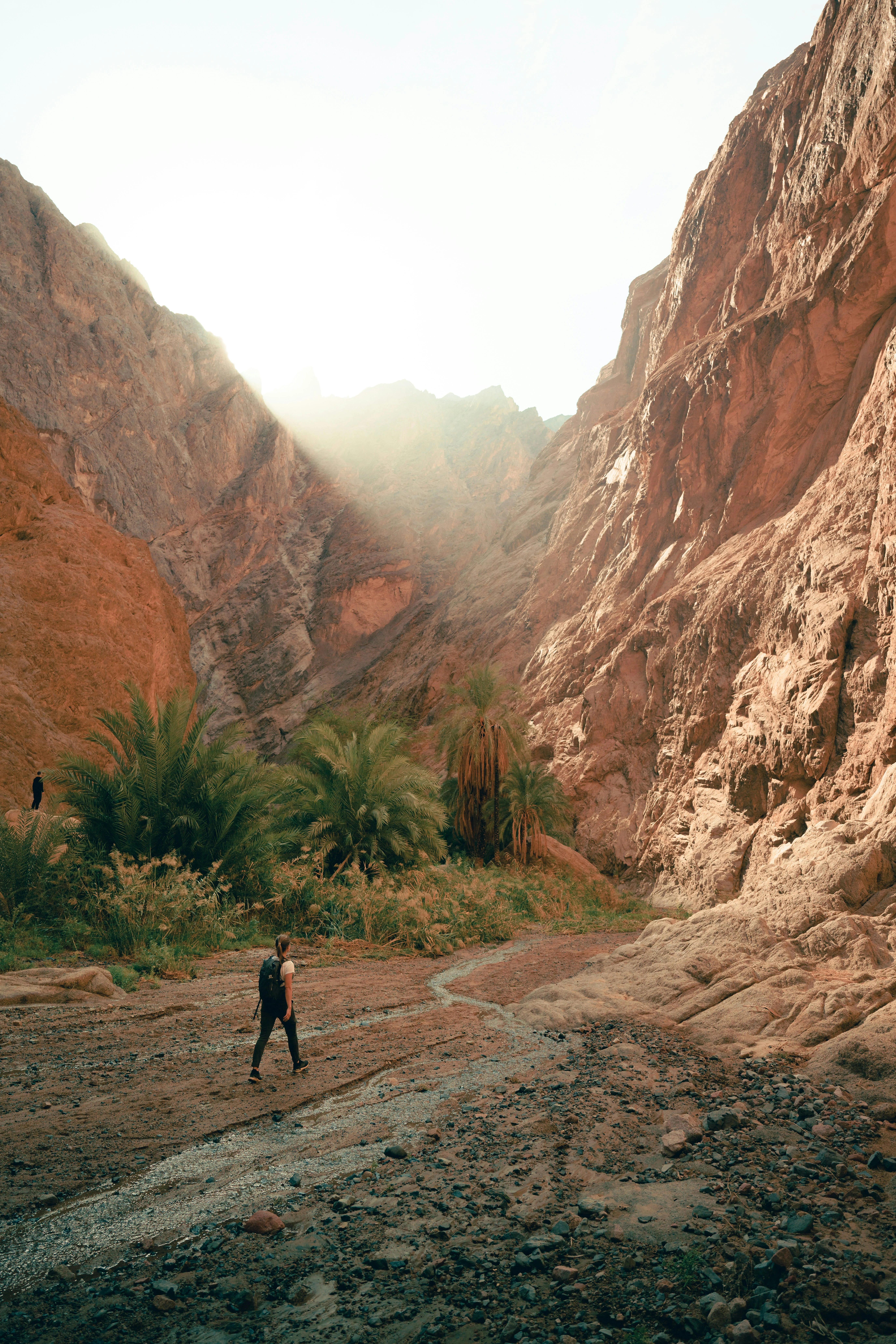
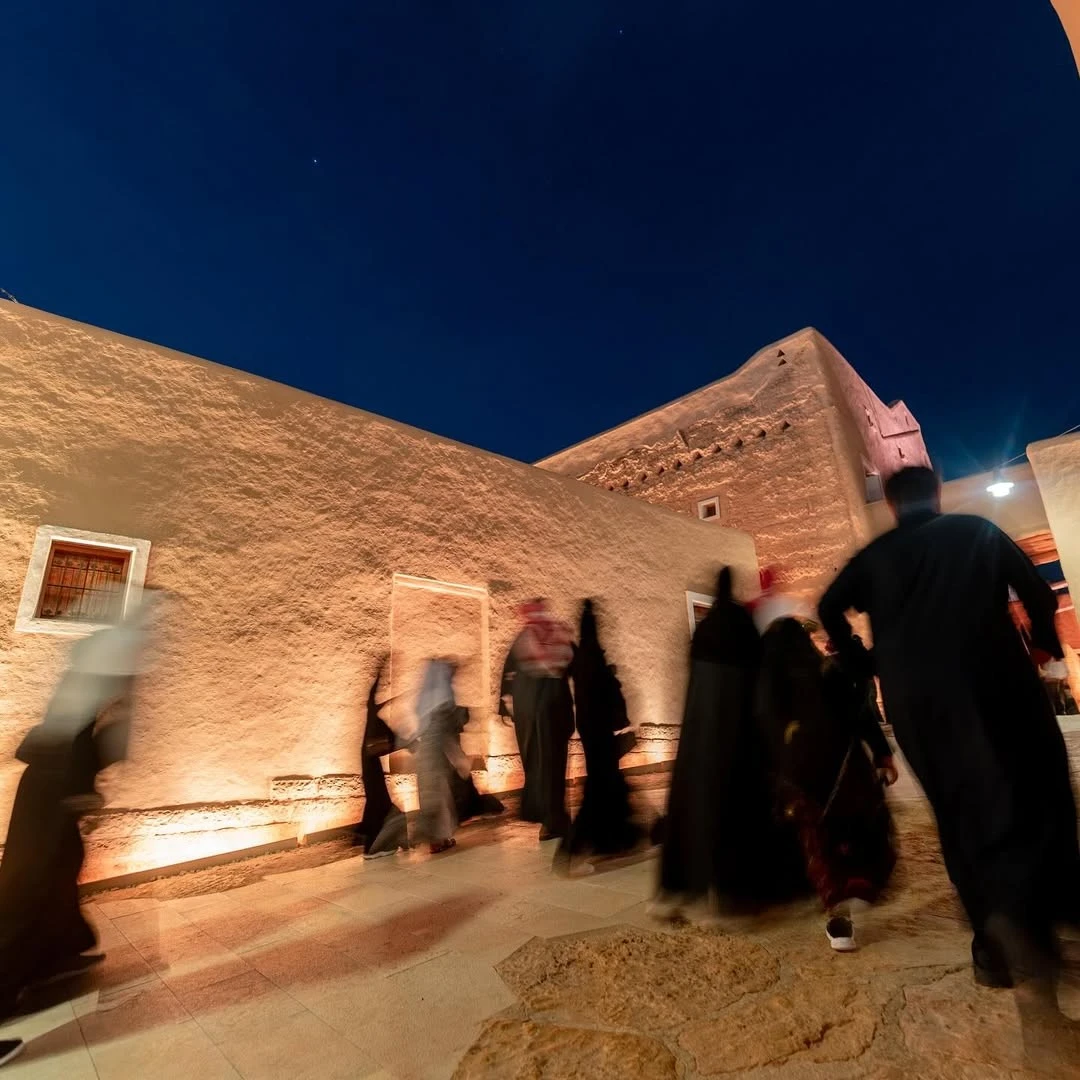
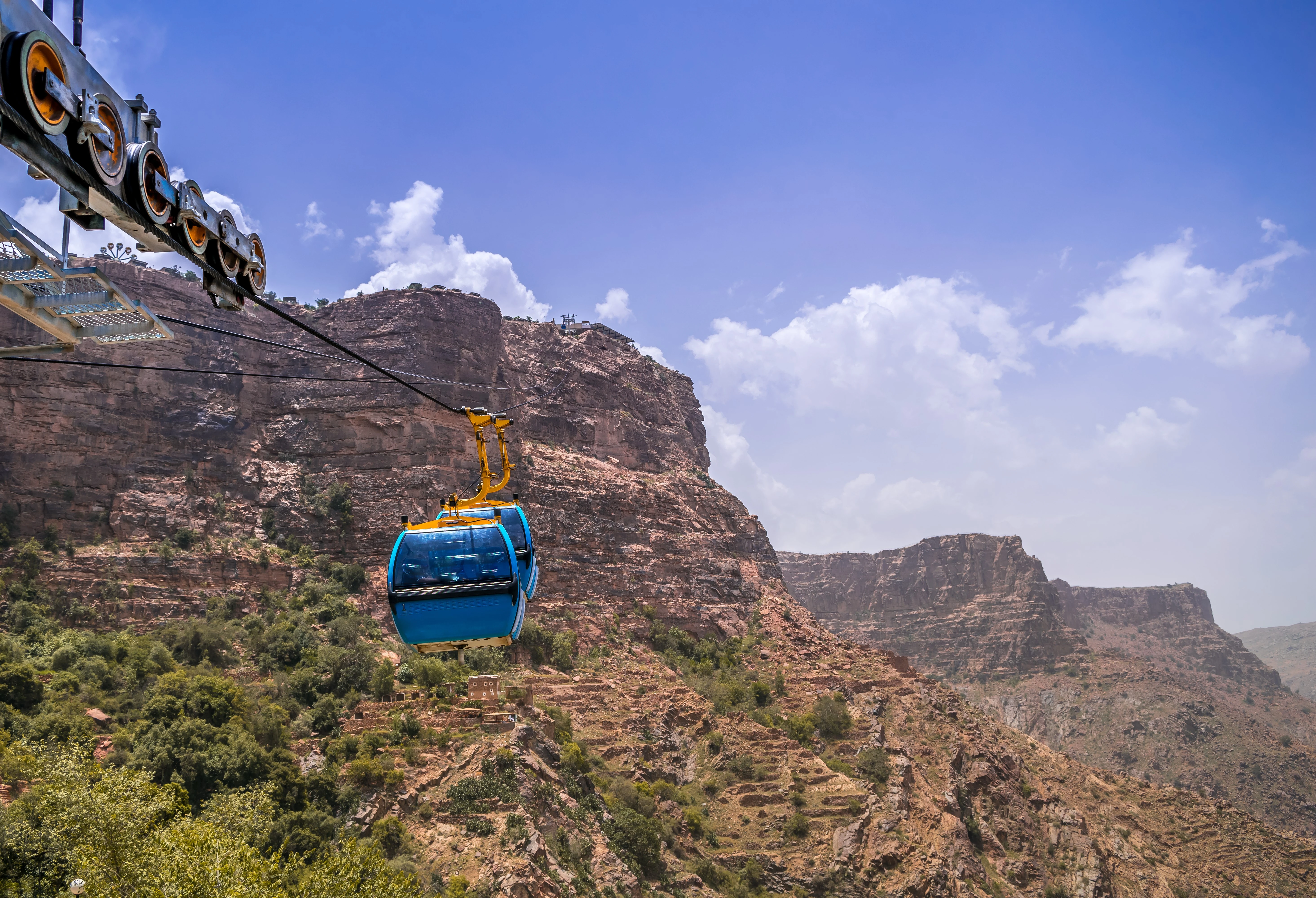
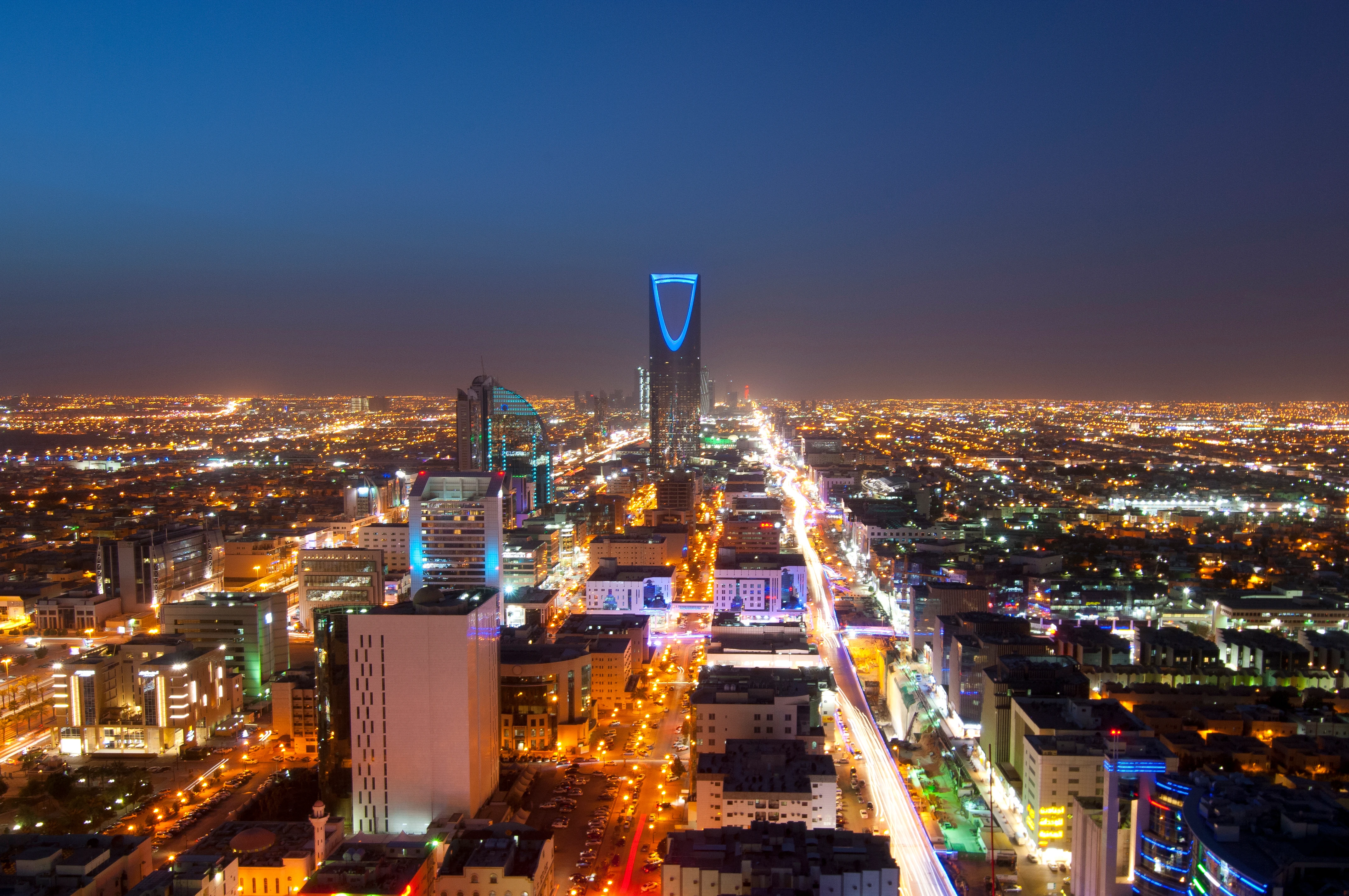
With regards to domestic tourism, it is somewhat unsurprising that the Ramadan and Eid Al Fitr period was particularly strong. Between Ramadan 16 and Shawwal 9, the Kingdom recorded 10 million domestic tourists, an increase of 14% compared with the corresponding period a year earlier. Domestic tourism spending during the period reached SAR 10.2 billion, this figure was up 5%. During the Ramadan and Eid period, Makkah welcomed approximate three million domestic visitors, Riyadh 1.5 million, Jeddah 1.1 million, the Eastern Province one million and AlUla and other destinations forming part of the wider domestic tourism network.
Total tourism spending across domestic and inbound travel reached approximately SAR 304 billion, a record for the Kingdom and 7% higher than the previous year. With almost 29 million domestic tourists already recorded in the first three months of 2026, the numbers suggest that this is no longer a supporting chapter in Saudi Arabia’s tourism story.
You Might Also Like: Saudi Arabia’s Gen Z is driving a domestic travel revolution
Changing Reasons for Travel in Saudi
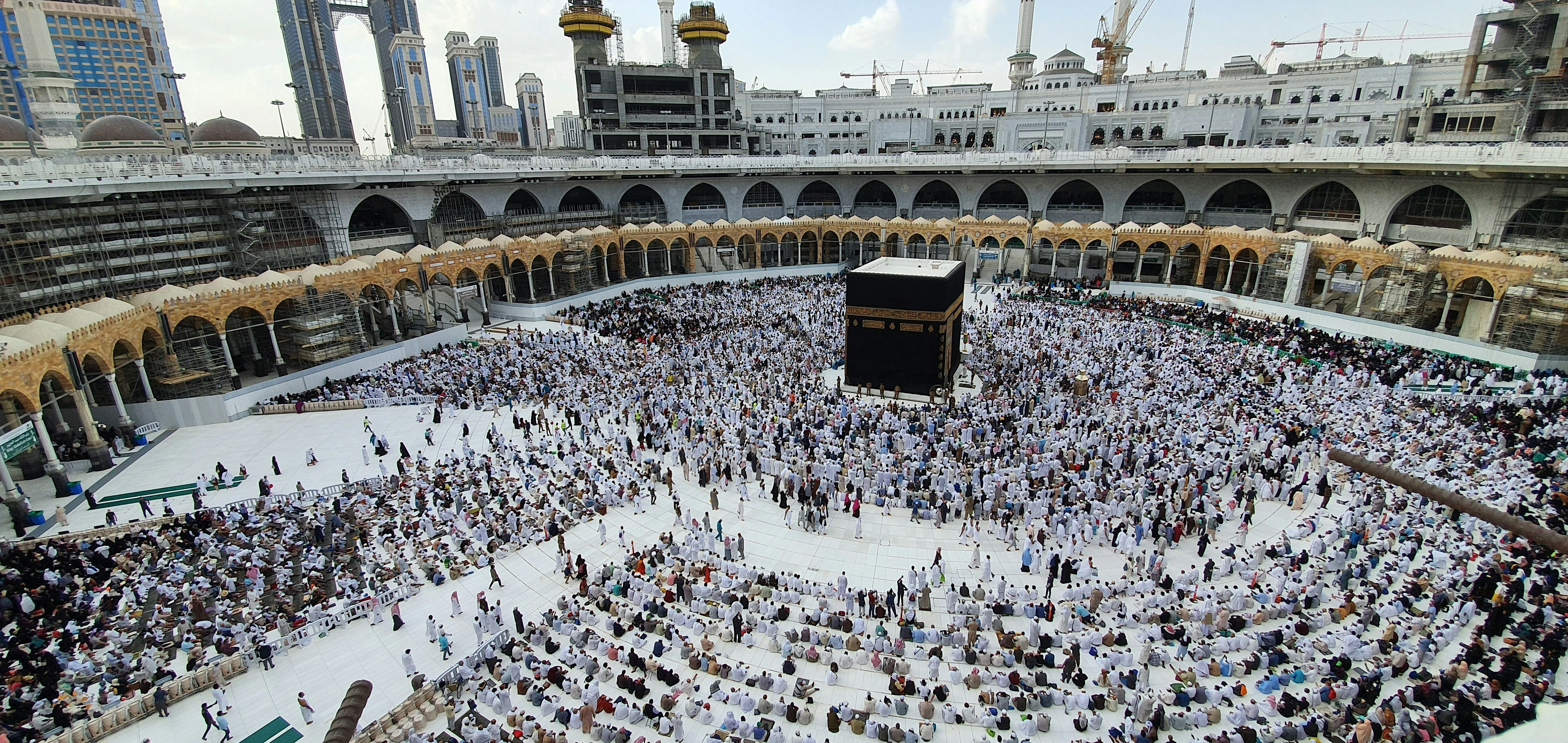
Saudi Arabia has long had a substantial domestic travel market, particularly around religious travel.
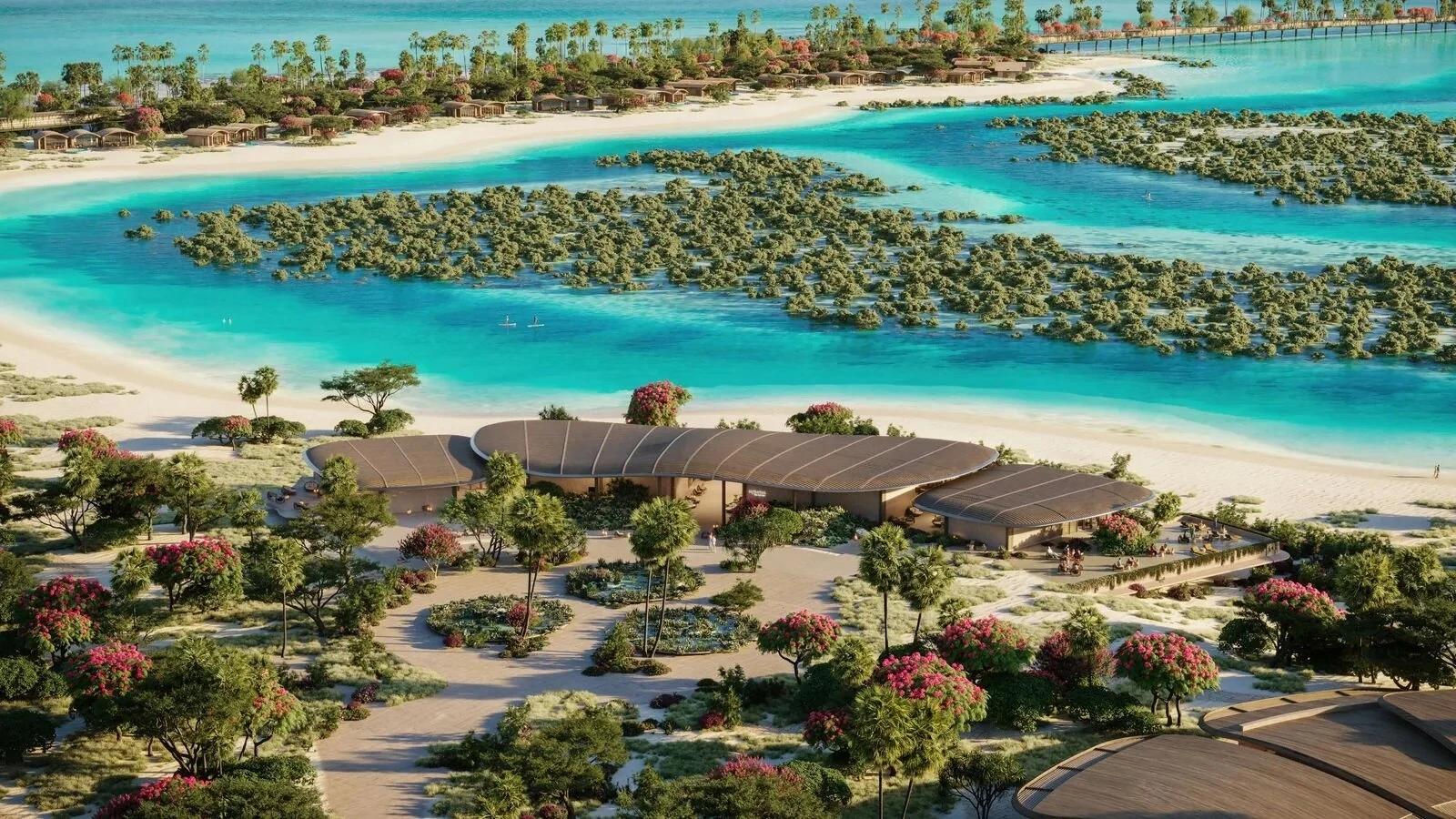
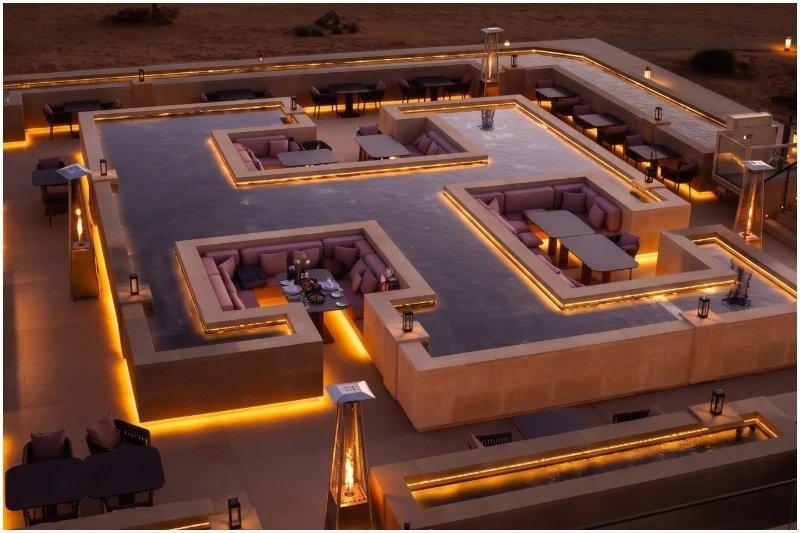
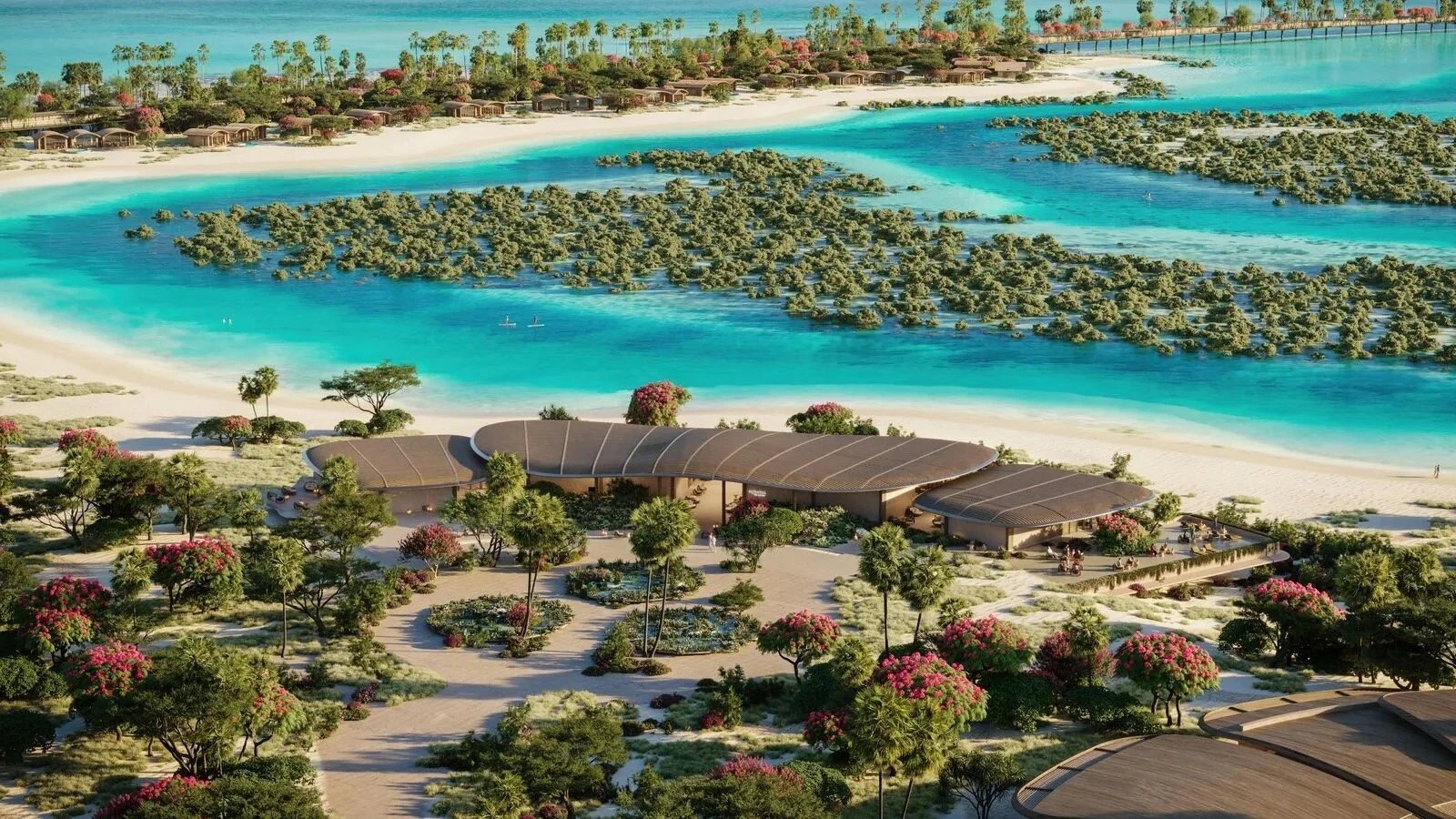
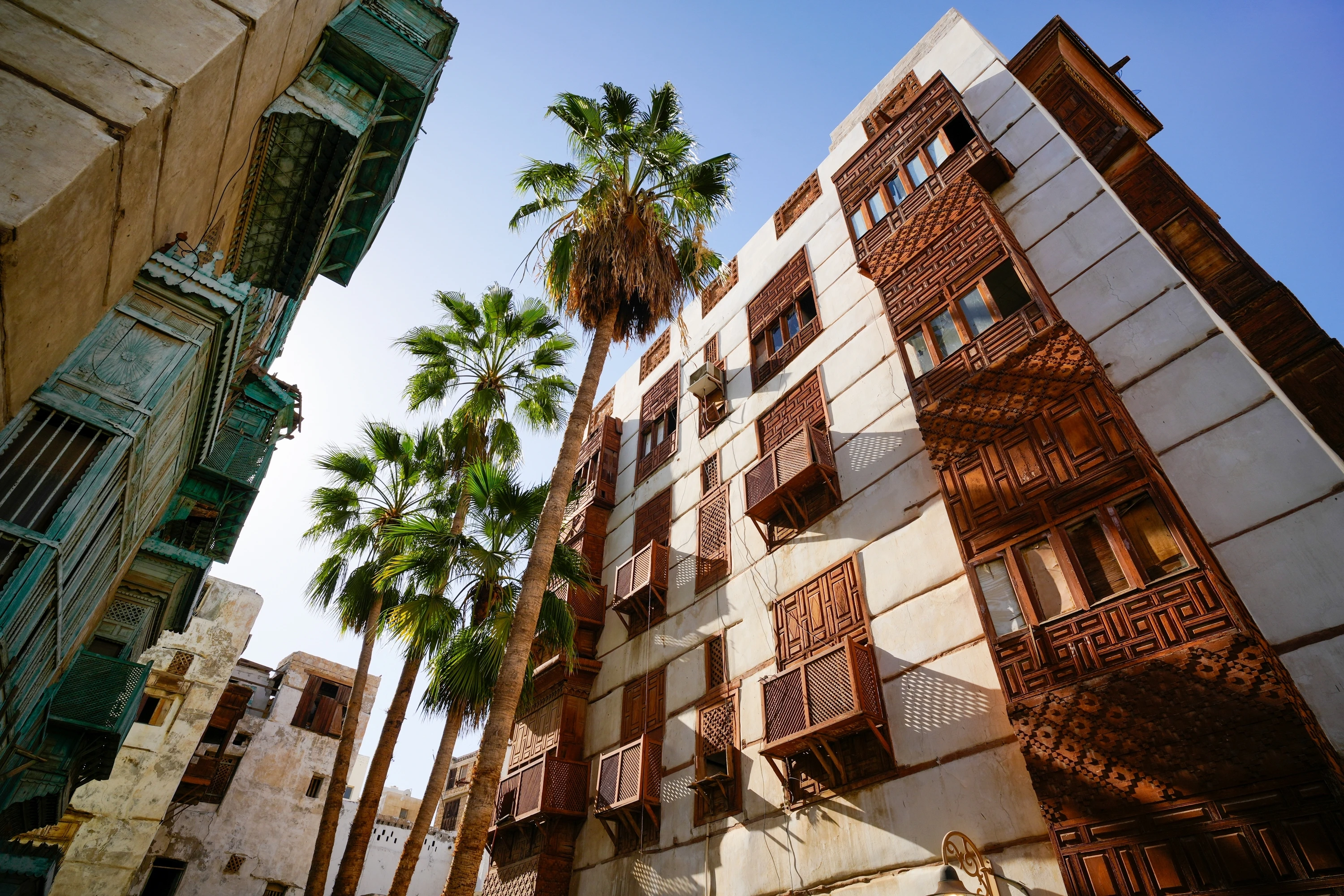
But, Kingdom's tourism strategy is changing. With increasing investment and marketing in developing destinations for leisure, culture, nature, entertainment, gastronomy and wellness, the Kingdom is creating a much broader proposition for both residents and tourists. This diversification is visible in the country's developing destination portfolio. Jeddah combines the city with its Red Sea waterfront; AlUla invites visitors to explore ancient archaeology, expansive desert landscapes, art and contemporary hospitality all in one place; the Red Sea is developing a new generation of luxury resorts; while Riyadh continues to expand its cultural, dining and entertainment offering.
The result is a tourism market in which a weekend away can increasingly mean a luxury resort on the coast, a cultural escape into the desert, a city break or an outdoor adventure — without leaving the Kingdom.
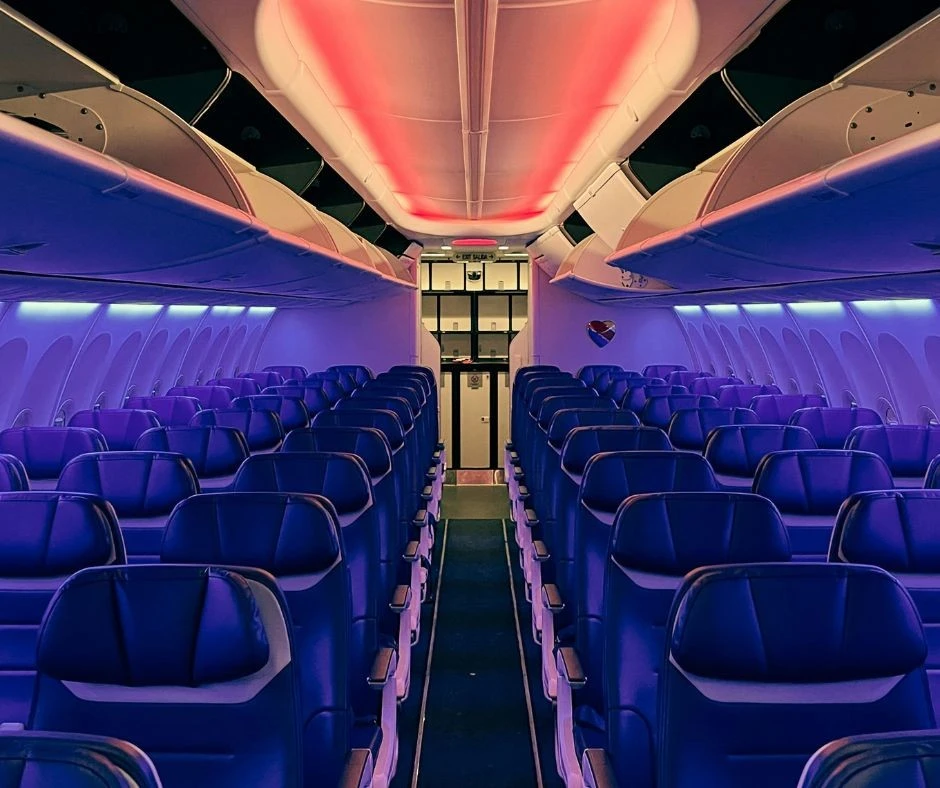
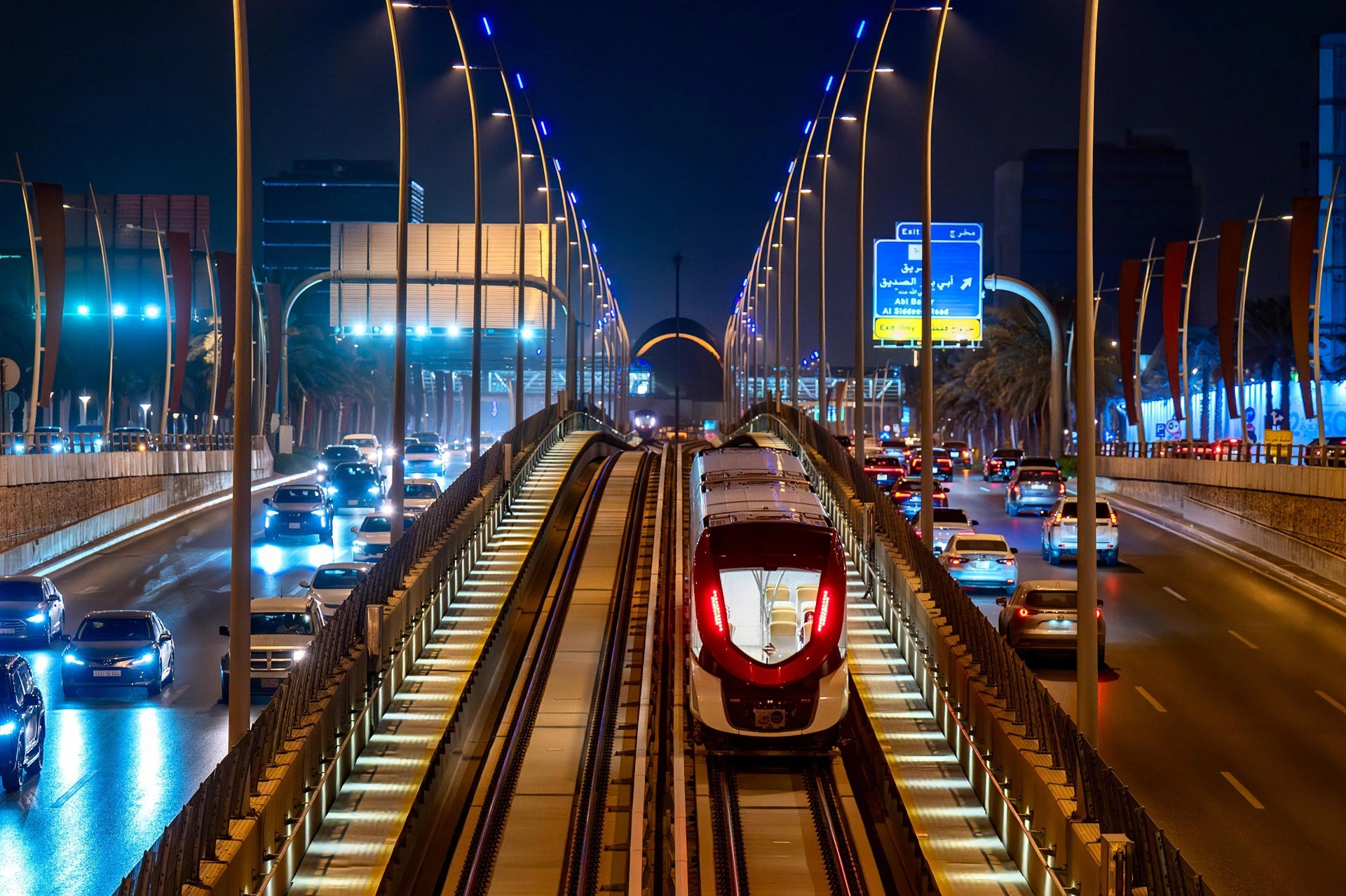
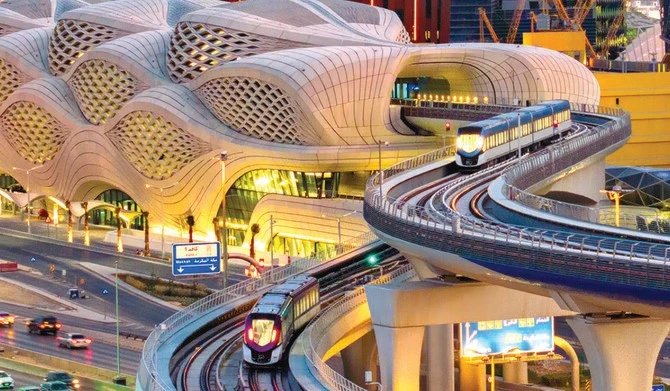
Investment and upgrades in infrastructure is helping to make those journeys more accessible. Saudi Arabia’s airports handled approximately 140.9 million passengers in 2025, including 65 million domestic passengers, with overall passenger numbers growing 9.6% year-on-year. And this week, data released by the Transport General Authority (GTA) details that the Kingdom's public bus network recorded significant growth. In the second quarter of 2026, passenger volumes rose by 23.2% to top 26.34 million journeys. The capital city's transit led the surge, with Riyadh alone generating 20.07 million of the total rides.
You Might Also Like: Saudi Arabia is one of the most popular tourist destinations for Chinese travellers
Supporting Vision 2030
The growth of domestic travel matters beyond hotels and resorts. More visitors mean greater demand for restaurants, cafés, tour operators, guides, transport, cultural attractions and entertainment, spreading tourism spending across a wider network of businesses and communities. International arrivals remain a crucial part of Saudi Arabia’s tourism ambitions, but a strong domestic customer base gives destinations an additional source of year-round demand.
The scale of the opportunity is reflected in the Kingdom’s revised tourism ambitions. After reaching its original target of 100 million domestic and international tourists ahead of schedule, Saudi Arabia has raised its target to 150 million tourists by 2030. By the end of 2025, the Kingdom had already recorded approximately 123 million.
Domestic tourism will inevitably form a substantial part of that equation and achieving the goals of Vision 2030.